The Story
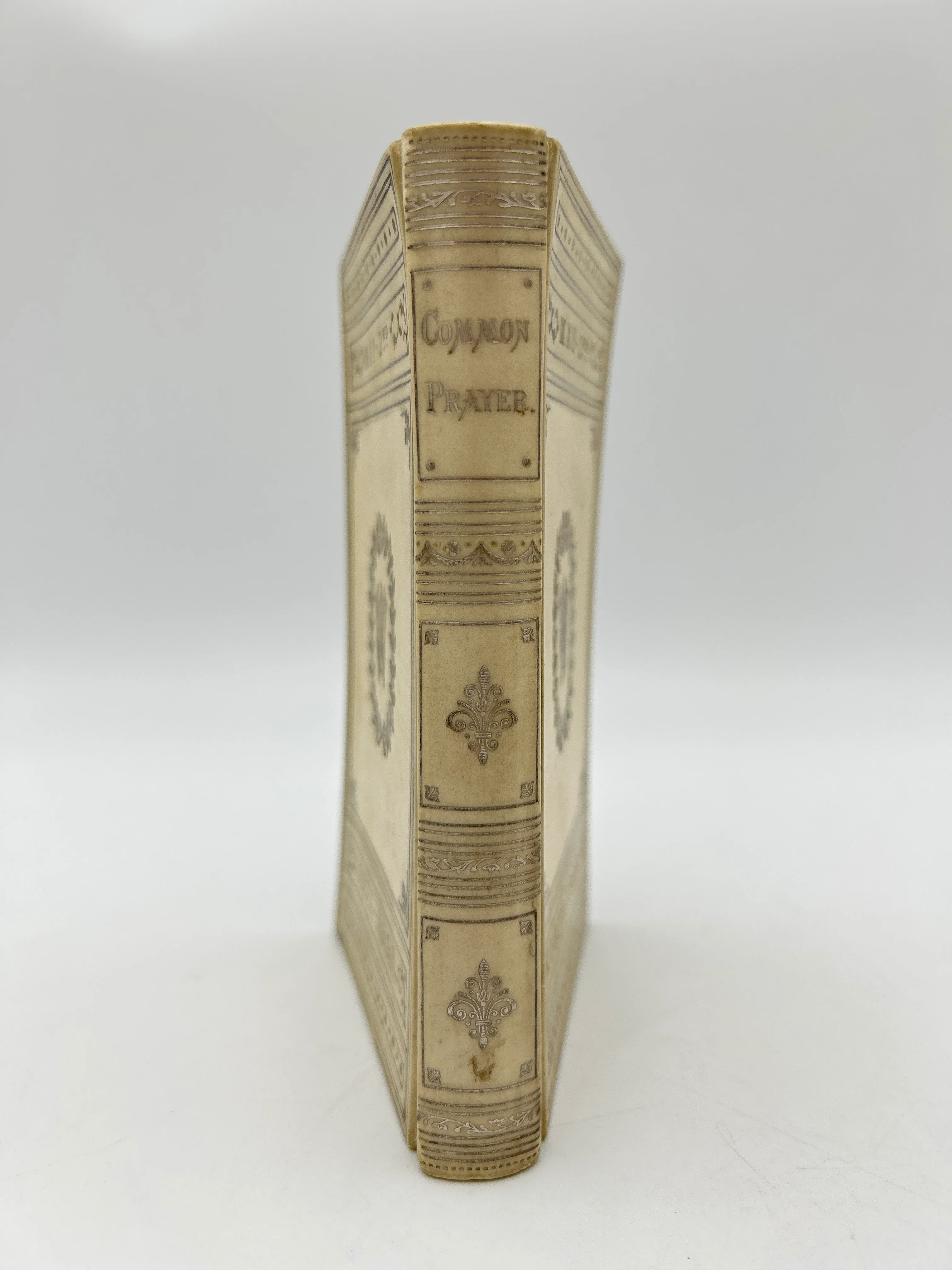
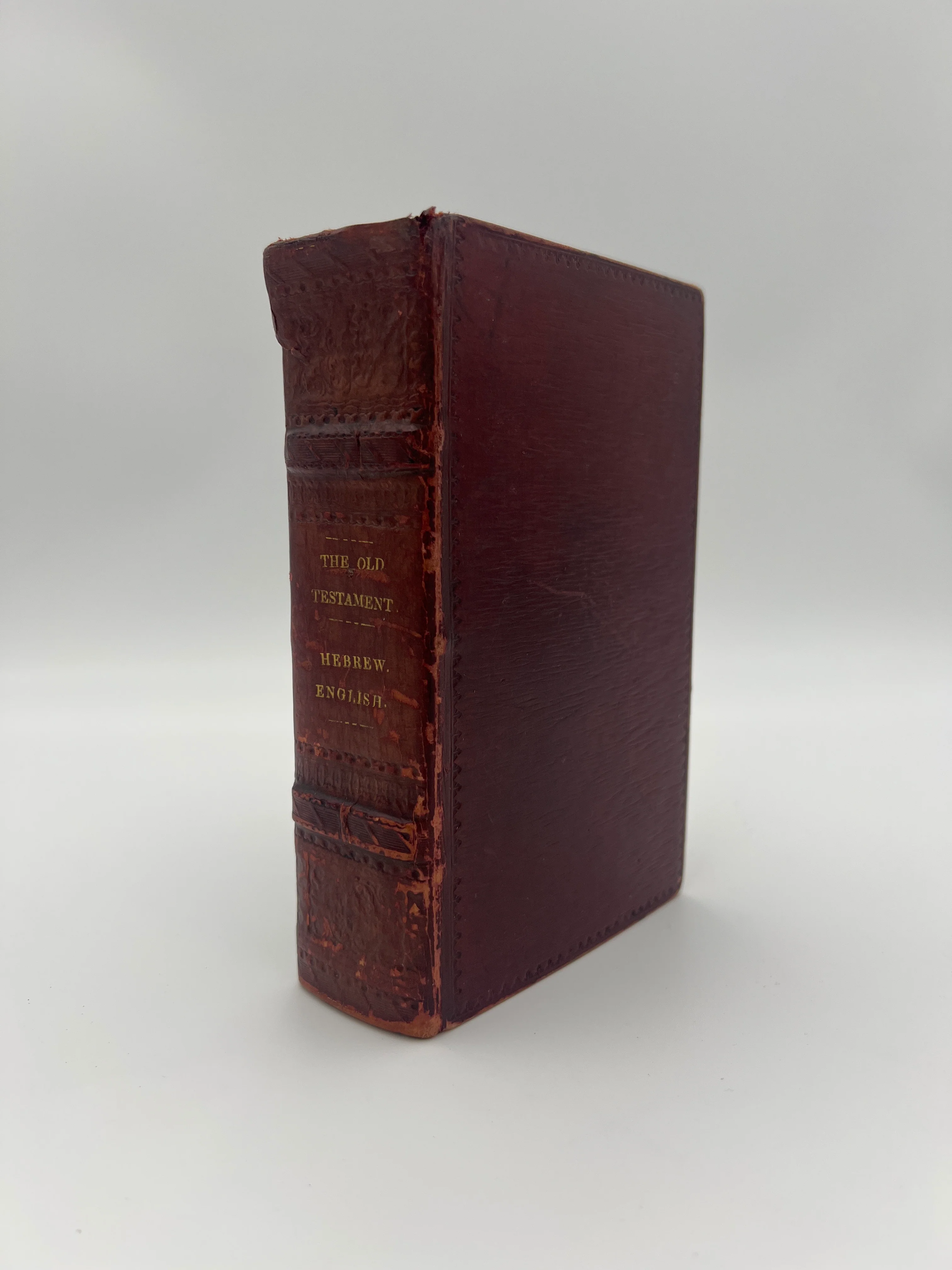
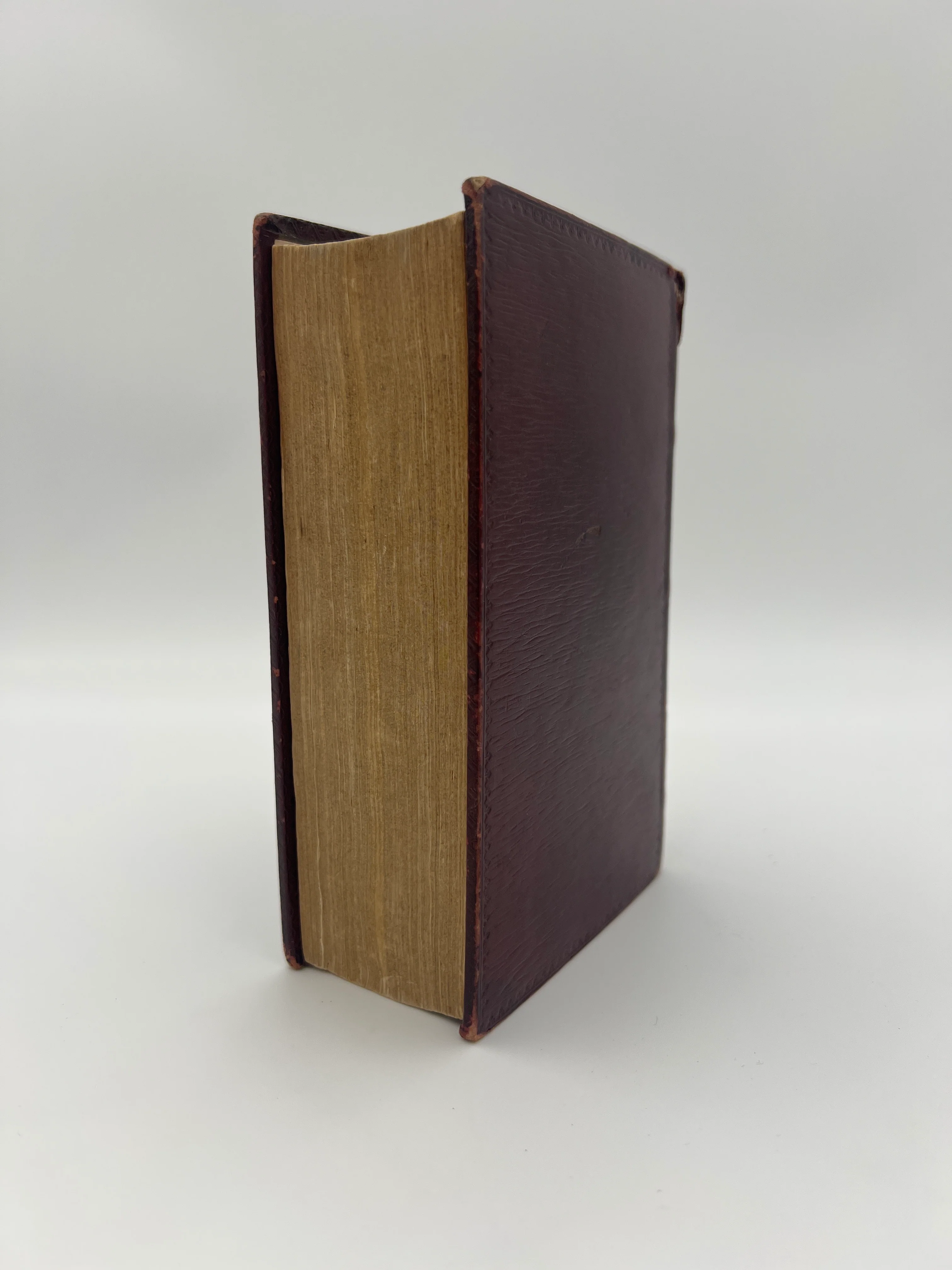
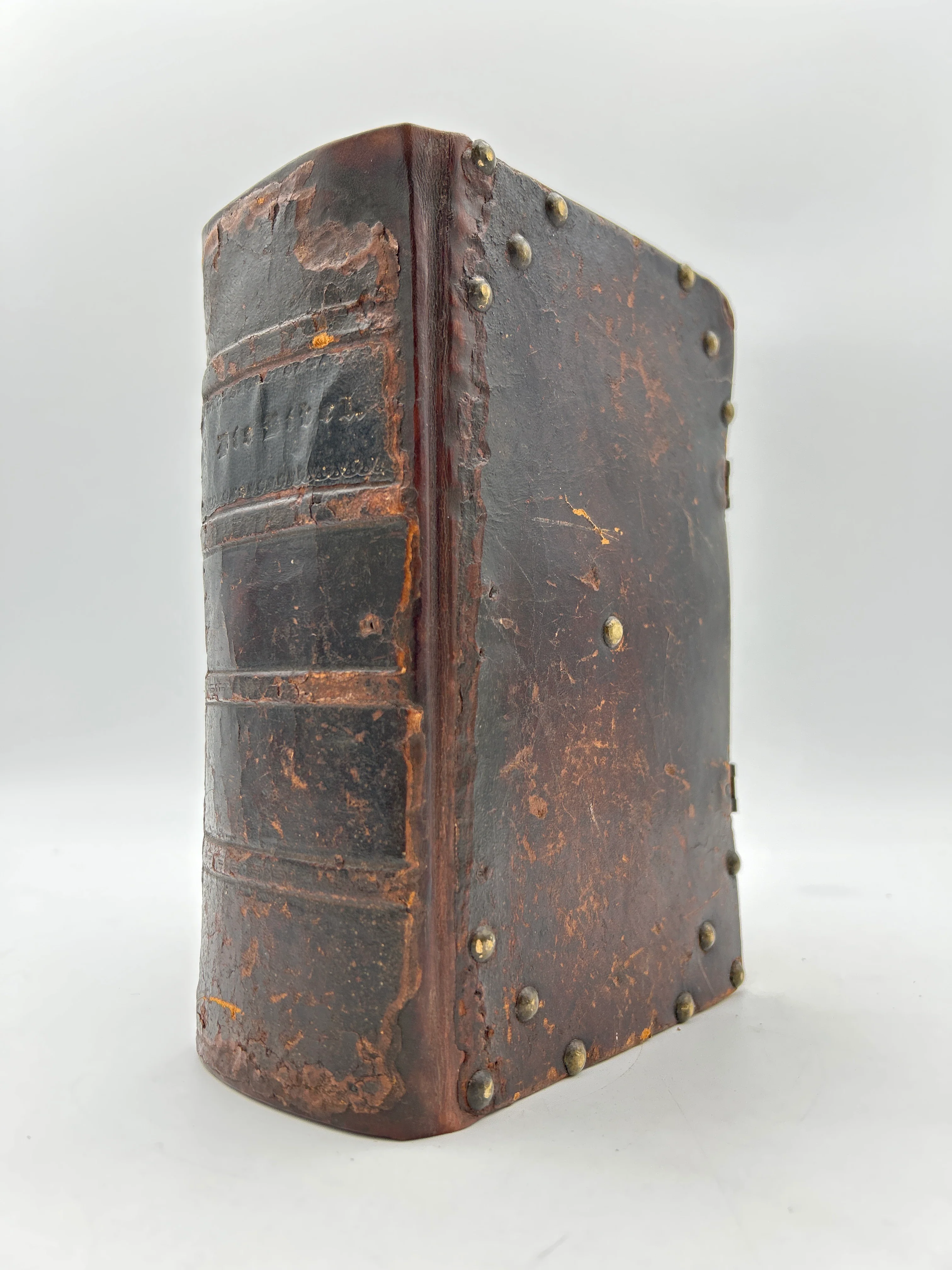
6B Holy Bible in Four Volumes. Oxford: At The University Press, 1885
Notes
The printing of the Bible began with Johannes Gutenberg’s mid-15th-century Latin Bible, the first major book produced with movable metal type in Europe, which demonstrated the revolutionary potential of print to reproduce long, complex texts accurately. In the decades that followed, Bibles were printed in Latin and vernacular languages, especially during the Reformation, when translations into German, English, and French became tools of religious reform and wider literacy. Printers refined features like chapter divisions, verse numbers, and marginal notes to aid study, while authorities often regulated editions to ensure doctrinal conformity. By the 16th century, Bible printing had become both a commercial enterprise and a cultural force, helping to shape religious identity, scholarship, and the spread of literacy across Europe.
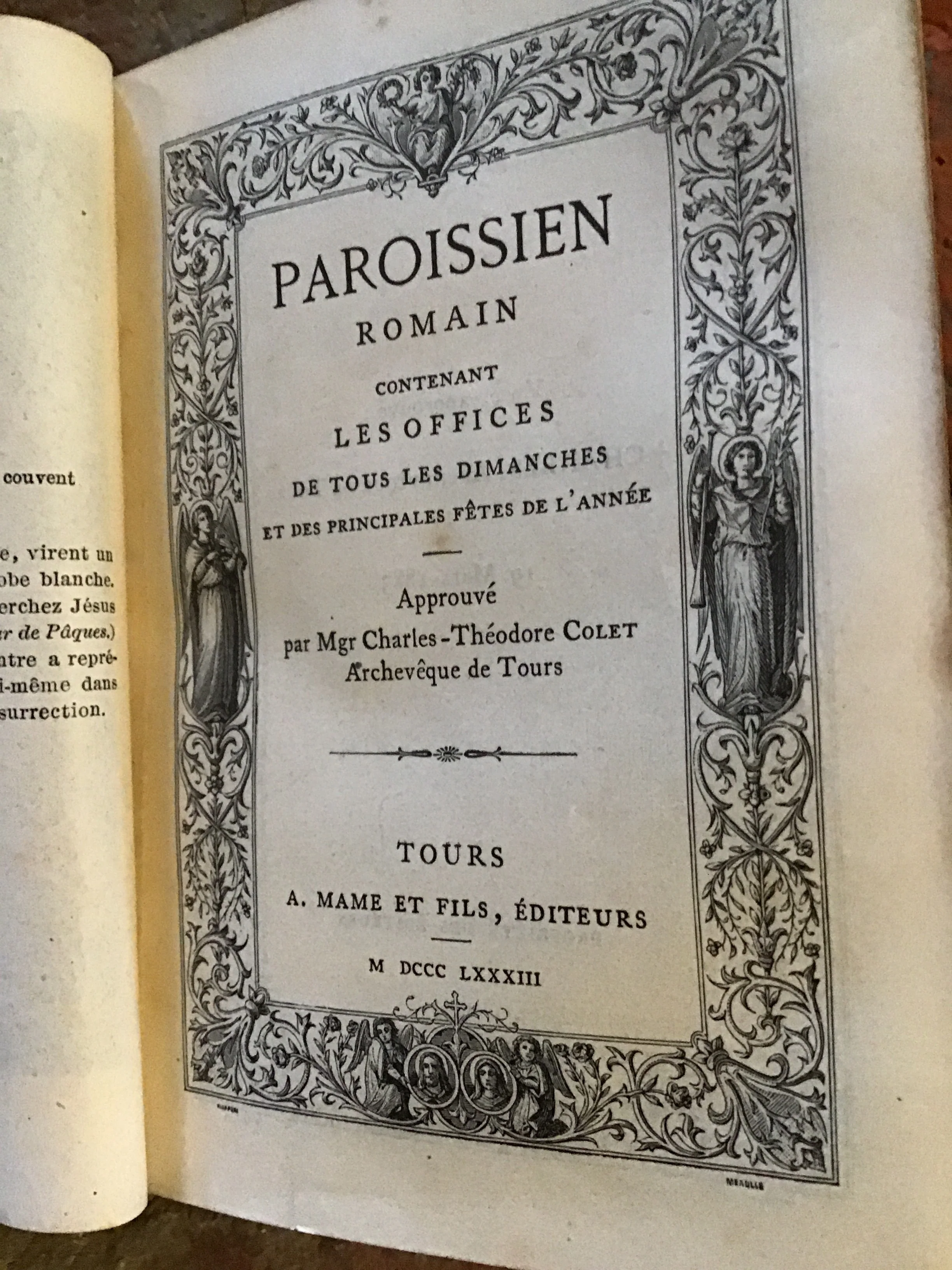
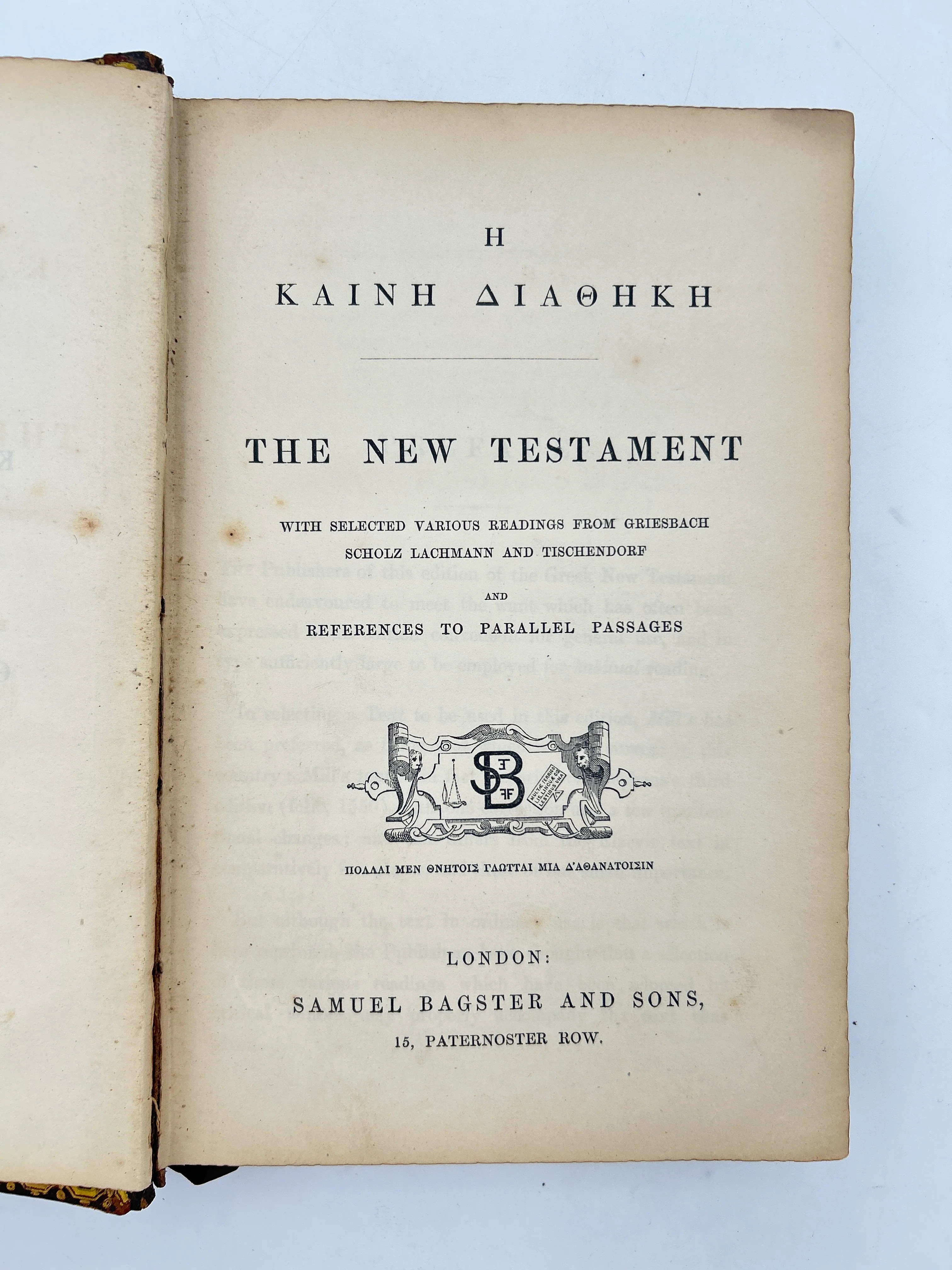
Nineteenth-century Bibles are notable for their extensive use of engraved illustrations, reflecting both technological advances and changing devotional tastes. Steel and copperplate engraving allowed for highly detailed, expressive images that were far more refined than earlier woodcuts, and these illustrations were often produced separately and then bound into the book. Publishers marketed illustrated Bibles as family heirlooms, frequently including full-page biblical scenes, decorative title pages, and portrait frontispieces, sometimes accompanied by maps and concordances. These Bibles were widely distributed through subscription publishing and missionary societies, making them important tools of religious education while also demonstrating the close relationship between Victorian religious culture, art, and the industrialization of book production.
Description
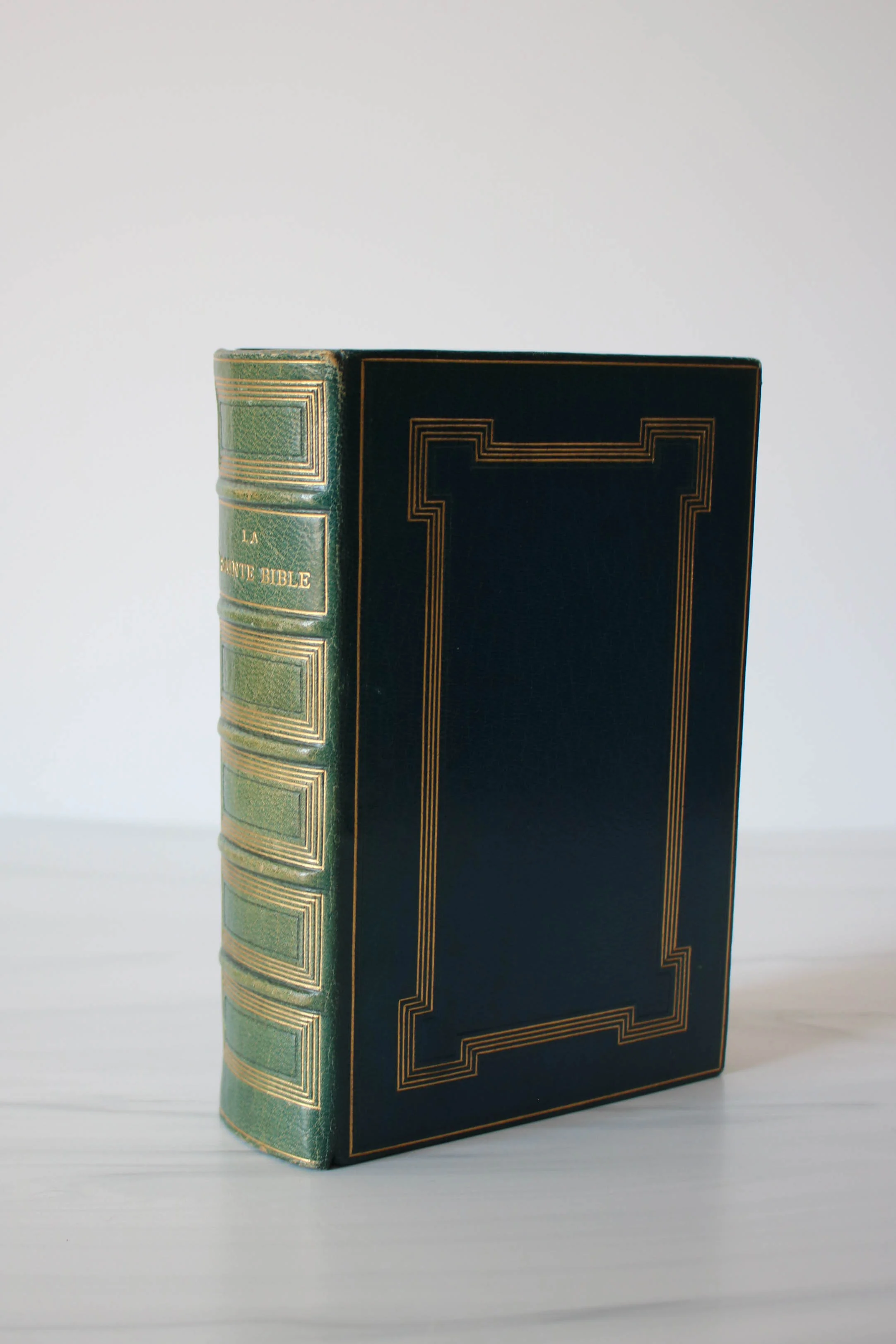
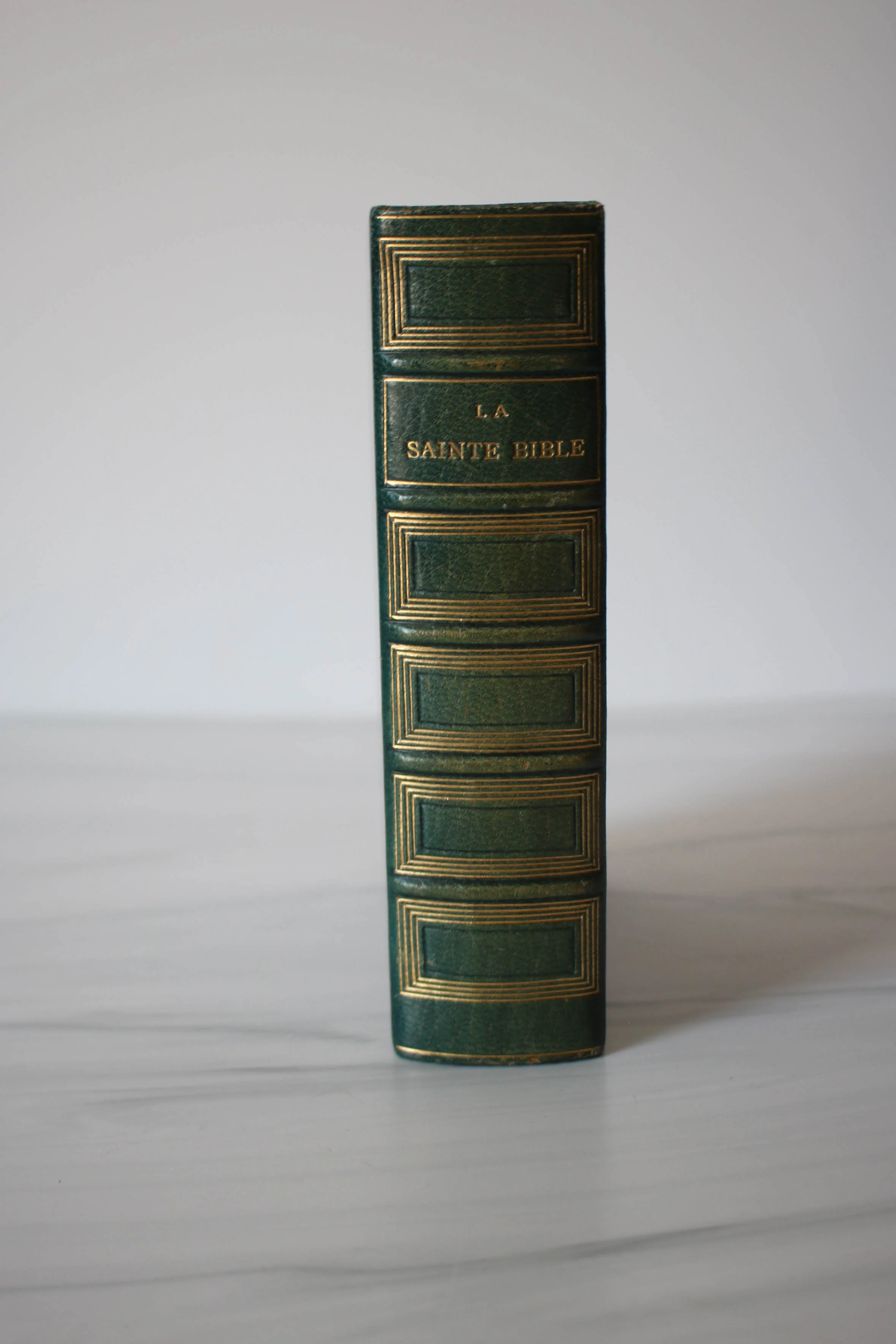
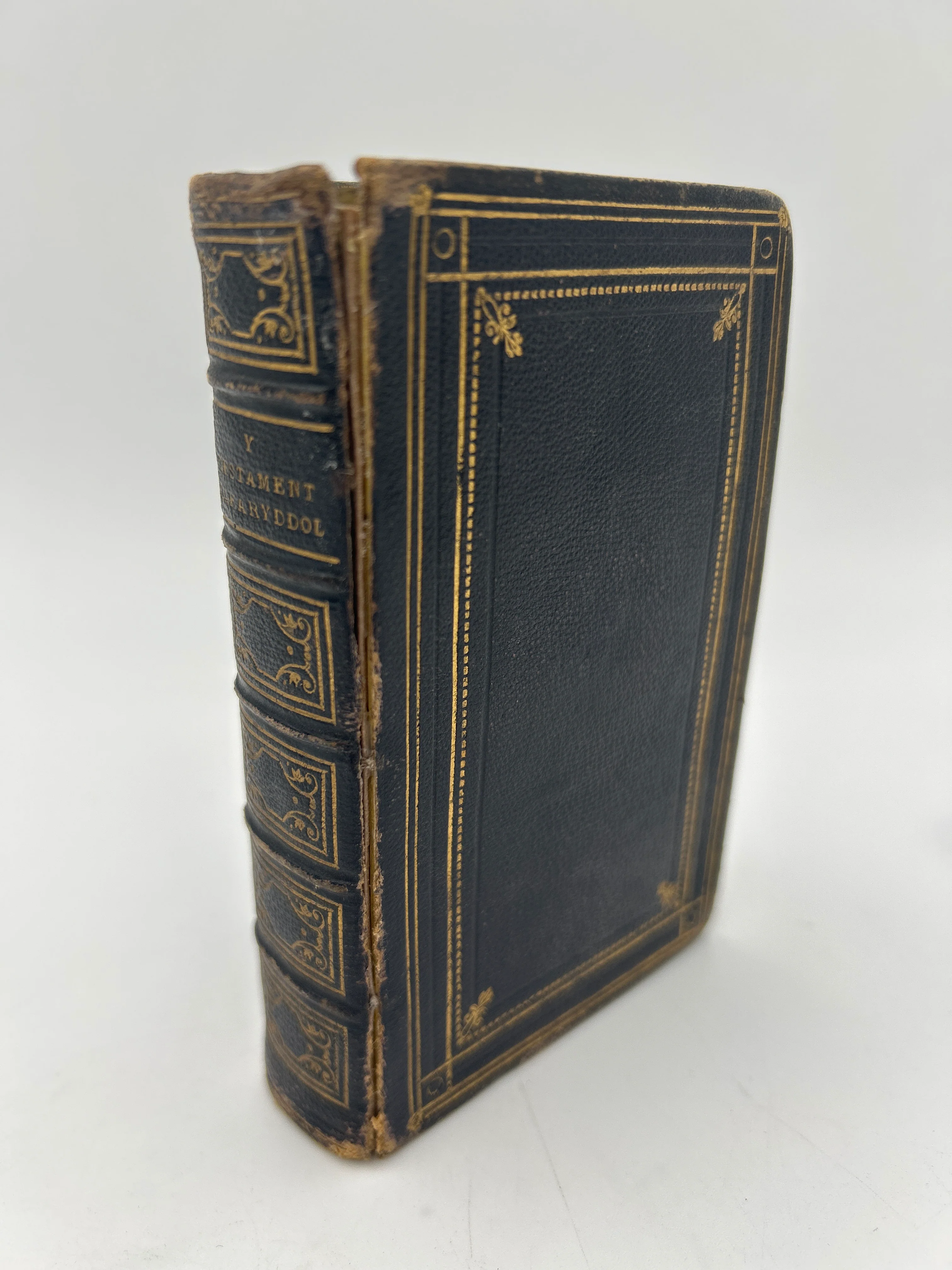
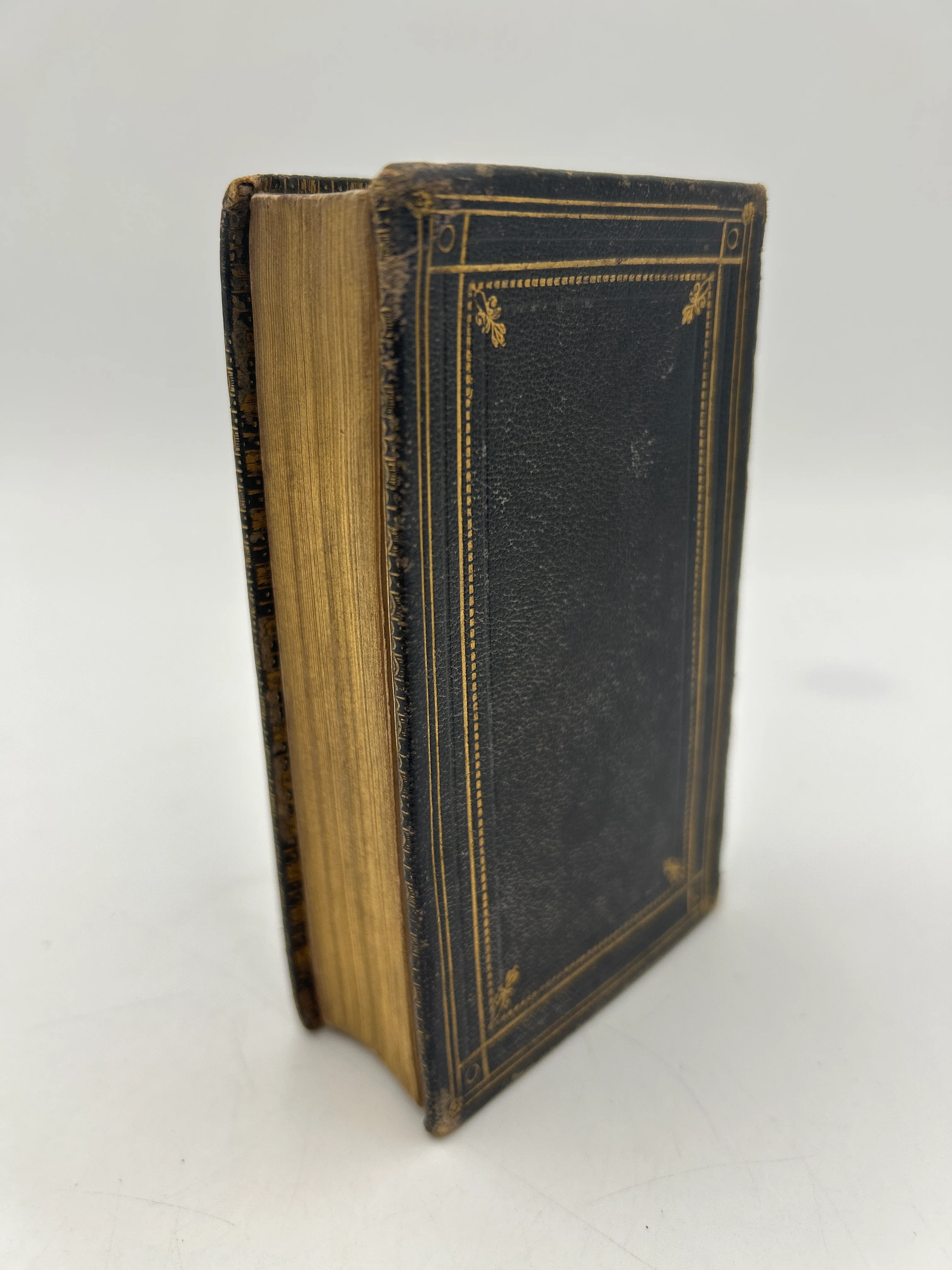
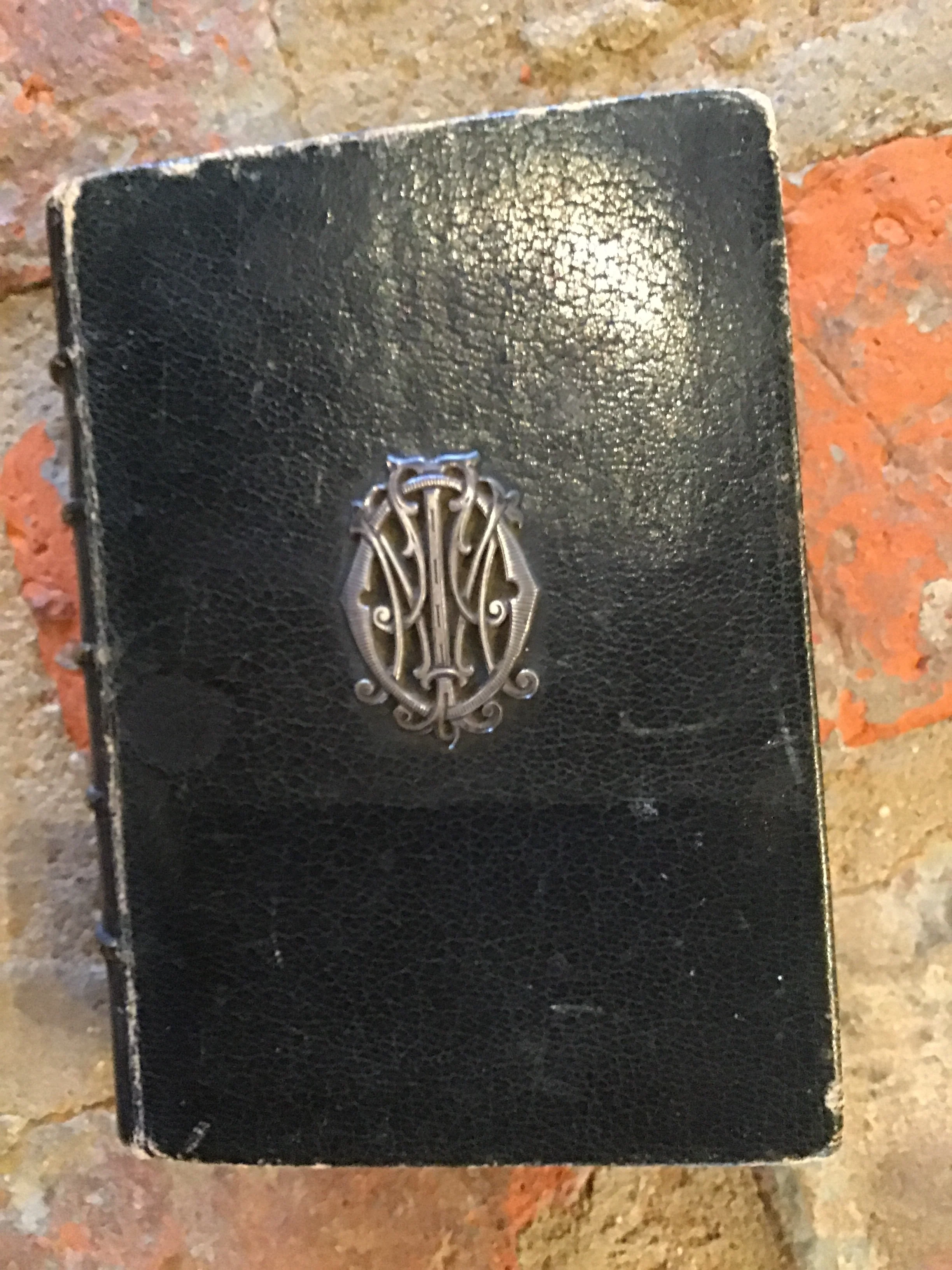
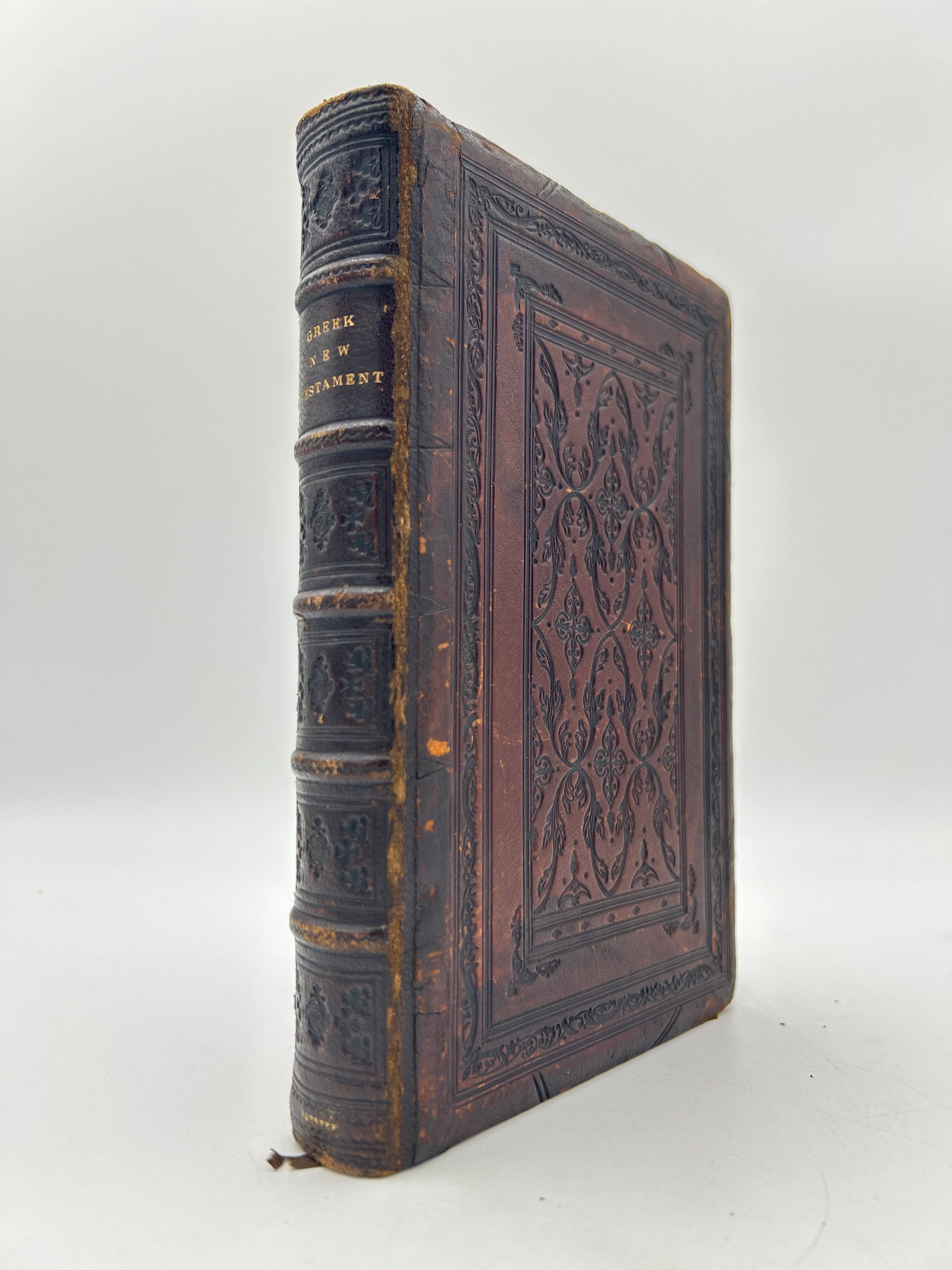
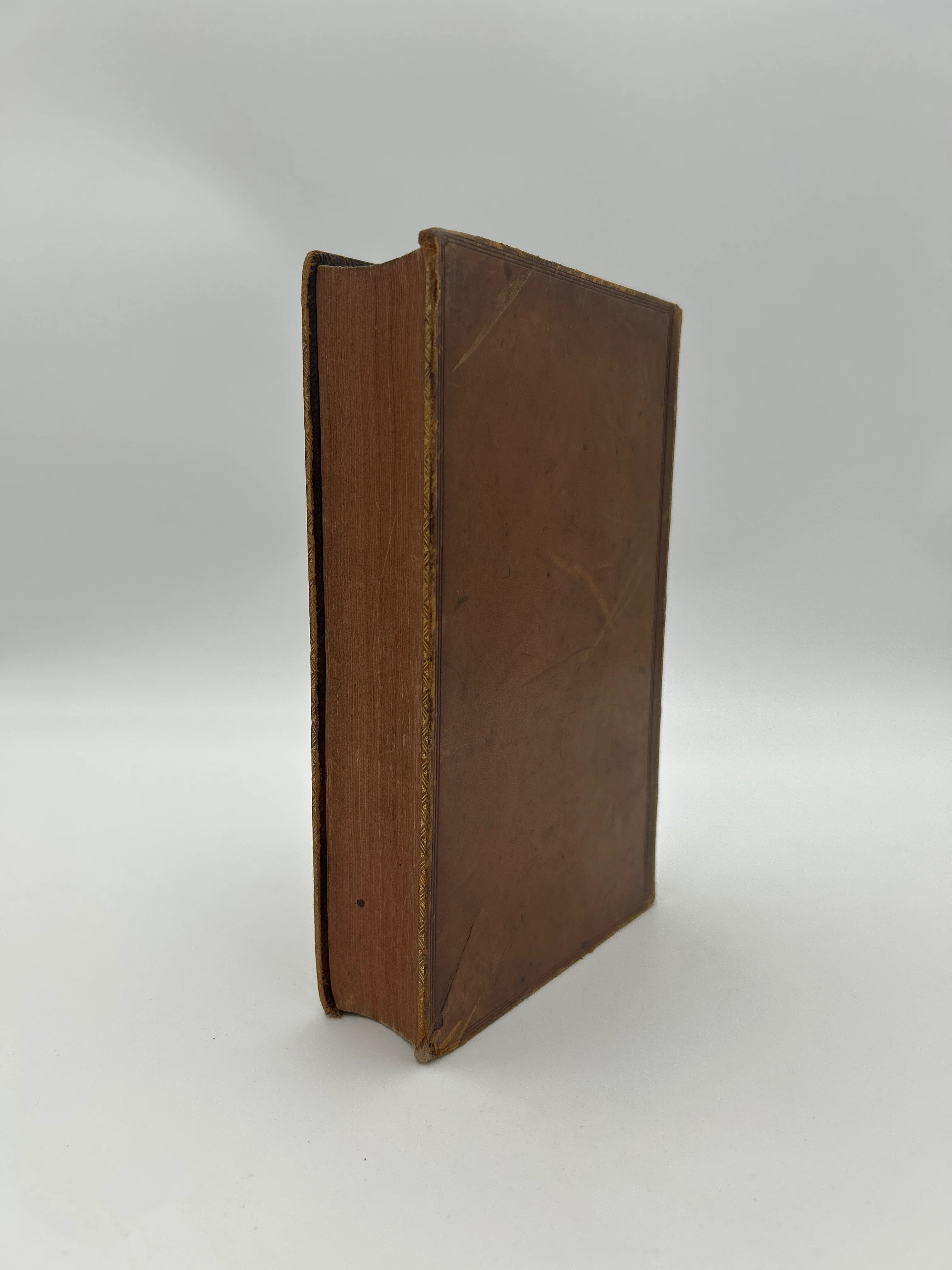
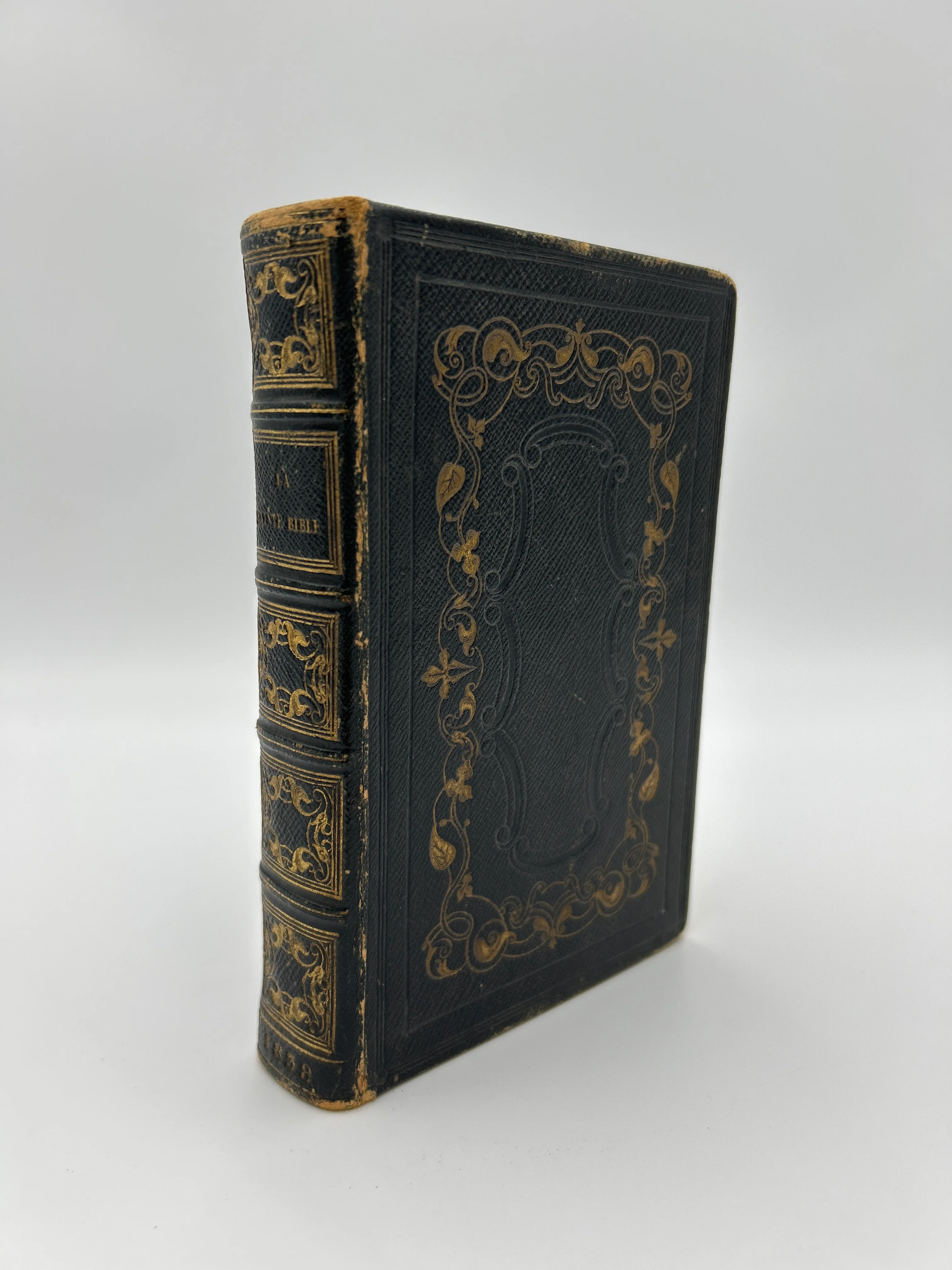
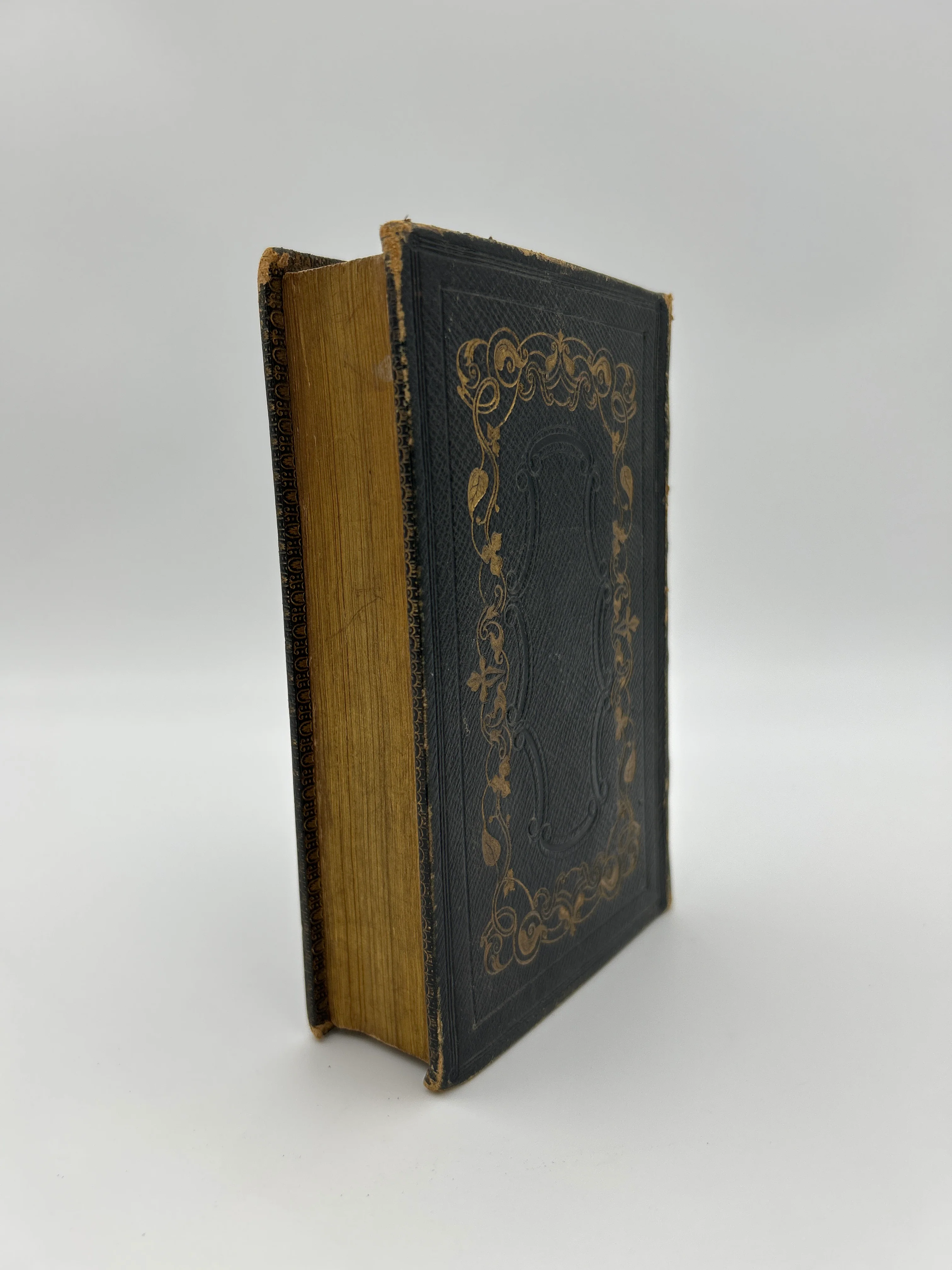
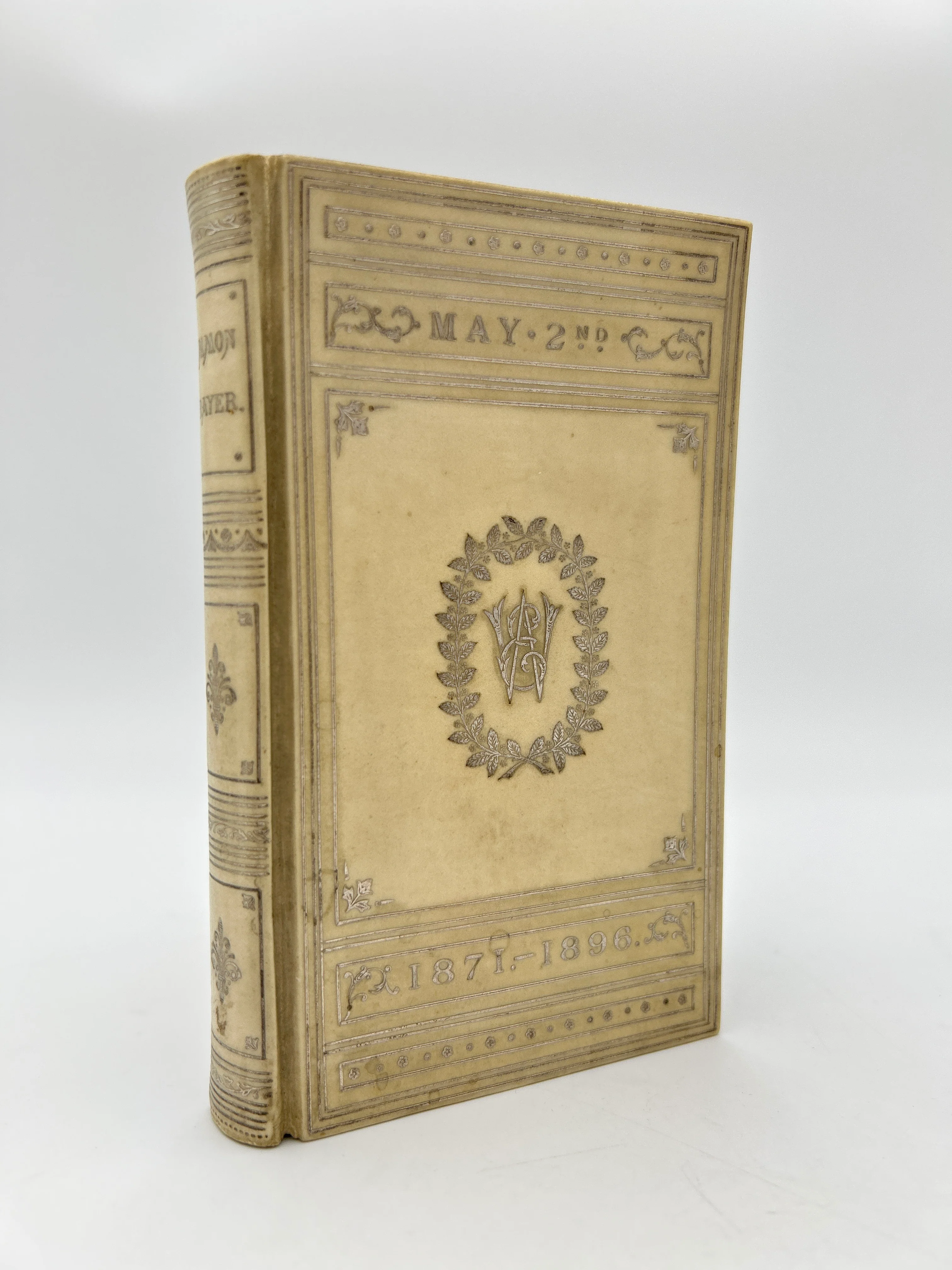
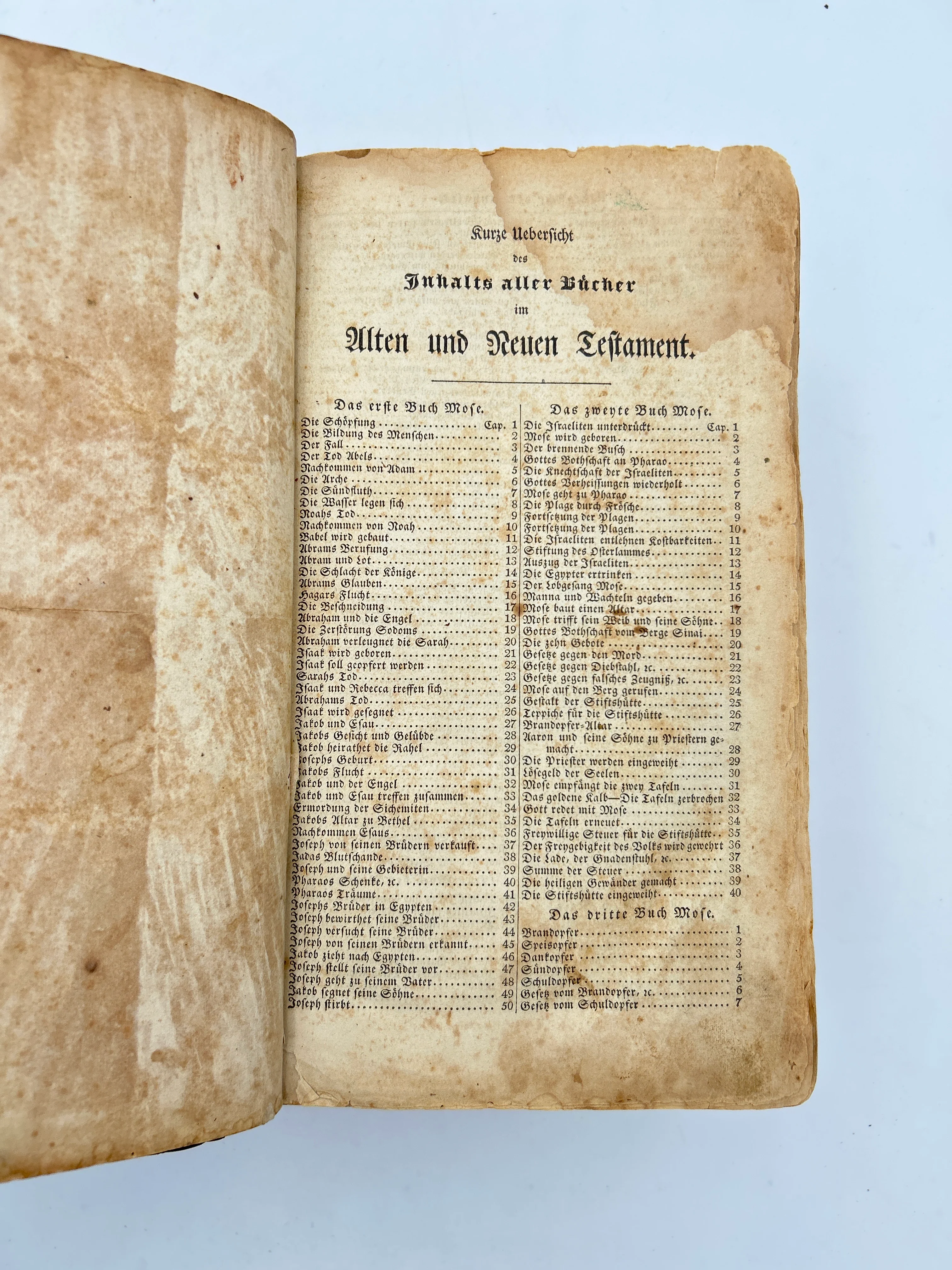
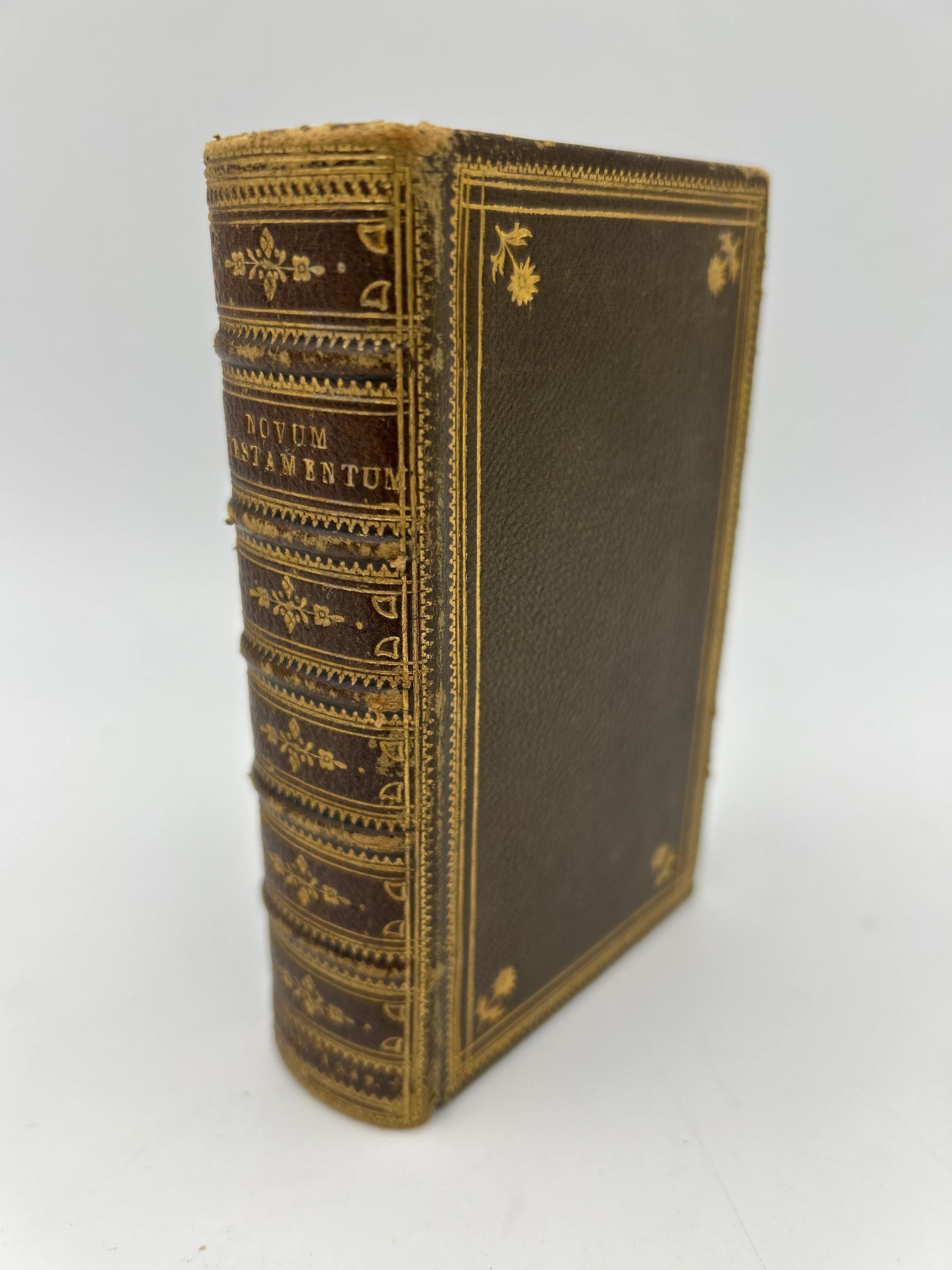
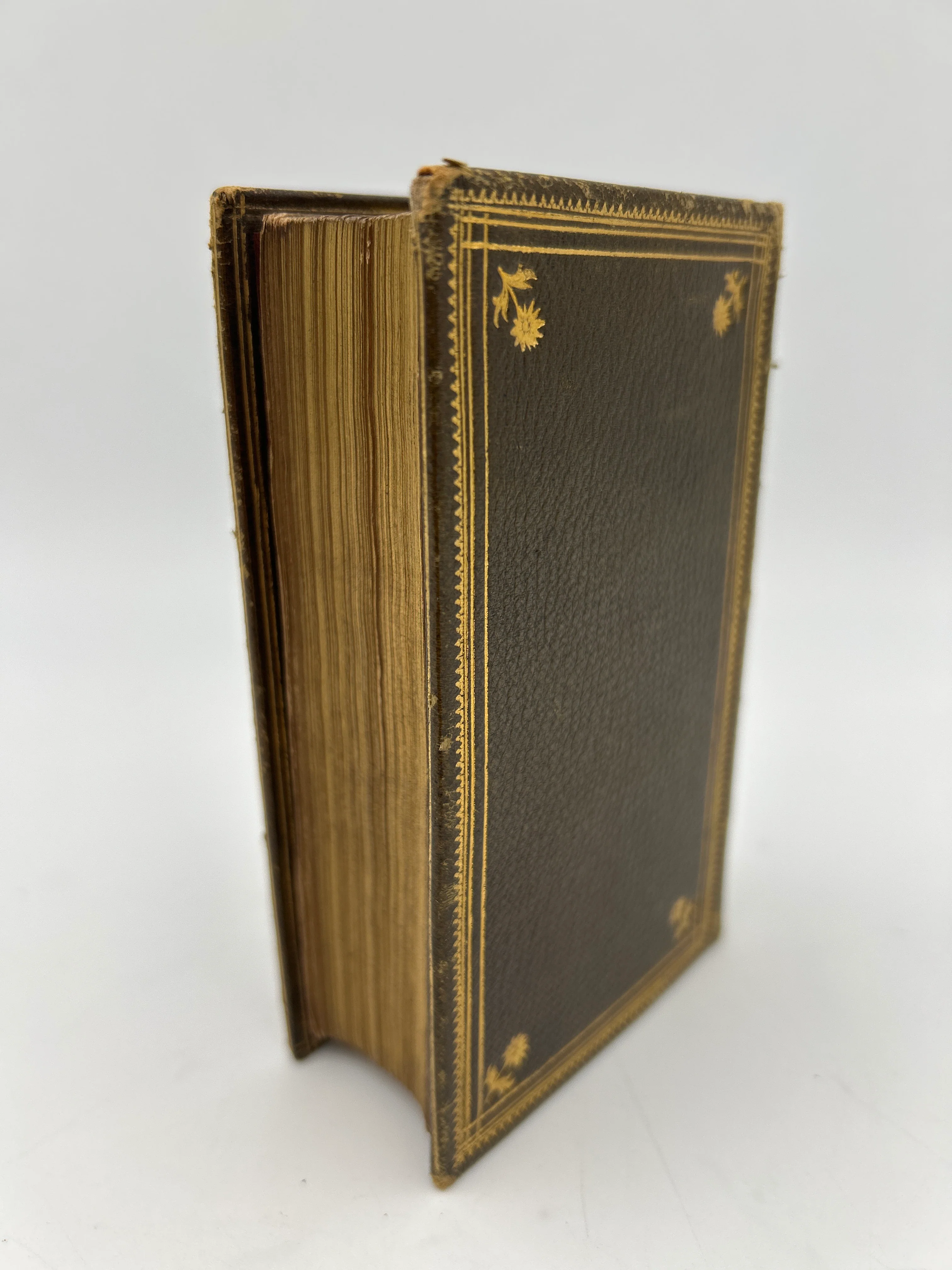
Bound in full black morocco pebble leather with embossed bordered covers and gold gilt titles on front cover and spine. Gold to red color-changing fore edges. Black endpaper with foxed flyleaves. Fine and bright copy inside and out.
Dimensions: 10 x 7 x 1 3/4 inches

Details & Craftsmanship
Every detail has been carefully considered to bring you the perfect product.

Details & Craftsmanship
Every detail has been carefully considered to bring you the perfect product.

Details & Craftsmanship
Every detail has been carefully considered to bring you the perfect product.

Details & Craftsmanship
Every detail has been carefully considered to bring you the perfect product.

Details & Craftsmanship
Every detail has been carefully considered to bring you the perfect product.

Details & Craftsmanship
Every detail has been carefully considered to bring you the perfect product.

Details & Craftsmanship
Every detail has been carefully considered to bring you the perfect product.

Details & Craftsmanship
Every detail has been carefully considered to bring you the perfect product.
Description
6B Holy Bible in Four Volumes. Oxford: At The University Press, 1885
Notes
The printing of the Bible began with Johannes Gutenberg’s mid-15th-century Latin Bible, the first major book produced with movable metal type in Europe, which demonstrated the revolutionary potential of print to reproduce long, complex texts accurately. In the decades that followed, Bibles were printed in Latin and vernacular languages, especially during the Reformation, when translations into German, English, and French became tools of religious reform and wider literacy. Printers refined features like chapter divisions, verse numbers, and marginal notes to aid study, while authorities often regulated editions to ensure doctrinal conformity. By the 16th century, Bible printing had become both a commercial enterprise and a cultural force, helping to shape religious identity, scholarship, and the spread of literacy across Europe.
Nineteenth-century Bibles are notable for their extensive use of engraved illustrations, reflecting both technological advances and changing devotional tastes. Steel and copperplate engraving allowed for highly detailed, expressive images that were far more refined than earlier woodcuts, and these illustrations were often produced separately and then bound into the book. Publishers marketed illustrated Bibles as family heirlooms, frequently including full-page biblical scenes, decorative title pages, and portrait frontispieces, sometimes accompanied by maps and concordances. These Bibles were widely distributed through subscription publishing and missionary societies, making them important tools of religious education while also demonstrating the close relationship between Victorian religious culture, art, and the industrialization of book production.
Description
Bound in full black morocco pebble leather with embossed bordered covers and gold gilt titles on front cover and spine. Gold to red color-changing fore edges. Black endpaper with foxed flyleaves. Fine and bright copy inside and out.
Dimensions: 10 x 7 x 1 3/4 inches