Original: $125.00
-65%$125.00
$43.75The Story
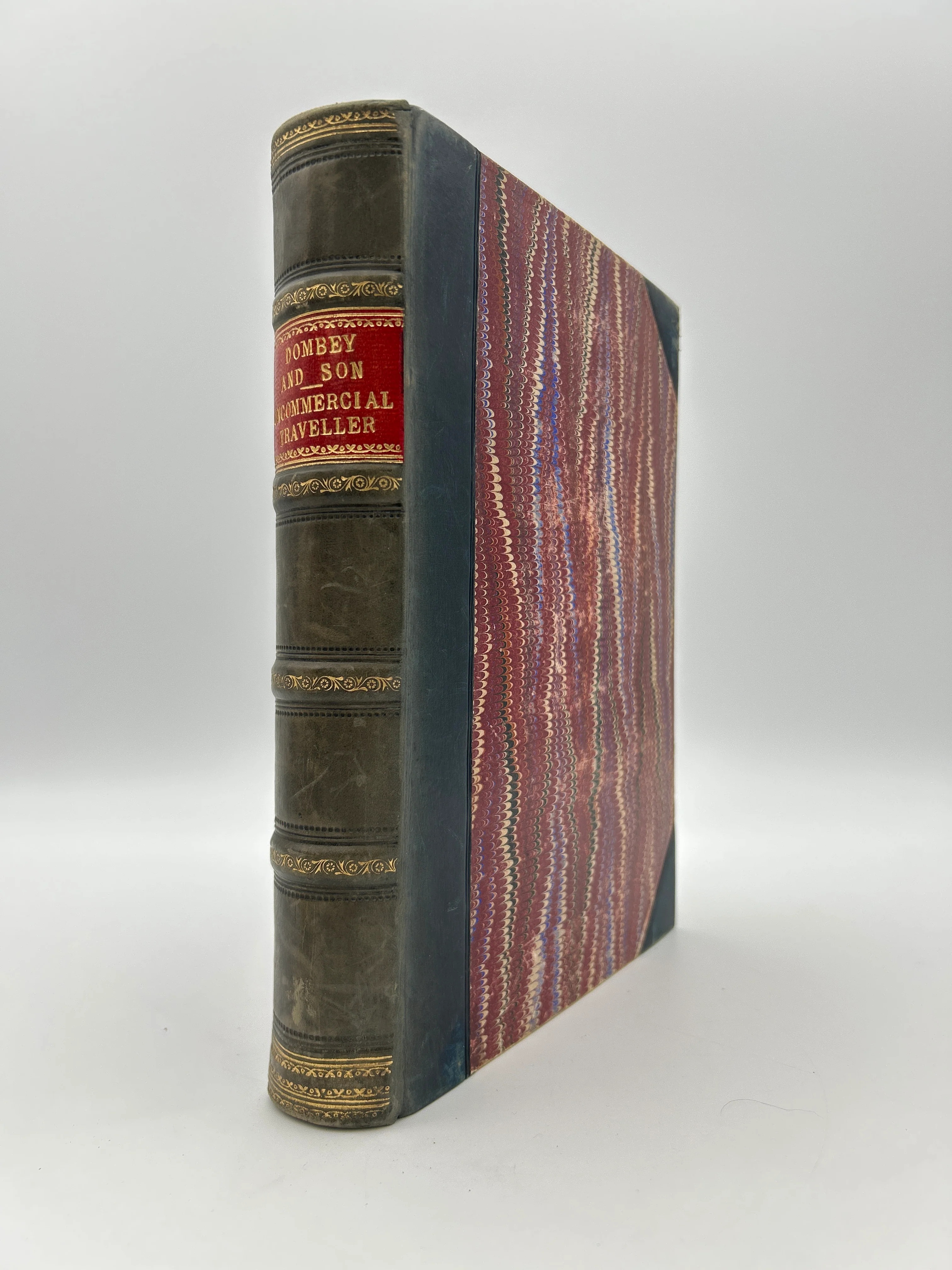
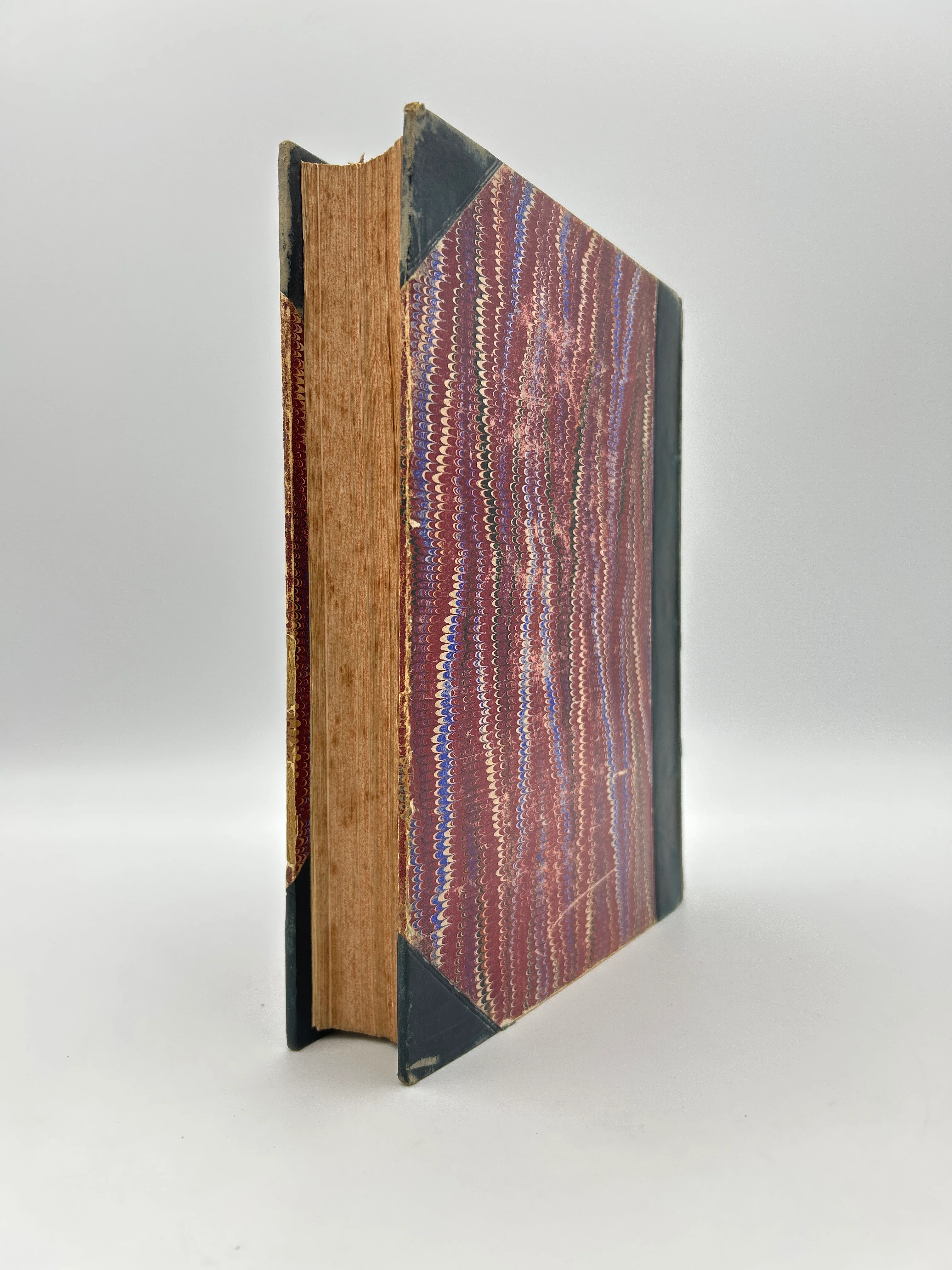
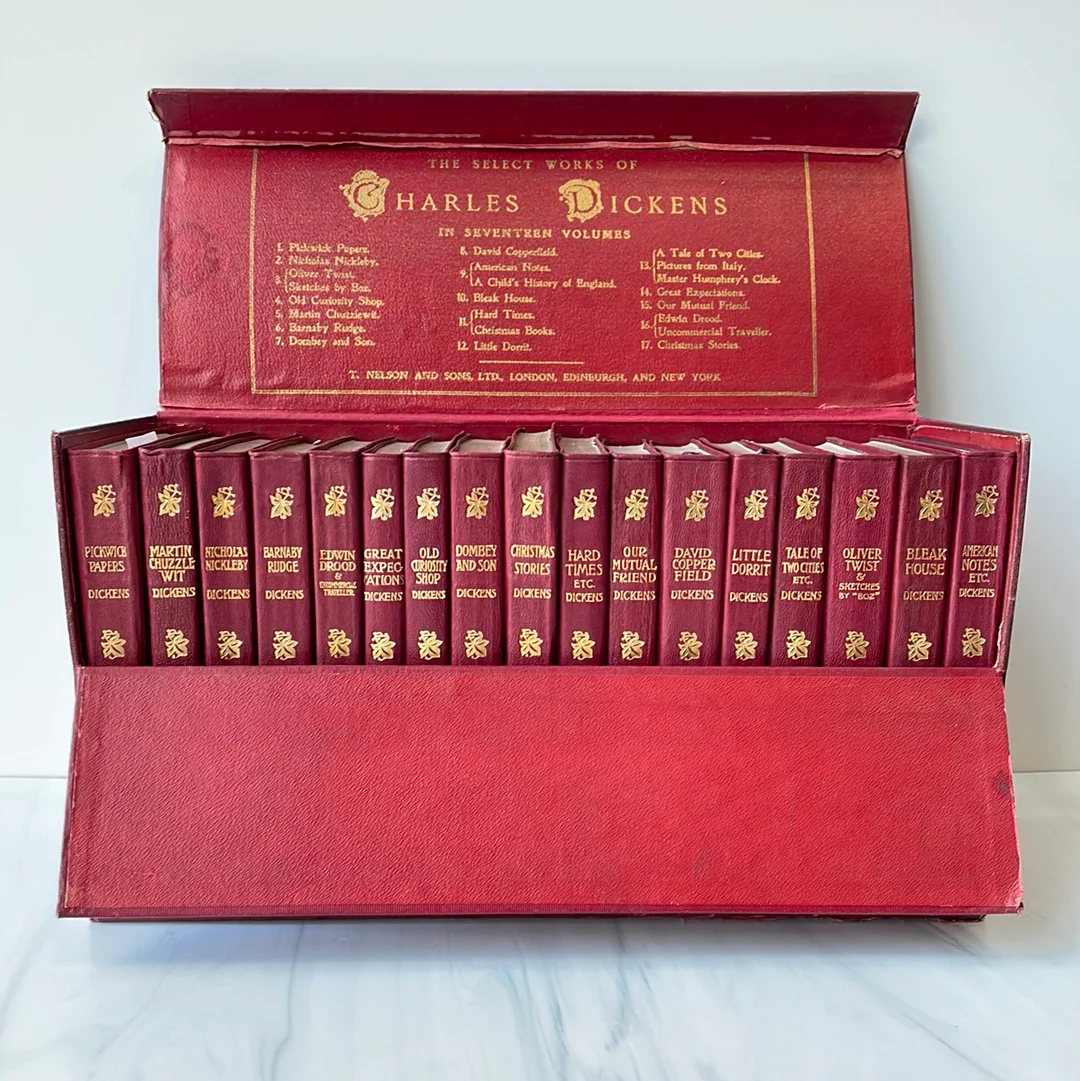
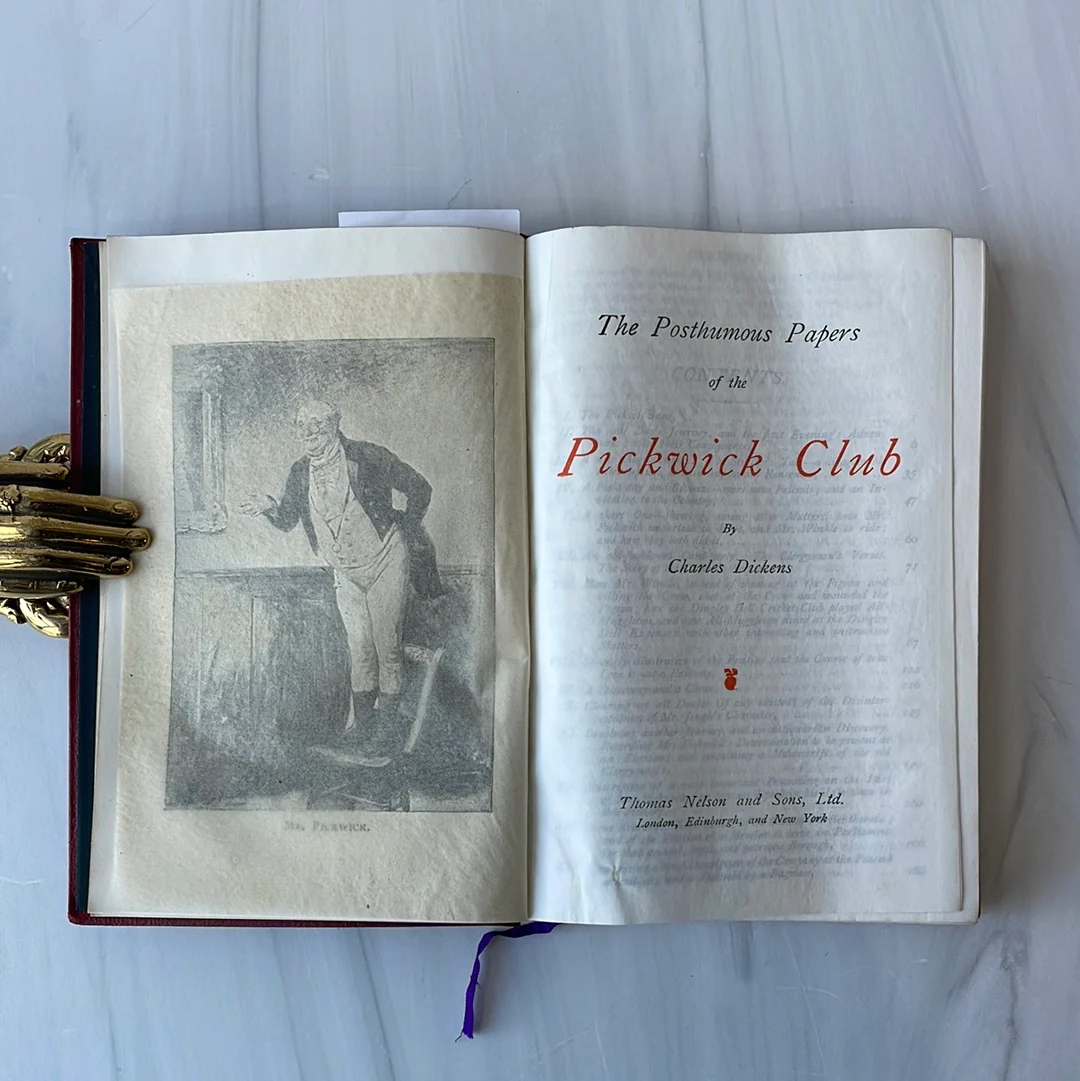
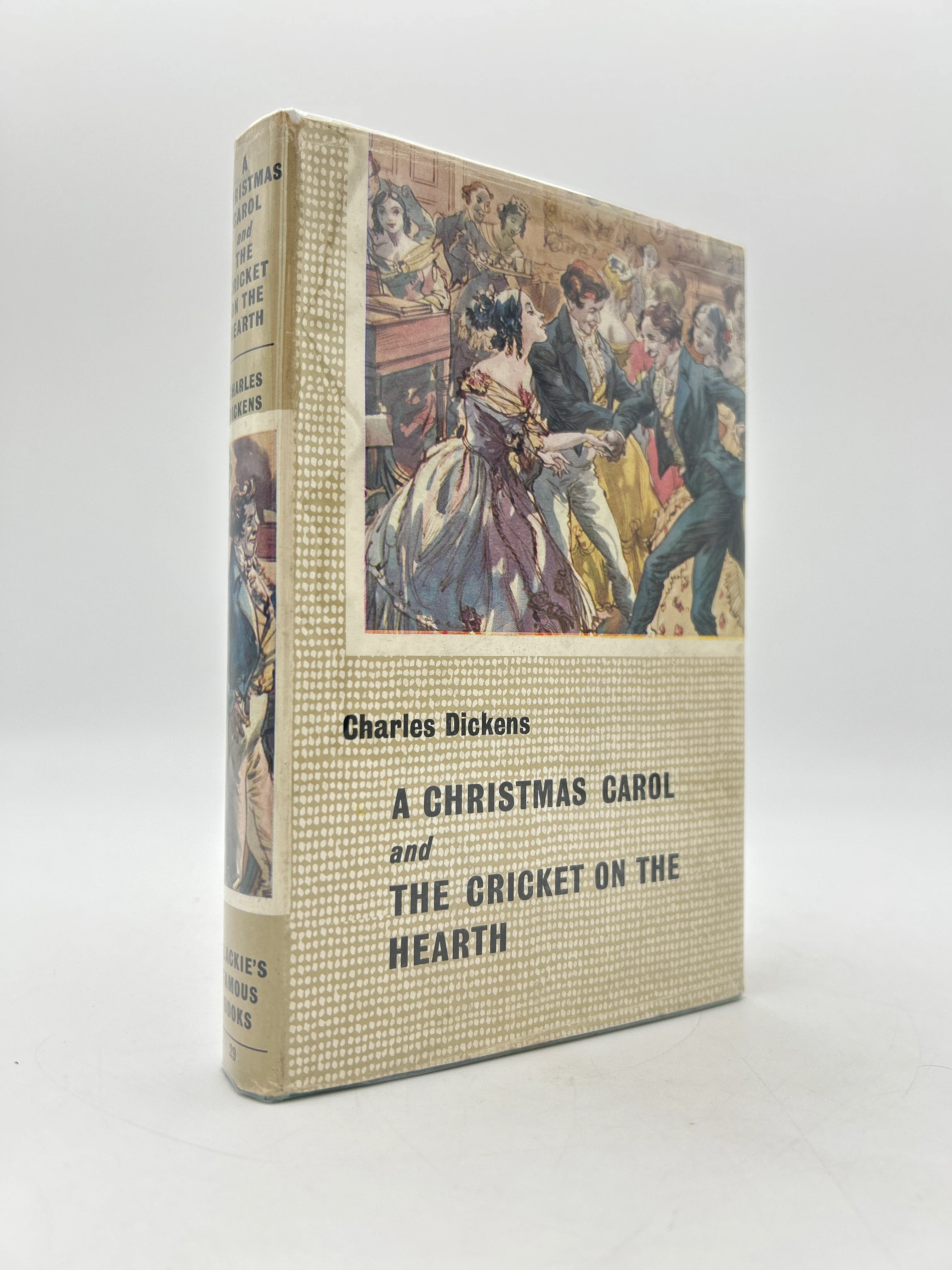
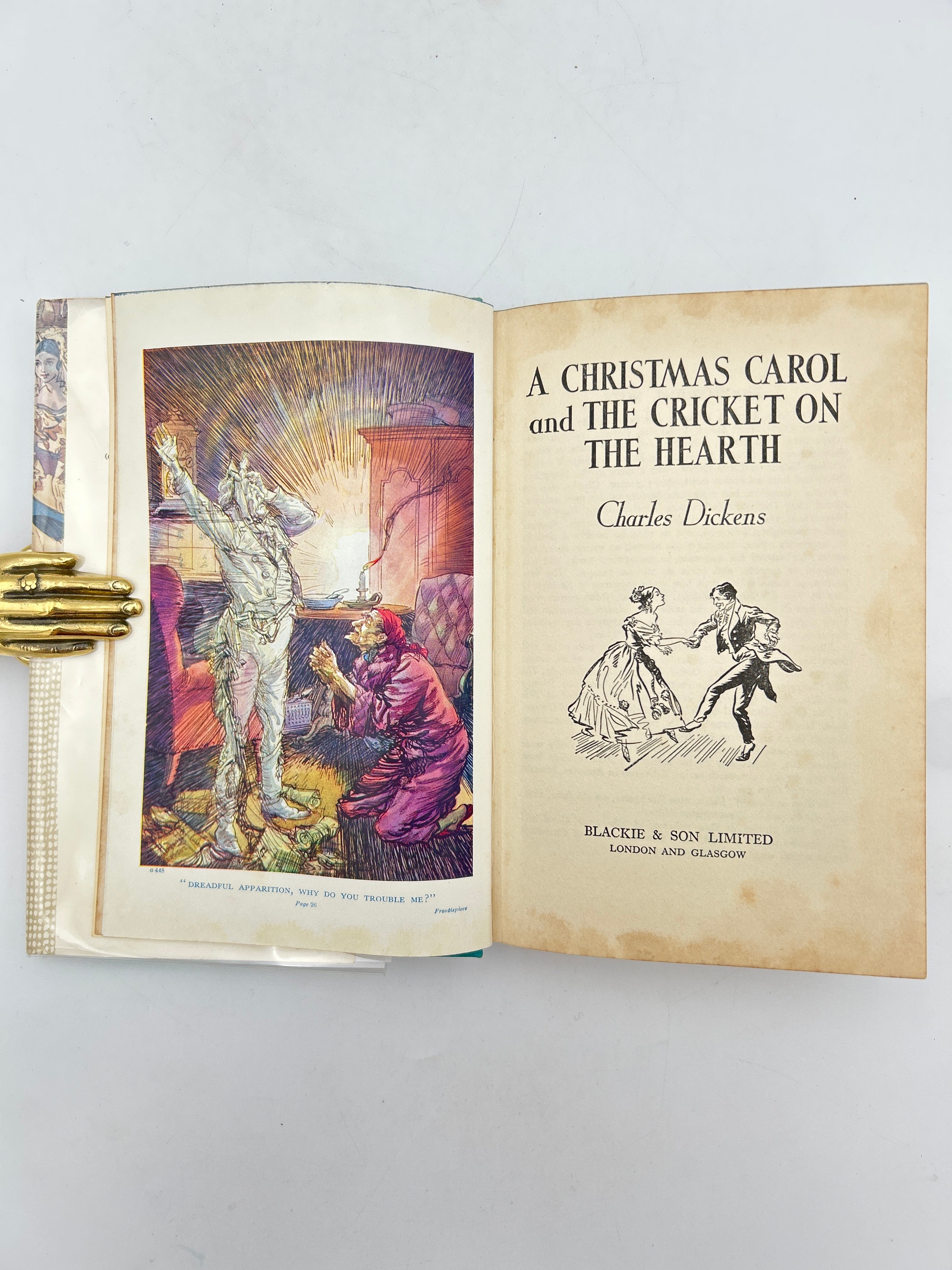
6W Charles Dickens. London: Blackie & Son Limited, ca. 1950s.
Notes
A Christmas Carol and The Cricket on the Hearth are two of the best-known seasonal tales by Charles Dickens, reflecting his deep interest in themes of family, generosity, and moral transformation. A Christmas Carol (1843) tells the story of Ebenezer Scrooge, a miserly businessman who is visited by the ghosts of Christmas Past, Present, and Yet to Come, ultimately leading him toward compassion and redemption. The Cricket on the Hearth (1845), part of Dickens’s Christmas Books series, centers on the Peerybingle family and the comforting presence of a household cricket believed to symbolize domestic happiness. Both stories combine warmth, humor, and sentiment to celebrate the importance of kindness, community, and the spirit of Christmas.
Charles Dickens (1812–1870) was one of the most influential novelists of the Victorian era, known for his vivid characters, social commentary, and storytelling that blended realism with moral reflection. His own difficult childhood—including time spent working in a factory while his father was imprisoned for debt—shaped his lifelong concern for poverty, injustice, and the struggles of ordinary people. Through works such as Oliver Twist, David Copperfield, and Great Expectations, Dickens became a powerful voice for social reform. His Christmas stories, particularly A Christmas Carol, helped revive and shape modern Christmas traditions, emphasizing generosity, goodwill, and the importance of caring for others.
Description
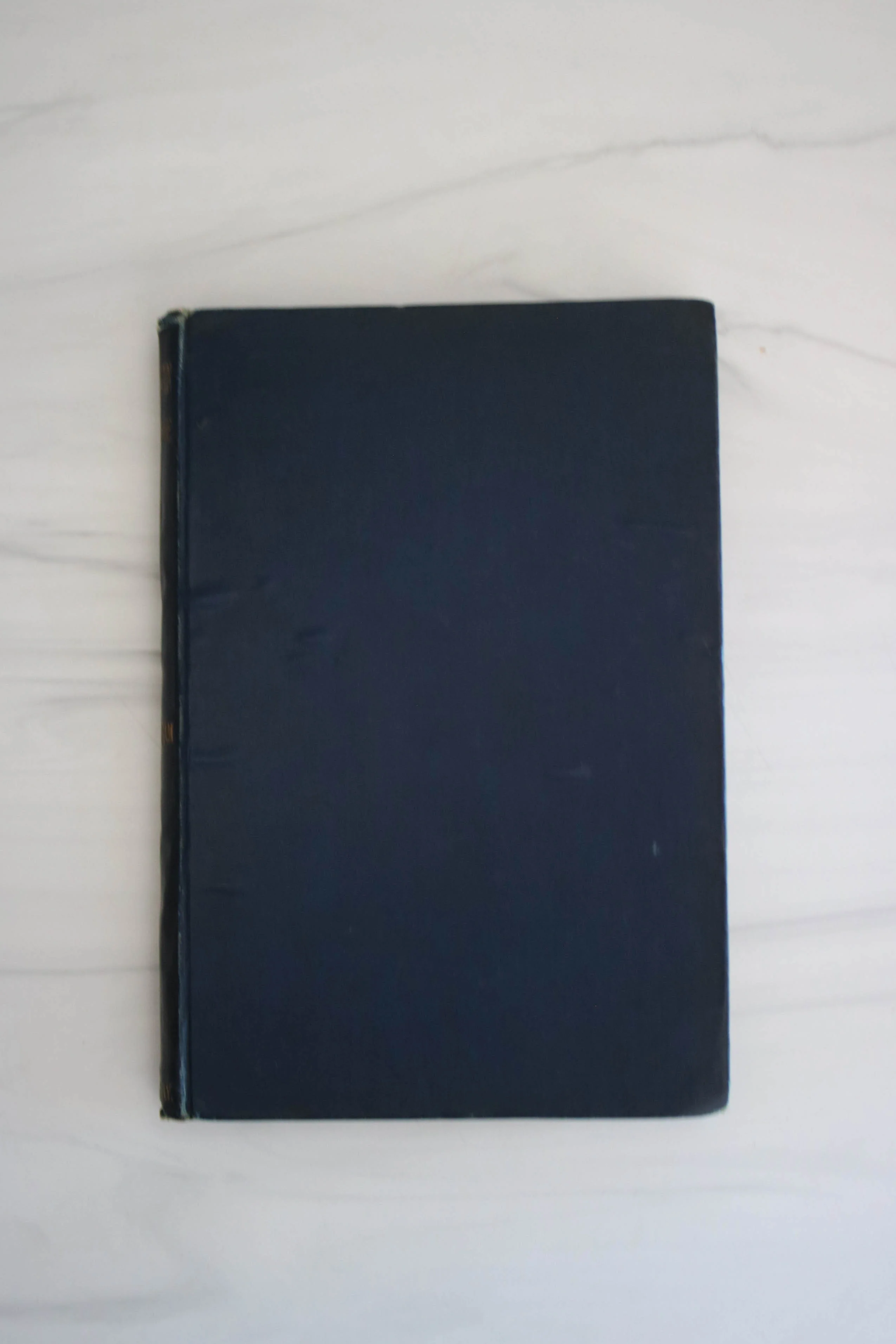
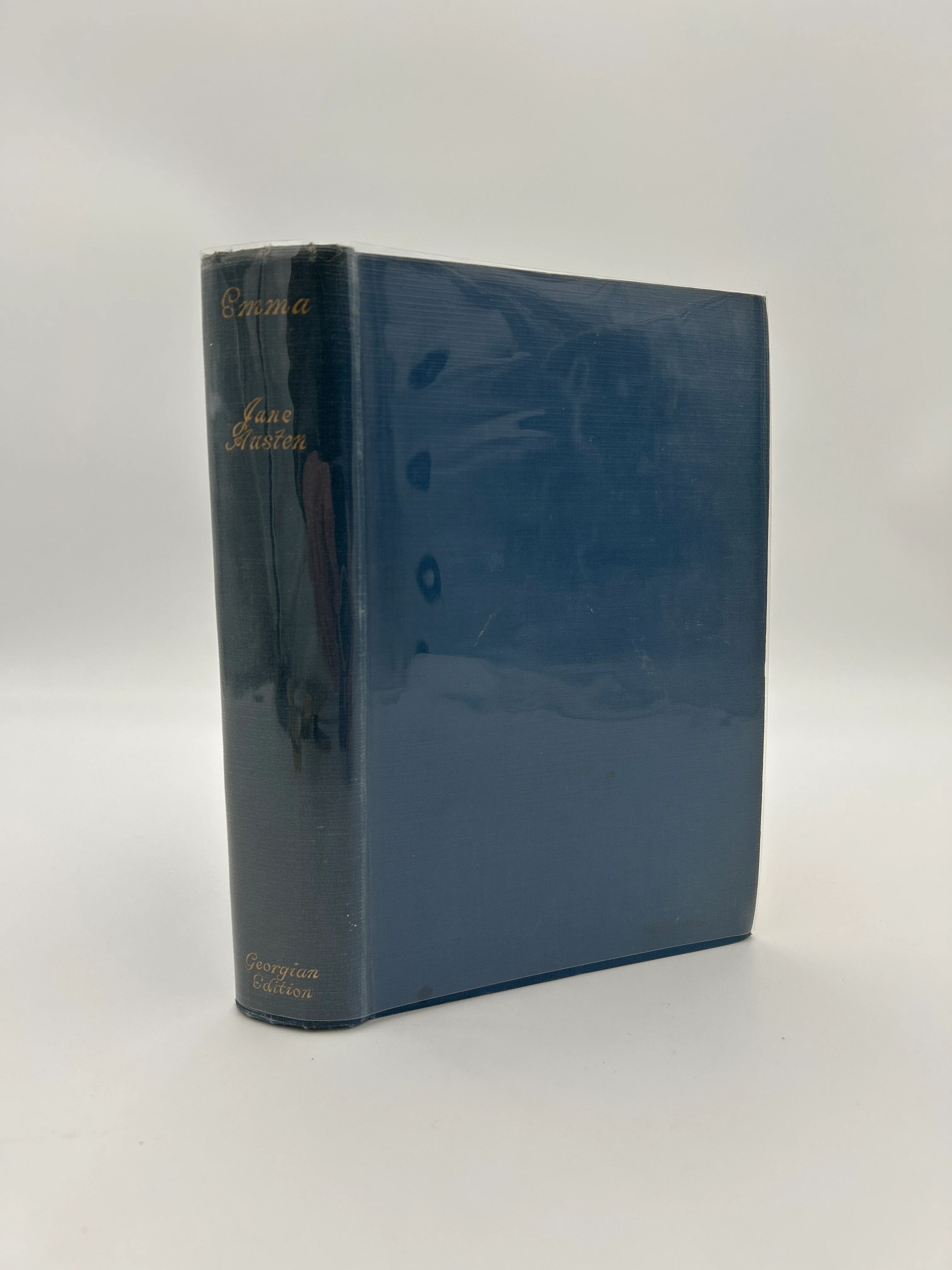
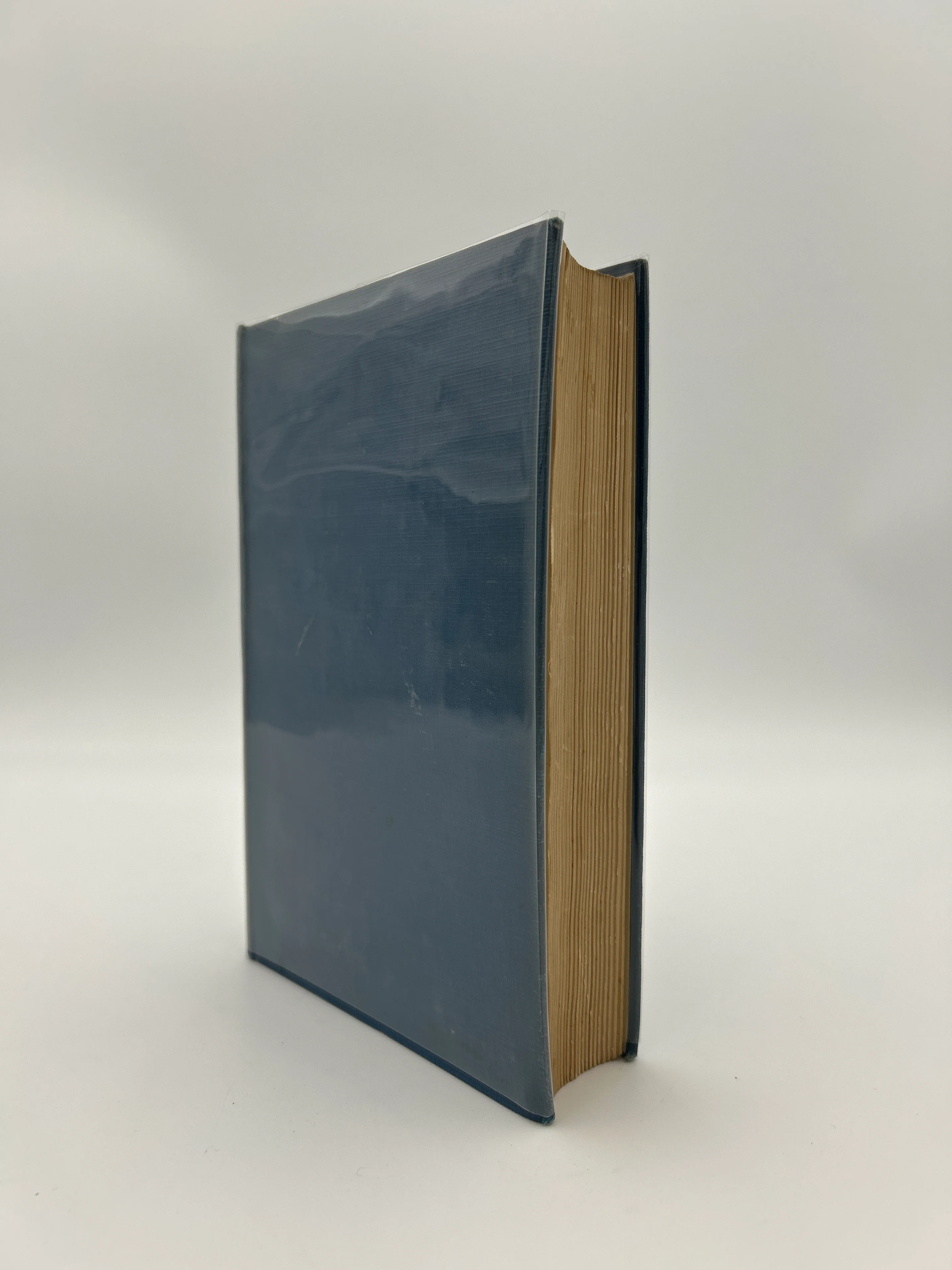
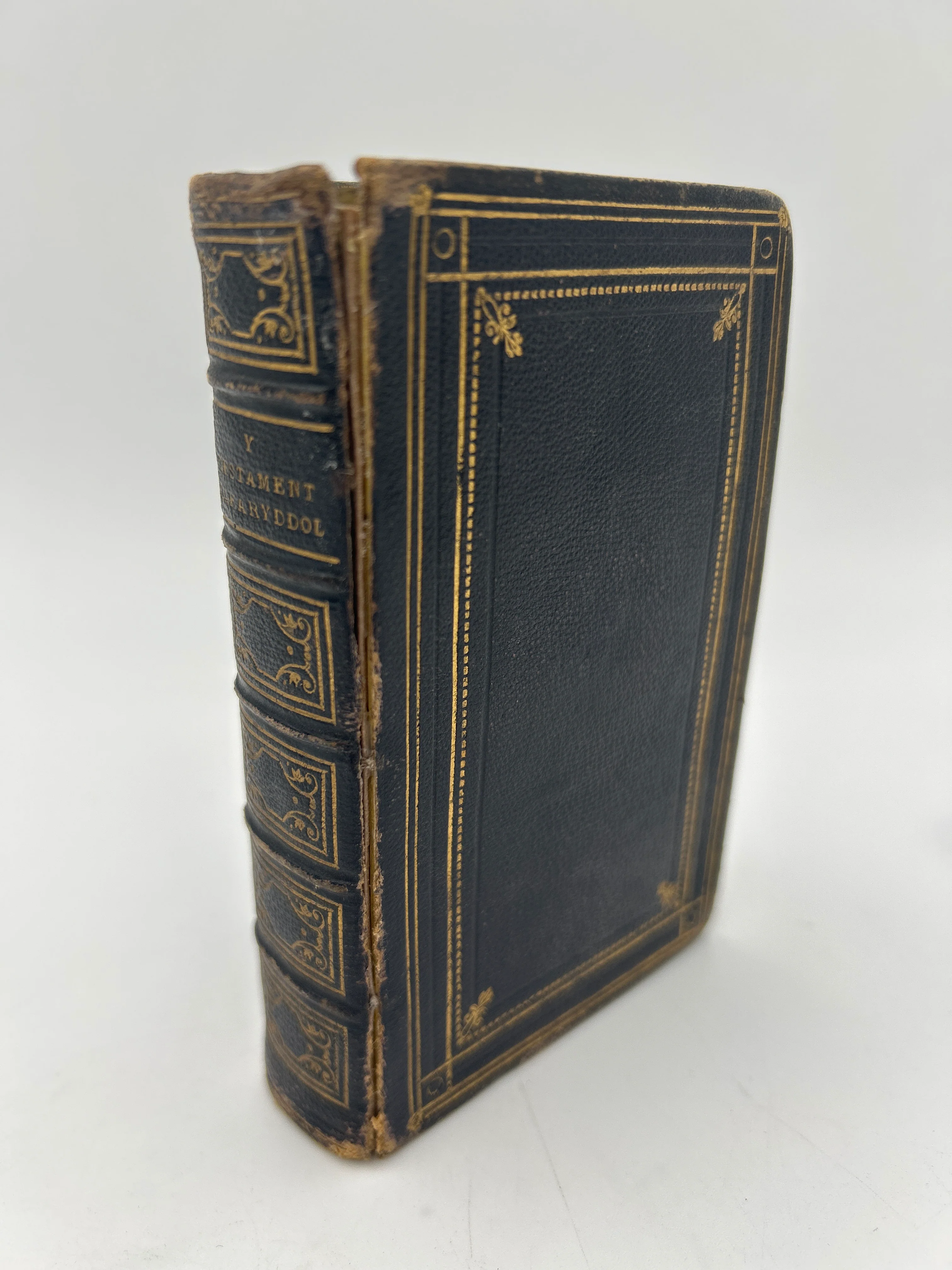
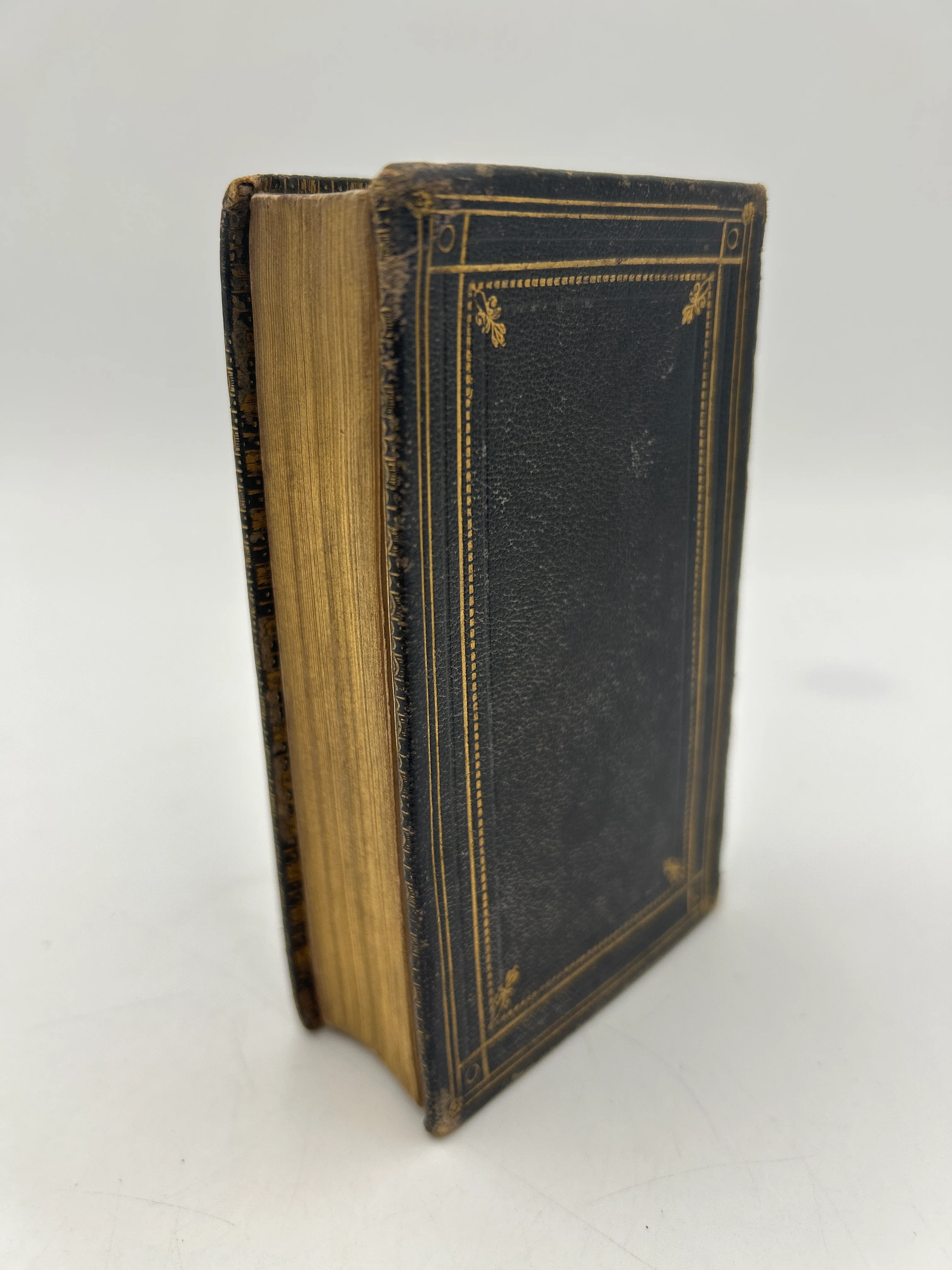
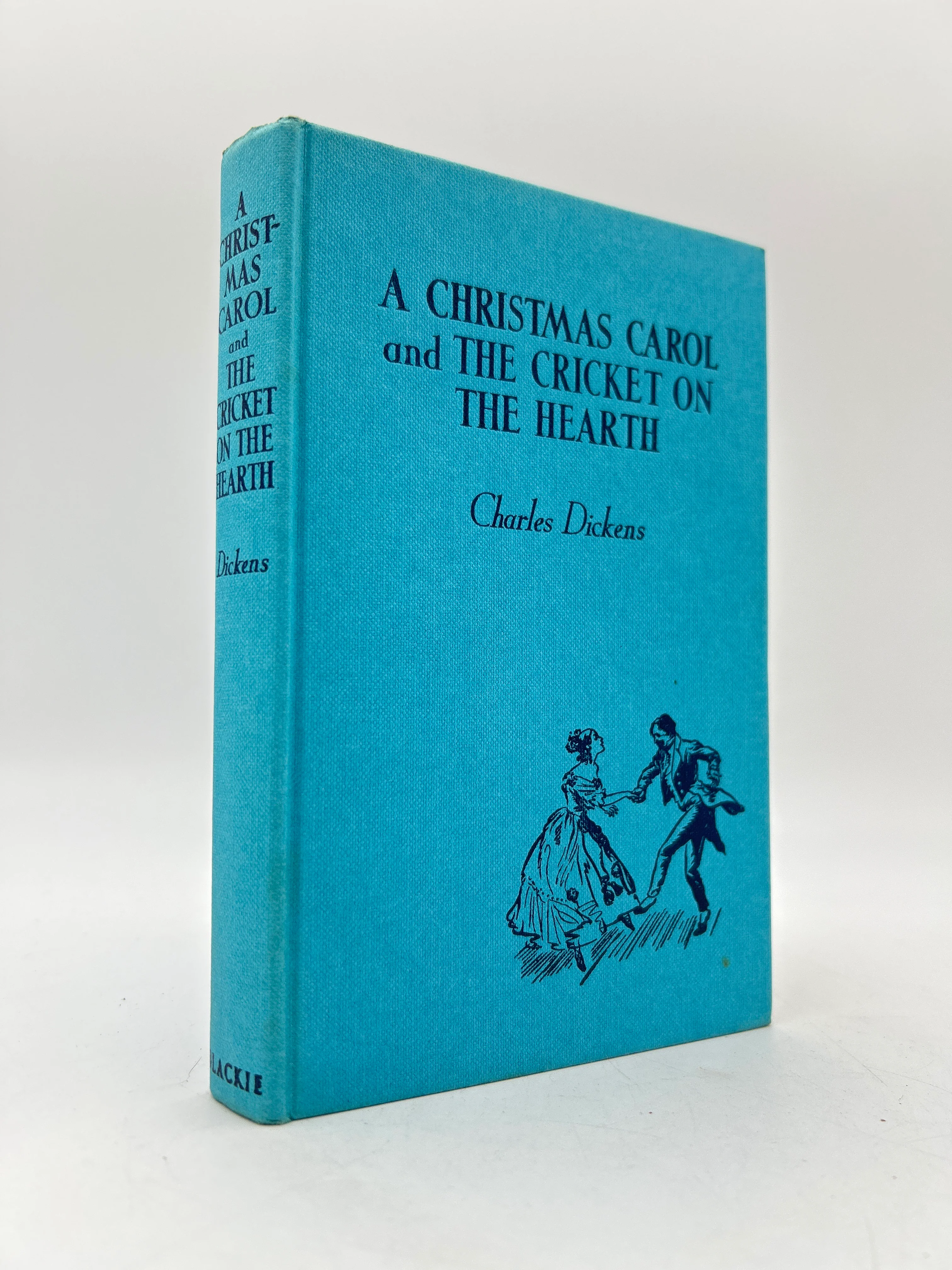
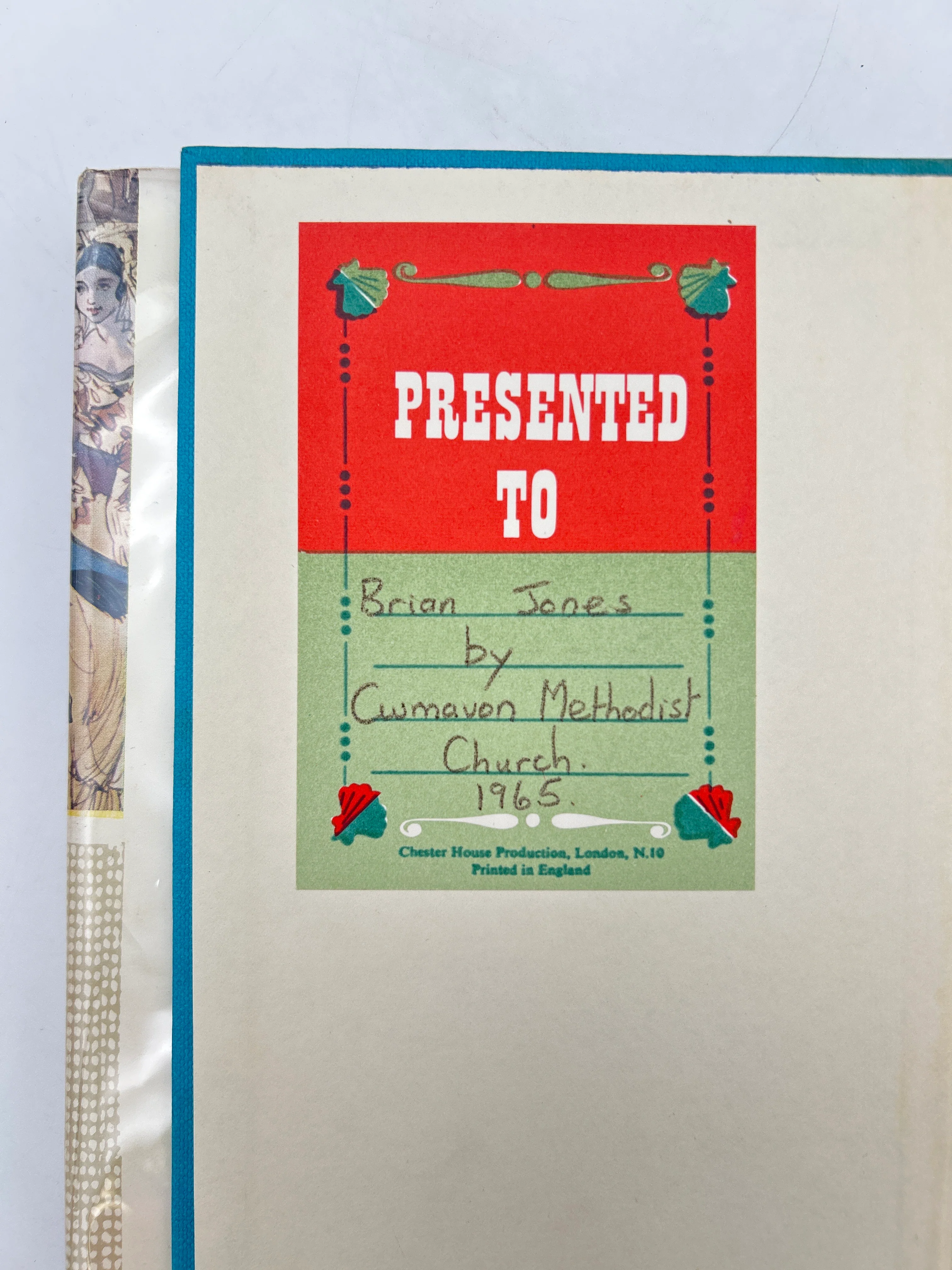
Teal blue canvas with navy lettering and illustration in lower right corner of upper board. Original dust wrapper. Pastedown to interior board dated 1965. Fine condition overall.
Details & Craftsmanship
Every detail has been carefully considered to bring you the perfect product.
Details & Craftsmanship
Every detail has been carefully considered to bring you the perfect product.
Details & Craftsmanship
Every detail has been carefully considered to bring you the perfect product.
Description
6W Charles Dickens. London: Blackie & Son Limited, ca. 1950s.
Notes
A Christmas Carol and The Cricket on the Hearth are two of the best-known seasonal tales by Charles Dickens, reflecting his deep interest in themes of family, generosity, and moral transformation. A Christmas Carol (1843) tells the story of Ebenezer Scrooge, a miserly businessman who is visited by the ghosts of Christmas Past, Present, and Yet to Come, ultimately leading him toward compassion and redemption. The Cricket on the Hearth (1845), part of Dickens’s Christmas Books series, centers on the Peerybingle family and the comforting presence of a household cricket believed to symbolize domestic happiness. Both stories combine warmth, humor, and sentiment to celebrate the importance of kindness, community, and the spirit of Christmas.
Charles Dickens (1812–1870) was one of the most influential novelists of the Victorian era, known for his vivid characters, social commentary, and storytelling that blended realism with moral reflection. His own difficult childhood—including time spent working in a factory while his father was imprisoned for debt—shaped his lifelong concern for poverty, injustice, and the struggles of ordinary people. Through works such as Oliver Twist, David Copperfield, and Great Expectations, Dickens became a powerful voice for social reform. His Christmas stories, particularly A Christmas Carol, helped revive and shape modern Christmas traditions, emphasizing generosity, goodwill, and the importance of caring for others.
Description
Teal blue canvas with navy lettering and illustration in lower right corner of upper board. Original dust wrapper. Pastedown to interior board dated 1965. Fine condition overall.