The Story
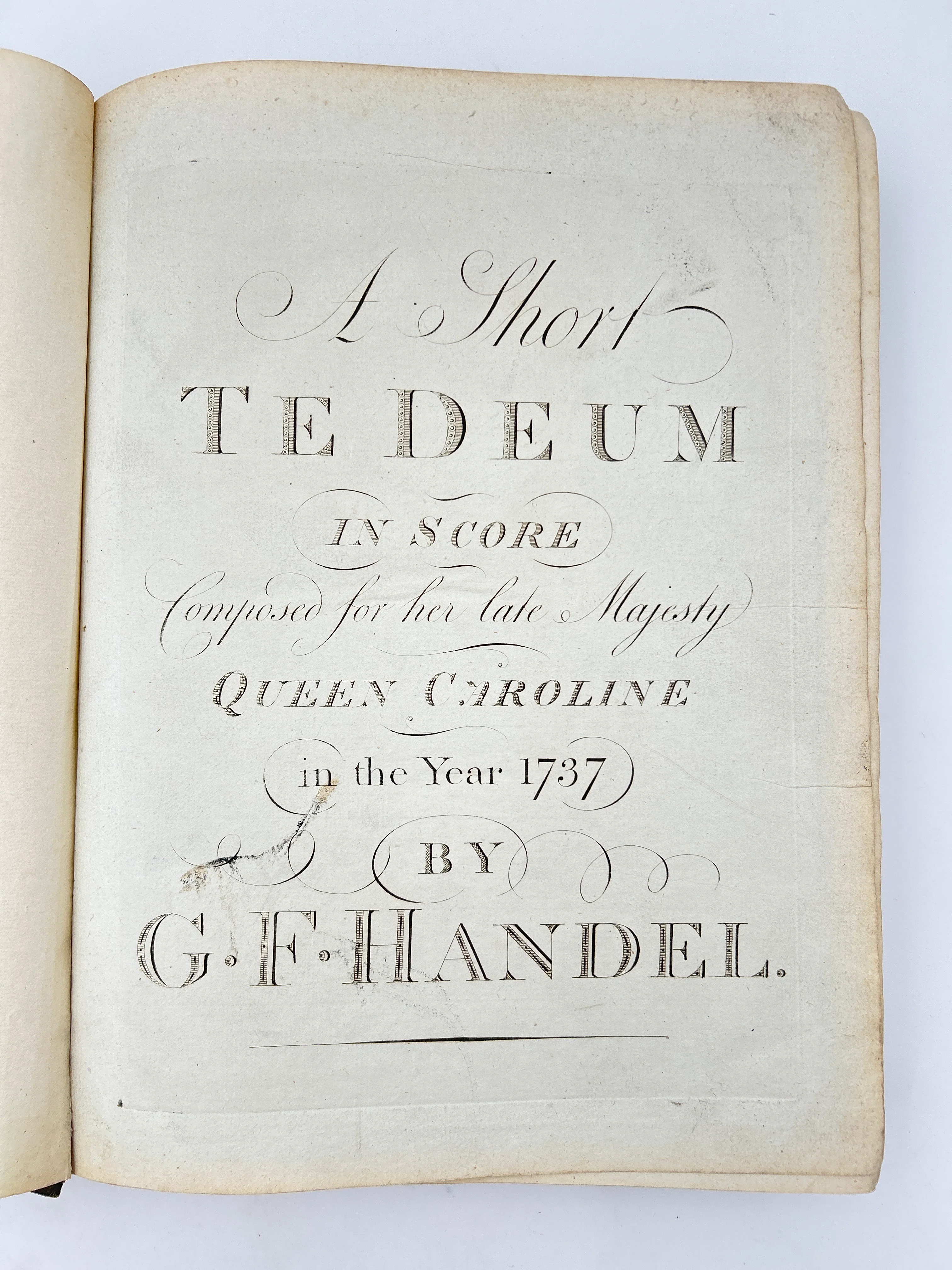
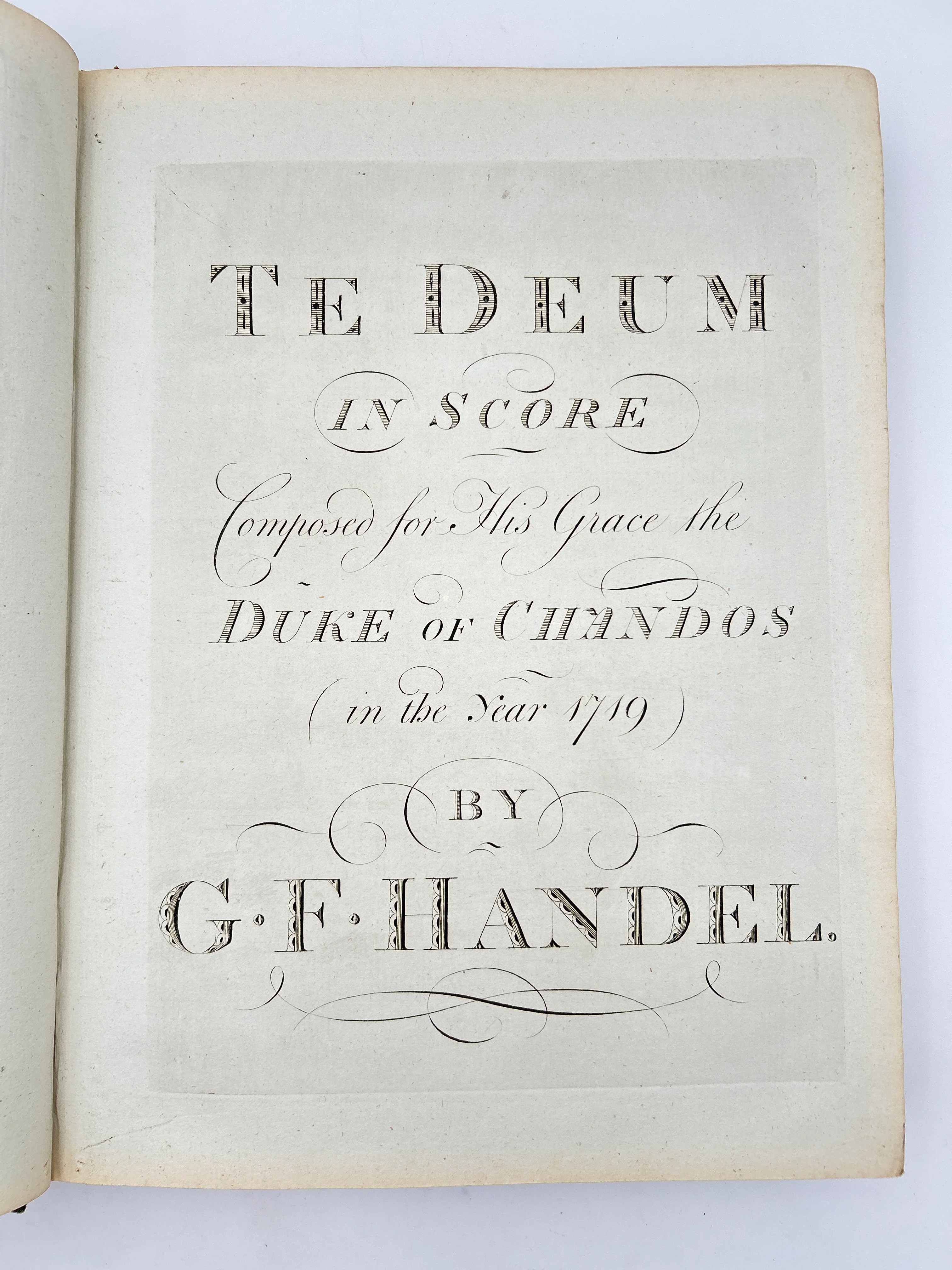
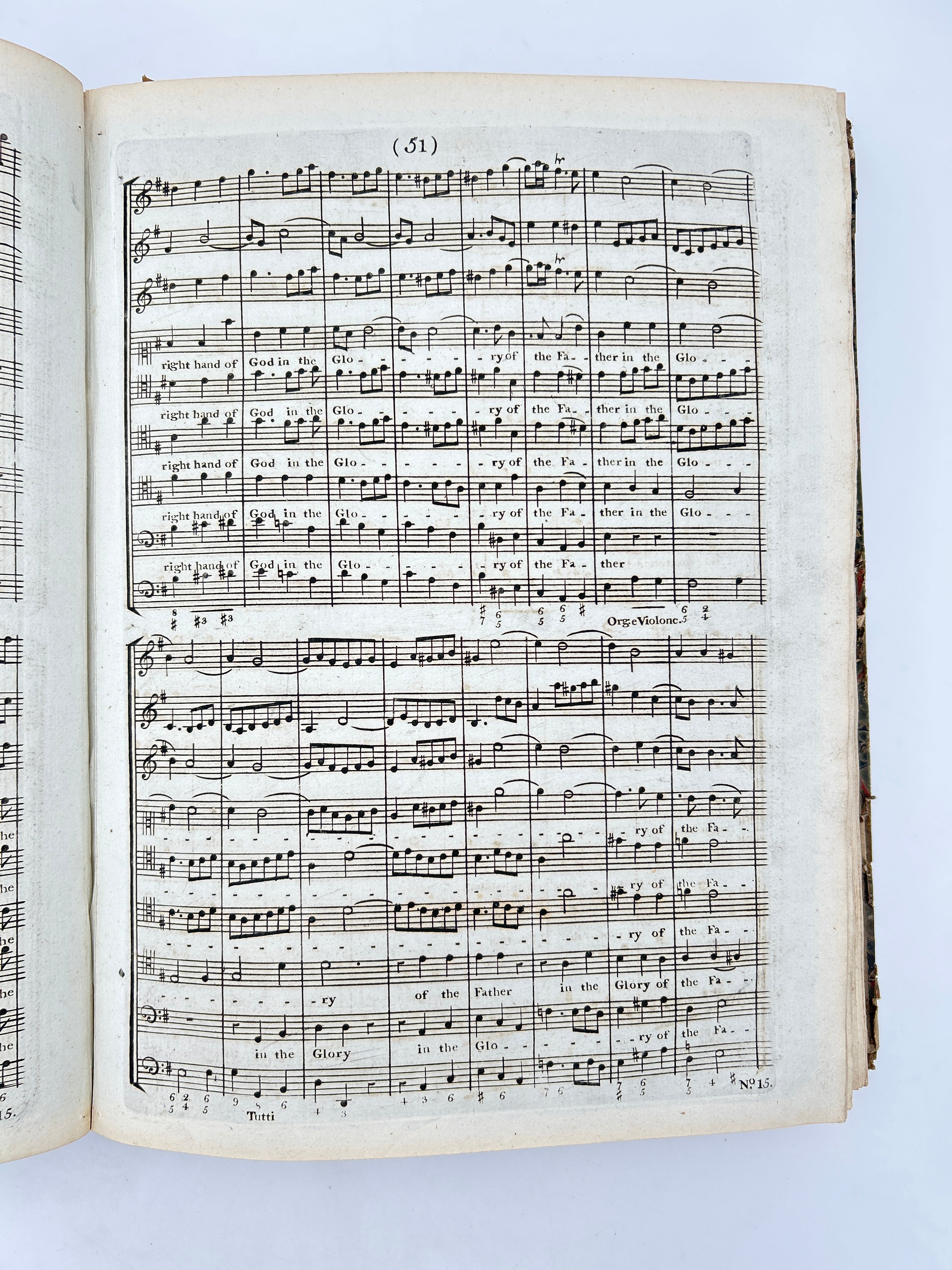
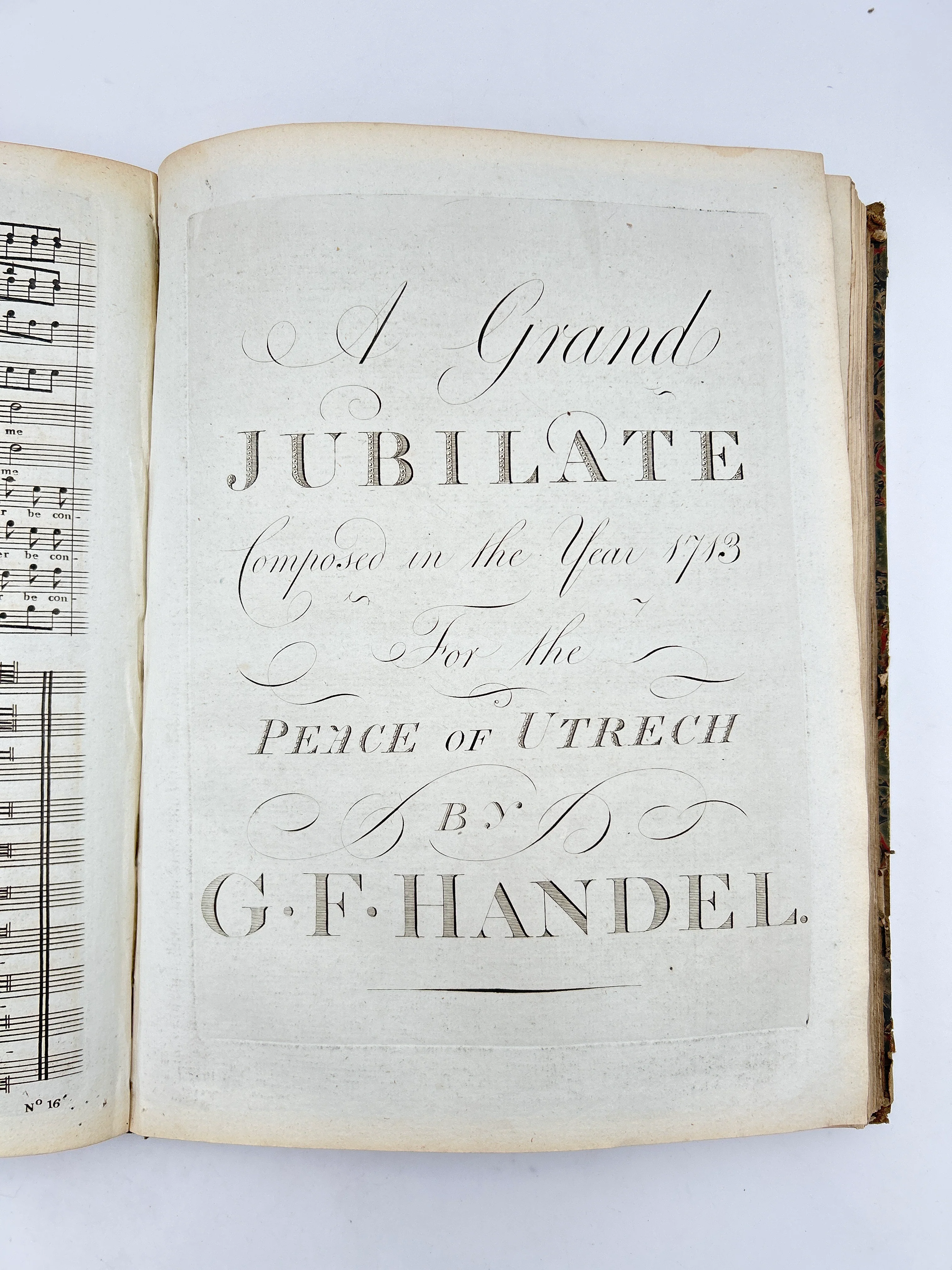
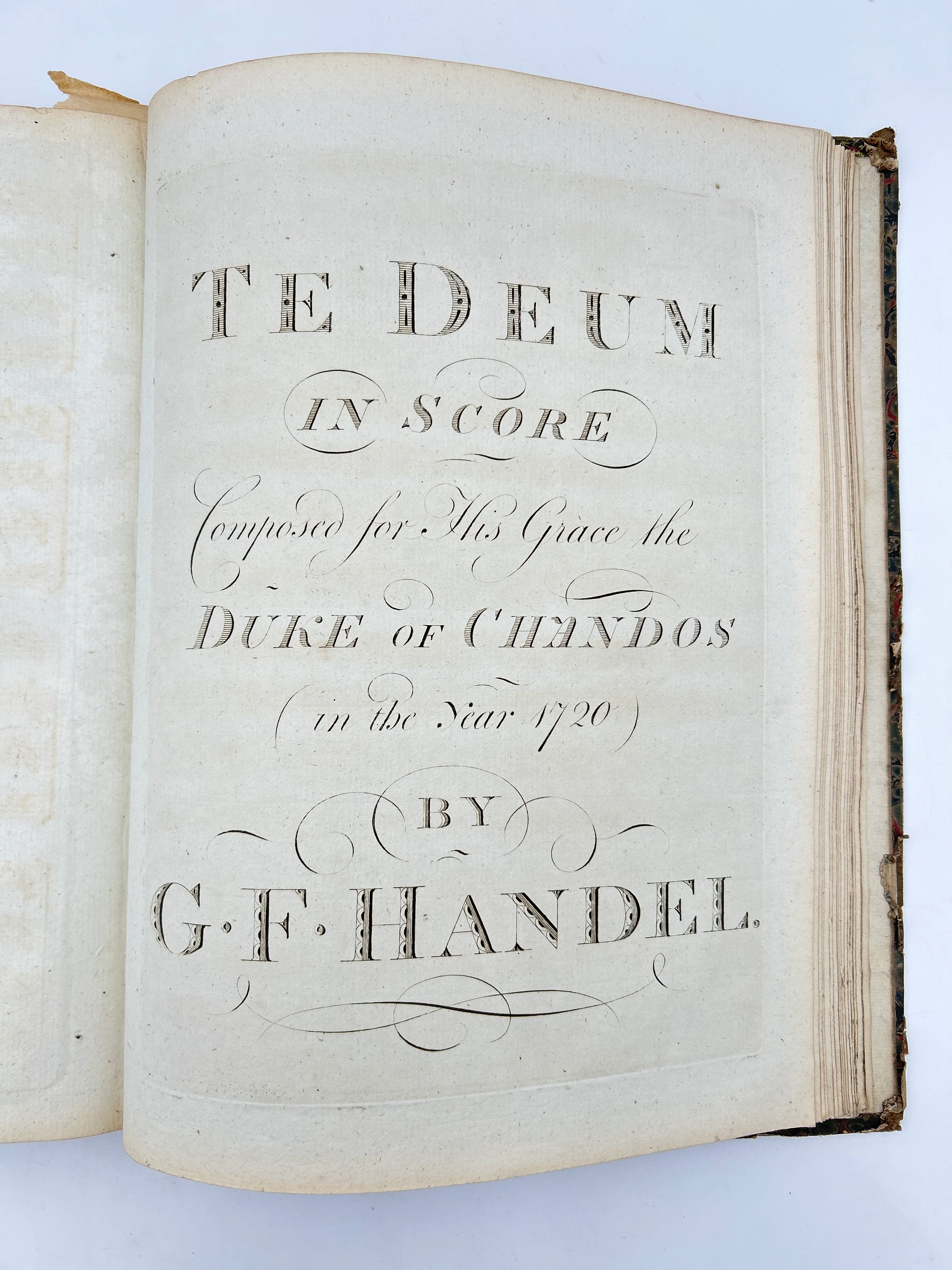
6R G.F. Handel. Compositions for Queen Caroline 1737, for the Peace of Utrech 1713, and for the Duke of Chandos 1720. Compiled.
Notes
George Frideric Handel composed an extraordinary range of works across nearly every major genre of the Baroque era, becoming especially renowned for his operas, oratorios, orchestral music, and ceremonial compositions. Born in Germany and later naturalized as a British citizen, Handel blended Italian lyricism, German contrapuntal skill, and English choral traditions into a powerful and dramatic musical language. His early career focused heavily on Italian opera, with works such as Rinaldo, but he later achieved lasting fame in England through English-language oratorios like Messiah. In addition to large-scale vocal works, he wrote instrumental masterpieces including the Water Music suites and Music for the Royal Fireworks, as well as concerti grossi, organ concertos, chamber music, and sacred anthems for royal and aristocratic patrons.
In 1737, Handel composed the Funeral Anthem for Queen Caroline following the death of Caroline of Ansbach, the wife of George II of Great Britain. Queen Caroline had been one of Handel’s most important supporters, and her death deeply affected him. The anthem, “The Ways of Zion Do Mourn,” was written for her state funeral in Westminster Abbey. It is a solemn and majestic work for choir and orchestra, marked by rich harmonies, expressive choral writing, and dignified grandeur. Handel later reused parts of this music in his oratorio Israel in Egypt, demonstrating the lasting importance of the composition in his output.
For the celebrations marking the Treaty of Utrecht in 1713, which concluded the War of the Spanish Succession, Handel composed the Utrecht Te Deum and Jubilate. The treaty itself, signed in Utrecht, confirmed Britain’s growing political power in Europe under Queen Anne. The music was performed at a grand thanksgiving service in St Paul's Cathedral. This festive sacred work for chorus, soloists, and orchestra showcases Handel’s brilliant ceremonial style, with trumpets and drums highlighting the celebratory tone. Its success significantly strengthened Handel’s reputation in England and helped secure his royal favor.
Around 1720, Handel worked as composer-in-residence for James Brydges at his estate, Cannons. During this period, Handel composed the Chandos Anthems, a set of English church anthems written for the Duke’s private chapel. These works are more intimate than his grand royal compositions, written for relatively modest forces but still rich in invention and expressive depth. The Chandos Anthems reveal Handel’s gift for blending English sacred traditions with continental musical techniques, and they played an important role in shaping his later English oratorio style.
Description
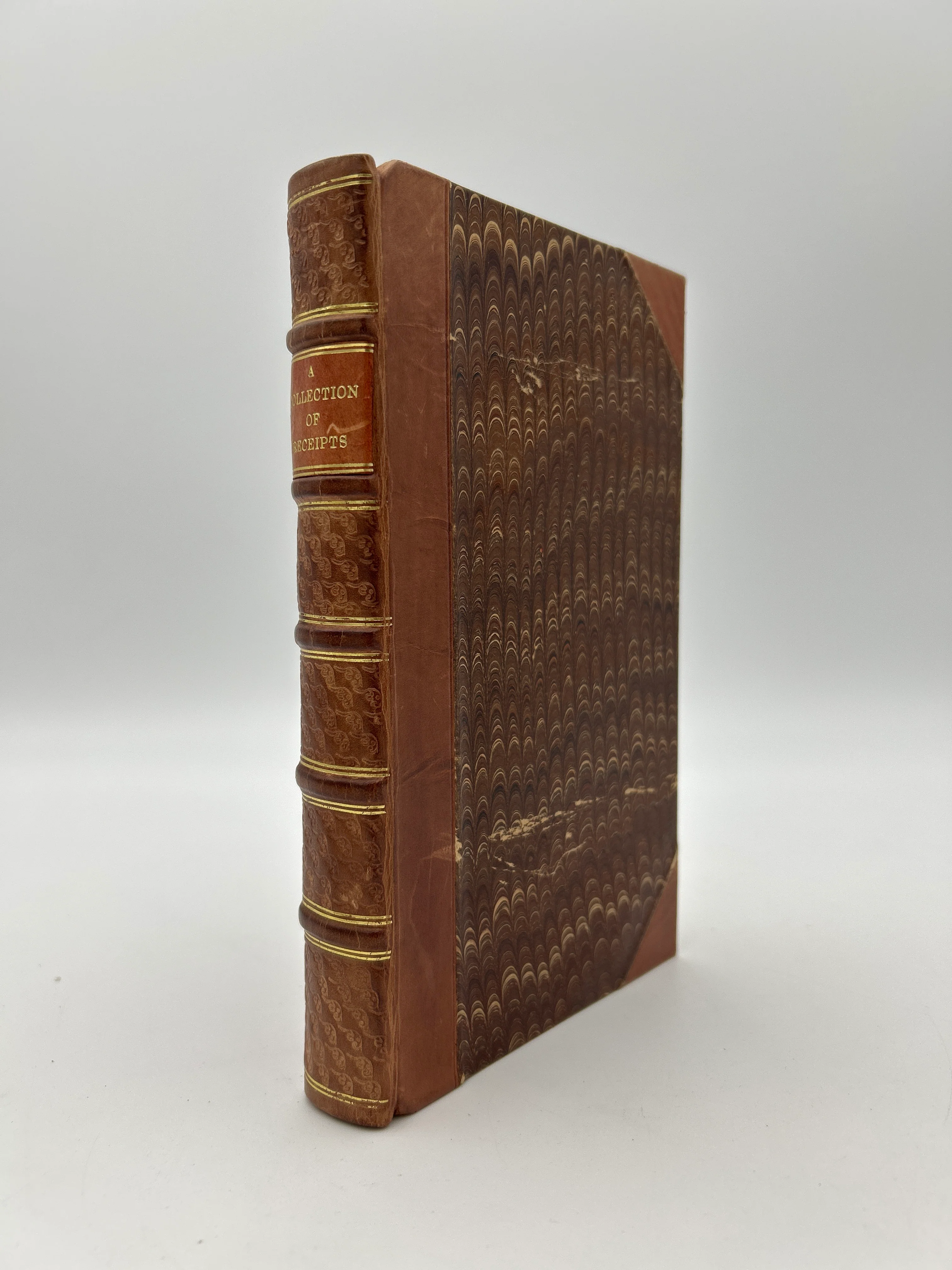
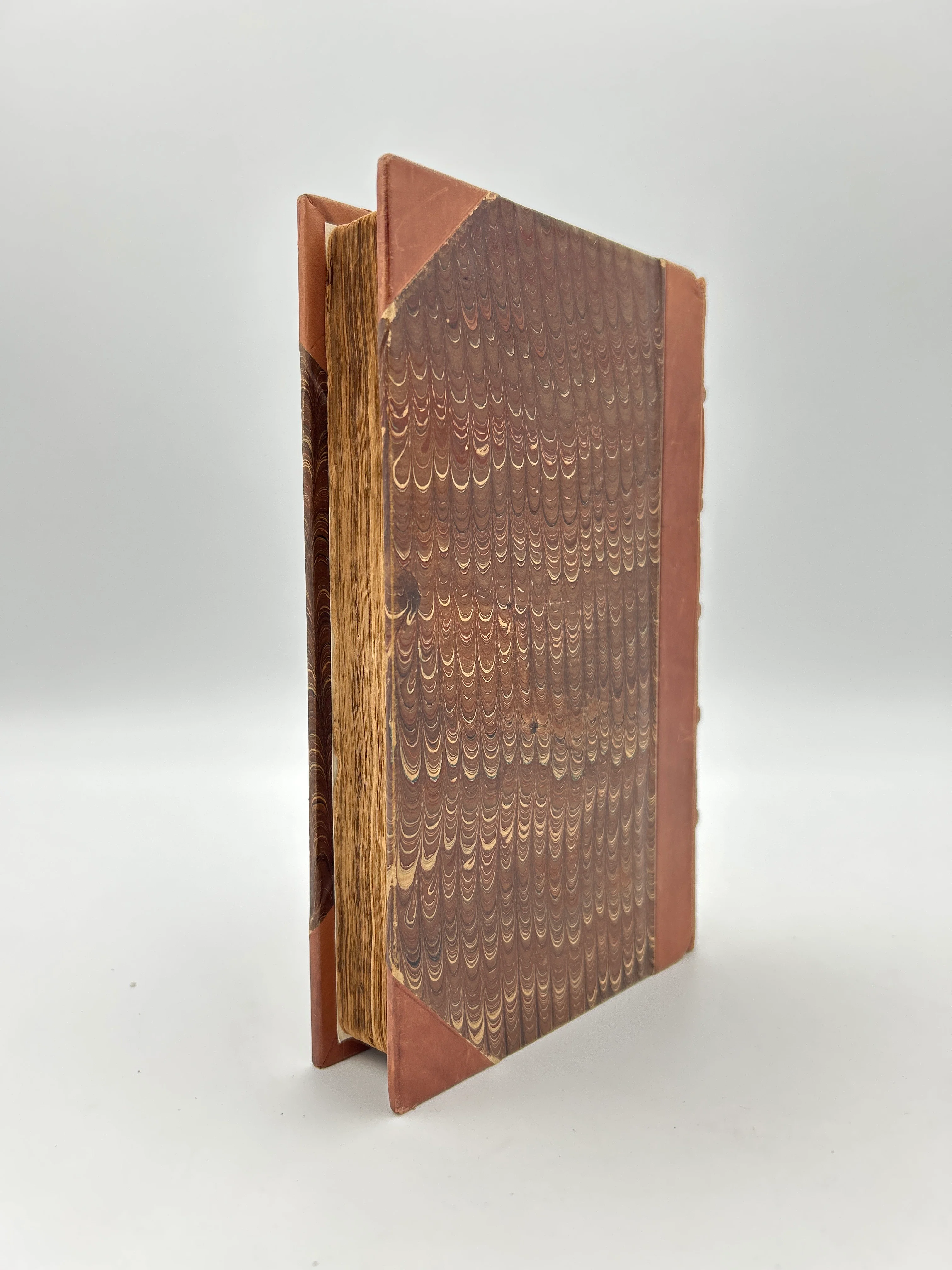
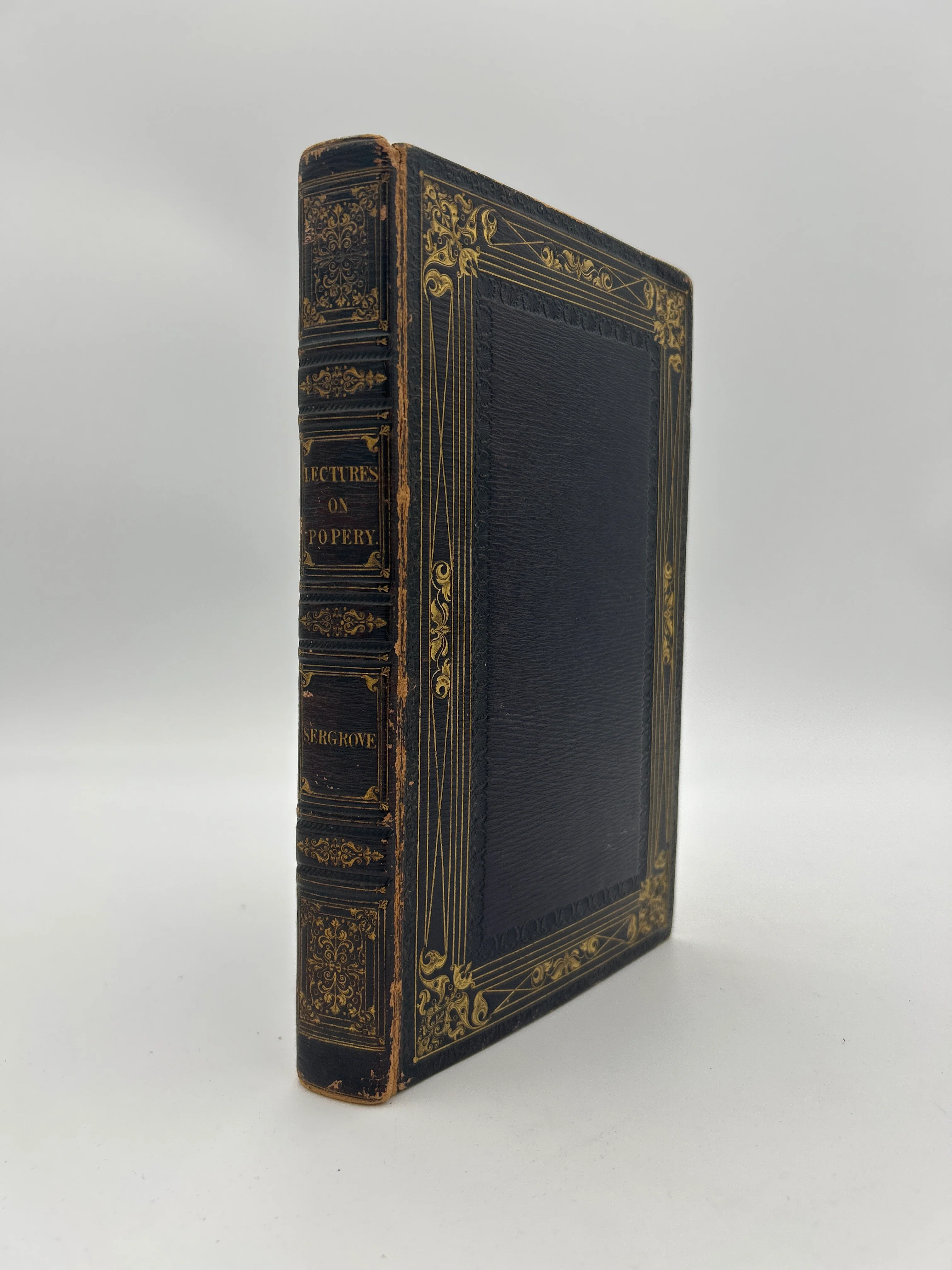
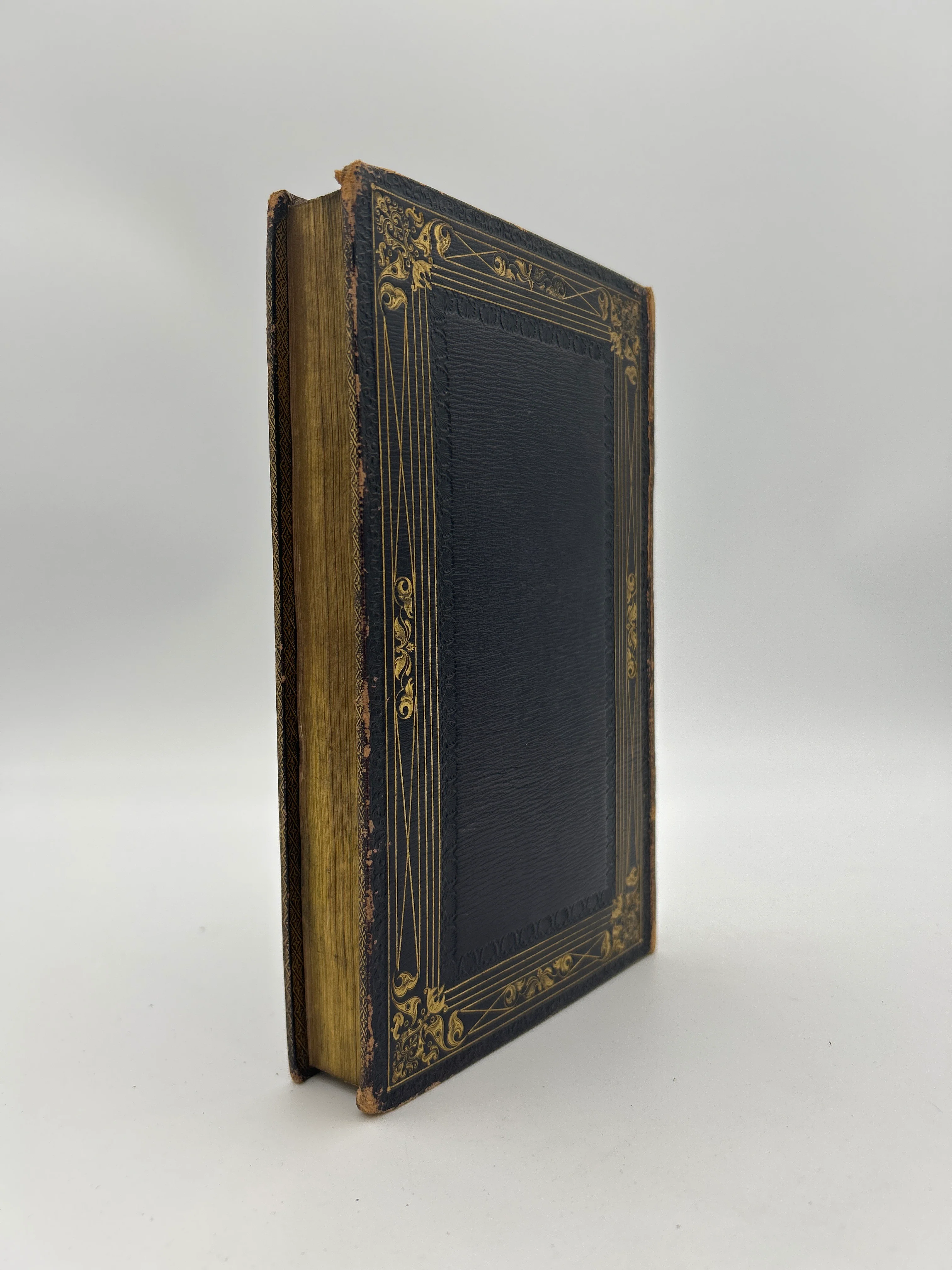
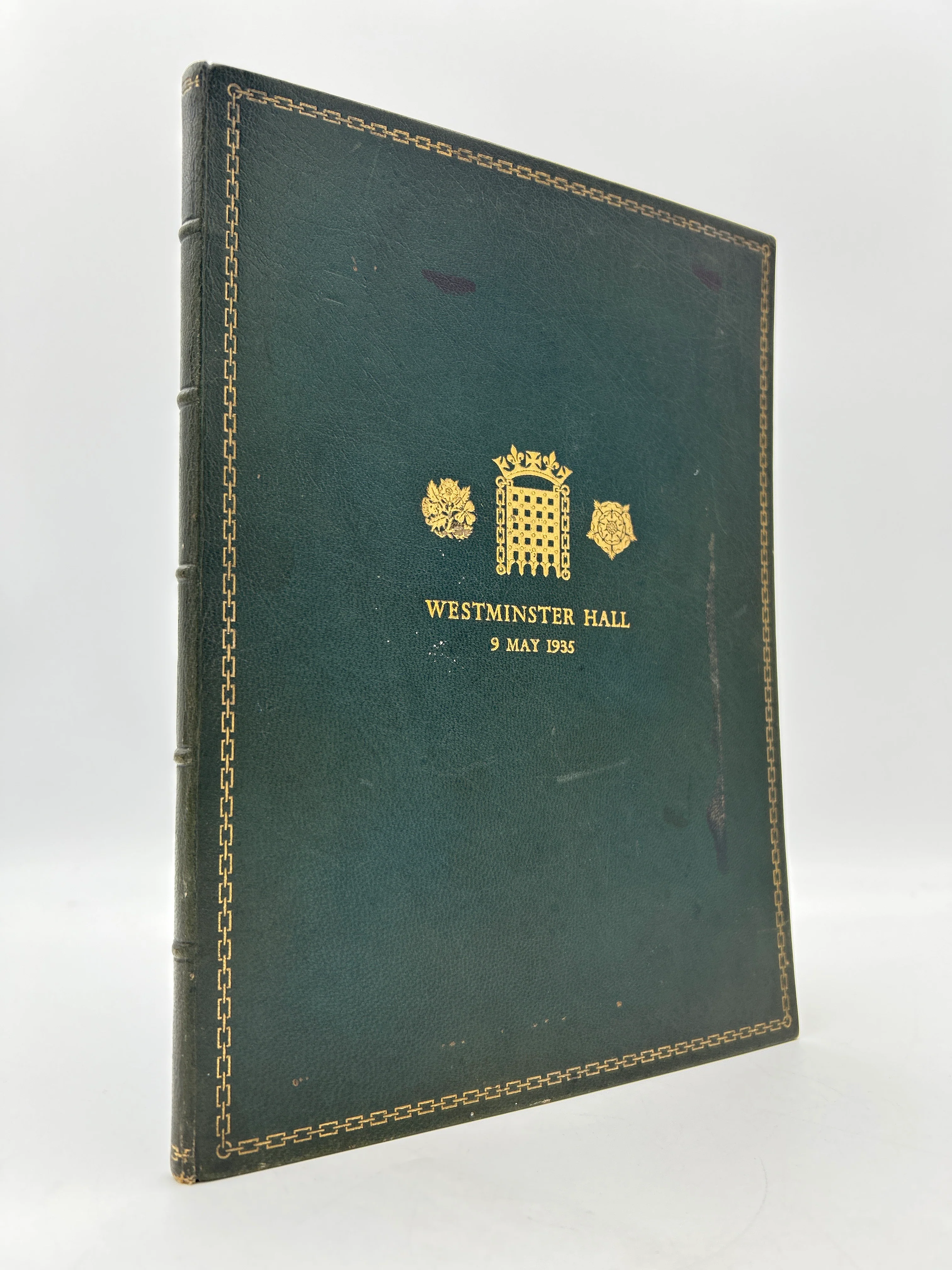
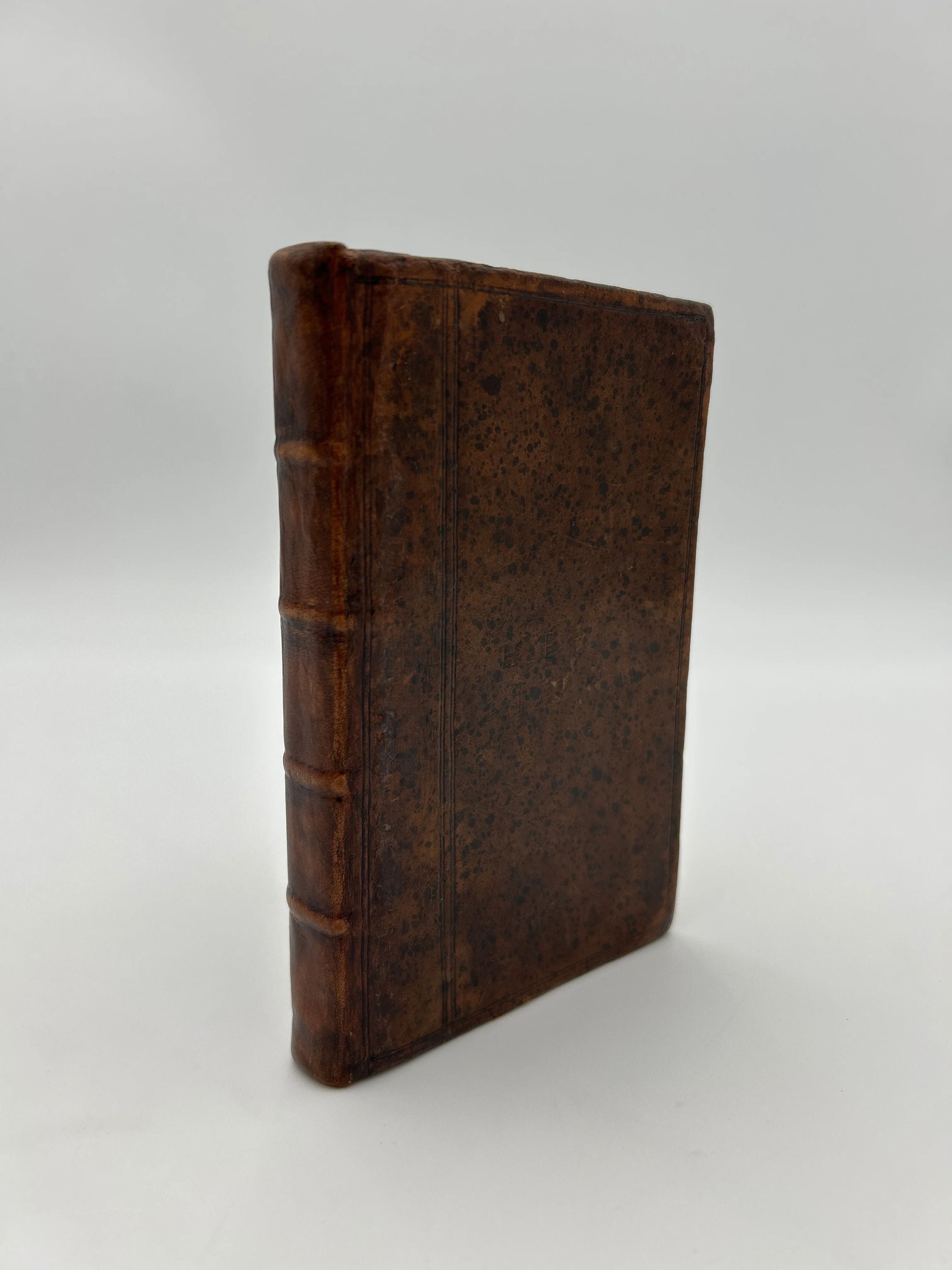
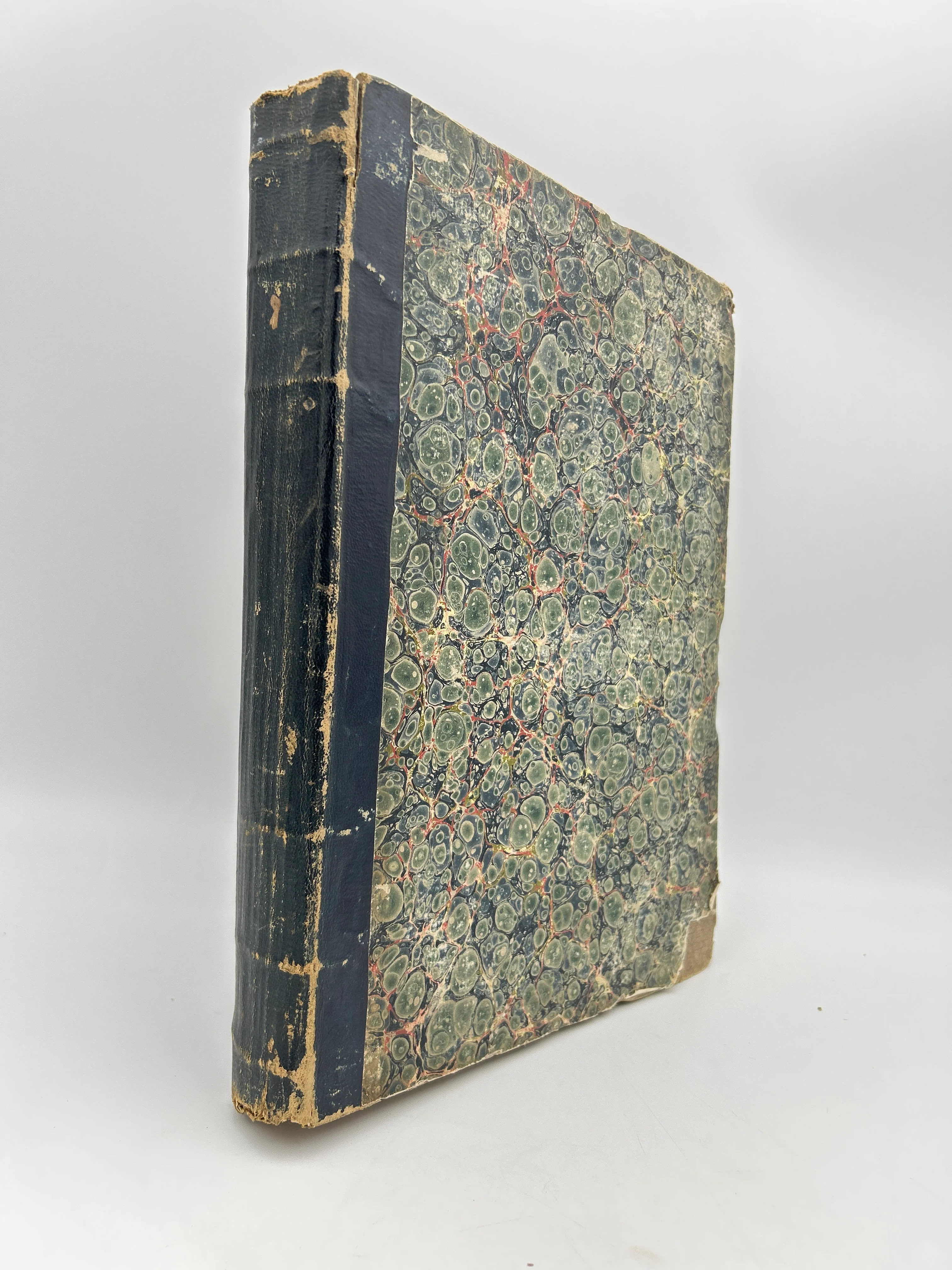
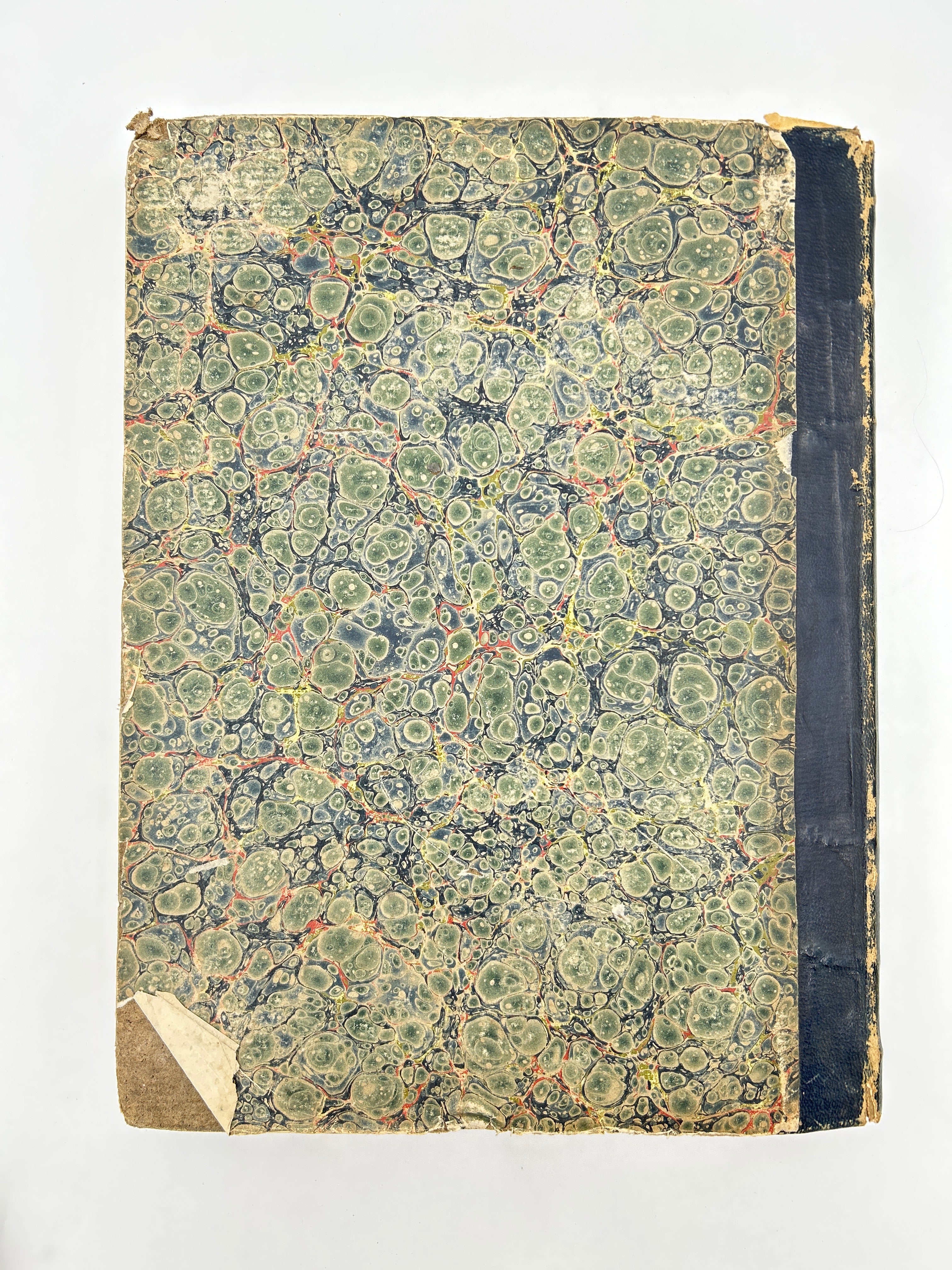
Large green marble binding, deep solid green spine, some tearing on front and back, intact, good condition.
Details & Craftsmanship
Every detail has been carefully considered to bring you the perfect product.
Details & Craftsmanship
Every detail has been carefully considered to bring you the perfect product.
Details & Craftsmanship
Every detail has been carefully considered to bring you the perfect product.
Details & Craftsmanship
Every detail has been carefully considered to bring you the perfect product.
Details & Craftsmanship
Every detail has been carefully considered to bring you the perfect product.
Details & Craftsmanship
Every detail has been carefully considered to bring you the perfect product.
Description
6R G.F. Handel. Compositions for Queen Caroline 1737, for the Peace of Utrech 1713, and for the Duke of Chandos 1720. Compiled.
Notes
George Frideric Handel composed an extraordinary range of works across nearly every major genre of the Baroque era, becoming especially renowned for his operas, oratorios, orchestral music, and ceremonial compositions. Born in Germany and later naturalized as a British citizen, Handel blended Italian lyricism, German contrapuntal skill, and English choral traditions into a powerful and dramatic musical language. His early career focused heavily on Italian opera, with works such as Rinaldo, but he later achieved lasting fame in England through English-language oratorios like Messiah. In addition to large-scale vocal works, he wrote instrumental masterpieces including the Water Music suites and Music for the Royal Fireworks, as well as concerti grossi, organ concertos, chamber music, and sacred anthems for royal and aristocratic patrons.
In 1737, Handel composed the Funeral Anthem for Queen Caroline following the death of Caroline of Ansbach, the wife of George II of Great Britain. Queen Caroline had been one of Handel’s most important supporters, and her death deeply affected him. The anthem, “The Ways of Zion Do Mourn,” was written for her state funeral in Westminster Abbey. It is a solemn and majestic work for choir and orchestra, marked by rich harmonies, expressive choral writing, and dignified grandeur. Handel later reused parts of this music in his oratorio Israel in Egypt, demonstrating the lasting importance of the composition in his output.
For the celebrations marking the Treaty of Utrecht in 1713, which concluded the War of the Spanish Succession, Handel composed the Utrecht Te Deum and Jubilate. The treaty itself, signed in Utrecht, confirmed Britain’s growing political power in Europe under Queen Anne. The music was performed at a grand thanksgiving service in St Paul's Cathedral. This festive sacred work for chorus, soloists, and orchestra showcases Handel’s brilliant ceremonial style, with trumpets and drums highlighting the celebratory tone. Its success significantly strengthened Handel’s reputation in England and helped secure his royal favor.
Around 1720, Handel worked as composer-in-residence for James Brydges at his estate, Cannons. During this period, Handel composed the Chandos Anthems, a set of English church anthems written for the Duke’s private chapel. These works are more intimate than his grand royal compositions, written for relatively modest forces but still rich in invention and expressive depth. The Chandos Anthems reveal Handel’s gift for blending English sacred traditions with continental musical techniques, and they played an important role in shaping his later English oratorio style.
Description
Large green marble binding, deep solid green spine, some tearing on front and back, intact, good condition.