Original: $7,250.00
-65%$7,250.00
$2,537.50The Story
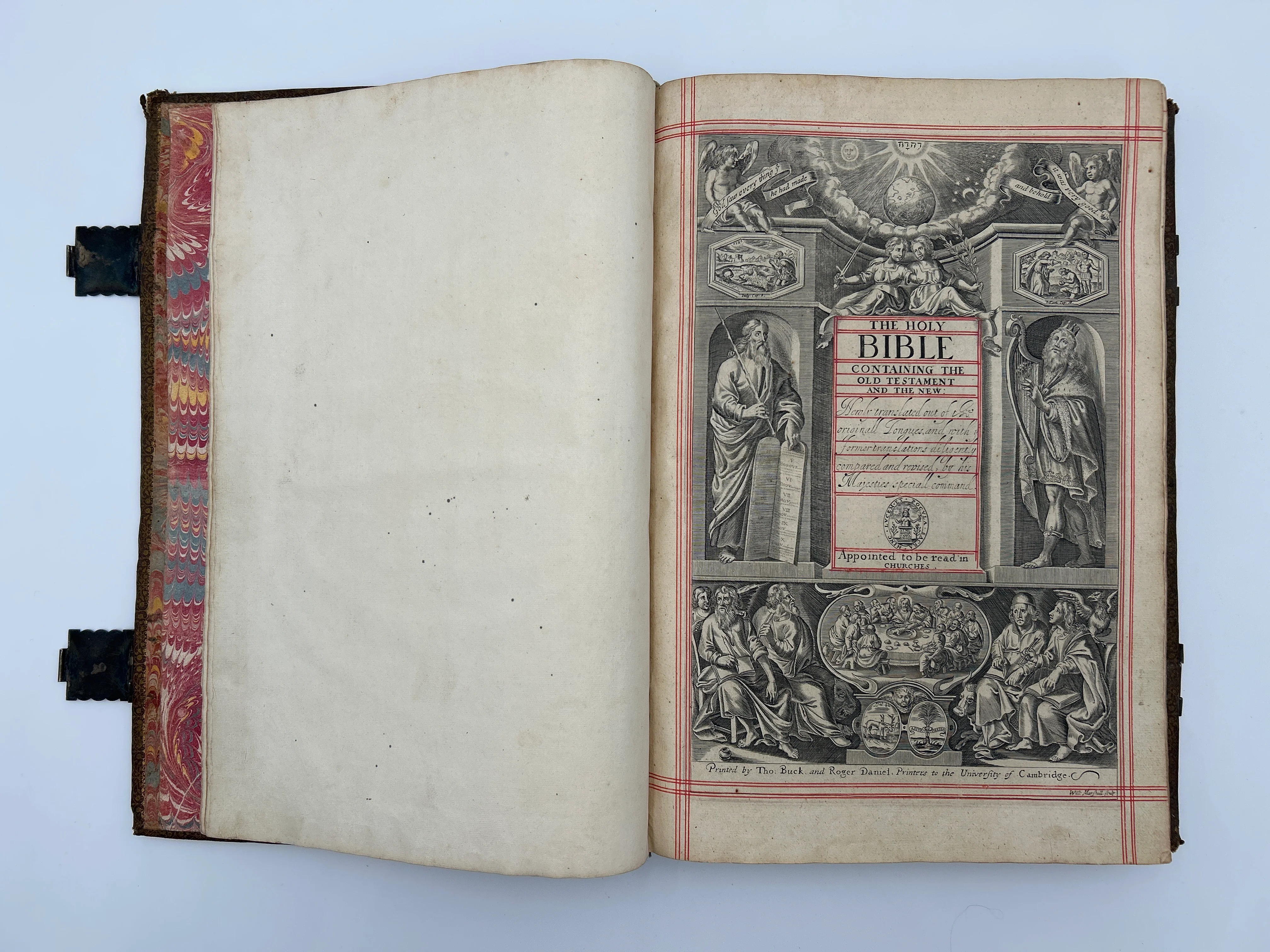
6B King James Edition. Cambridge: Tho: Buck and Roger Daniel, 1639. Volume Two Only
Notes
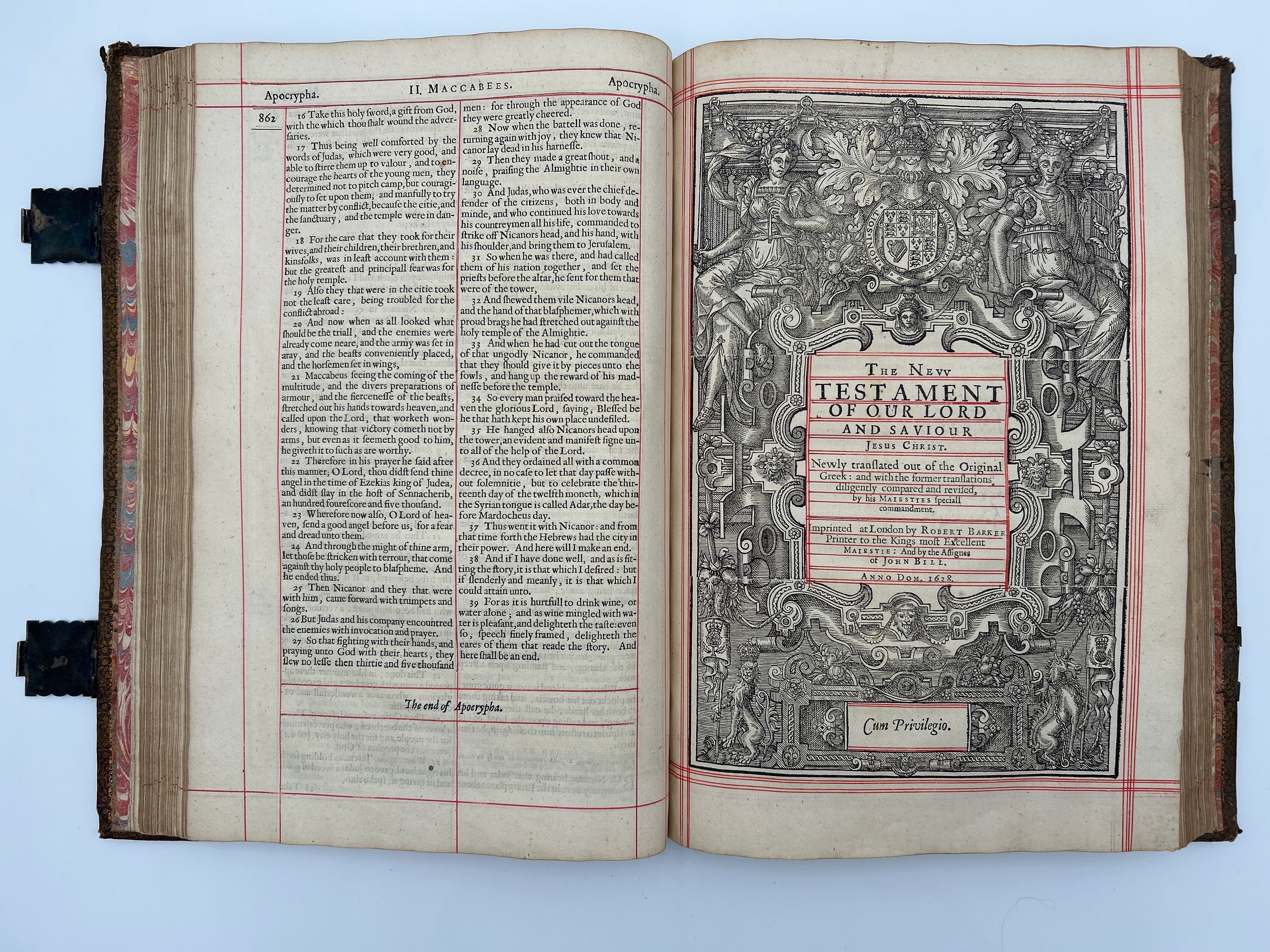
Only the second volume of the Bible here contains part of the Old Testament, the Apocrypha, and the New Testament.
The Apocrypha refers to a collection of ancient writings that are included in some versions of the Bible but are not considered canonical by all Christian traditions. These texts, written between 200 BCE and 100 CE, include books such as Tobit, Judith, Wisdom of Solomon, Sirach, and 1 and 2 Maccabees. They are found in the Septuagint (Greek Old Testament) and the Latin Vulgate but are excluded from the Hebrew Bible.
The history of the printing and translation of the Bible is closely tied to the spread of literacy, religious reform, and printing technology in Europe. Before printing, the Bible circulated mainly as handwritten manuscripts, largely in Latin (the Vulgate), which limited access to clergy and scholars. The invention of the movable-type printing press by Johannes Gutenberg in the mid-15th century transformed this situation; his Gutenberg Bible (c. 1455) was among the first major books printed in Europe. Printing made the Bible cheaper, more uniform, and widely available, while humanist scholarship encouraged returning to the original Hebrew and Greek texts. During the Reformation, translators such as Martin Luther, William Tyndale, and later the translators of the King James Version rendered the Bible into vernacular languages, aiming to make Scripture directly accessible to ordinary believers. These translations, multiplied rapidly through print, played a central role in shaping theology, national languages, and popular devotion.
The first time the King James Bible was printed in Cambridge was in 1629, when Thomas and John Buck and Roger Daniel produced a Cambridge edition of the Authorized Version for Cambridge University Press. This 1629 printing is significant because it was the first major revision of the 1611 text undertaken outside of London and was intended to correct typographical errors and inconsistencies that had accumulated in earlier printings of the King James Bible, drawing on the work of some of the original translators such as Samuel Ward and John Bois who were involved in its preparation. As a result, the 1629 Cambridge edition helped establish Cambridge University as a center of scholarly Bible printing and set a precedent for future authoritative editions, long before later standardized revisions in the 18th century made the text familiar to modern readers.
Description
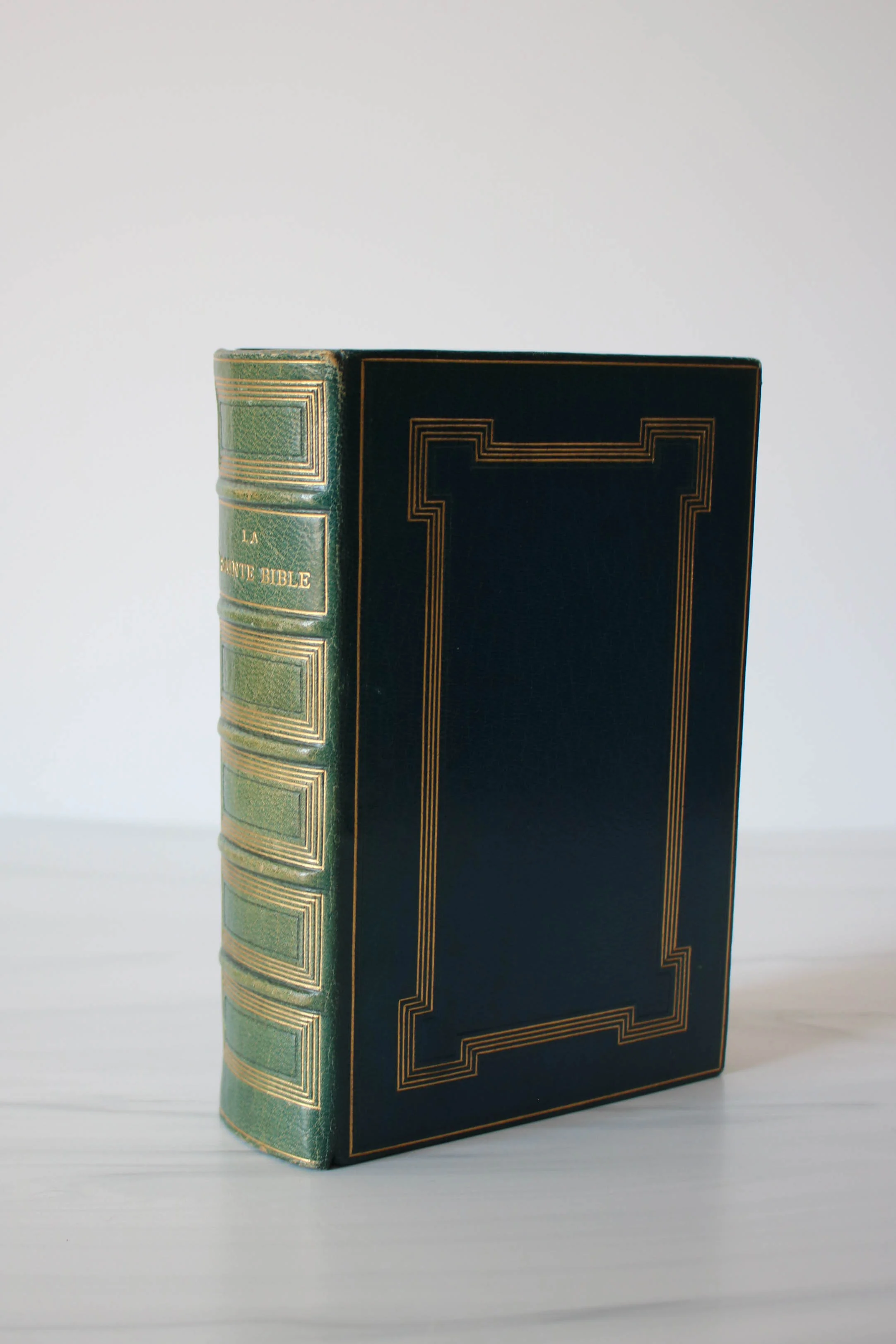
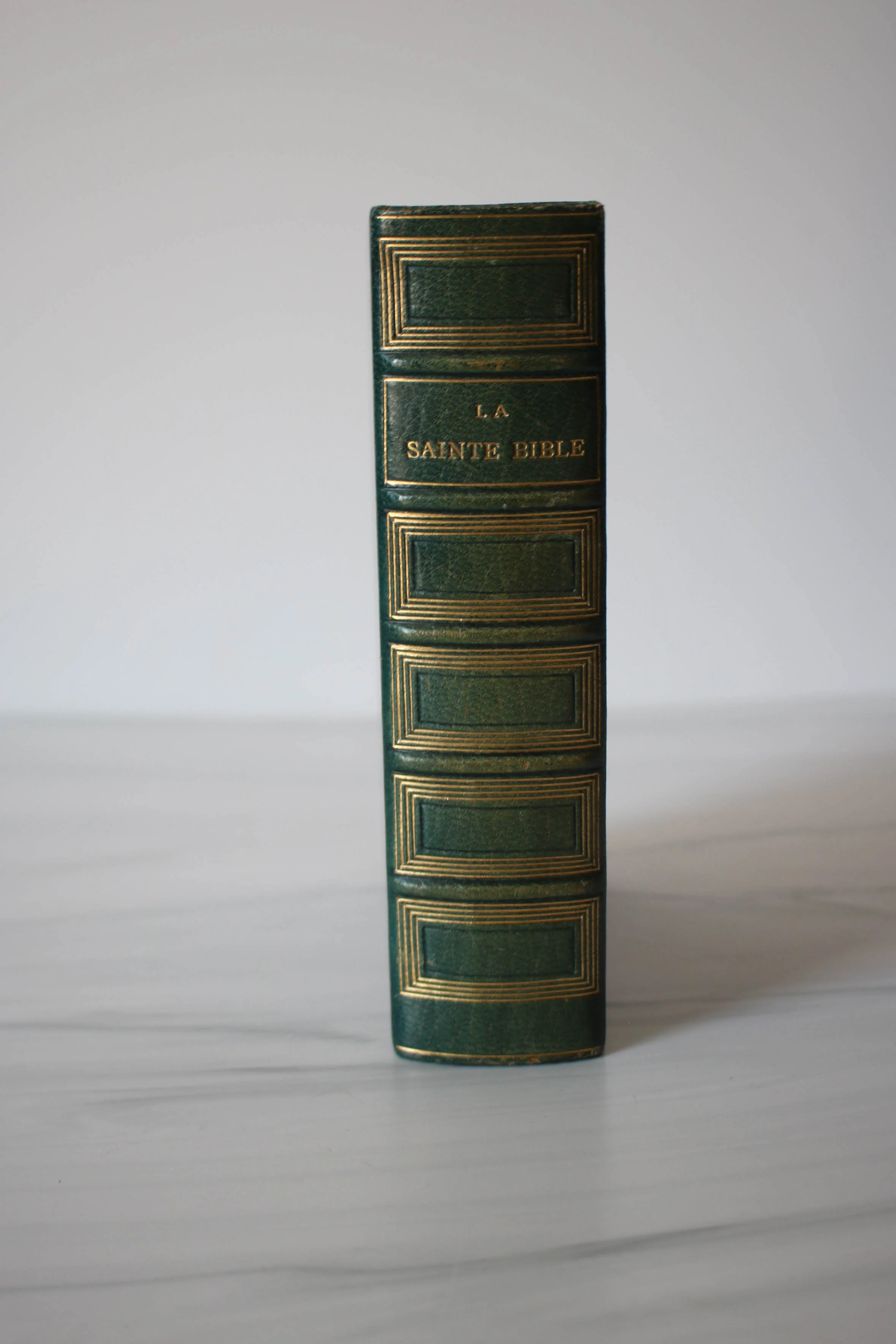
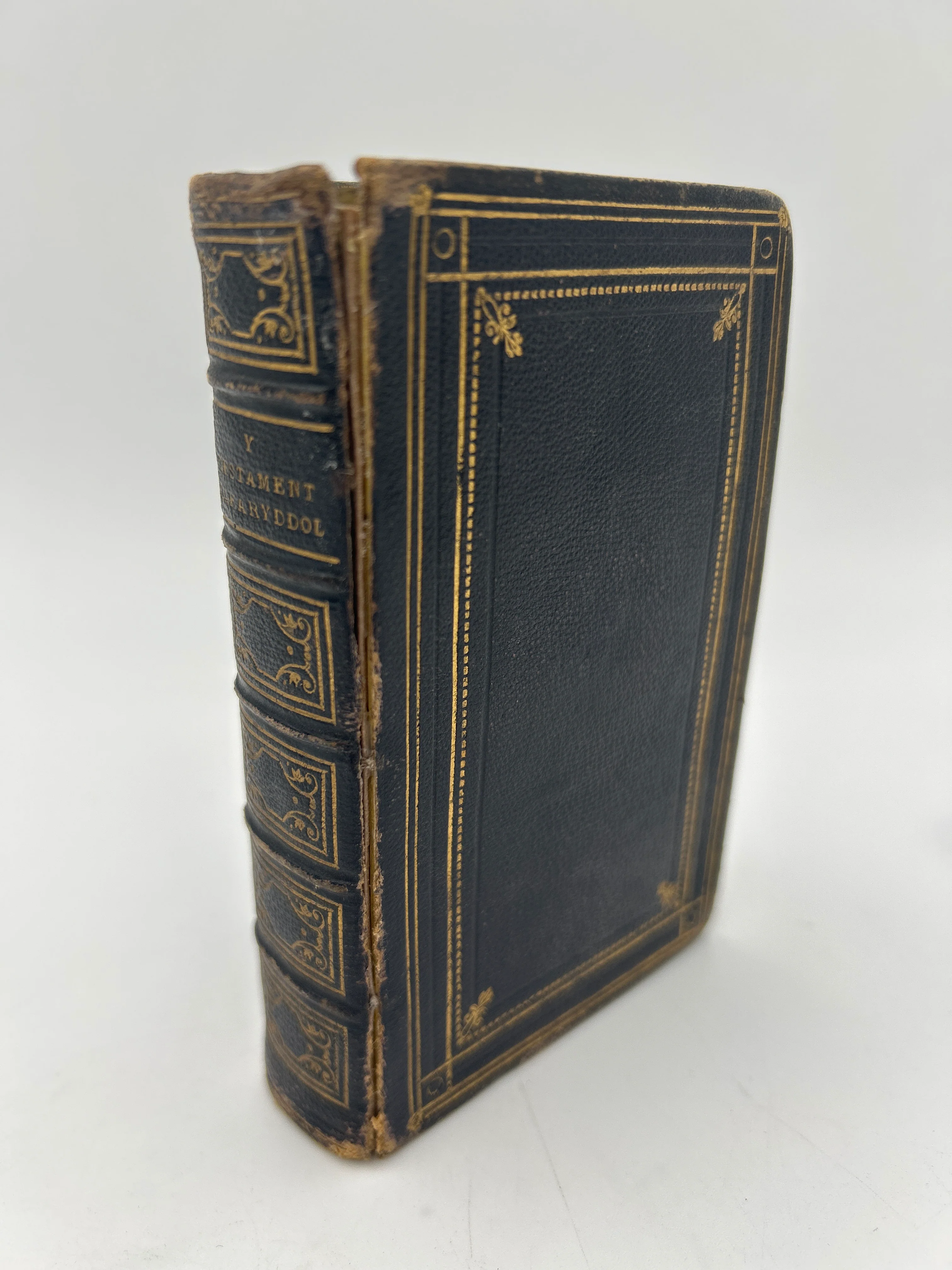
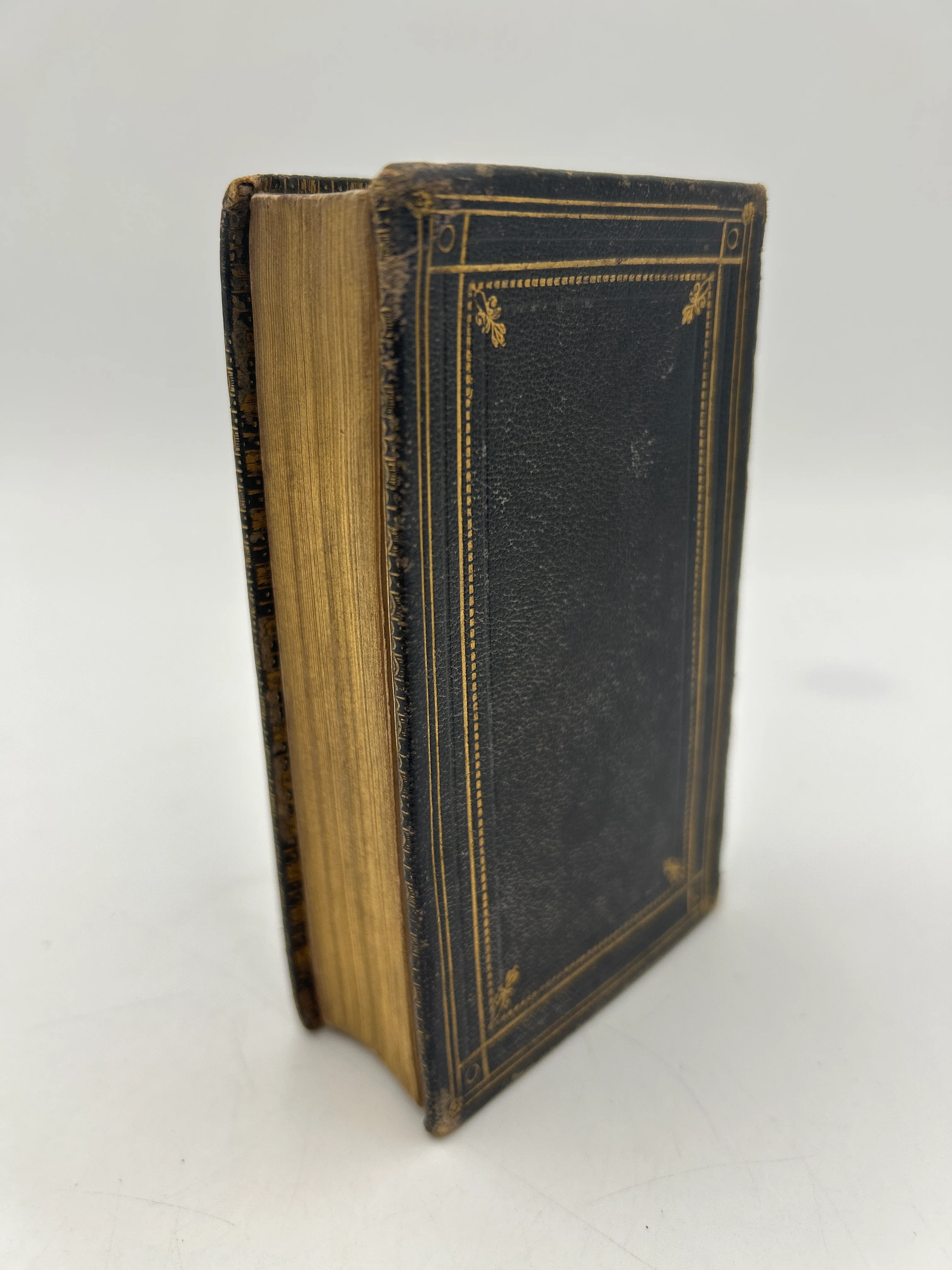
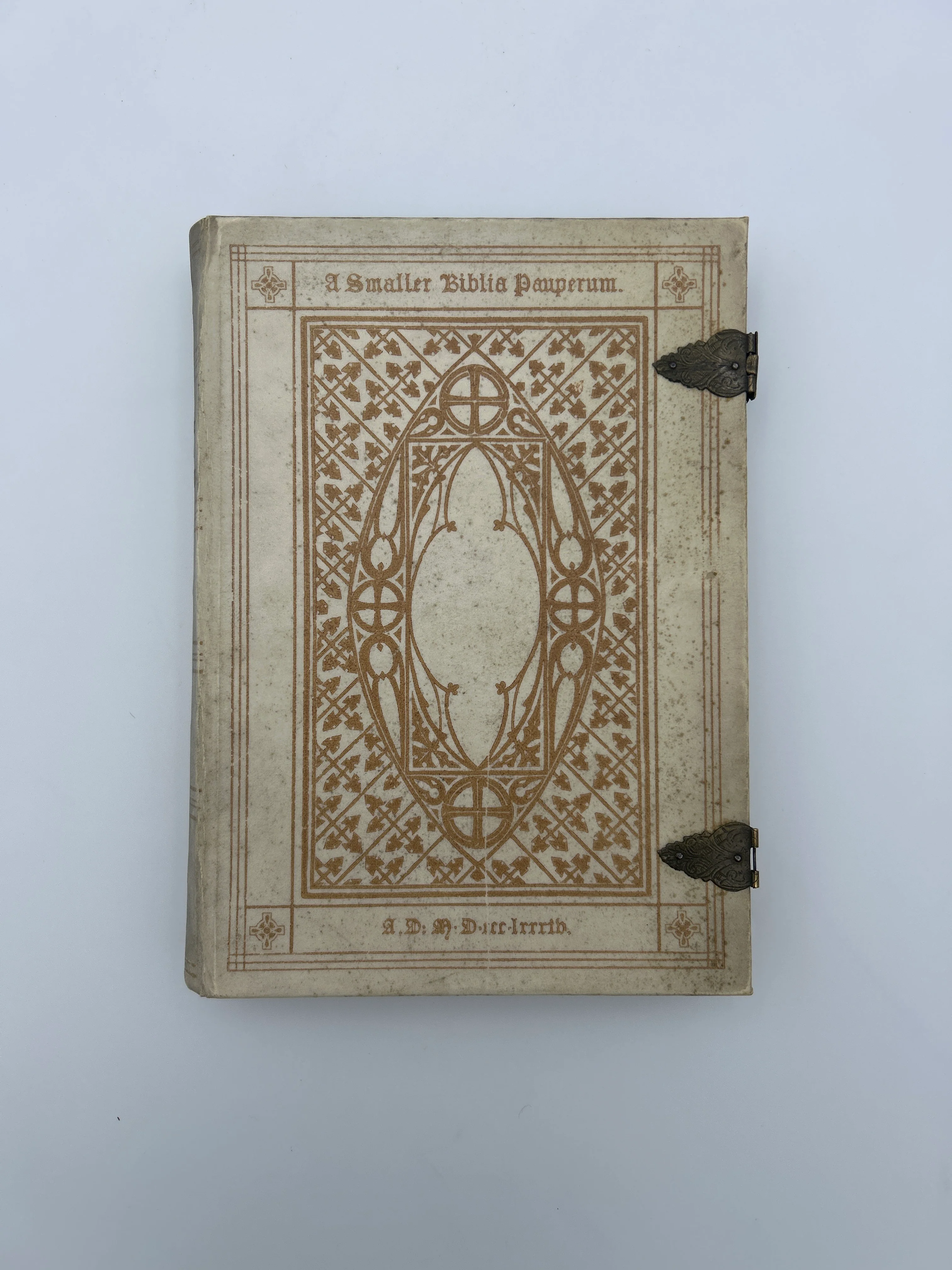
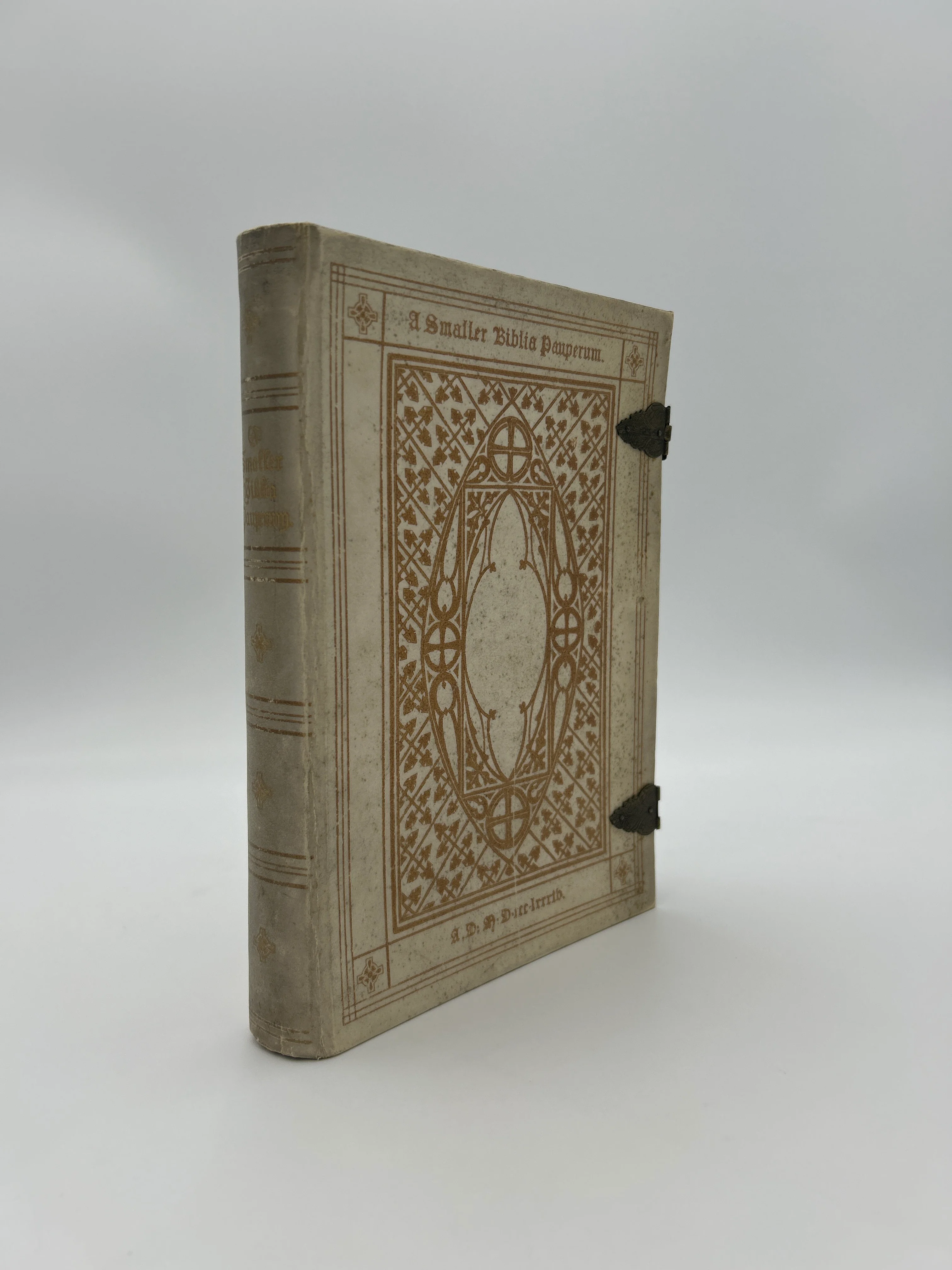
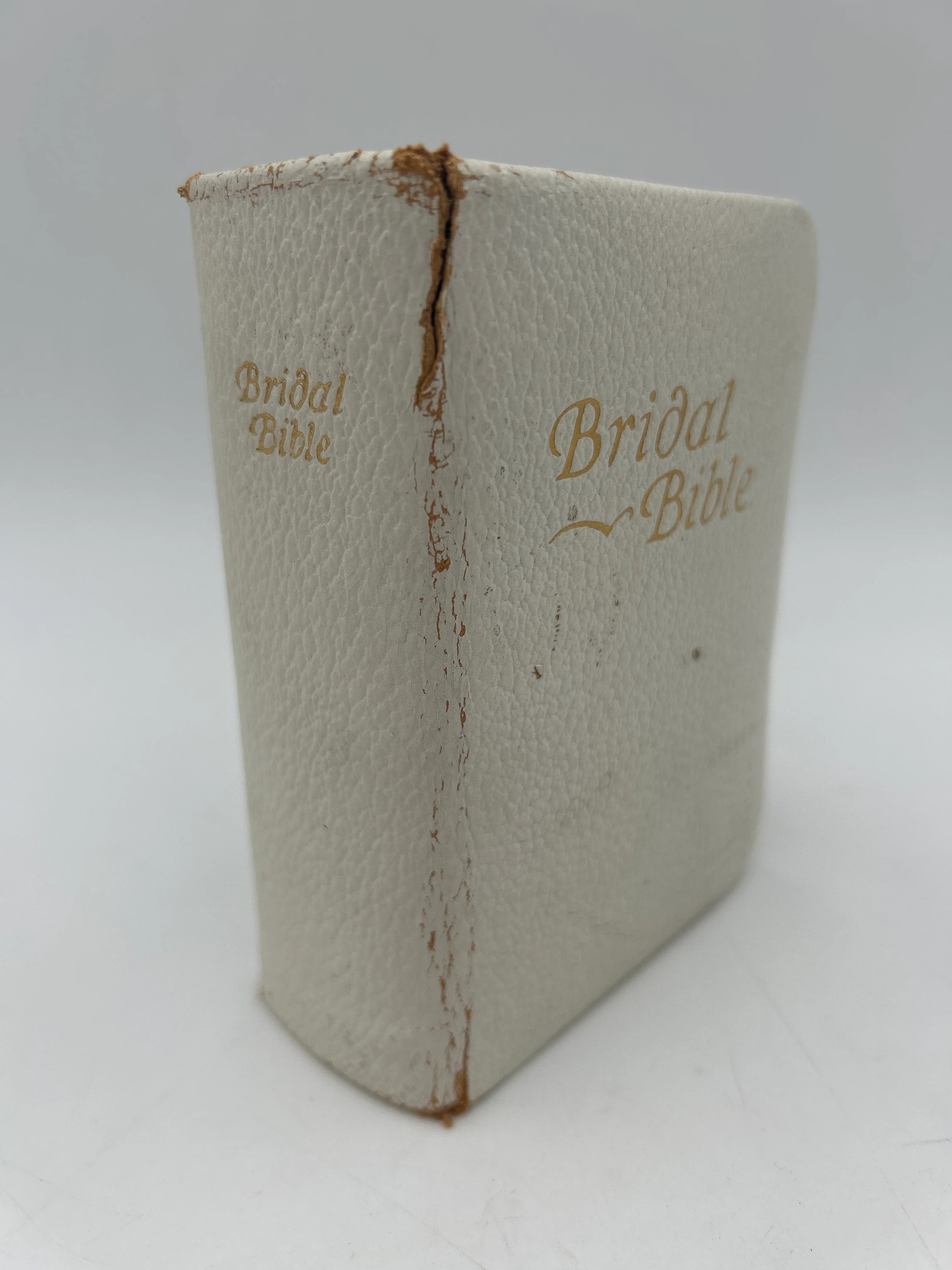
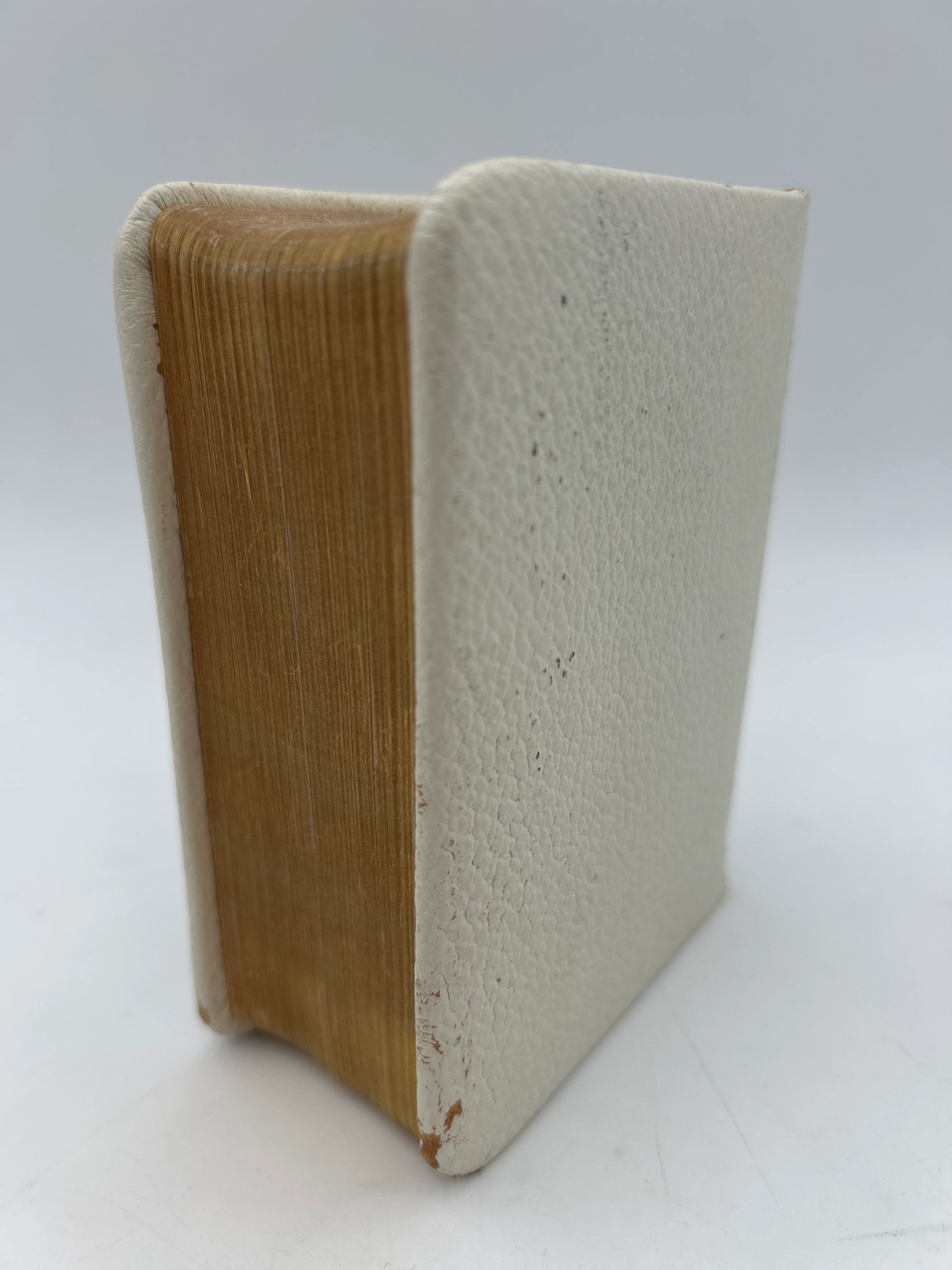
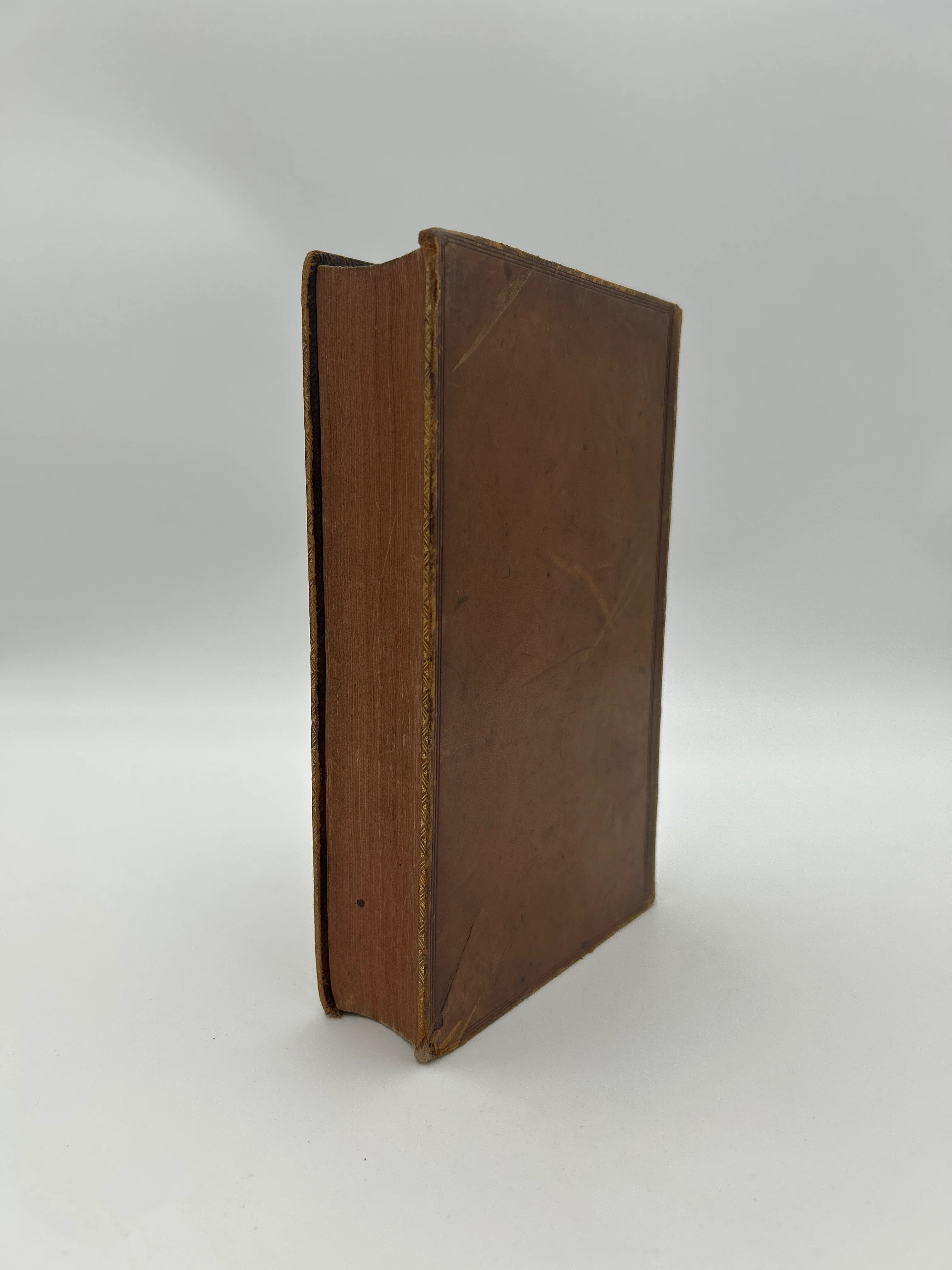
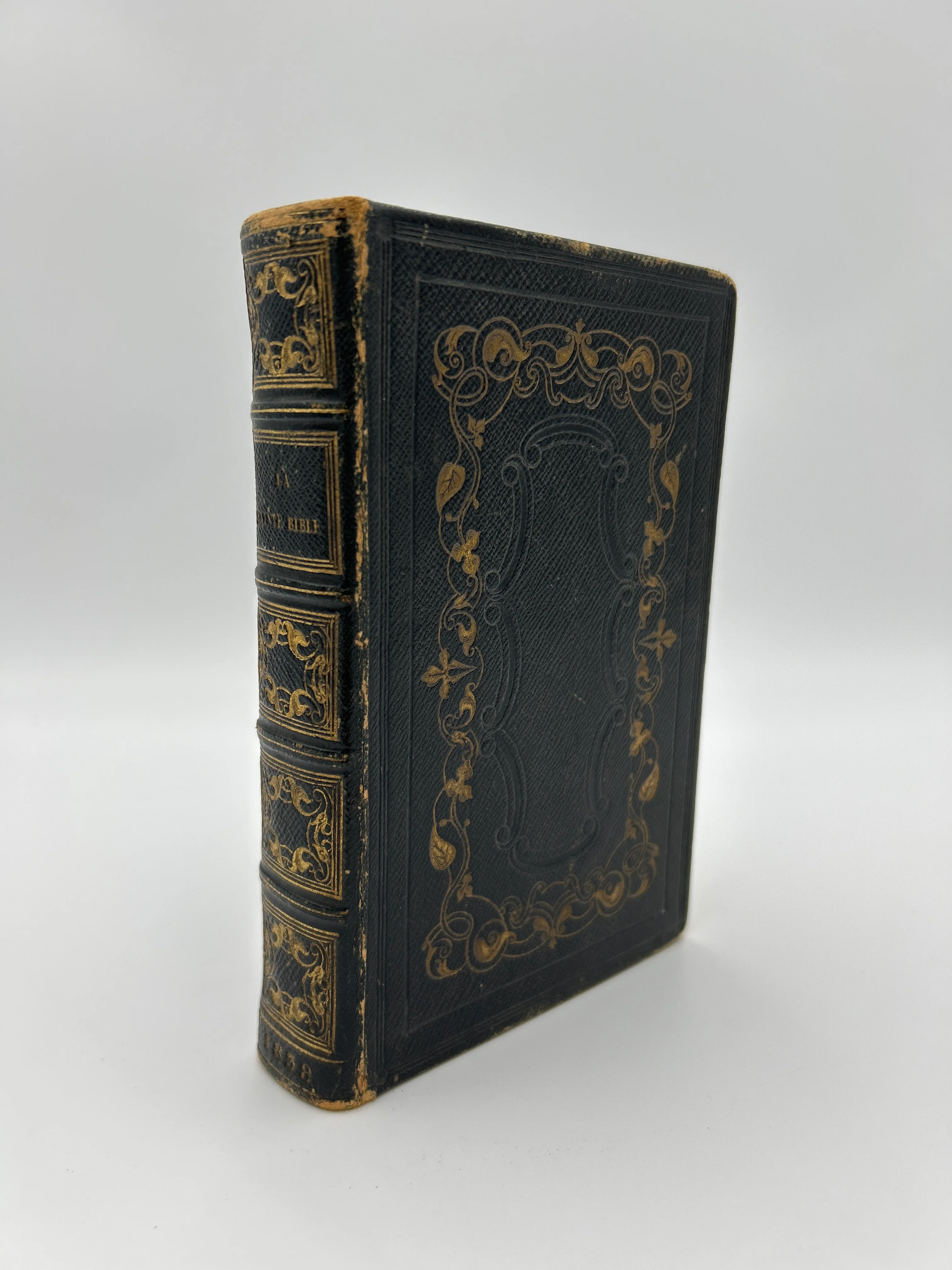
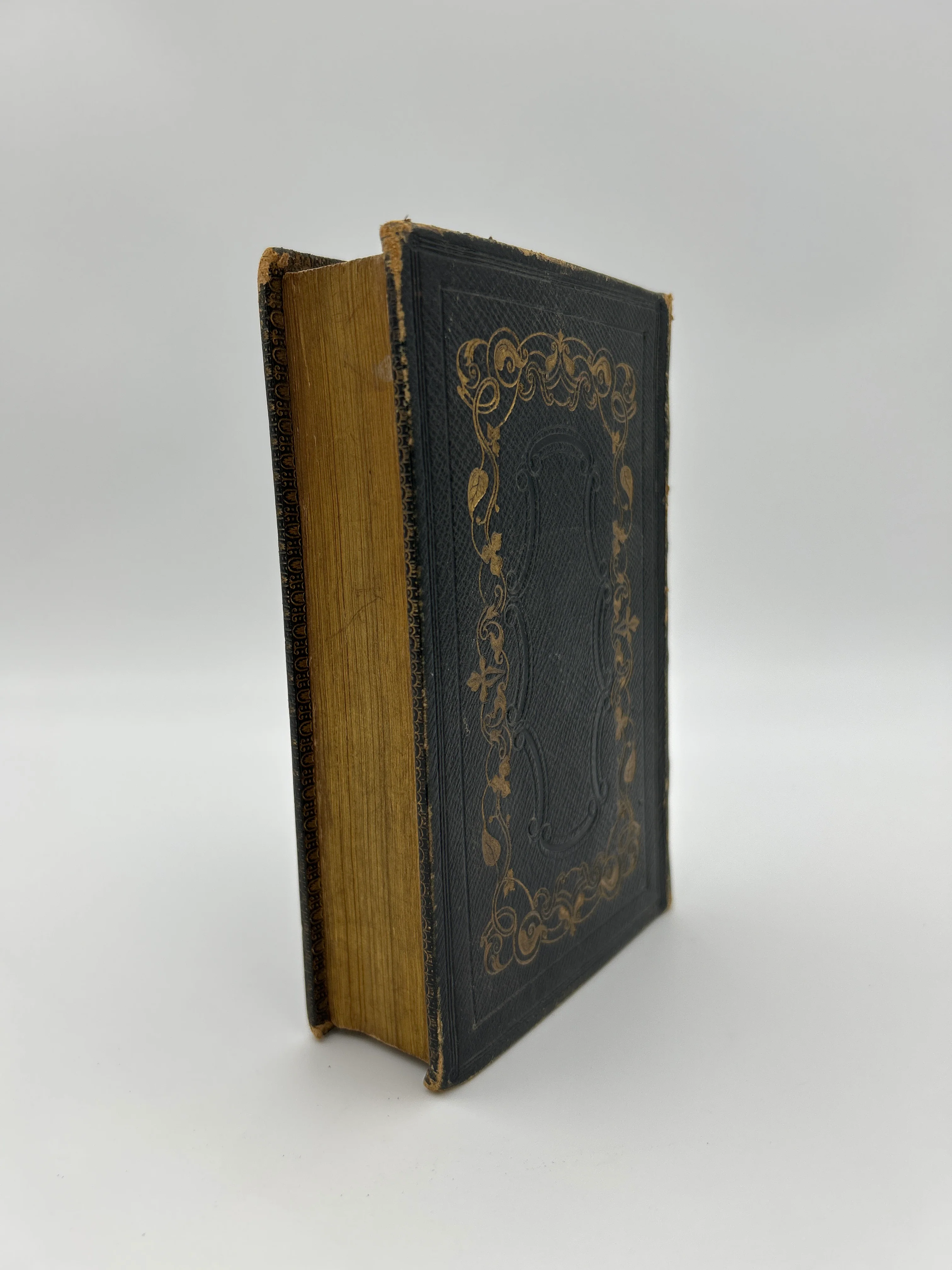
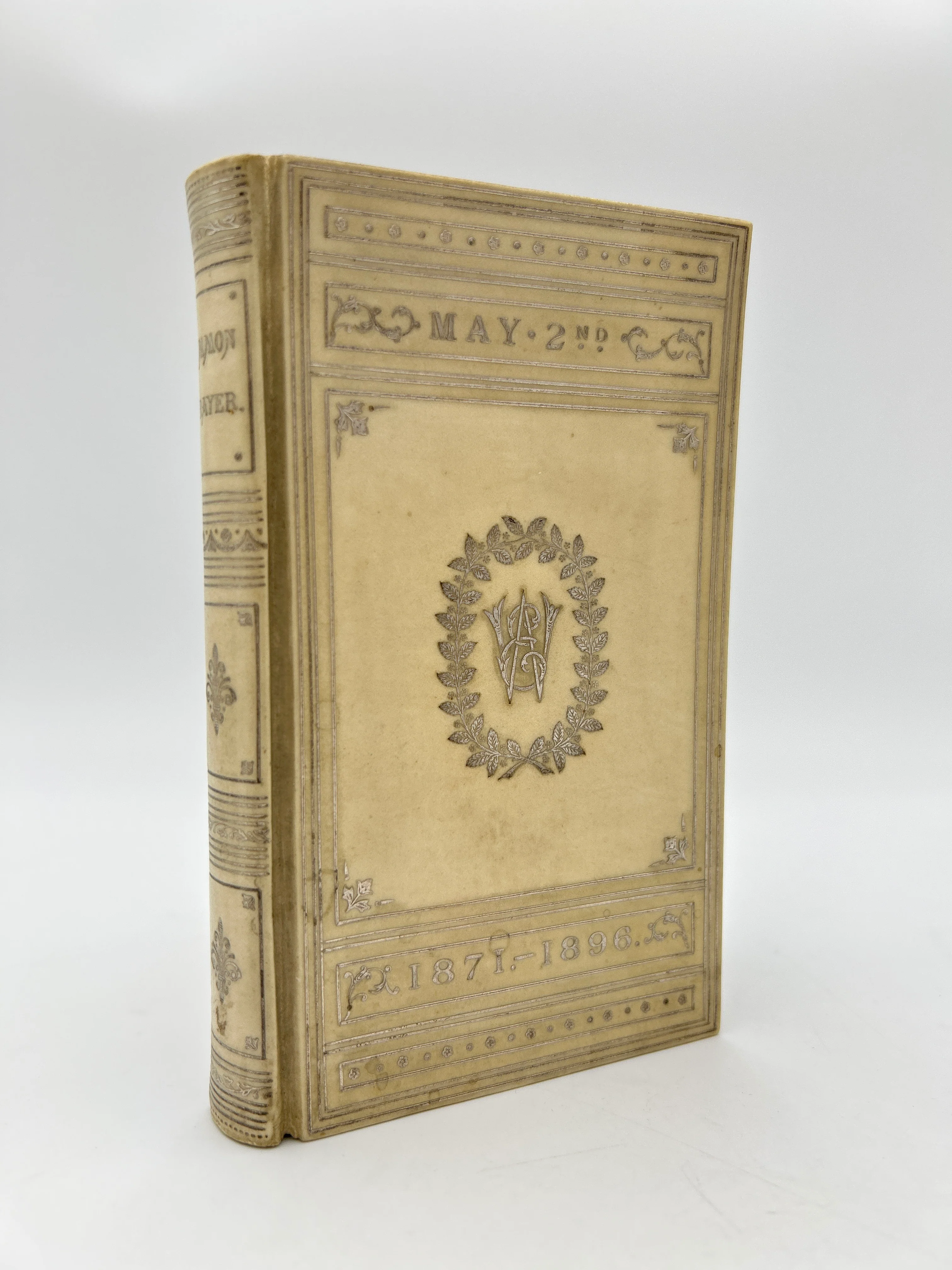
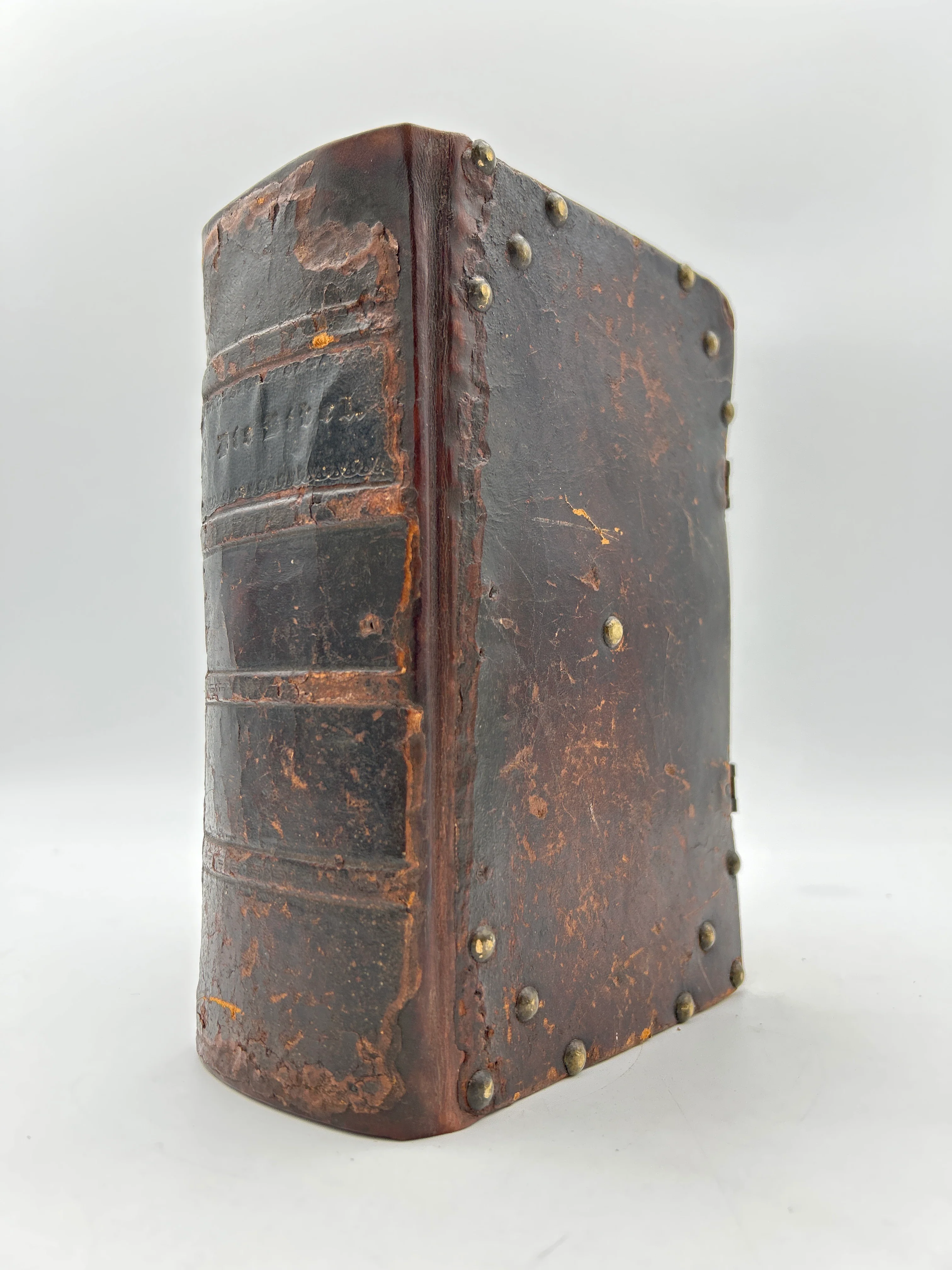
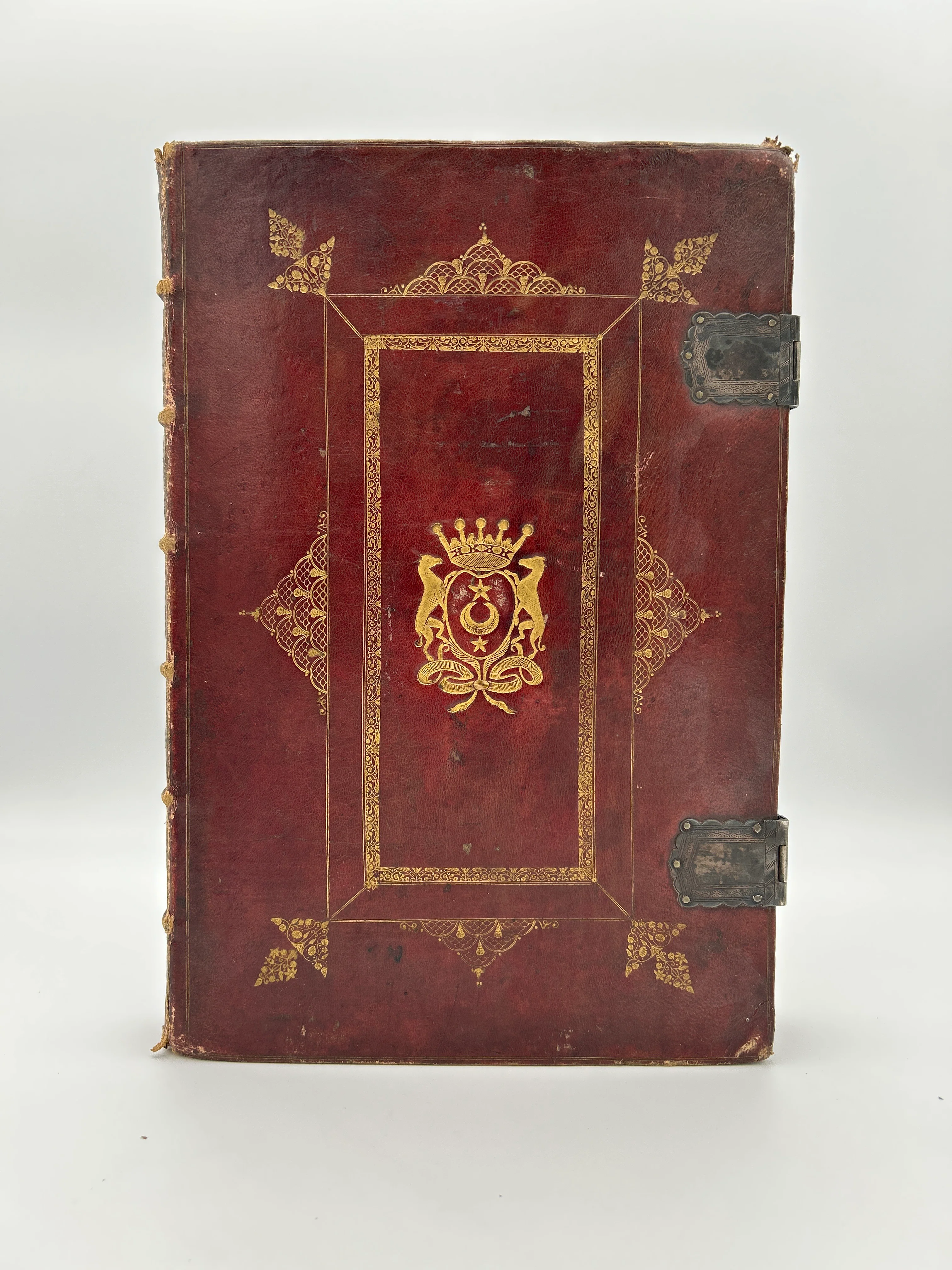
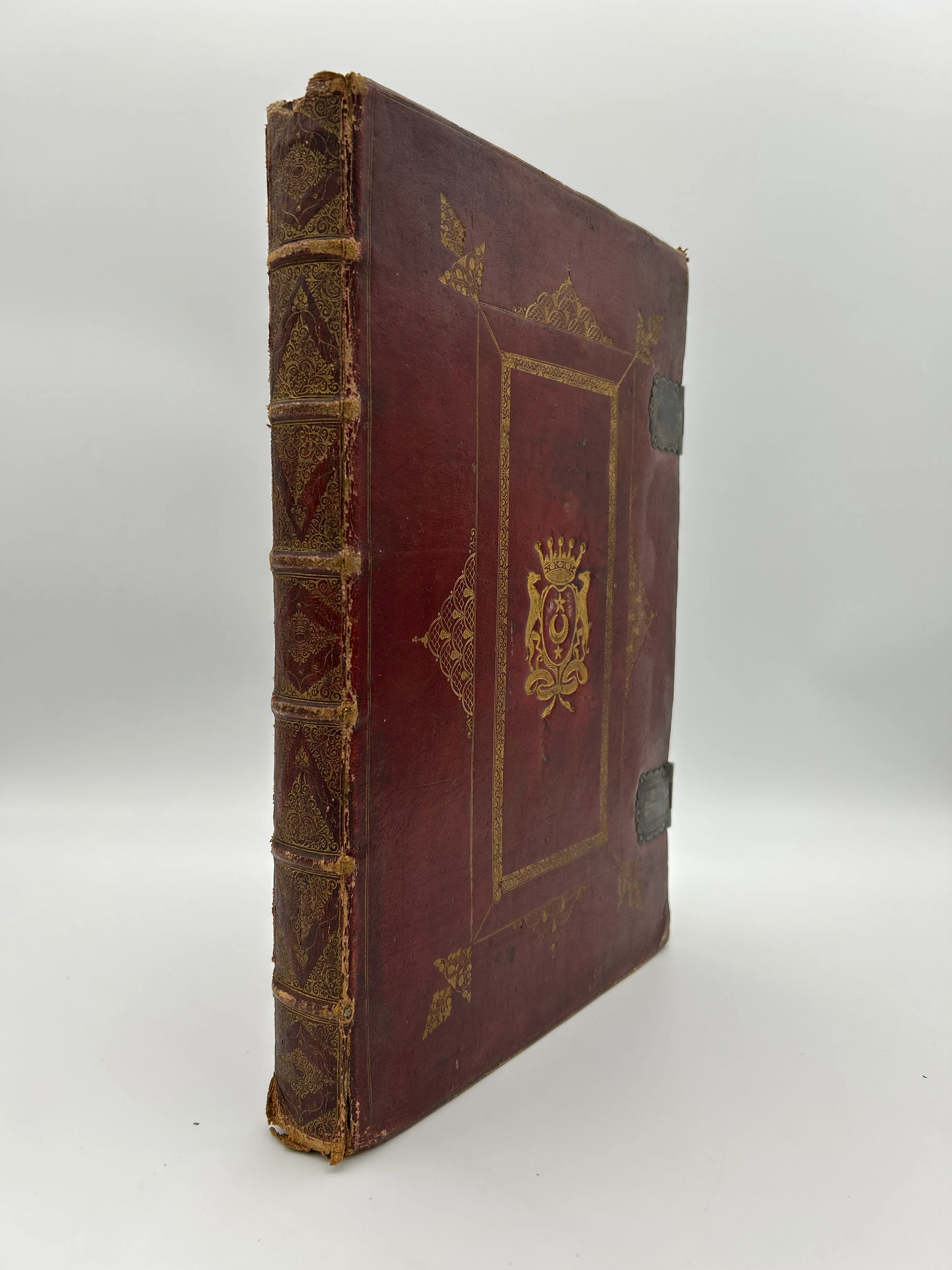
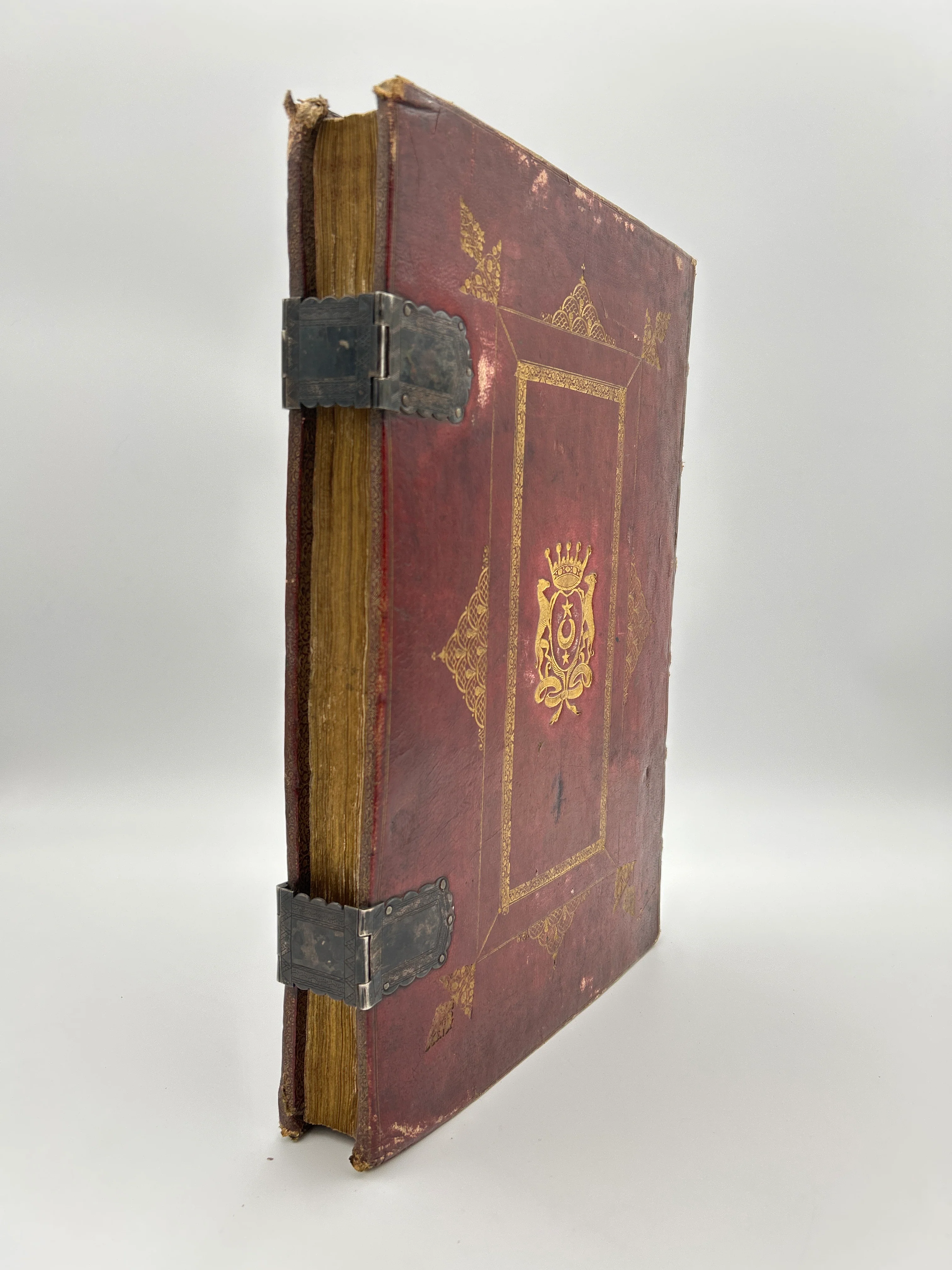
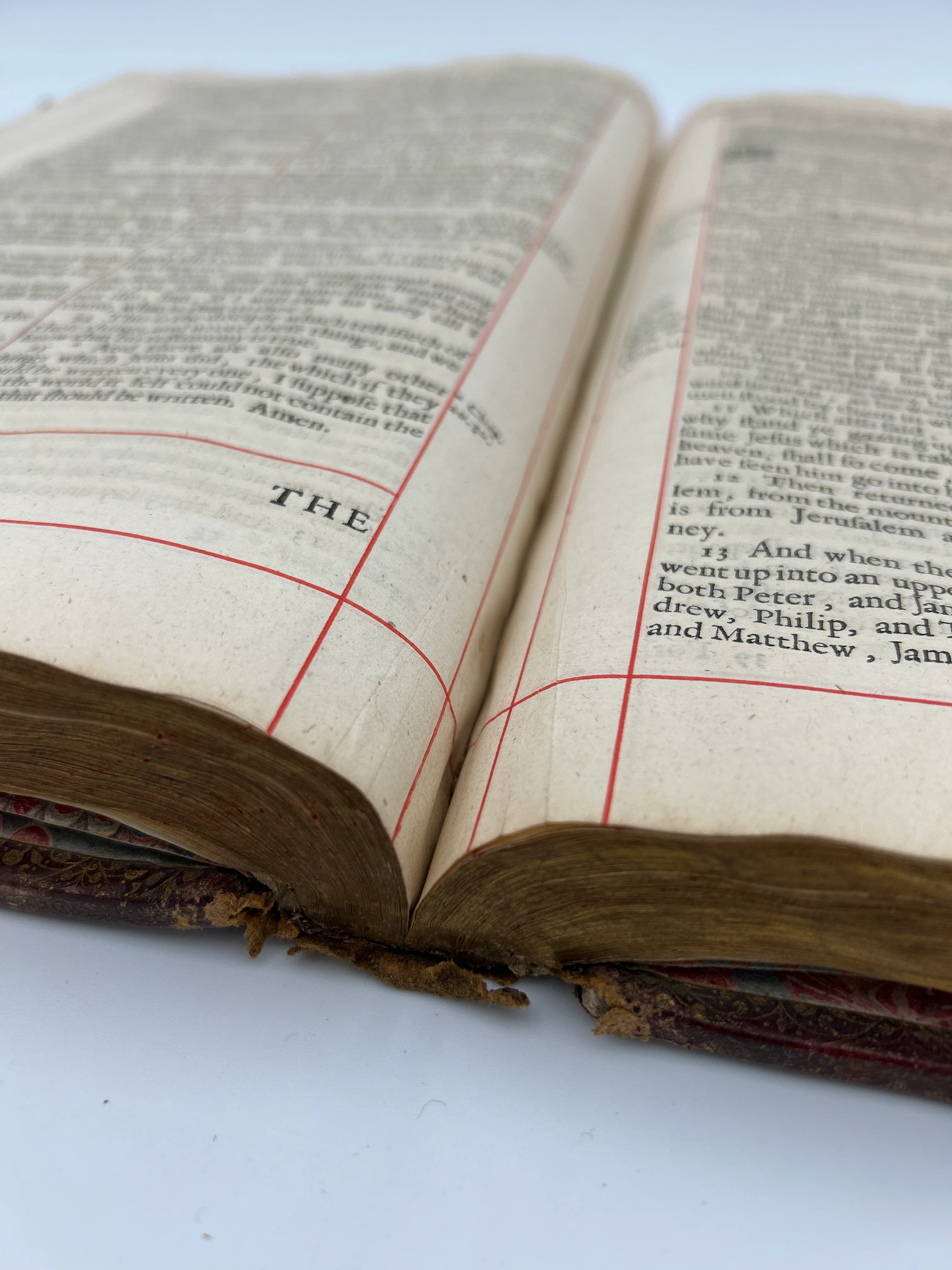
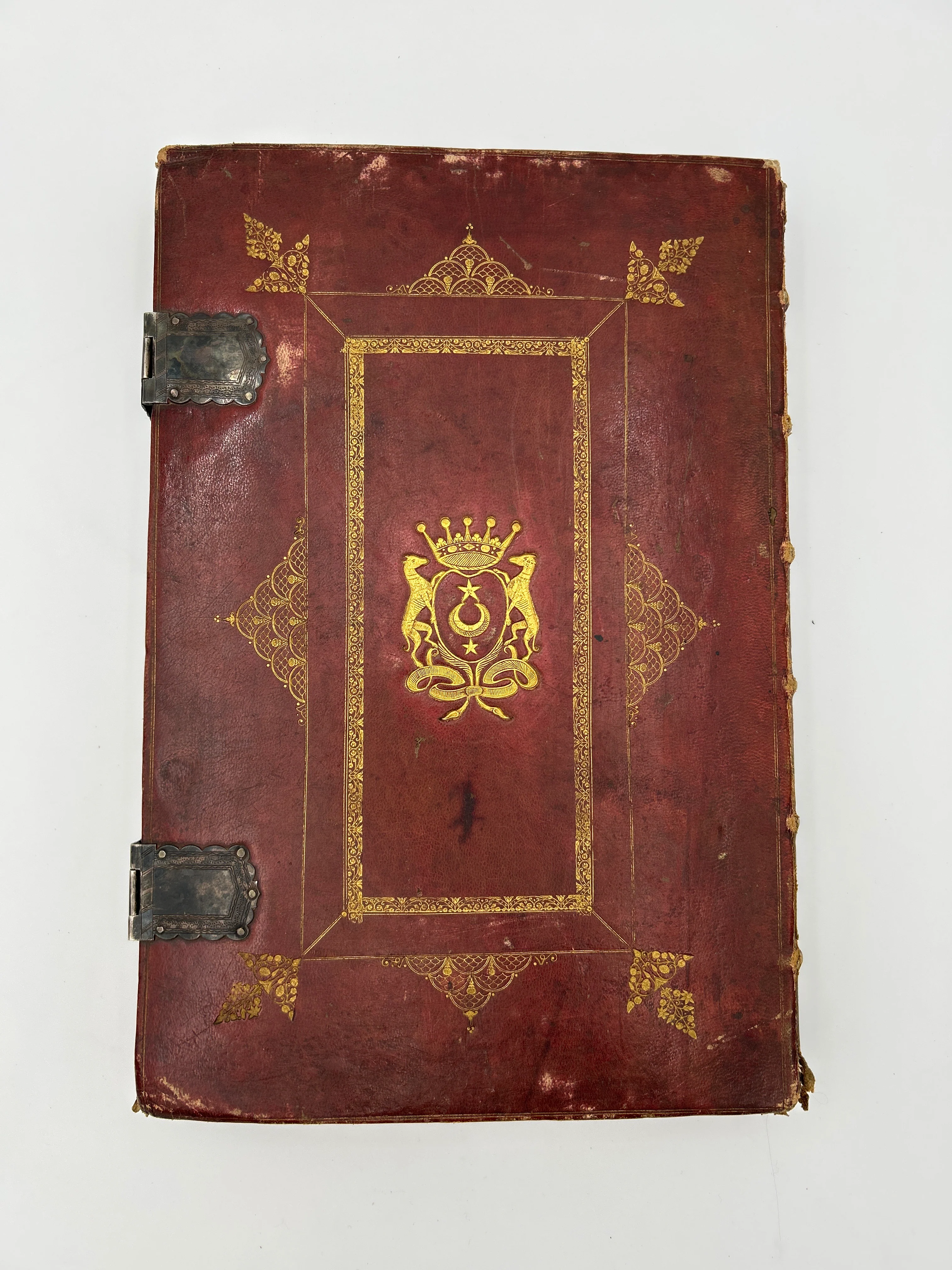
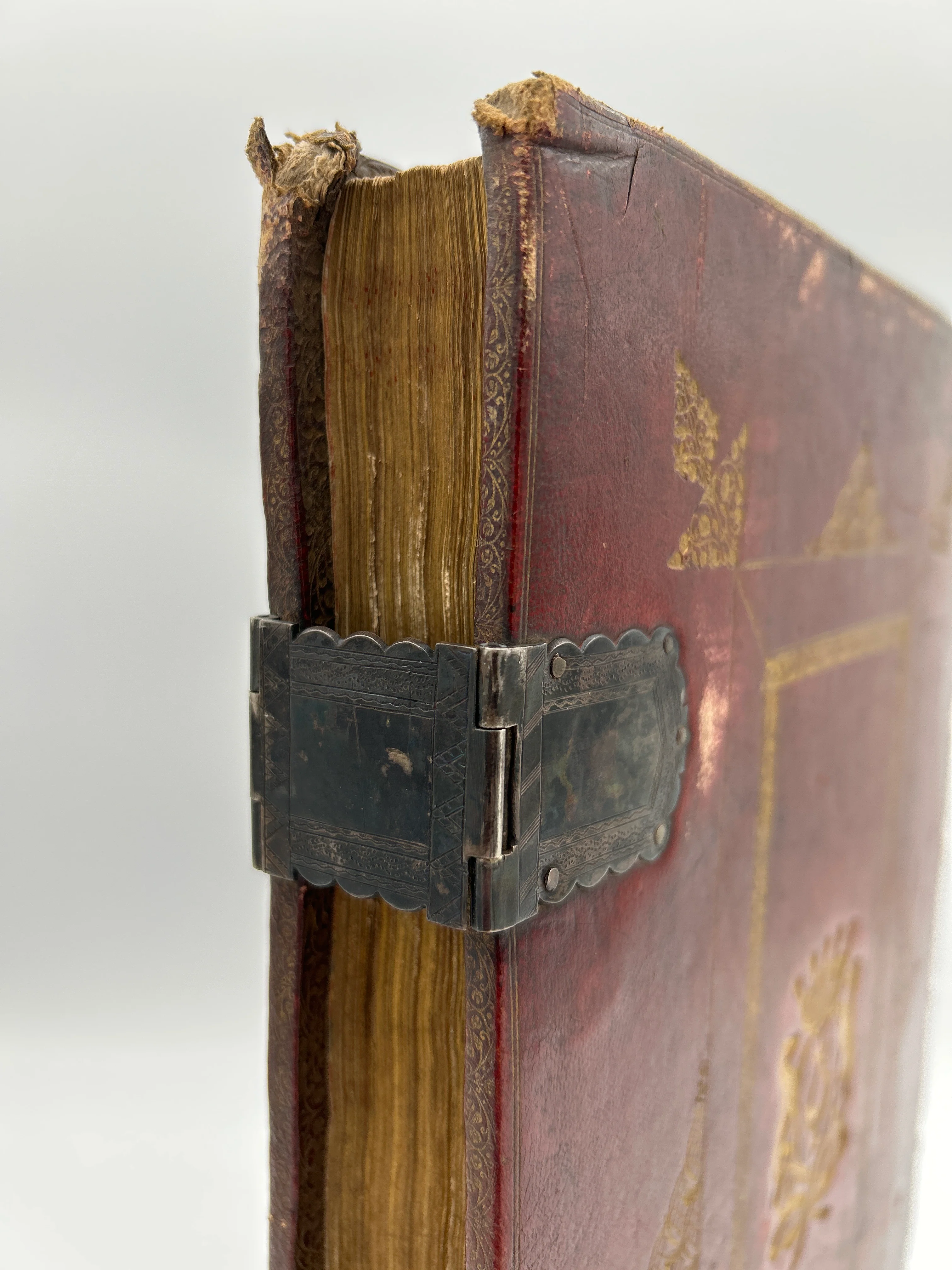
Red leather binding with gilt details on the boards and spine. Six raised bands, gilt edges, and two metal clasps. General scuffing and rubbing down to the leather along the raised bands. Chipping and fraying to the upper and lower spine. Bumping to the corners with some fraying to the upper corners. Red ruling throughout. Very good condition. ONLY VOLUME TWO
Details & Craftsmanship
Every detail has been carefully considered to bring you the perfect product.
Details & Craftsmanship
Every detail has been carefully considered to bring you the perfect product.
Details & Craftsmanship
Every detail has been carefully considered to bring you the perfect product.
Details & Craftsmanship
Every detail has been carefully considered to bring you the perfect product.
Details & Craftsmanship
Every detail has been carefully considered to bring you the perfect product.
Details & Craftsmanship
Every detail has been carefully considered to bring you the perfect product.
Details & Craftsmanship
Every detail has been carefully considered to bring you the perfect product.
Description
6B King James Edition. Cambridge: Tho: Buck and Roger Daniel, 1639. Volume Two Only
Notes
Only the second volume of the Bible here contains part of the Old Testament, the Apocrypha, and the New Testament.
The Apocrypha refers to a collection of ancient writings that are included in some versions of the Bible but are not considered canonical by all Christian traditions. These texts, written between 200 BCE and 100 CE, include books such as Tobit, Judith, Wisdom of Solomon, Sirach, and 1 and 2 Maccabees. They are found in the Septuagint (Greek Old Testament) and the Latin Vulgate but are excluded from the Hebrew Bible.
The history of the printing and translation of the Bible is closely tied to the spread of literacy, religious reform, and printing technology in Europe. Before printing, the Bible circulated mainly as handwritten manuscripts, largely in Latin (the Vulgate), which limited access to clergy and scholars. The invention of the movable-type printing press by Johannes Gutenberg in the mid-15th century transformed this situation; his Gutenberg Bible (c. 1455) was among the first major books printed in Europe. Printing made the Bible cheaper, more uniform, and widely available, while humanist scholarship encouraged returning to the original Hebrew and Greek texts. During the Reformation, translators such as Martin Luther, William Tyndale, and later the translators of the King James Version rendered the Bible into vernacular languages, aiming to make Scripture directly accessible to ordinary believers. These translations, multiplied rapidly through print, played a central role in shaping theology, national languages, and popular devotion.
The first time the King James Bible was printed in Cambridge was in 1629, when Thomas and John Buck and Roger Daniel produced a Cambridge edition of the Authorized Version for Cambridge University Press. This 1629 printing is significant because it was the first major revision of the 1611 text undertaken outside of London and was intended to correct typographical errors and inconsistencies that had accumulated in earlier printings of the King James Bible, drawing on the work of some of the original translators such as Samuel Ward and John Bois who were involved in its preparation. As a result, the 1629 Cambridge edition helped establish Cambridge University as a center of scholarly Bible printing and set a precedent for future authoritative editions, long before later standardized revisions in the 18th century made the text familiar to modern readers.
Description
Red leather binding with gilt details on the boards and spine. Six raised bands, gilt edges, and two metal clasps. General scuffing and rubbing down to the leather along the raised bands. Chipping and fraying to the upper and lower spine. Bumping to the corners with some fraying to the upper corners. Red ruling throughout. Very good condition. ONLY VOLUME TWO