Original: $1,500.00
-65%$1,500.00
$525.00The Story
6b Dante Alighieri. Translated by The Rev. Henry Francis Cary M.A.. Designs by Gustave Doré. London: Cassell & Co., 1893. Two Volumes.
Notes
The Divine Comedy, written in the early 14th century by the Italian poet Dante Alighieri, is one of the most celebrated works of world literature. The epic poem traces Dante’s imagined journey through the realms of the afterlife—Inferno (Hell), Purgatorio (Purgatory), and Paradiso (Heaven)—guided first by the Roman poet Virgil and later by Beatrice, a symbol of divine love. Written in the Tuscan vernacular rather than Latin, the poem helped shape the development of the Italian language while offering a sweeping vision of morality, justice, and redemption. Blending theology, philosophy, and vivid storytelling, The Divine Comedy remains a cornerstone of medieval literature and continues to influence writers, artists, and thinkers centuries after its composition.
Dante Alighieri (1265–1321) was an Italian poet, philosopher, and political thinker whose work helped shape the course of European literature. Born in Florence during a time of intense political conflict between rival factions, Dante became deeply involved in civic life before being exiled from his city in 1302, an event that profoundly influenced his later writing. During his years in exile he composed The Divine Comedy, blending theology, philosophy, classical learning, and personal reflection. By writing the poem in the Tuscan vernacular rather than Latin, Dante helped elevate the Italian language and establish a literary standard that would influence generations of writers. Today he is widely regarded as one of the greatest poets of the Middle Ages and a central figure in the development of Western literature.
The work has been illustrated by many artists over the centuries, but some of the most famous images are those created by the French illustrator Gustave Doré (1832–1883). Doré produced a remarkable series of detailed engravings for editions of The Divine Comedy in the nineteenth century, capturing the dramatic landscapes, torments, and celestial visions described in Dante’s poem. His illustrations are noted for their powerful contrasts of light and shadow, intricate detail, and grand sense of scale, which helped bring Dante’s imagined world vividly to life for readers. Doré’s interpretations became so influential that they remain among the most widely recognized visual representations of Dante’s journey through the afterlife.
Description
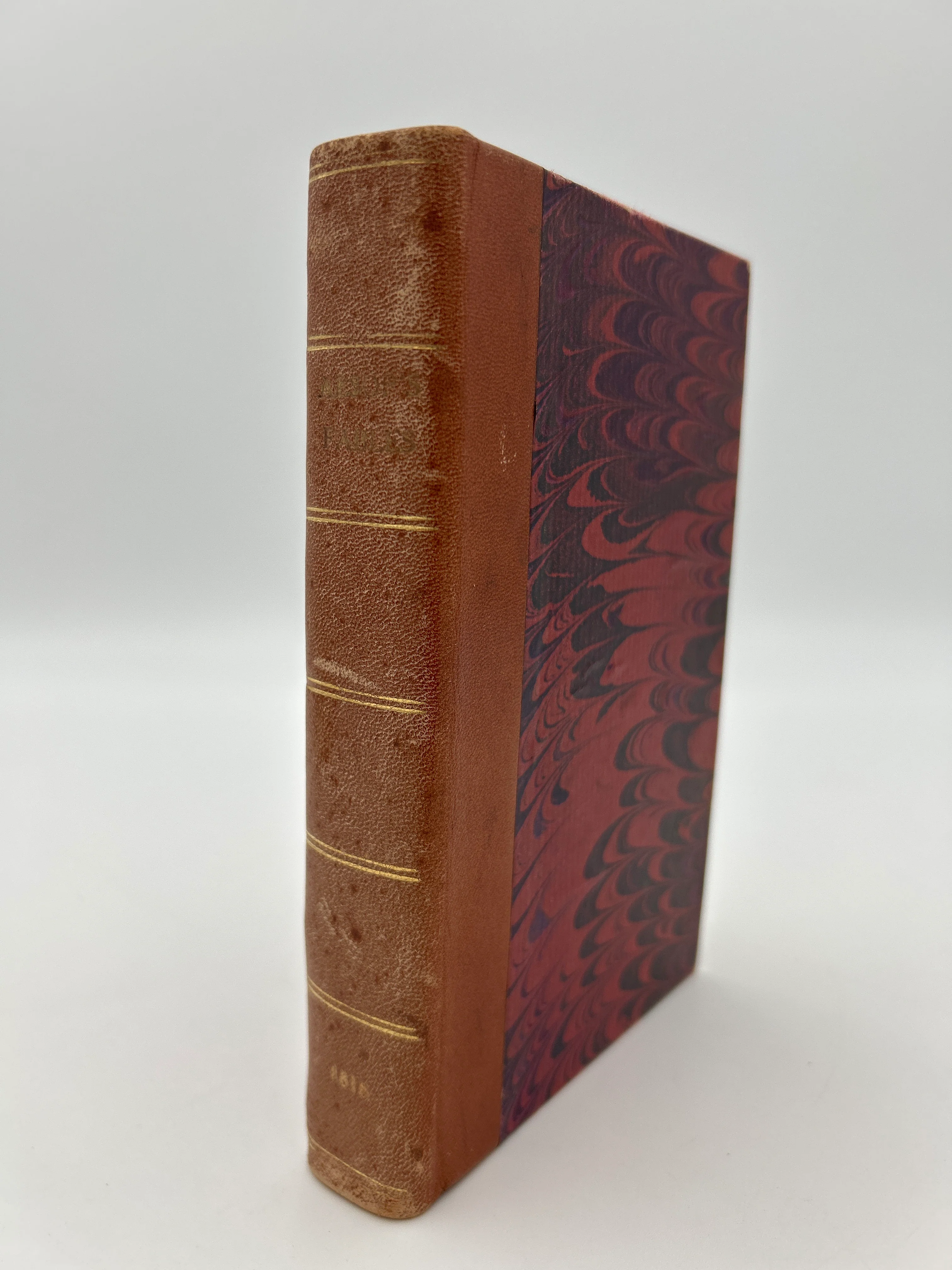
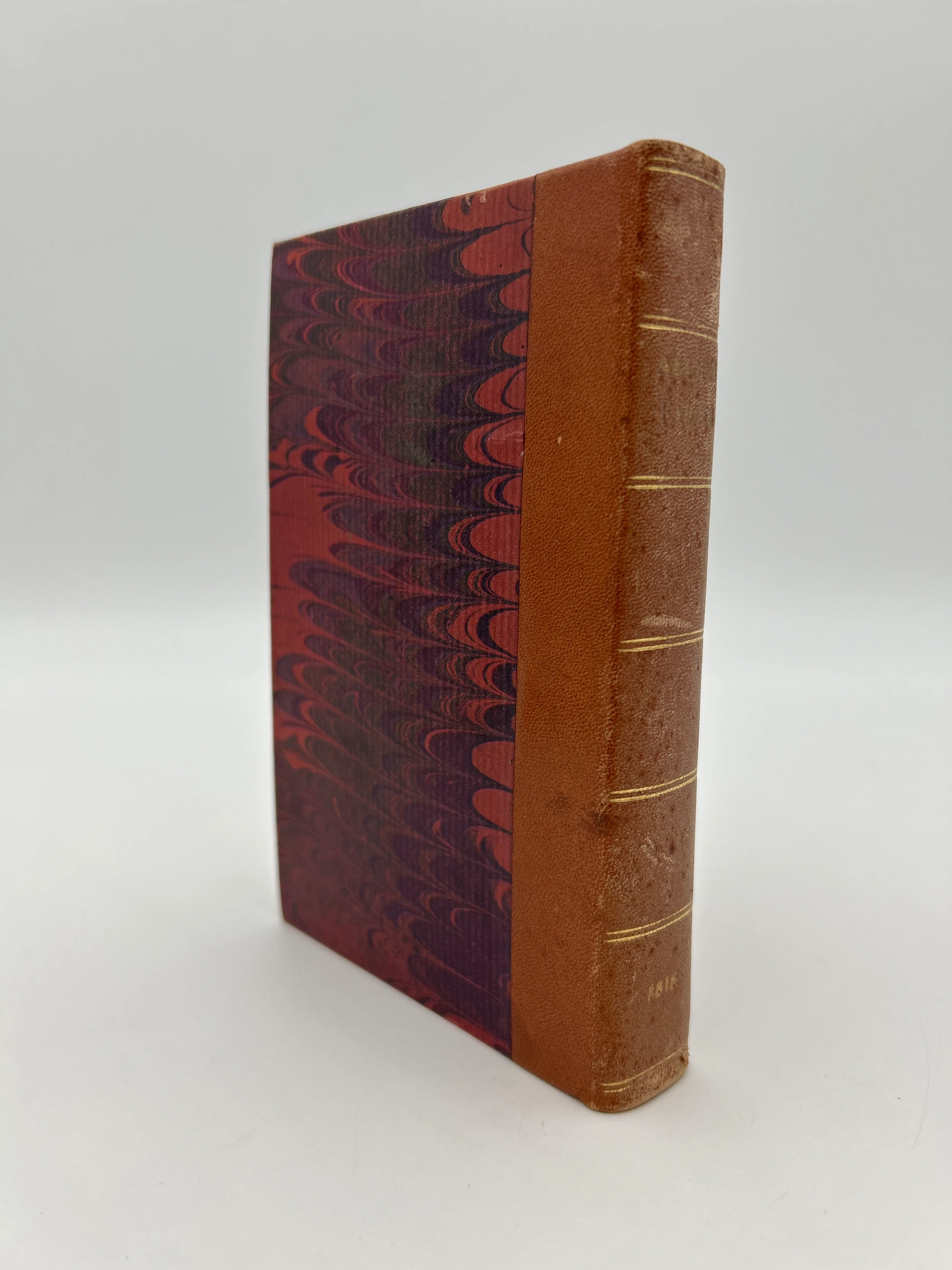
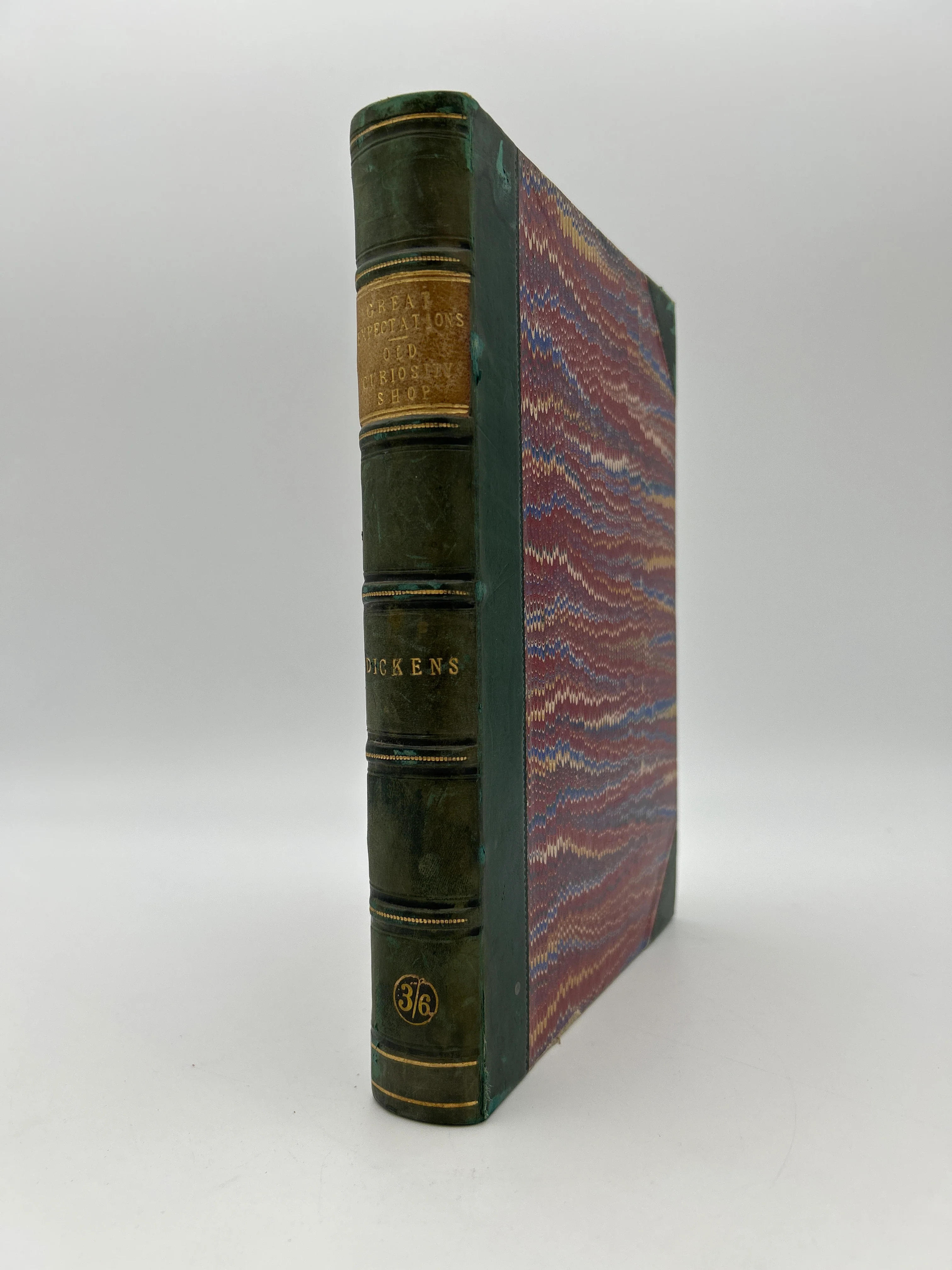
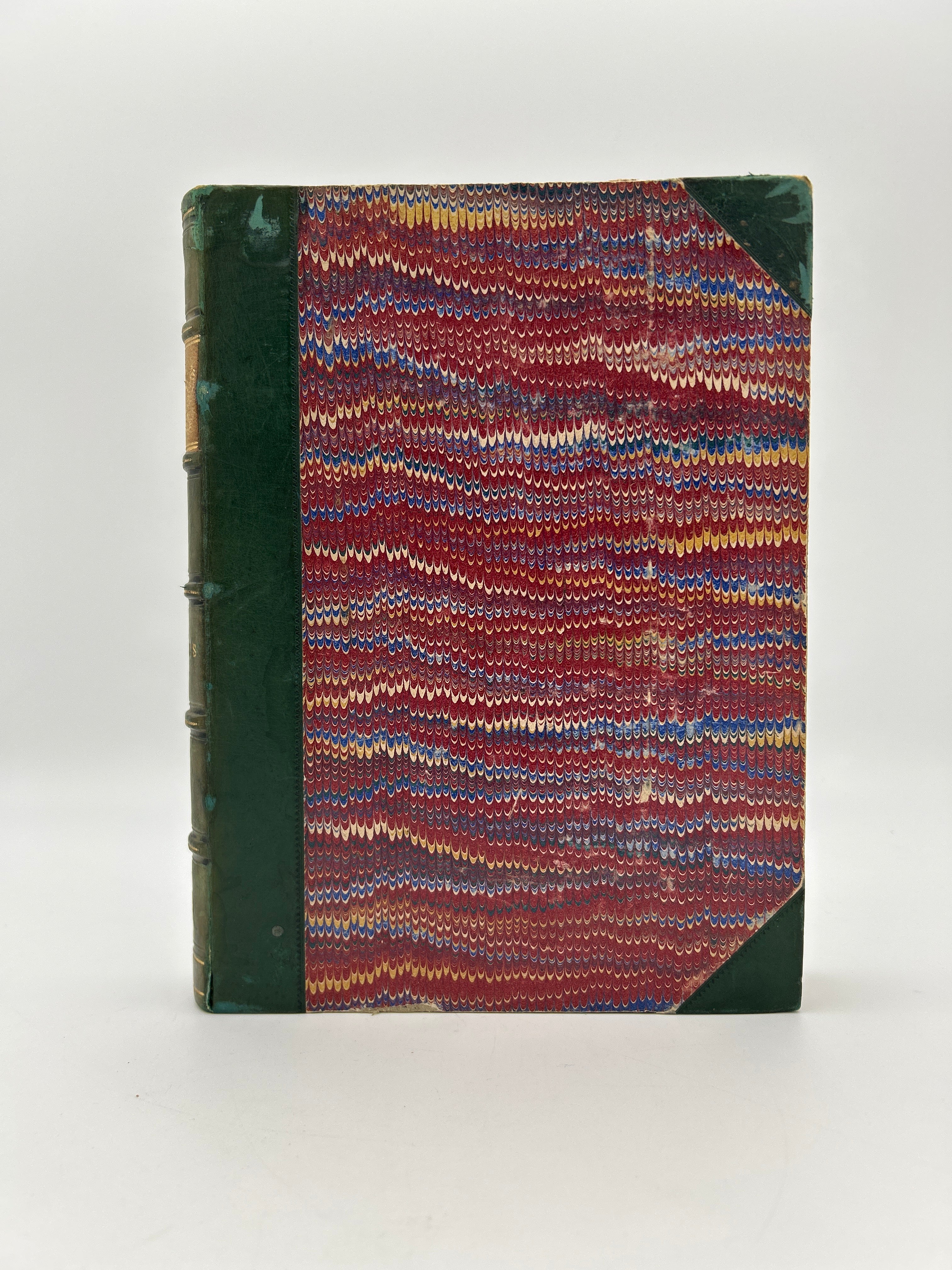
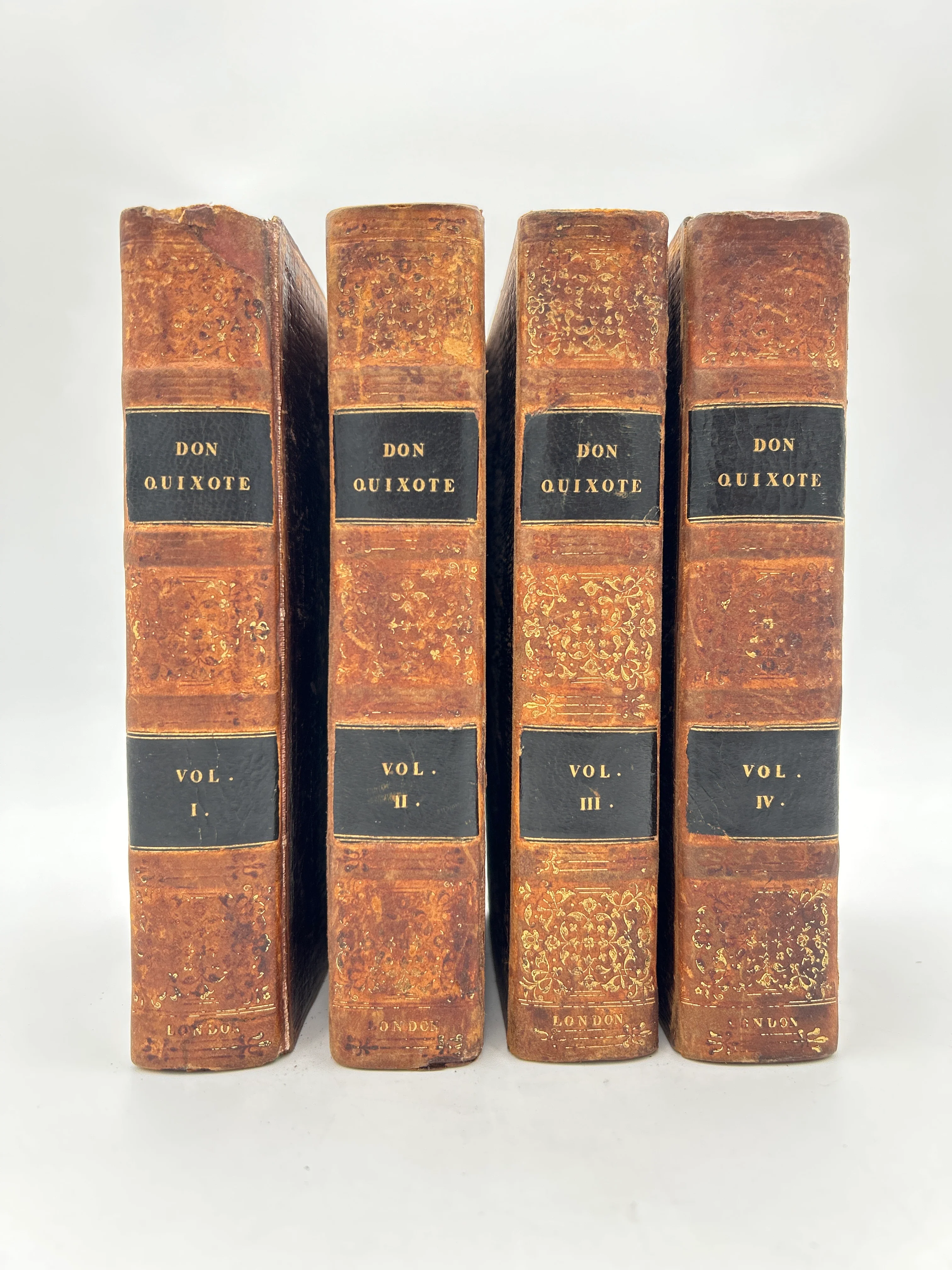
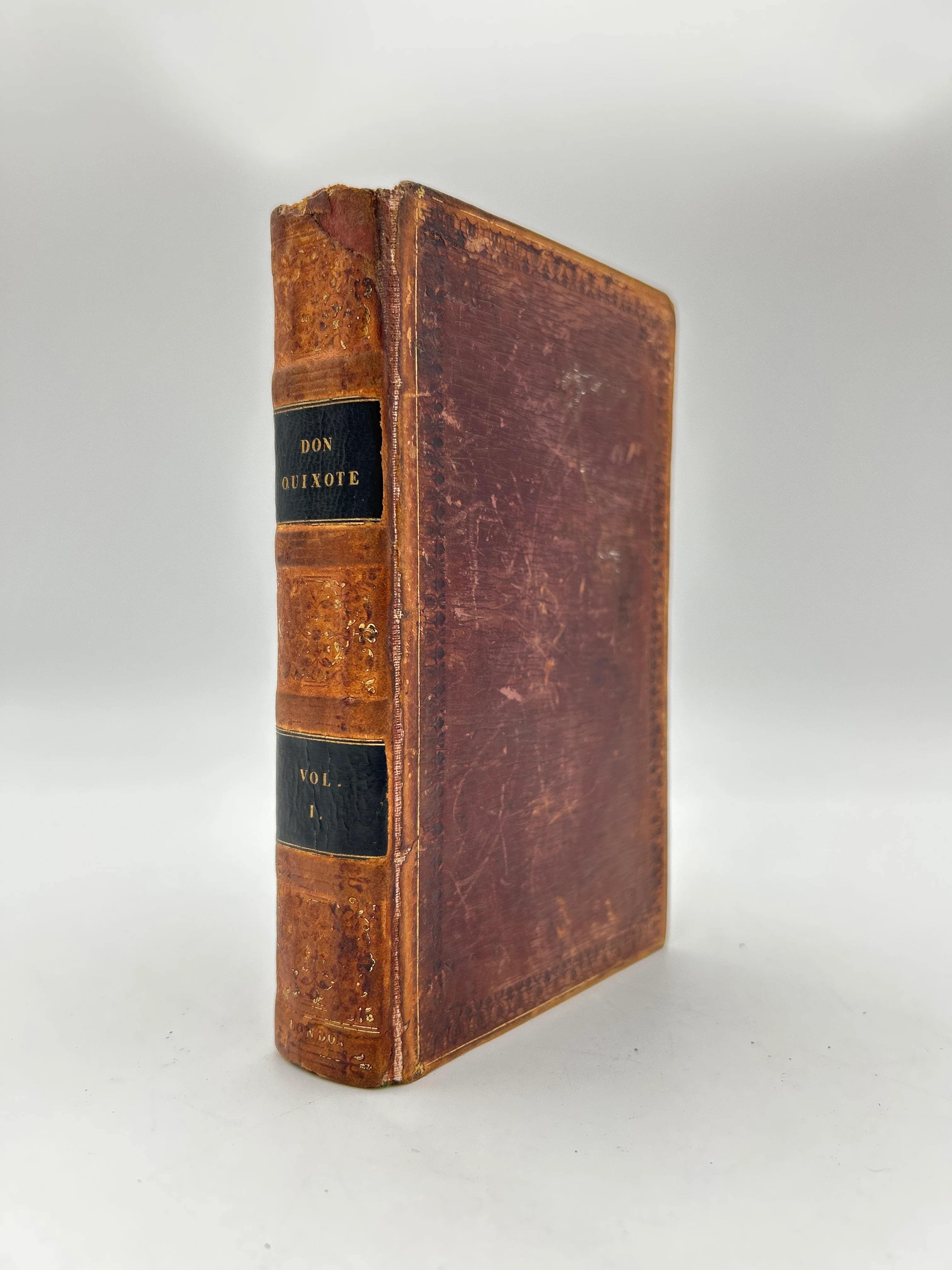
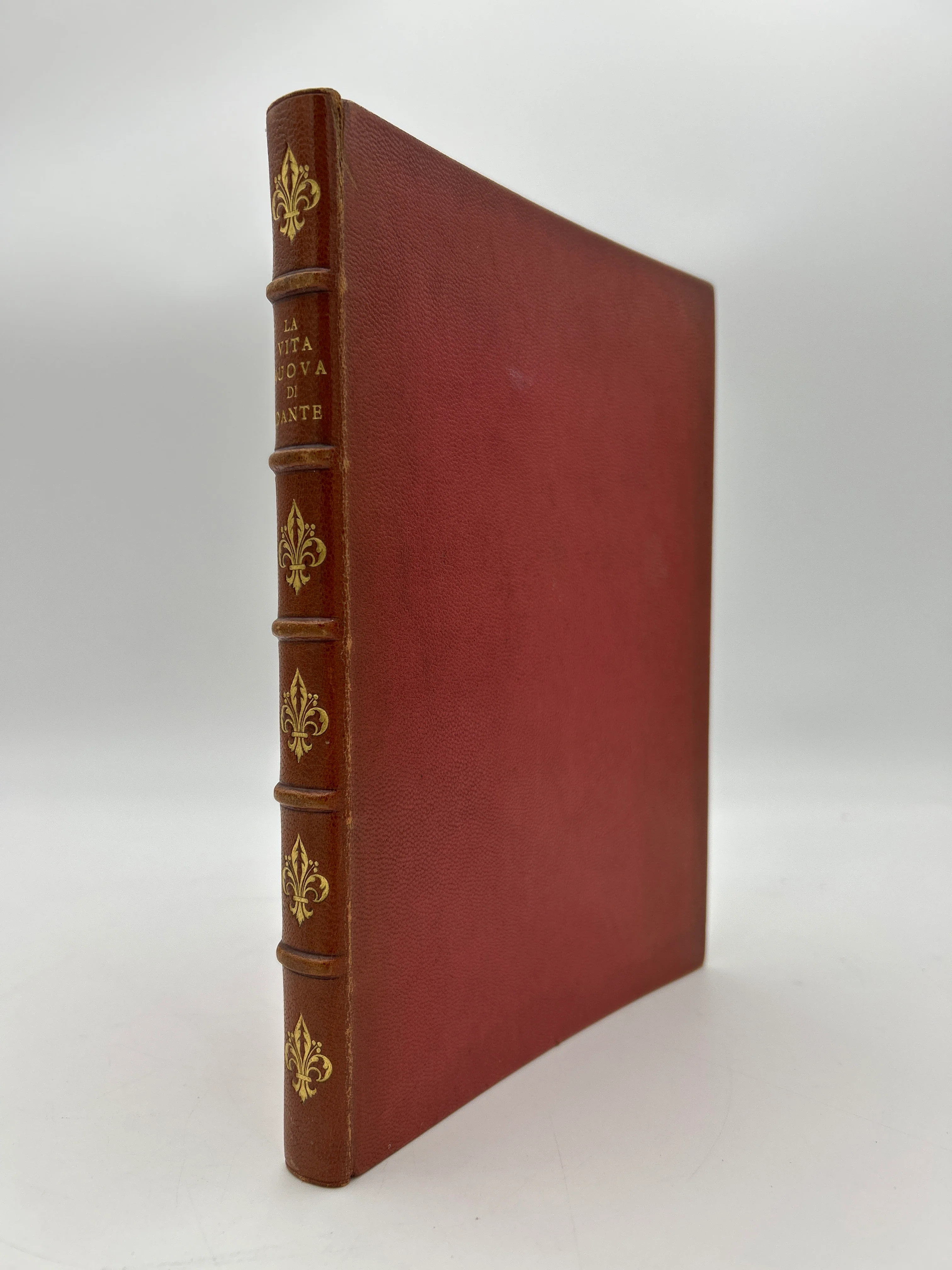
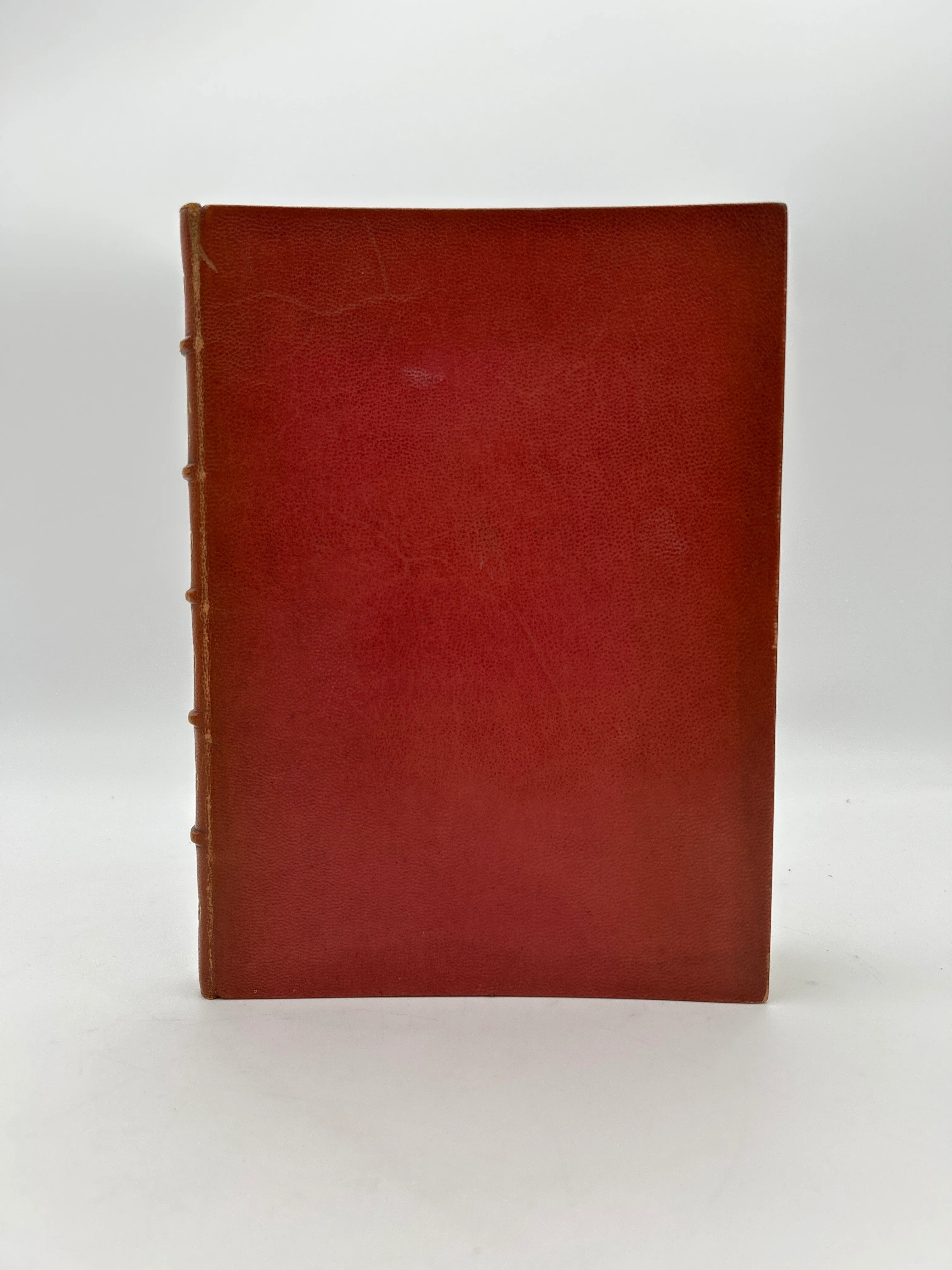
Green and brown bindings with gilt ornamentation and lettering to upper boards and spines. Gilt edges. Illustrated throughout. States points on both volumes with softenting to head and foot of spine. Fine condition.

Details & Craftsmanship
Every detail has been carefully considered to bring you the perfect product.

Details & Craftsmanship
Every detail has been carefully considered to bring you the perfect product.

Details & Craftsmanship
Every detail has been carefully considered to bring you the perfect product.

Details & Craftsmanship
Every detail has been carefully considered to bring you the perfect product.

Details & Craftsmanship
Every detail has been carefully considered to bring you the perfect product.

Details & Craftsmanship
Every detail has been carefully considered to bring you the perfect product.

Details & Craftsmanship
Every detail has been carefully considered to bring you the perfect product.

Details & Craftsmanship
Every detail has been carefully considered to bring you the perfect product.

Details & Craftsmanship
Every detail has been carefully considered to bring you the perfect product.

Details & Craftsmanship
Every detail has been carefully considered to bring you the perfect product.
Description
6b Dante Alighieri. Translated by The Rev. Henry Francis Cary M.A.. Designs by Gustave Doré. London: Cassell & Co., 1893. Two Volumes.
Notes
The Divine Comedy, written in the early 14th century by the Italian poet Dante Alighieri, is one of the most celebrated works of world literature. The epic poem traces Dante’s imagined journey through the realms of the afterlife—Inferno (Hell), Purgatorio (Purgatory), and Paradiso (Heaven)—guided first by the Roman poet Virgil and later by Beatrice, a symbol of divine love. Written in the Tuscan vernacular rather than Latin, the poem helped shape the development of the Italian language while offering a sweeping vision of morality, justice, and redemption. Blending theology, philosophy, and vivid storytelling, The Divine Comedy remains a cornerstone of medieval literature and continues to influence writers, artists, and thinkers centuries after its composition.
Dante Alighieri (1265–1321) was an Italian poet, philosopher, and political thinker whose work helped shape the course of European literature. Born in Florence during a time of intense political conflict between rival factions, Dante became deeply involved in civic life before being exiled from his city in 1302, an event that profoundly influenced his later writing. During his years in exile he composed The Divine Comedy, blending theology, philosophy, classical learning, and personal reflection. By writing the poem in the Tuscan vernacular rather than Latin, Dante helped elevate the Italian language and establish a literary standard that would influence generations of writers. Today he is widely regarded as one of the greatest poets of the Middle Ages and a central figure in the development of Western literature.
The work has been illustrated by many artists over the centuries, but some of the most famous images are those created by the French illustrator Gustave Doré (1832–1883). Doré produced a remarkable series of detailed engravings for editions of The Divine Comedy in the nineteenth century, capturing the dramatic landscapes, torments, and celestial visions described in Dante’s poem. His illustrations are noted for their powerful contrasts of light and shadow, intricate detail, and grand sense of scale, which helped bring Dante’s imagined world vividly to life for readers. Doré’s interpretations became so influential that they remain among the most widely recognized visual representations of Dante’s journey through the afterlife.
Description
Green and brown bindings with gilt ornamentation and lettering to upper boards and spines. Gilt edges. Illustrated throughout. States points on both volumes with softenting to head and foot of spine. Fine condition.