The Story
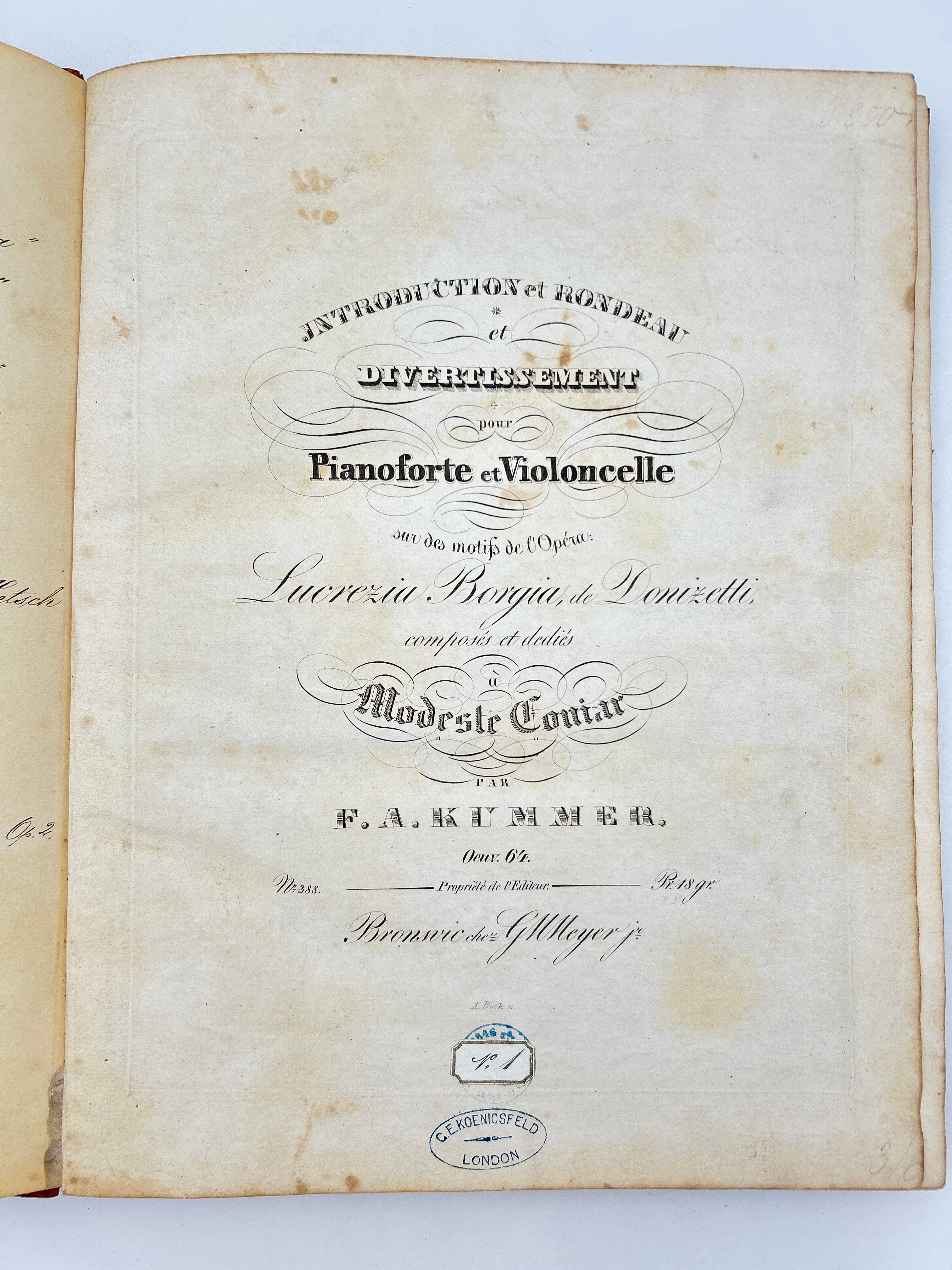
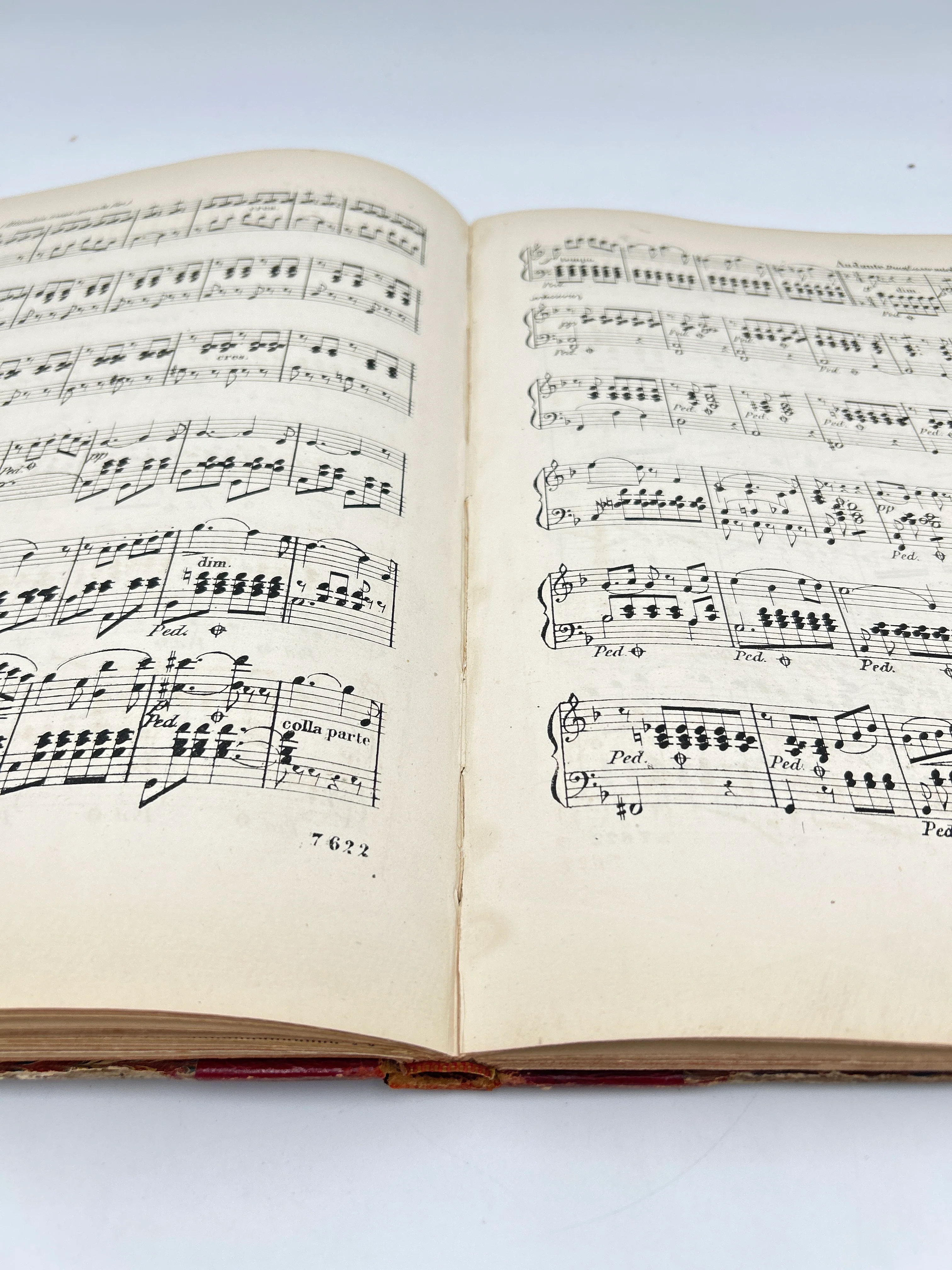
6R. Gaetano Donizetti. Paris: Bronsvic chez G. M. Meyer Jr., 1870
Notes
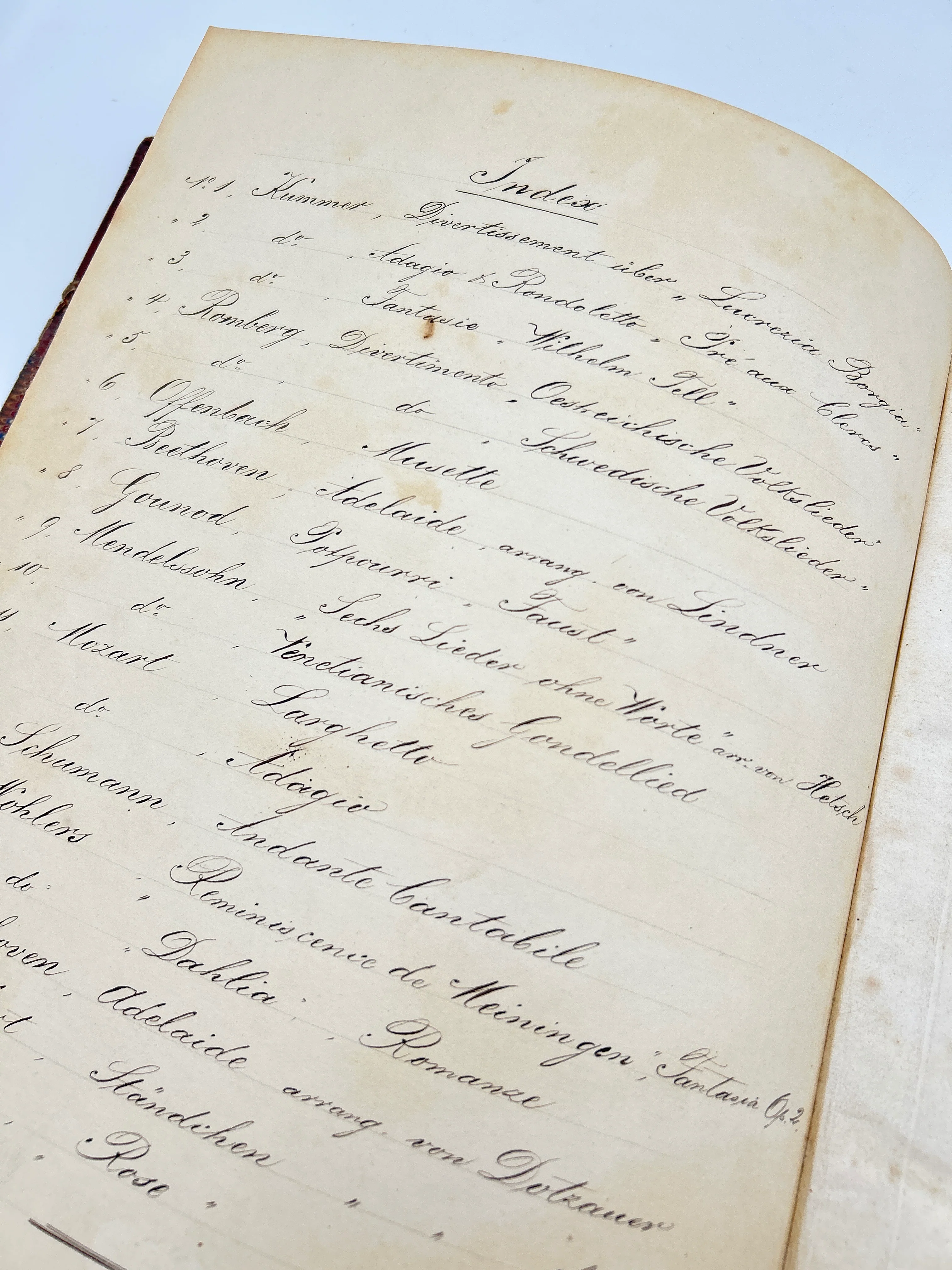
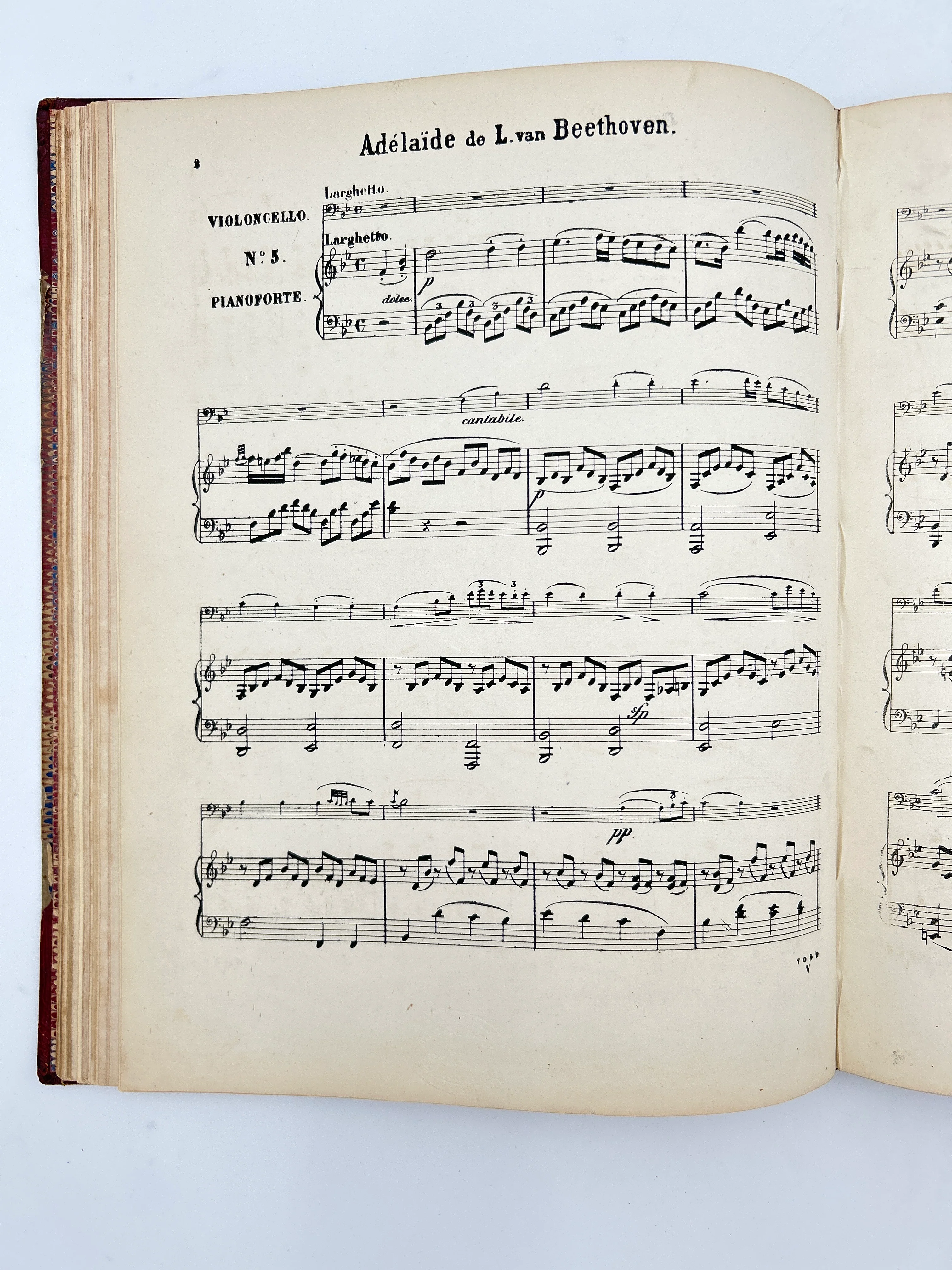
Lucrezia Borgia is an opera by Gaetano Donizetti, first performed in 1833, based on Victor Hugo’s dramatic portrayal of the notorious Renaissance figure Lucrezia Borgia. The work belongs to the Italian bel canto tradition and is known for its intense emotional drama, lyrical vocal writing, and themes of power, guilt, and maternal tragedy, presenting Lucrezia not merely as a villain but as a complex, suffering woman. F. A. Kummer (Friedrich August Kummer), a prominent 19th-century German flautist and composer, produced instrumental arrangements and fantasias based on popular operas of the day, including Lucrezia Borgia. His version adapts Donizetti’s most striking melodies for flute (often with piano accompaniment), reflecting the period’s enthusiasm for bringing operatic music into the concert hall and the home, and making grand operatic themes accessible to instrumental performers and amateur musicians.
Description
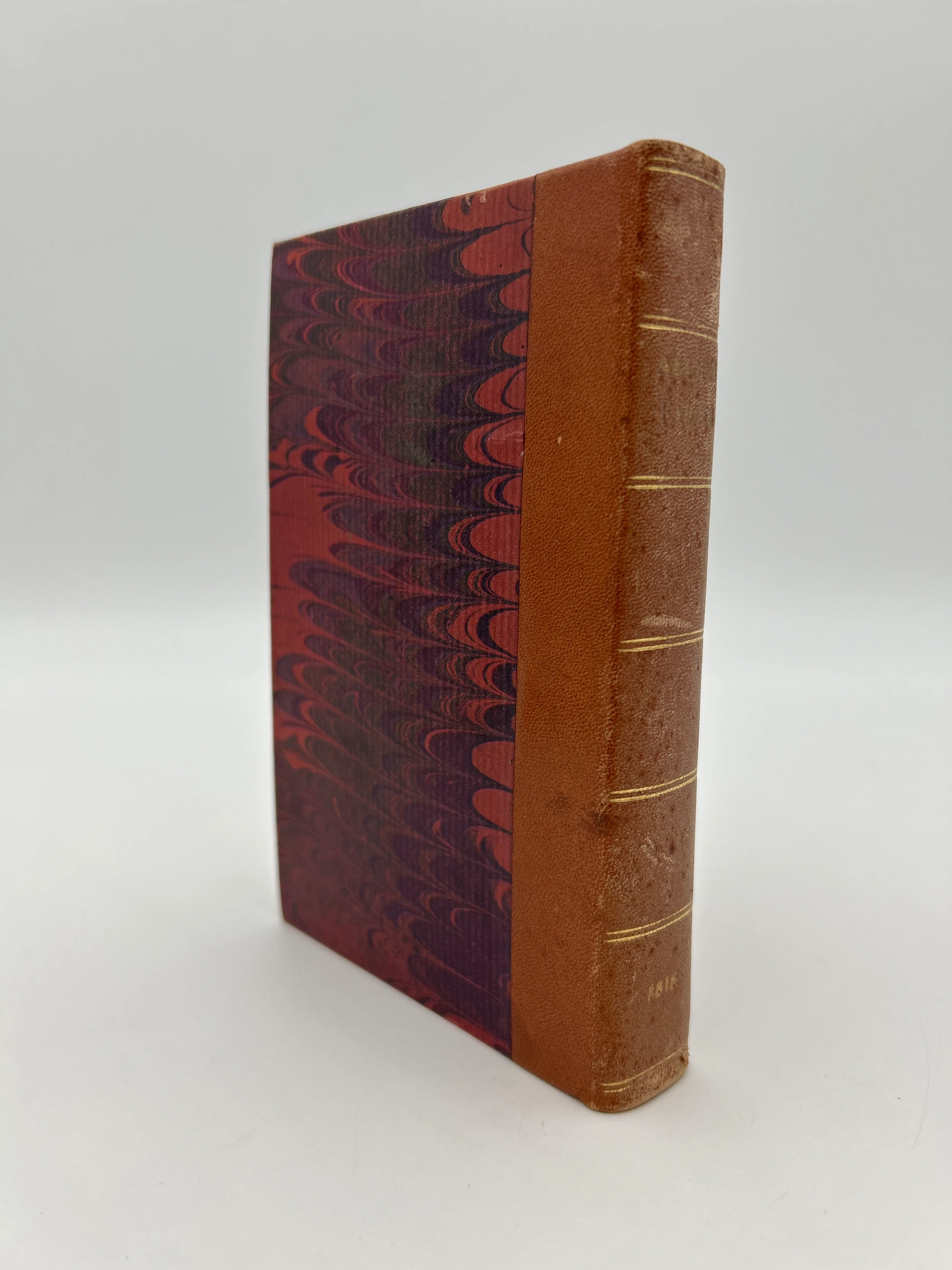
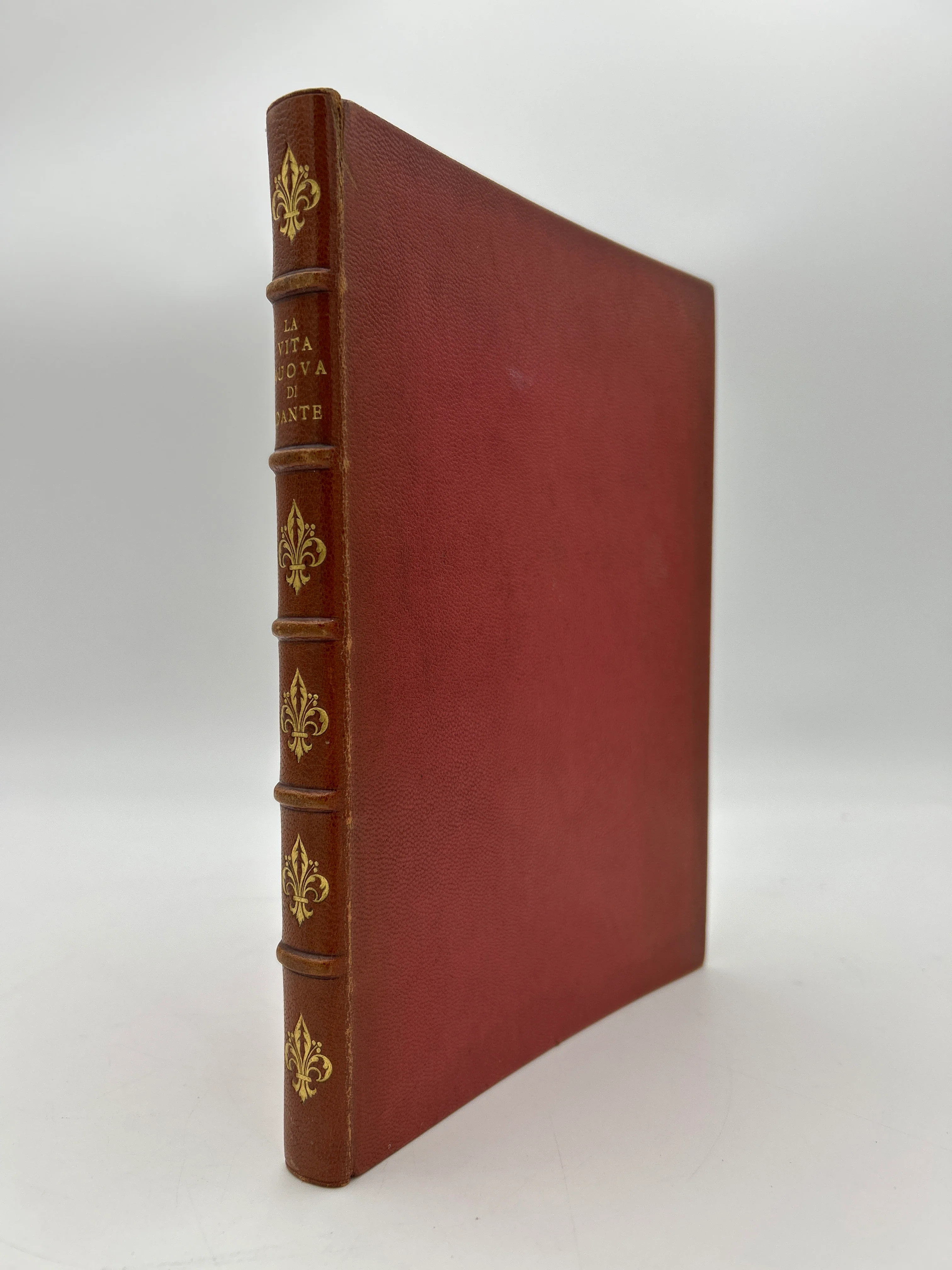
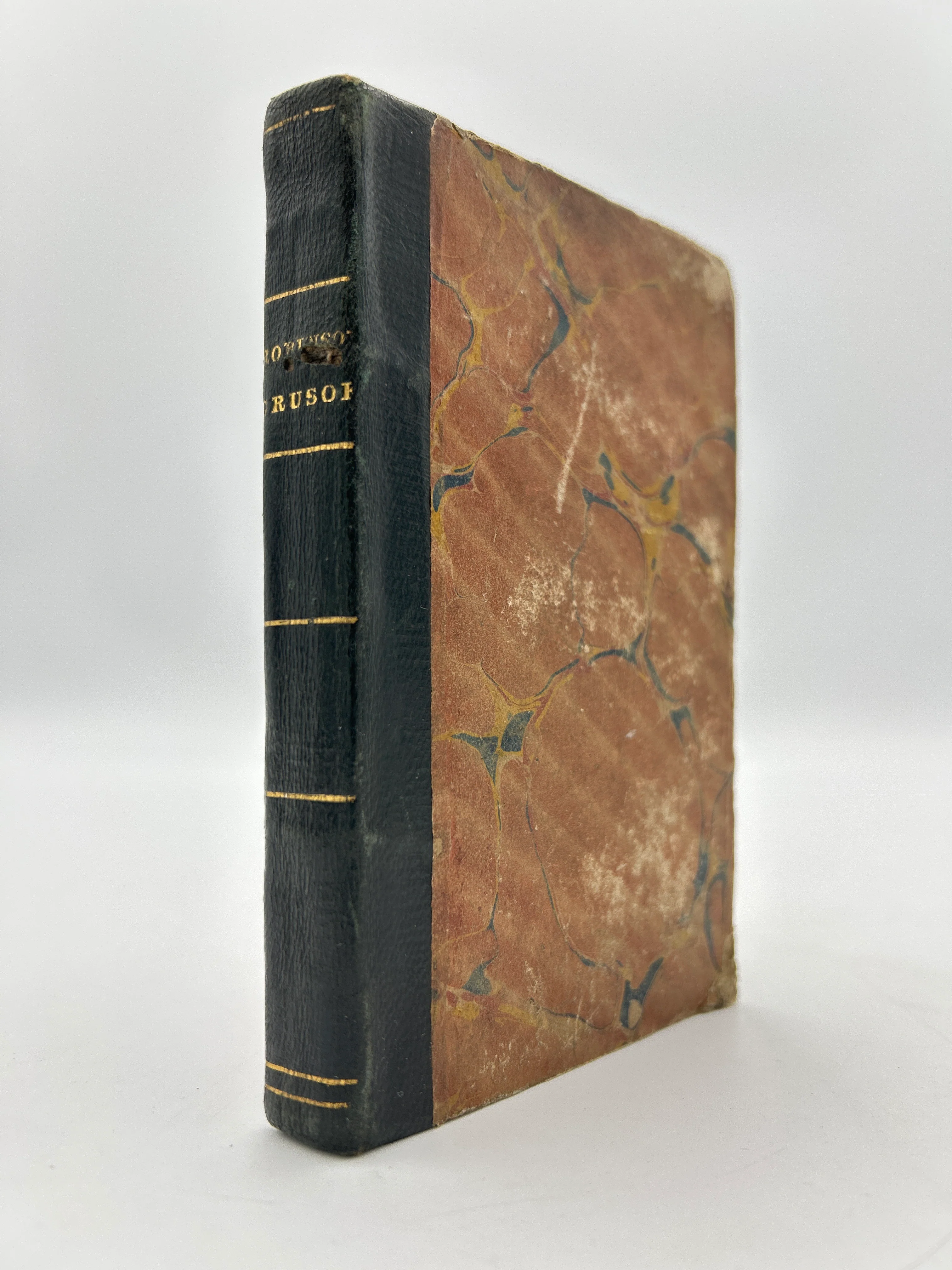
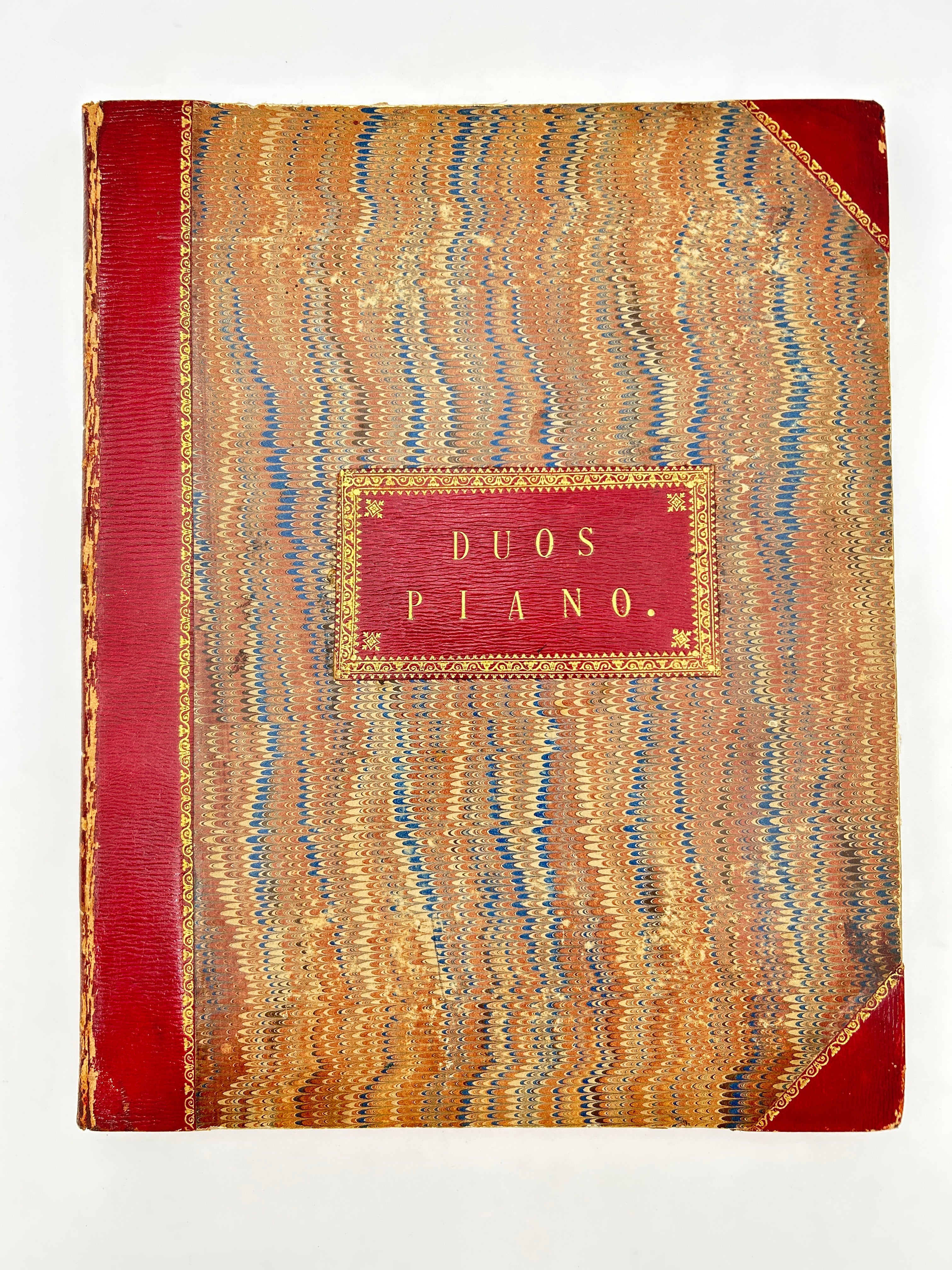
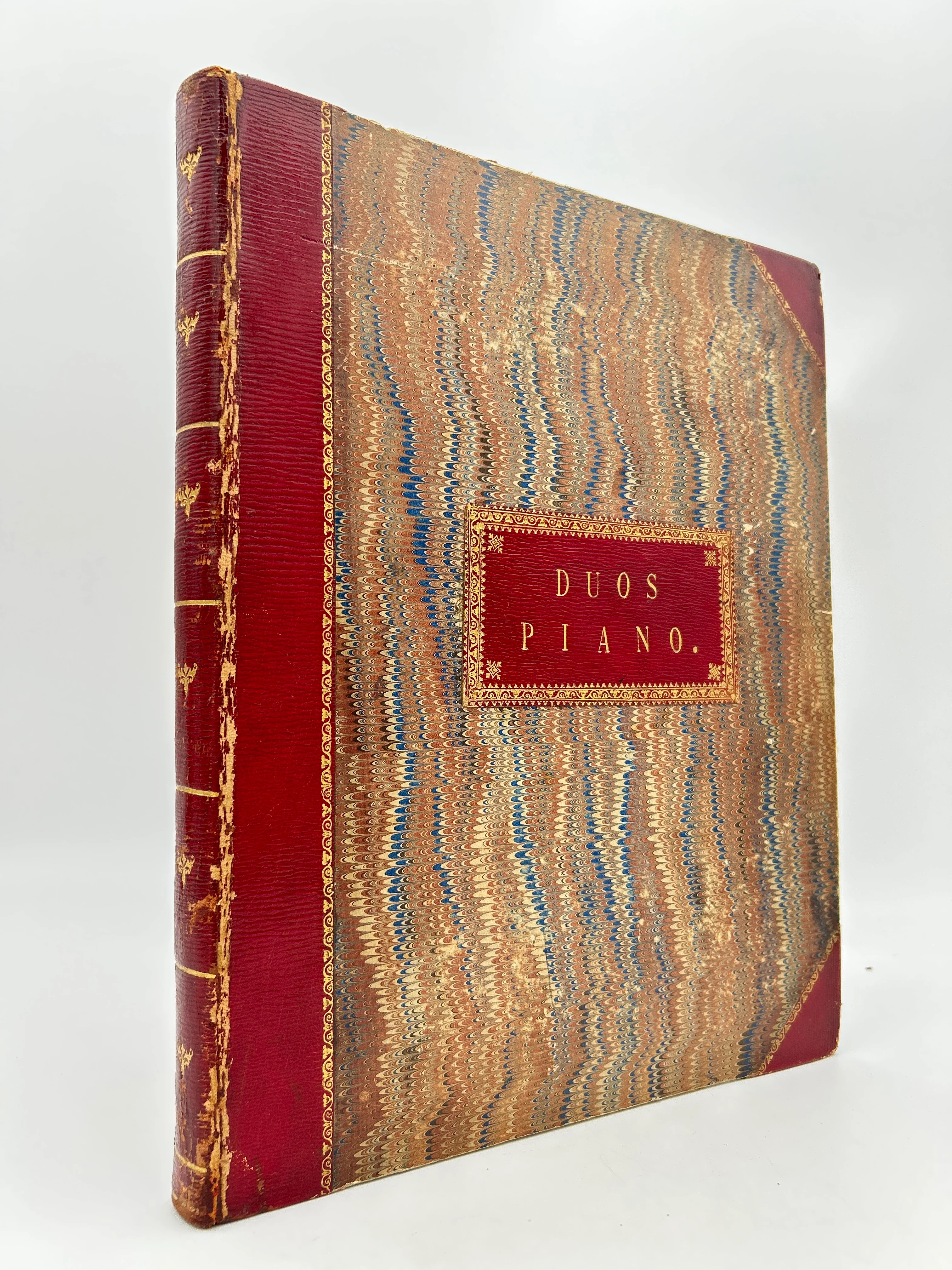
Large red and marble binding, marble end papers, six gold bands on spine with designs in between, some rubbing due to age, good condition.
Details & Craftsmanship
Every detail has been carefully considered to bring you the perfect product.
Details & Craftsmanship
Every detail has been carefully considered to bring you the perfect product.
Details & Craftsmanship
Every detail has been carefully considered to bring you the perfect product.
Details & Craftsmanship
Every detail has been carefully considered to bring you the perfect product.
Details & Craftsmanship
Every detail has been carefully considered to bring you the perfect product.

Details & Craftsmanship
Every detail has been carefully considered to bring you the perfect product.
Description
6R. Gaetano Donizetti. Paris: Bronsvic chez G. M. Meyer Jr., 1870
Notes
Lucrezia Borgia is an opera by Gaetano Donizetti, first performed in 1833, based on Victor Hugo’s dramatic portrayal of the notorious Renaissance figure Lucrezia Borgia. The work belongs to the Italian bel canto tradition and is known for its intense emotional drama, lyrical vocal writing, and themes of power, guilt, and maternal tragedy, presenting Lucrezia not merely as a villain but as a complex, suffering woman. F. A. Kummer (Friedrich August Kummer), a prominent 19th-century German flautist and composer, produced instrumental arrangements and fantasias based on popular operas of the day, including Lucrezia Borgia. His version adapts Donizetti’s most striking melodies for flute (often with piano accompaniment), reflecting the period’s enthusiasm for bringing operatic music into the concert hall and the home, and making grand operatic themes accessible to instrumental performers and amateur musicians.
Description
Large red and marble binding, marble end papers, six gold bands on spine with designs in between, some rubbing due to age, good condition.