🚚 Free Worldwide Shipping on All Orders!Shop Now
$650.00
Earthlight—
$650.00

The Story

 6b, Arthur C. Clarke. Frederick Muller Ltd, London. 1955 First edition

Notes

Here are some fun and interesting details about Earthlight (1955) by Arthur C. Clarke that add extra flavor to the novel:

  • Cold War on the Moon 🌕
    Earthlight turns the Cold War into a literal space war, with Earth and a unified Federation of the Moon locked in tension. Clarke imagines political rivalry playing out not on continents, but across craters and lunar bases—long before space travel was a reality.

  • Written before humans reached space
    Clarke wrote the novel years before Sputnik (1957) and Apollo, yet many of his ideas—space stations, Moon colonies, and routine space travel—feel uncannily accurate. It’s a showcase of his talent for scientific foresight.

  • A weapon made of light
    The title refers to a devastating directed-energy weapon—essentially a massive beam of concentrated radiation. Clarke was exploring concepts related to lasers and particle beams before lasers were even invented.

  • The Moon as a harsh, believable place
    Clarke goes out of his way to show how brutal lunar life would be: extreme temperatures, radiation, fragile habitats, and the psychological toll of isolation. The Moon isn’t romanticized—it’s practical, dangerous, and eerily quiet.

  • Science over spectacle
    Unlike many space adventures of its time, Earthlight avoids aliens and flashy monsters. The real drama comes from human choices, political brinkmanship, and scientific ingenuity, which gives the novel a thoughtful, almost documentary tone.

  • A bridge between eras of science fiction
    The book sits right between pulpy space opera and modern “hard” science fiction. You still get adventure and sabotage, but grounded in physics and realism—very much Clarke’s signature style.

  • Clarke’s recurring theme: knowledge as power
    As in Childhood’s End and 2001, Clarke emphasizes that understanding science can be both a weapon and a path to peace. The real danger isn’t technology itself, but how humans choose to use it.

Description

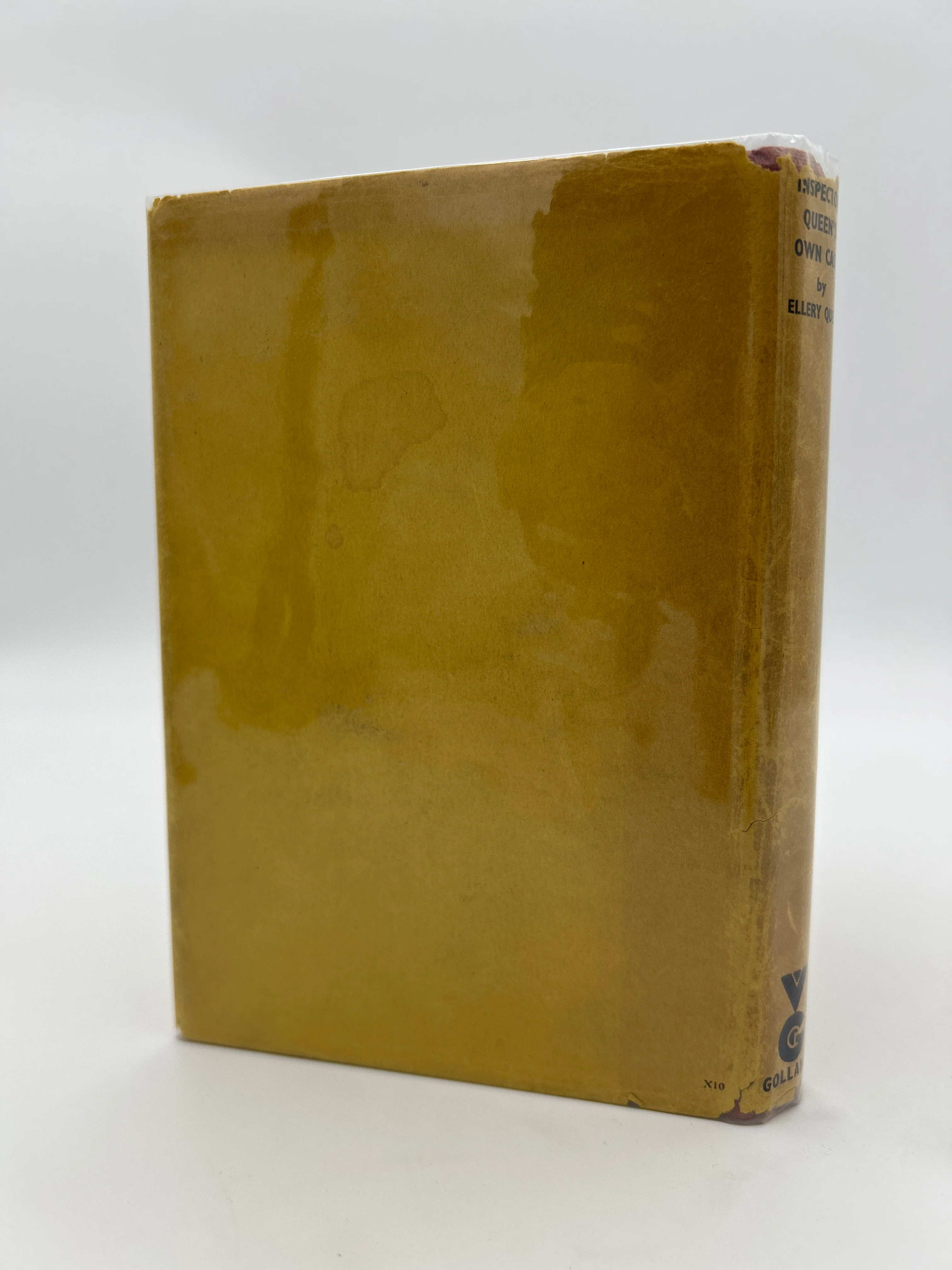
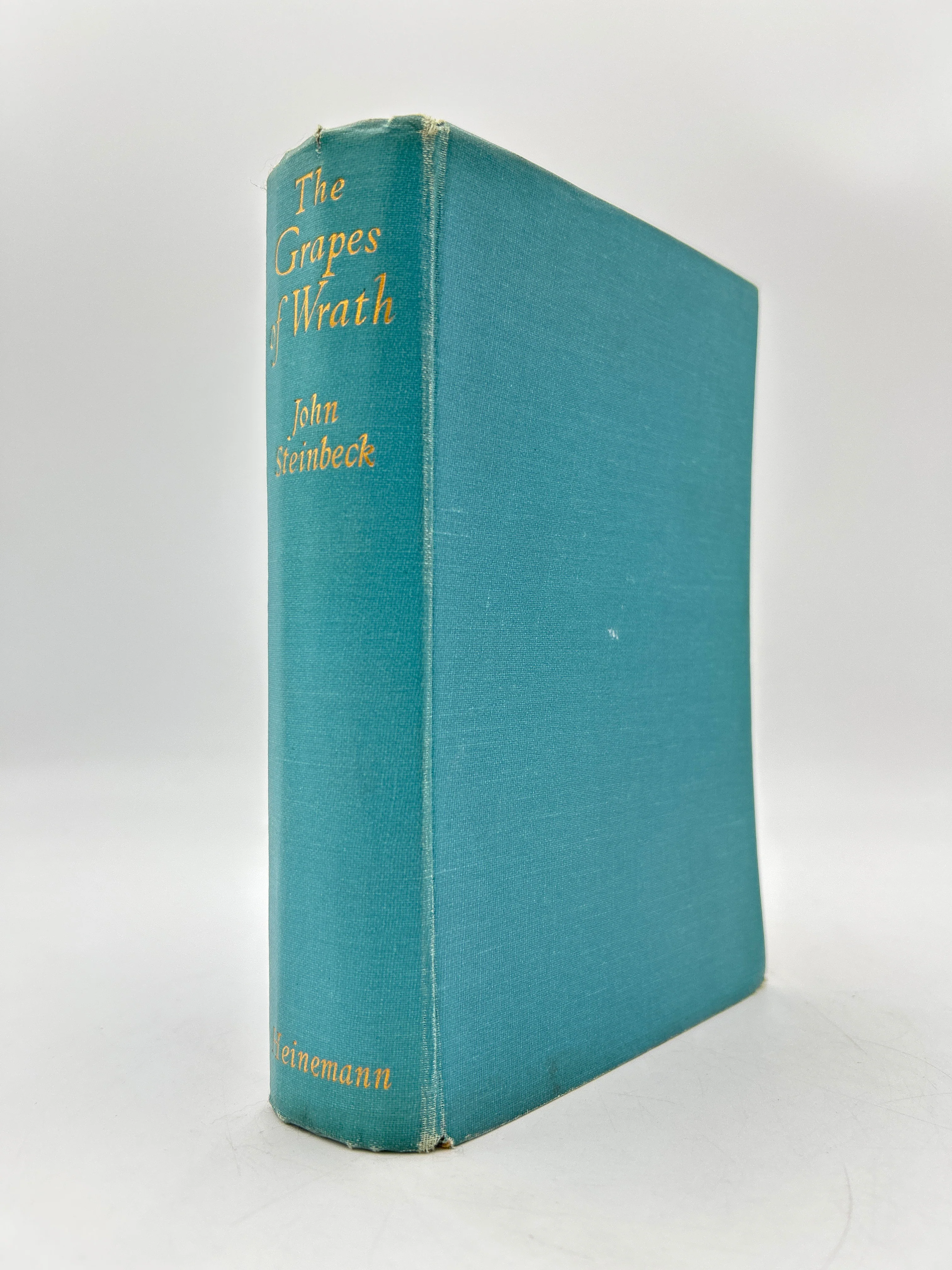
Navy hardback binding with gold lettering on spine, slight staining front and back, some toning on three edges, dust jacket with some chipping to upper spine jacket, intact, overall very good condition.

 

Description

 6b, Arthur C. Clarke. Frederick Muller Ltd, London. 1955 First edition

Notes

Here are some fun and interesting details about Earthlight (1955) by Arthur C. Clarke that add extra flavor to the novel:

  • Cold War on the Moon 🌕
    Earthlight turns the Cold War into a literal space war, with Earth and a unified Federation of the Moon locked in tension. Clarke imagines political rivalry playing out not on continents, but across craters and lunar bases—long before space travel was a reality.

  • Written before humans reached space
    Clarke wrote the novel years before Sputnik (1957) and Apollo, yet many of his ideas—space stations, Moon colonies, and routine space travel—feel uncannily accurate. It’s a showcase of his talent for scientific foresight.

  • A weapon made of light
    The title refers to a devastating directed-energy weapon—essentially a massive beam of concentrated radiation. Clarke was exploring concepts related to lasers and particle beams before lasers were even invented.

  • The Moon as a harsh, believable place
    Clarke goes out of his way to show how brutal lunar life would be: extreme temperatures, radiation, fragile habitats, and the psychological toll of isolation. The Moon isn’t romanticized—it’s practical, dangerous, and eerily quiet.

  • Science over spectacle
    Unlike many space adventures of its time, Earthlight avoids aliens and flashy monsters. The real drama comes from human choices, political brinkmanship, and scientific ingenuity, which gives the novel a thoughtful, almost documentary tone.

  • A bridge between eras of science fiction
    The book sits right between pulpy space opera and modern “hard” science fiction. You still get adventure and sabotage, but grounded in physics and realism—very much Clarke’s signature style.

  • Clarke’s recurring theme: knowledge as power
    As in Childhood’s End and 2001, Clarke emphasizes that understanding science can be both a weapon and a path to peace. The real danger isn’t technology itself, but how humans choose to use it.

Description

Navy hardback binding with gold lettering on spine, slight staining front and back, some toning on three edges, dust jacket with some chipping to upper spine jacket, intact, overall very good condition.
Â