The Story
6B William Burkitt. London: James, John, and P. Knapton, 1734
Notes
The printing history of the Bible is a story of technological innovation, religious reform, and the spread of literacy. Before the mid-15th century, Bibles were copied by hand as expensive manuscripts, often in Latin, accessible only to clergy and scholars. The invention of the movable-type printing press by Johannes Gutenberg around 1455 revolutionized this, allowing mass production of the Bible, beginning with the Gutenberg Bible. Early printed Bibles included the Latin Vulgate, the Great Bible (1539) in English, and Tyndale’s and Coverdale’s vernacular translations. During the Reformation, printing became a key tool for promoting vernacular translations, as seen with the Geneva Bible, the Bishops’ Bible (1568), and ultimately the King James Version (1611). Printing helped standardize texts, disseminate religious ideas, and make the Bible widely accessible, laying the foundation for both personal devotion and scholarly study across Europe.
Exposition, Notes, and Practical Observations on the New Testament by William Burkitt is a notable 17th–18th century devotional and scholarly work that provides verse-by-verse commentary on the New Testament. Burkitt, an English clergyman and scholar, aimed to make Scripture understandable and applicable to ordinary readers, combining explanations of difficult passages with moral and practical lessons for daily life. His notes draw on earlier translations, biblical scholarship, and the theological tradition of the Church of England, offering guidance for both private study and preaching. The work became highly popular in England and America, prized for its clarity, pastoral tone, and practical orientation, bridging the gap between scholarly exegesis and lay devotion while reinforcing the teachings of the King James Bible.
Description
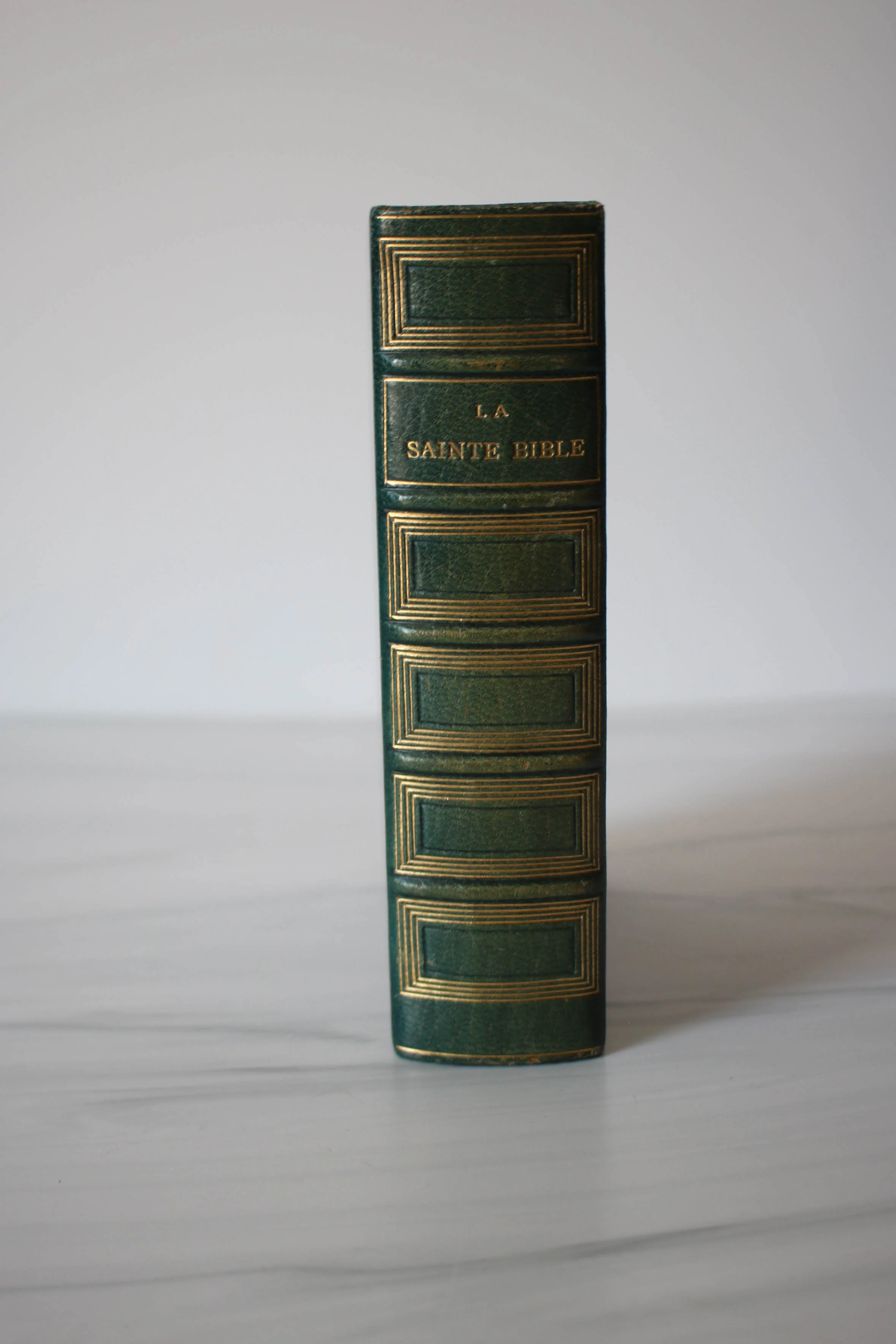
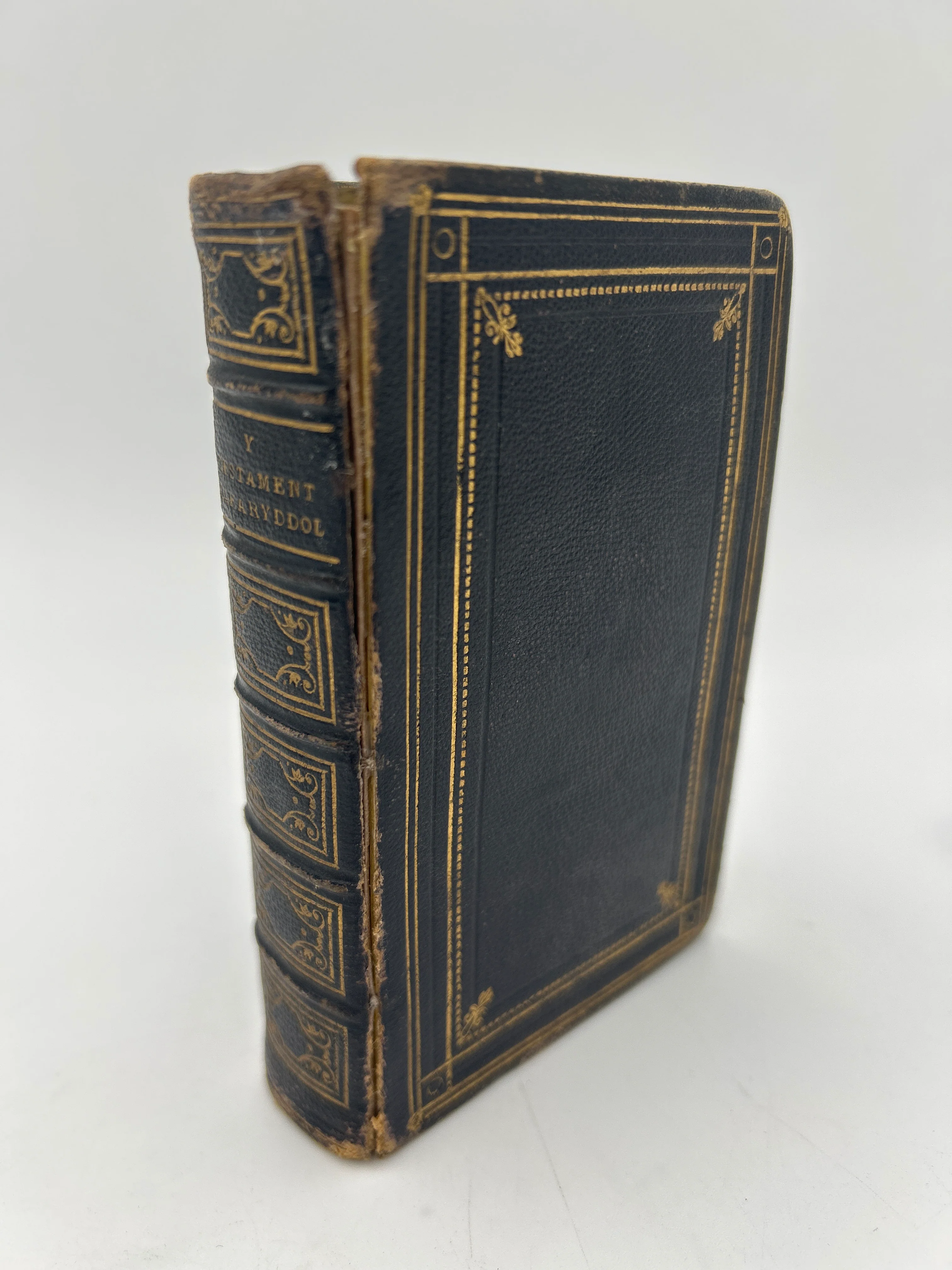
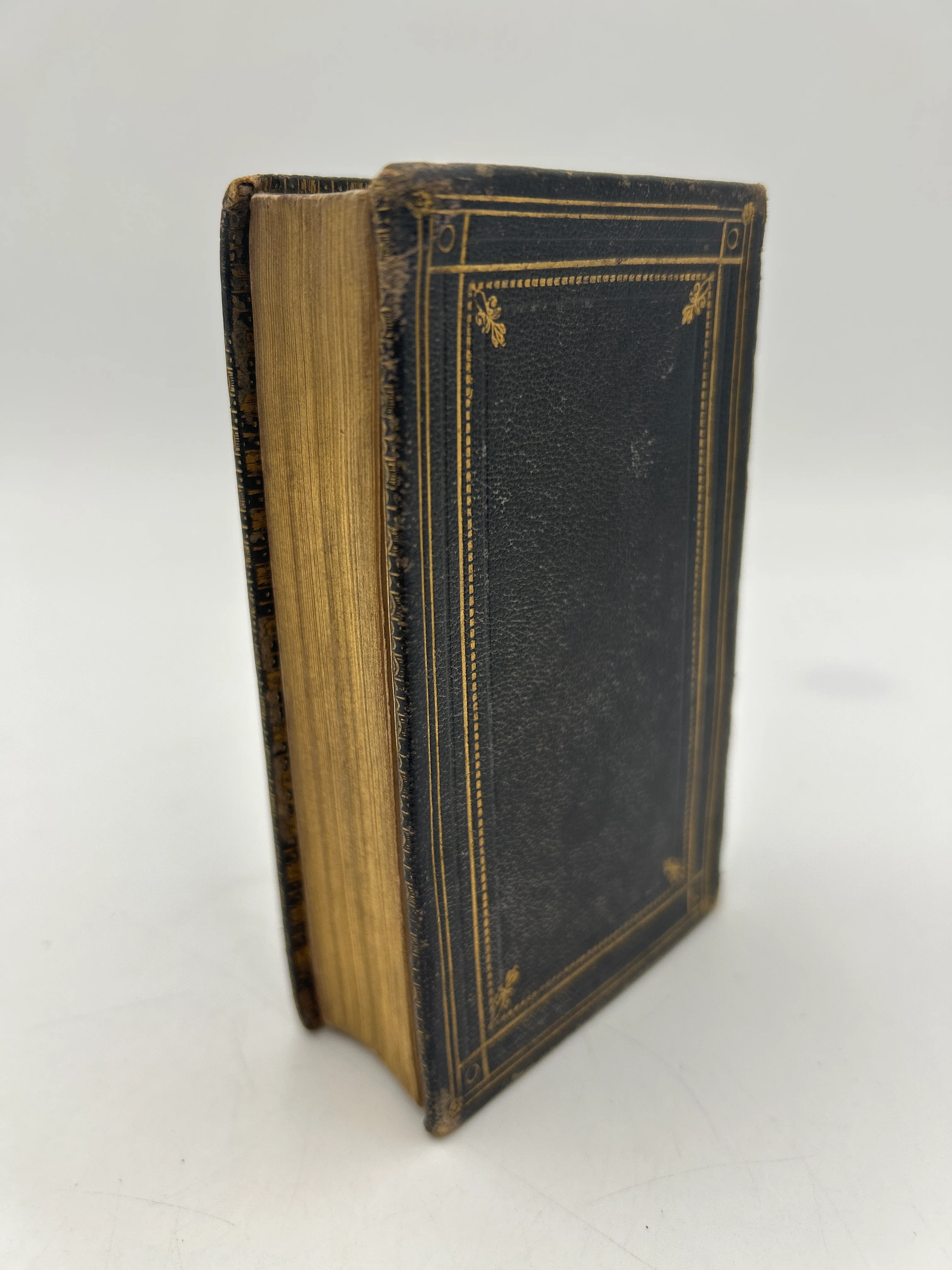
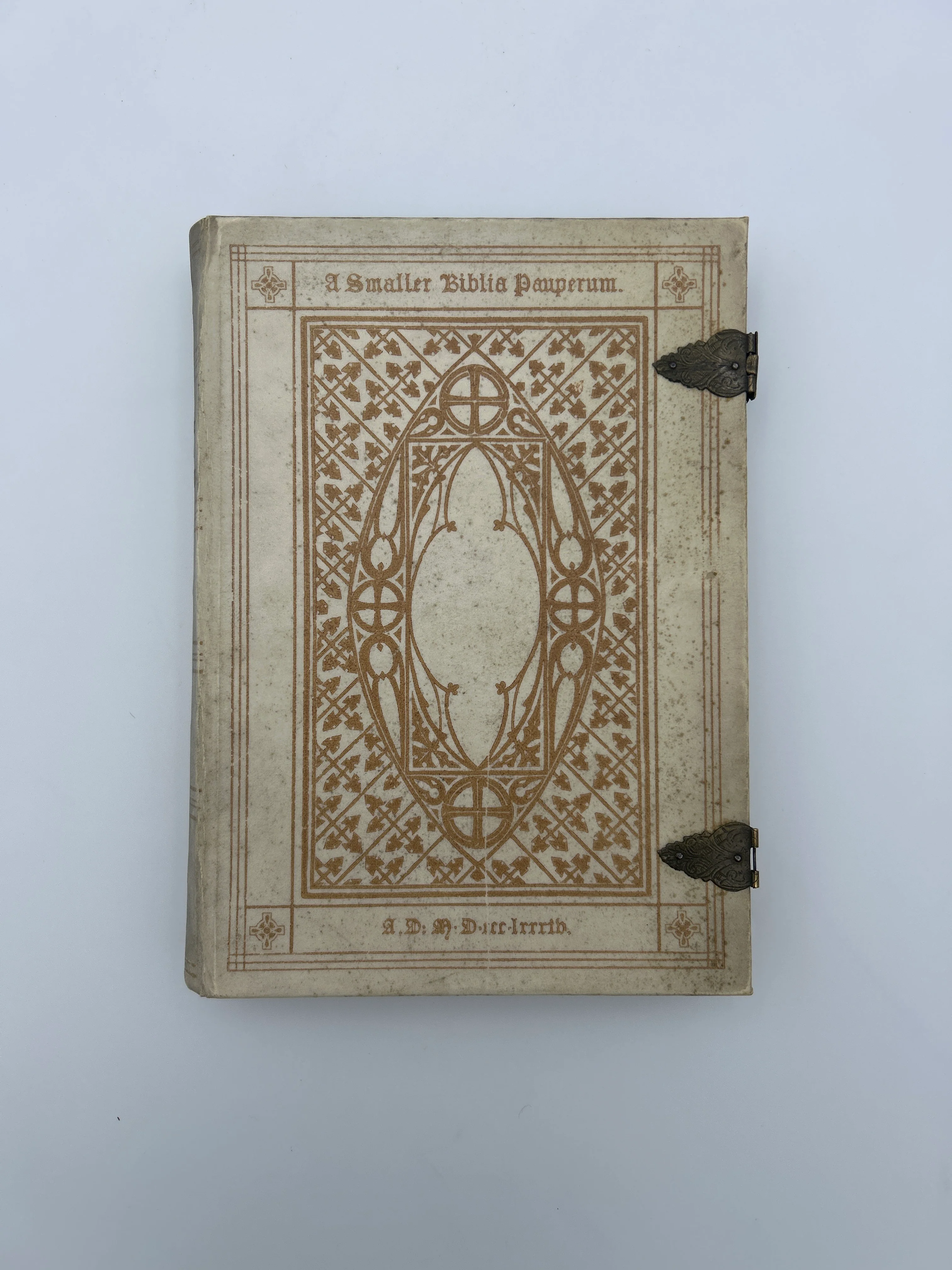
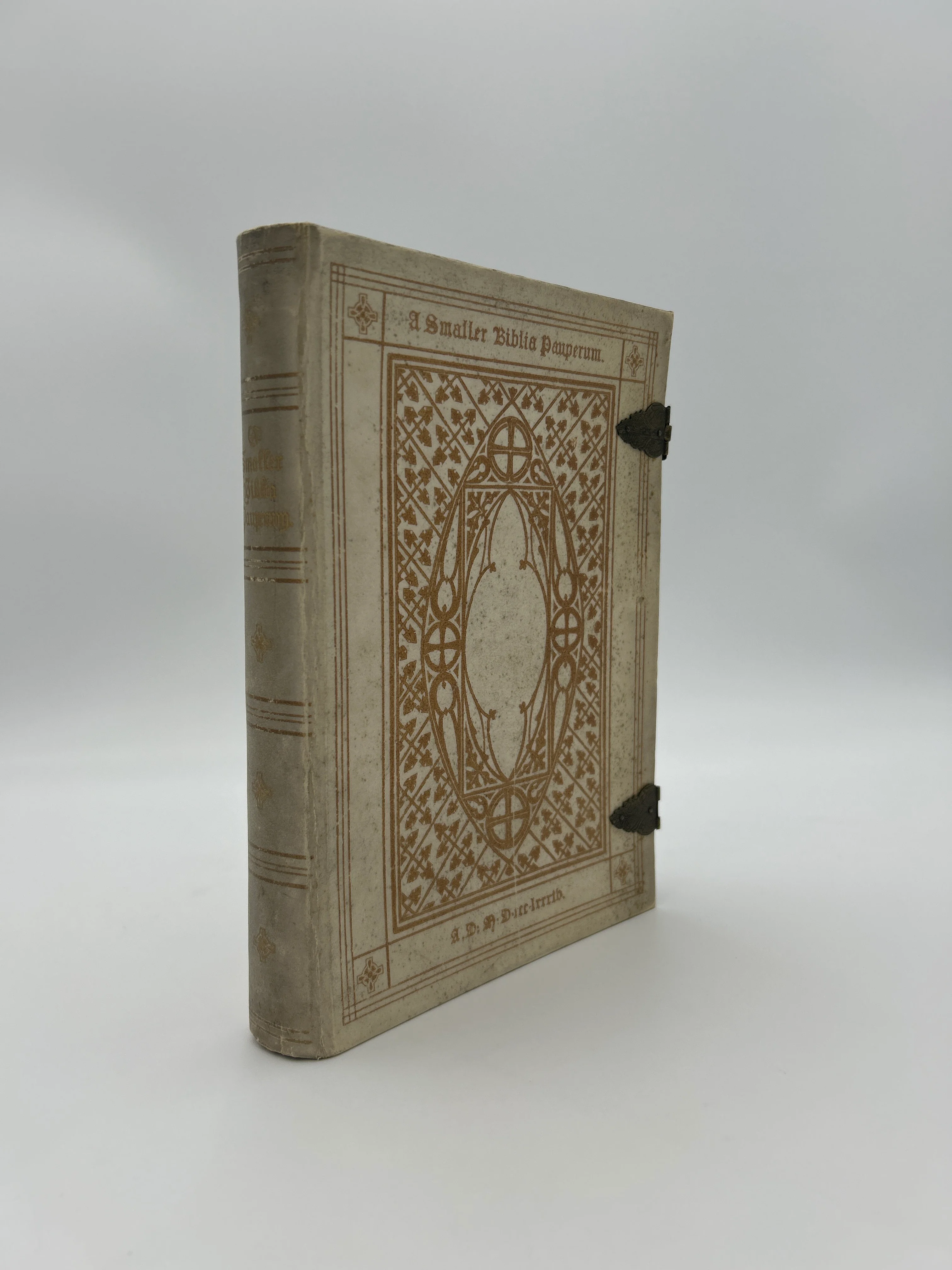
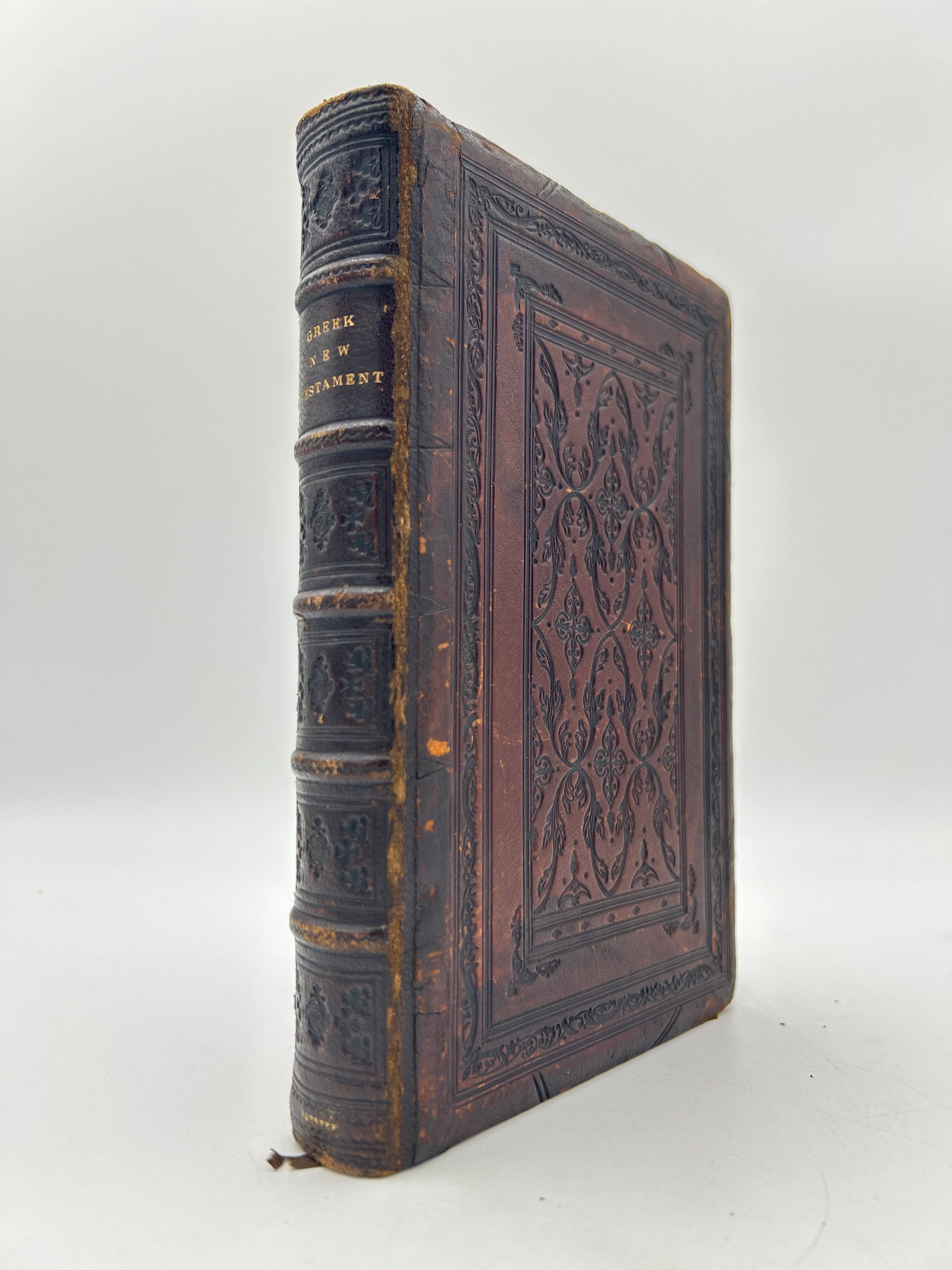
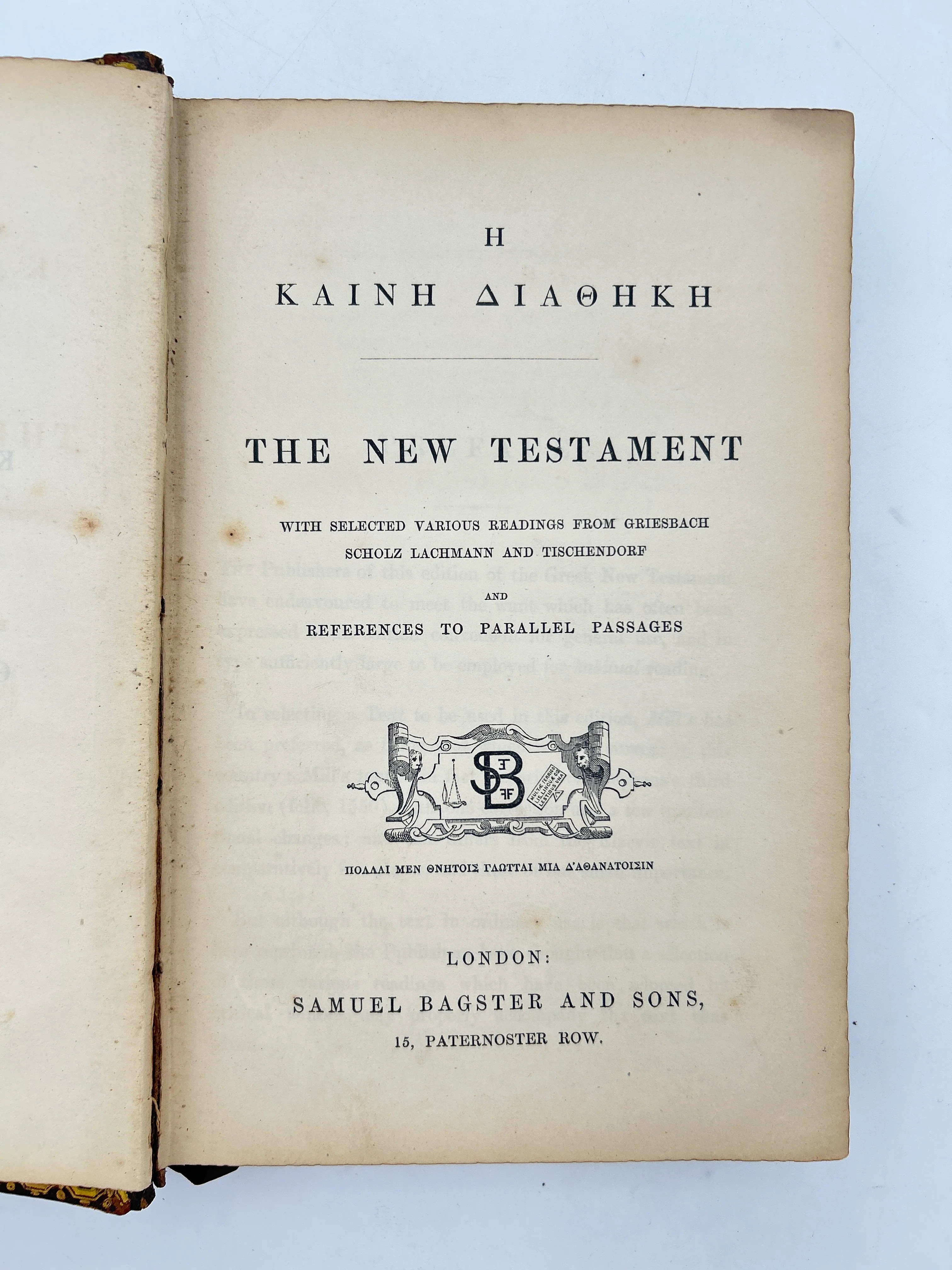
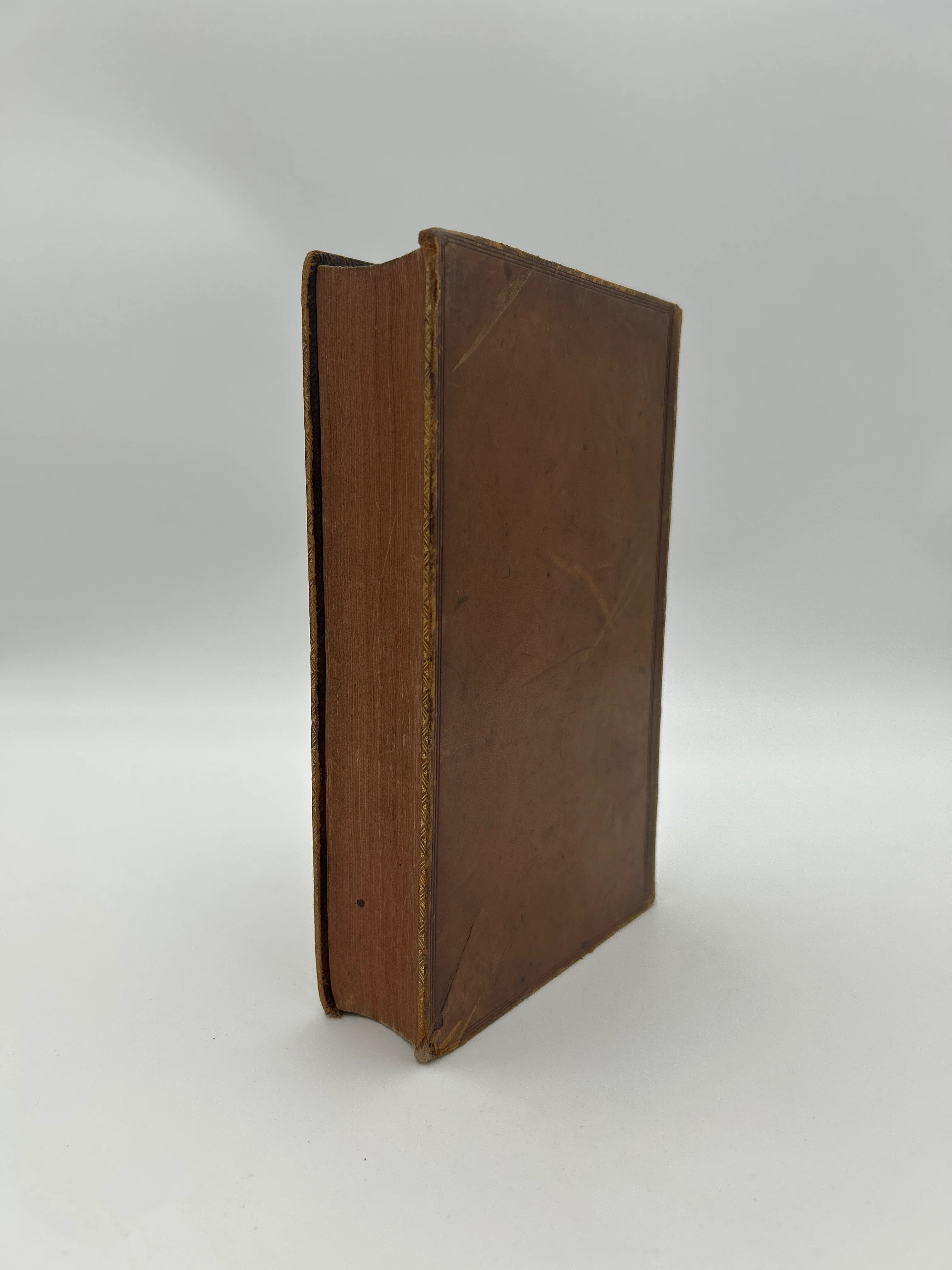
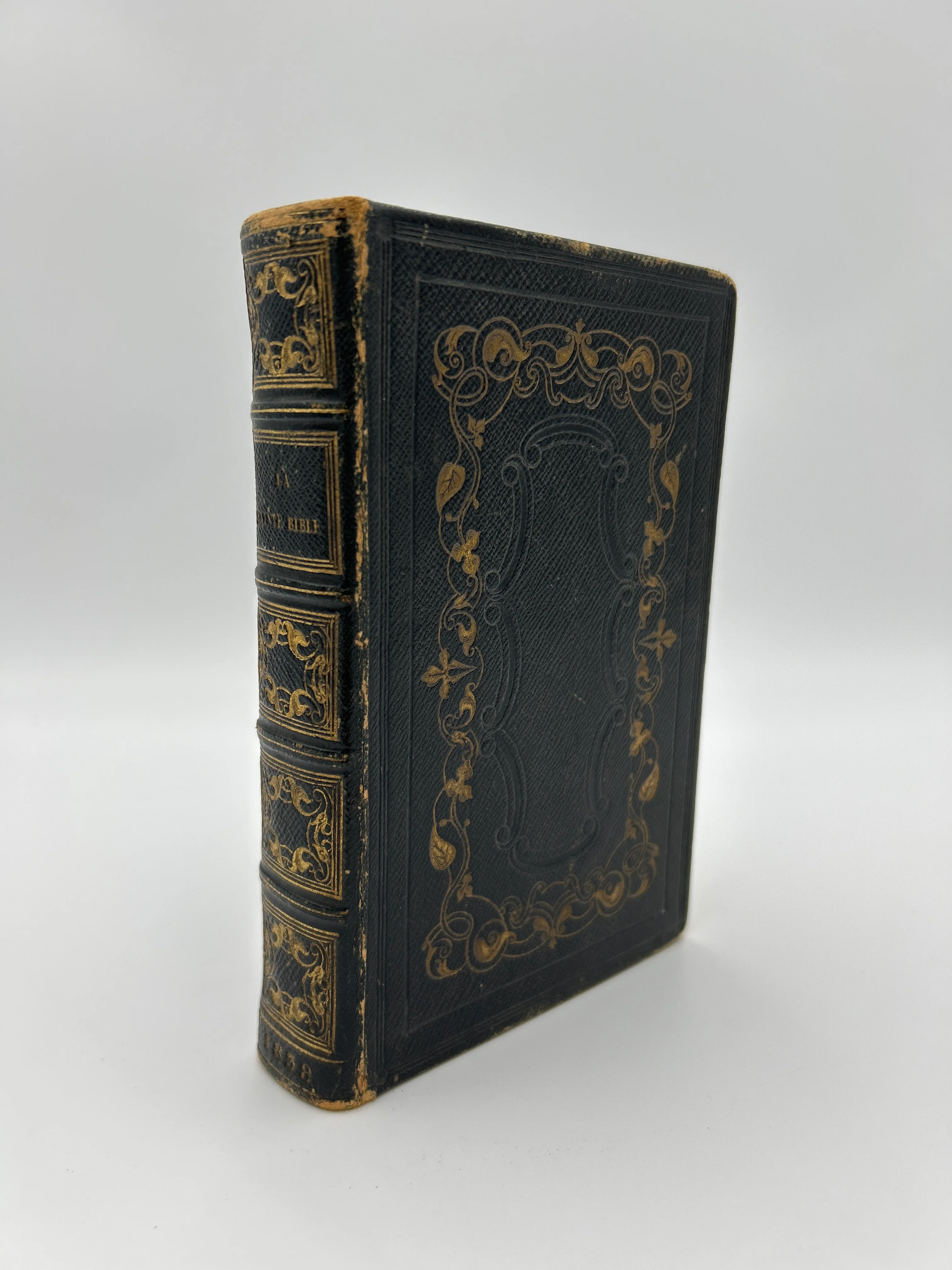
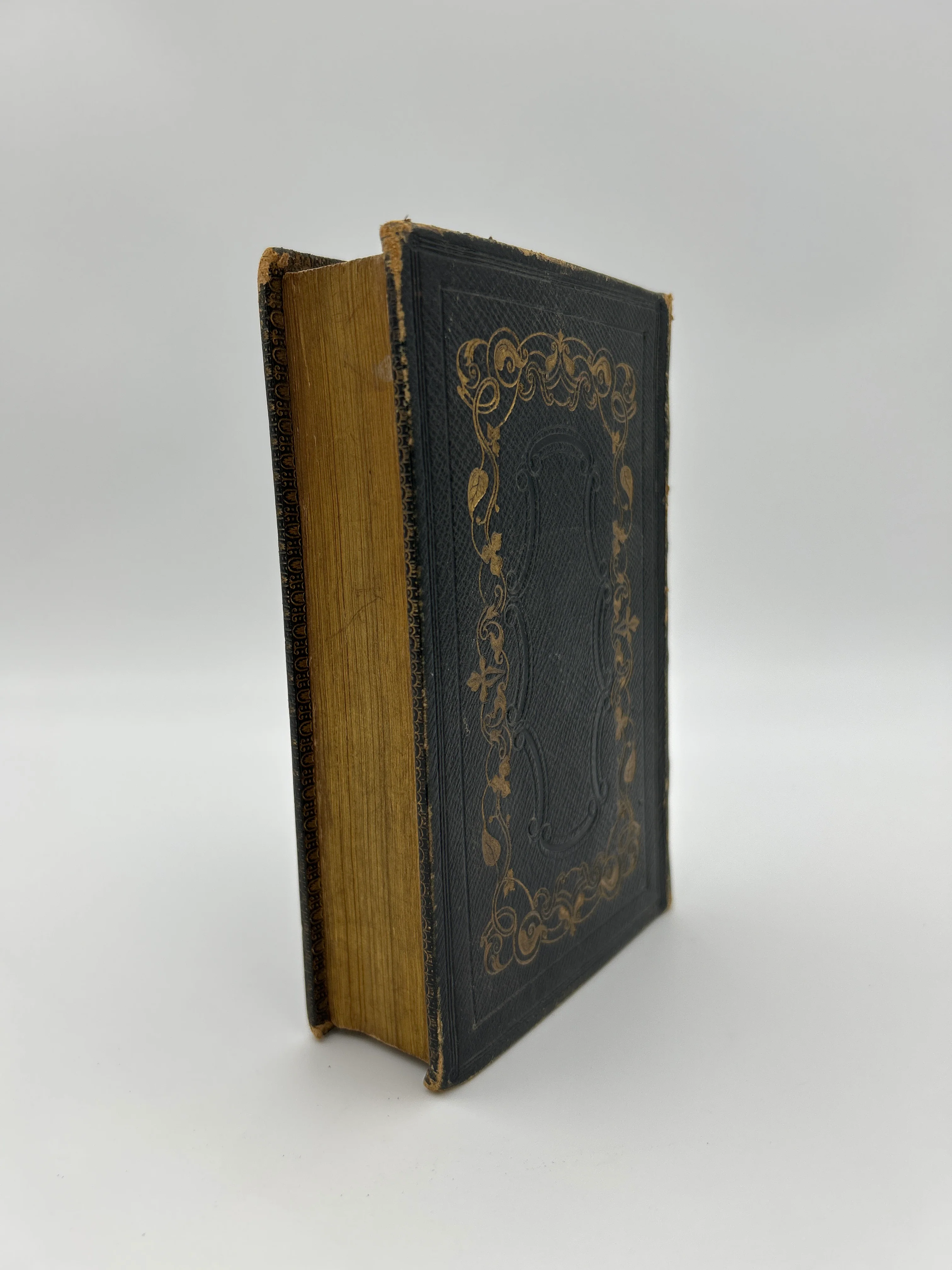
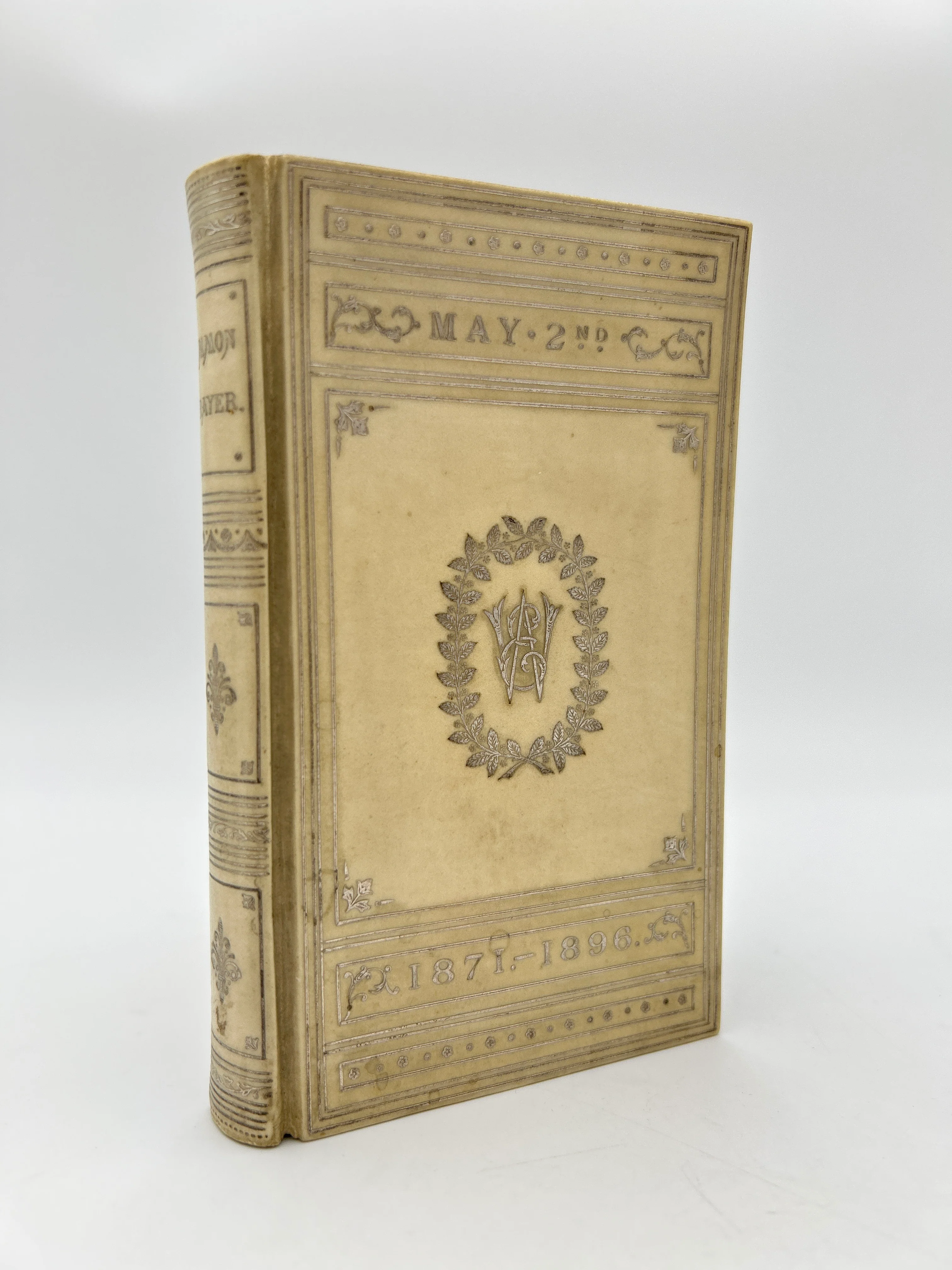
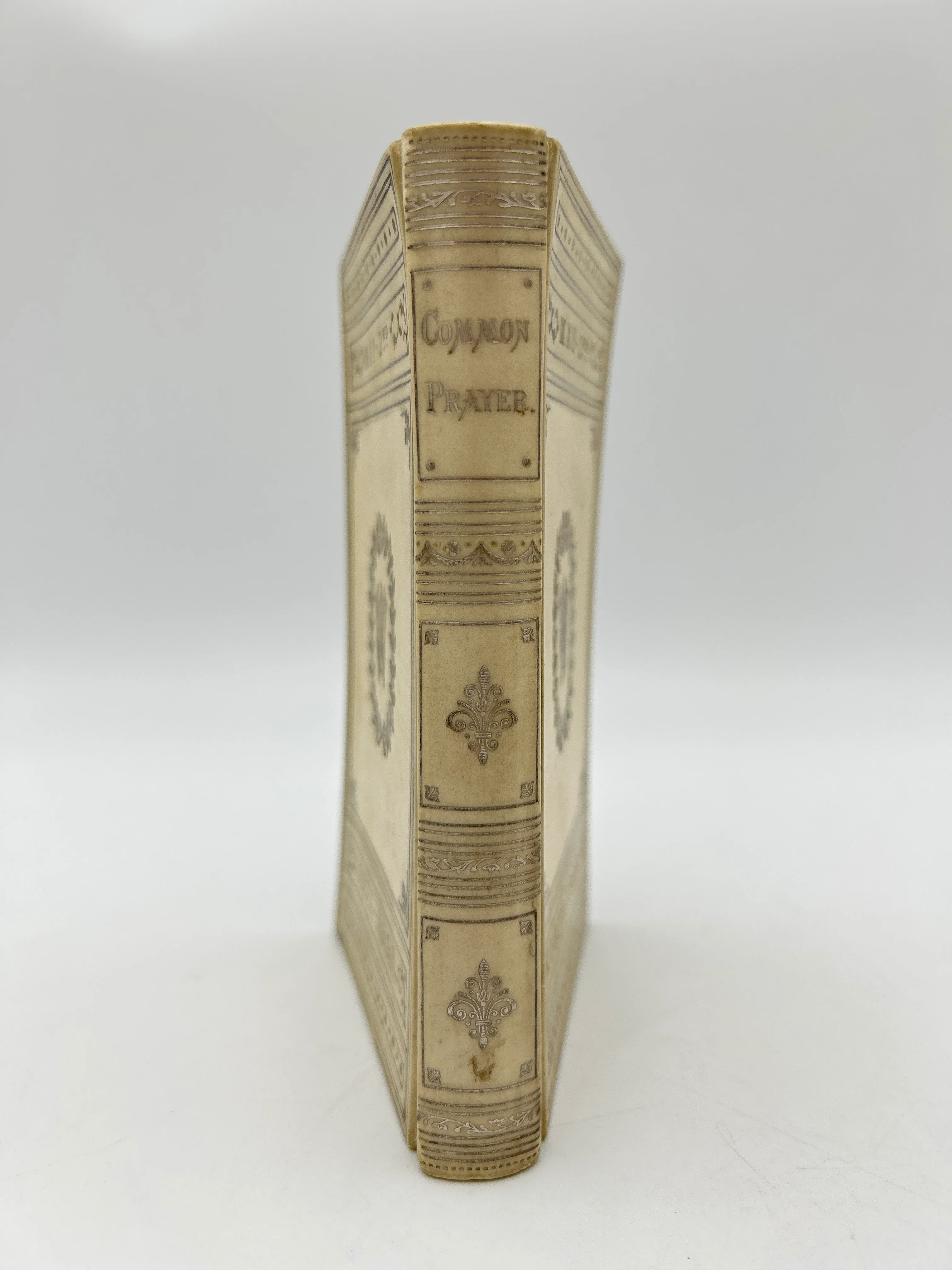
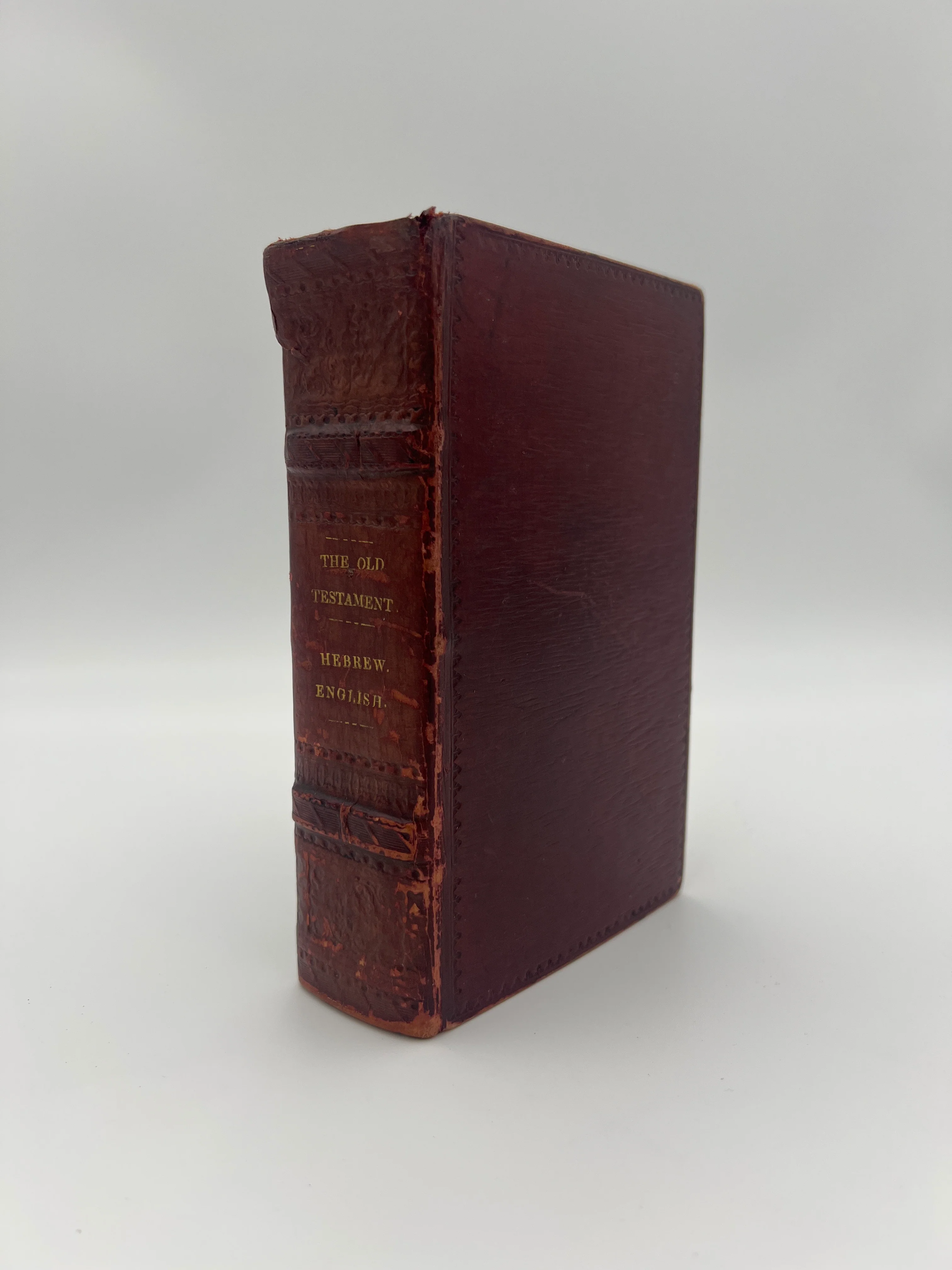
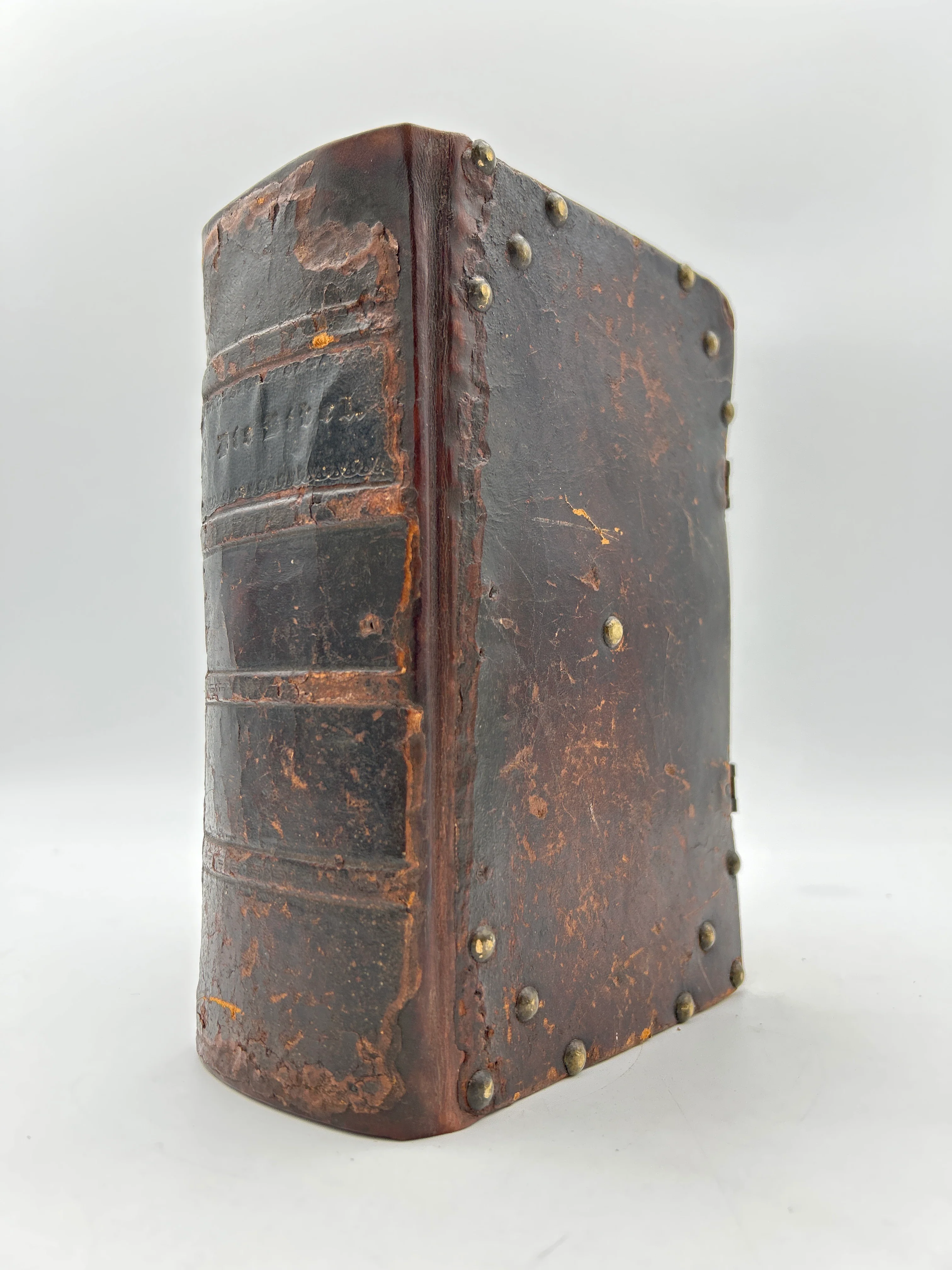
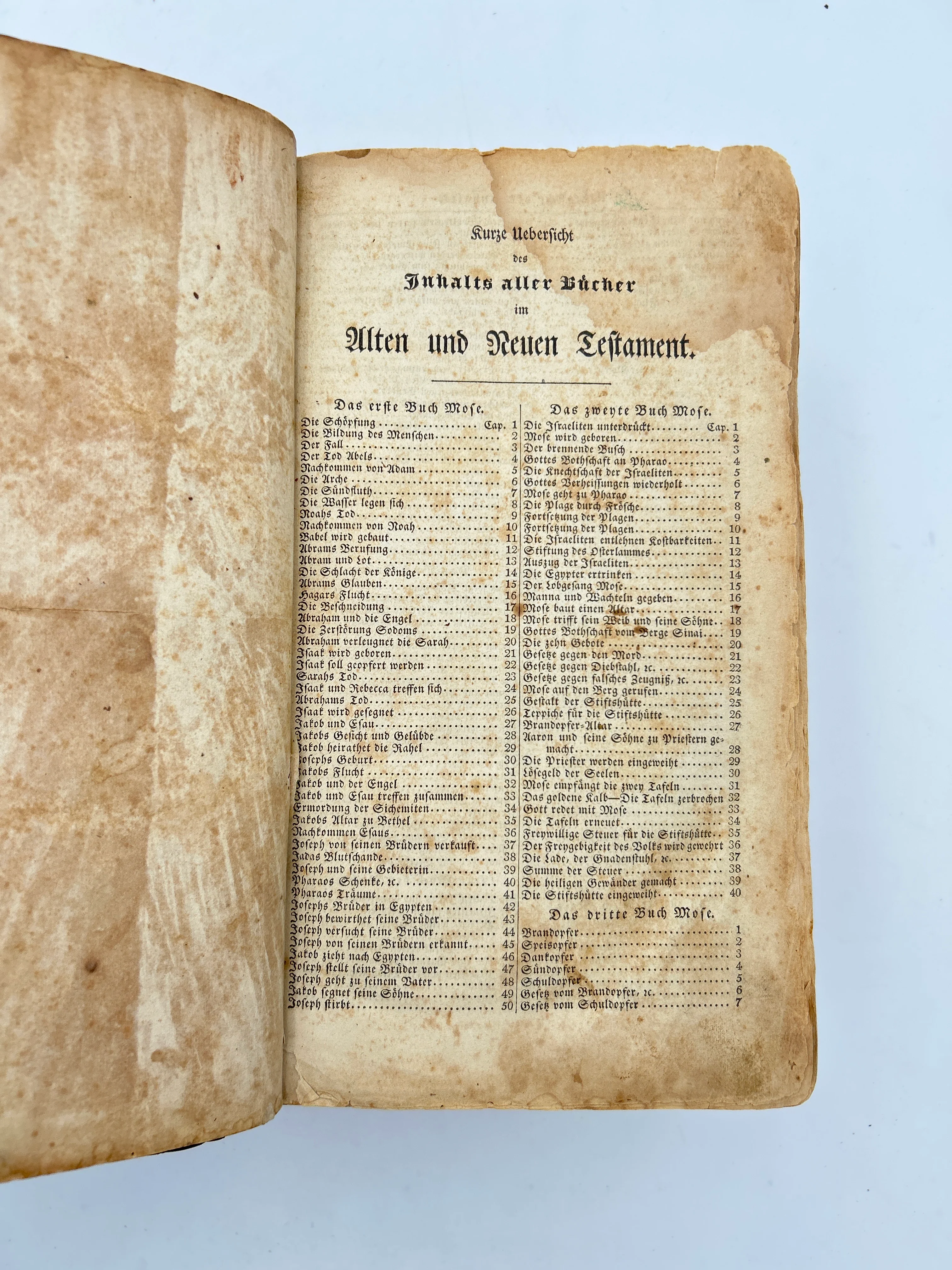
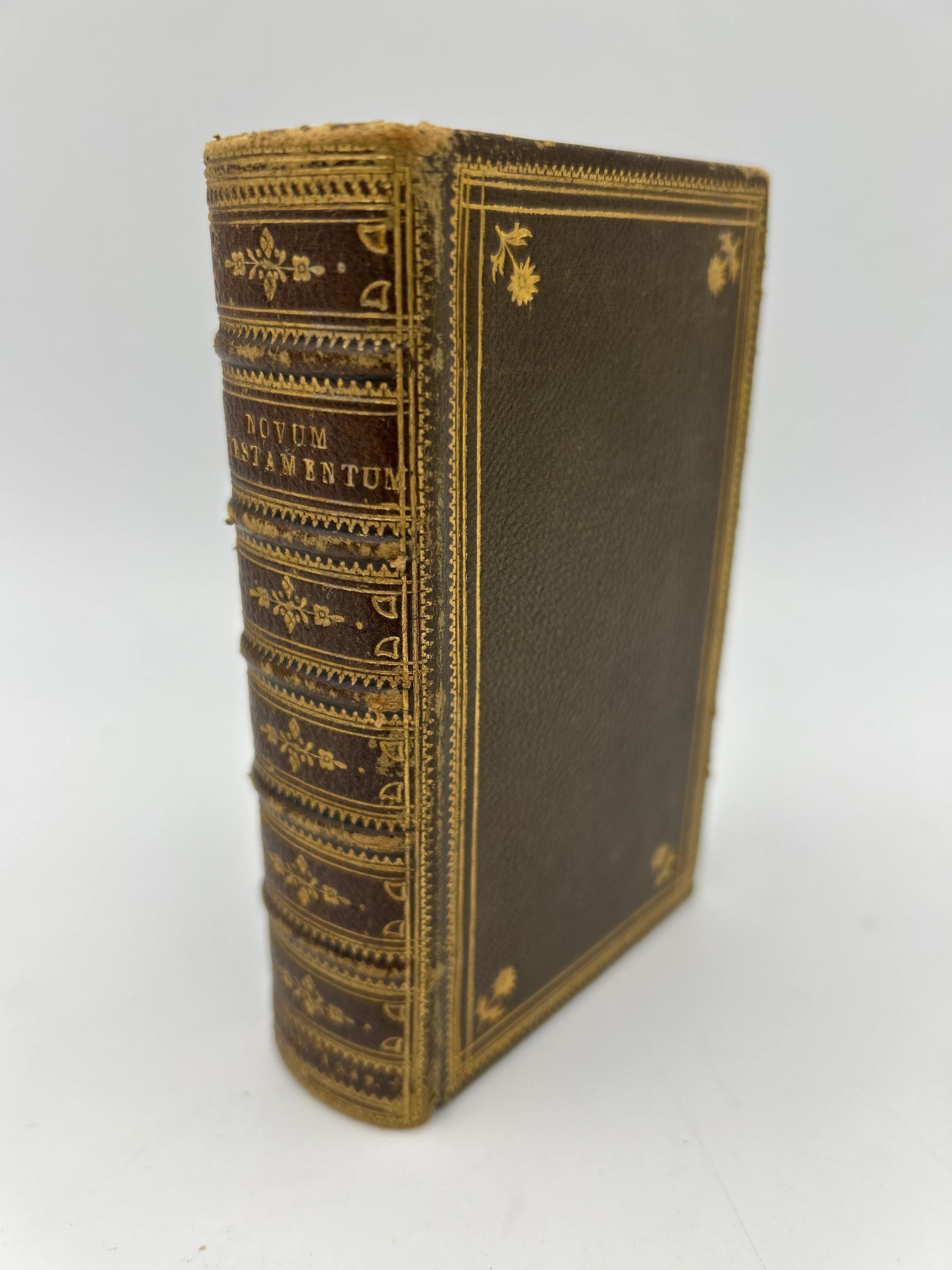
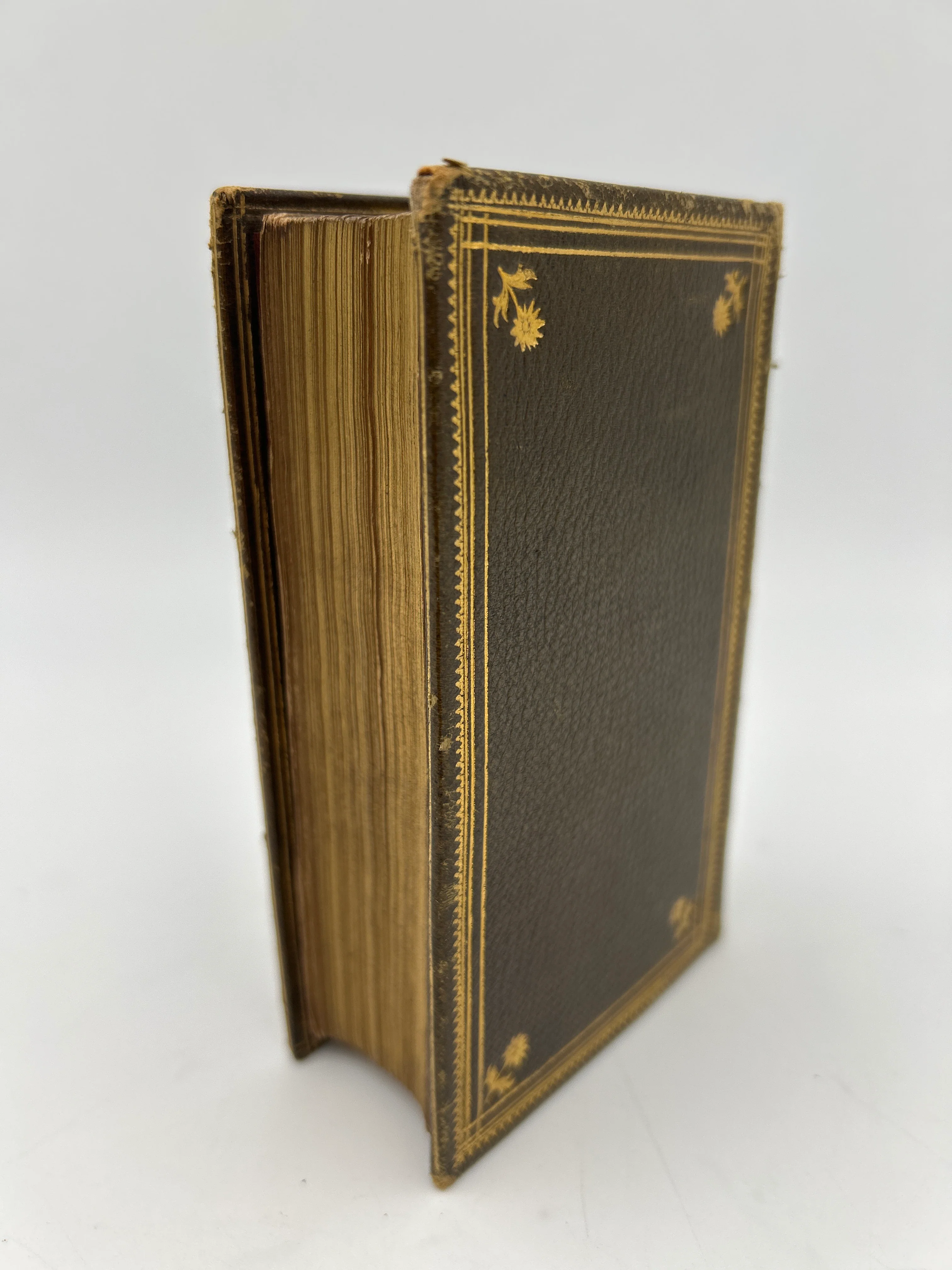
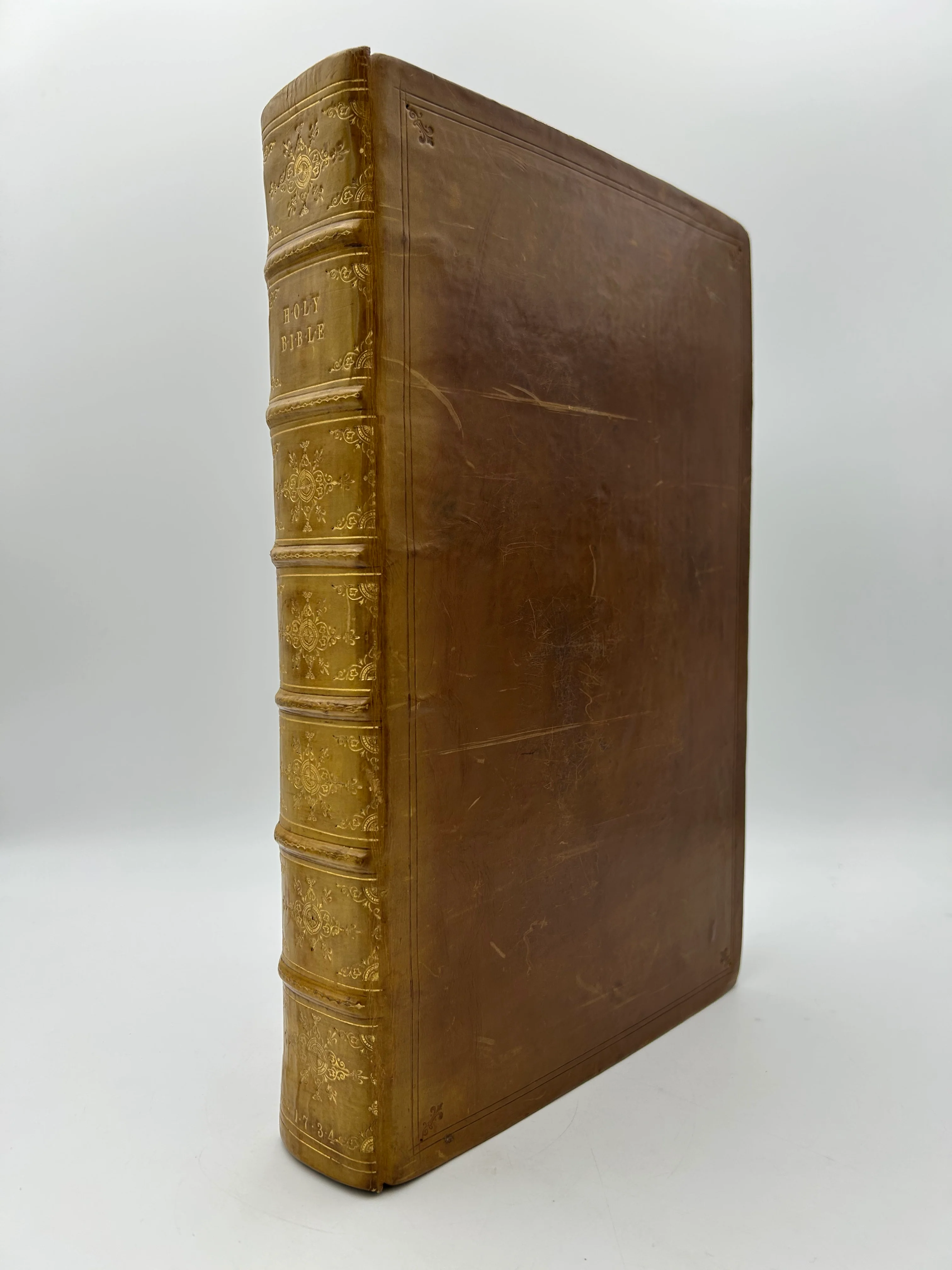
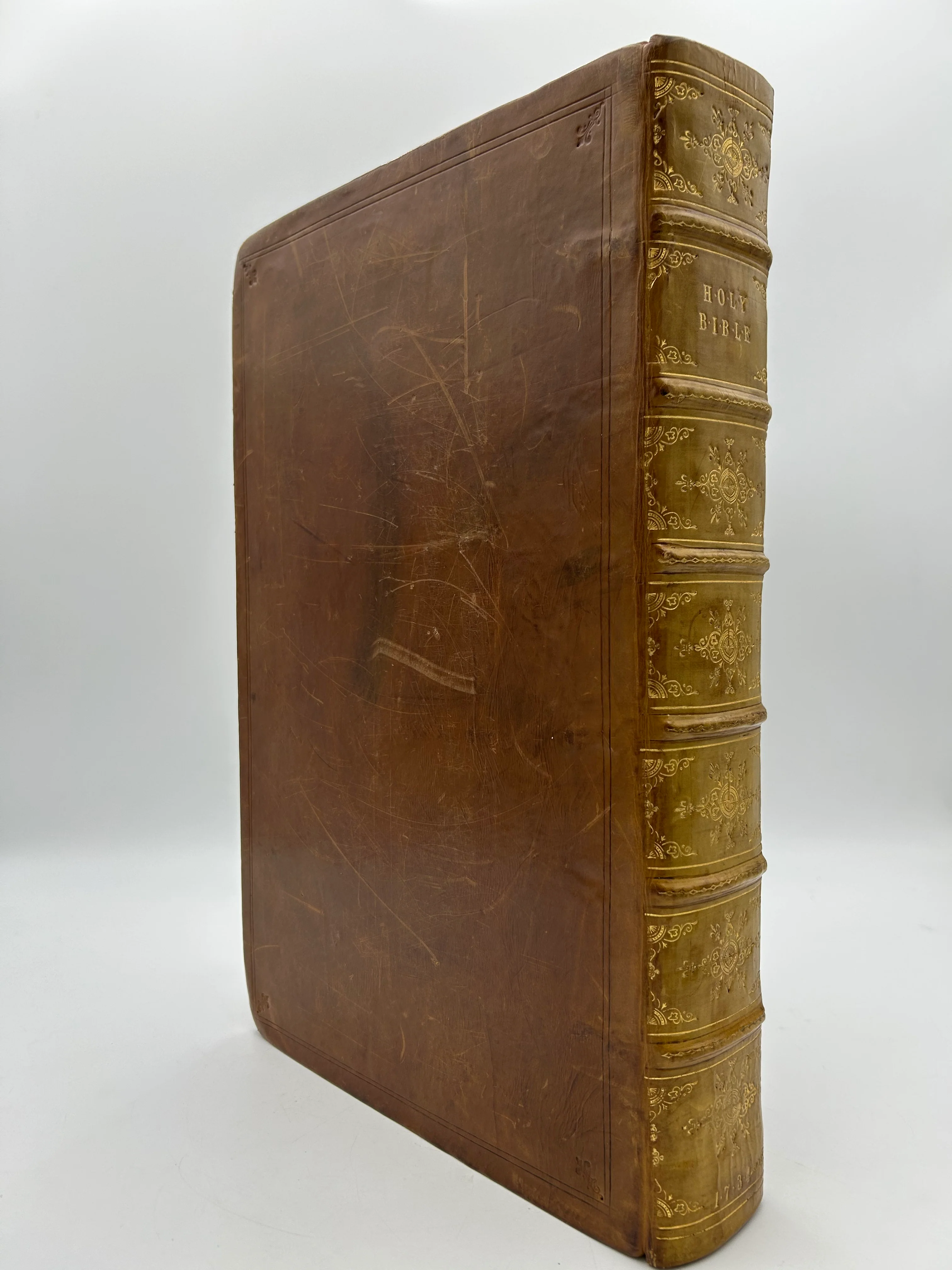
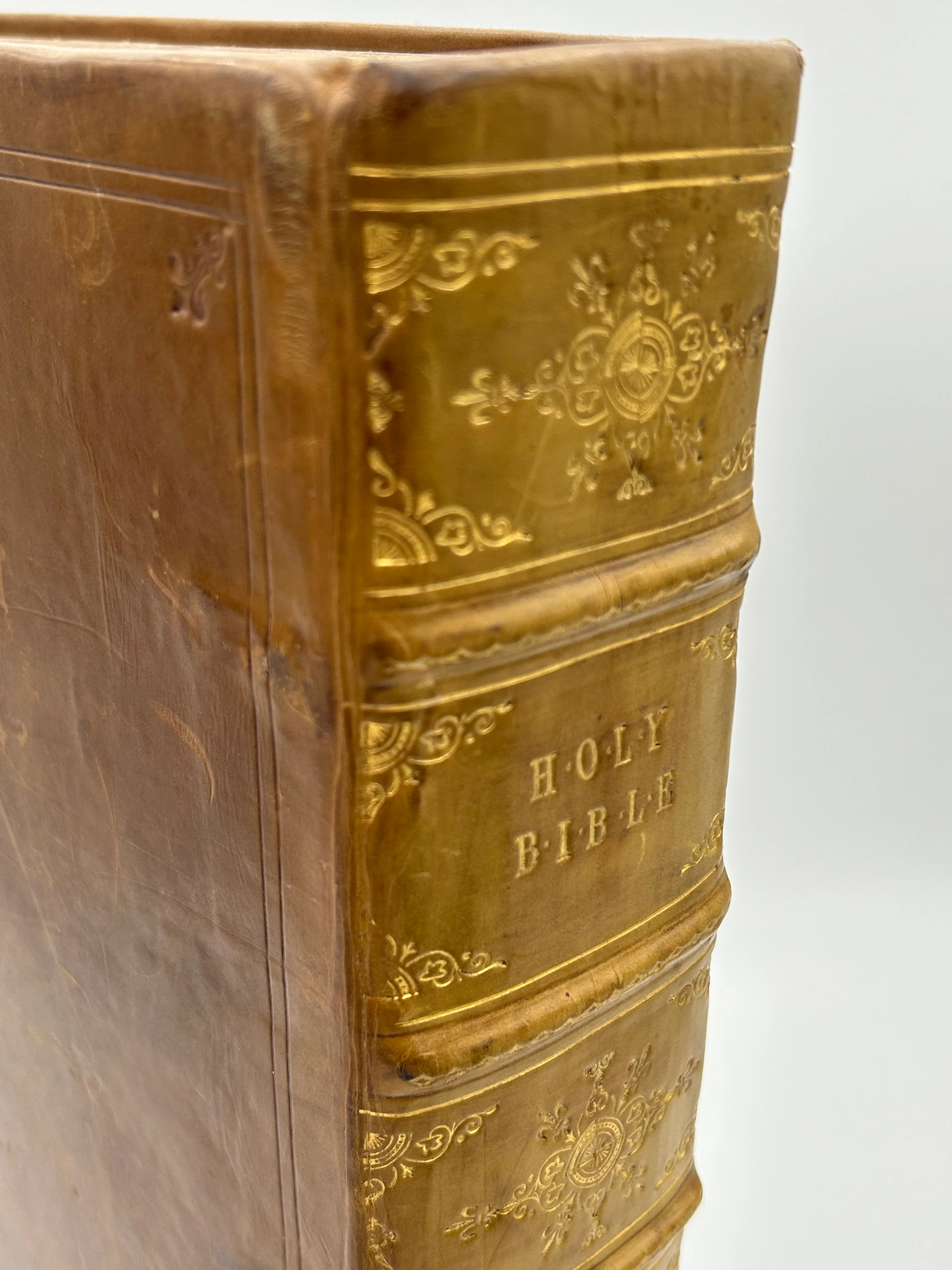
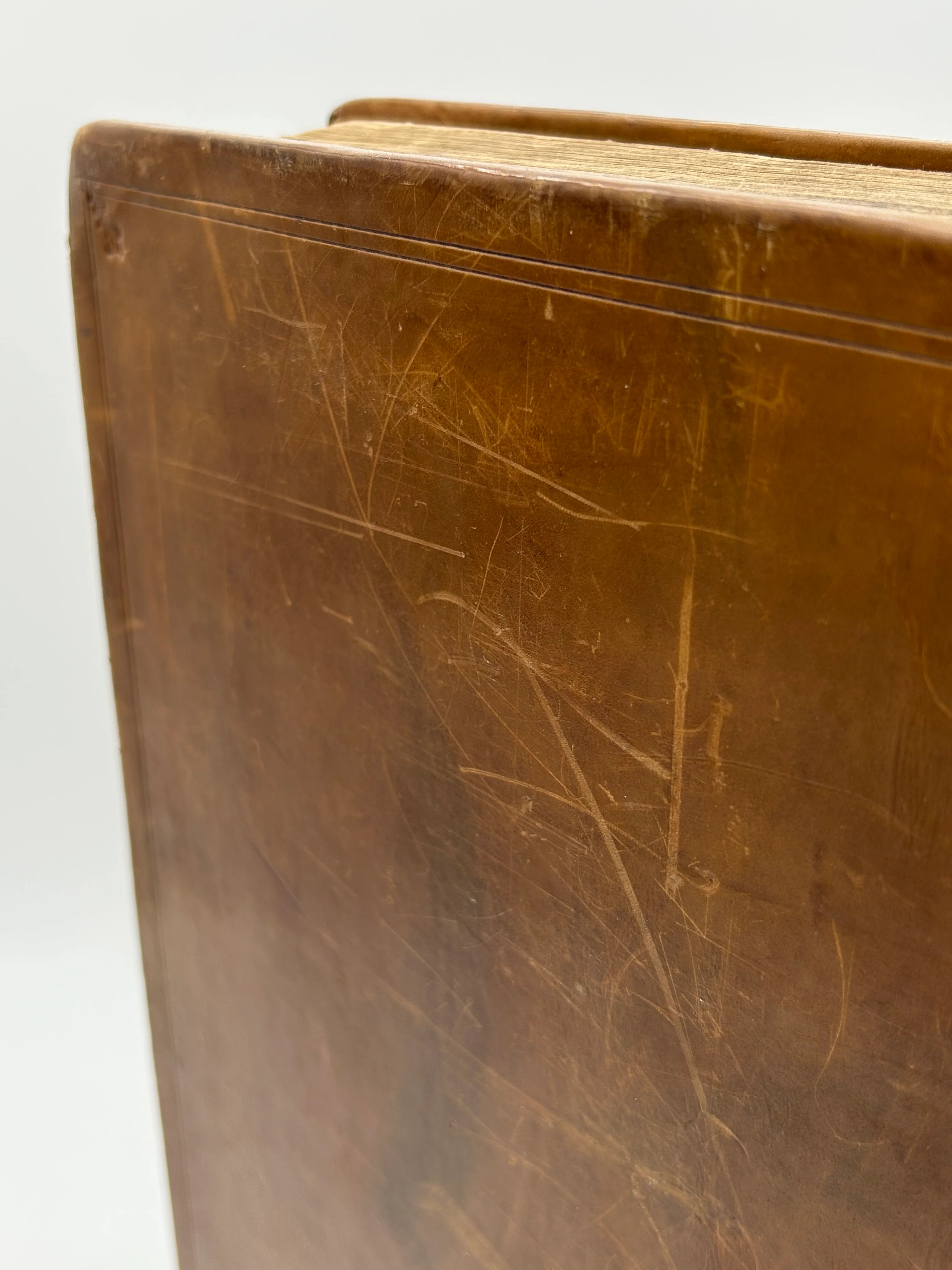
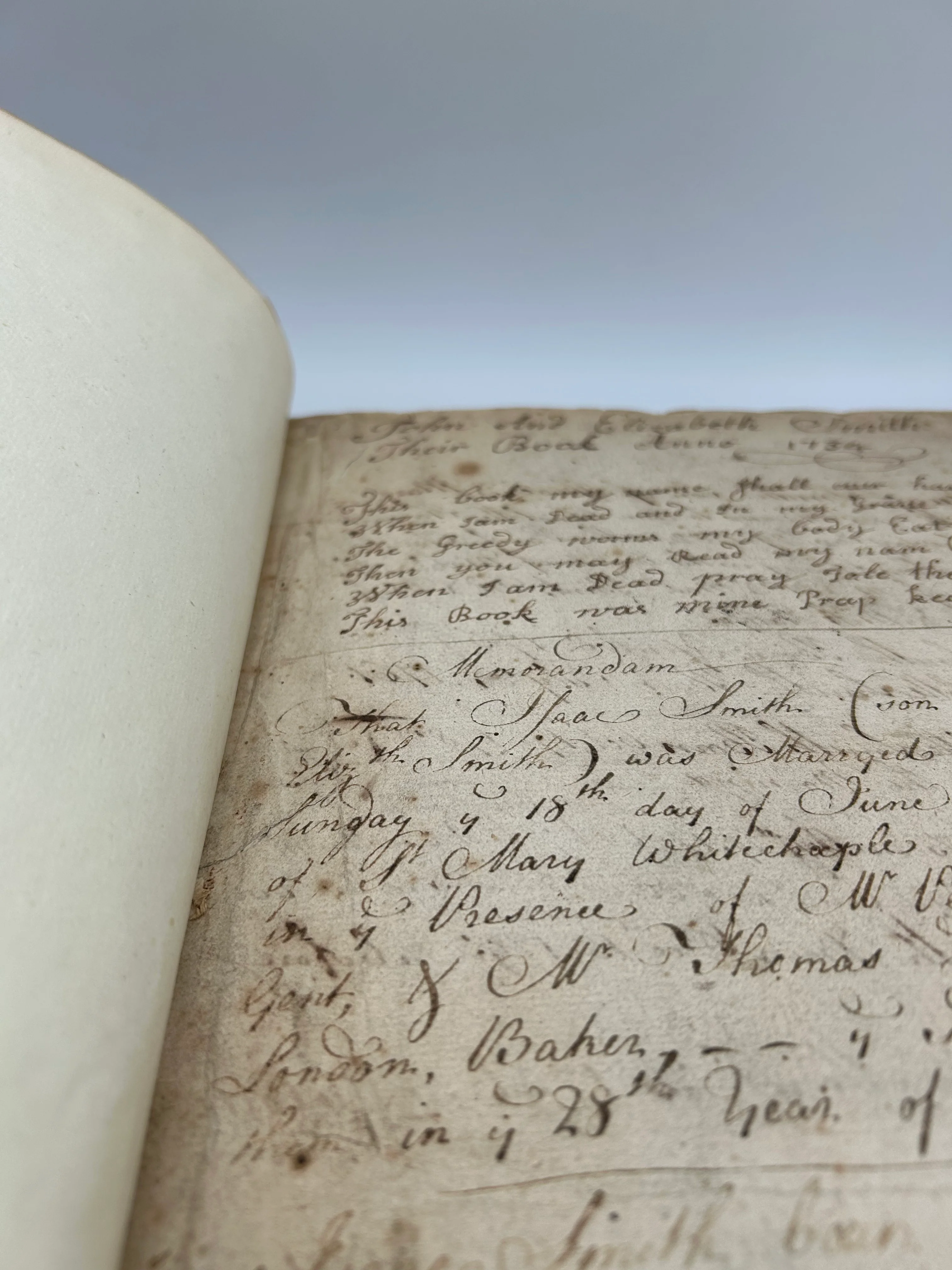
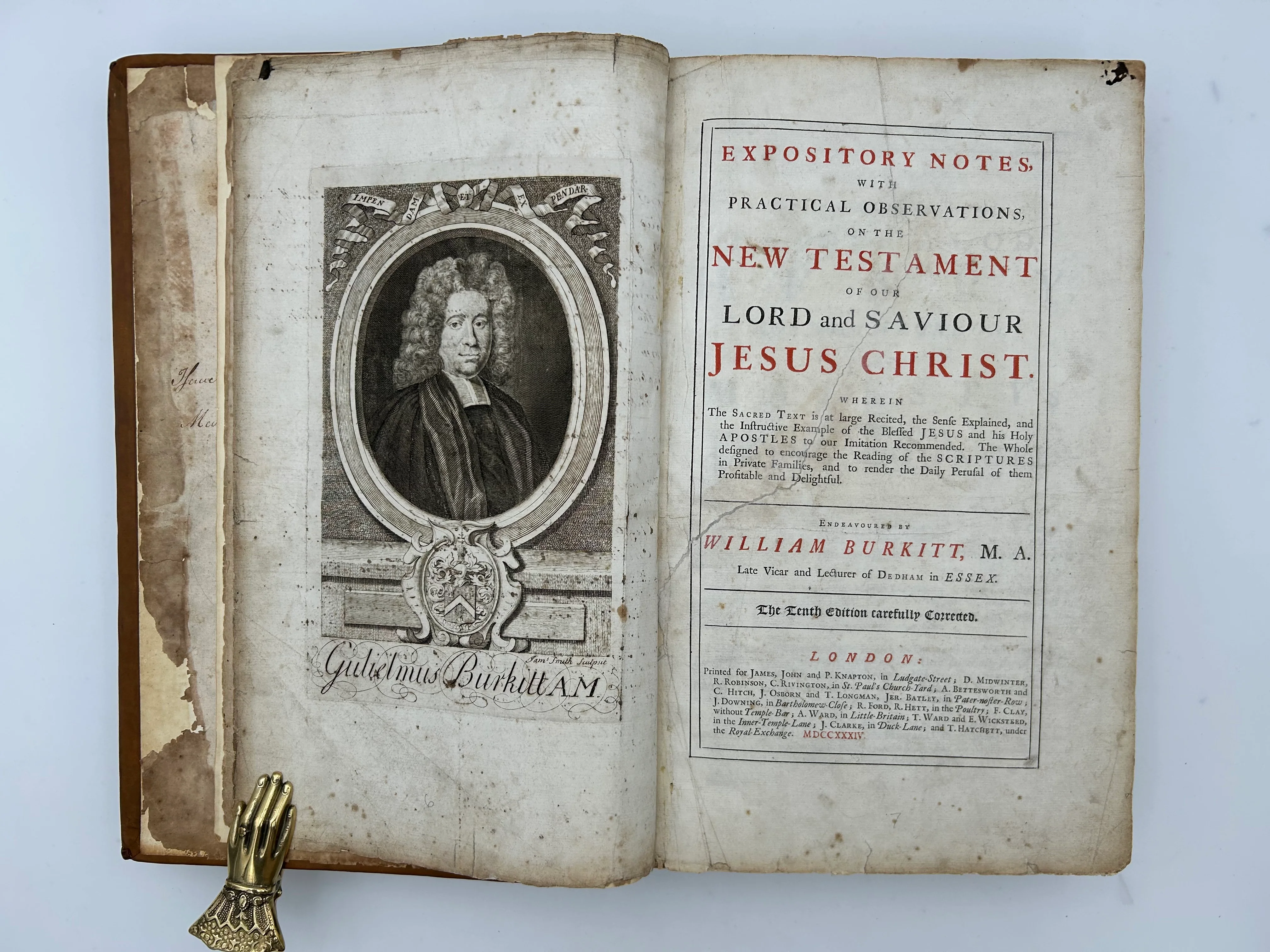
Caramel brown leather binding. Six raised bands with gilt ornamentation on each compartment and lettering in the second. General scuffing to the boards and bumping to the points. Handwriting to inner board and several preliminary blank pages. Title page with repaired tear through center. Frontispiece portrait. Minimal browning to edges of pages but no obstruction to text. Very fine condition with the exception of the tear to title page.
Details & Craftsmanship
Every detail has been carefully considered to bring you the perfect product.
Details & Craftsmanship
Every detail has been carefully considered to bring you the perfect product.
Details & Craftsmanship
Every detail has been carefully considered to bring you the perfect product.
Details & Craftsmanship
Every detail has been carefully considered to bring you the perfect product.
Details & Craftsmanship
Every detail has been carefully considered to bring you the perfect product.
Description
6B William Burkitt. London: James, John, and P. Knapton, 1734
Notes
The printing history of the Bible is a story of technological innovation, religious reform, and the spread of literacy. Before the mid-15th century, Bibles were copied by hand as expensive manuscripts, often in Latin, accessible only to clergy and scholars. The invention of the movable-type printing press by Johannes Gutenberg around 1455 revolutionized this, allowing mass production of the Bible, beginning with the Gutenberg Bible. Early printed Bibles included the Latin Vulgate, the Great Bible (1539) in English, and Tyndale’s and Coverdale’s vernacular translations. During the Reformation, printing became a key tool for promoting vernacular translations, as seen with the Geneva Bible, the Bishops’ Bible (1568), and ultimately the King James Version (1611). Printing helped standardize texts, disseminate religious ideas, and make the Bible widely accessible, laying the foundation for both personal devotion and scholarly study across Europe.
Exposition, Notes, and Practical Observations on the New Testament by William Burkitt is a notable 17th–18th century devotional and scholarly work that provides verse-by-verse commentary on the New Testament. Burkitt, an English clergyman and scholar, aimed to make Scripture understandable and applicable to ordinary readers, combining explanations of difficult passages with moral and practical lessons for daily life. His notes draw on earlier translations, biblical scholarship, and the theological tradition of the Church of England, offering guidance for both private study and preaching. The work became highly popular in England and America, prized for its clarity, pastoral tone, and practical orientation, bridging the gap between scholarly exegesis and lay devotion while reinforcing the teachings of the King James Bible.
Description
Caramel brown leather binding. Six raised bands with gilt ornamentation on each compartment and lettering in the second. General scuffing to the boards and bumping to the points. Handwriting to inner board and several preliminary blank pages. Title page with repaired tear through center. Frontispiece portrait. Minimal browning to edges of pages but no obstruction to text. Very fine condition with the exception of the tear to title page.