The Story
6b Ernest Hemingway. London: Jonathan Cape, 1941. First UK Edition
Notes
For Whom the Bell Tolls, first published in 1940, is the powerful novel by Ernest Hemingway, set during the Spanish Civil War and centered on Robert Jordan, an American volunteer assigned to destroy a strategic bridge behind enemy lines. Written in a style that blends Hemingway’s characteristic restraint with moments of lyrical intensity, the novel captures both the immediacy of wartime action and the inner lives of its characters. Its title, drawn from a meditation by John Donne, reflects the work’s broader themes of interconnectedness, mortality, and sacrifice. Upon publication, the novel was both a critical and commercial success, becoming one of Hemingway’s most widely read works and solidifying his reputation as a major literary voice of his generation.
Ernest Hemingway (1899–1961) drew heavily on his own experiences as a journalist covering the Spanish Civil War, where he witnessed firsthand the complexities and brutal realities of the conflict. His time in Spain informed not only the setting but also the moral ambiguity and emotional depth of the novel, as he grappled with questions of loyalty, ideology, and the human cost of war. Hemingway’s broader life—marked by travel, war correspondence, and a deep engagement with themes of courage and endurance—shaped his writing style and subject matter. For Whom the Bell Tolls stands as one of his most personal works, reflecting both his political awareness and his ongoing exploration of love and loss under extreme conditions.
The novel’s legacy endures as one of the defining literary works on war in the twentieth century, admired for its balance of stark realism and philosophical reflection. It has influenced countless writers and remains a central text in discussions of war literature, often studied for its portrayal of individual responsibility within larger historical forces. Adapted into film and continually reprinted, For Whom the Bell Tolls continues to resonate with readers for its exploration of sacrifice, human connection, and the enduring question of what it means to act with purpose in a fractured world.
Description
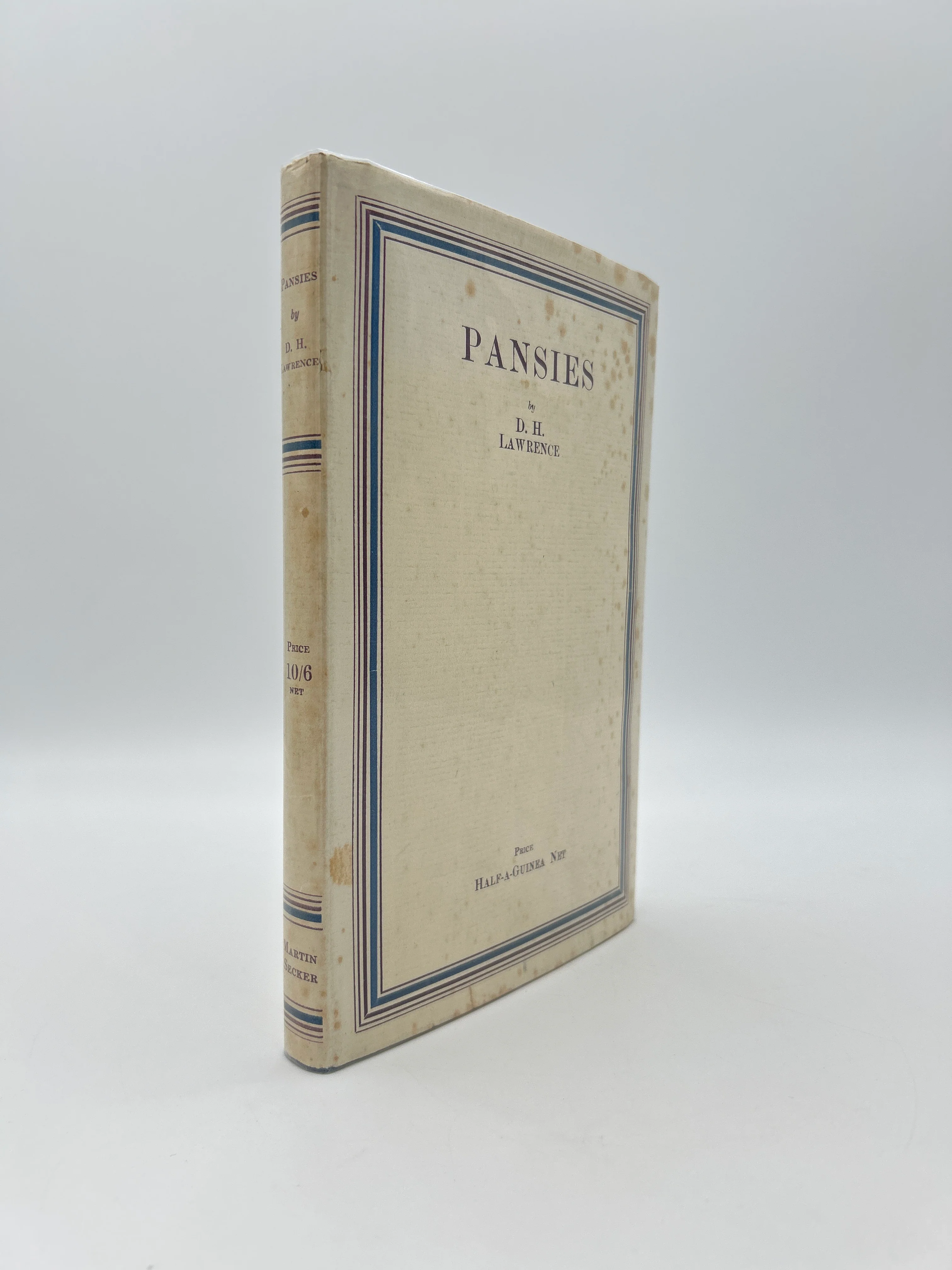
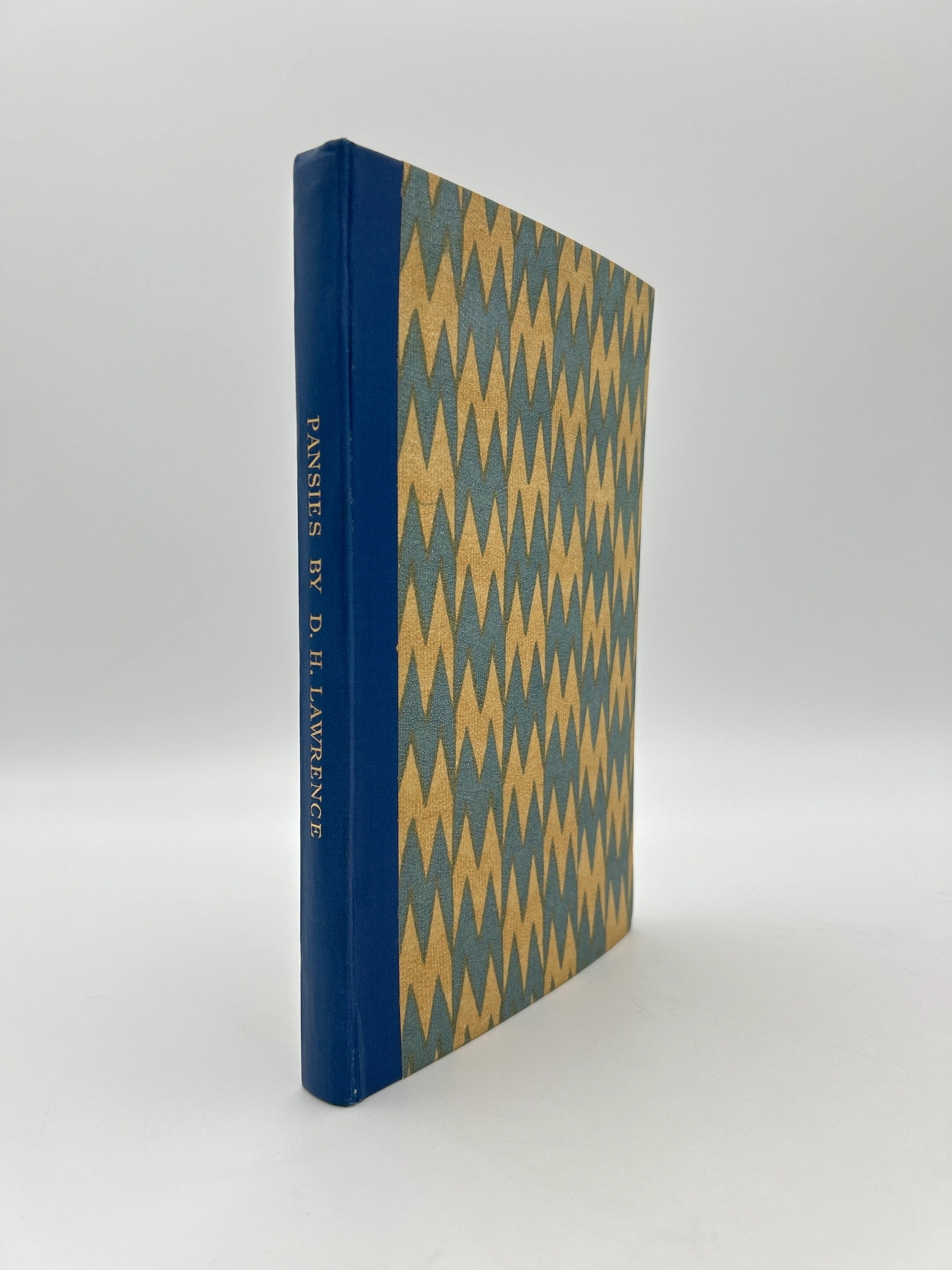
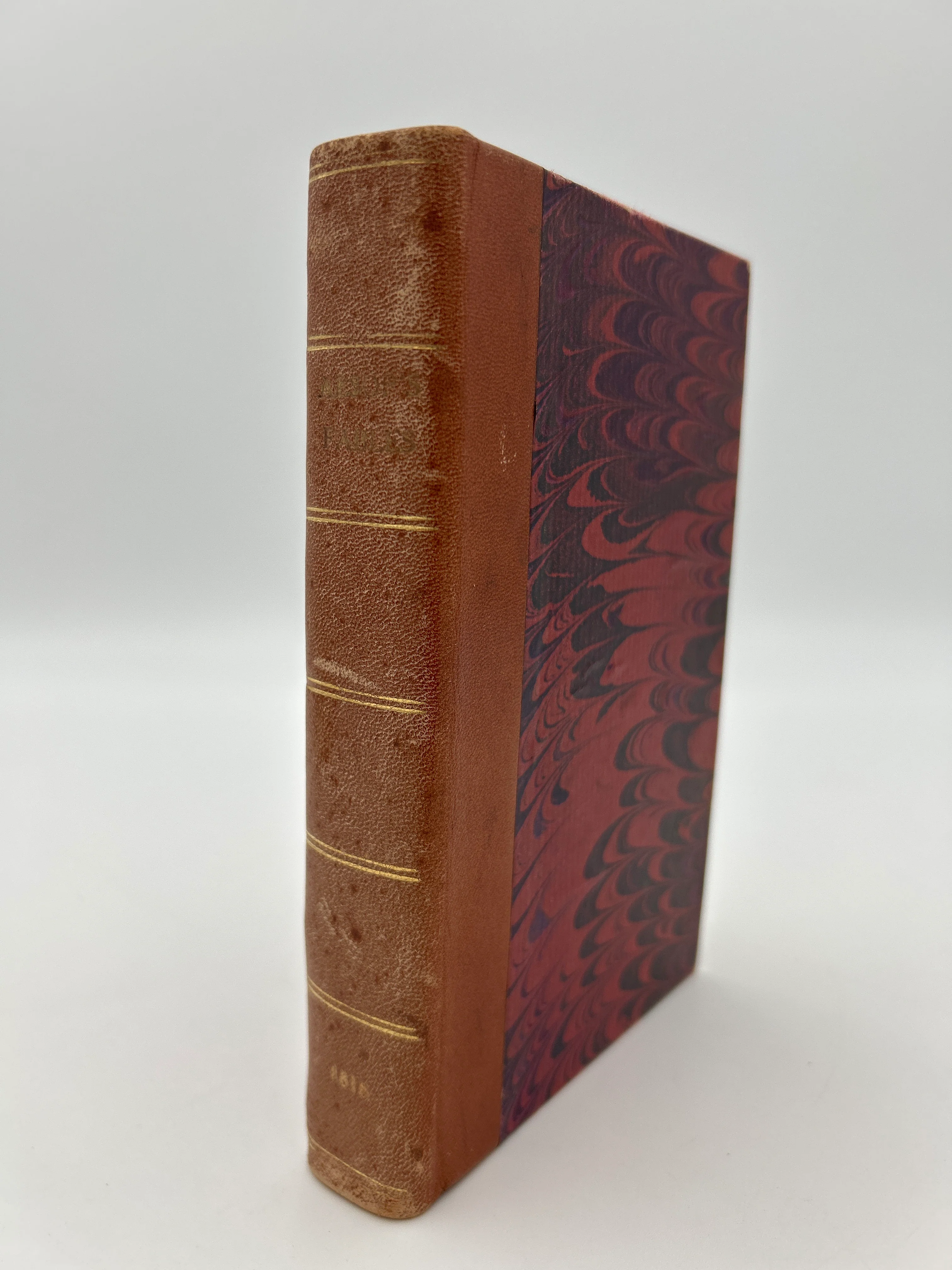
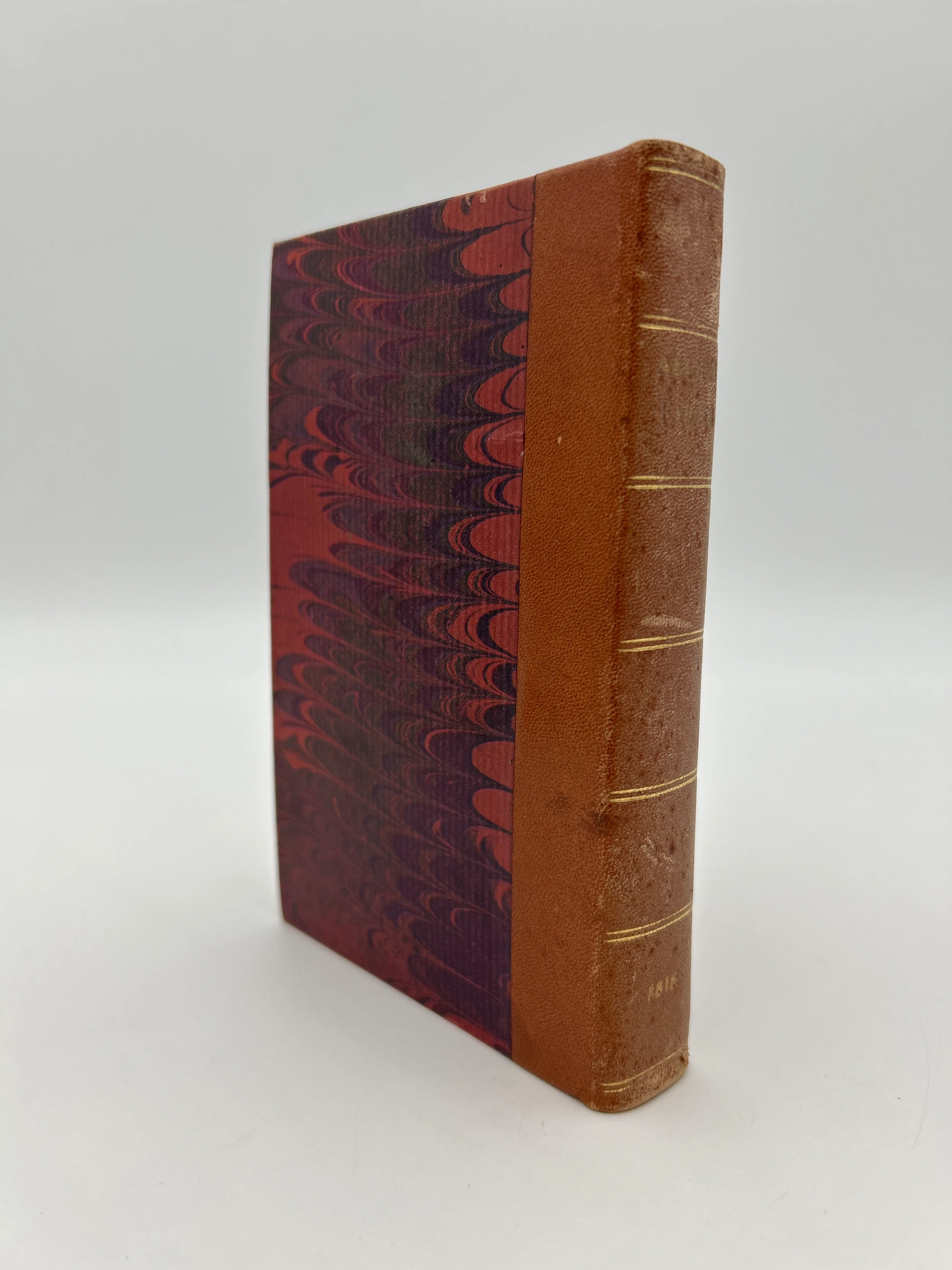
Publishers presentation binding. Blue canvas boards with three quarter blue leather. Gilt lettering to spine. Two raised bands. Gilt top end and two spots of damp staining on the fore edge. Marbled endpapers. Unrecorded binding by either of Hemingway’s bibliographers, likely one of a small number produced for presentation or distribution among key Cape staff. Fine condition.

Details & Craftsmanship
Every detail has been carefully considered to bring you the perfect product.

Details & Craftsmanship
Every detail has been carefully considered to bring you the perfect product.

Details & Craftsmanship
Every detail has been carefully considered to bring you the perfect product.

Details & Craftsmanship
Every detail has been carefully considered to bring you the perfect product.

Details & Craftsmanship
Every detail has been carefully considered to bring you the perfect product.

Details & Craftsmanship
Every detail has been carefully considered to bring you the perfect product.

Details & Craftsmanship
Every detail has been carefully considered to bring you the perfect product.
Description
6b Ernest Hemingway. London: Jonathan Cape, 1941. First UK Edition
Notes
For Whom the Bell Tolls, first published in 1940, is the powerful novel by Ernest Hemingway, set during the Spanish Civil War and centered on Robert Jordan, an American volunteer assigned to destroy a strategic bridge behind enemy lines. Written in a style that blends Hemingway’s characteristic restraint with moments of lyrical intensity, the novel captures both the immediacy of wartime action and the inner lives of its characters. Its title, drawn from a meditation by John Donne, reflects the work’s broader themes of interconnectedness, mortality, and sacrifice. Upon publication, the novel was both a critical and commercial success, becoming one of Hemingway’s most widely read works and solidifying his reputation as a major literary voice of his generation.
Ernest Hemingway (1899–1961) drew heavily on his own experiences as a journalist covering the Spanish Civil War, where he witnessed firsthand the complexities and brutal realities of the conflict. His time in Spain informed not only the setting but also the moral ambiguity and emotional depth of the novel, as he grappled with questions of loyalty, ideology, and the human cost of war. Hemingway’s broader life—marked by travel, war correspondence, and a deep engagement with themes of courage and endurance—shaped his writing style and subject matter. For Whom the Bell Tolls stands as one of his most personal works, reflecting both his political awareness and his ongoing exploration of love and loss under extreme conditions.
The novel’s legacy endures as one of the defining literary works on war in the twentieth century, admired for its balance of stark realism and philosophical reflection. It has influenced countless writers and remains a central text in discussions of war literature, often studied for its portrayal of individual responsibility within larger historical forces. Adapted into film and continually reprinted, For Whom the Bell Tolls continues to resonate with readers for its exploration of sacrifice, human connection, and the enduring question of what it means to act with purpose in a fractured world.
Description
Publishers presentation binding. Blue canvas boards with three quarter blue leather. Gilt lettering to spine. Two raised bands. Gilt top end and two spots of damp staining on the fore edge. Marbled endpapers. Unrecorded binding by either of Hemingway’s bibliographers, likely one of a small number produced for presentation or distribution among key Cape staff. Fine condition.