Original: $2,500.00
-65%$2,500.00
$875.00The Story
6b Mary Wollstonecraft Shelly. London: Gibbings and Co., 1897.
Notes
Mary Shelley (1797–1851) was an English novelist, essayist, and intellectual who grew up surrounded by radical ideas and famous minds. She was the daughter of political philosopher William Godwin and pioneering feminist Mary Wollstonecraft, though her mother died shortly after her birth. Shelley received an unconventional education, steeped in literature and philosophy, and later formed a lifelong partnership with the poet Percy Bysshe Shelley, whom she married after a period of scandal and personal hardship. Her life was marked by creativity, travel across Europe, deep grief from the loss of several children, and constant engagement with questions about humanity, morality, and imagination—concerns that would define her most famous work.
Frankenstein; or, The Modern Prometheus was conceived in 1816 during the so-called “Year Without a Summer,” when Mary Shelley, Percy Shelley, Lord Byron, and others were confined indoors by gloomy weather near Lake Geneva. Challenged to write a ghost story, Shelley drew inspiration from conversations about galvanism, science’s power over life, and Enlightenment ambition, as well as from a vivid waking dream in which she imagined a scientist horrified by the life he had created. The idea bloomed from her fears about unchecked knowledge and human responsibility, transforming contemporary scientific curiosity into a haunting moral tale.
Since its publication in 1818, Frankenstein has achieved extraordinary popularity and lasting fame, becoming one of the most influential novels in Western literature. The story’s themes—creation, isolation, ethical science, and what it means to be human—have proven endlessly adaptable, inspiring countless adaptations in film, theater, art, and popular culture. Although the creature is often misunderstood in modern retellings, the novel’s emotional depth and philosophical questions continue to resonate, securing Mary Shelley’s legacy not only as a Gothic storyteller but as a visionary thinker far ahead of her time.
Description
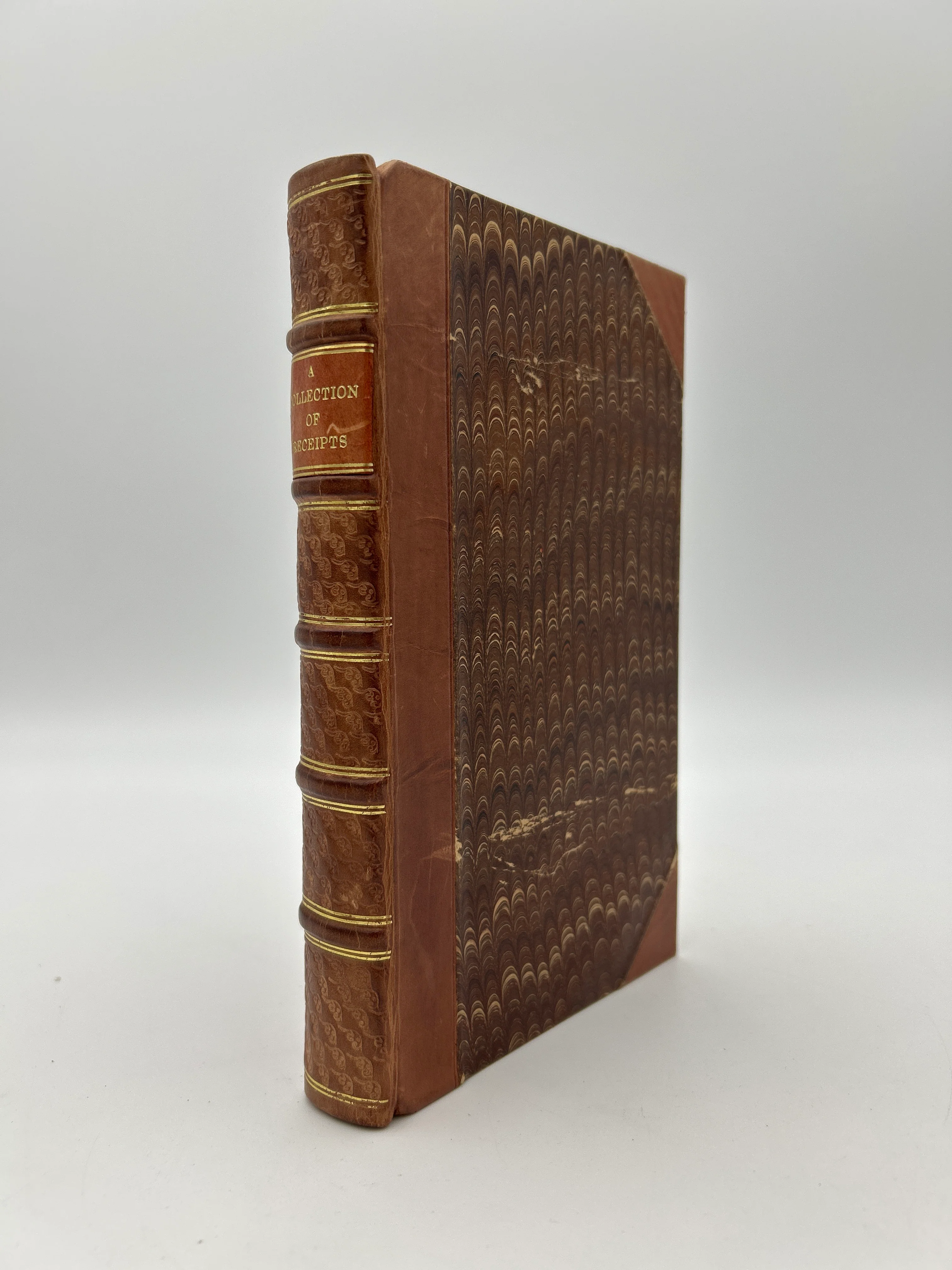
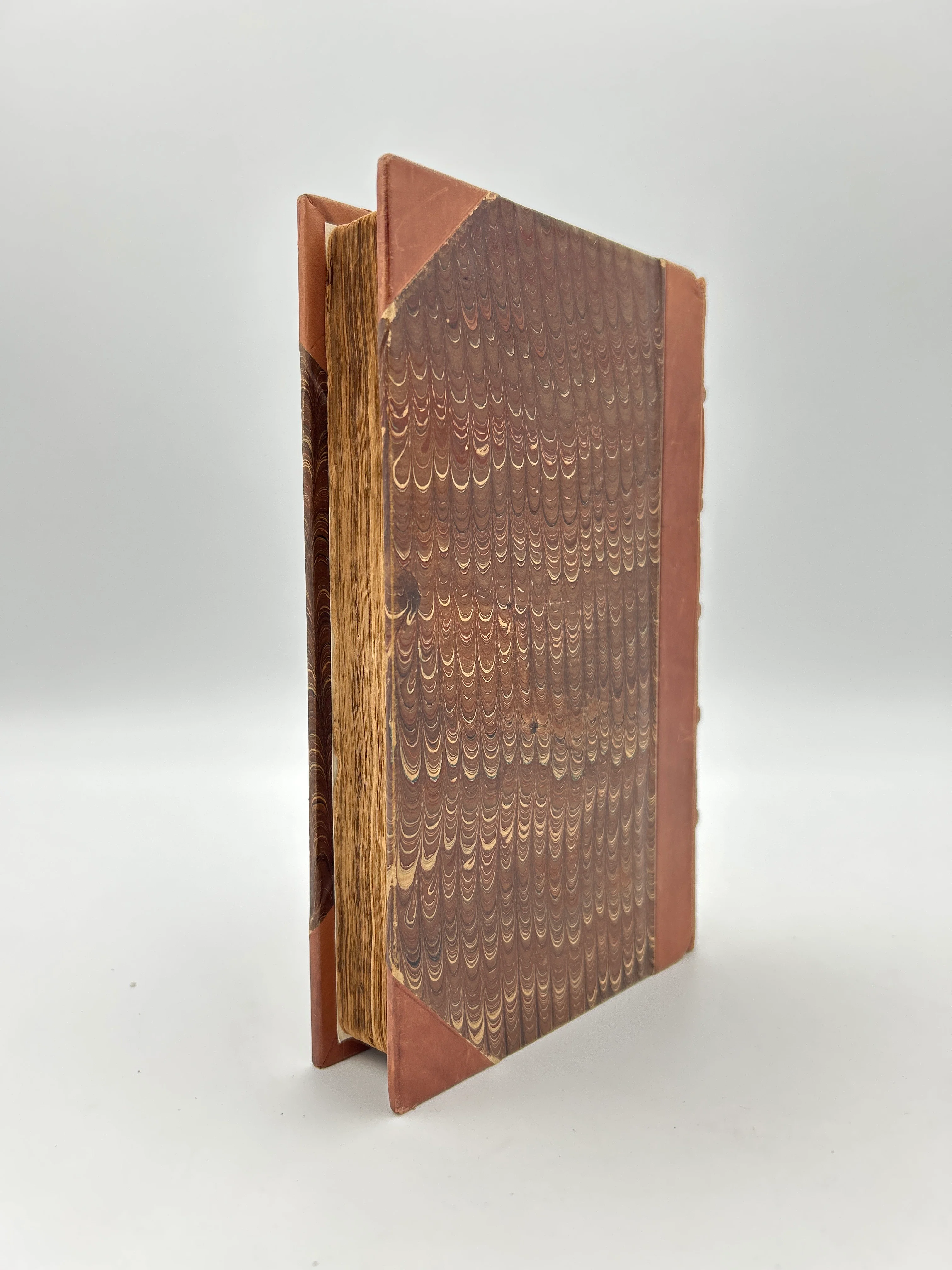
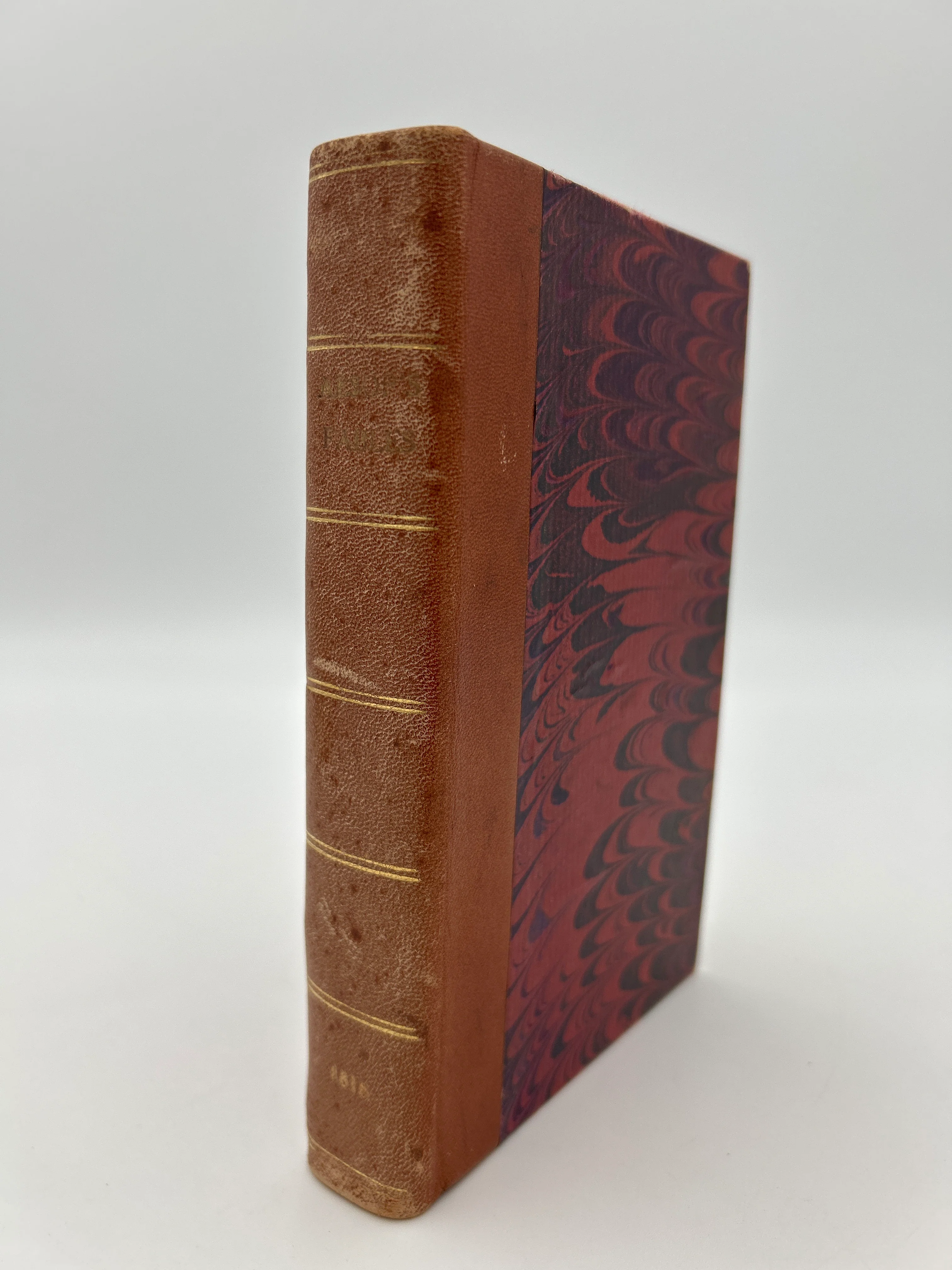
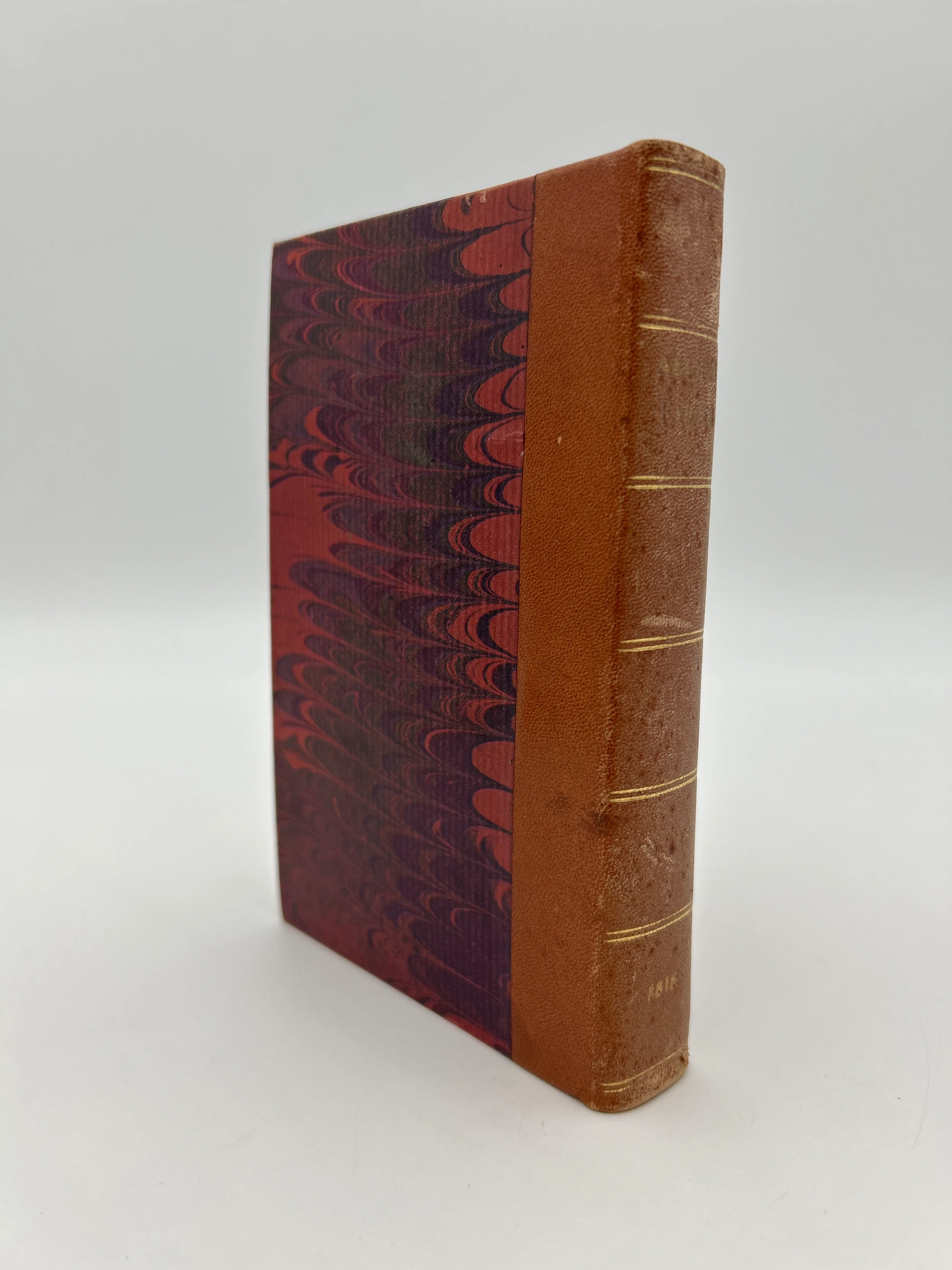
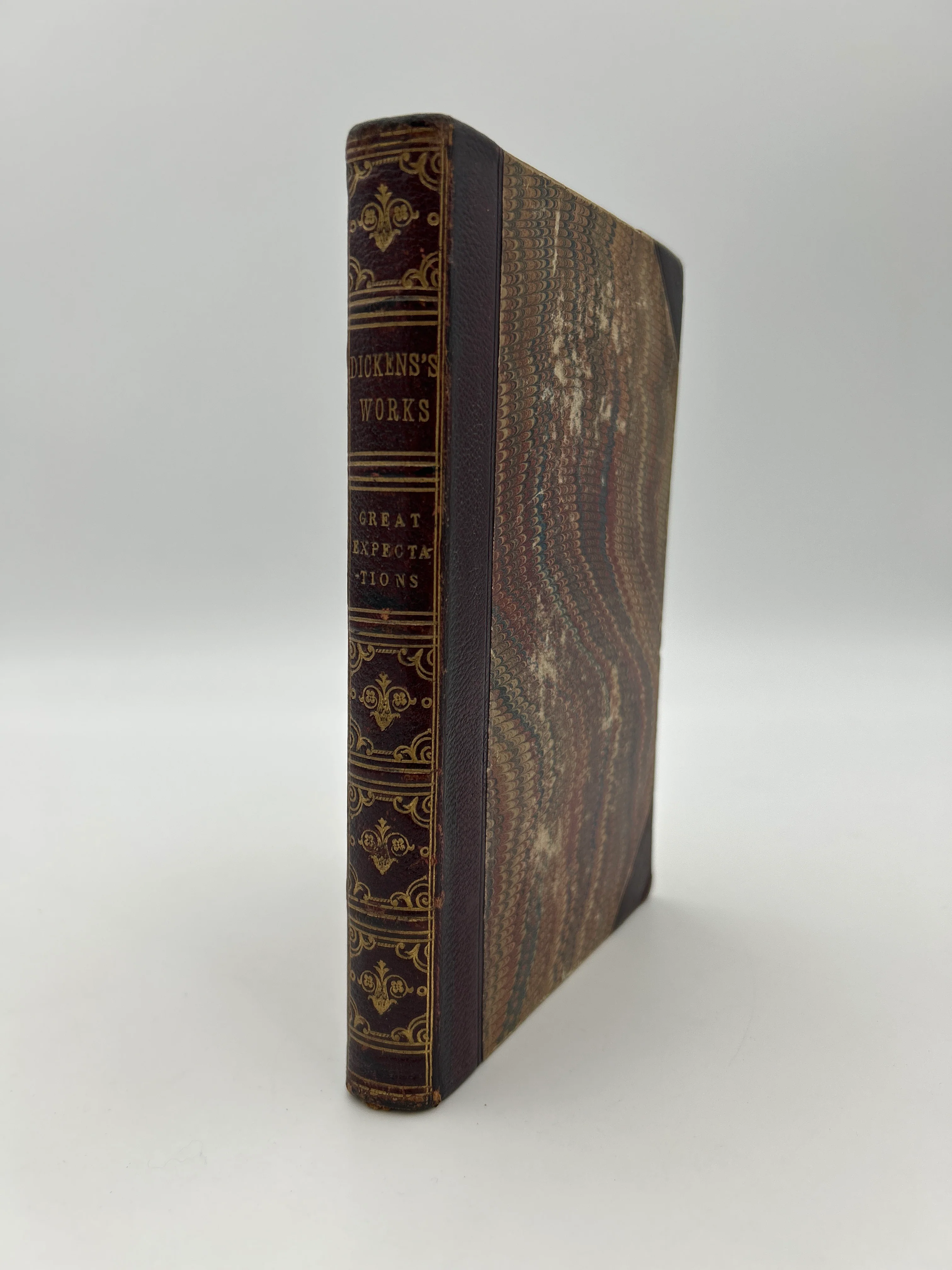
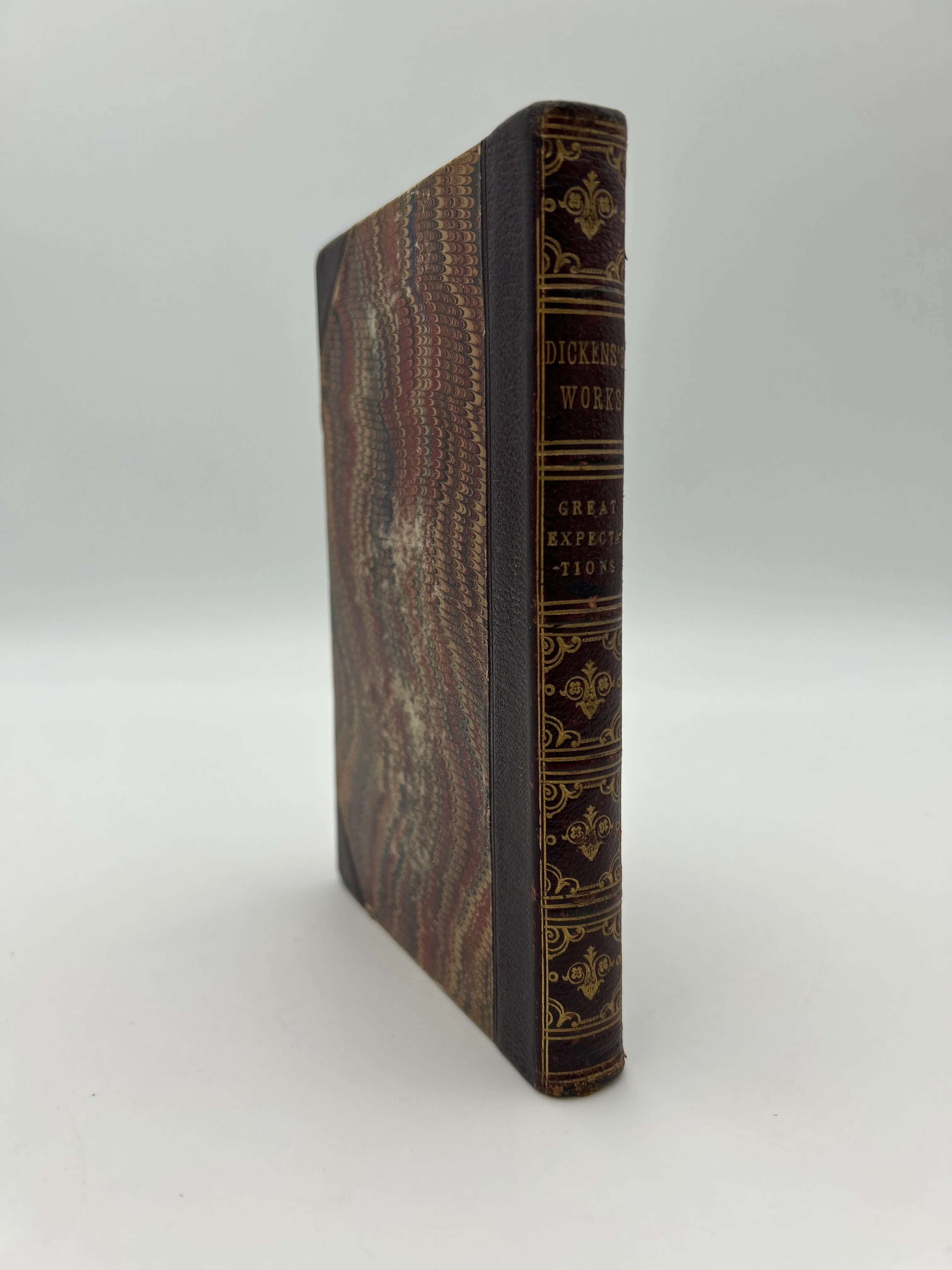
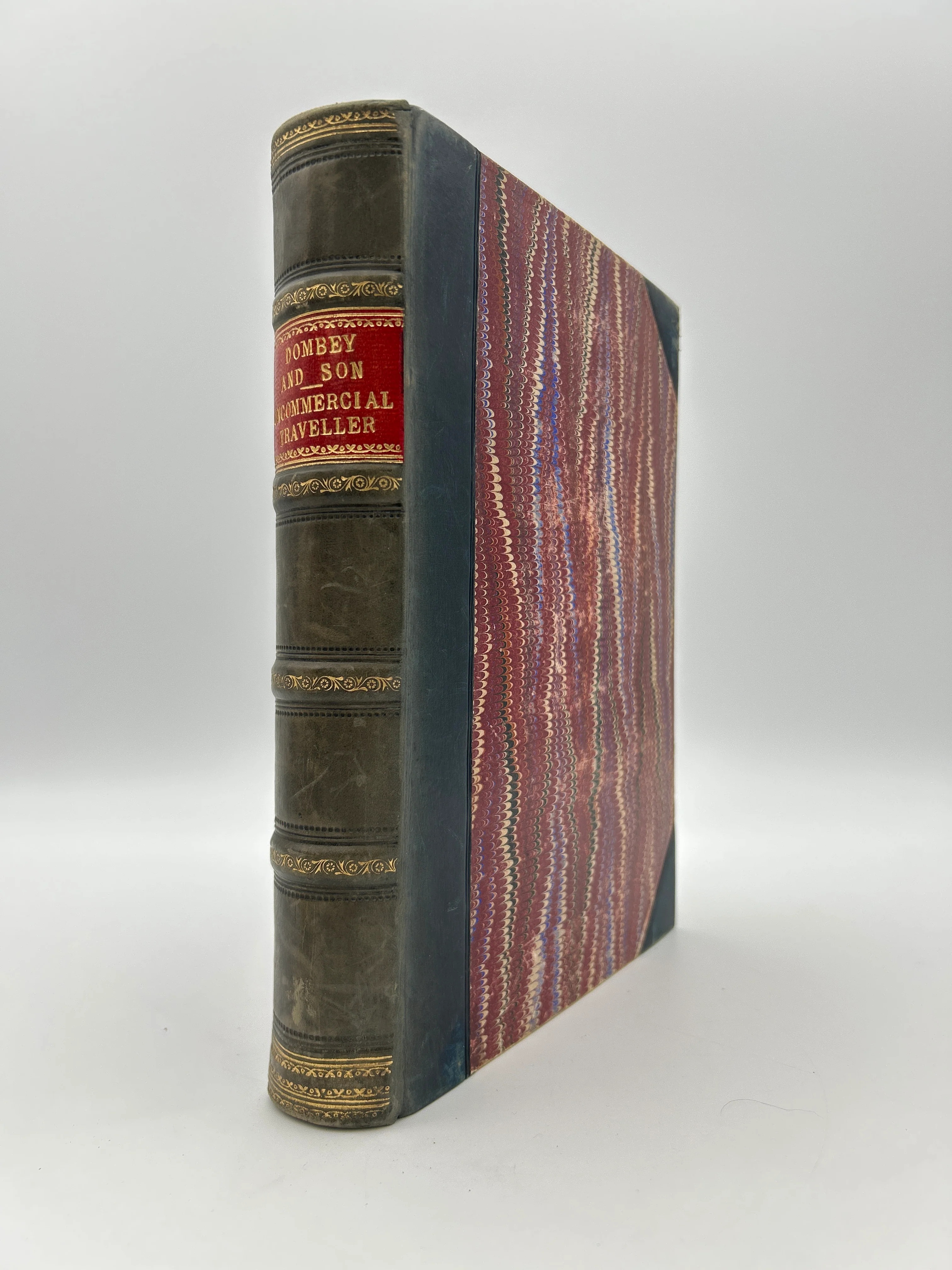
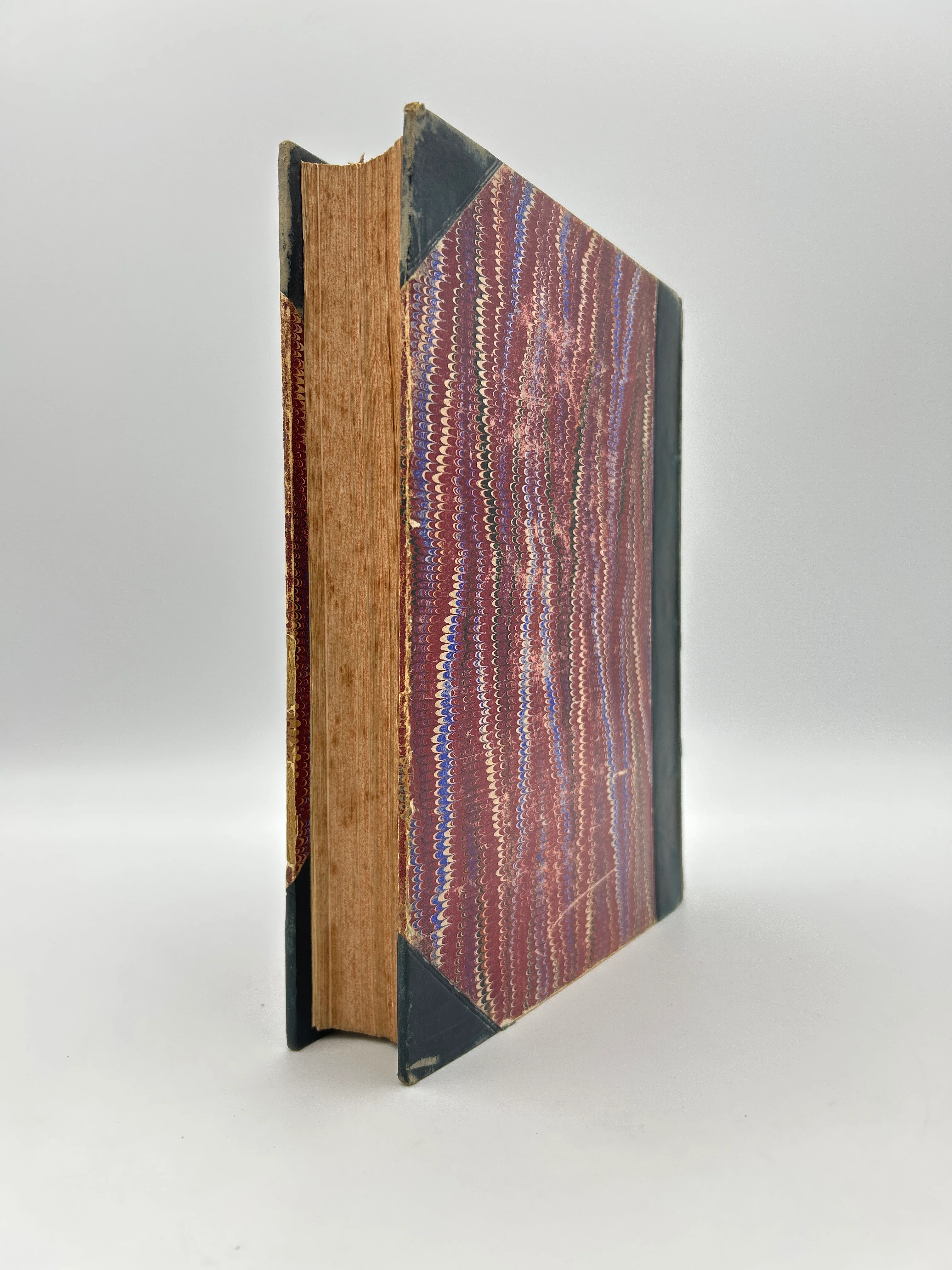
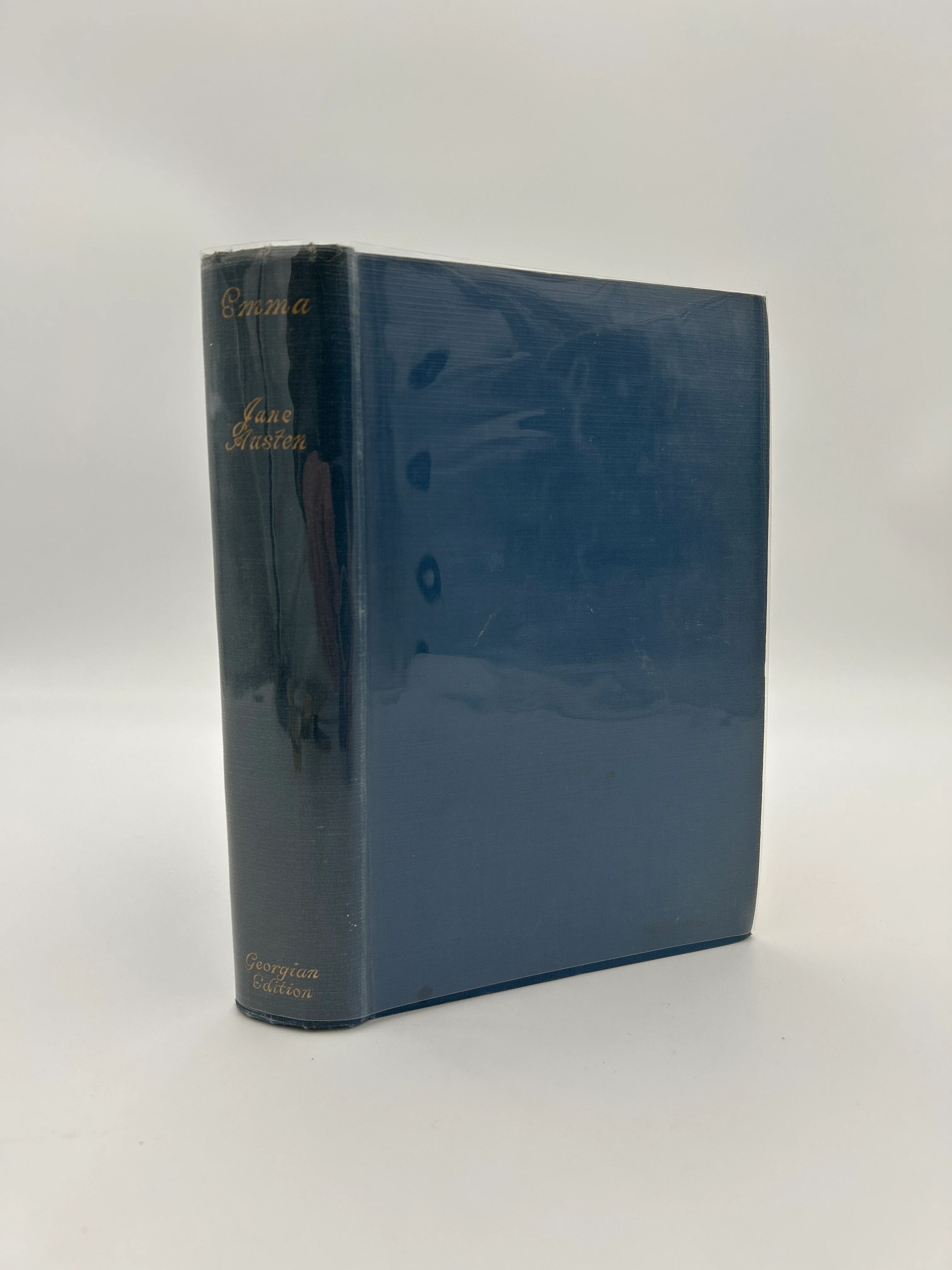
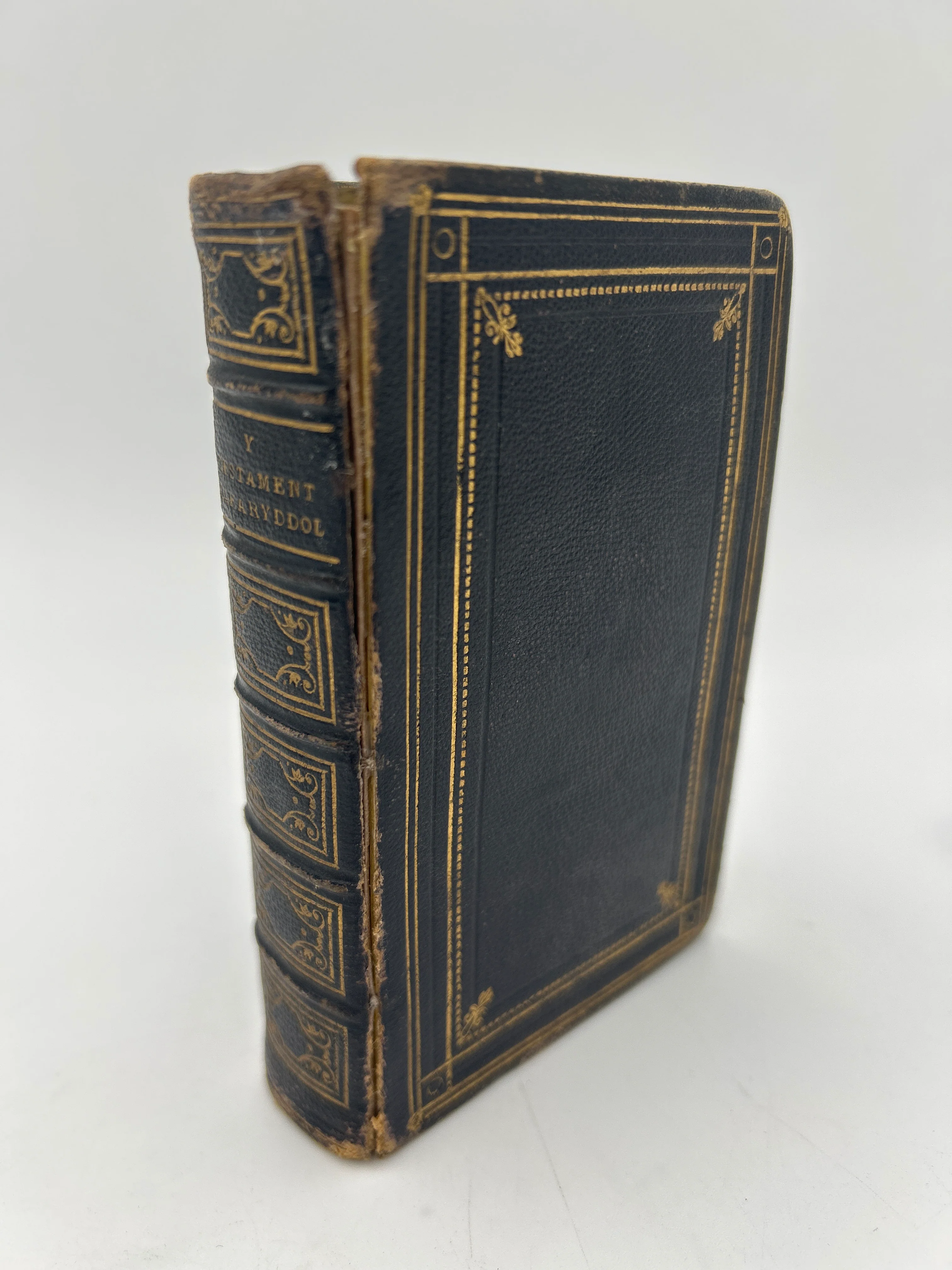
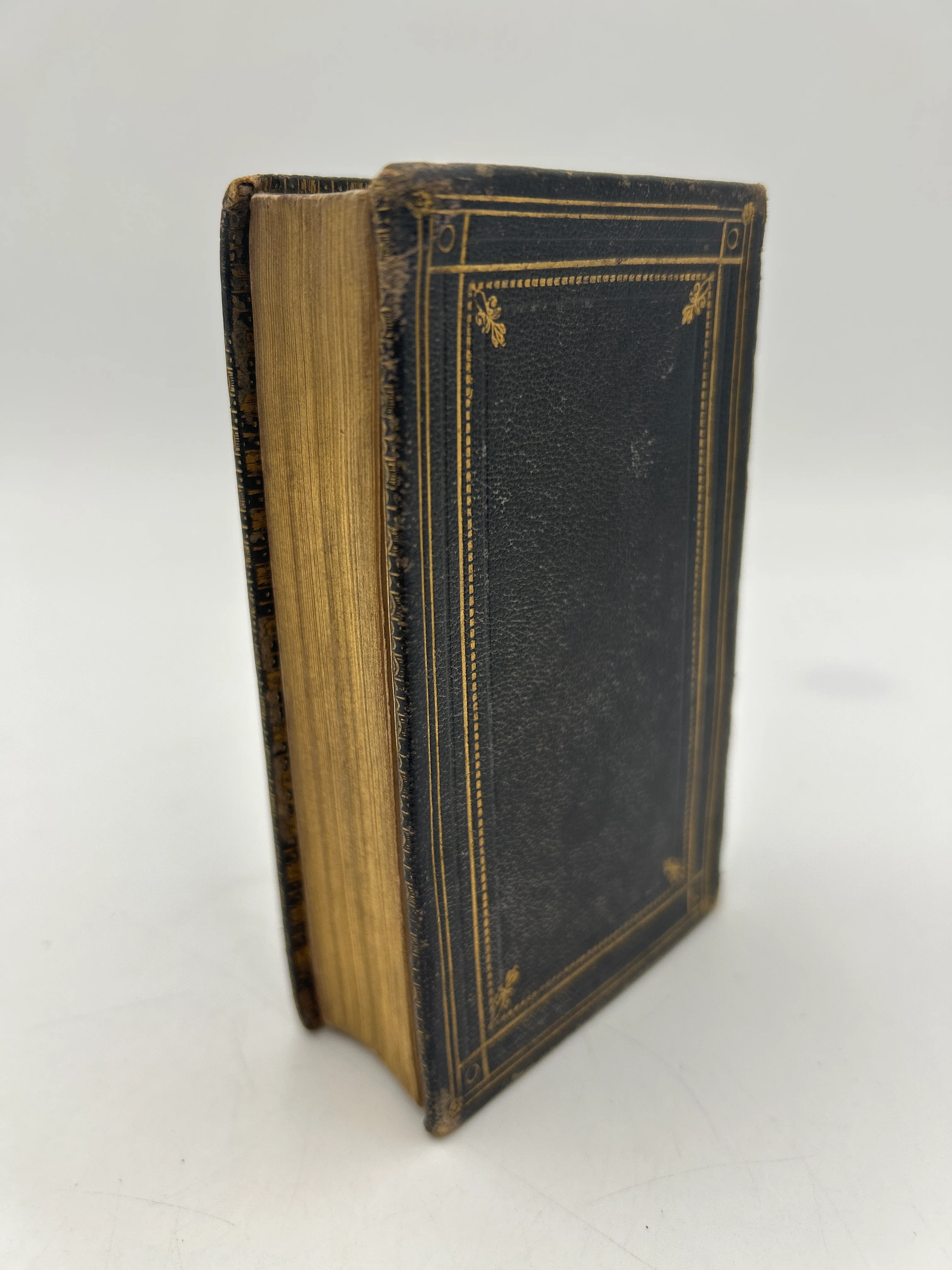
Green marbled boards with three quarter green leather. Five raised bands with gilt lettering int he second and third compartments. Gilt flowers in first, fourth, and fifth compartments. Tender upper hinge but fully attached still. Marbled endpapers. Gilt top edge. Deckled fore edge. Amusing bookplate on interior board which reads “Ex Libris A. W Lublin” with a house made of books labeled “Temple of Knowledge” beneath the structure it reads “Welcome to the Temple. And when you leave—leave my book.” Unique title page and seven photographic illustration pages throughout. Very good condition.

Details & Craftsmanship
Every detail has been carefully considered to bring you the perfect product.

Details & Craftsmanship
Every detail has been carefully considered to bring you the perfect product.

Details & Craftsmanship
Every detail has been carefully considered to bring you the perfect product.

Details & Craftsmanship
Every detail has been carefully considered to bring you the perfect product.

Details & Craftsmanship
Every detail has been carefully considered to bring you the perfect product.

Details & Craftsmanship
Every detail has been carefully considered to bring you the perfect product.
Description
6b Mary Wollstonecraft Shelly. London: Gibbings and Co., 1897.
Notes
Mary Shelley (1797–1851) was an English novelist, essayist, and intellectual who grew up surrounded by radical ideas and famous minds. She was the daughter of political philosopher William Godwin and pioneering feminist Mary Wollstonecraft, though her mother died shortly after her birth. Shelley received an unconventional education, steeped in literature and philosophy, and later formed a lifelong partnership with the poet Percy Bysshe Shelley, whom she married after a period of scandal and personal hardship. Her life was marked by creativity, travel across Europe, deep grief from the loss of several children, and constant engagement with questions about humanity, morality, and imagination—concerns that would define her most famous work.
Frankenstein; or, The Modern Prometheus was conceived in 1816 during the so-called “Year Without a Summer,” when Mary Shelley, Percy Shelley, Lord Byron, and others were confined indoors by gloomy weather near Lake Geneva. Challenged to write a ghost story, Shelley drew inspiration from conversations about galvanism, science’s power over life, and Enlightenment ambition, as well as from a vivid waking dream in which she imagined a scientist horrified by the life he had created. The idea bloomed from her fears about unchecked knowledge and human responsibility, transforming contemporary scientific curiosity into a haunting moral tale.
Since its publication in 1818, Frankenstein has achieved extraordinary popularity and lasting fame, becoming one of the most influential novels in Western literature. The story’s themes—creation, isolation, ethical science, and what it means to be human—have proven endlessly adaptable, inspiring countless adaptations in film, theater, art, and popular culture. Although the creature is often misunderstood in modern retellings, the novel’s emotional depth and philosophical questions continue to resonate, securing Mary Shelley’s legacy not only as a Gothic storyteller but as a visionary thinker far ahead of her time.
Description
Green marbled boards with three quarter green leather. Five raised bands with gilt lettering int he second and third compartments. Gilt flowers in first, fourth, and fifth compartments. Tender upper hinge but fully attached still. Marbled endpapers. Gilt top edge. Deckled fore edge. Amusing bookplate on interior board which reads “Ex Libris A. W Lublin” with a house made of books labeled “Temple of Knowledge” beneath the structure it reads “Welcome to the Temple. And when you leave—leave my book.” Unique title page and seven photographic illustration pages throughout. Very good condition.