The Story
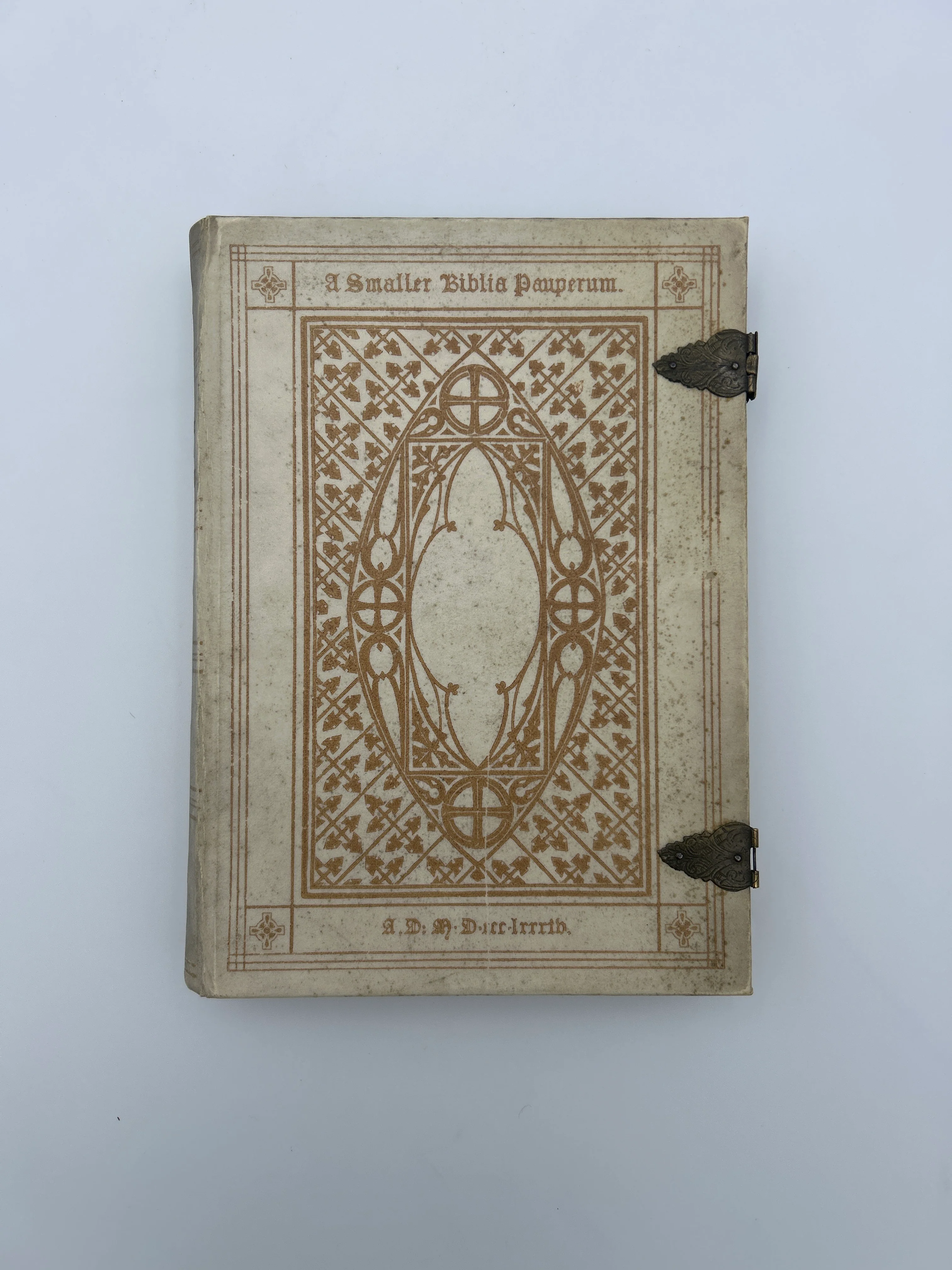
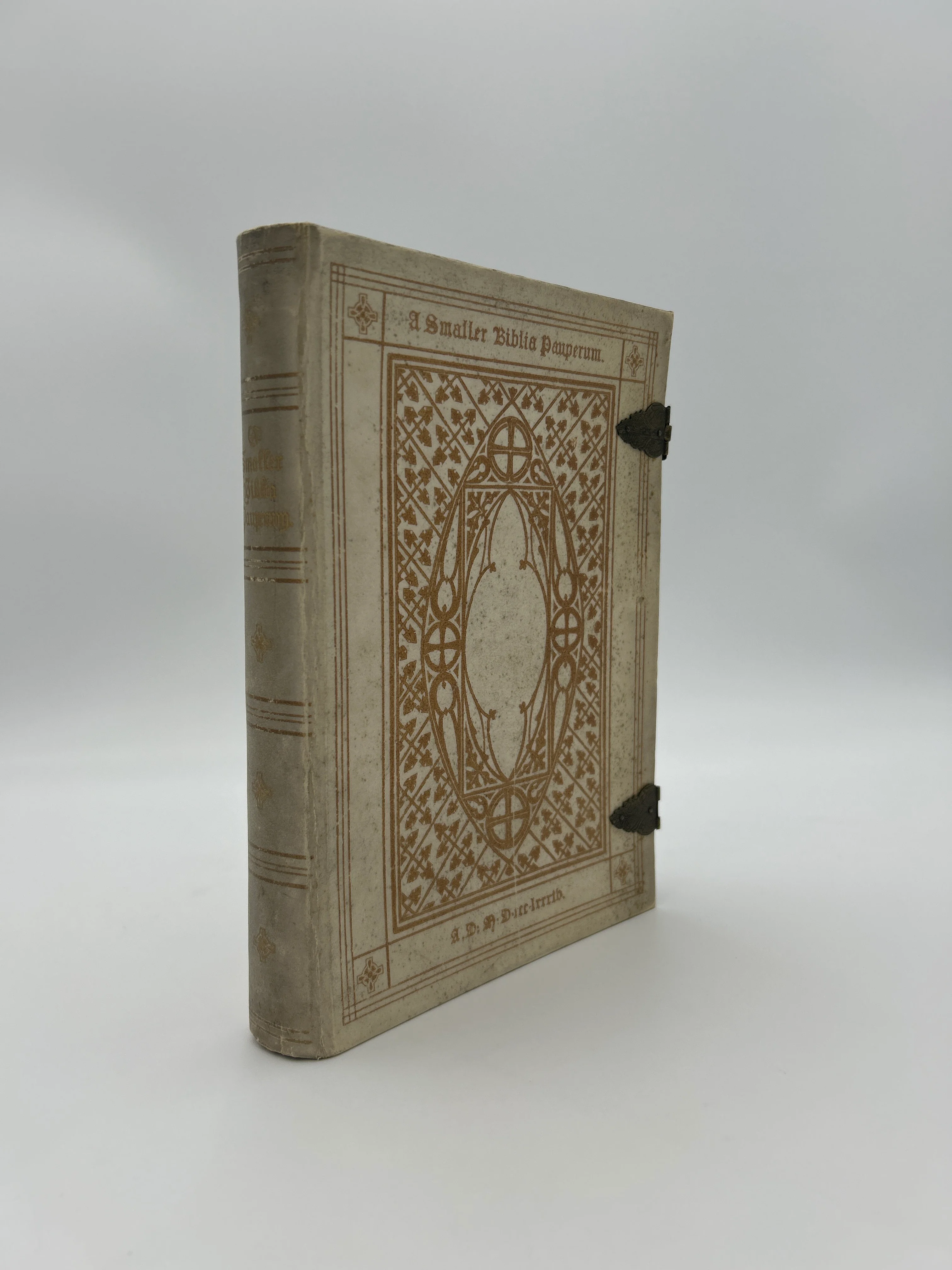
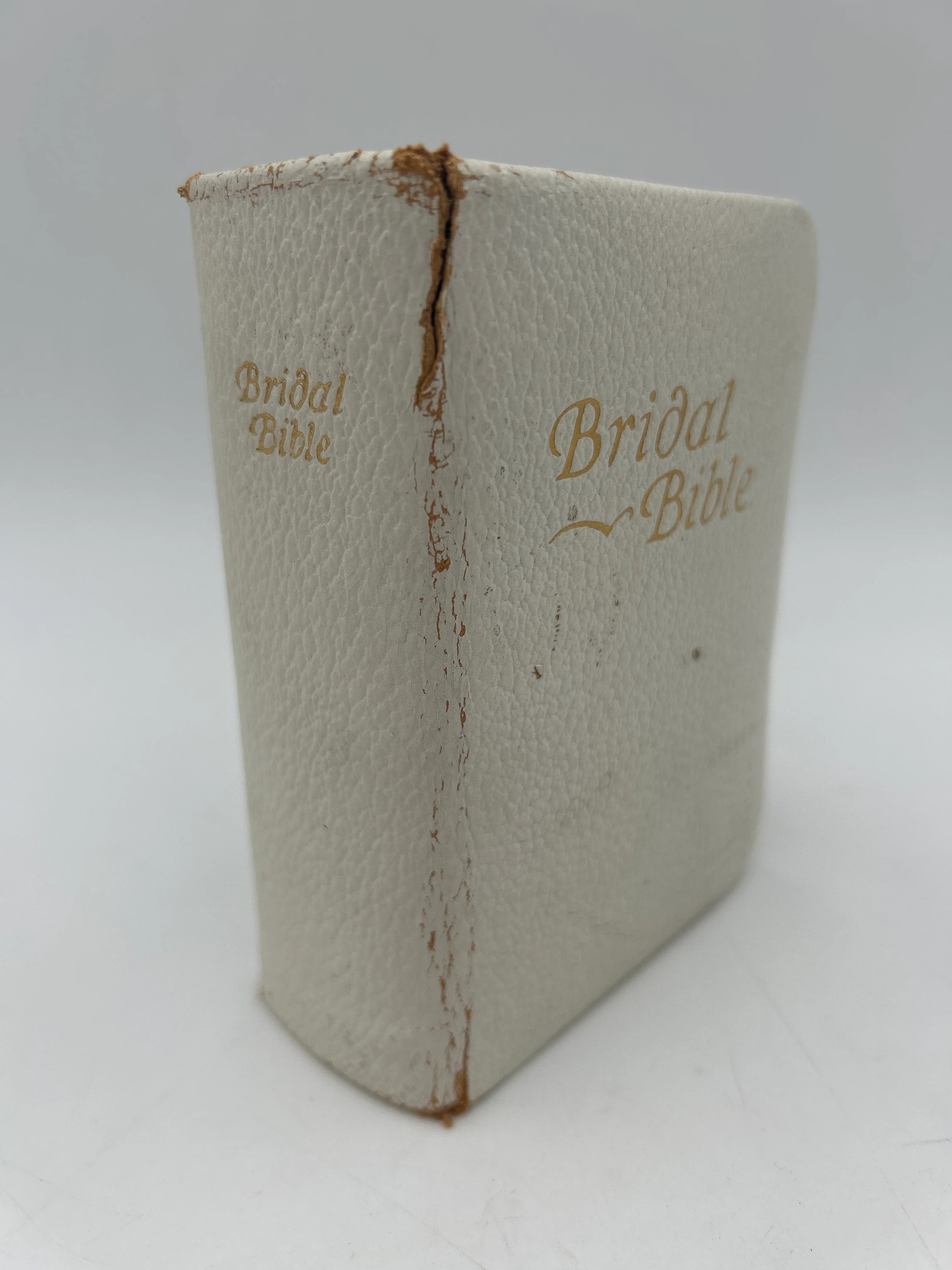
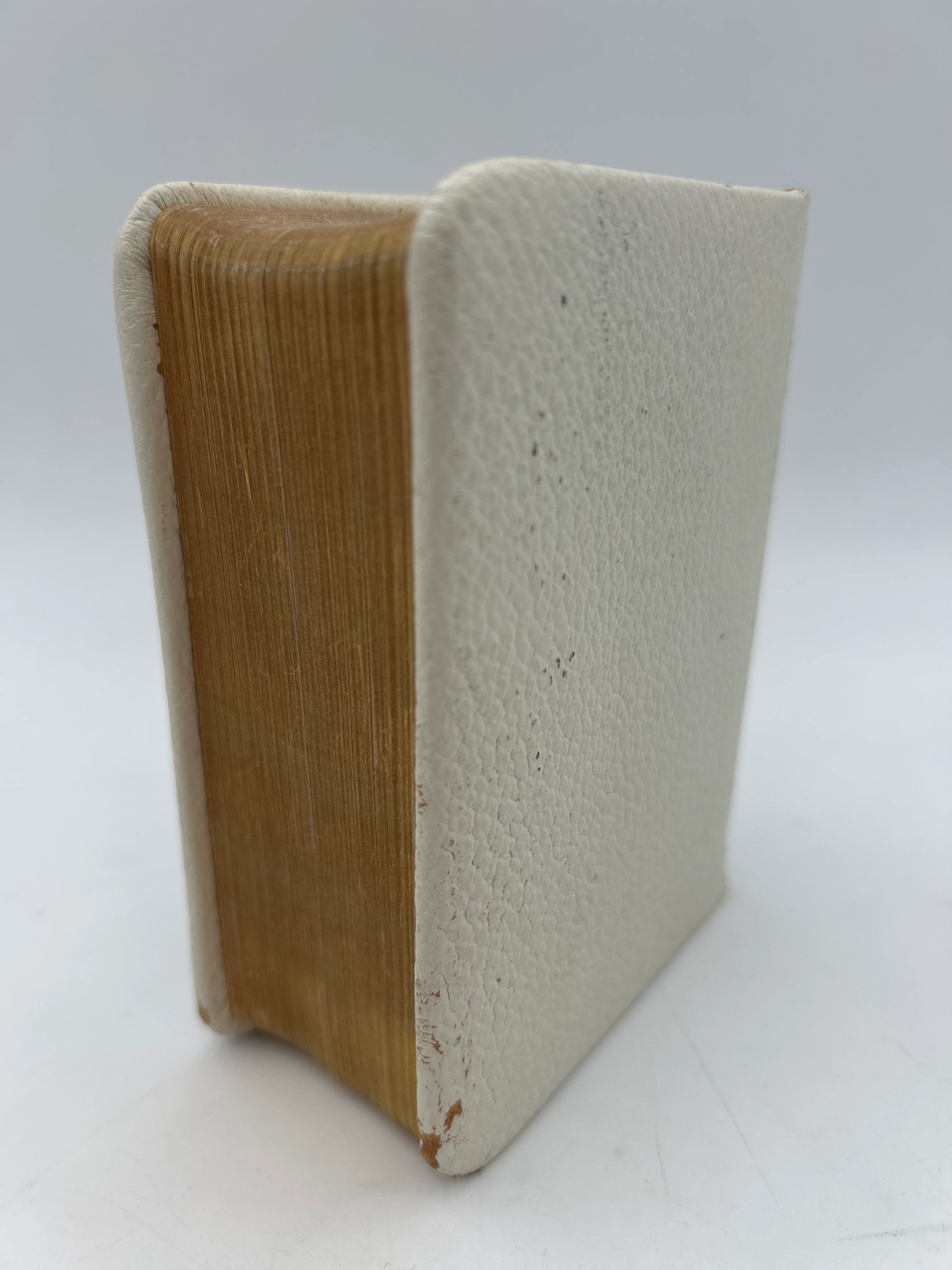
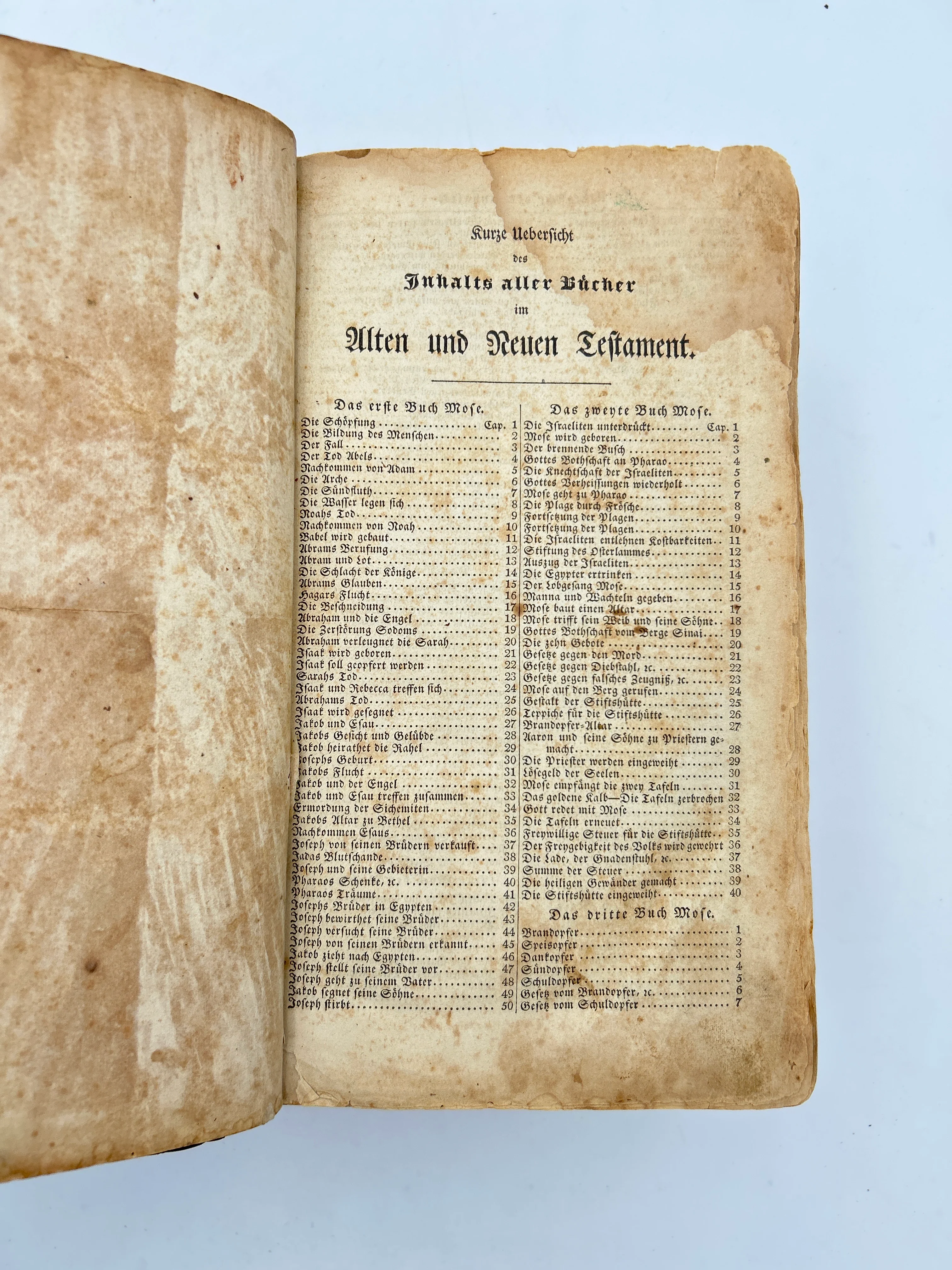
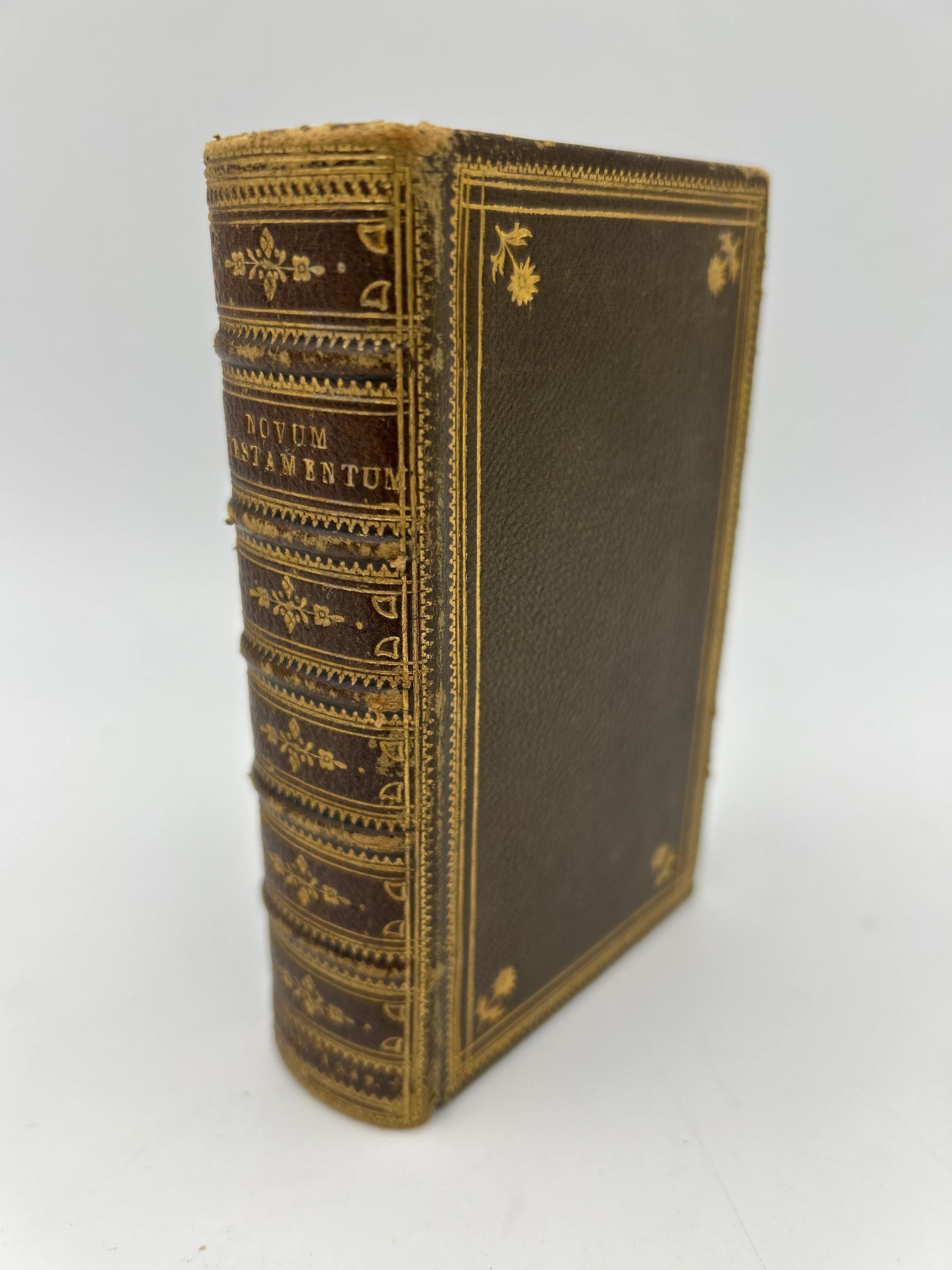
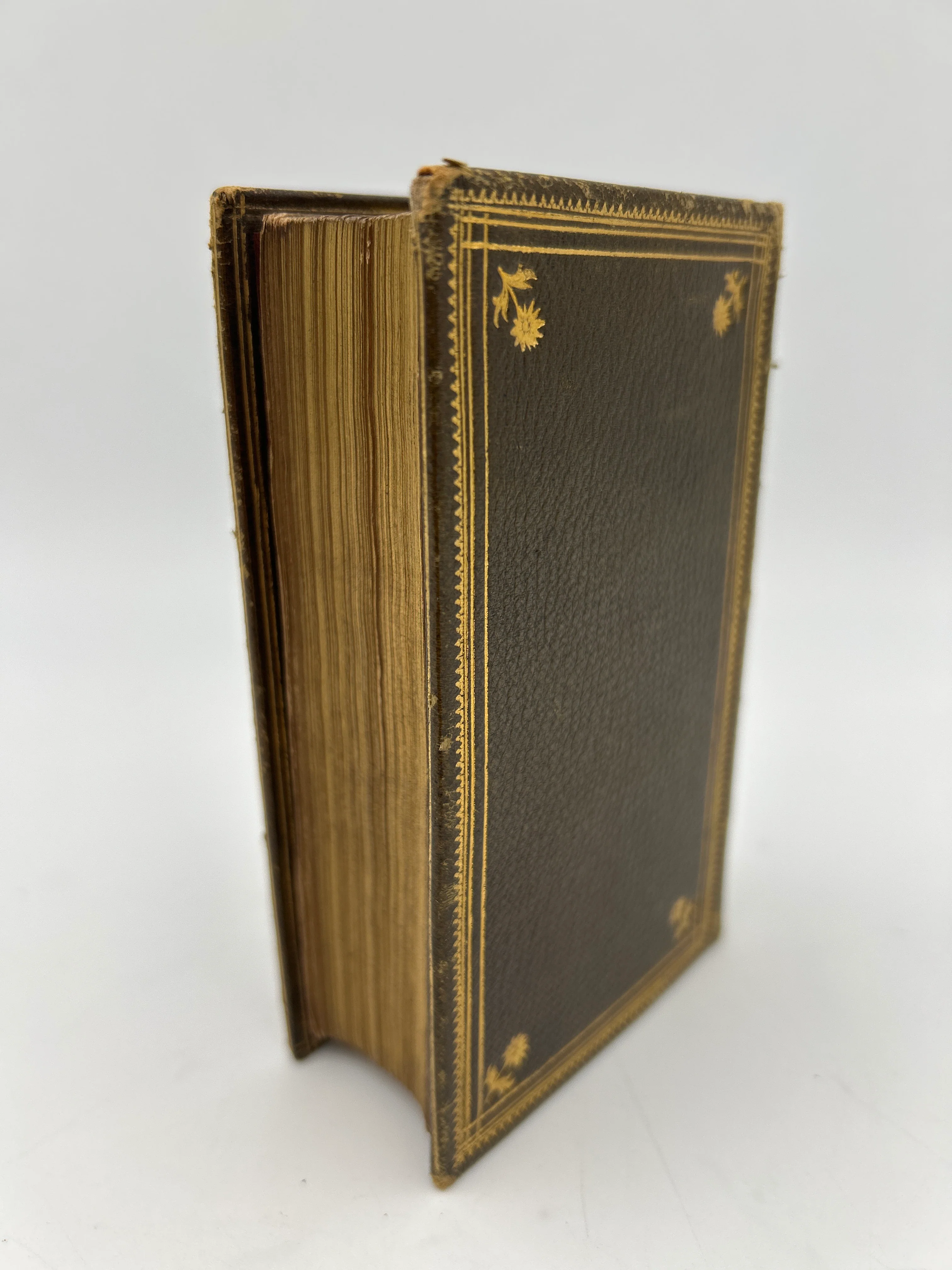
6W King James Version. London: Collin’s’ Clear-Type Press, ca. 1950. Souvenir copy from Jerusalem.
Notes
The history of the printing of the Bible is closely tied to the invention of the movable-type printing press in Europe. Before printing, Bibles were copied by hand, usually in Latin, making them rare, expensive, and accessible mainly to clergy and scholars. This changed dramatically around 1455 when Johannes Gutenberg printed the Gutenberg Bible in Mainz, Germany. It was the first major book produced using movable metal type and marked the beginning of mass-produced books in the West. Printing allowed the Bible to be reproduced more quickly, cheaply, and consistently, leading to wider distribution and literacy. Over time, Bibles were increasingly printed in vernacular languages rather than Latin, which helped spread religious ideas more broadly and played a major role in the religious, cultural, and intellectual transformations of early modern Europe.
Souvenir copies of the Bible sold in Jerusalem—especially from the late 19th century onward—often feature decorative bindings stamped with the word “Bethlehem,” even when the book itself was purchased or printed elsewhere. Bethlehem held (and still holds) immense symbolic importance as the traditional birthplace of Jesus, so its name carried strong devotional and emotional appeal for pilgrims. Many Christian pilgrims visiting the Holy Land wanted tangible objects that connected them directly to key biblical locations, and a Bible marked “Bethlehem” served as a powerful reminder of that sacred geography. These bindings were often made of leather, olivewood, mother-of-pearl, or embossed cloth, sometimes with crosses, nativity scenes, or inscriptions such as “Souvenir of the Holy Land.”
Description
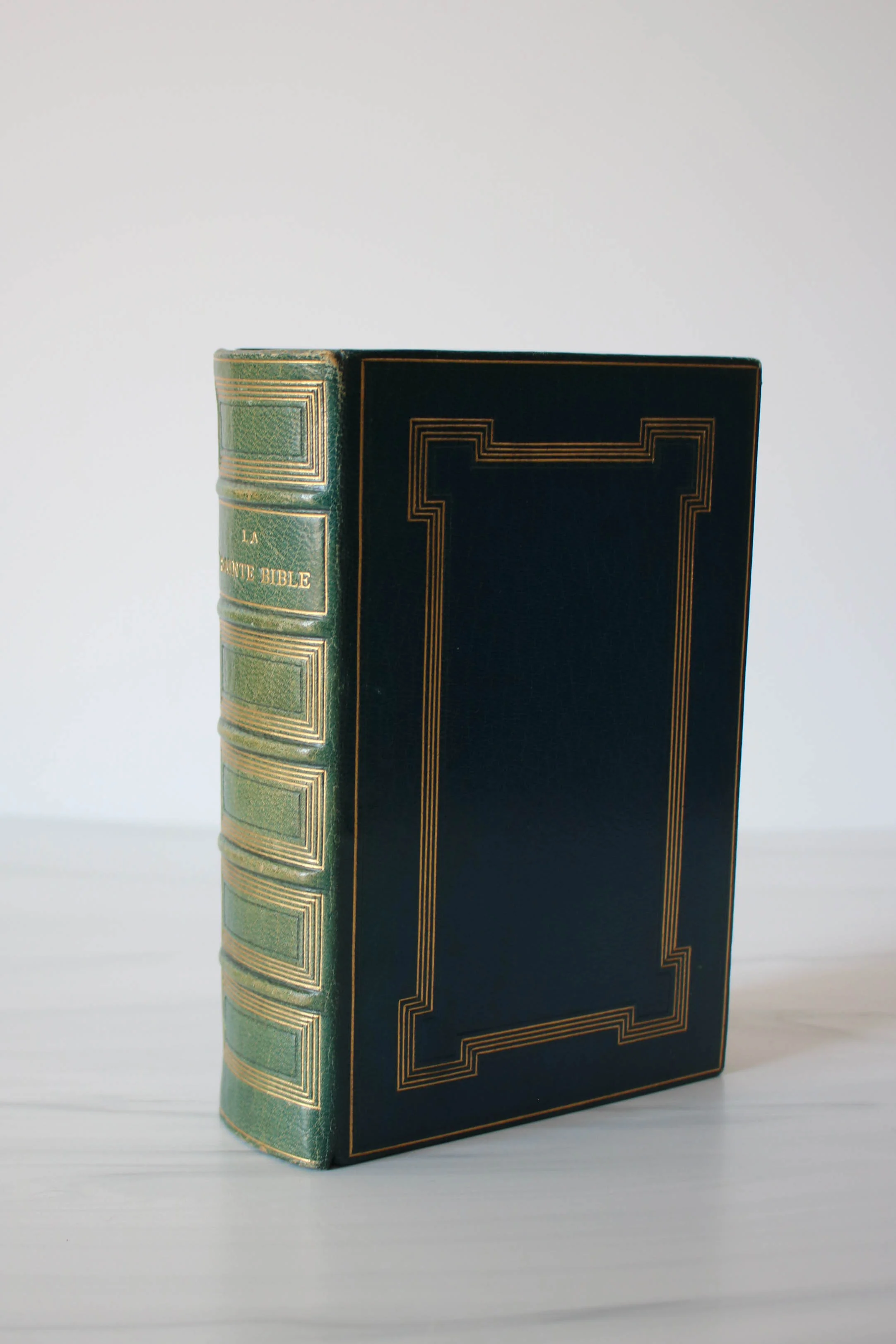
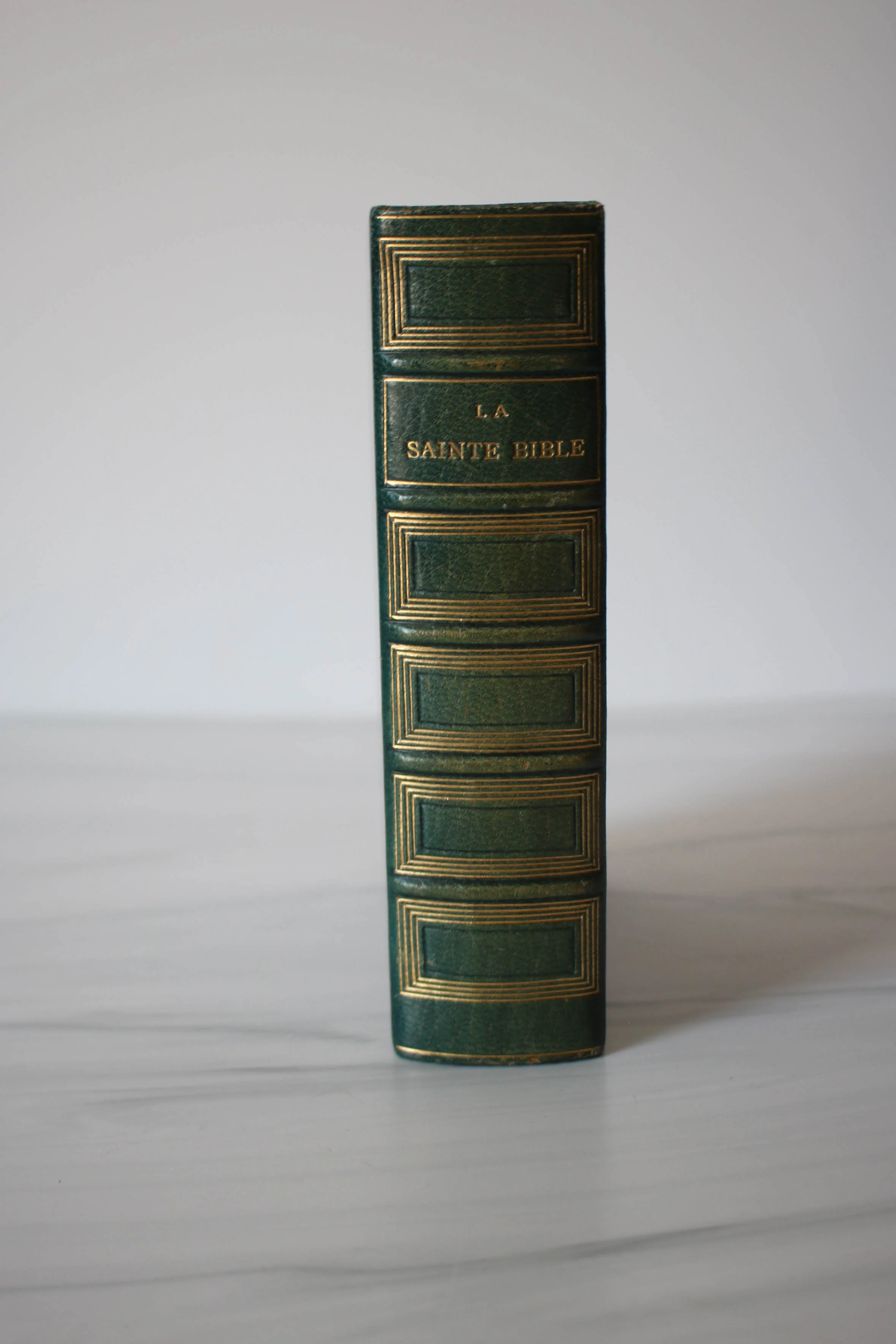
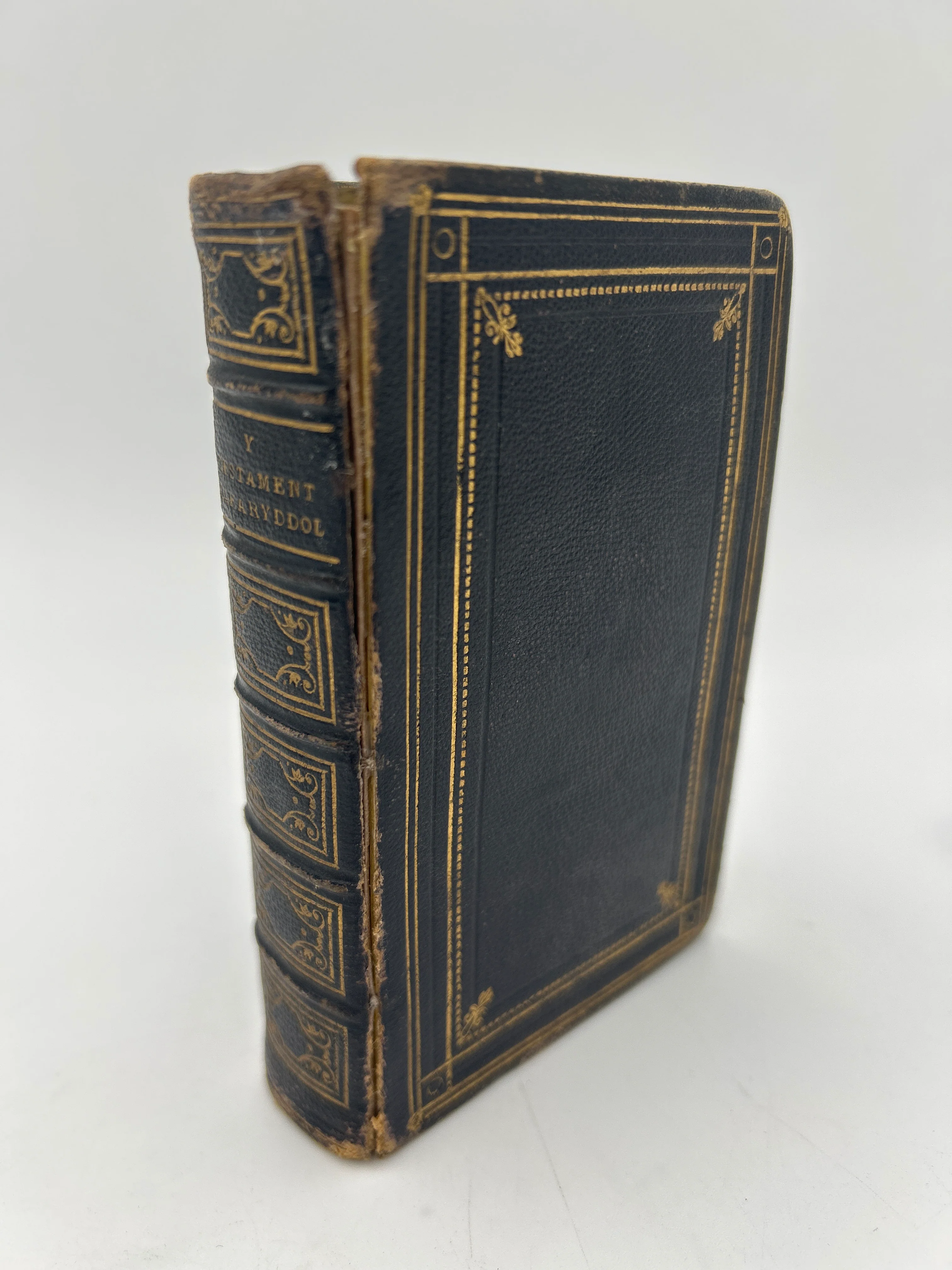
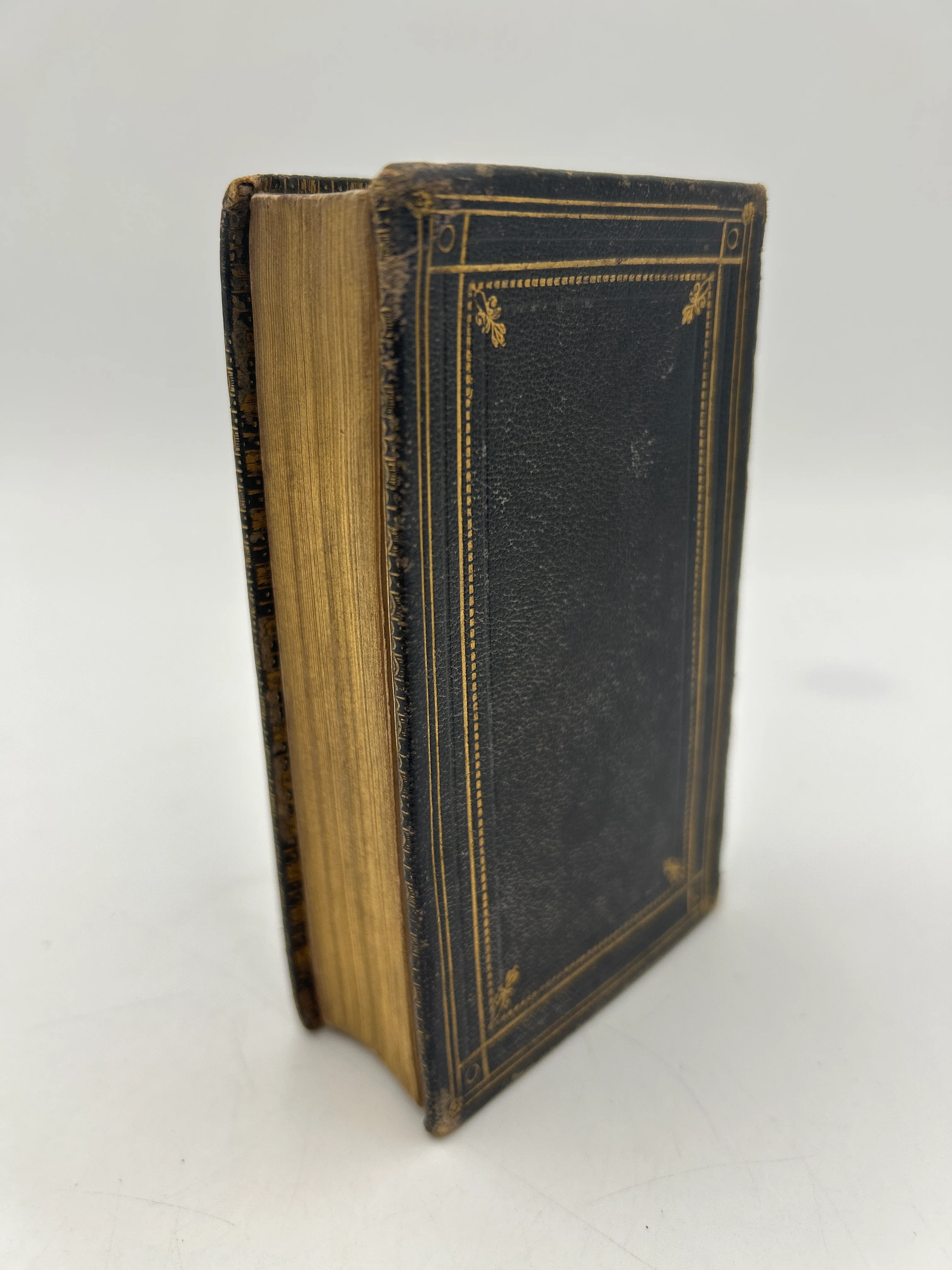
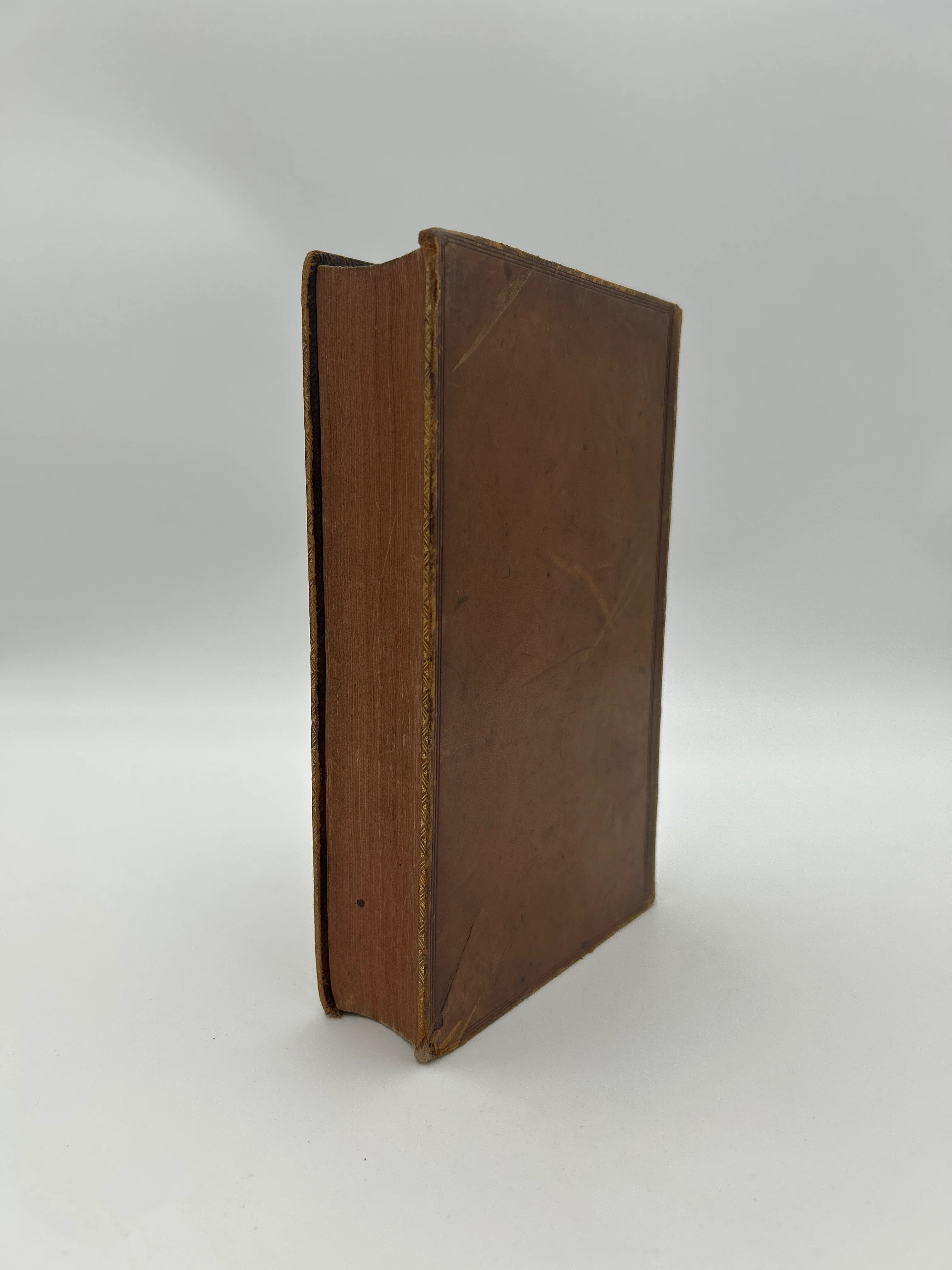
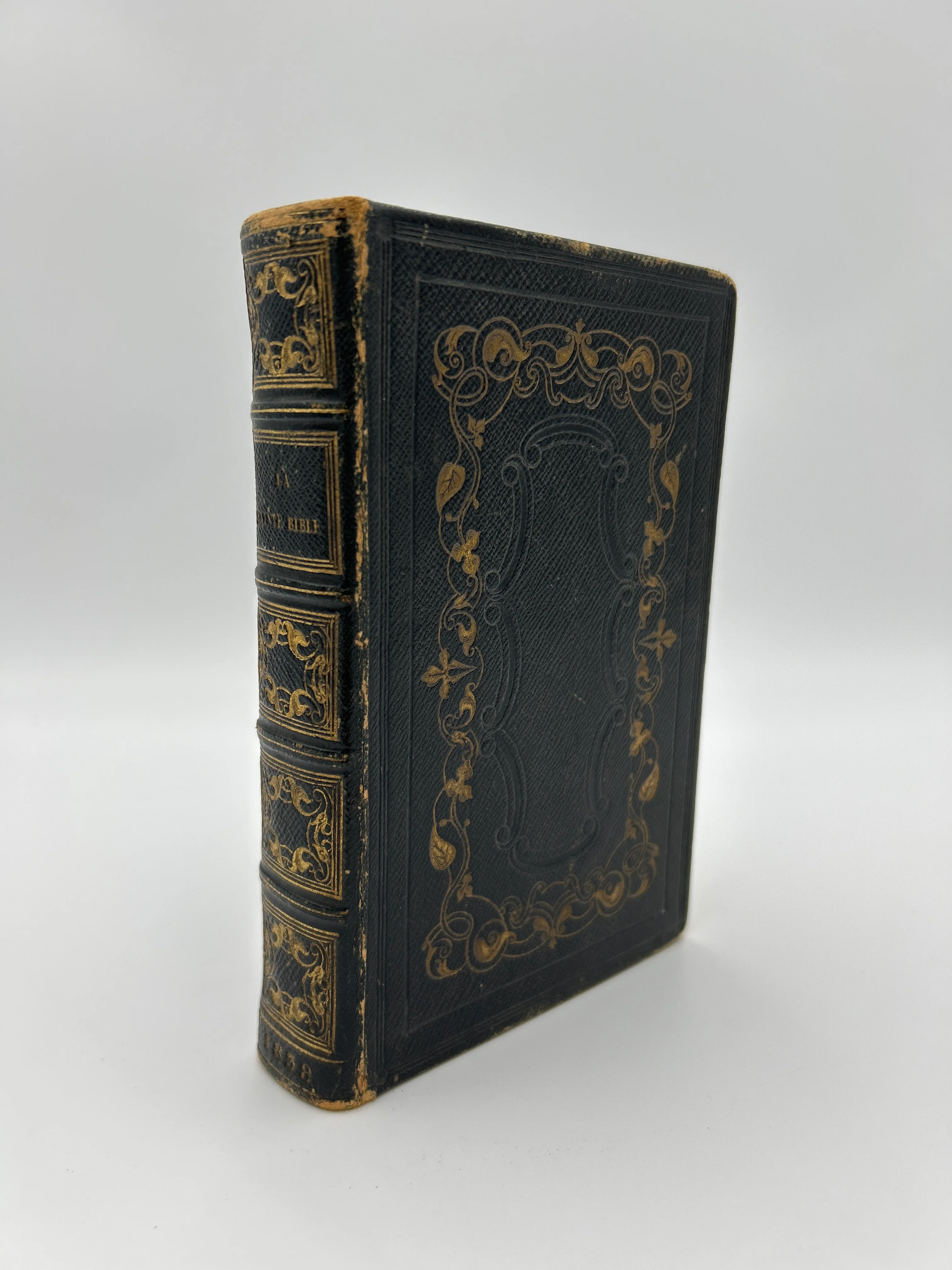
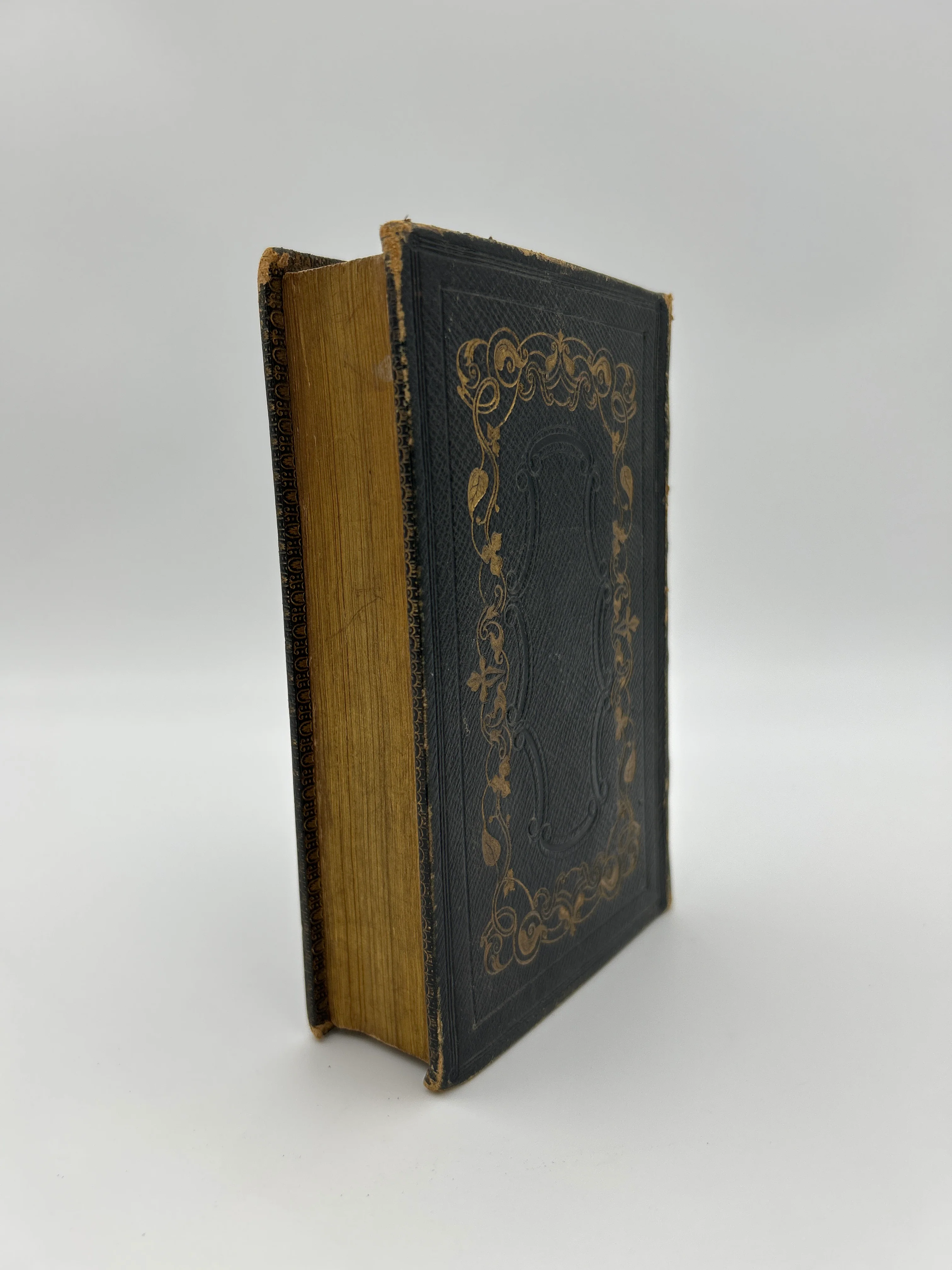
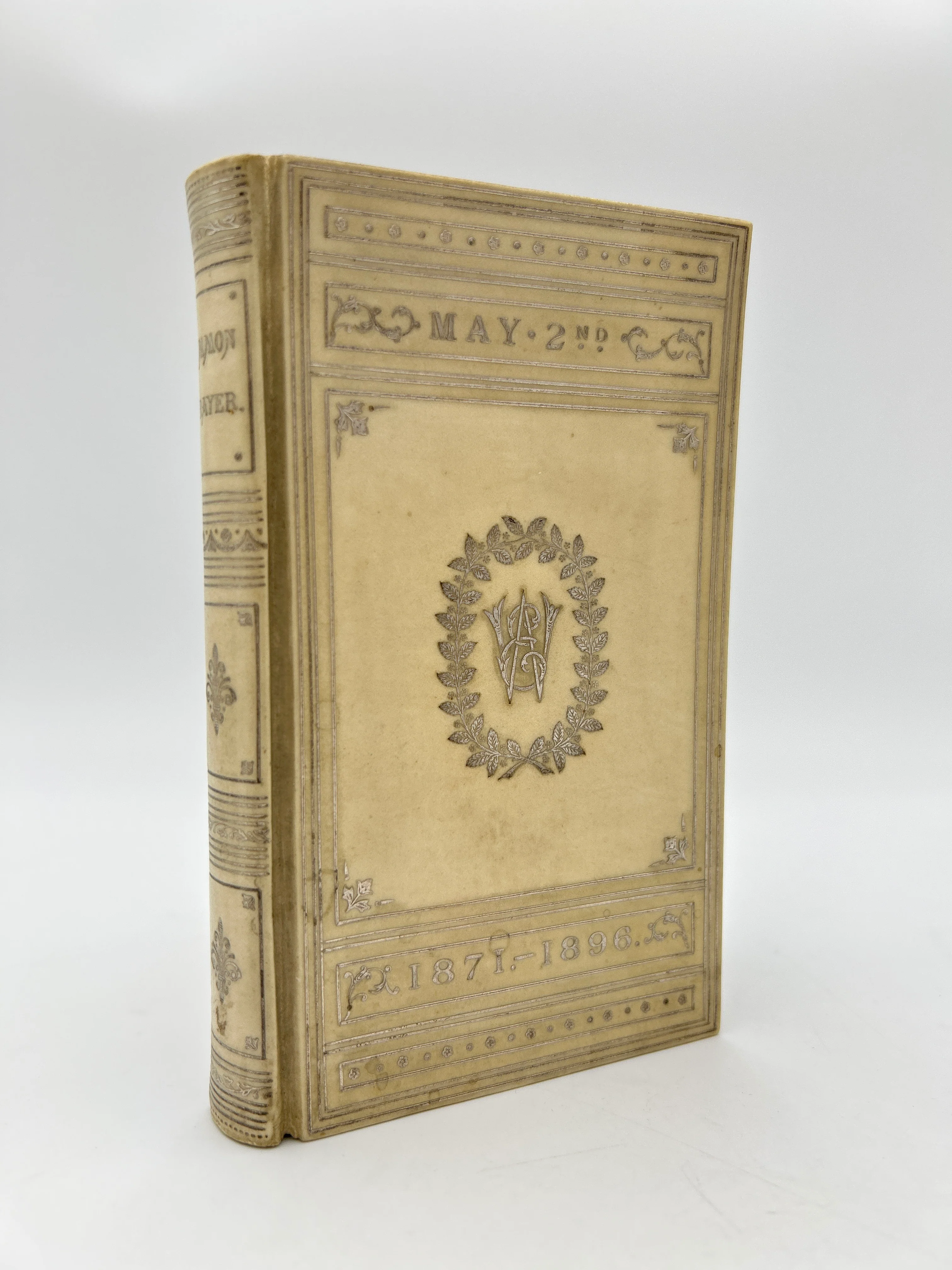
Wooden boards with crest carving on upper board and “Bethlehem” on lower. Red leather spine and gilt lettering. With color photographic pages throughout. With marriages, births, and deaths pages at beginning. New Testament is Red Letter Edition. Gilt edges.

Details & Craftsmanship
Every detail has been carefully considered to bring you the perfect product.

Details & Craftsmanship
Every detail has been carefully considered to bring you the perfect product.
Details & Craftsmanship
Every detail has been carefully considered to bring you the perfect product.
Details & Craftsmanship
Every detail has been carefully considered to bring you the perfect product.
Details & Craftsmanship
Every detail has been carefully considered to bring you the perfect product.
Description
6W King James Version. London: Collin’s’ Clear-Type Press, ca. 1950. Souvenir copy from Jerusalem.
Notes
The history of the printing of the Bible is closely tied to the invention of the movable-type printing press in Europe. Before printing, Bibles were copied by hand, usually in Latin, making them rare, expensive, and accessible mainly to clergy and scholars. This changed dramatically around 1455 when Johannes Gutenberg printed the Gutenberg Bible in Mainz, Germany. It was the first major book produced using movable metal type and marked the beginning of mass-produced books in the West. Printing allowed the Bible to be reproduced more quickly, cheaply, and consistently, leading to wider distribution and literacy. Over time, Bibles were increasingly printed in vernacular languages rather than Latin, which helped spread religious ideas more broadly and played a major role in the religious, cultural, and intellectual transformations of early modern Europe.
Souvenir copies of the Bible sold in Jerusalem—especially from the late 19th century onward—often feature decorative bindings stamped with the word “Bethlehem,” even when the book itself was purchased or printed elsewhere. Bethlehem held (and still holds) immense symbolic importance as the traditional birthplace of Jesus, so its name carried strong devotional and emotional appeal for pilgrims. Many Christian pilgrims visiting the Holy Land wanted tangible objects that connected them directly to key biblical locations, and a Bible marked “Bethlehem” served as a powerful reminder of that sacred geography. These bindings were often made of leather, olivewood, mother-of-pearl, or embossed cloth, sometimes with crosses, nativity scenes, or inscriptions such as “Souvenir of the Holy Land.”
Description
Wooden boards with crest carving on upper board and “Bethlehem” on lower. Red leather spine and gilt lettering. With color photographic pages throughout. With marriages, births, and deaths pages at beginning. New Testament is Red Letter Edition. Gilt edges.