Original: $2,950.00
-65%$2,950.00
$1,032.50The Story
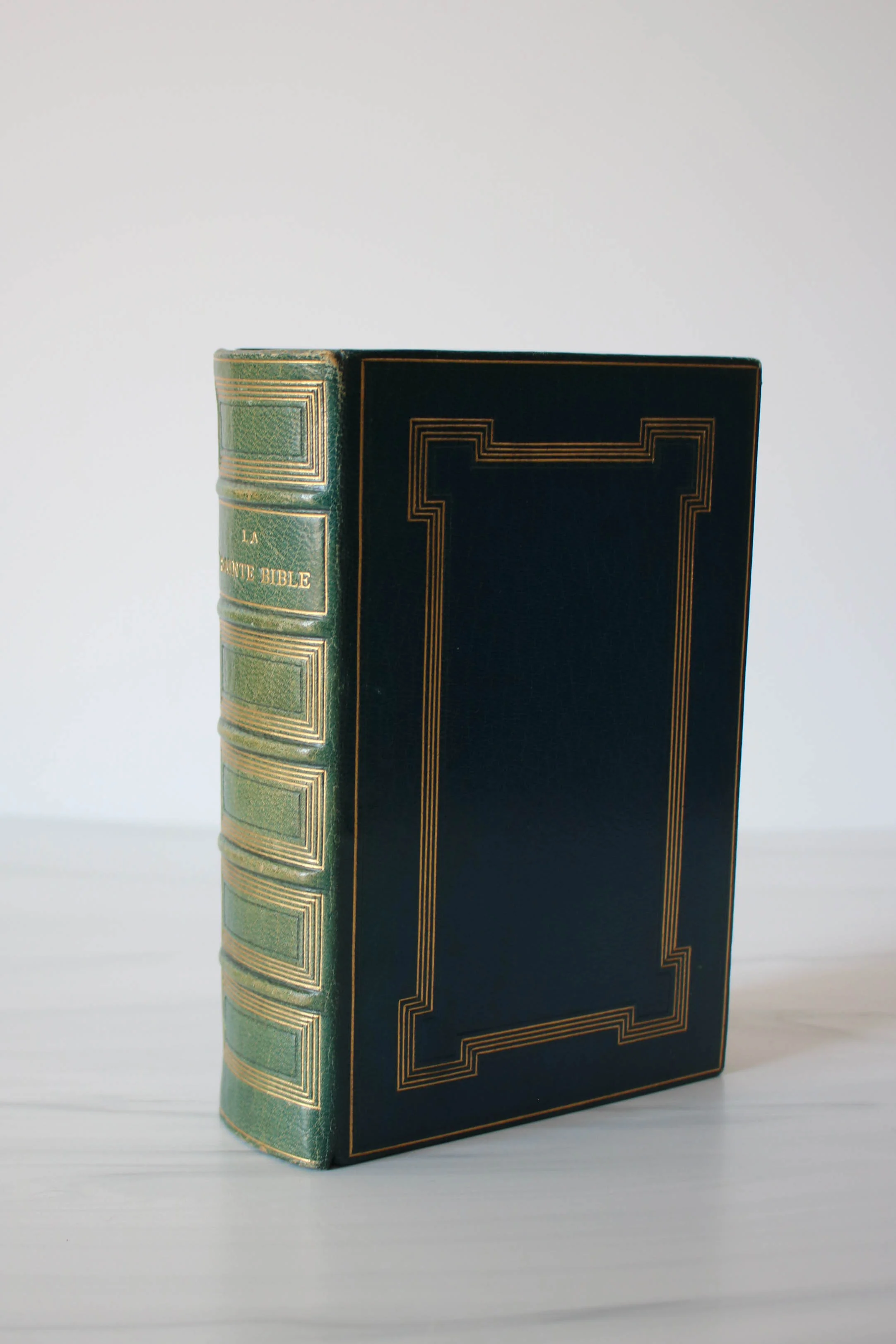
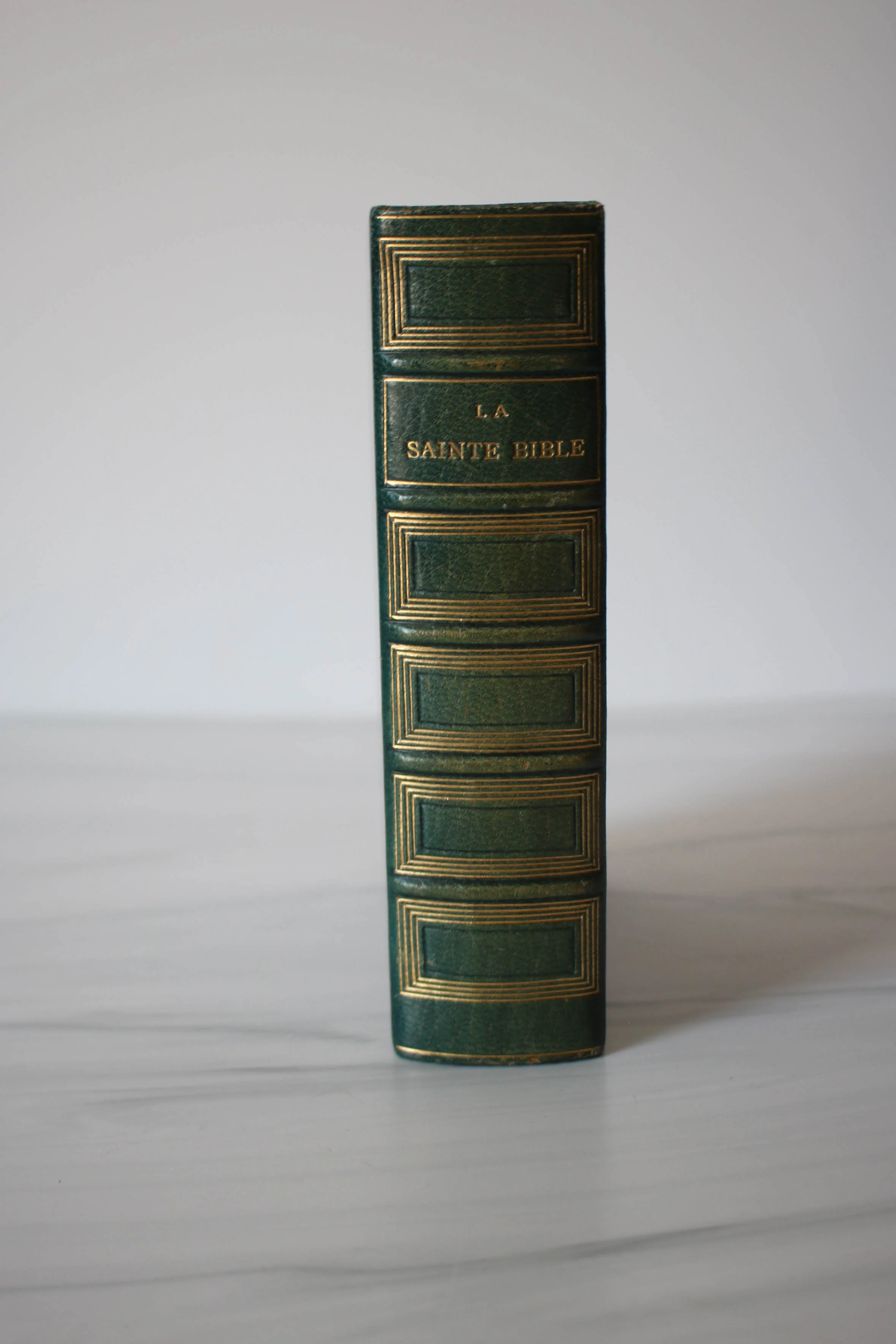
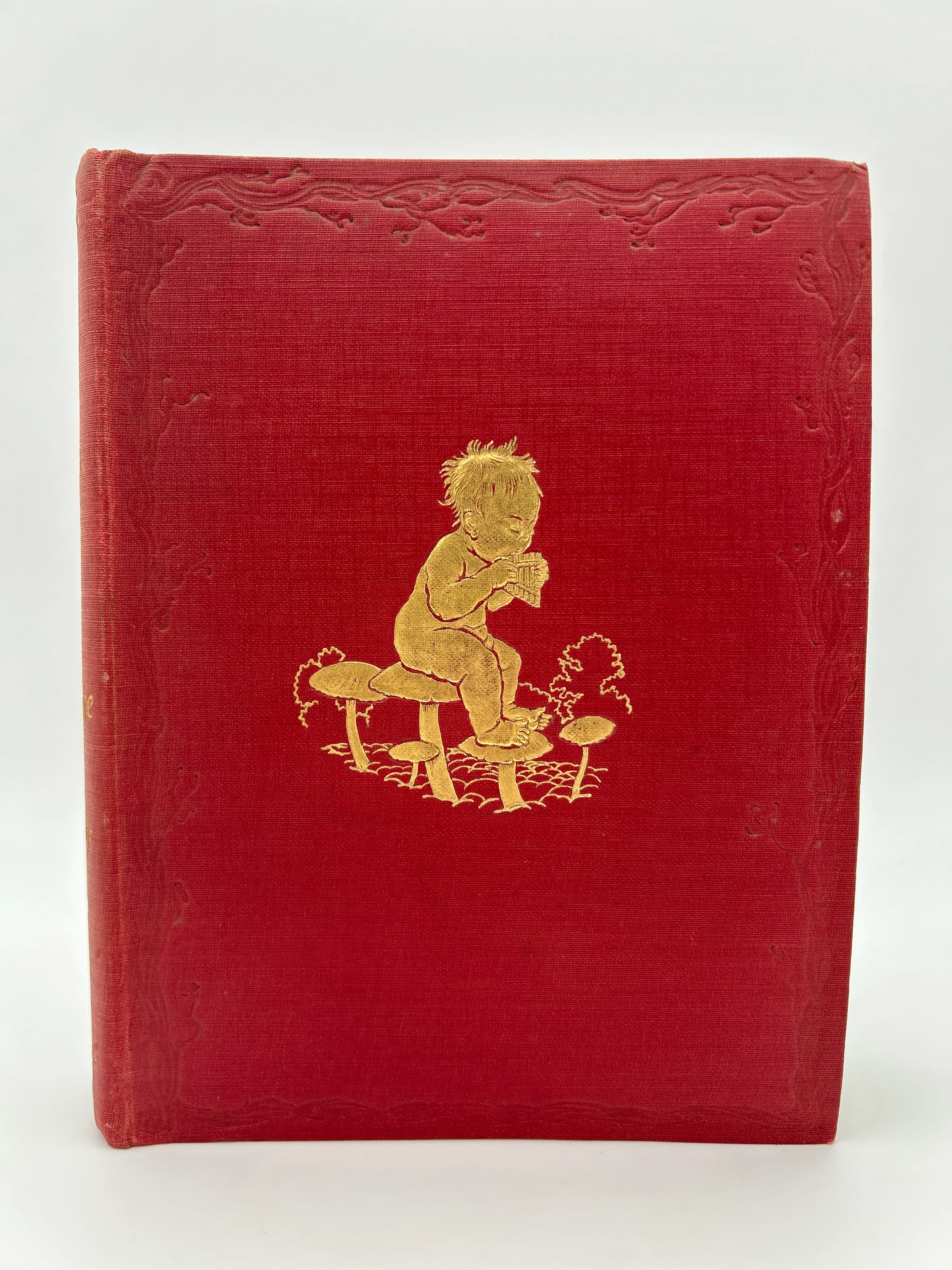
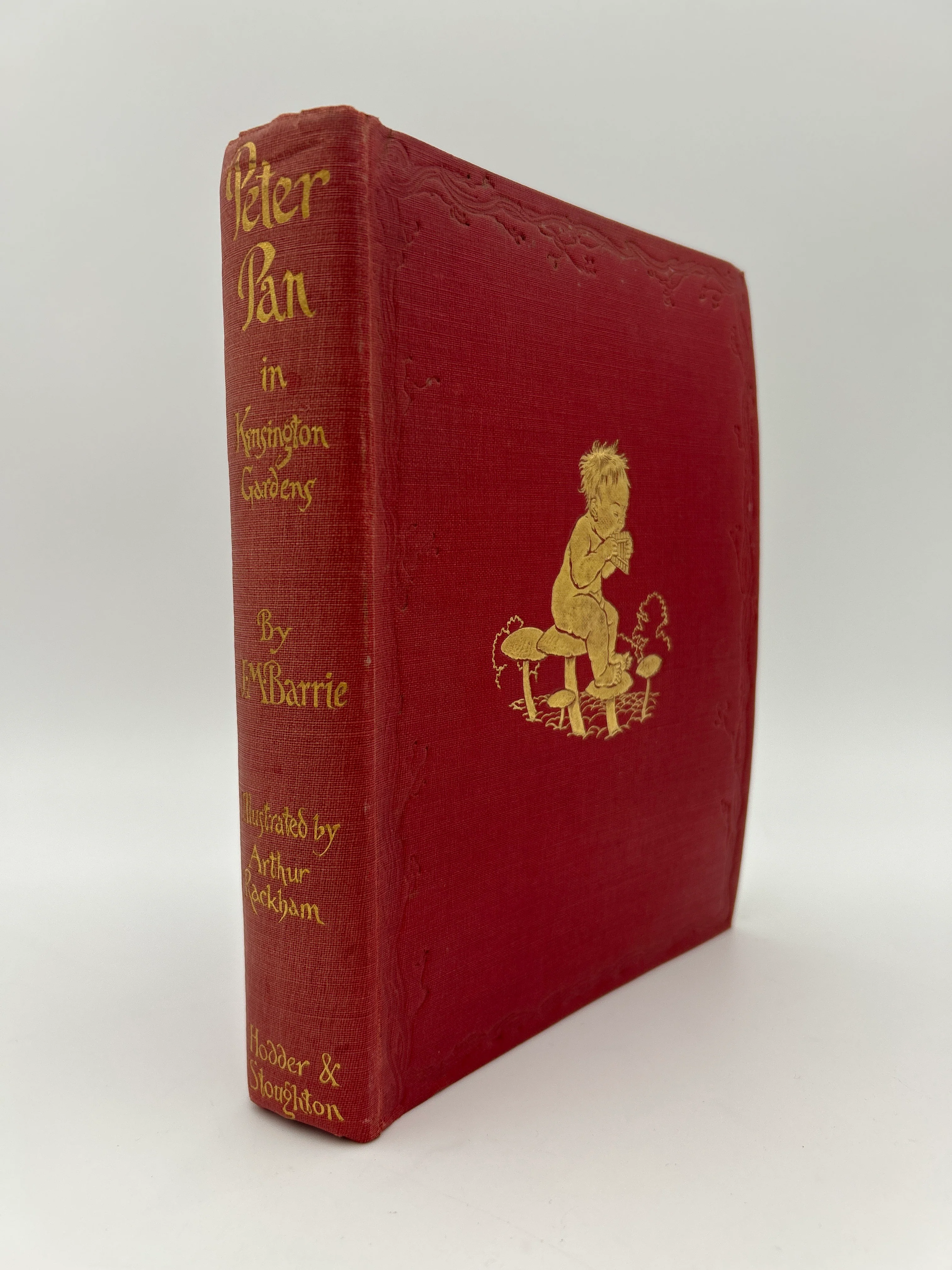
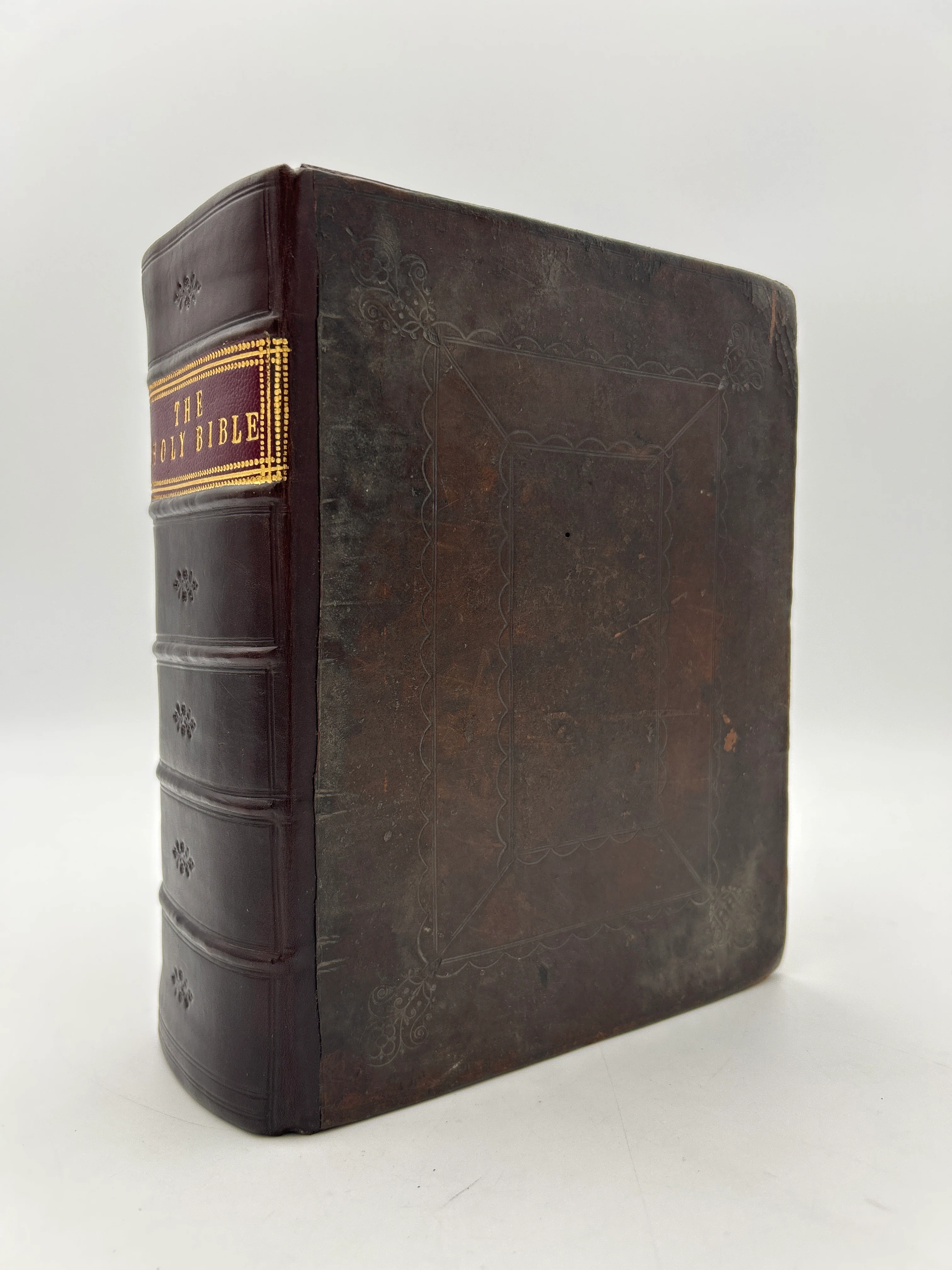
6B King James Bible with Genealogies. London: Bingham Norton, 1637.
Notes
The history of the Bible spans more than a millennium of composition, transmission, translation, and interpretation. Its texts were written over many centuries in Hebrew, Aramaic, and Greek, preserved through manuscript copying in Jewish and Christian communities, and later transformed by translation and printing. As Christianity spread across the Roman world and medieval Europe, the need for a common authoritative text became central to theology, education, and worship, leading to the dominance of a Latin Bible in the Western Church.
Bibles printed in the 17th century reflect both religious consolidation and ongoing conflict, particularly in England and Europe. This period includes the publication of the King James Version in 1611, which became the dominant English Bible due to its literary quality and royal authorization. Seventeenth-century Bibles were often large, expensive volumes, sometimes richly bound, though smaller formats for private reading became more common as printing costs fell. Printers carefully controlled text accuracy, yet errors still occurred—some becoming famous, such as the so-called “Wicked Bible” of 1631—making 1600s Bibles important artifacts for studying religion, politics, and the history of the book.
Description
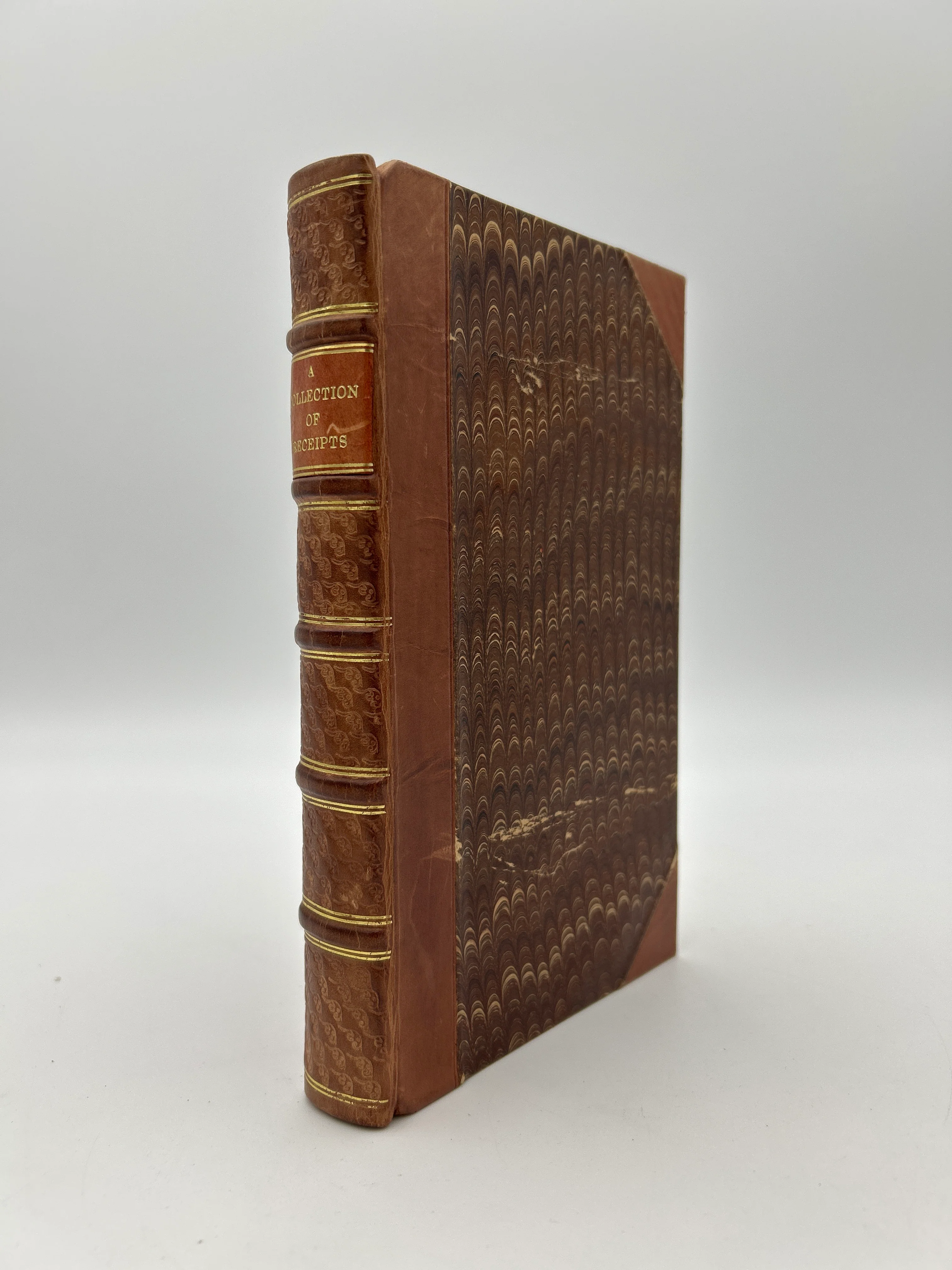
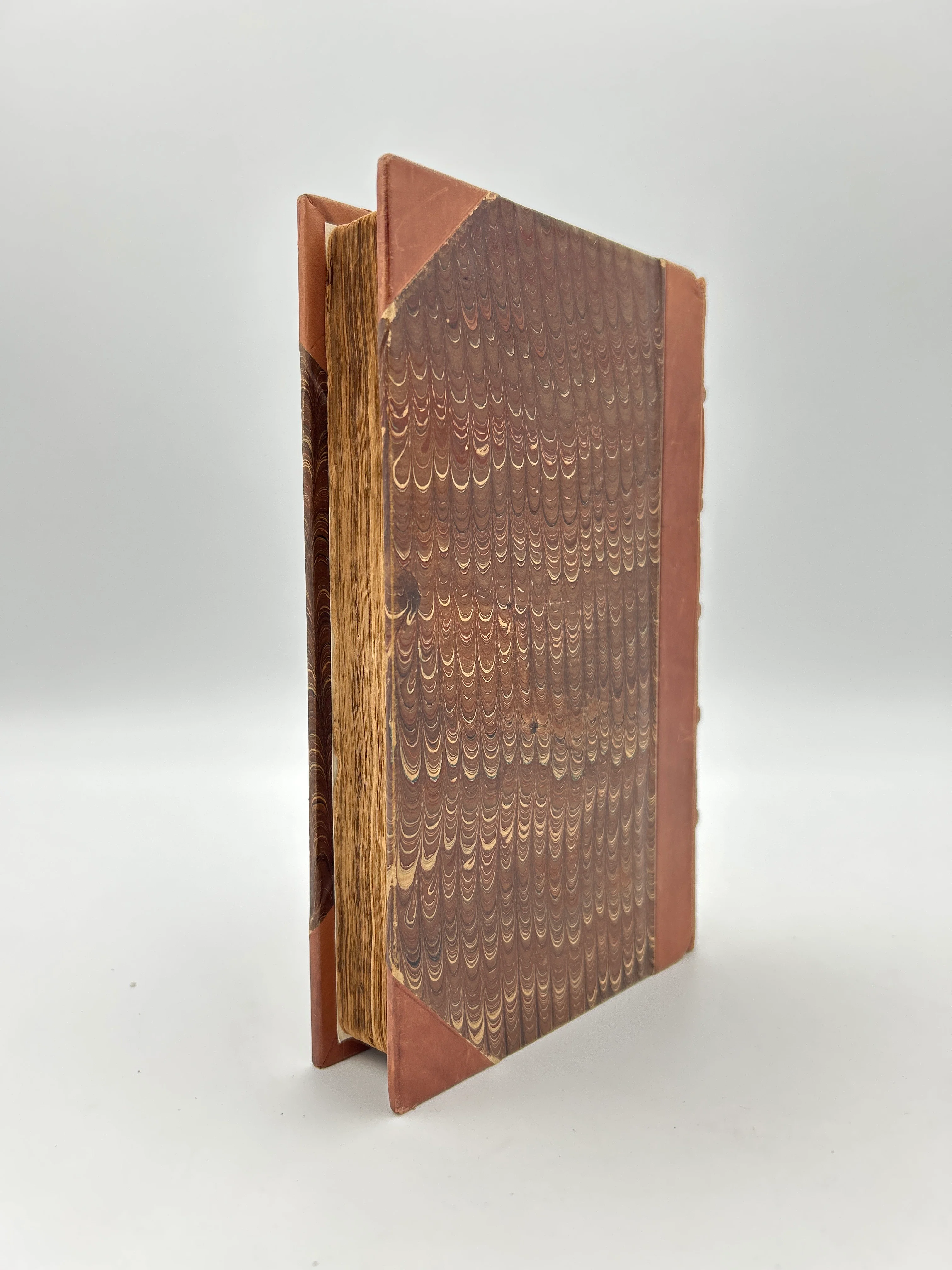
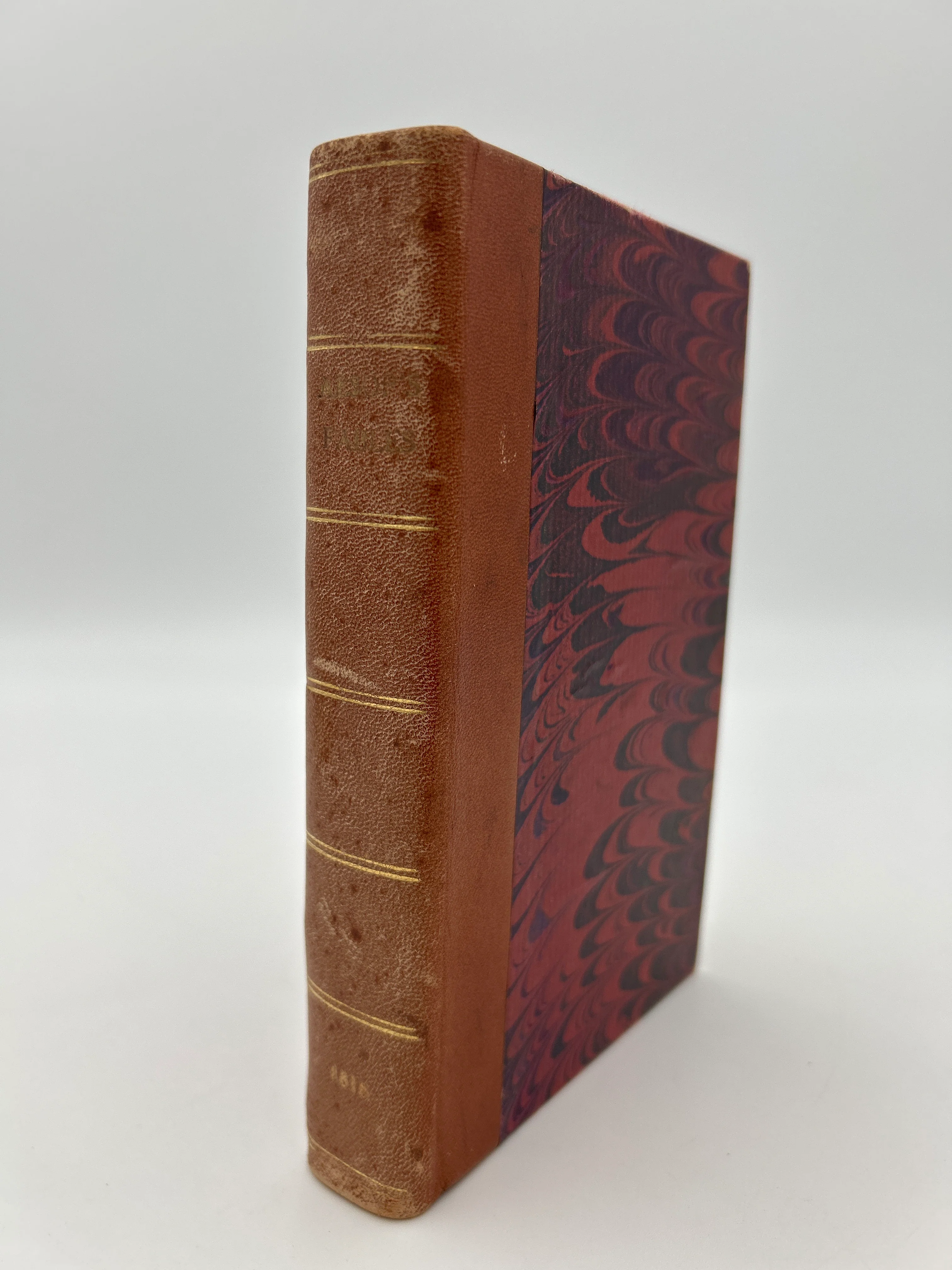
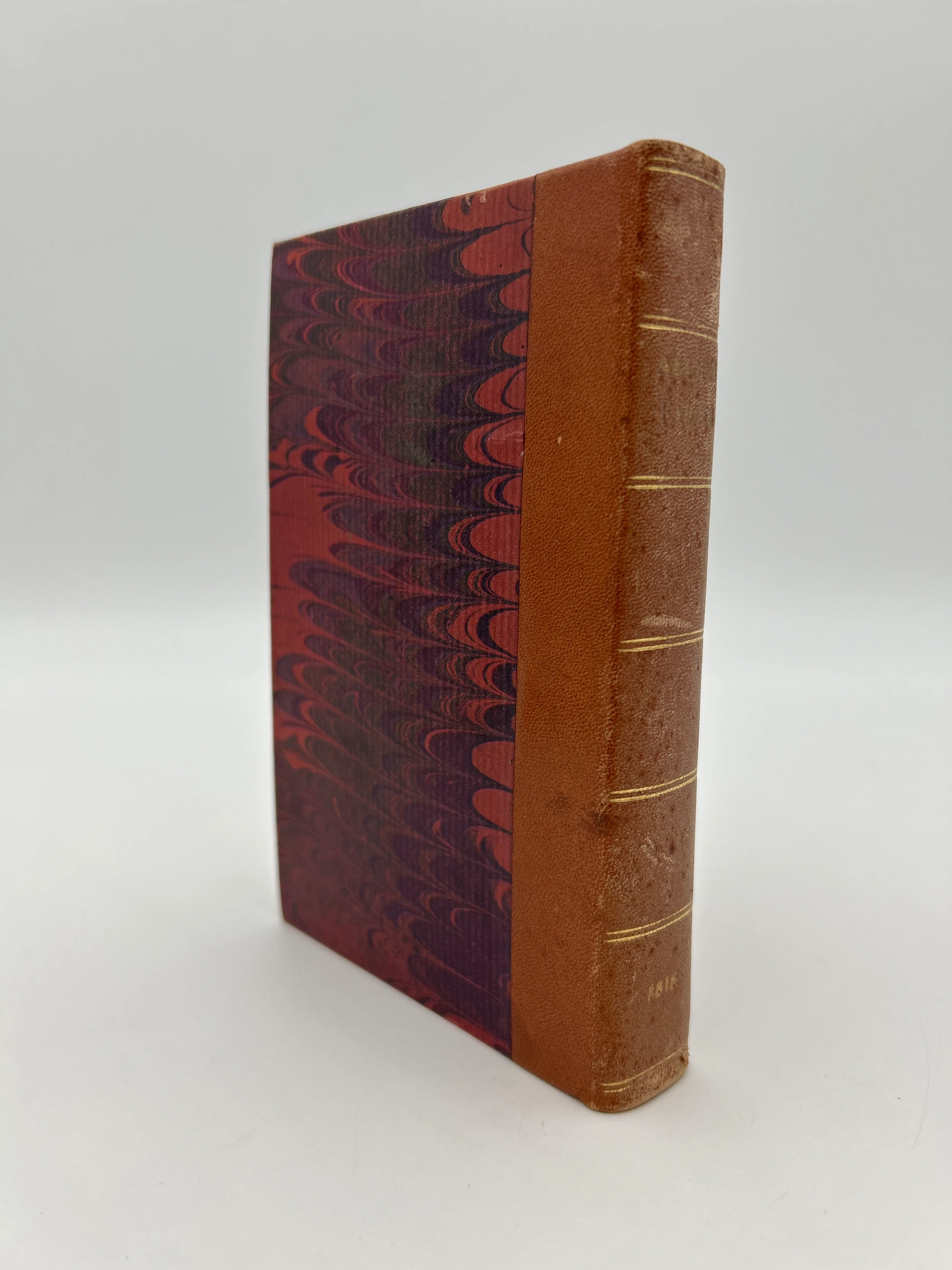
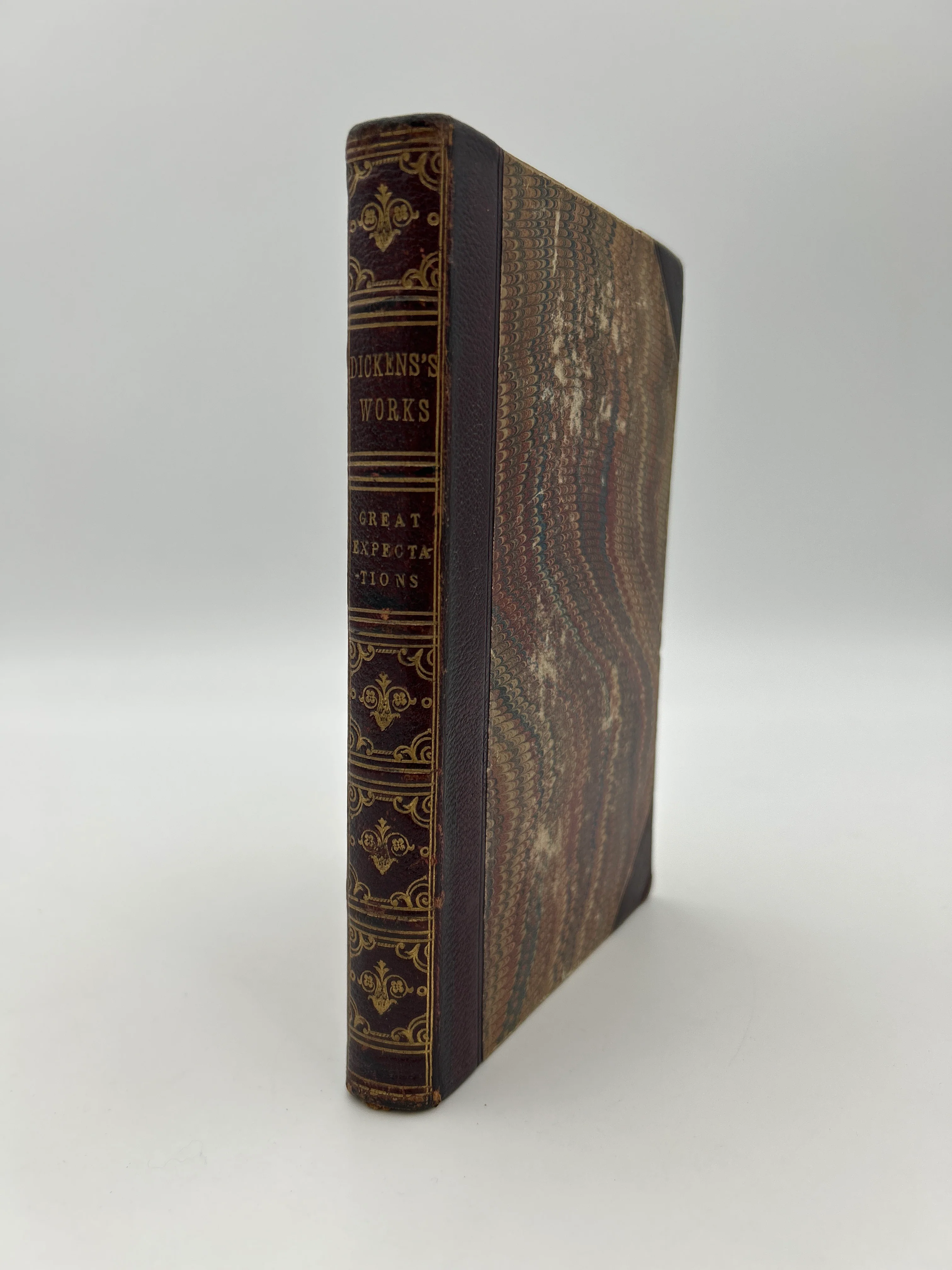
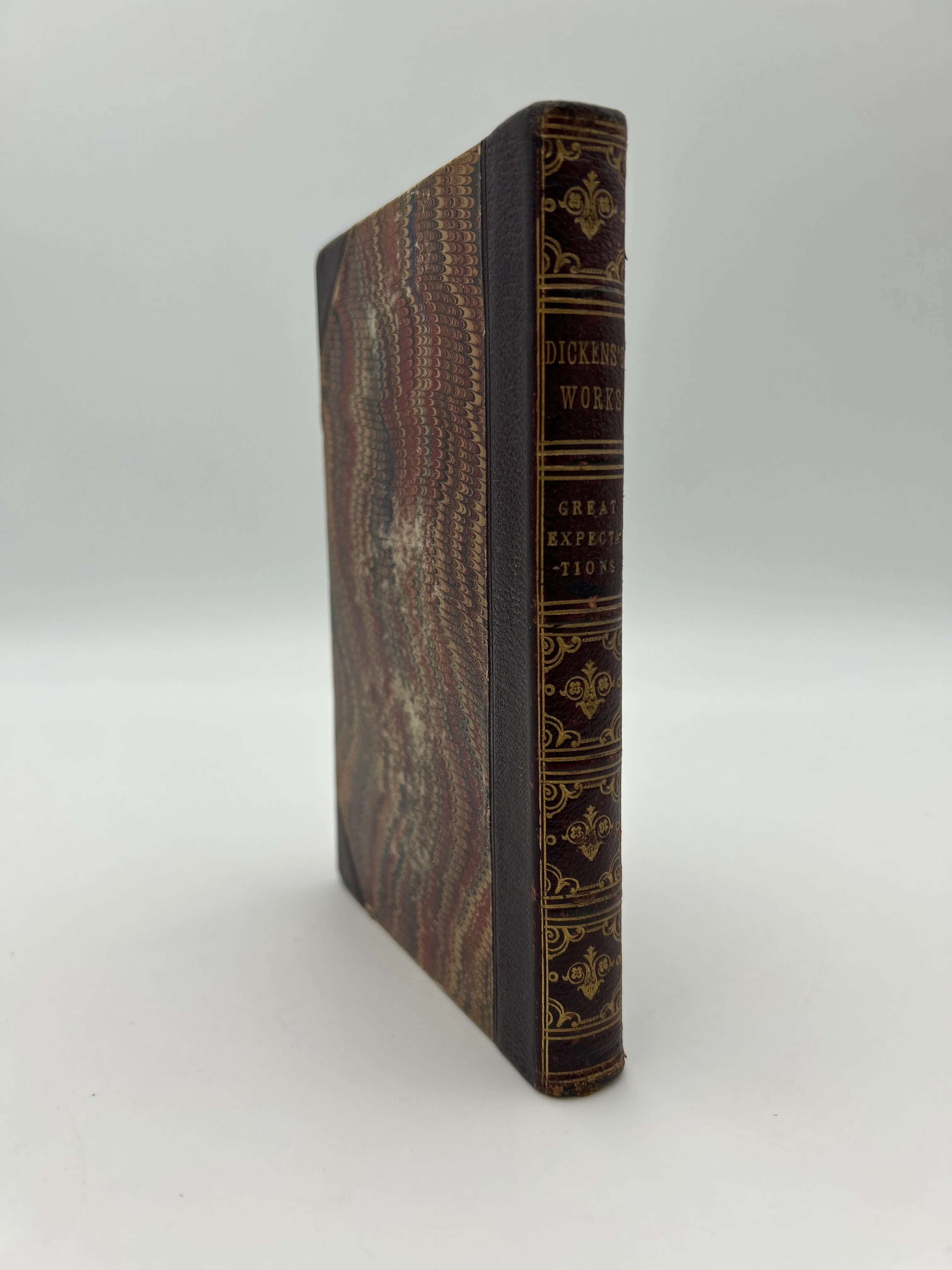
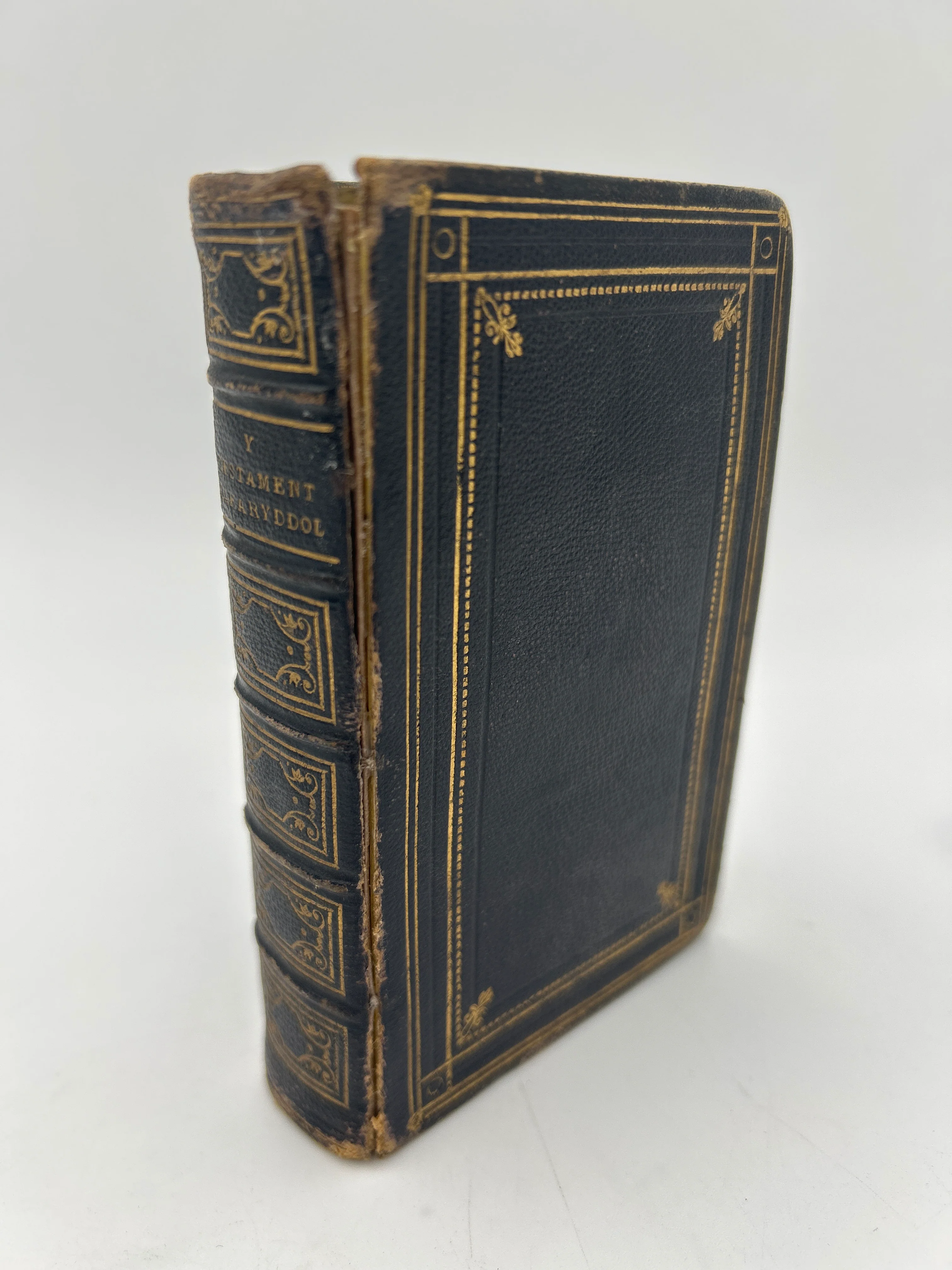
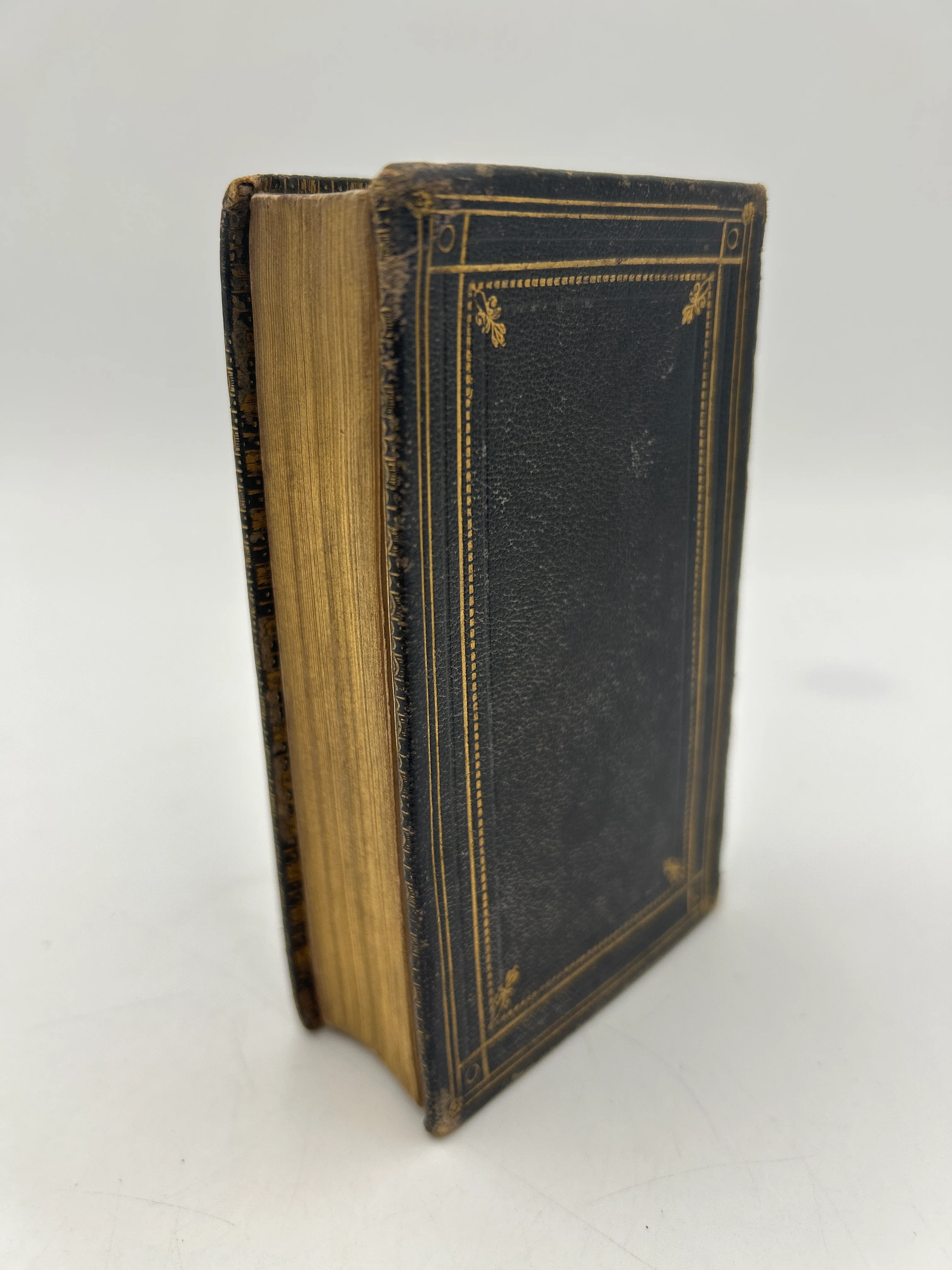
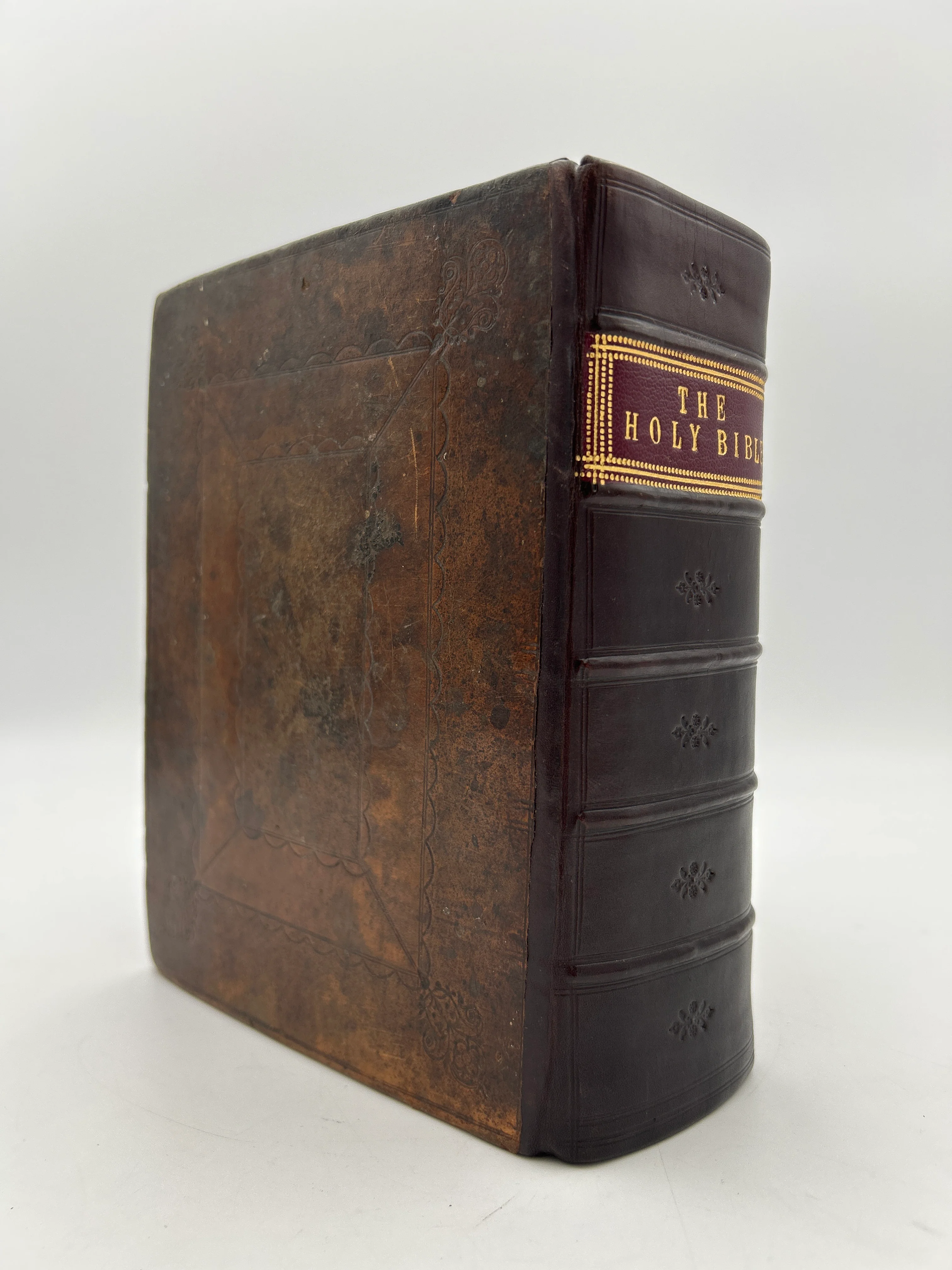
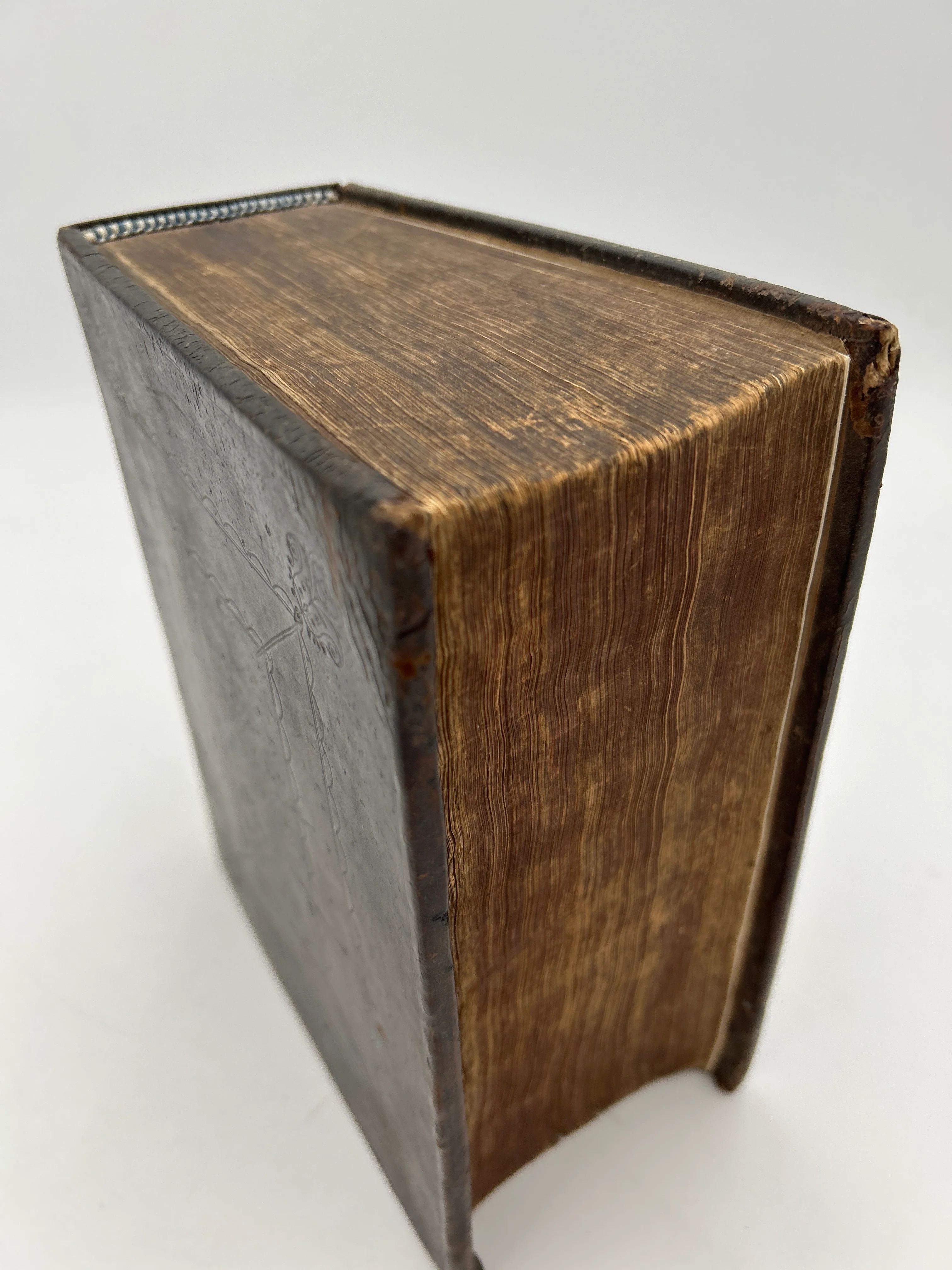
Dark brown boards with rebacked spine. Bumped corners. Faded edges. slight browning to pages. Woodblock illustrated title pages. Fine condition.
Details & Craftsmanship
Every detail has been carefully considered to bring you the perfect product.
Details & Craftsmanship
Every detail has been carefully considered to bring you the perfect product.
Description
6B King James Bible with Genealogies. London: Bingham Norton, 1637.
Notes
The history of the Bible spans more than a millennium of composition, transmission, translation, and interpretation. Its texts were written over many centuries in Hebrew, Aramaic, and Greek, preserved through manuscript copying in Jewish and Christian communities, and later transformed by translation and printing. As Christianity spread across the Roman world and medieval Europe, the need for a common authoritative text became central to theology, education, and worship, leading to the dominance of a Latin Bible in the Western Church.
Bibles printed in the 17th century reflect both religious consolidation and ongoing conflict, particularly in England and Europe. This period includes the publication of the King James Version in 1611, which became the dominant English Bible due to its literary quality and royal authorization. Seventeenth-century Bibles were often large, expensive volumes, sometimes richly bound, though smaller formats for private reading became more common as printing costs fell. Printers carefully controlled text accuracy, yet errors still occurred—some becoming famous, such as the so-called “Wicked Bible” of 1631—making 1600s Bibles important artifacts for studying religion, politics, and the history of the book.
Description
Dark brown boards with rebacked spine. Bumped corners. Faded edges. slight browning to pages. Woodblock illustrated title pages. Fine condition.