Original: $4,250.00
-65%$4,250.00
$1,487.50The Story
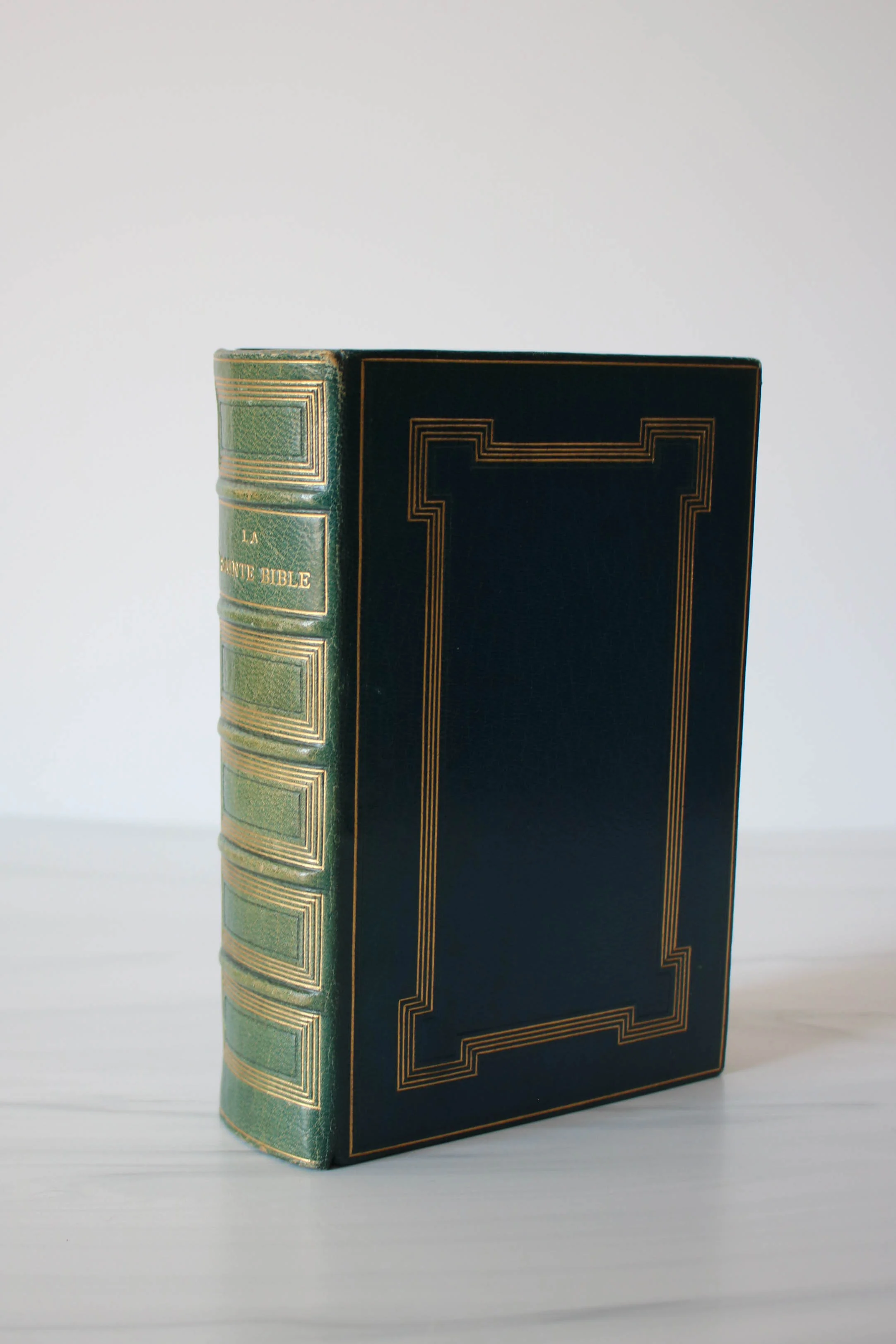
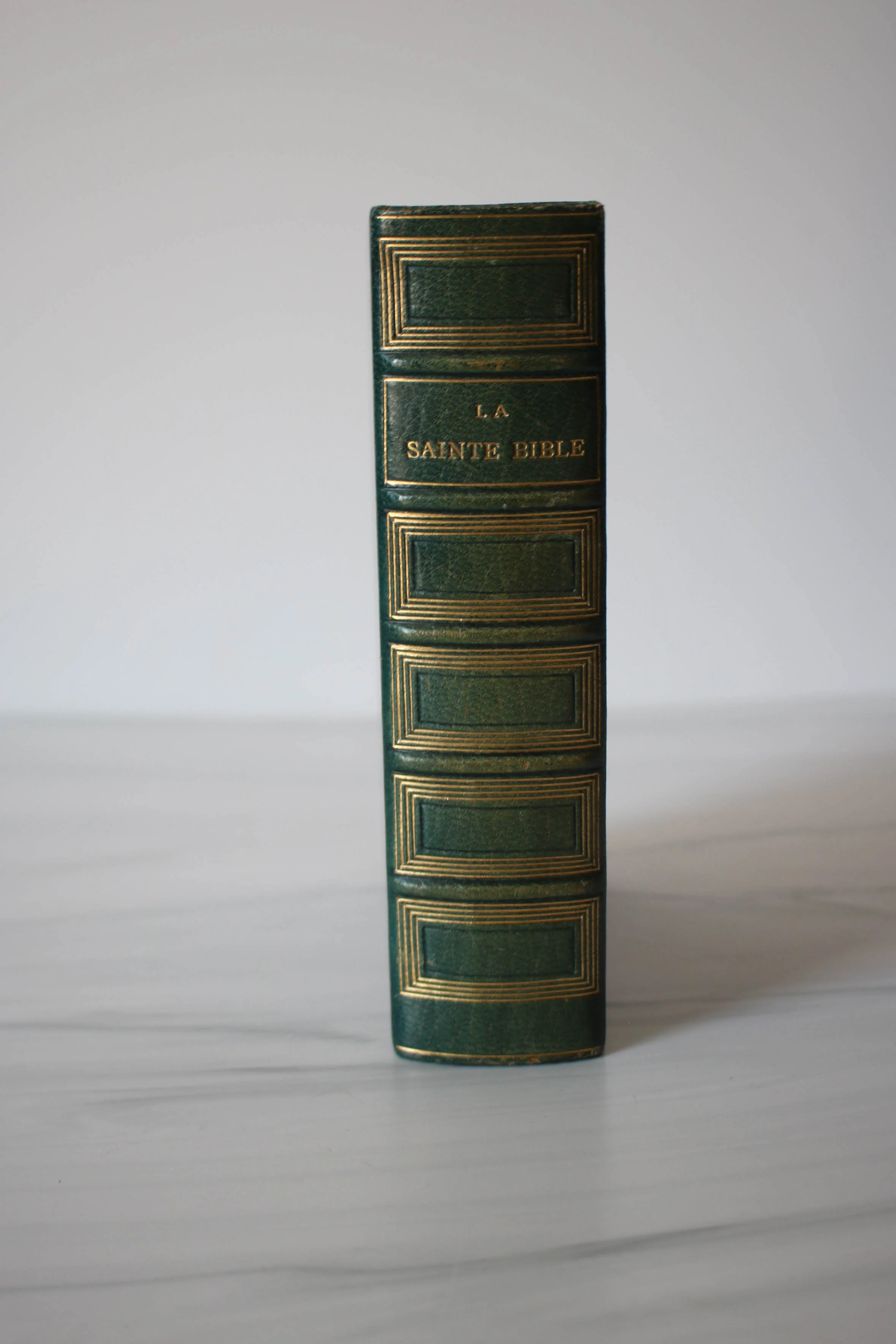
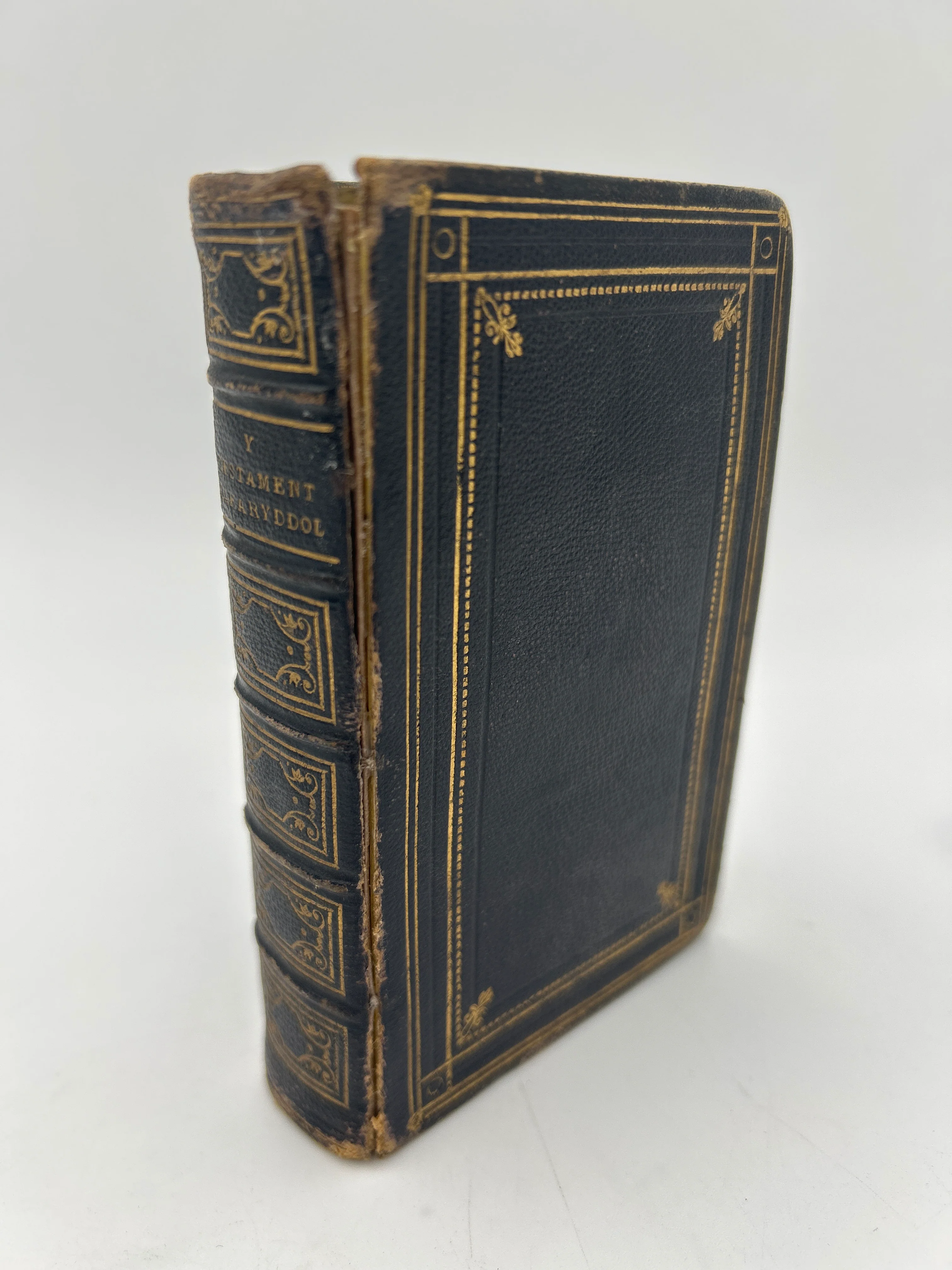
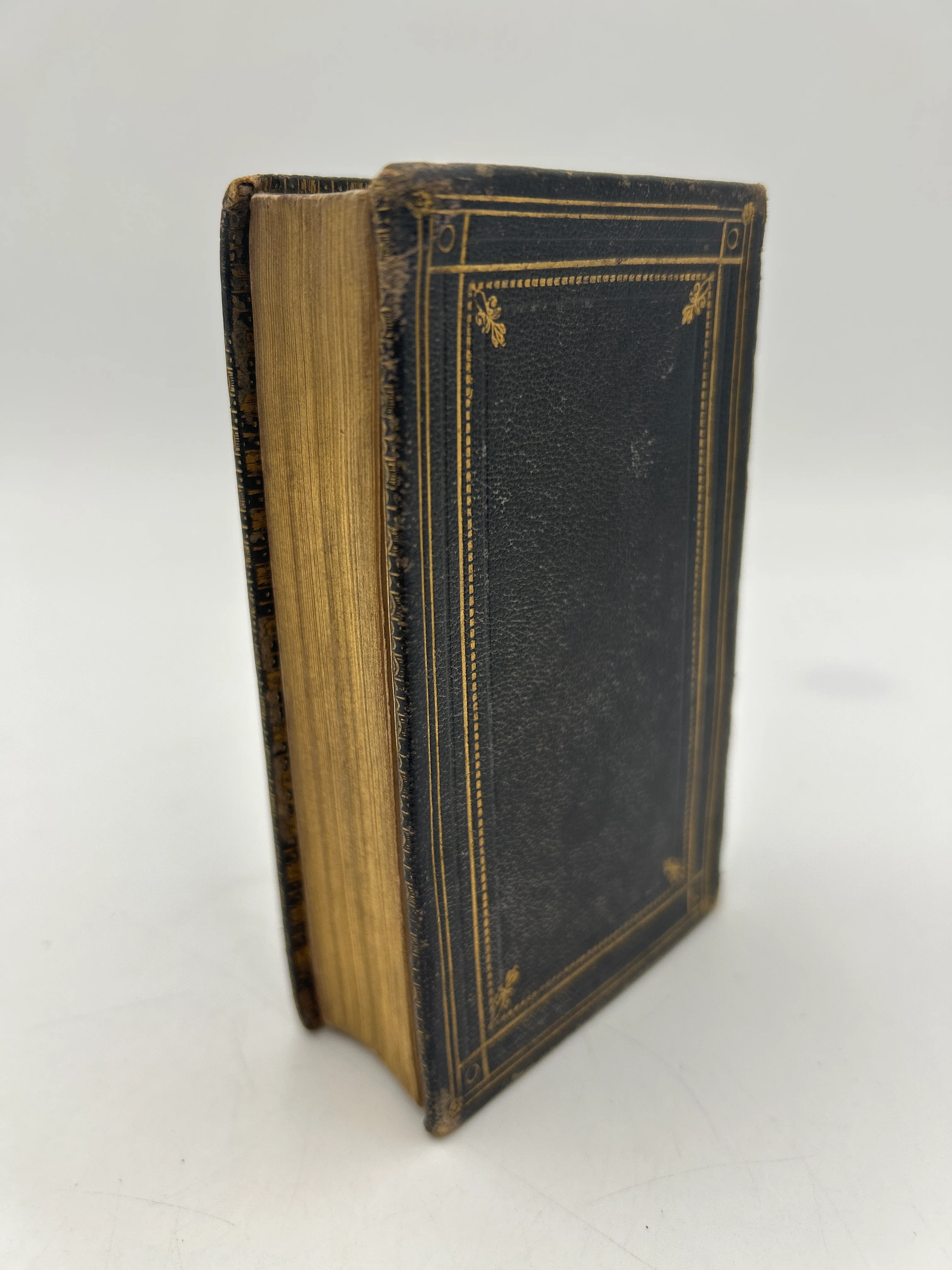
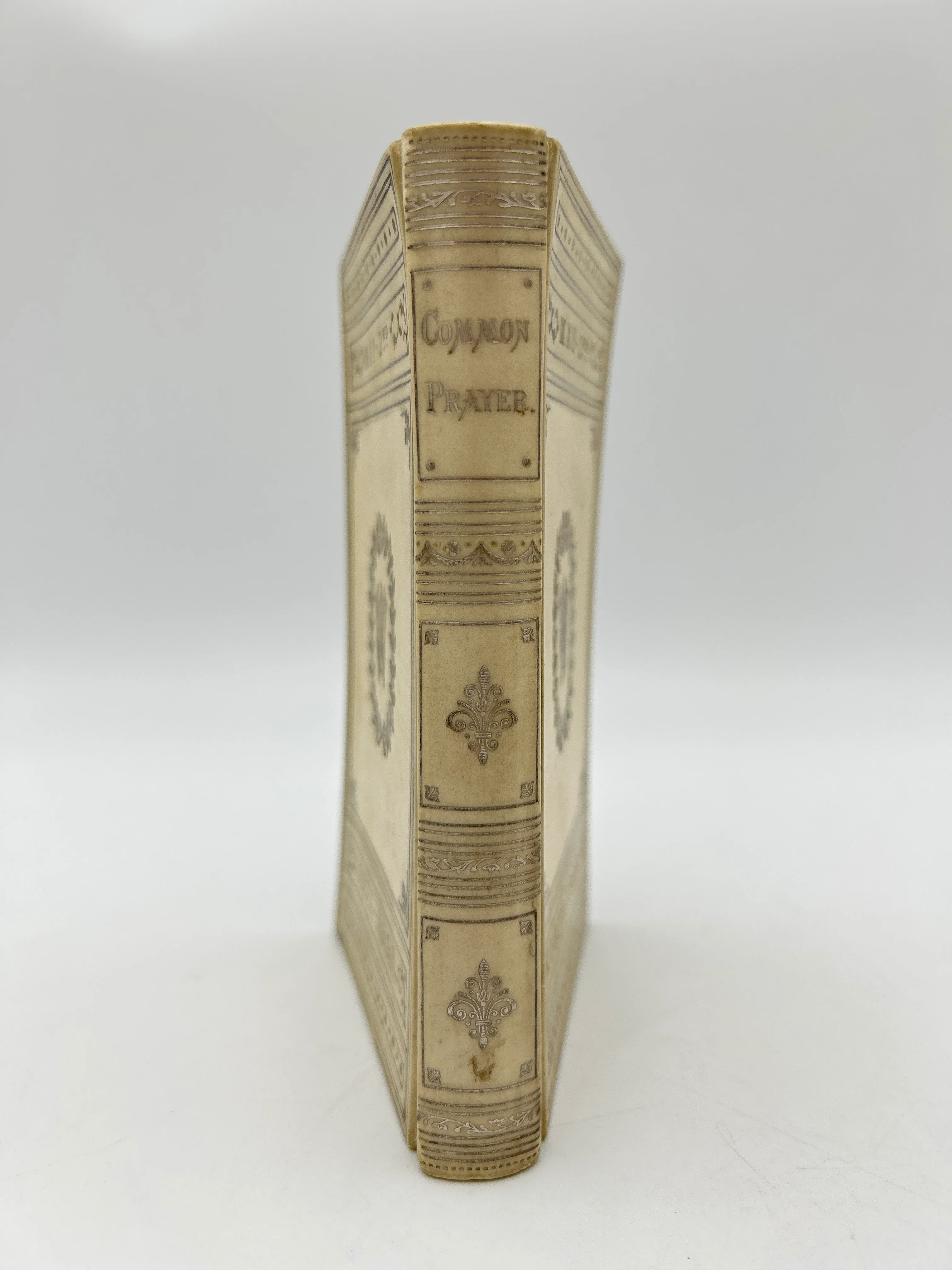
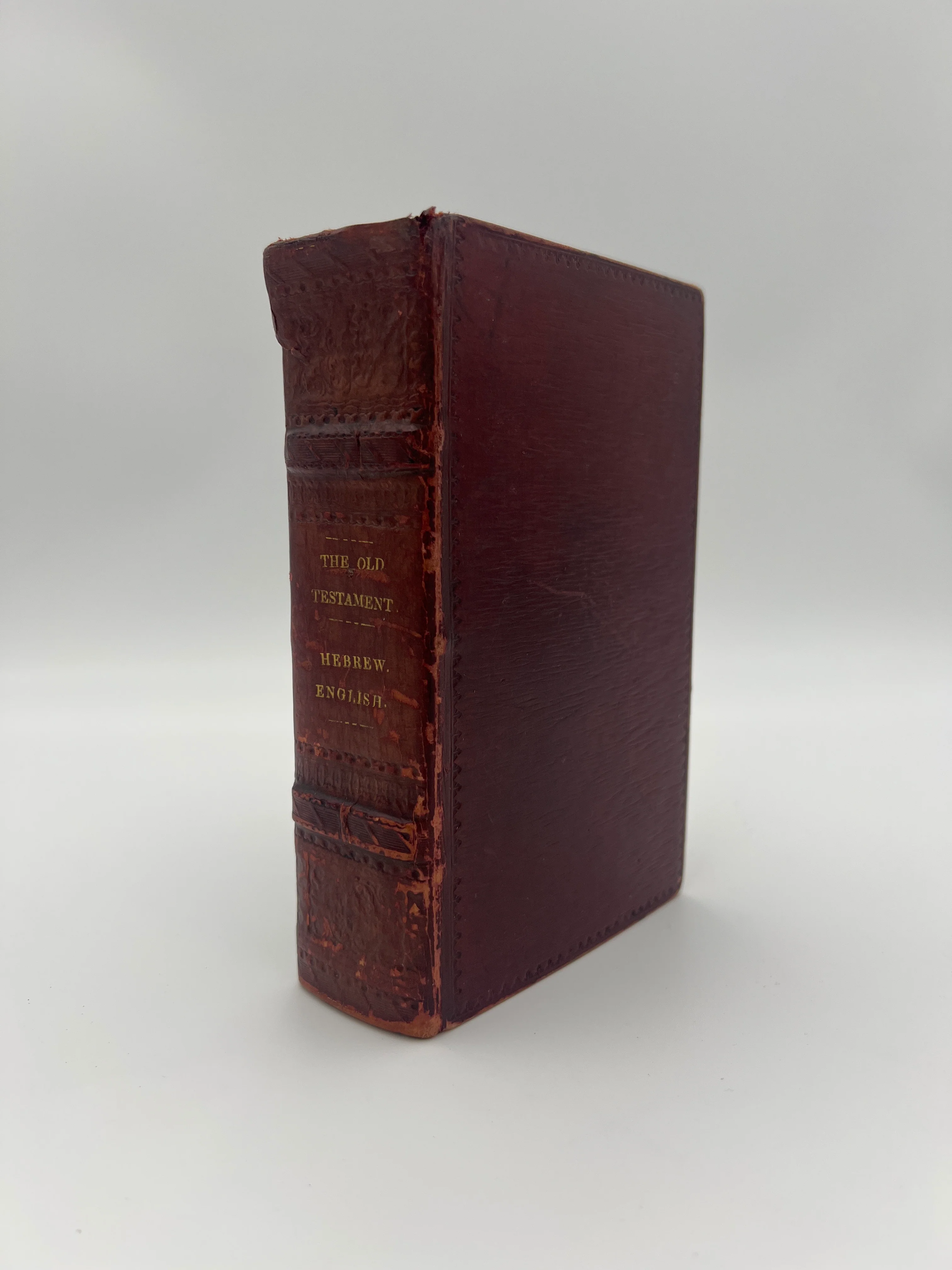
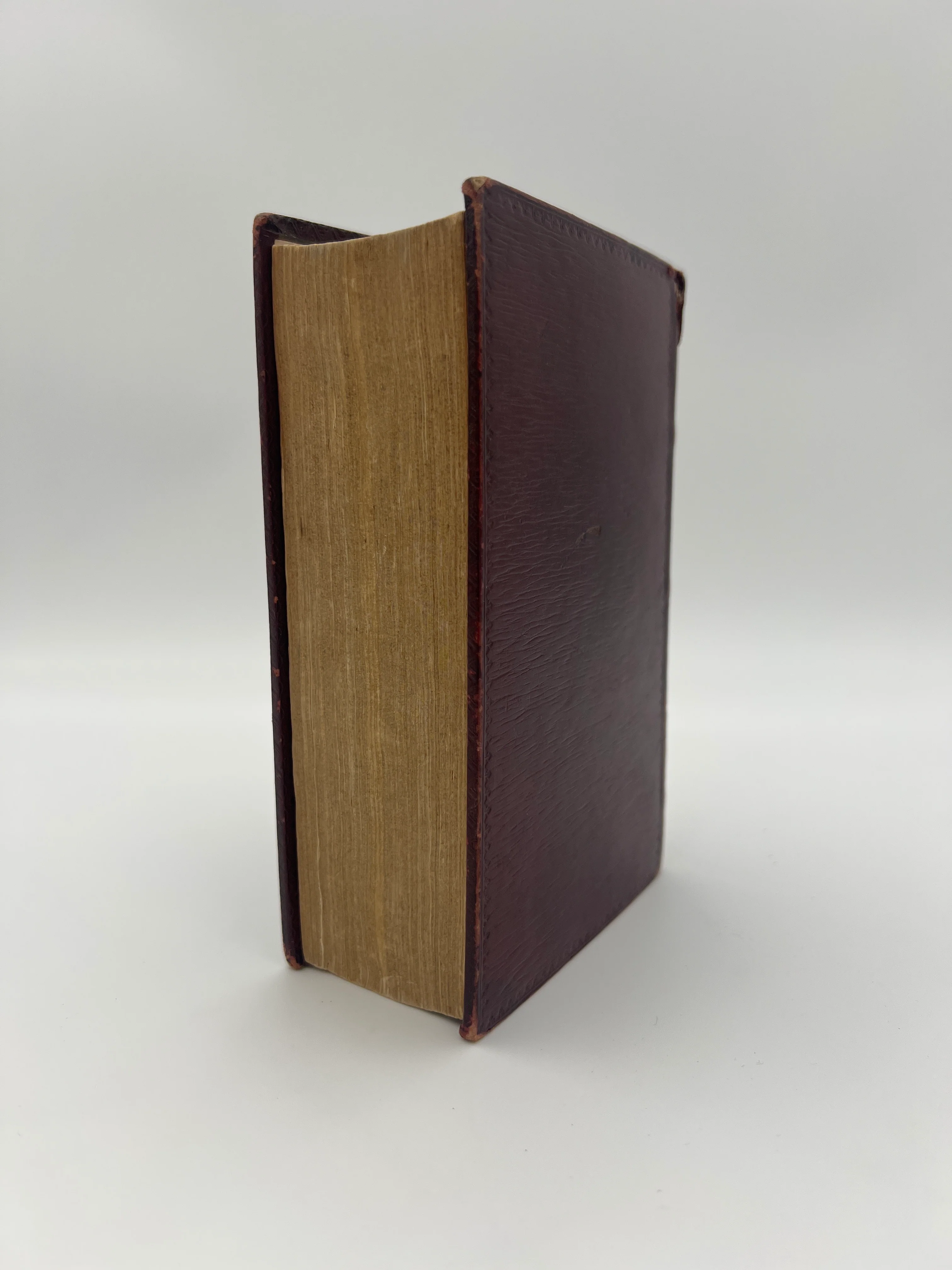
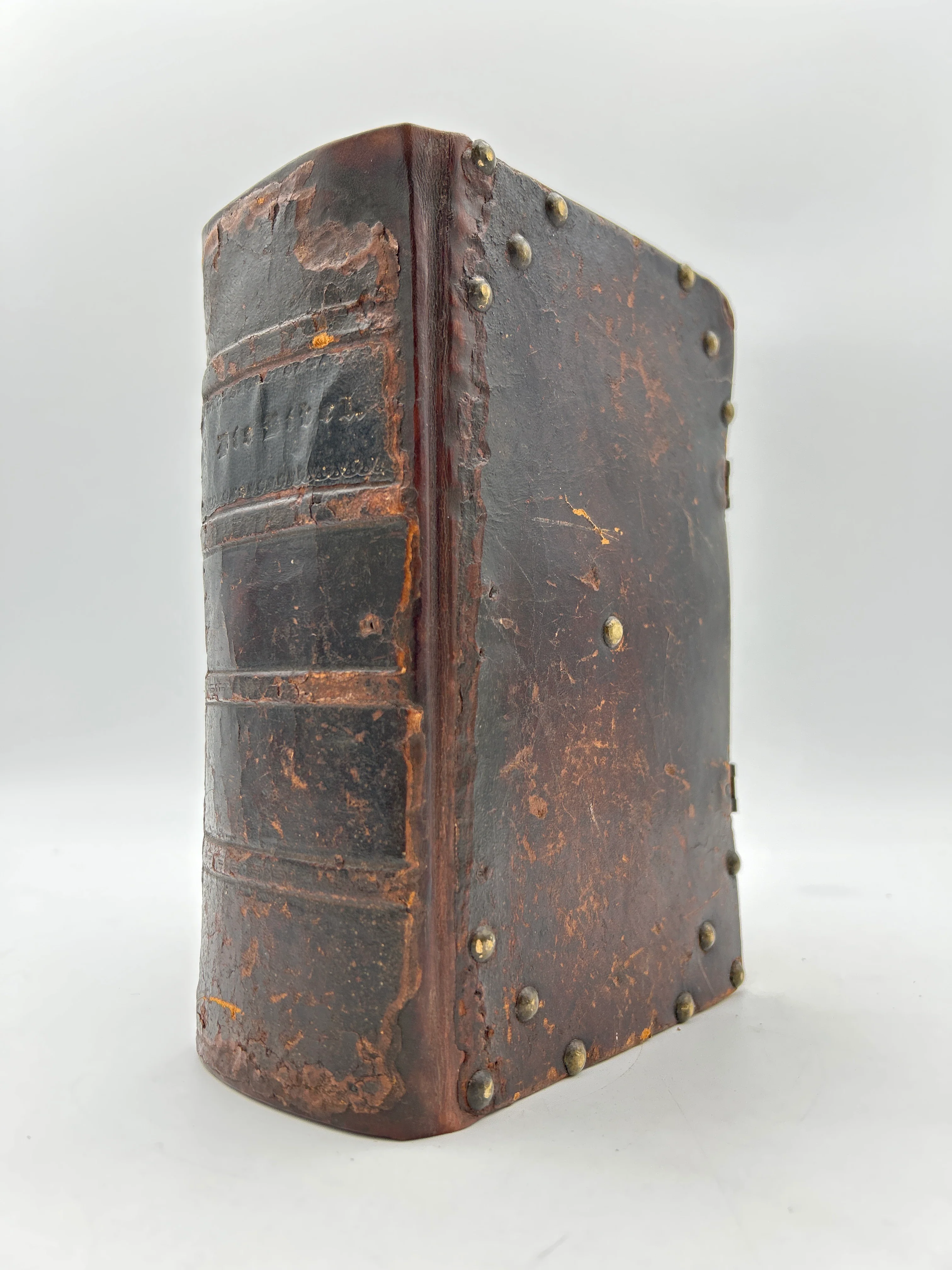
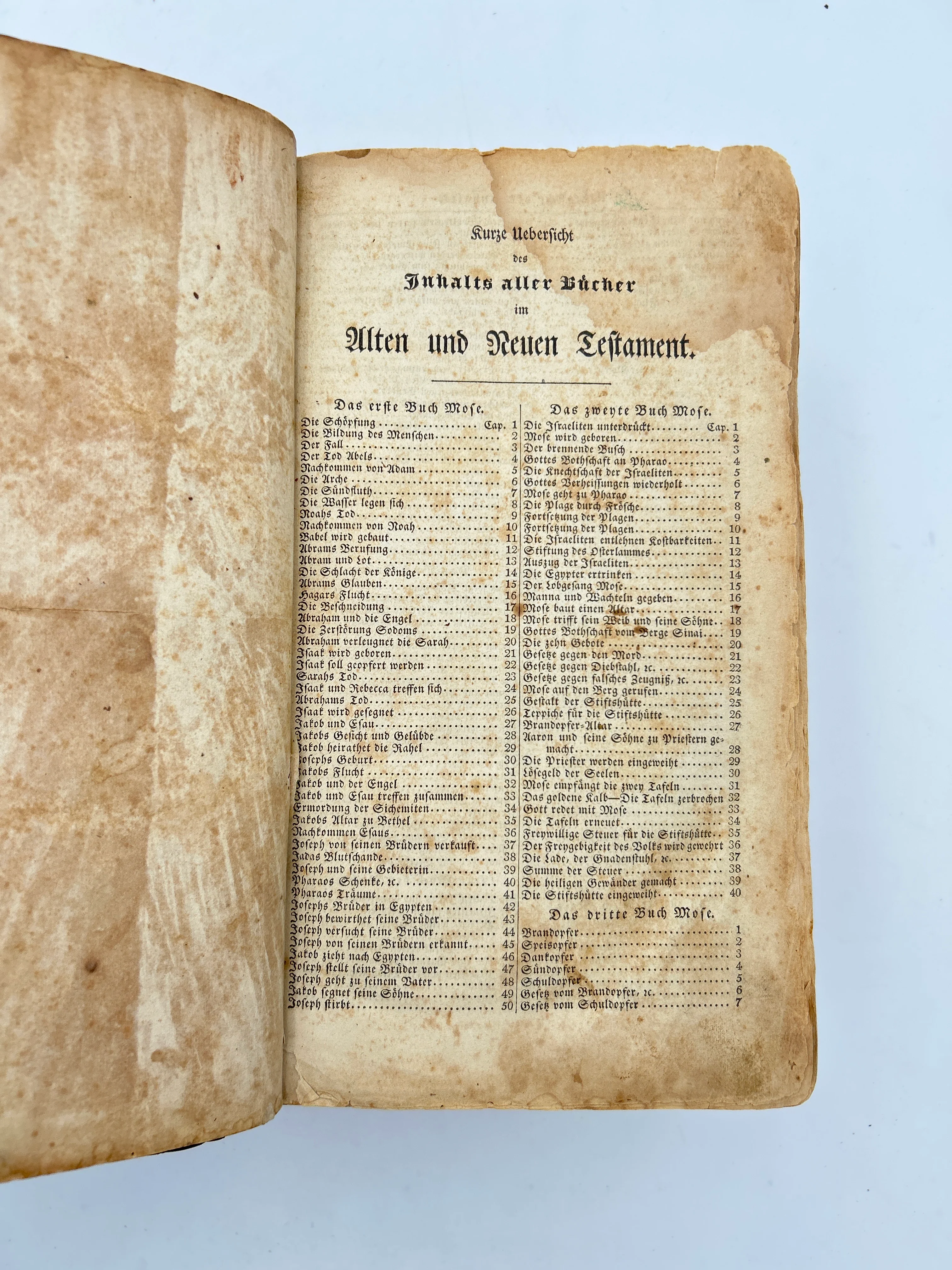
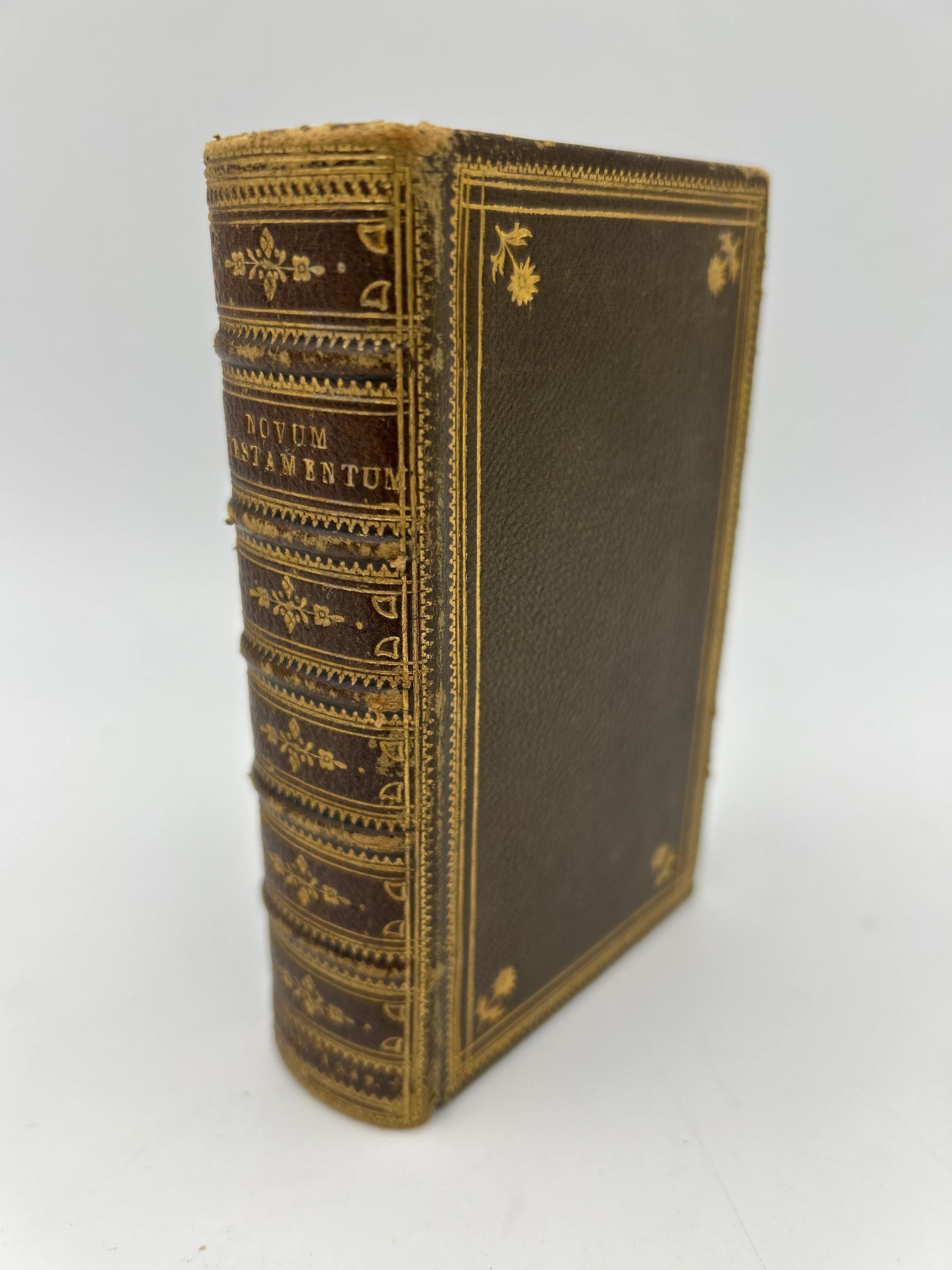
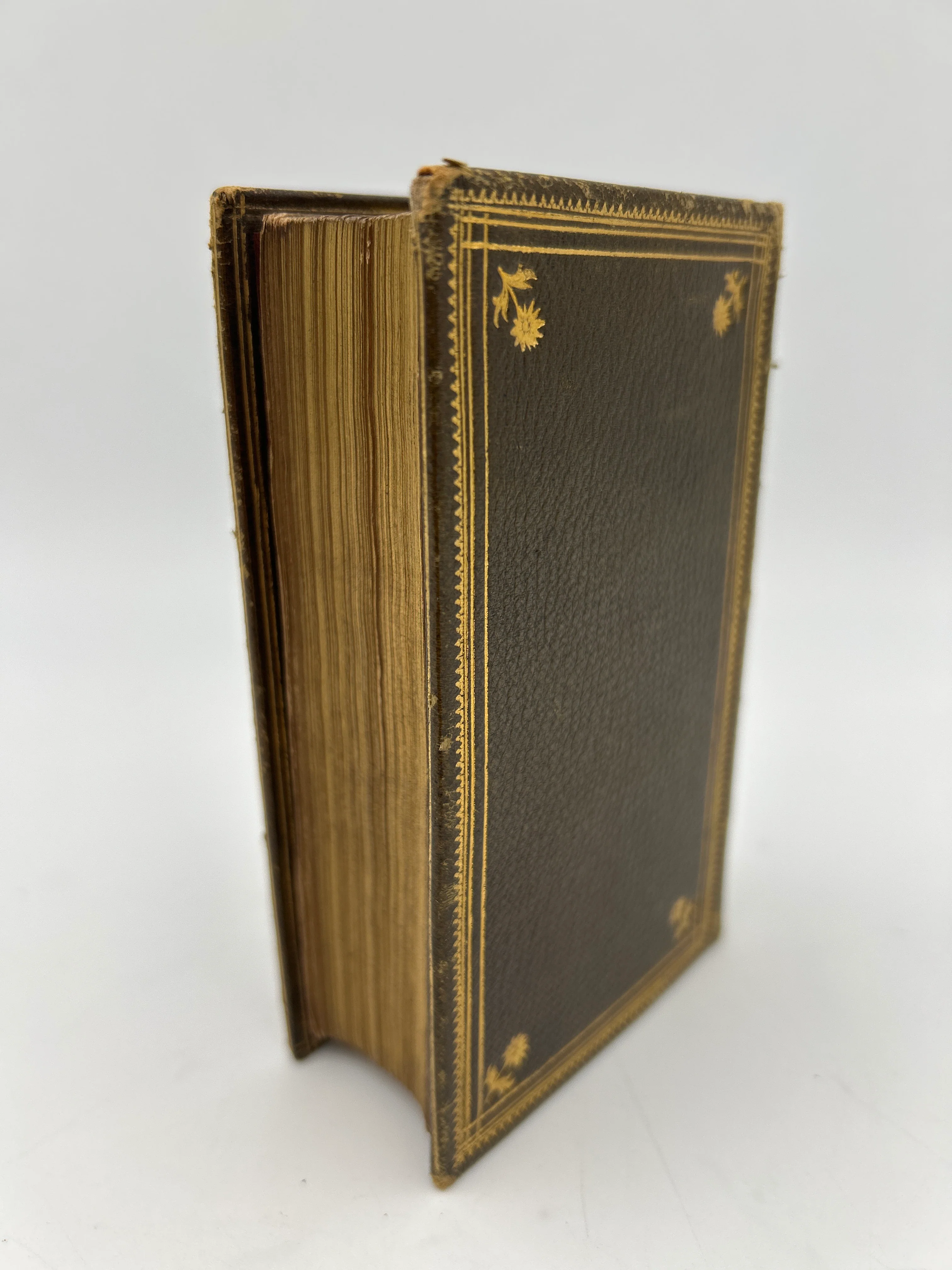
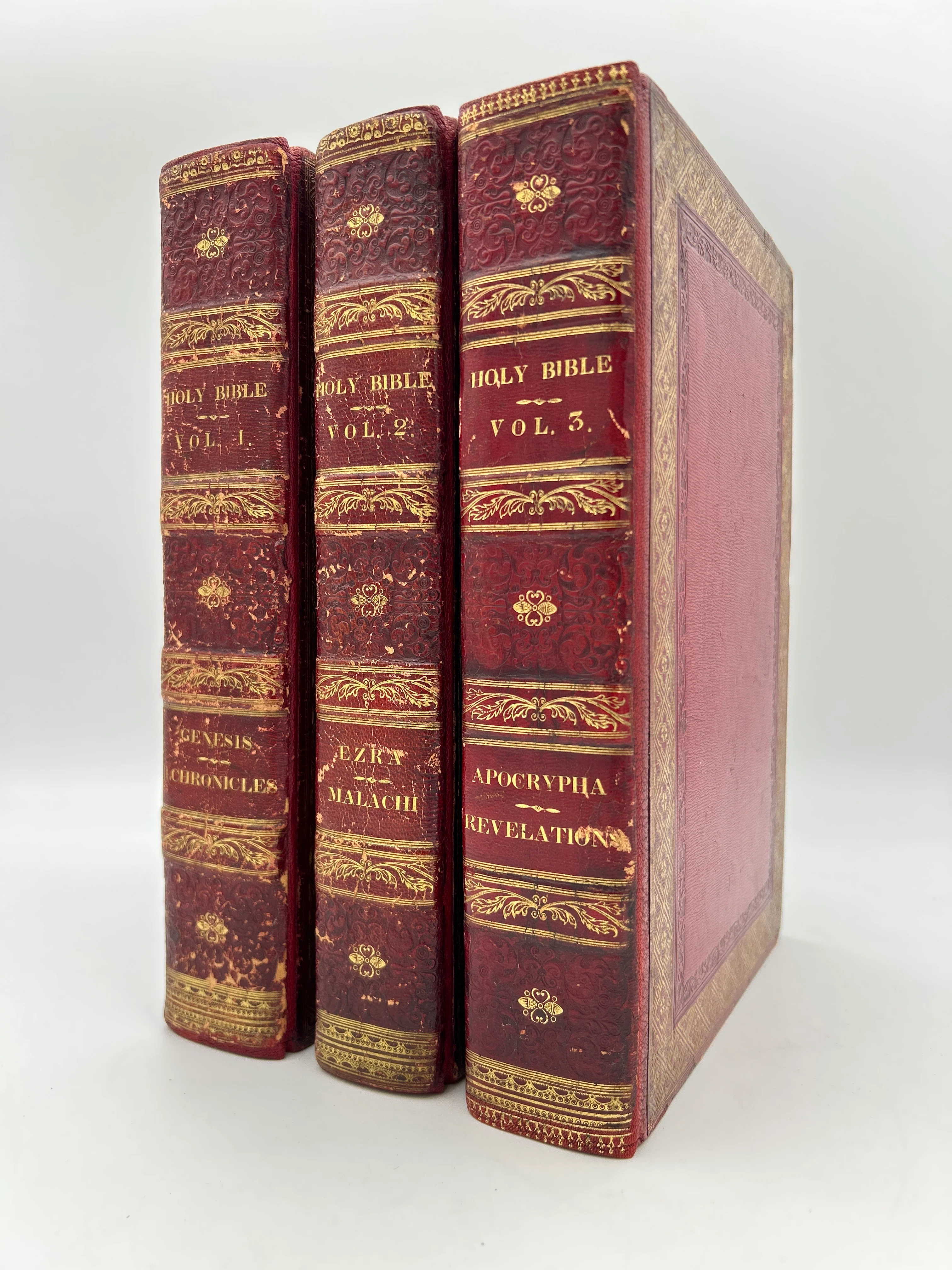
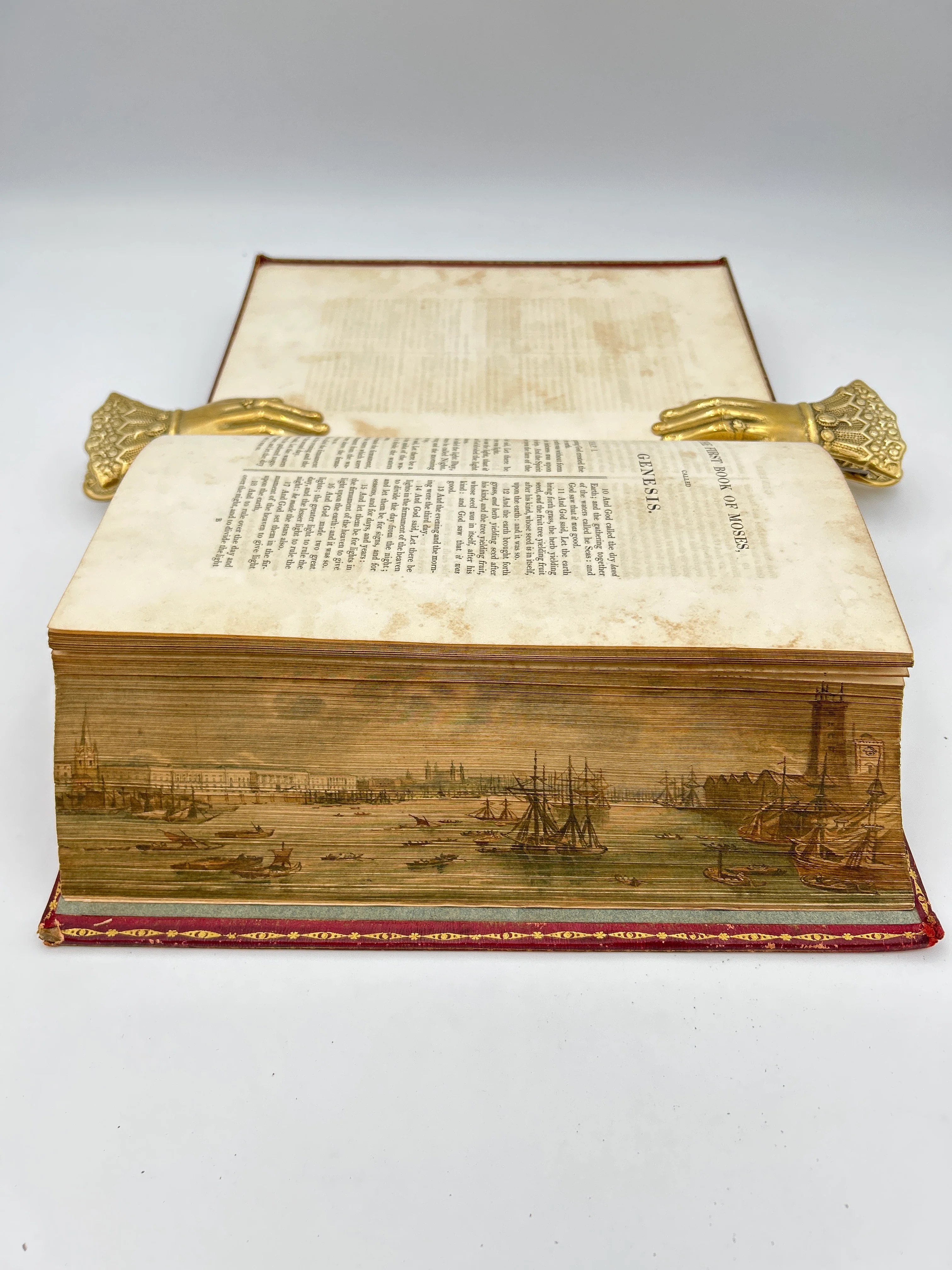
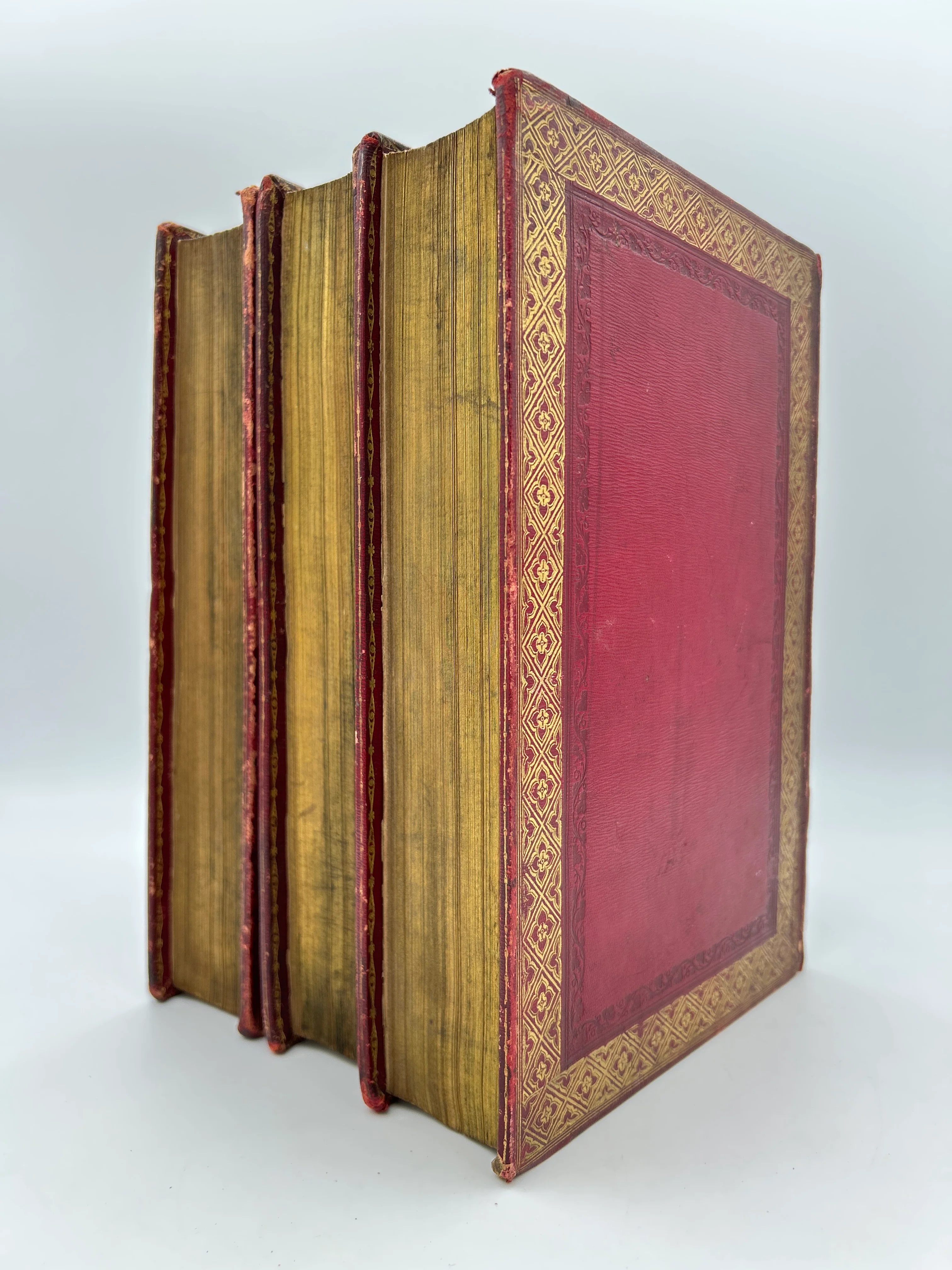
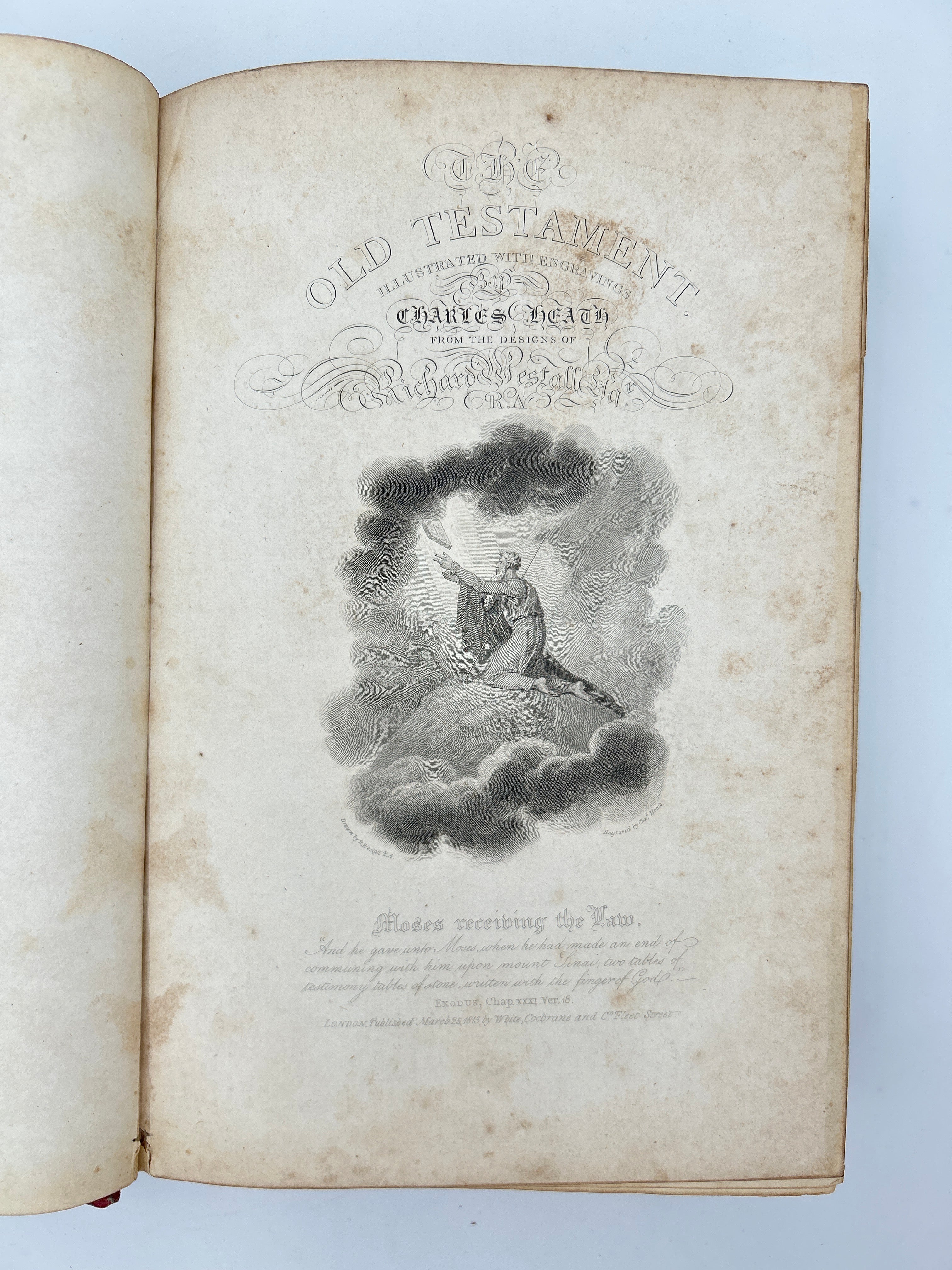
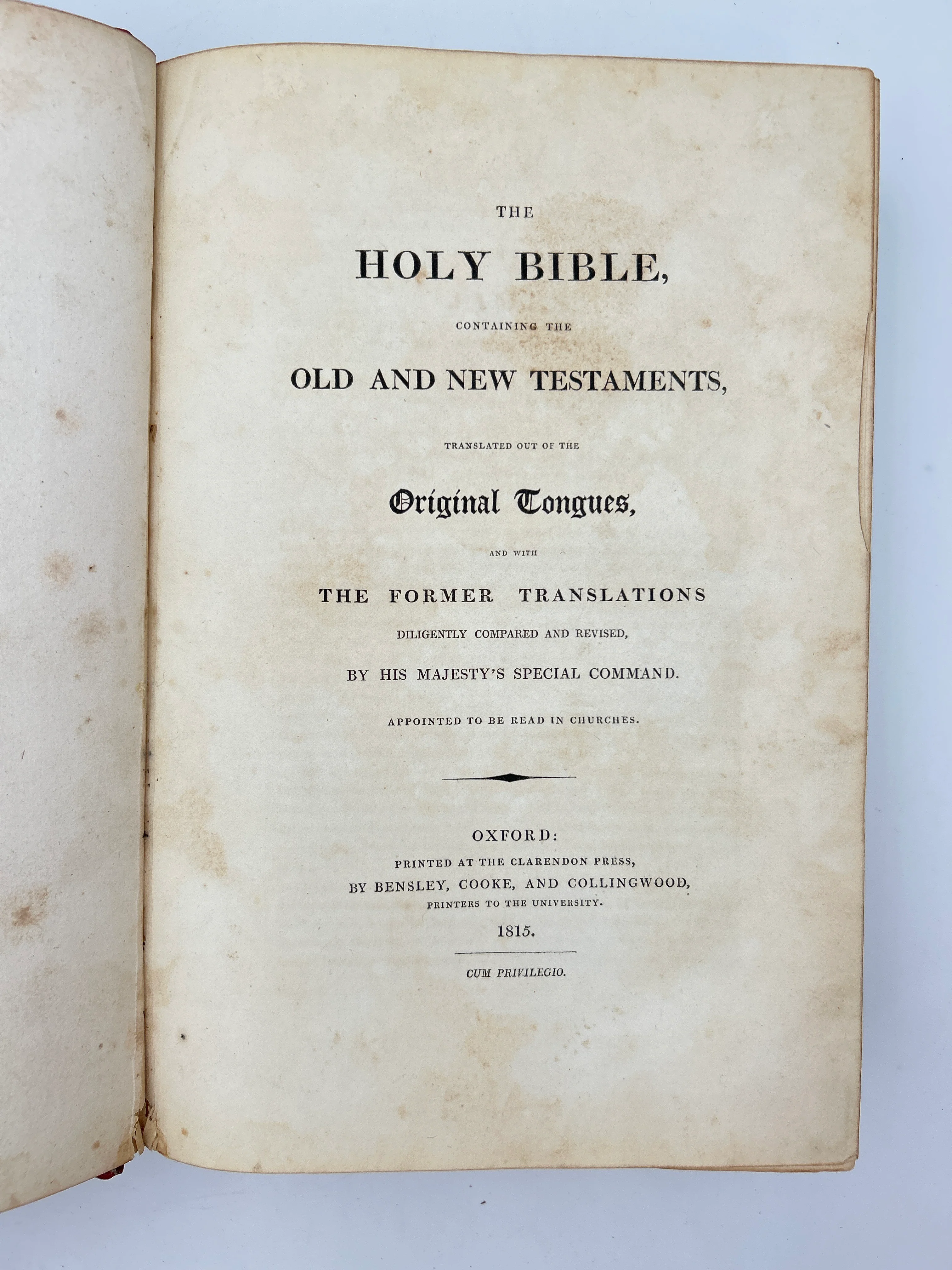
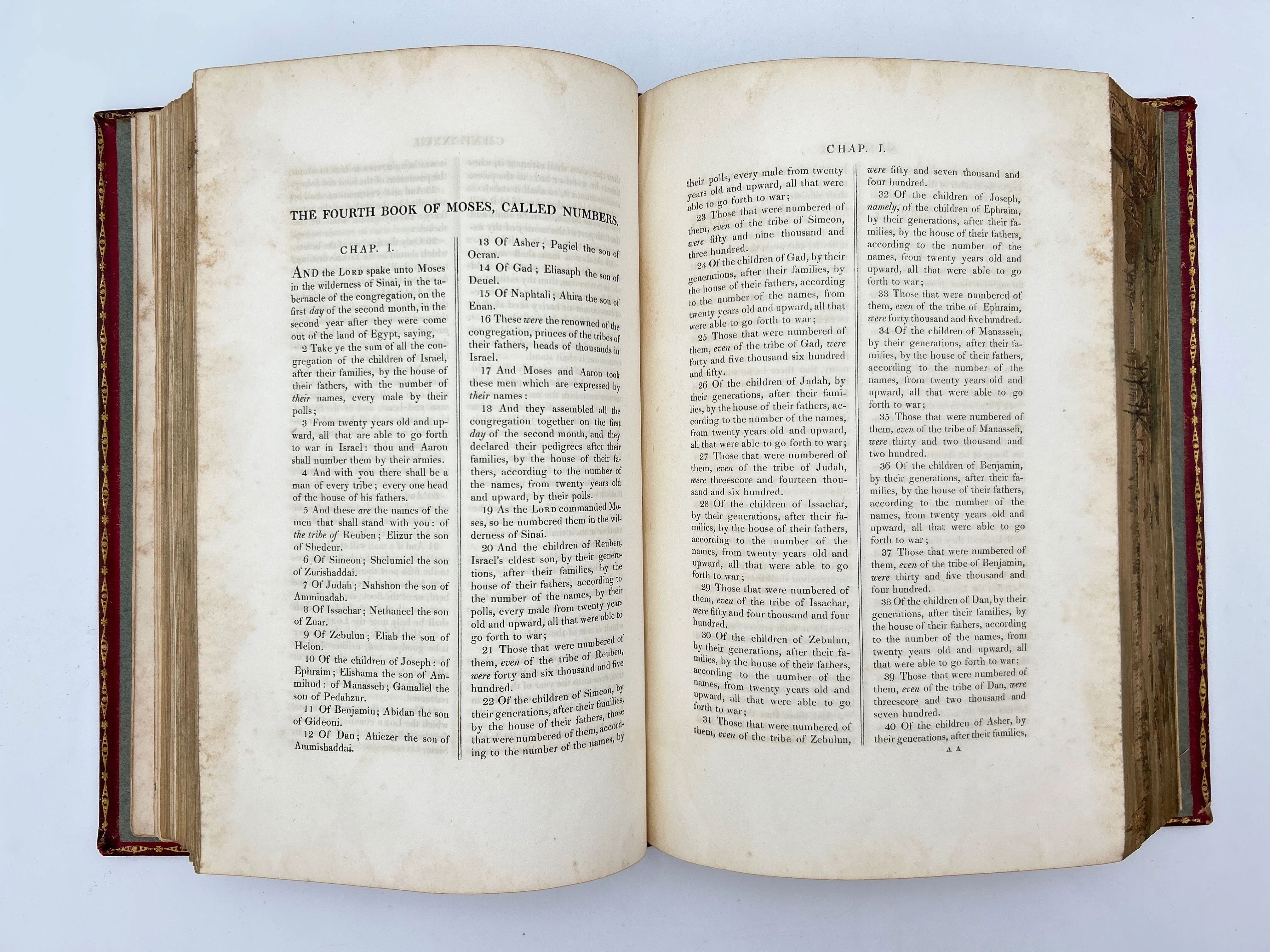
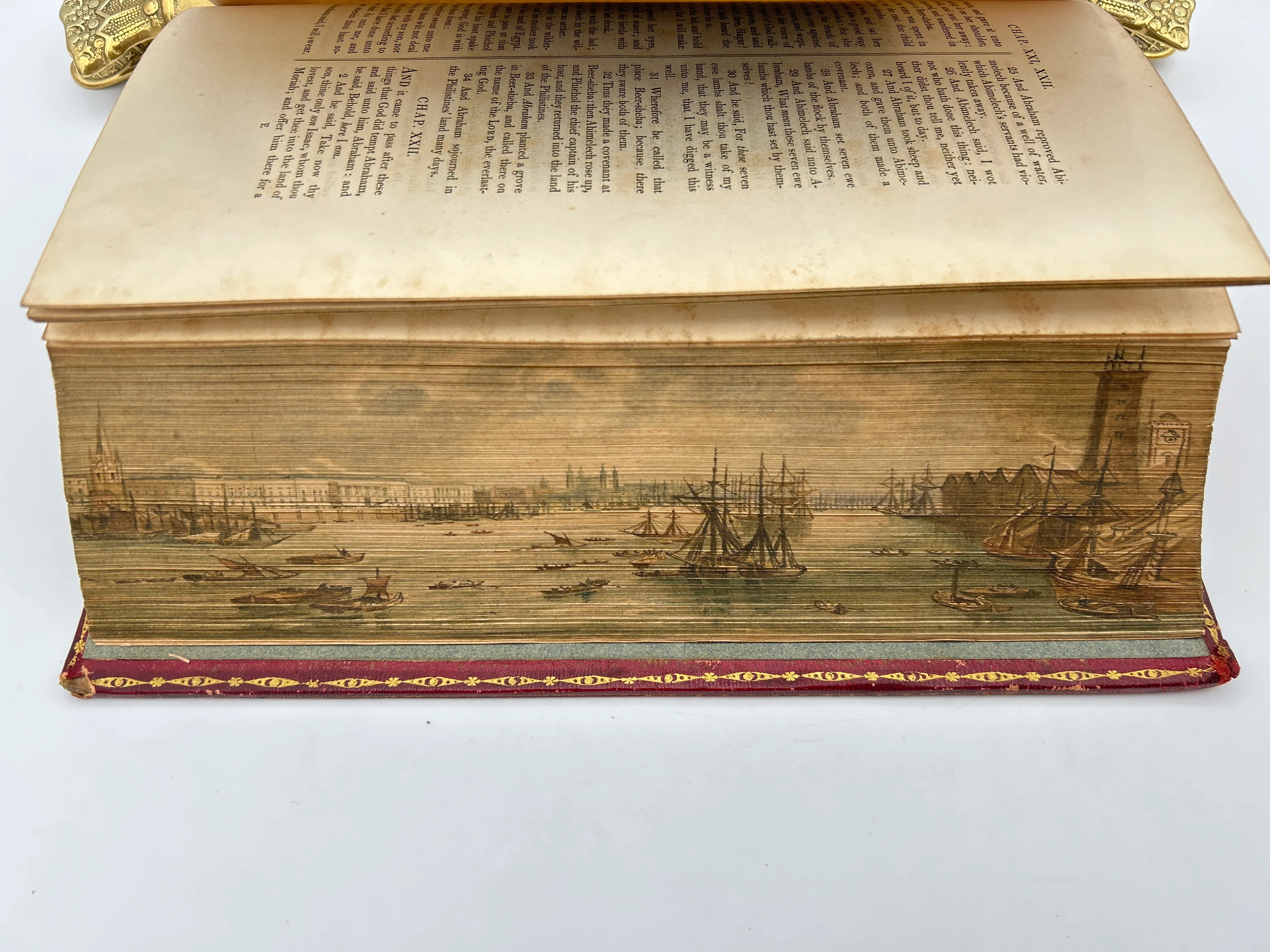
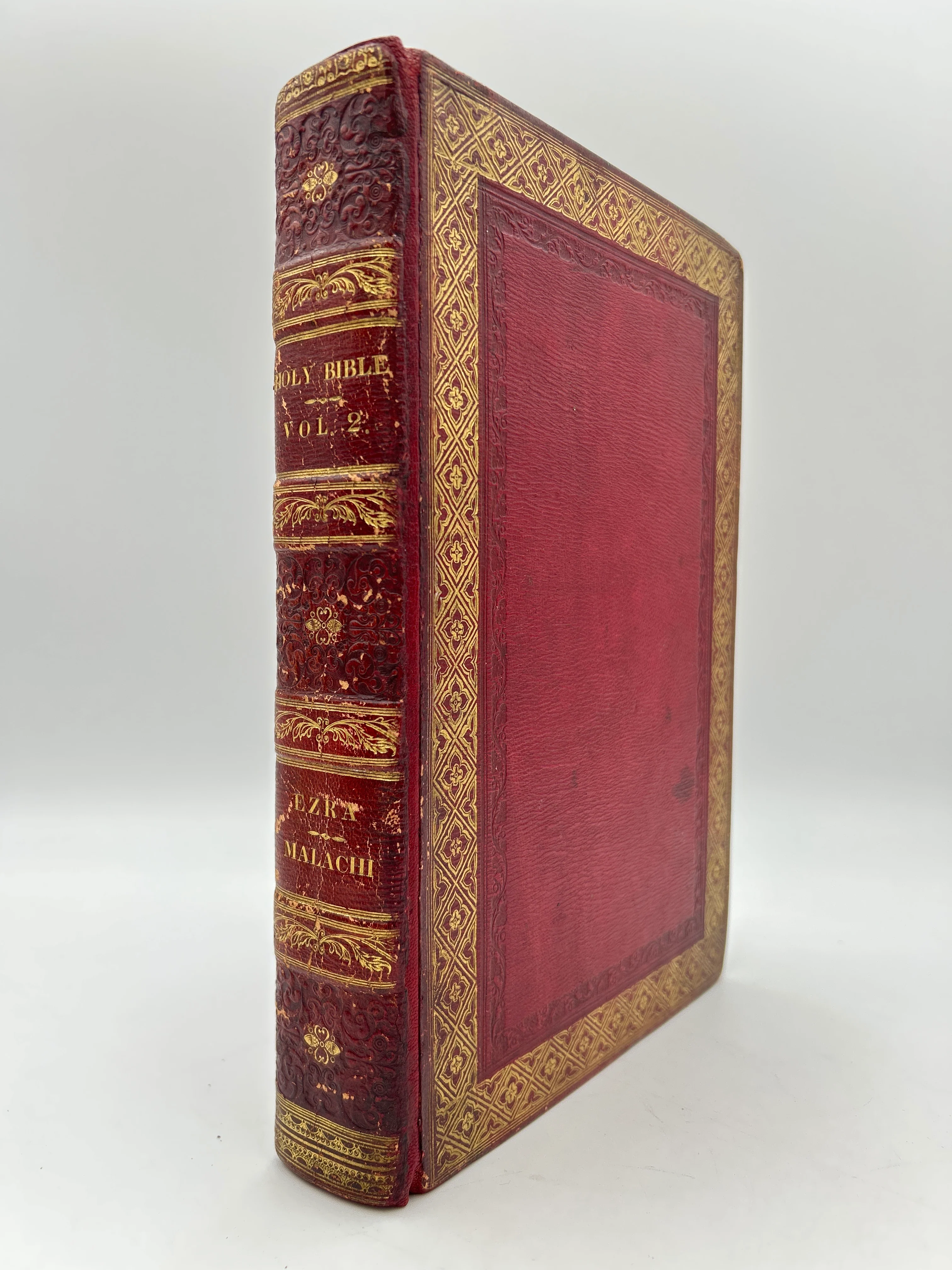
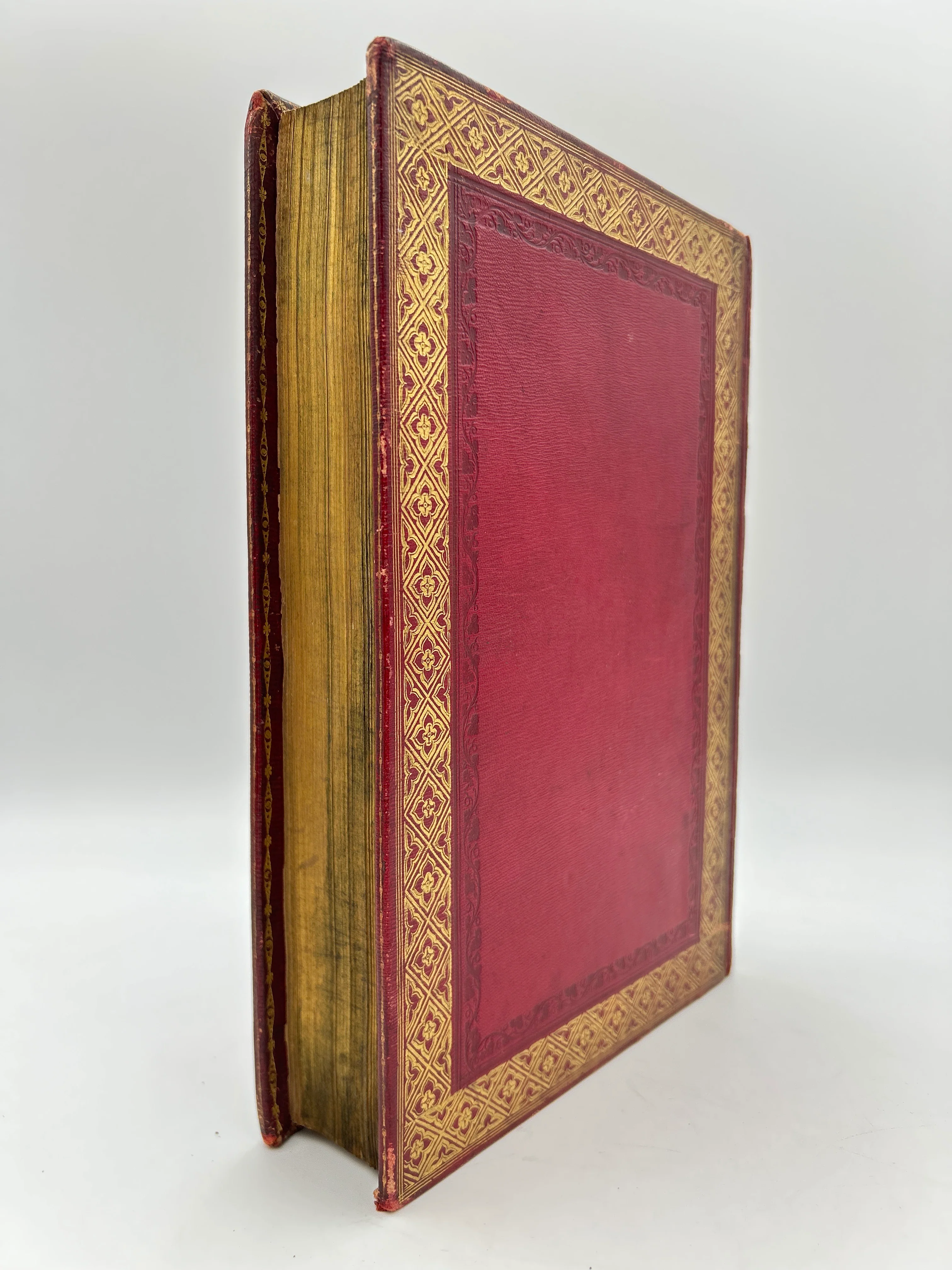
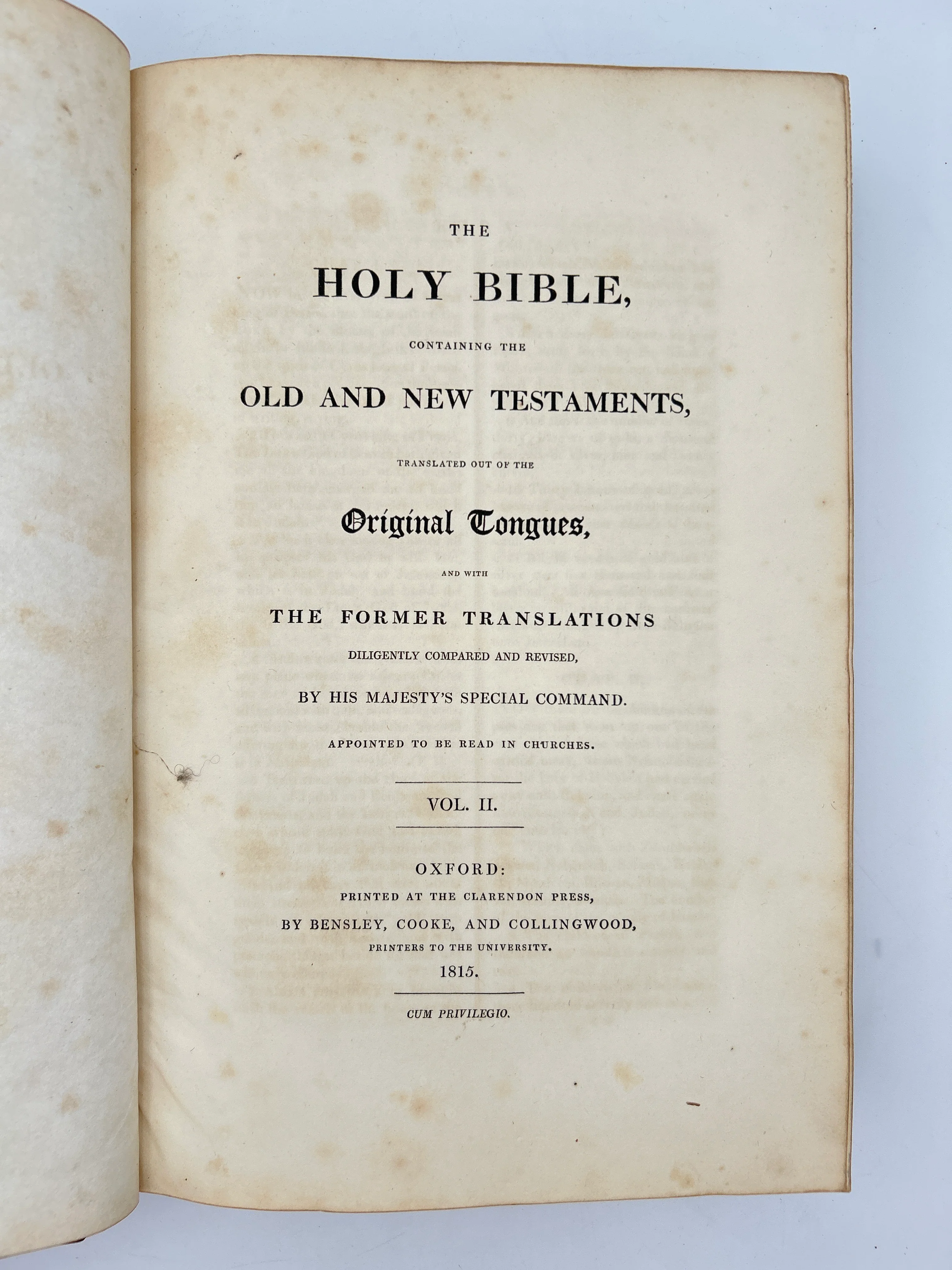
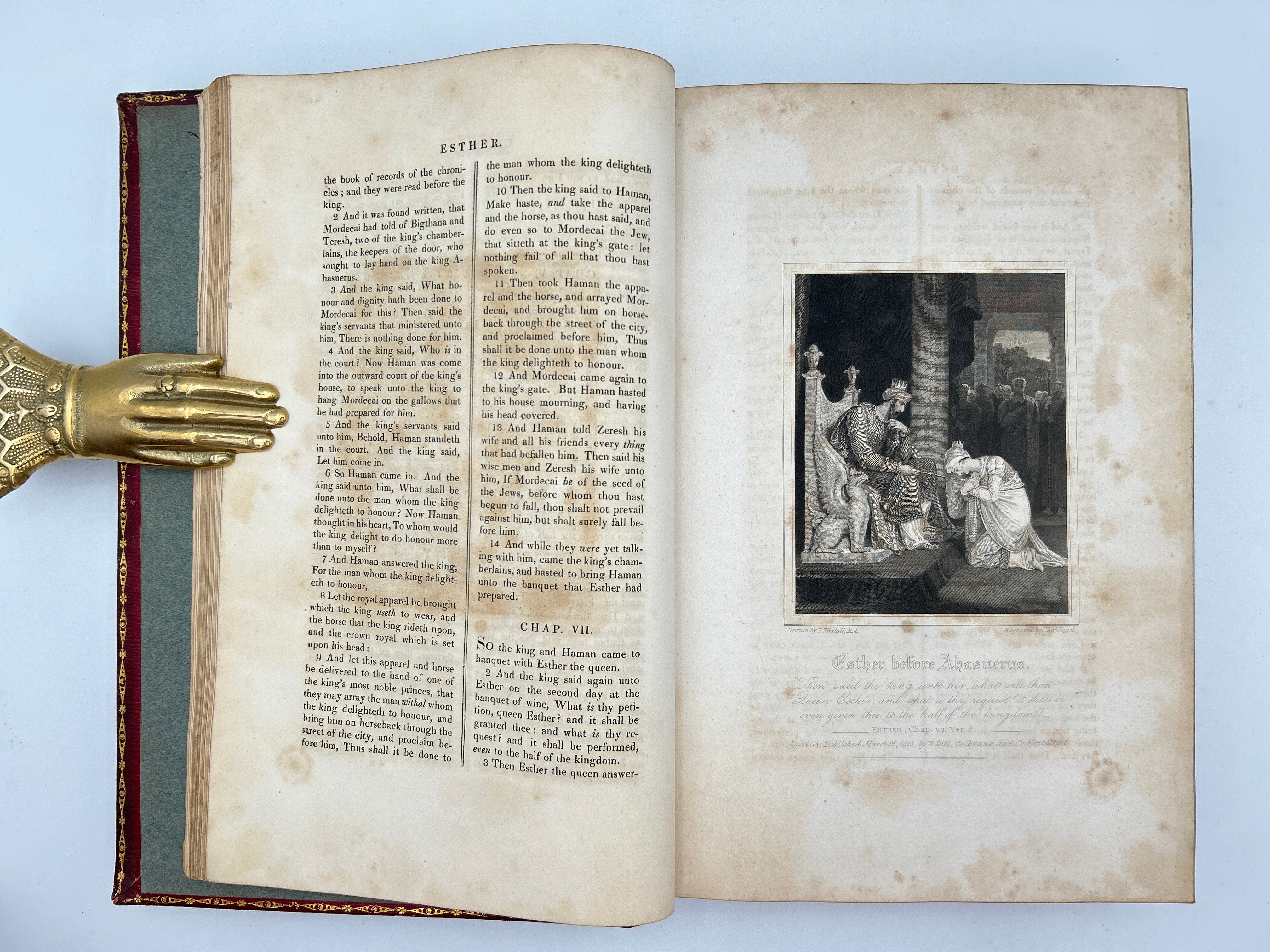
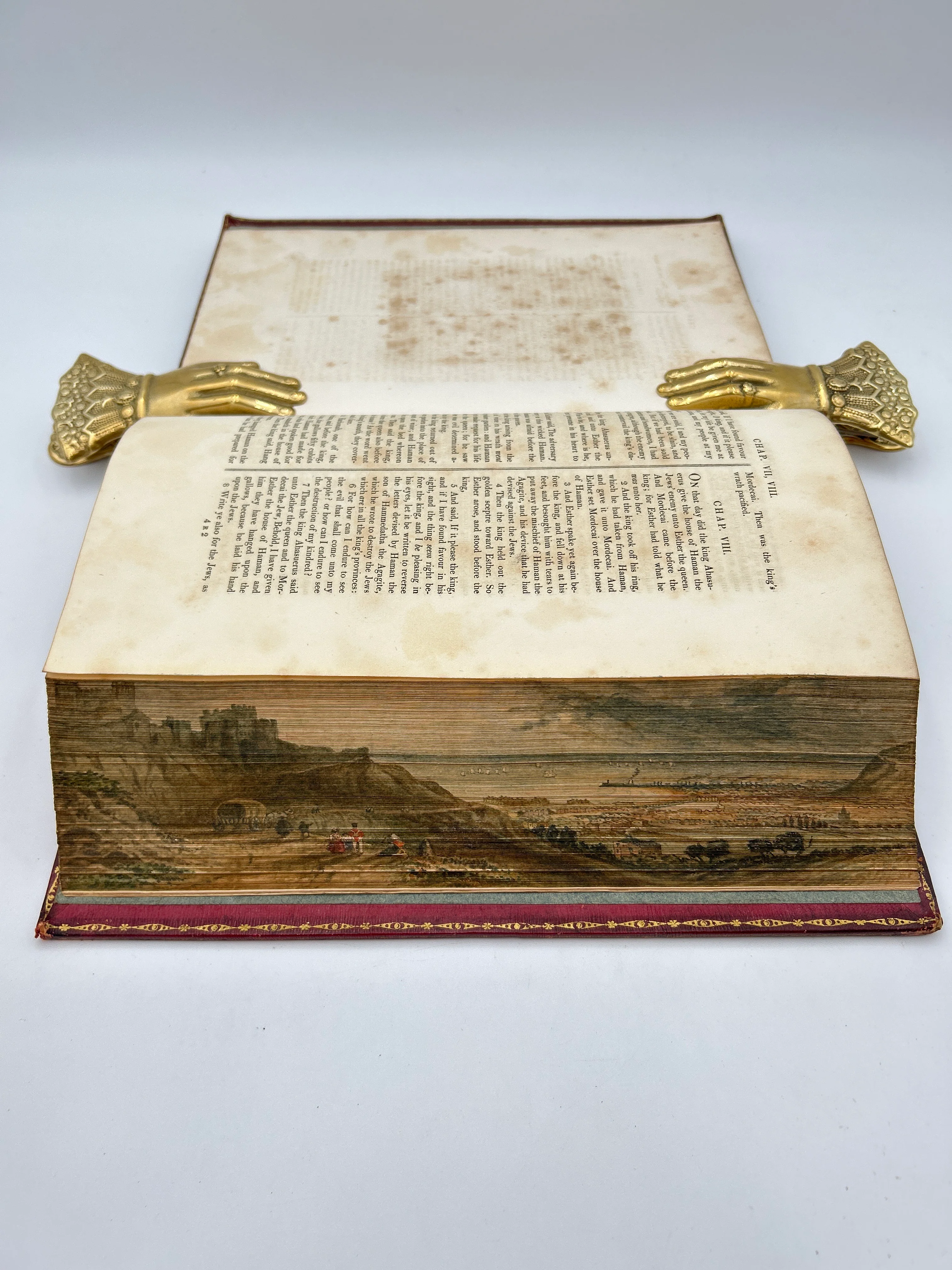
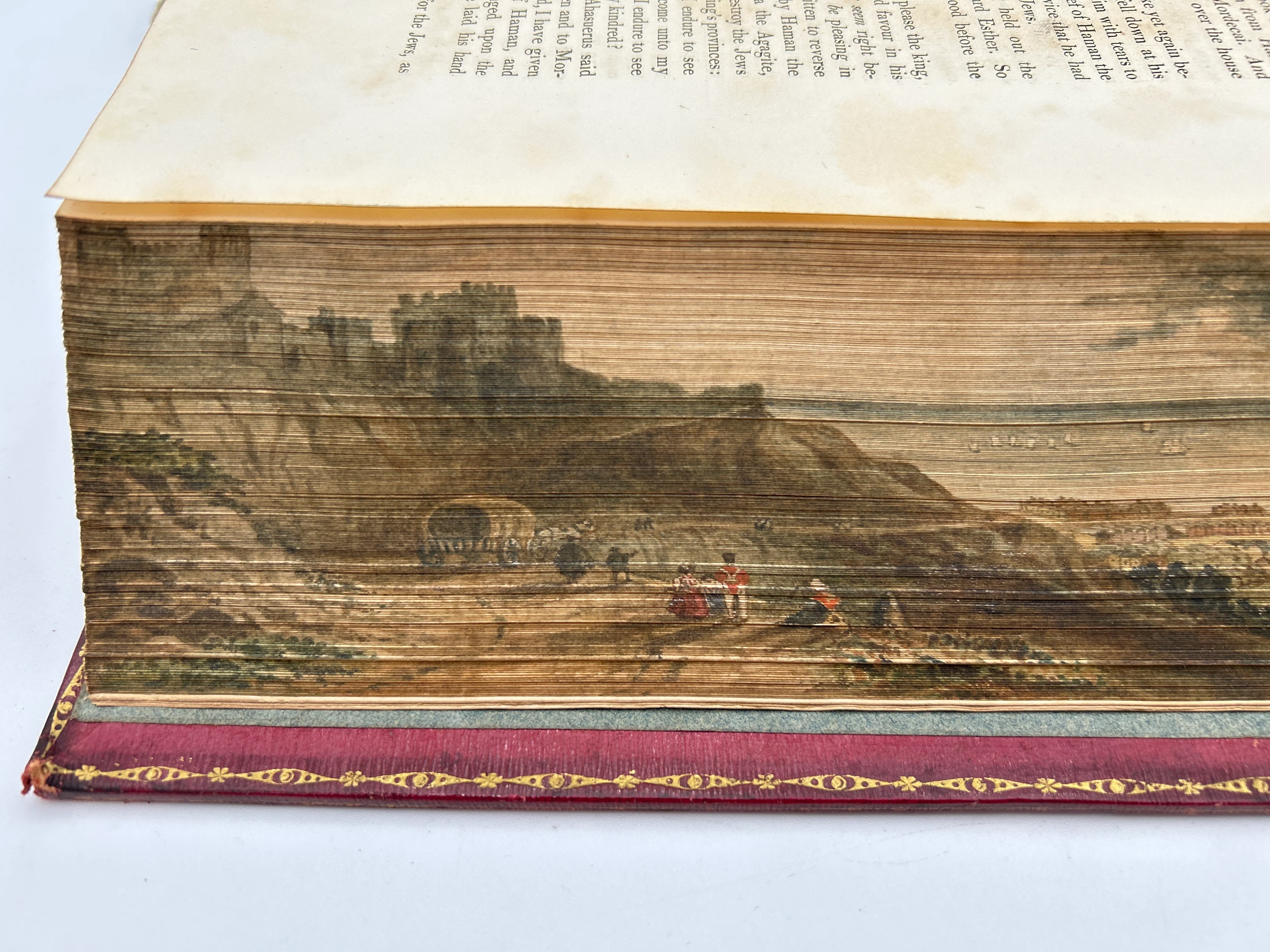
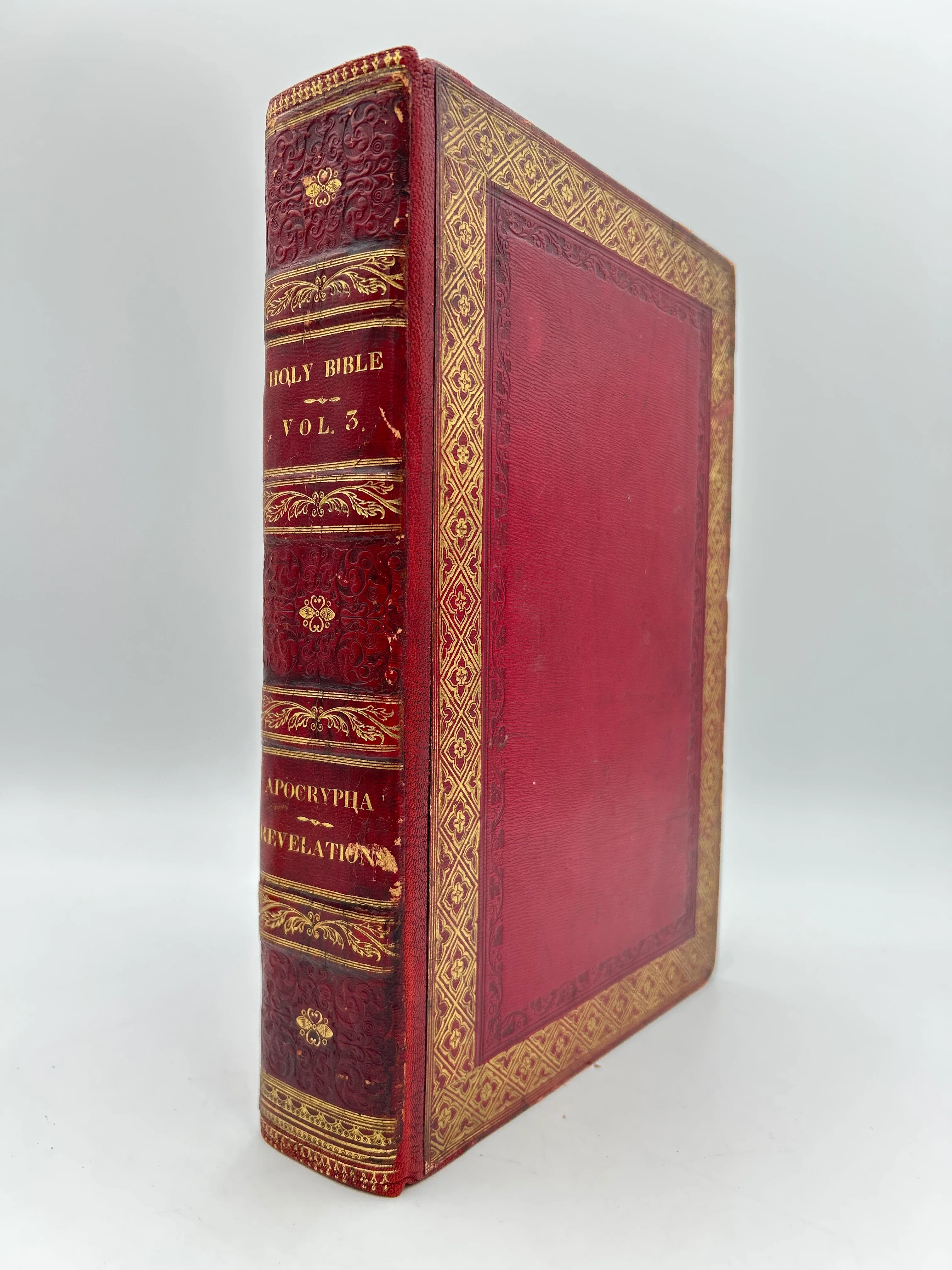
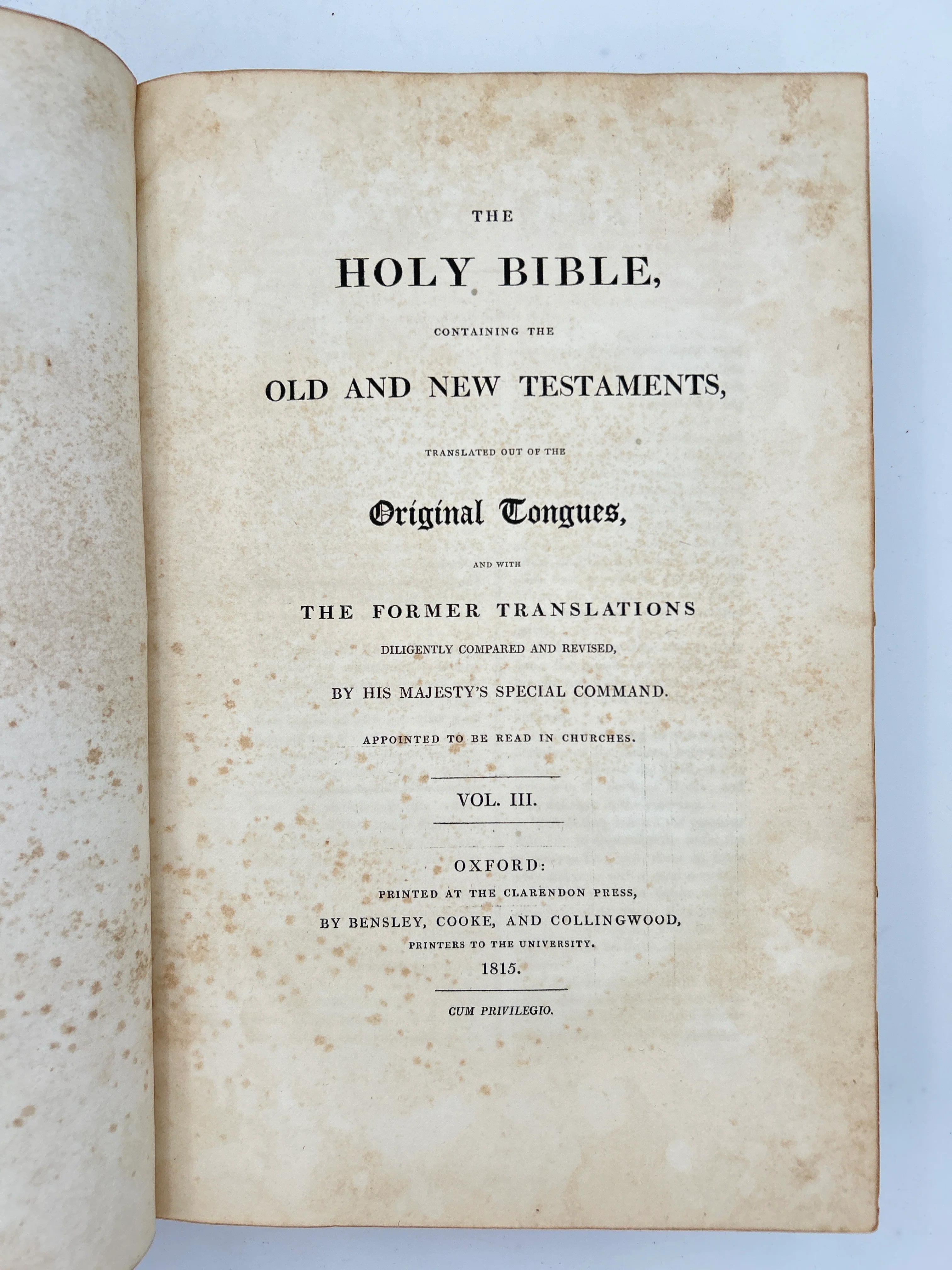
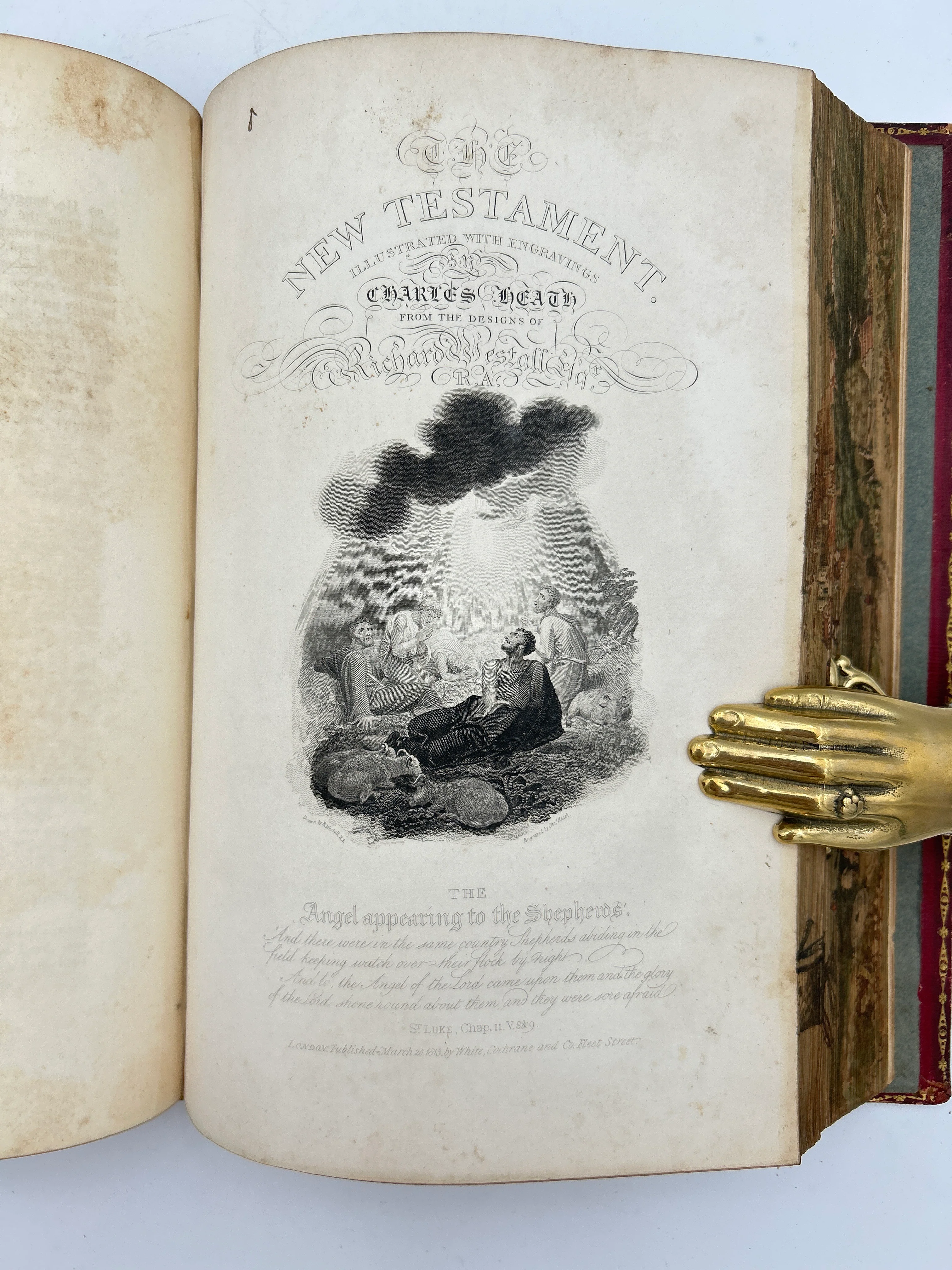
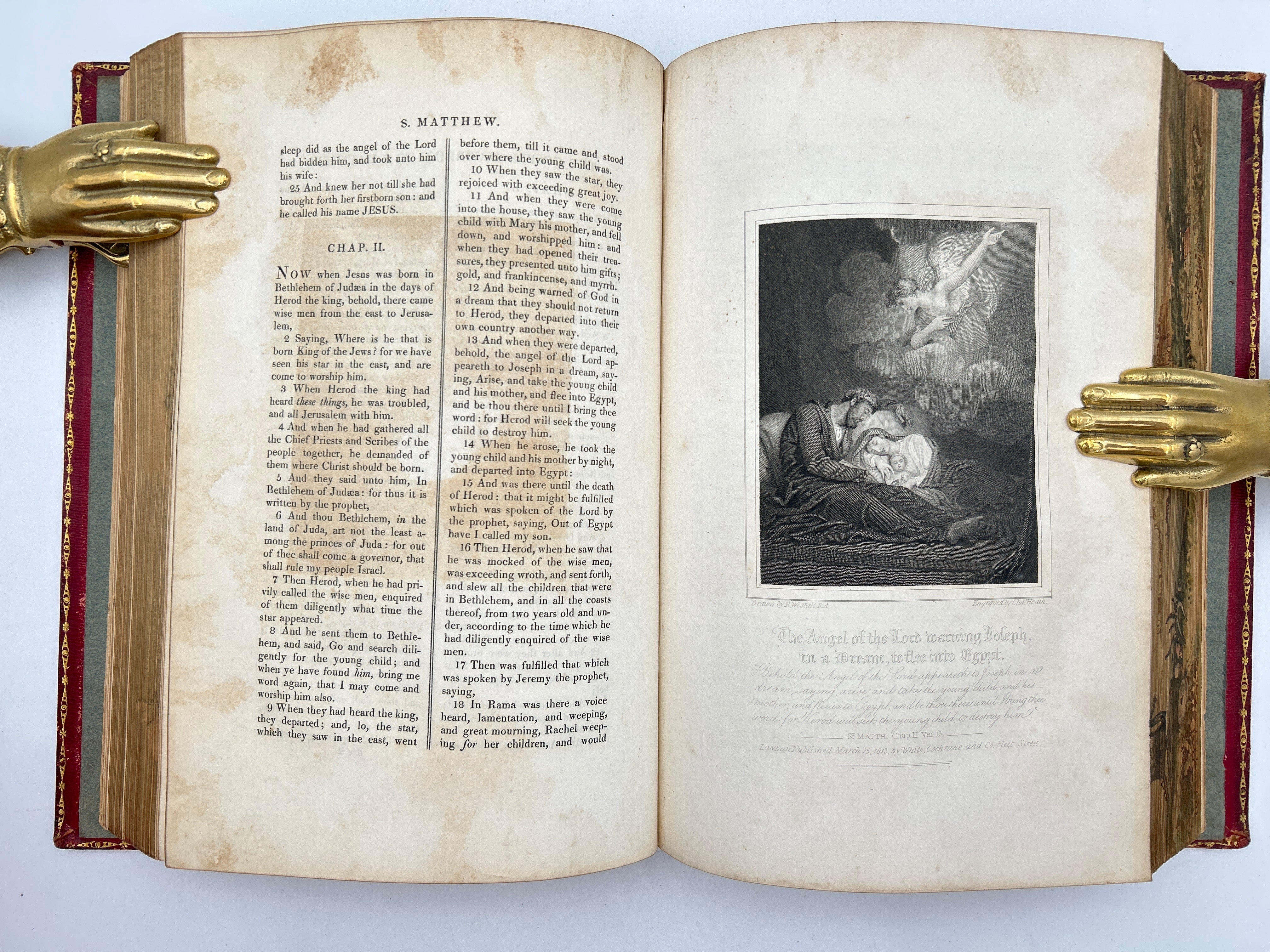
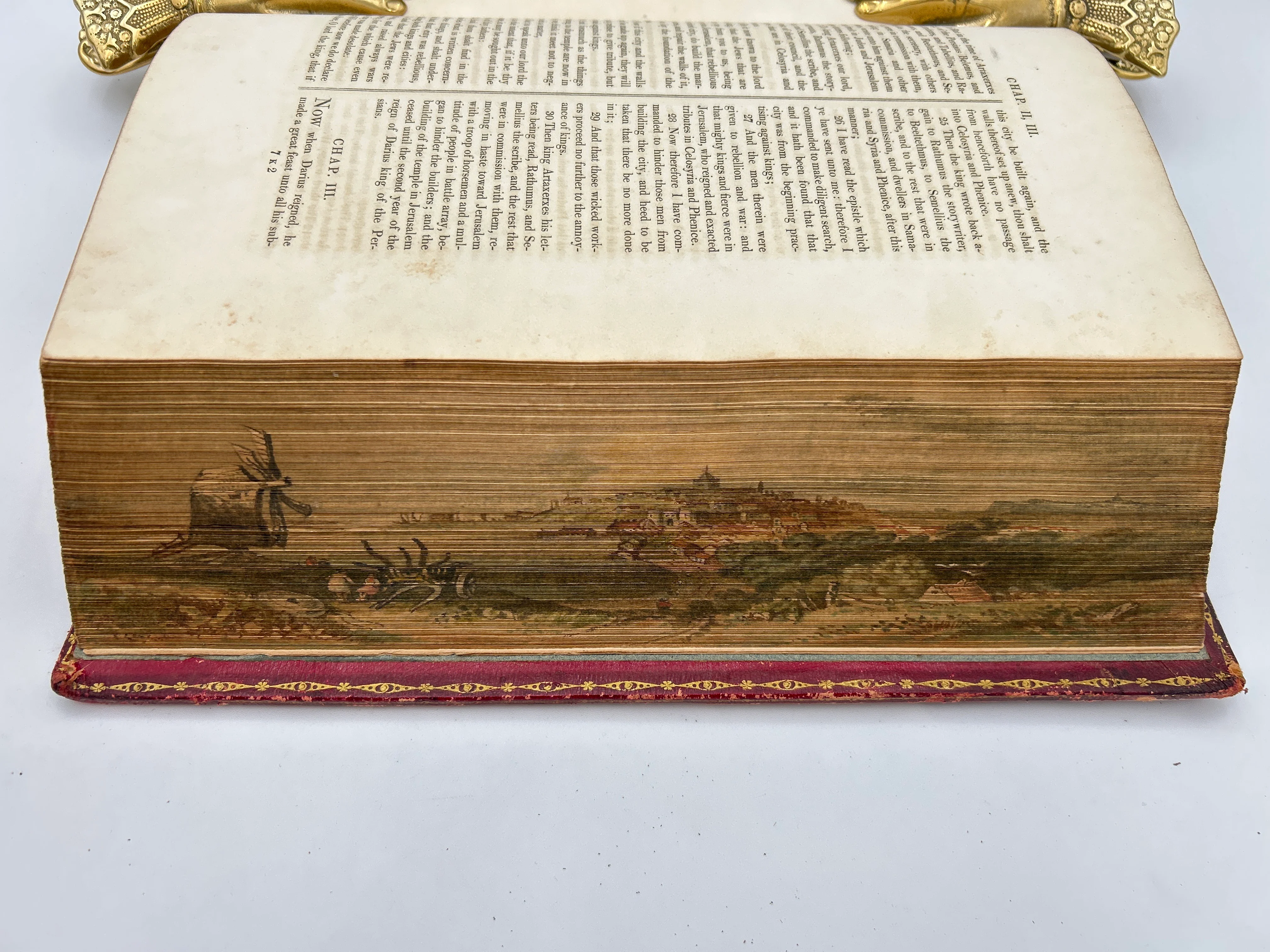
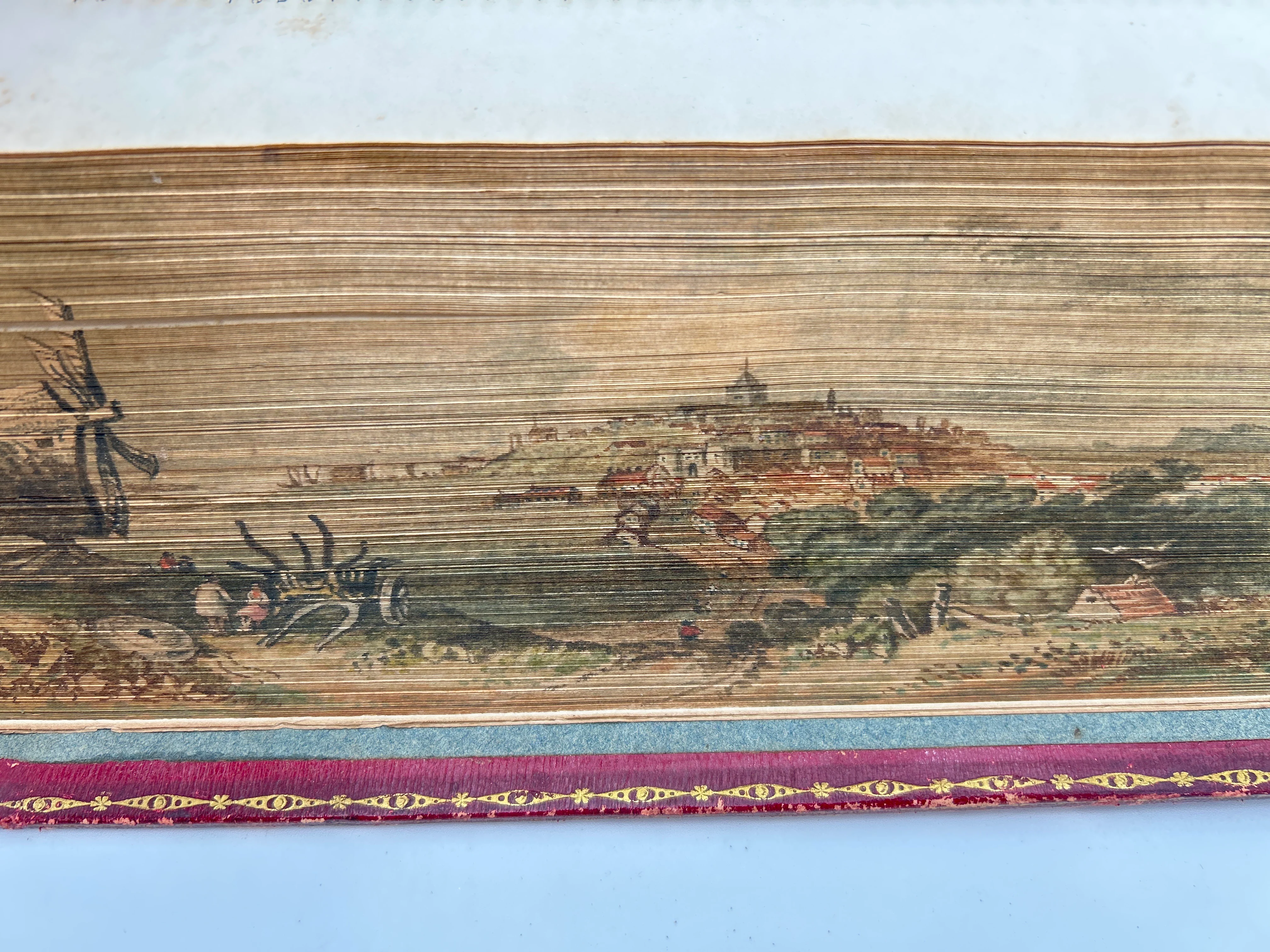
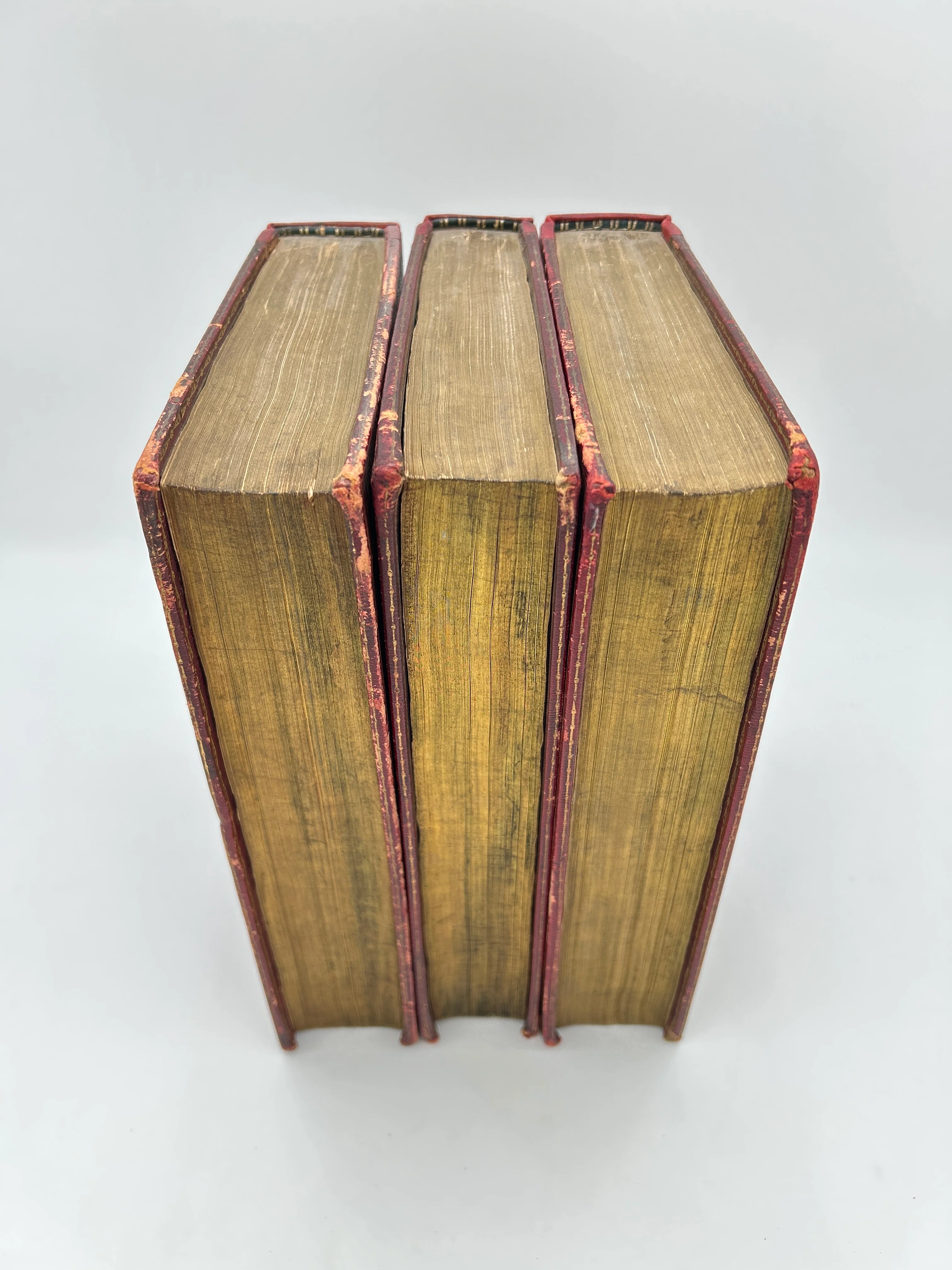
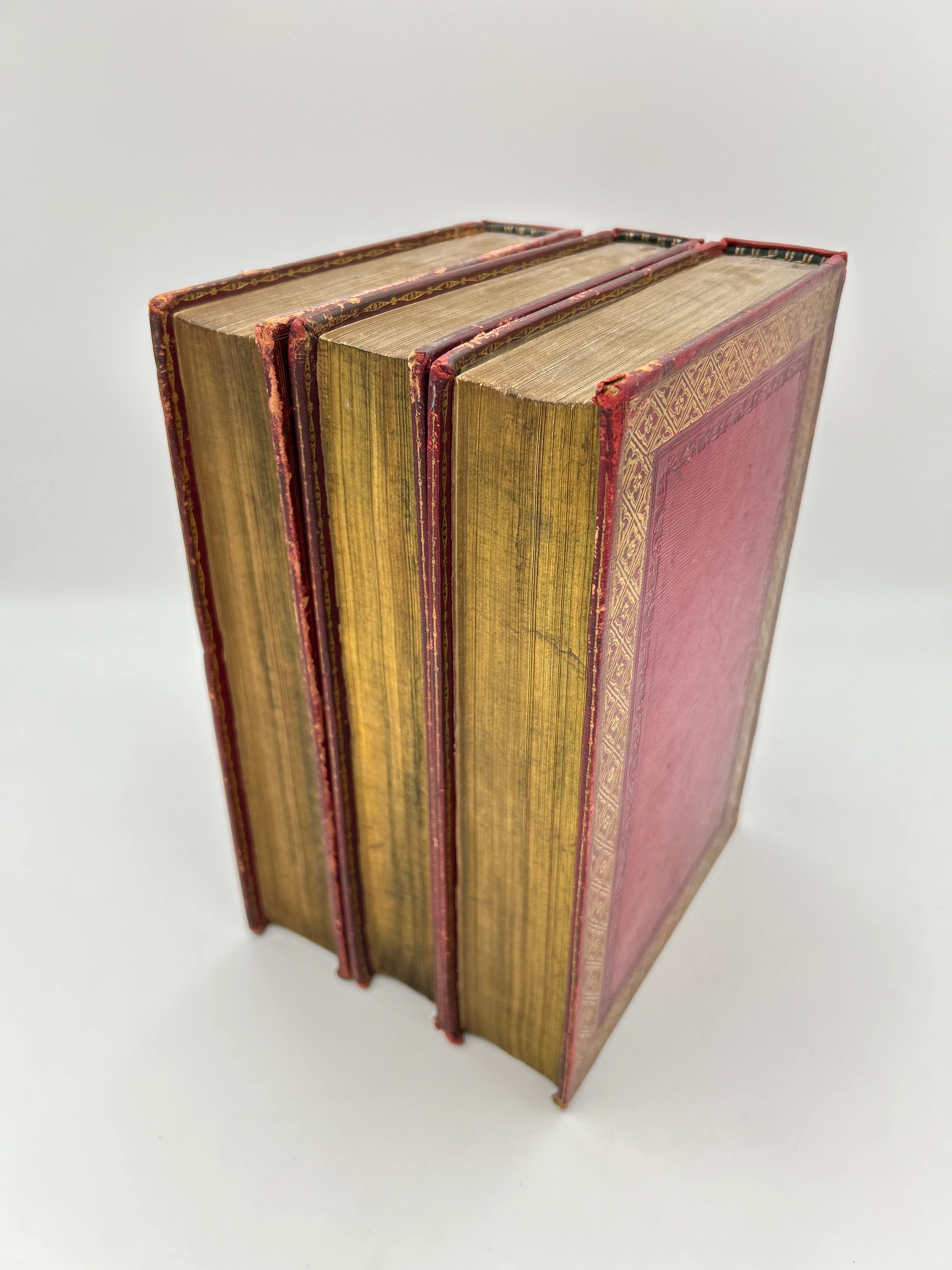
6B Holy Bible with Fore Edge paintings on each book of a scene of Dover, Rye, and Chatham. Oxford: Clarendon Press, 1815.
Description
The printing of the Bible begins with Johannes Gutenberg’s mid-15th-century Latin Bible, which demonstrated the power of movable type to reproduce lengthy, complex texts accurately and at scale. In the decades that followed, Bibles became central to the spread of literacy, religious reform, and vernacular language, especially during the Protestant Reformation, when translations into German, English, and other languages multiplied. Printers refined layout conventions such as chapters, verse numbers, marginal notes, and cross-references to support study and preaching, while religious and political authorities often sought to control or license editions. As printing technology improved, the Bible became both a sacred text and a mass-produced book, shaping religious life and the history of publishing worldwide.
Fore-edge paintings are a distinctive form of book decoration in which an image is painted on the outer edges of a book’s pages, usually hidden when the book is closed and revealed only when the pages are fanned. Originating in the 17th century and becoming especially popular in England during the 18th and early 19th centuries, these paintings often depicted landscapes, biblical scenes, heraldry, or scenes related to the book’s contents. The technique required great skill, as the artwork was applied in watercolor to the fanned pages and then gilded or marbled over, concealing the image. Fore-edge paintings combined craftsmanship, artistry, and surprise, transforming books—frequently Bibles or devotional works—into both functional texts and collectible art objects.
Notes
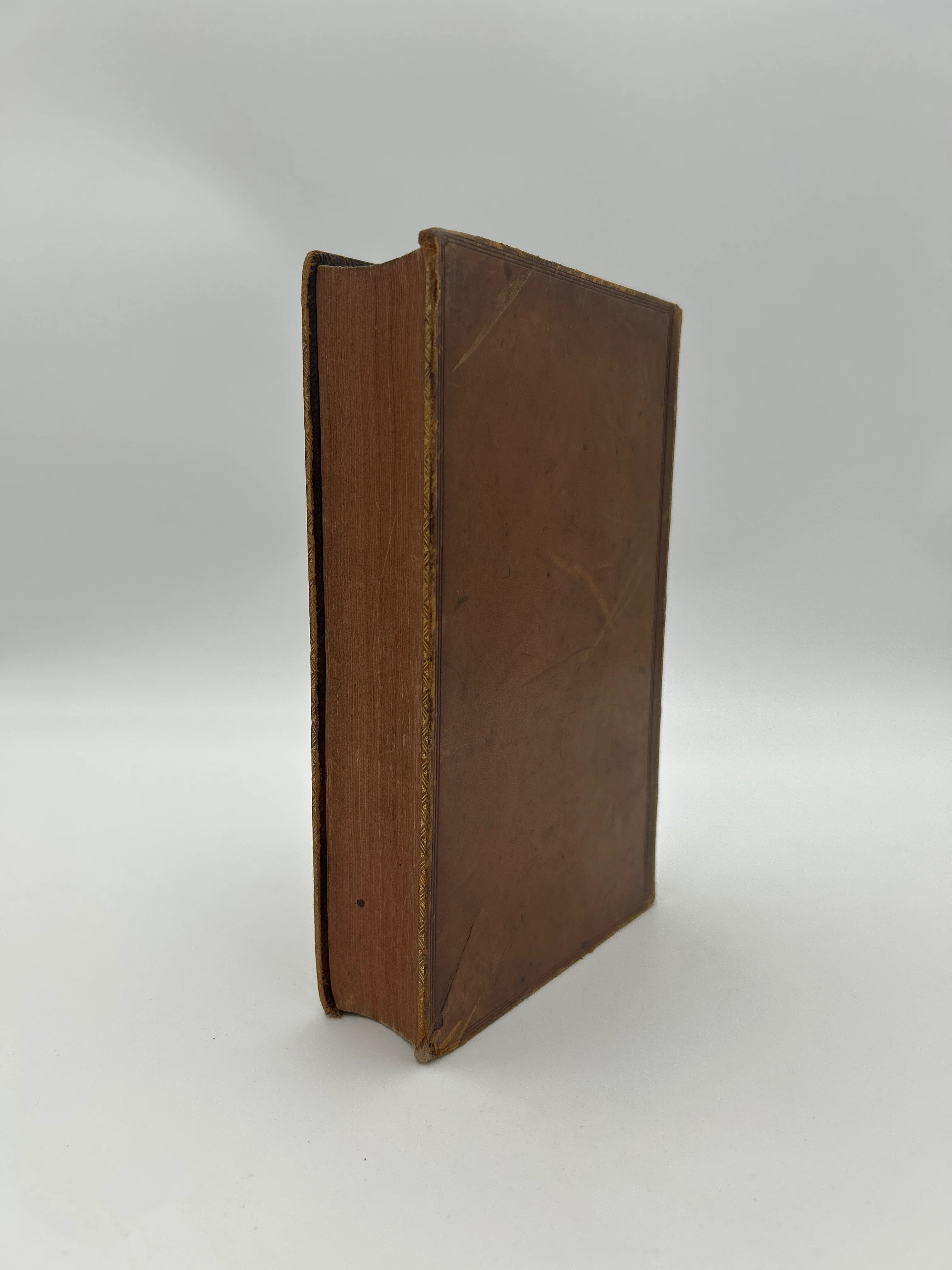
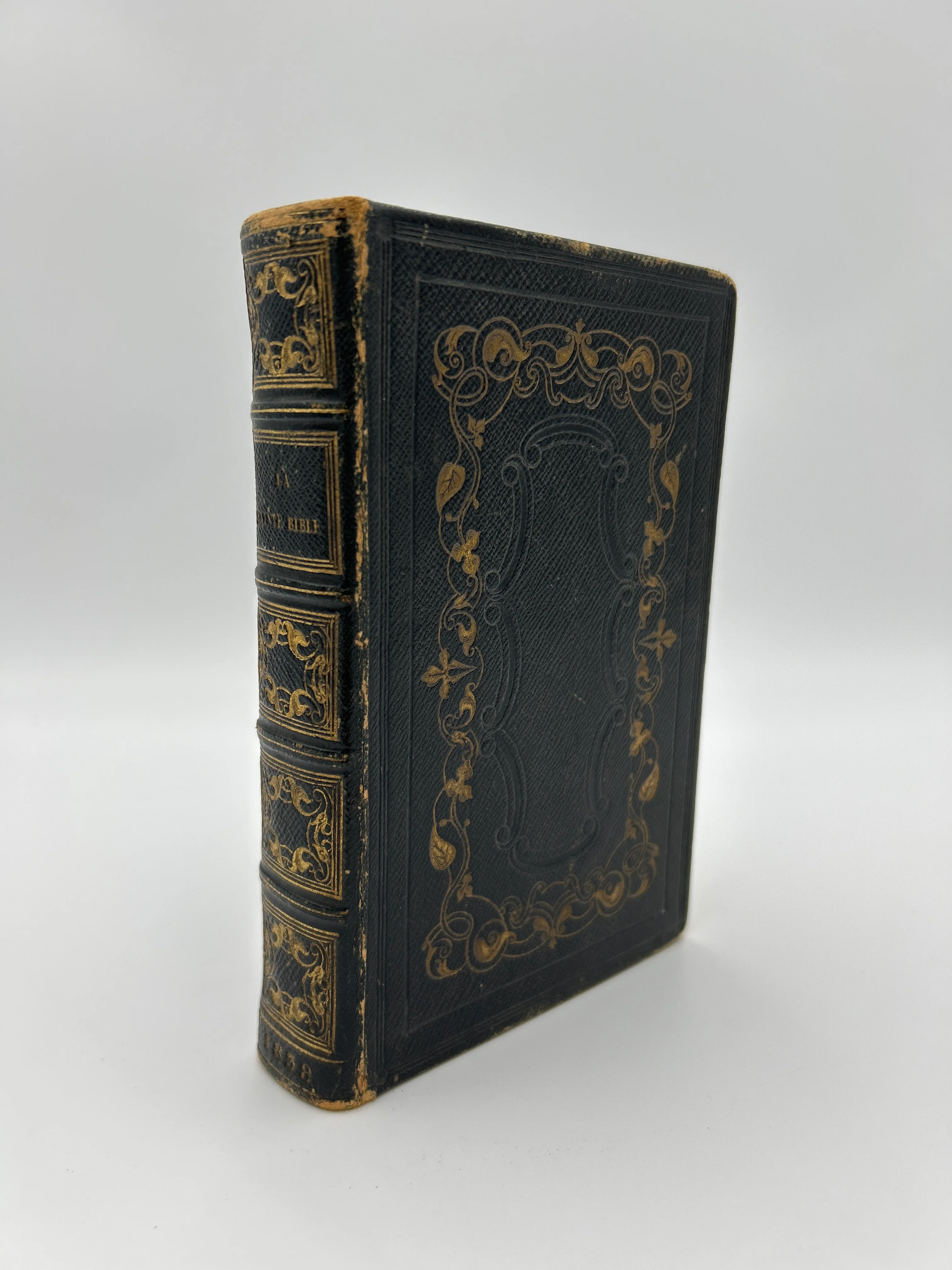
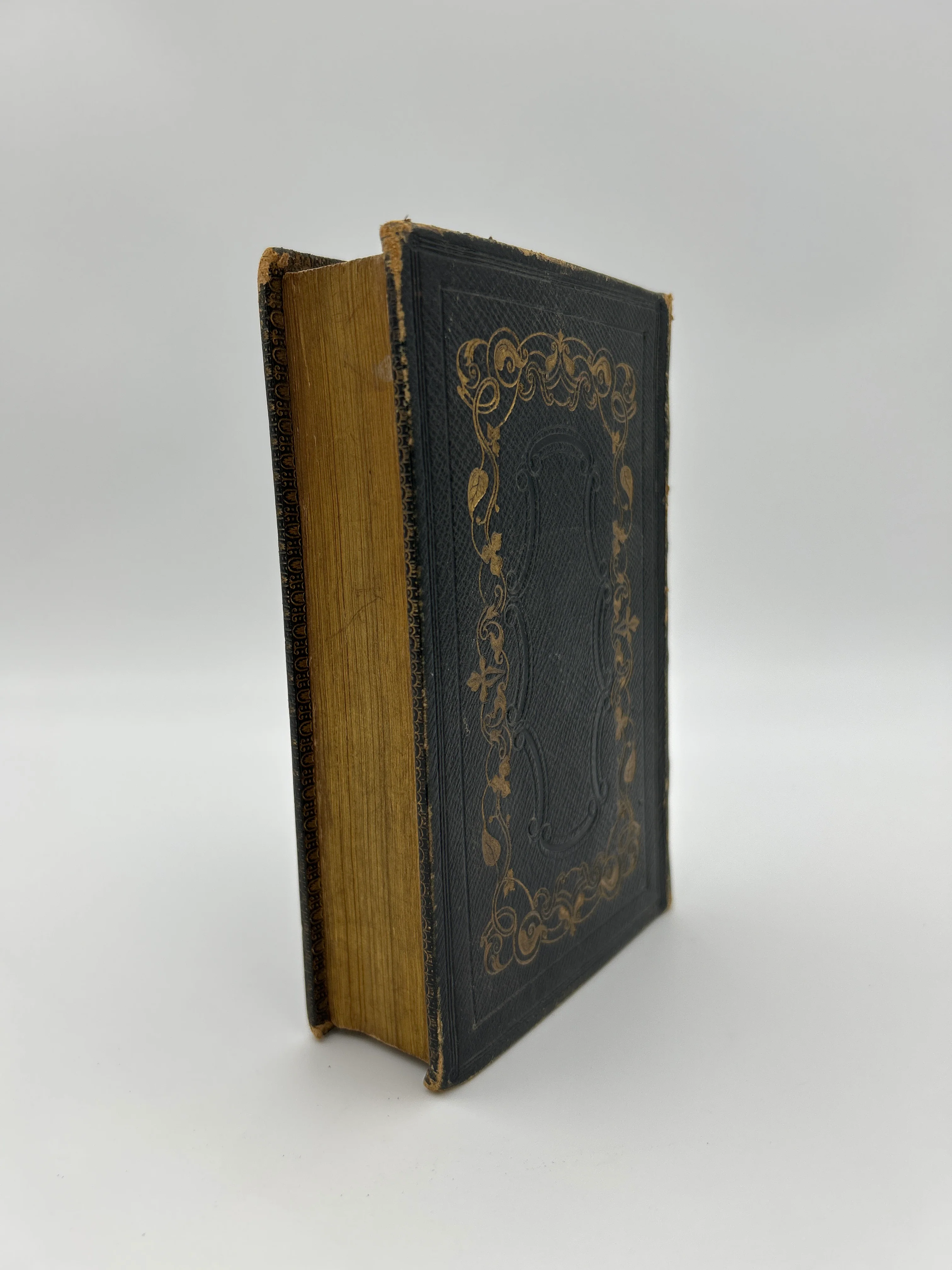
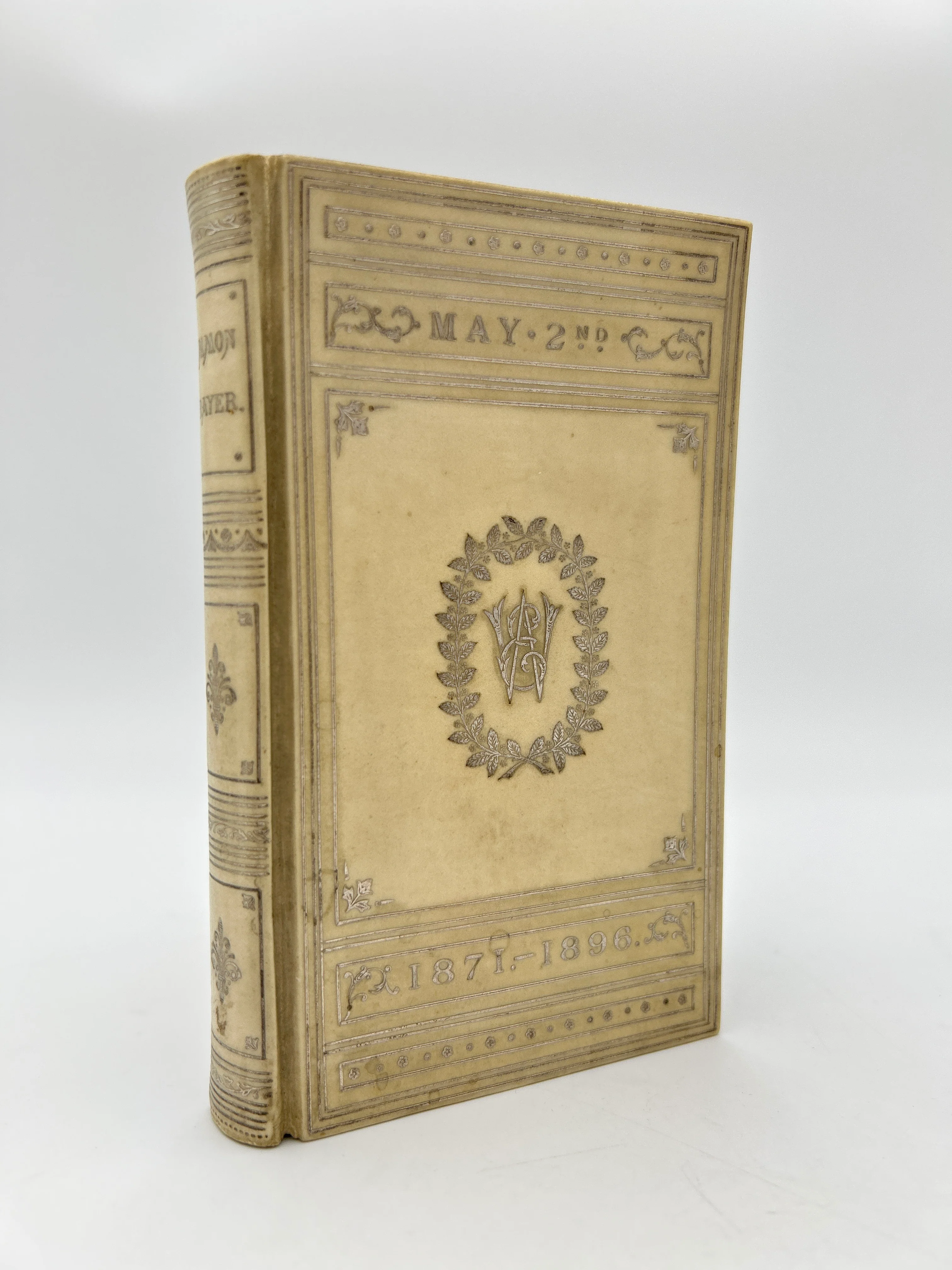
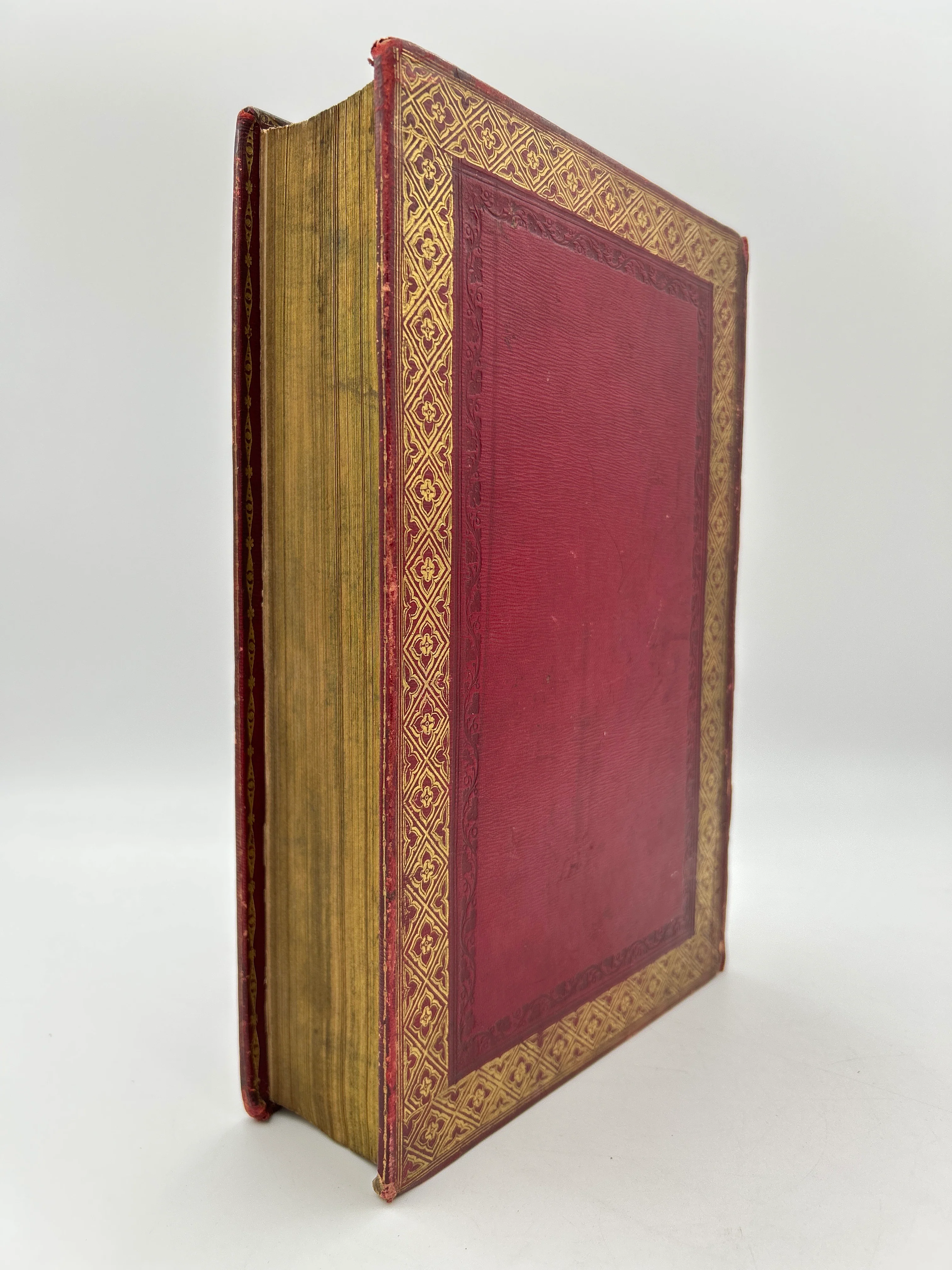
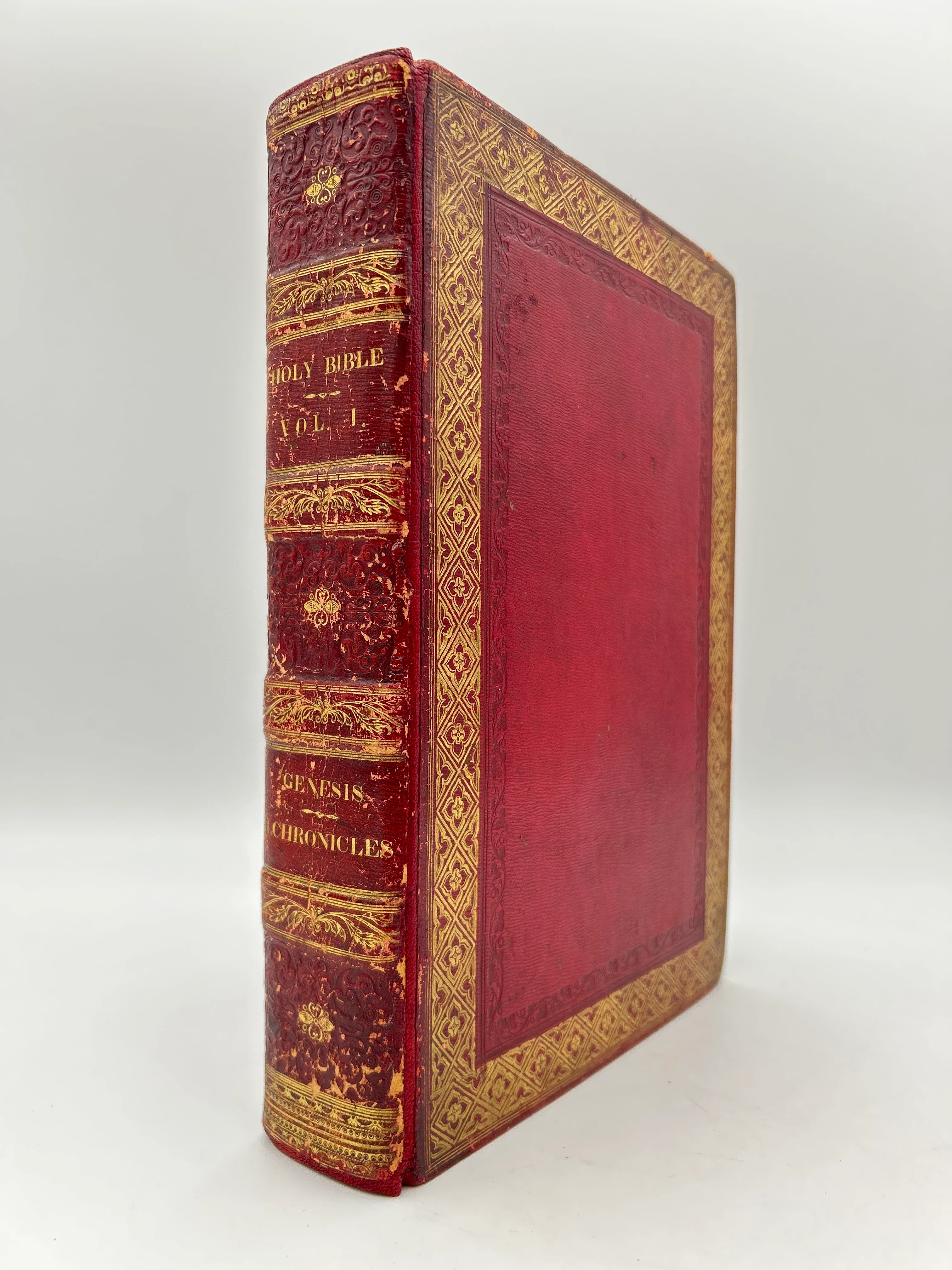
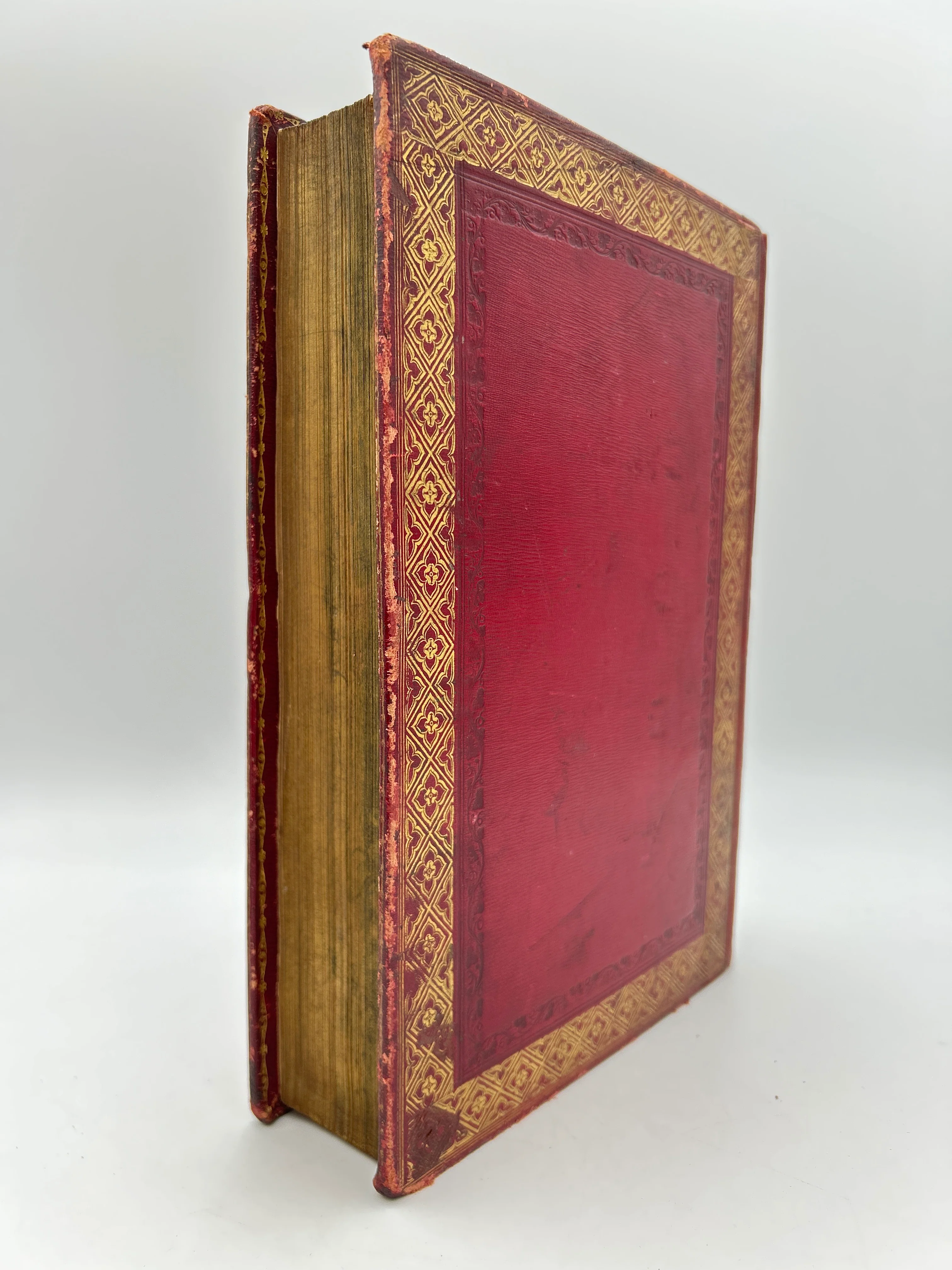
Three beautifully red bound with gold tooling front and back. Four raised bands with three gold edge. Some scuffing to spines and bumps to corners. Rubbing to extremities. Fully intact. Slight staining on covers of binding. Bookplate of Captain Jervoise on interior board. Landscape fore edge paintings on each volume of scenes of Dover, Rye, Chatham. Very fine condition.
Details & Craftsmanship
Every detail has been carefully considered to bring you the perfect product.
Details & Craftsmanship
Every detail has been carefully considered to bring you the perfect product.
Details & Craftsmanship
Every detail has been carefully considered to bring you the perfect product.
Details & Craftsmanship
Every detail has been carefully considered to bring you the perfect product.
Details & Craftsmanship
Every detail has been carefully considered to bring you the perfect product.
Details & Craftsmanship
Every detail has been carefully considered to bring you the perfect product.
Details & Craftsmanship
Every detail has been carefully considered to bring you the perfect product.
Details & Craftsmanship
Every detail has been carefully considered to bring you the perfect product.
Details & Craftsmanship
Every detail has been carefully considered to bring you the perfect product.
Details & Craftsmanship
Every detail has been carefully considered to bring you the perfect product.
Details & Craftsmanship
Every detail has been carefully considered to bring you the perfect product.
Details & Craftsmanship
Every detail has been carefully considered to bring you the perfect product.
Details & Craftsmanship
Every detail has been carefully considered to bring you the perfect product.
Details & Craftsmanship
Every detail has been carefully considered to bring you the perfect product.
Details & Craftsmanship
Every detail has been carefully considered to bring you the perfect product.
Details & Craftsmanship
Every detail has been carefully considered to bring you the perfect product.
Details & Craftsmanship
Every detail has been carefully considered to bring you the perfect product.
Details & Craftsmanship
Every detail has been carefully considered to bring you the perfect product.
Details & Craftsmanship
Every detail has been carefully considered to bring you the perfect product.
Details & Craftsmanship
Every detail has been carefully considered to bring you the perfect product.
Details & Craftsmanship
Every detail has been carefully considered to bring you the perfect product.
Details & Craftsmanship
Every detail has been carefully considered to bring you the perfect product.
Details & Craftsmanship
Every detail has been carefully considered to bring you the perfect product.
Description
6B Holy Bible with Fore Edge paintings on each book of a scene of Dover, Rye, and Chatham. Oxford: Clarendon Press, 1815.
Description
The printing of the Bible begins with Johannes Gutenberg’s mid-15th-century Latin Bible, which demonstrated the power of movable type to reproduce lengthy, complex texts accurately and at scale. In the decades that followed, Bibles became central to the spread of literacy, religious reform, and vernacular language, especially during the Protestant Reformation, when translations into German, English, and other languages multiplied. Printers refined layout conventions such as chapters, verse numbers, marginal notes, and cross-references to support study and preaching, while religious and political authorities often sought to control or license editions. As printing technology improved, the Bible became both a sacred text and a mass-produced book, shaping religious life and the history of publishing worldwide.
Fore-edge paintings are a distinctive form of book decoration in which an image is painted on the outer edges of a book’s pages, usually hidden when the book is closed and revealed only when the pages are fanned. Originating in the 17th century and becoming especially popular in England during the 18th and early 19th centuries, these paintings often depicted landscapes, biblical scenes, heraldry, or scenes related to the book’s contents. The technique required great skill, as the artwork was applied in watercolor to the fanned pages and then gilded or marbled over, concealing the image. Fore-edge paintings combined craftsmanship, artistry, and surprise, transforming books—frequently Bibles or devotional works—into both functional texts and collectible art objects.
Notes
Three beautifully red bound with gold tooling front and back. Four raised bands with three gold edge. Some scuffing to spines and bumps to corners. Rubbing to extremities. Fully intact. Slight staining on covers of binding. Bookplate of Captain Jervoise on interior board. Landscape fore edge paintings on each volume of scenes of Dover, Rye, Chatham. Very fine condition.