The Story
6B The Holy Bible in German. Nuremberg: Johann Andrea Enderer, 1747
Notes
The Martin Luther Bible, first published in 1534, is a landmark translation of the Bible into German by the theologian Martin Luther. Luther's translation was groundbreaking because it made the Bible accessible to the common people of the Holy Roman Empire, who primarily spoke German, rather than in the Latin that had been used in religious texts up to that point. Luther’s work was not just a translation but also a theological endeavor, as he sought to ensure that the Bible's message was clear and understandable, aligning with his beliefs of sola scriptura (the Bible alone as the source of authority) and the importance of personal faith.
Luther's translation of the Bible helped shape the German language, as it standardized many words and phrases that are still in use today. His approach also had a profound impact on the Protestant Reformation, as it allowed ordinary people to engage with the Scriptures directly, without relying solely on the interpretations of the clergy. The Martin Luther Bible became the foundational text for many Protestant denominations and has been revised and updated multiple times over the centuries, but its original 1534 version remains one of the most influential works in the history of the Christian church and Western literature
Description
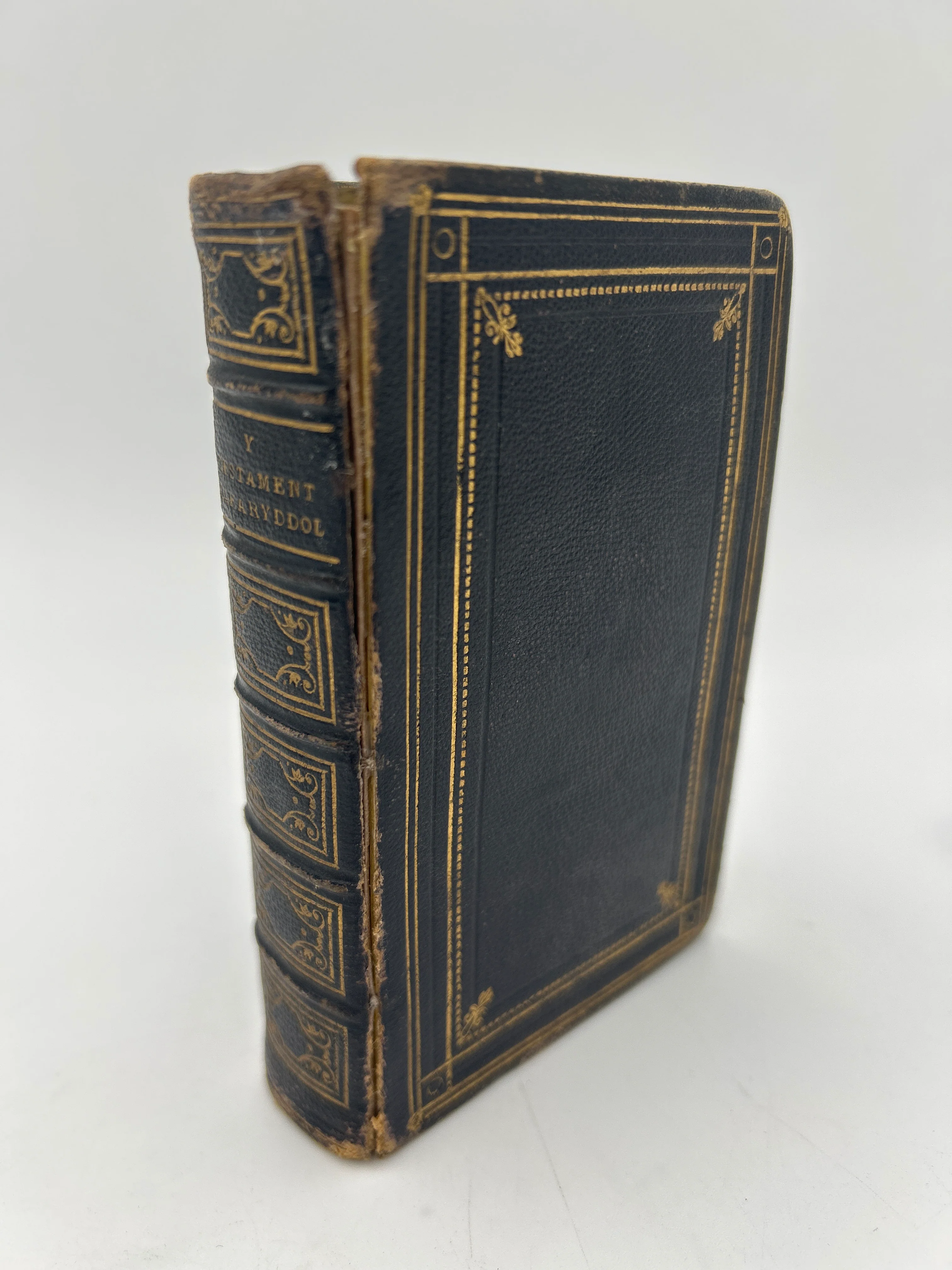
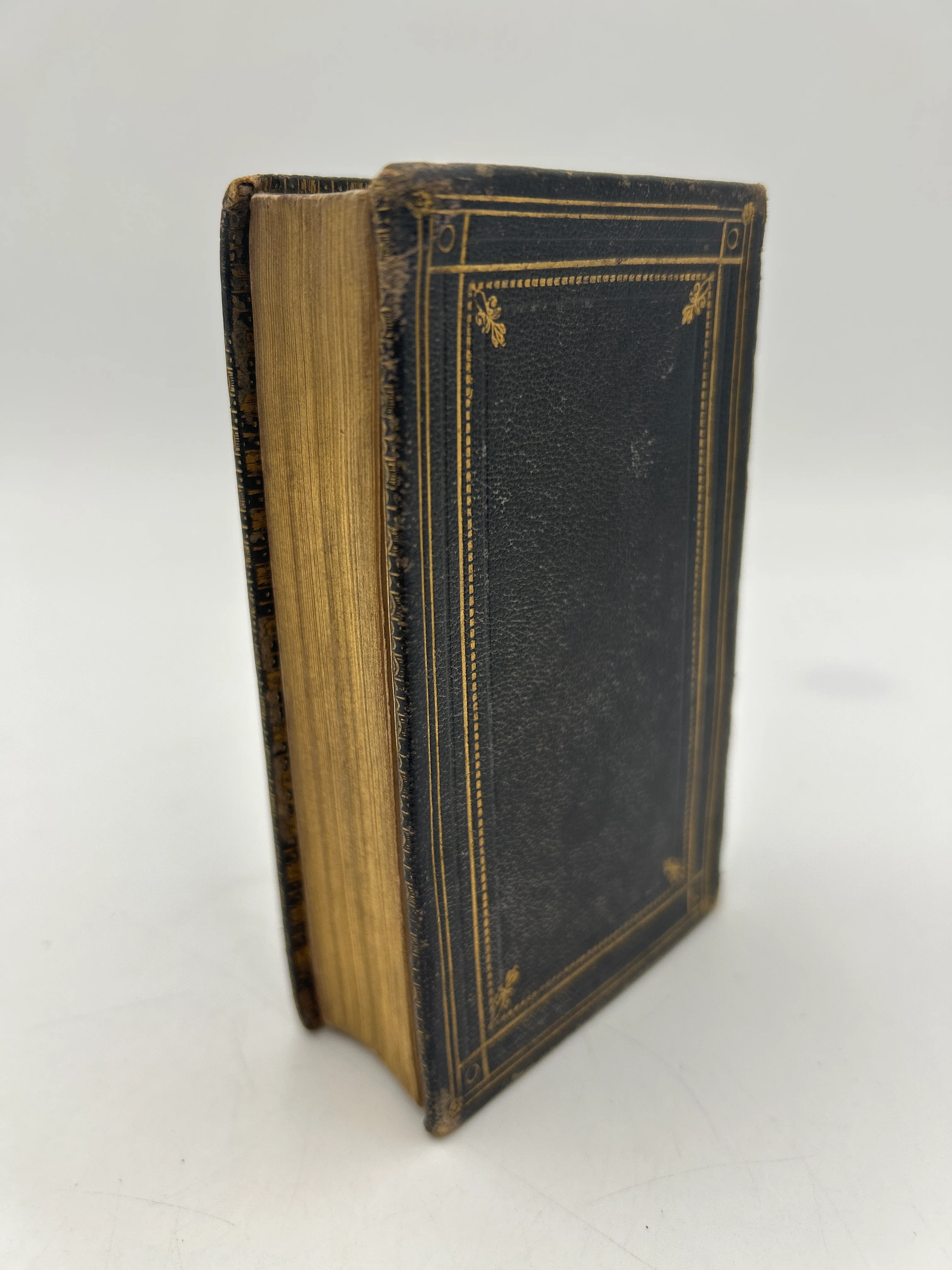
Debossed leather covered boards with brass corners. One clasp missing and the other is functional but nearly broken. Five raised bands. Woodcut illustrations throughout. German. Head of spine is fractured and edges are rubbed. Places where clasps adhere to lower board have come away and are missing all brass pieces and has several wormholes. Graying edges. Fully intact. German.

Details & Craftsmanship
Every detail has been carefully considered to bring you the perfect product.
Details & Craftsmanship
Every detail has been carefully considered to bring you the perfect product.

Details & Craftsmanship
Every detail has been carefully considered to bring you the perfect product.

Details & Craftsmanship
Every detail has been carefully considered to bring you the perfect product.

Details & Craftsmanship
Every detail has been carefully considered to bring you the perfect product.
Details & Craftsmanship
Every detail has been carefully considered to bring you the perfect product.

Details & Craftsmanship
Every detail has been carefully considered to bring you the perfect product.
Description
6B The Holy Bible in German. Nuremberg: Johann Andrea Enderer, 1747
Notes
The Martin Luther Bible, first published in 1534, is a landmark translation of the Bible into German by the theologian Martin Luther. Luther's translation was groundbreaking because it made the Bible accessible to the common people of the Holy Roman Empire, who primarily spoke German, rather than in the Latin that had been used in religious texts up to that point. Luther’s work was not just a translation but also a theological endeavor, as he sought to ensure that the Bible's message was clear and understandable, aligning with his beliefs of sola scriptura (the Bible alone as the source of authority) and the importance of personal faith.
Luther's translation of the Bible helped shape the German language, as it standardized many words and phrases that are still in use today. His approach also had a profound impact on the Protestant Reformation, as it allowed ordinary people to engage with the Scriptures directly, without relying solely on the interpretations of the clergy. The Martin Luther Bible became the foundational text for many Protestant denominations and has been revised and updated multiple times over the centuries, but its original 1534 version remains one of the most influential works in the history of the Christian church and Western literature
Description
Debossed leather covered boards with brass corners. One clasp missing and the other is functional but nearly broken. Five raised bands. Woodcut illustrations throughout. German. Head of spine is fractured and edges are rubbed. Places where clasps adhere to lower board have come away and are missing all brass pieces and has several wormholes. Graying edges. Fully intact. German.