Original: $350.00
-65%$350.00
$122.50The Story
6W Alfred Tennyson. Boston: Ticknor and Fields, 1855.
Note
Alfred, Lord Tennyson (1809–1892) was a central figure of Victorian poetry and served as Poet Laureate of Great Britain for over forty years. His writing is known for its musical language, rich imagery, and deep engagement with the moral, social, and emotional concerns of his age, including faith, doubt, love, loss, and progress. Tennyson’s poetry often reflects the tensions of the Victorian period, especially the struggle between scientific advancement and religious belief, as seen in works like In Memoriam. Through poems such as Ulysses, The Lady of Shalott, and The Princess, he established himself as a poet who combined classical influences with modern psychological insight.
Maud (1855) is one of Tennyson’s most complex and controversial poems, written as a dramatic monologue that traces the emotional and psychological collapse of its speaker. The poem explores themes of obsessive love, madness, social corruption, and violence, centring on the speaker’s intense fixation on Maud, a woman associated with wealth and social power. As the narrative progresses, the speaker’s grief, anger, and instability deepen, culminating in murder and a final turn toward patriotic fervour during war. Maud is notable for its shifting verse forms and fragmented structure, which mirror the speaker’s disturbed mental state and reflect Tennyson’s critique of Victorian materialism and moral decay
Description
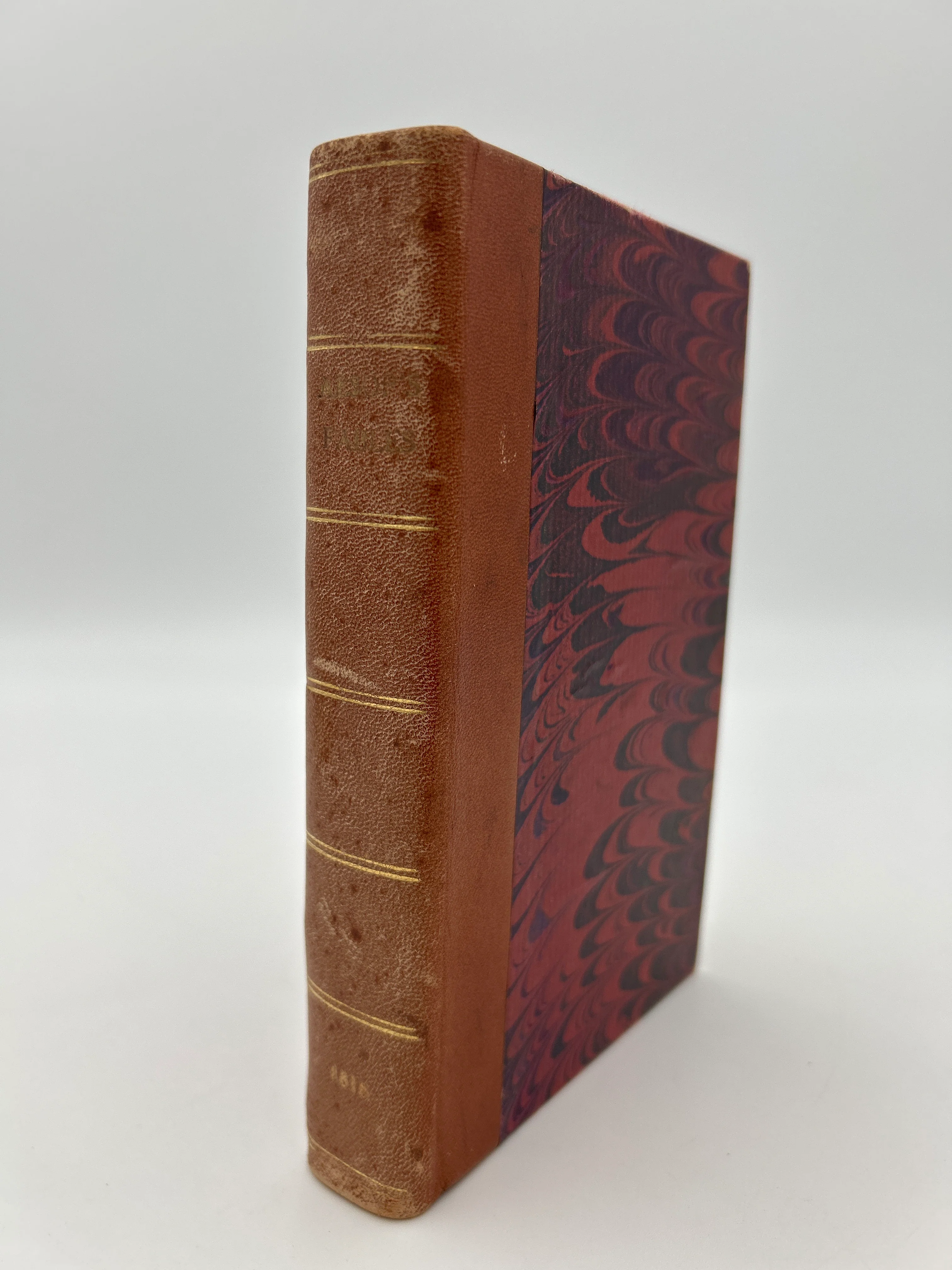
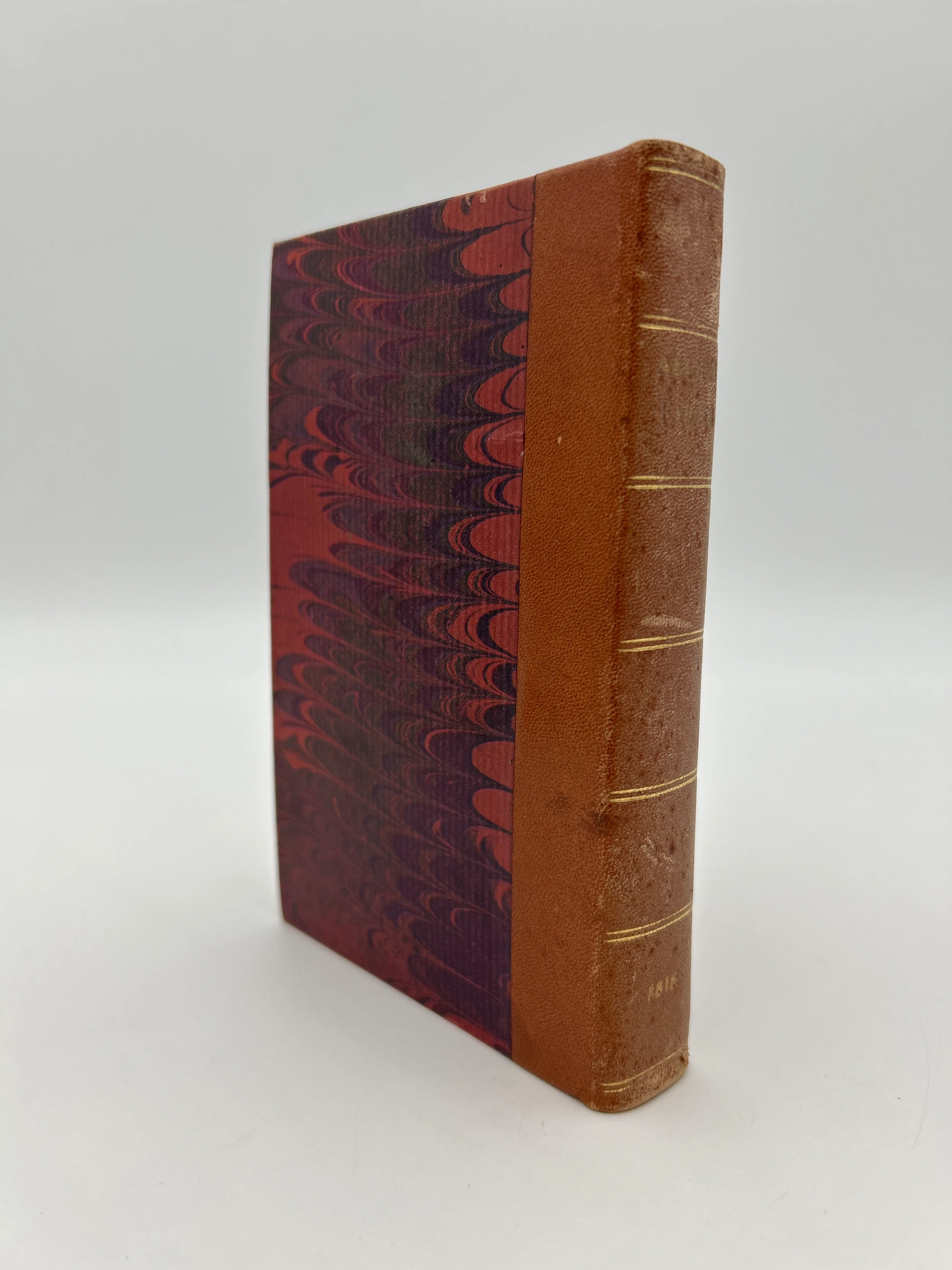
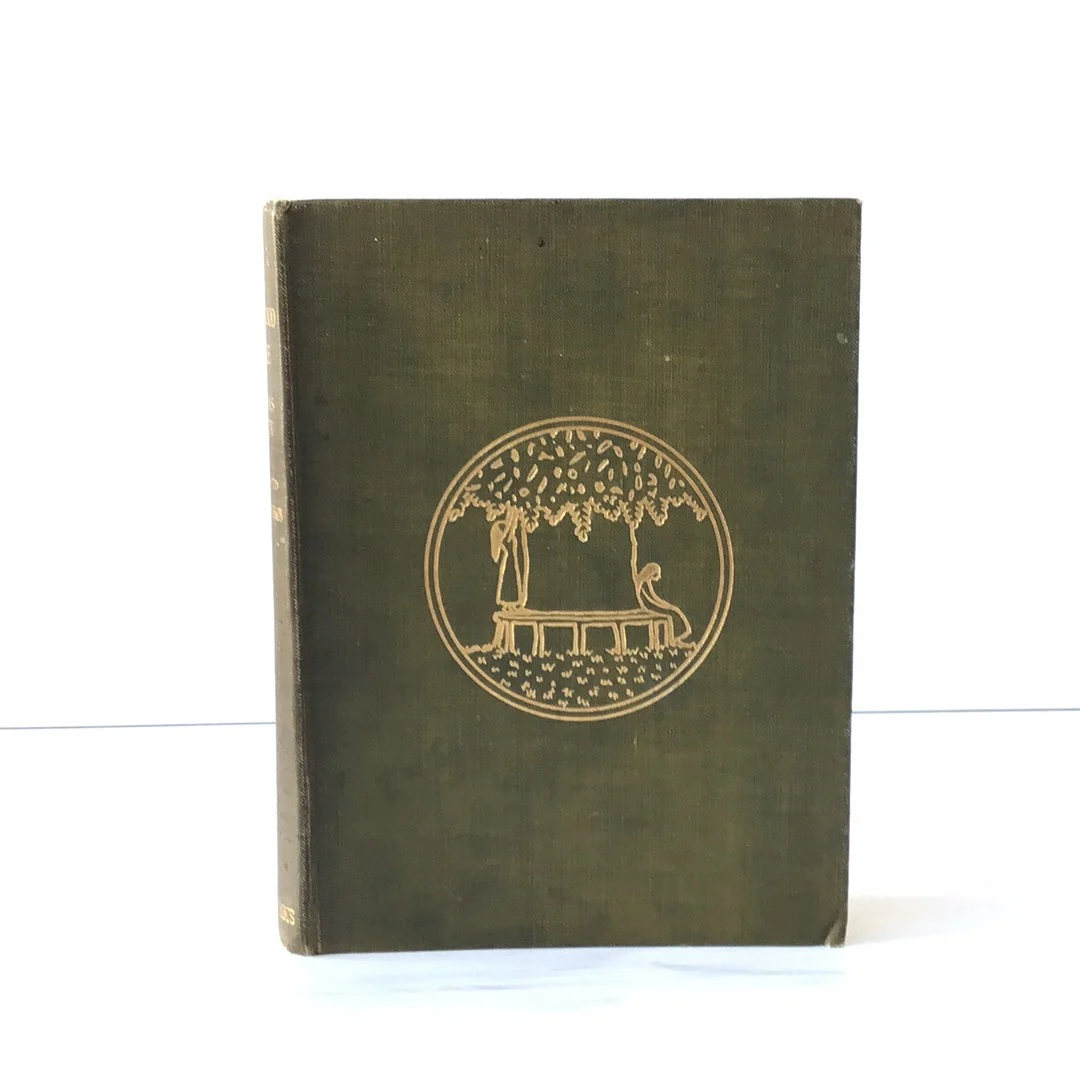
Brown embellished cloth cover. Maud lettering on spine, upper corner turned in, good condition

Details & Craftsmanship
Every detail has been carefully considered to bring you the perfect product.

Details & Craftsmanship
Every detail has been carefully considered to bring you the perfect product.

Details & Craftsmanship
Every detail has been carefully considered to bring you the perfect product.

Details & Craftsmanship
Every detail has been carefully considered to bring you the perfect product.
Description
6W Alfred Tennyson. Boston: Ticknor and Fields, 1855.
Note
Alfred, Lord Tennyson (1809–1892) was a central figure of Victorian poetry and served as Poet Laureate of Great Britain for over forty years. His writing is known for its musical language, rich imagery, and deep engagement with the moral, social, and emotional concerns of his age, including faith, doubt, love, loss, and progress. Tennyson’s poetry often reflects the tensions of the Victorian period, especially the struggle between scientific advancement and religious belief, as seen in works like In Memoriam. Through poems such as Ulysses, The Lady of Shalott, and The Princess, he established himself as a poet who combined classical influences with modern psychological insight.
Maud (1855) is one of Tennyson’s most complex and controversial poems, written as a dramatic monologue that traces the emotional and psychological collapse of its speaker. The poem explores themes of obsessive love, madness, social corruption, and violence, centring on the speaker’s intense fixation on Maud, a woman associated with wealth and social power. As the narrative progresses, the speaker’s grief, anger, and instability deepen, culminating in murder and a final turn toward patriotic fervour during war. Maud is notable for its shifting verse forms and fragmented structure, which mirror the speaker’s disturbed mental state and reflect Tennyson’s critique of Victorian materialism and moral decay
Description
Brown embellished cloth cover. Maud lettering on spine, upper corner turned in, good condition