The Story
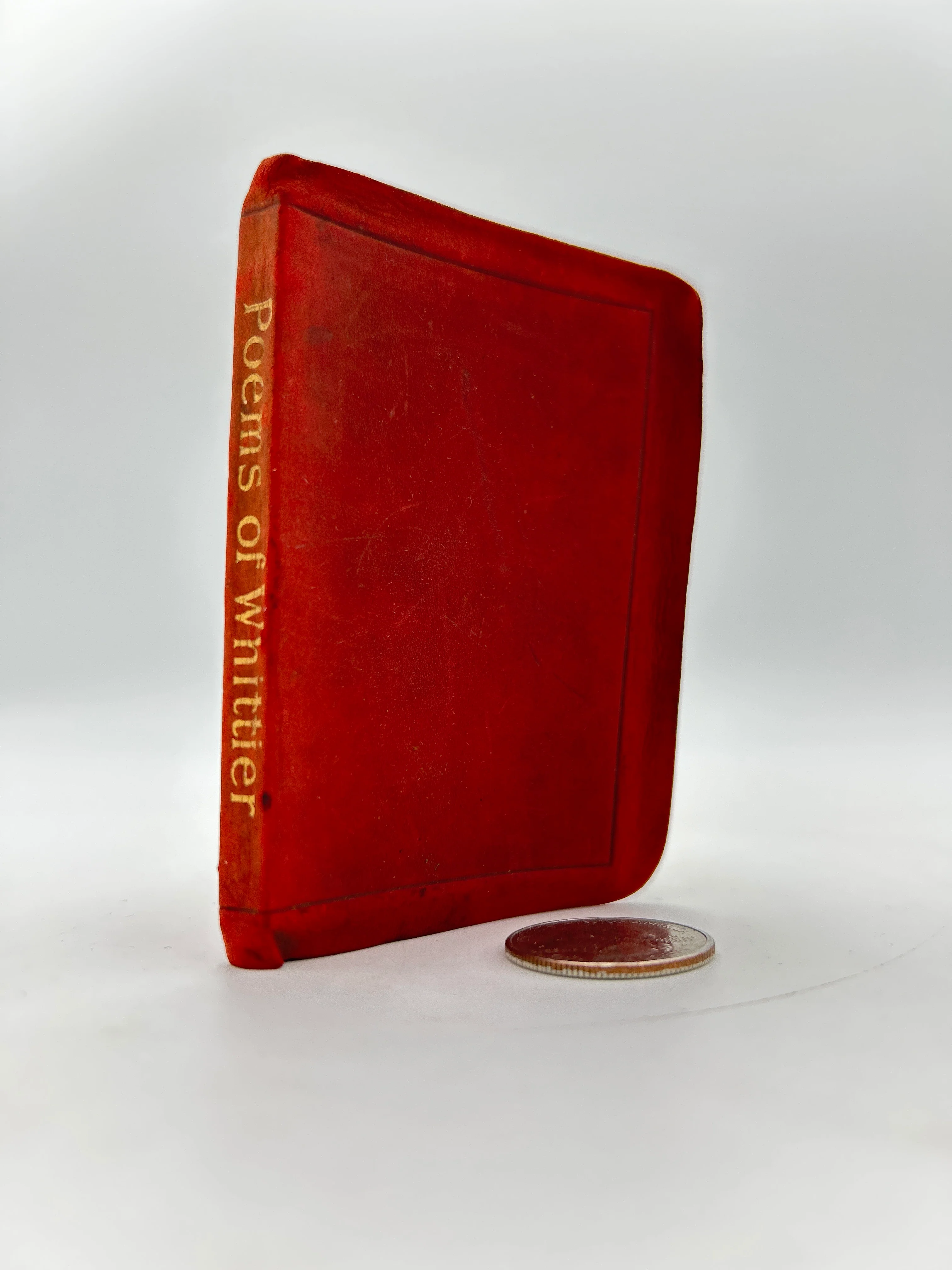
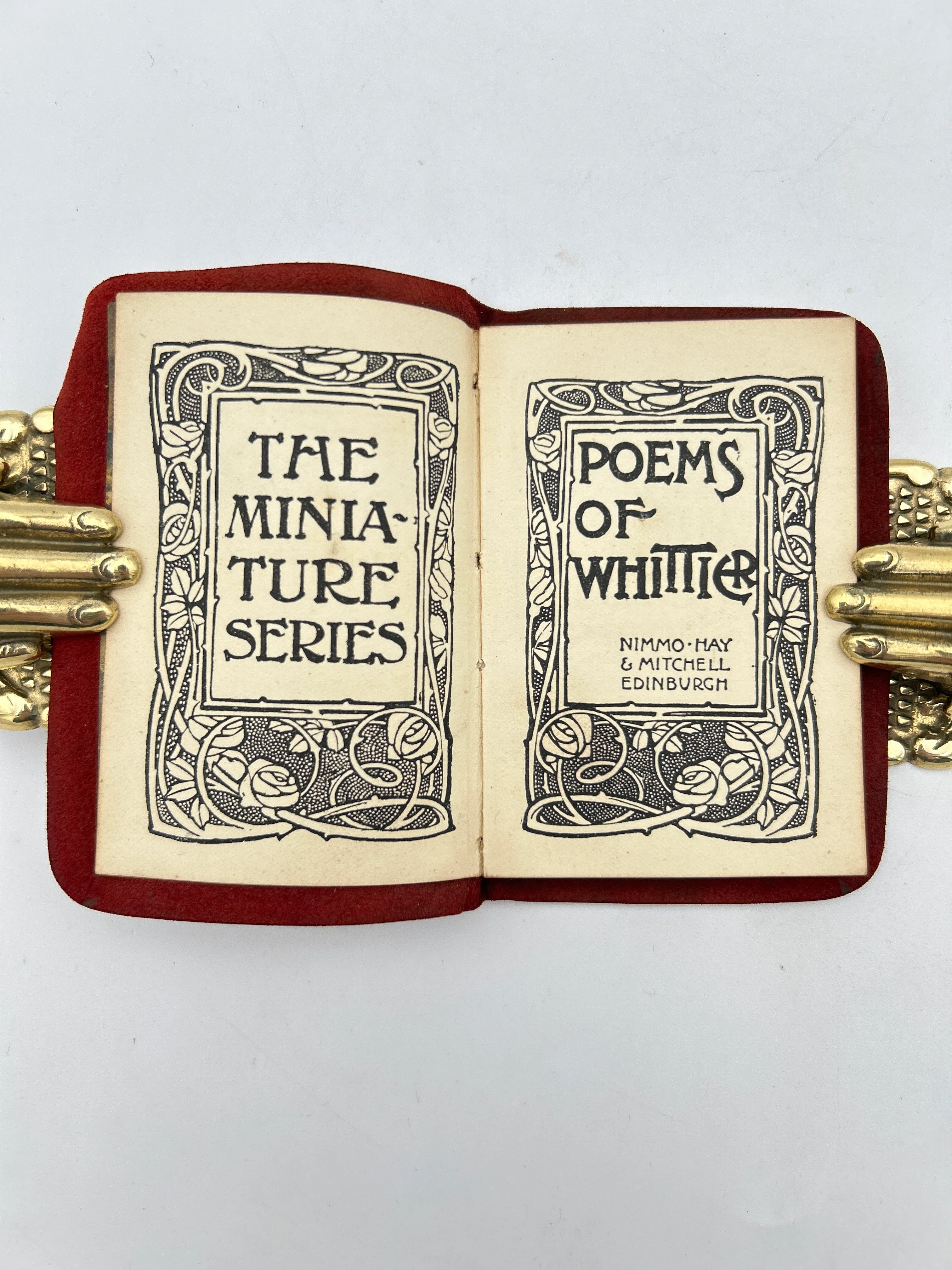
6j John Greenleaf Whittier. Edinburgh: Nimmo, Hay & Mitchell, ca. 1910.
Notes
Poems of Whittier is a collection of works by John Greenleaf Whittier (1807–1892), a prominent American Quaker poet and ardent abolitionist. Whittier’s poetry combines lyrical sensitivity with moral purpose, often addressing social issues such as slavery, reform, and Quaker ideals of simplicity and justice, while also celebrating rural life and the beauty of New England landscapes. His verse is known for its clear, direct language, emotional resonance, and ethical seriousness, making him one of the most widely read American poets of the nineteenth century. Collections under this title typically bring together his major poems, such as Snow-Bound, Maud Muller, and The Barefoot Boy, highlighting both his literary skill and his commitment to humanitarian causes
Miniature books grew especially popular in the late nineteenth and early twentieth centuries, when improvements in printing, paper quality, and typesetting made it possible to produce readable texts at very small sizes. Their appeal blended novelty, craftsmanship, and collectability: readers enjoyed the surprise of fully functional books small enough to fit in a pocket, while collectors prized the fine bindings, gilt lettering, and clever design challenges they represented. Miniature volumes were often given as gifts or souvenirs and frequently featured well-known classics, poetry, or religious texts, since familiar works lent themselves well to abbreviated or compact formats.
Description
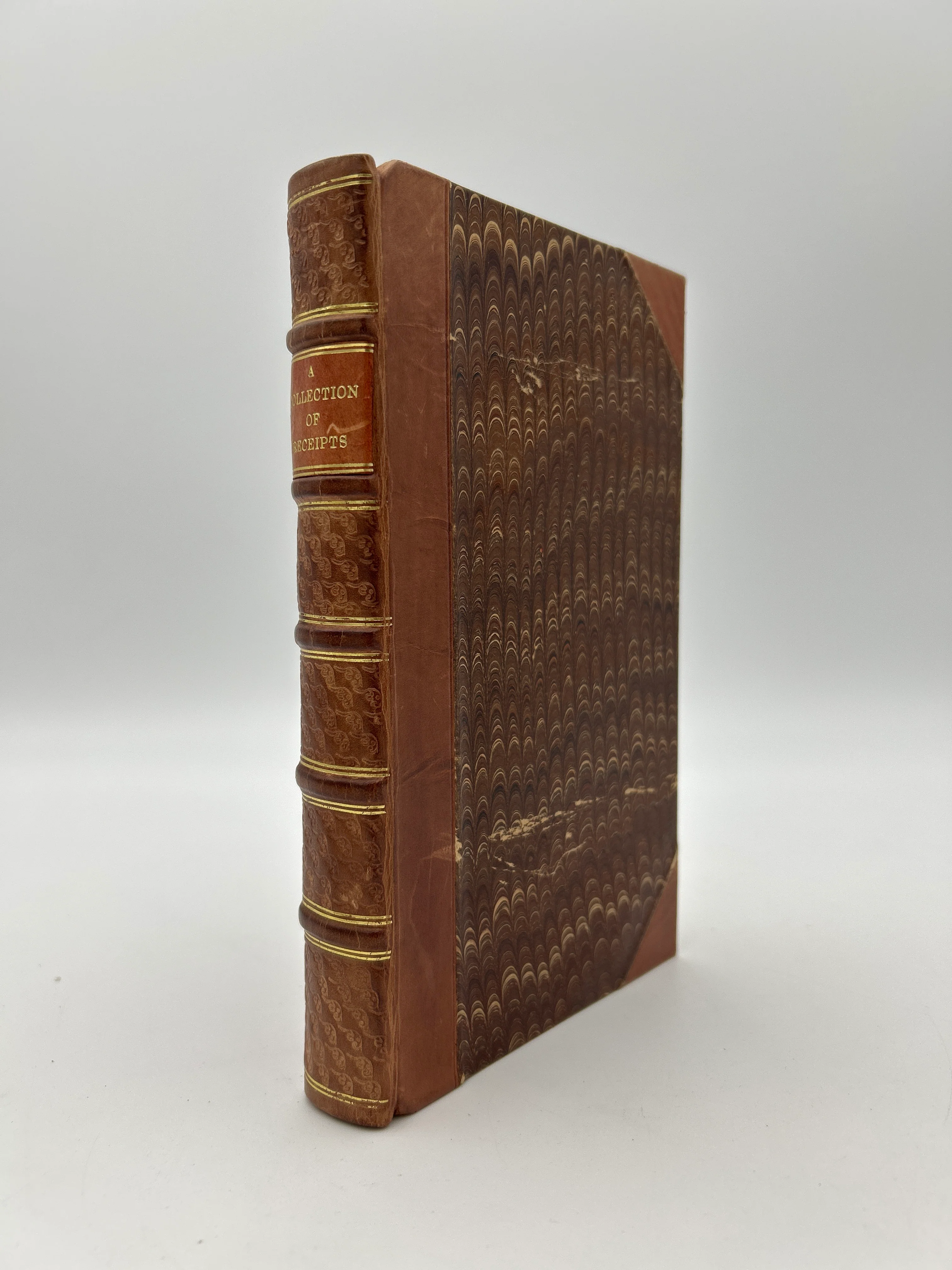
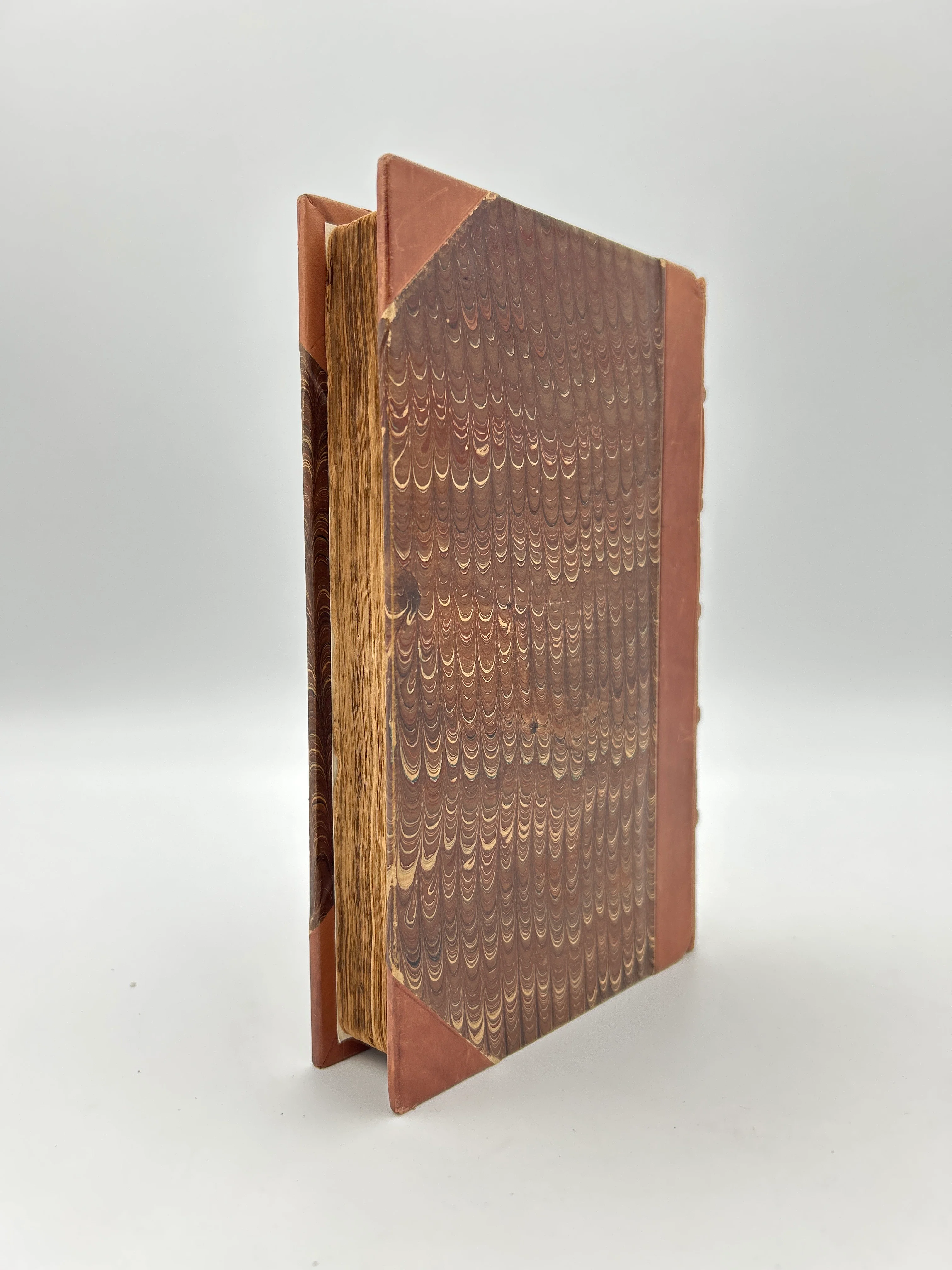
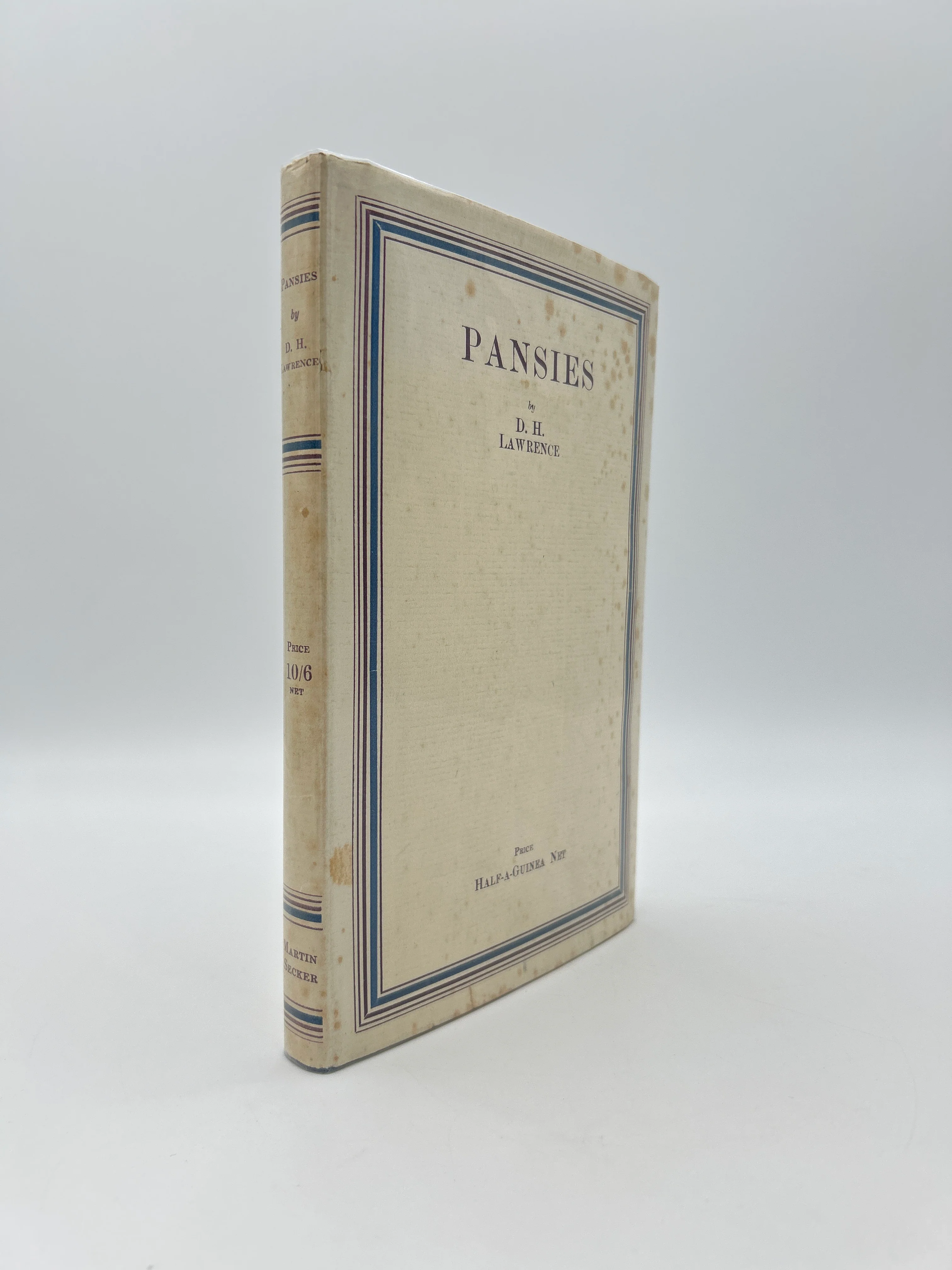
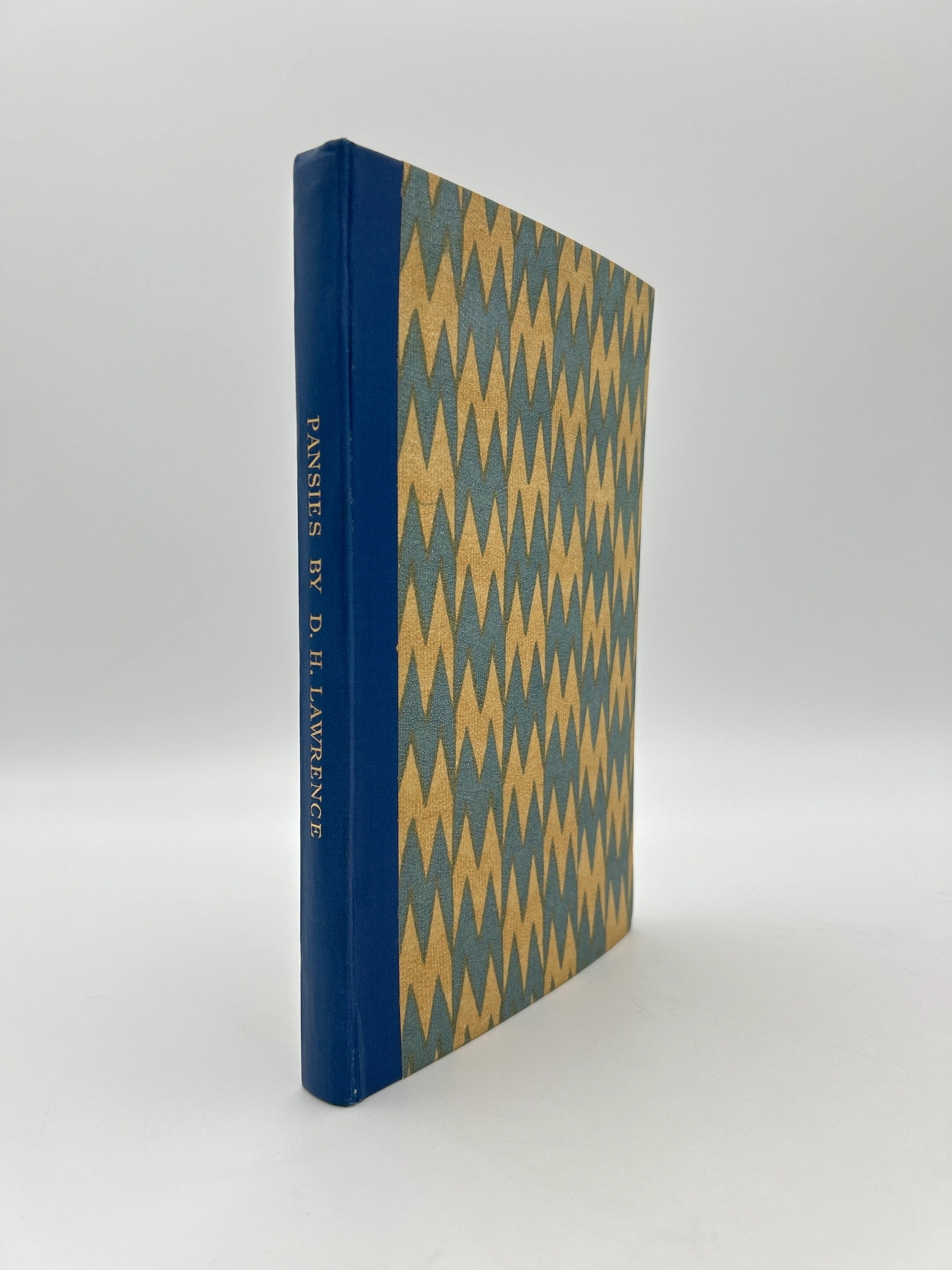
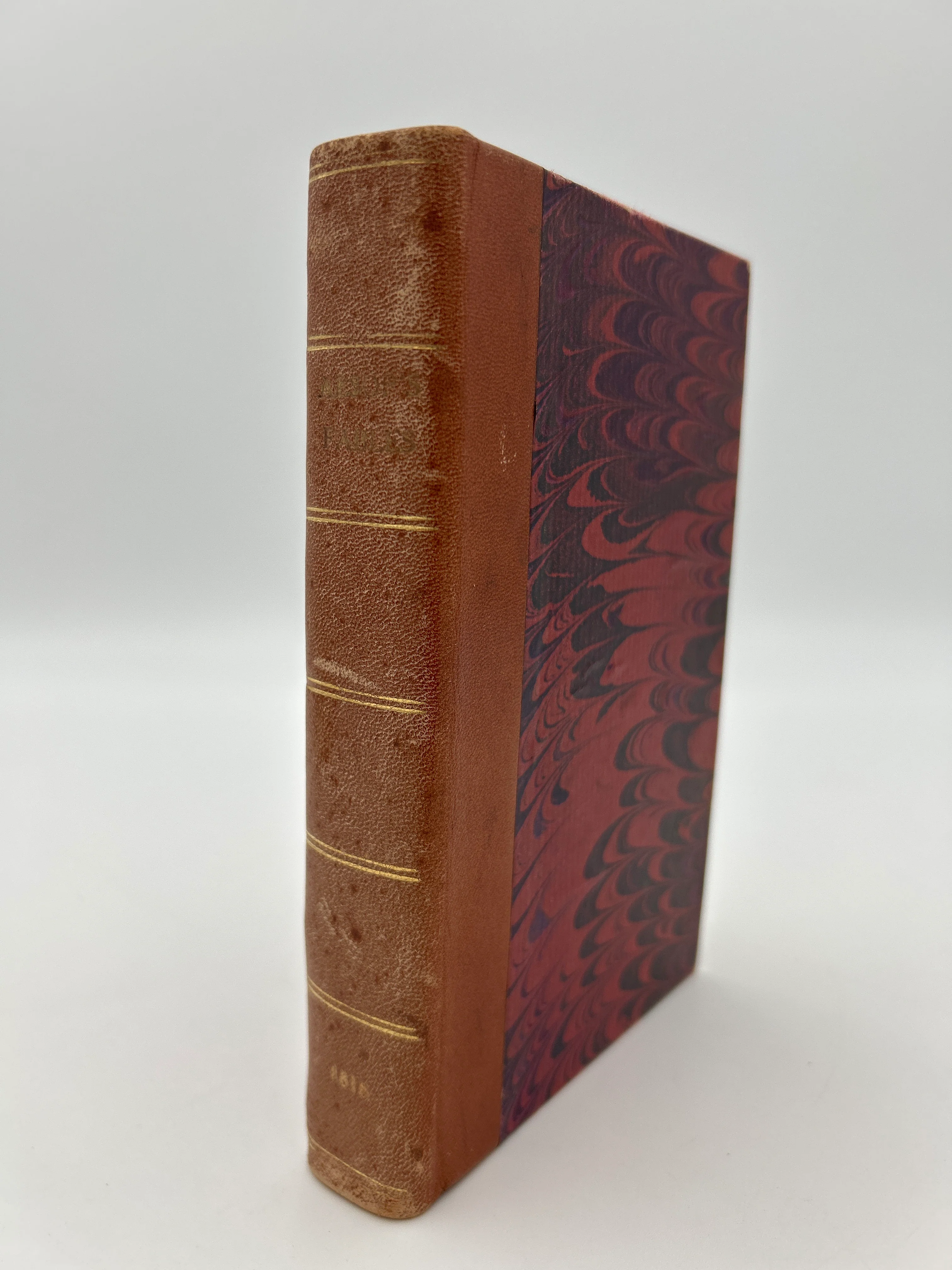
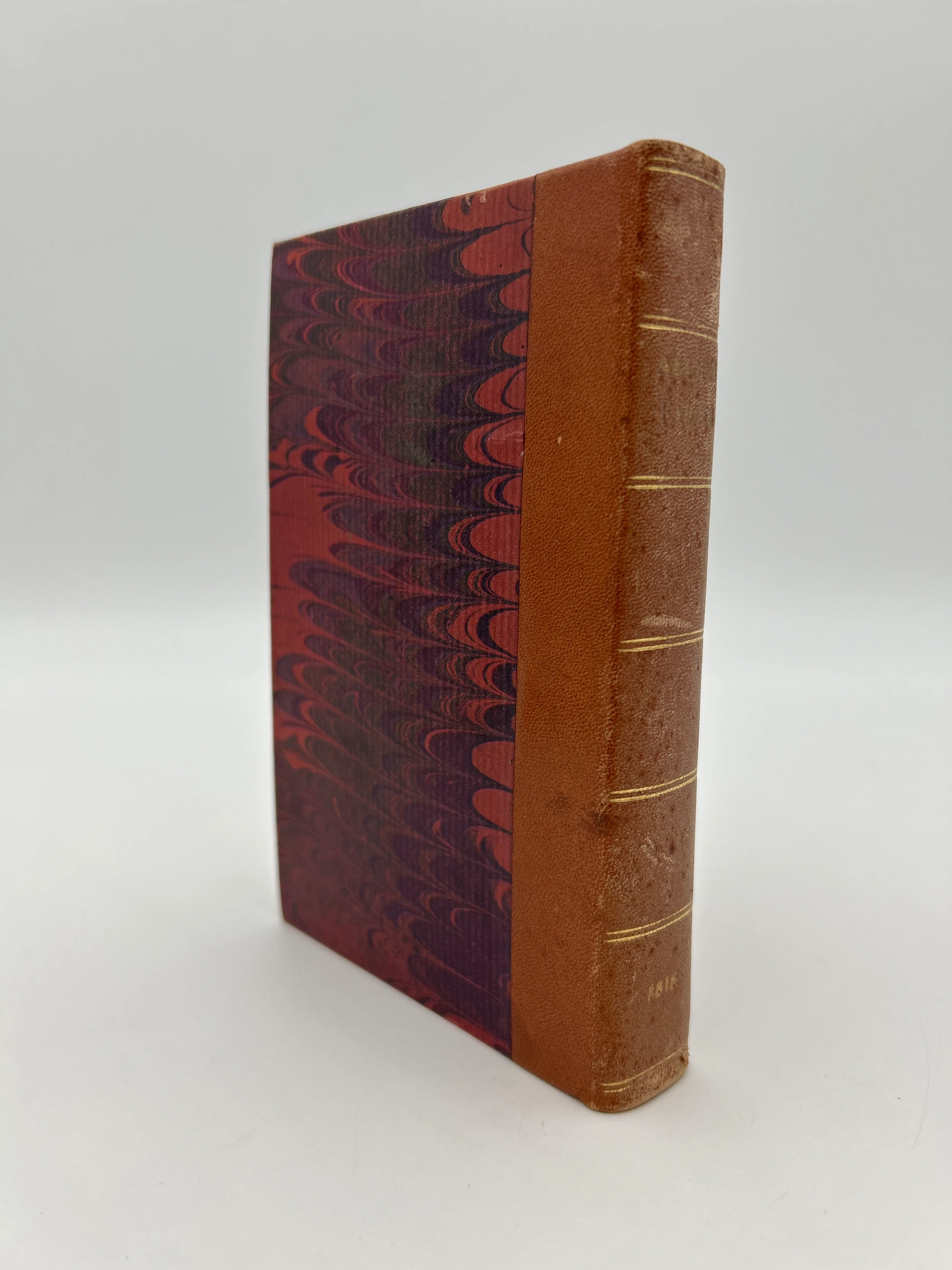
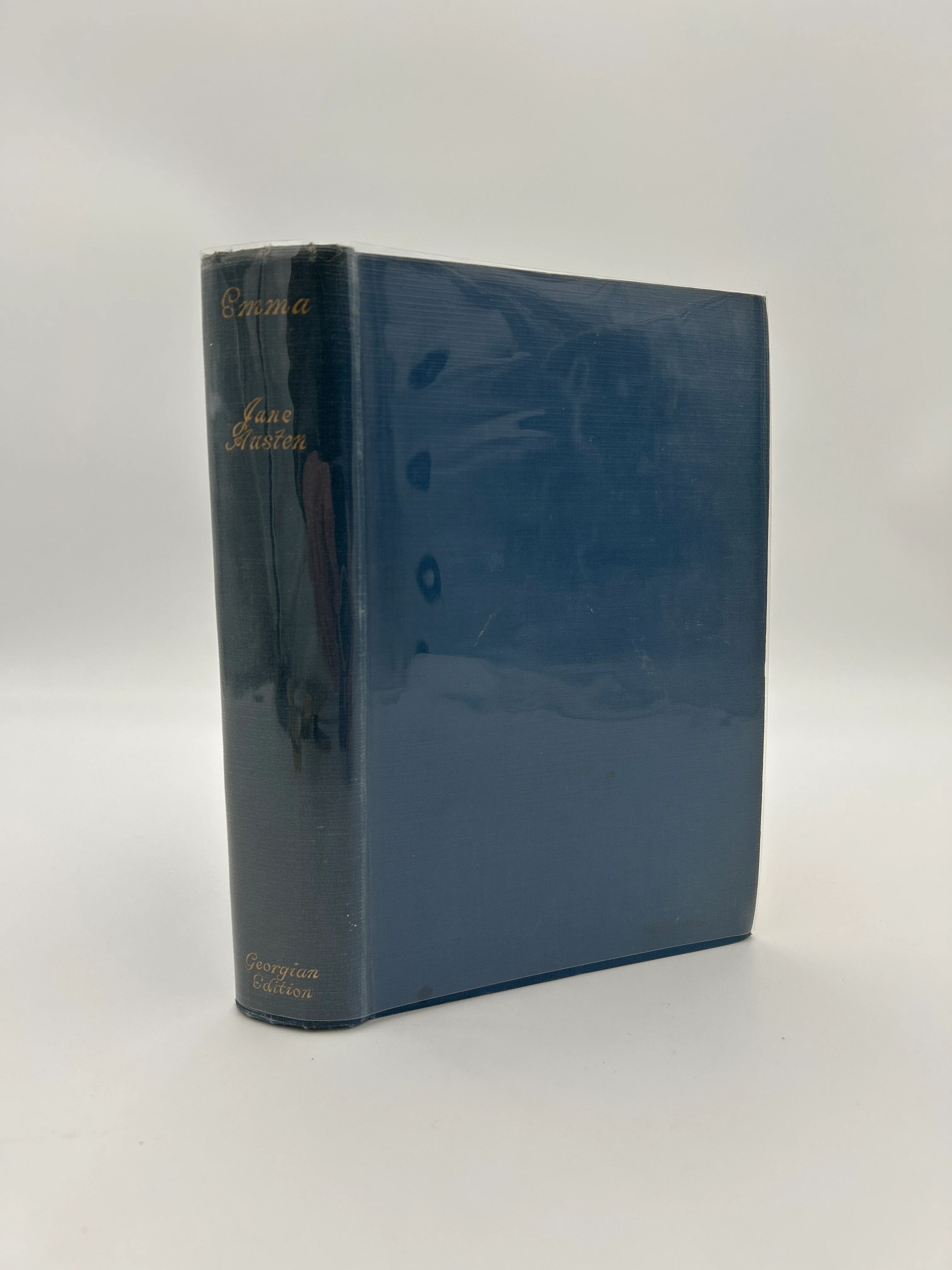
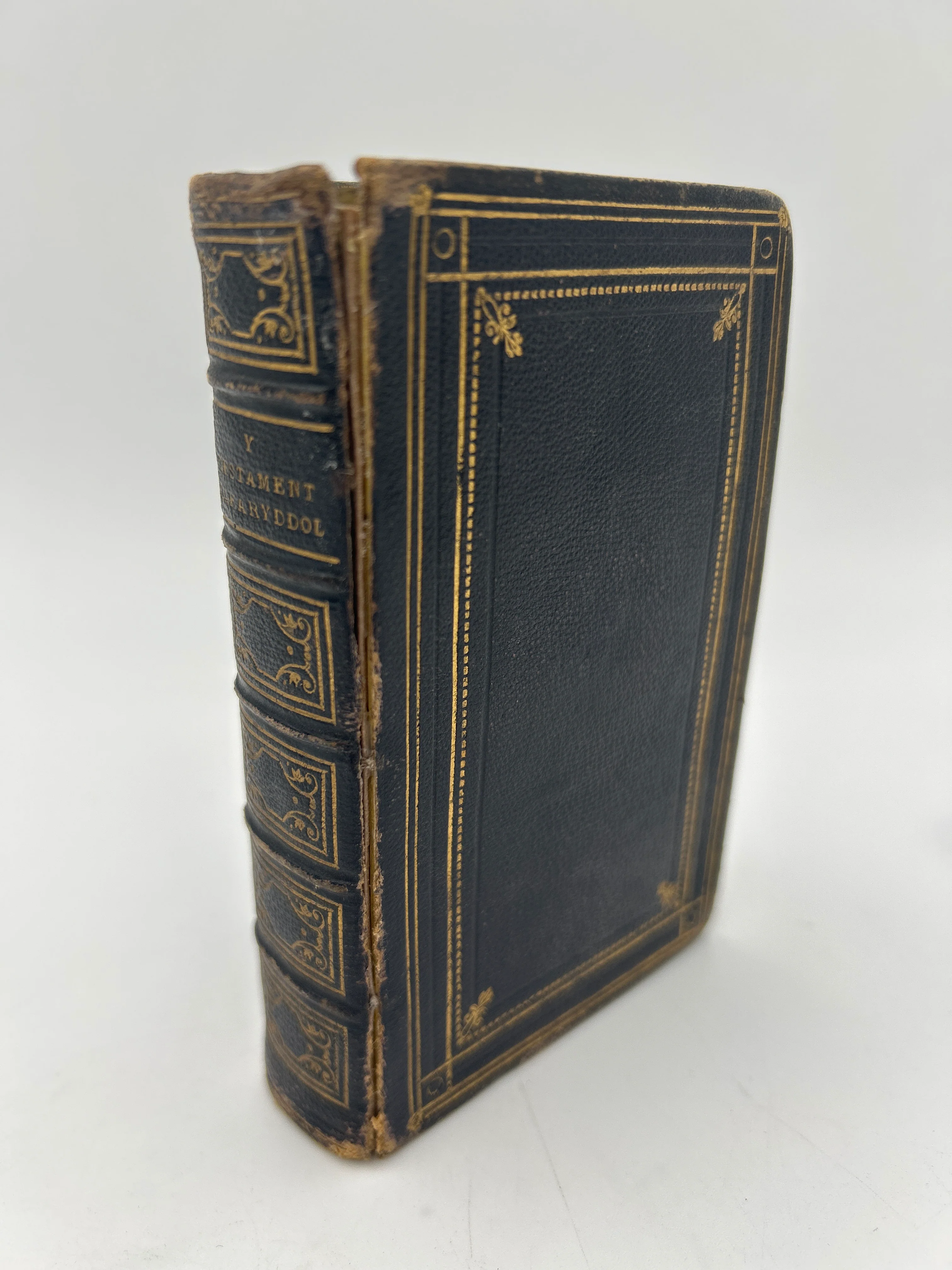
Miniature. Rust suede binding. Gilt lettering on spine. Fading to spine. Fine condition.
Details & Craftsmanship
Every detail has been carefully considered to bring you the perfect product.
Description
6j John Greenleaf Whittier. Edinburgh: Nimmo, Hay & Mitchell, ca. 1910.
Notes
Poems of Whittier is a collection of works by John Greenleaf Whittier (1807–1892), a prominent American Quaker poet and ardent abolitionist. Whittier’s poetry combines lyrical sensitivity with moral purpose, often addressing social issues such as slavery, reform, and Quaker ideals of simplicity and justice, while also celebrating rural life and the beauty of New England landscapes. His verse is known for its clear, direct language, emotional resonance, and ethical seriousness, making him one of the most widely read American poets of the nineteenth century. Collections under this title typically bring together his major poems, such as Snow-Bound, Maud Muller, and The Barefoot Boy, highlighting both his literary skill and his commitment to humanitarian causes
Miniature books grew especially popular in the late nineteenth and early twentieth centuries, when improvements in printing, paper quality, and typesetting made it possible to produce readable texts at very small sizes. Their appeal blended novelty, craftsmanship, and collectability: readers enjoyed the surprise of fully functional books small enough to fit in a pocket, while collectors prized the fine bindings, gilt lettering, and clever design challenges they represented. Miniature volumes were often given as gifts or souvenirs and frequently featured well-known classics, poetry, or religious texts, since familiar works lent themselves well to abbreviated or compact formats.
Description
Miniature. Rust suede binding. Gilt lettering on spine. Fading to spine. Fine condition.