The Story
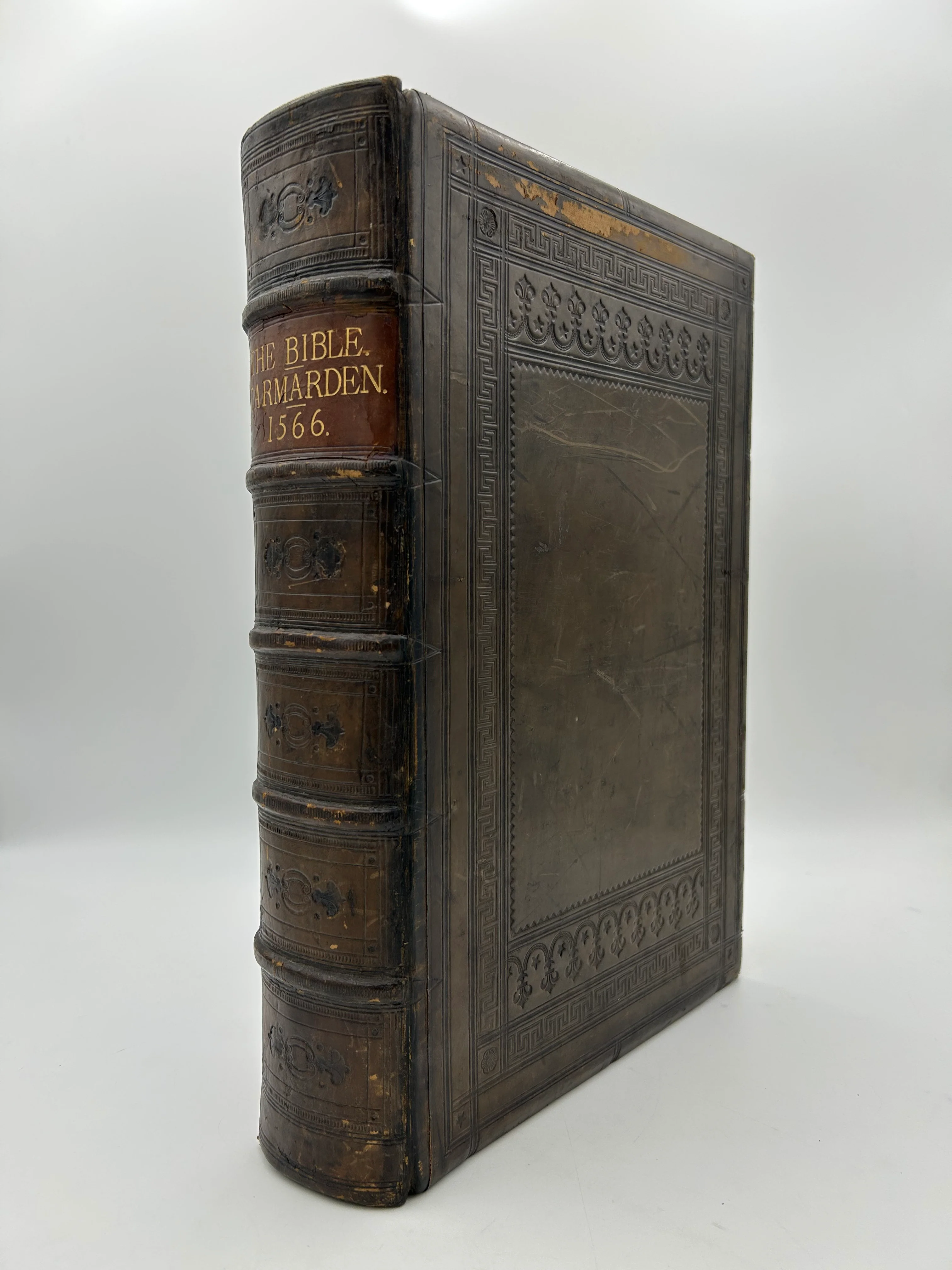
6B Holy Bible in English. London: Richard Jugge, 1566.
Notes
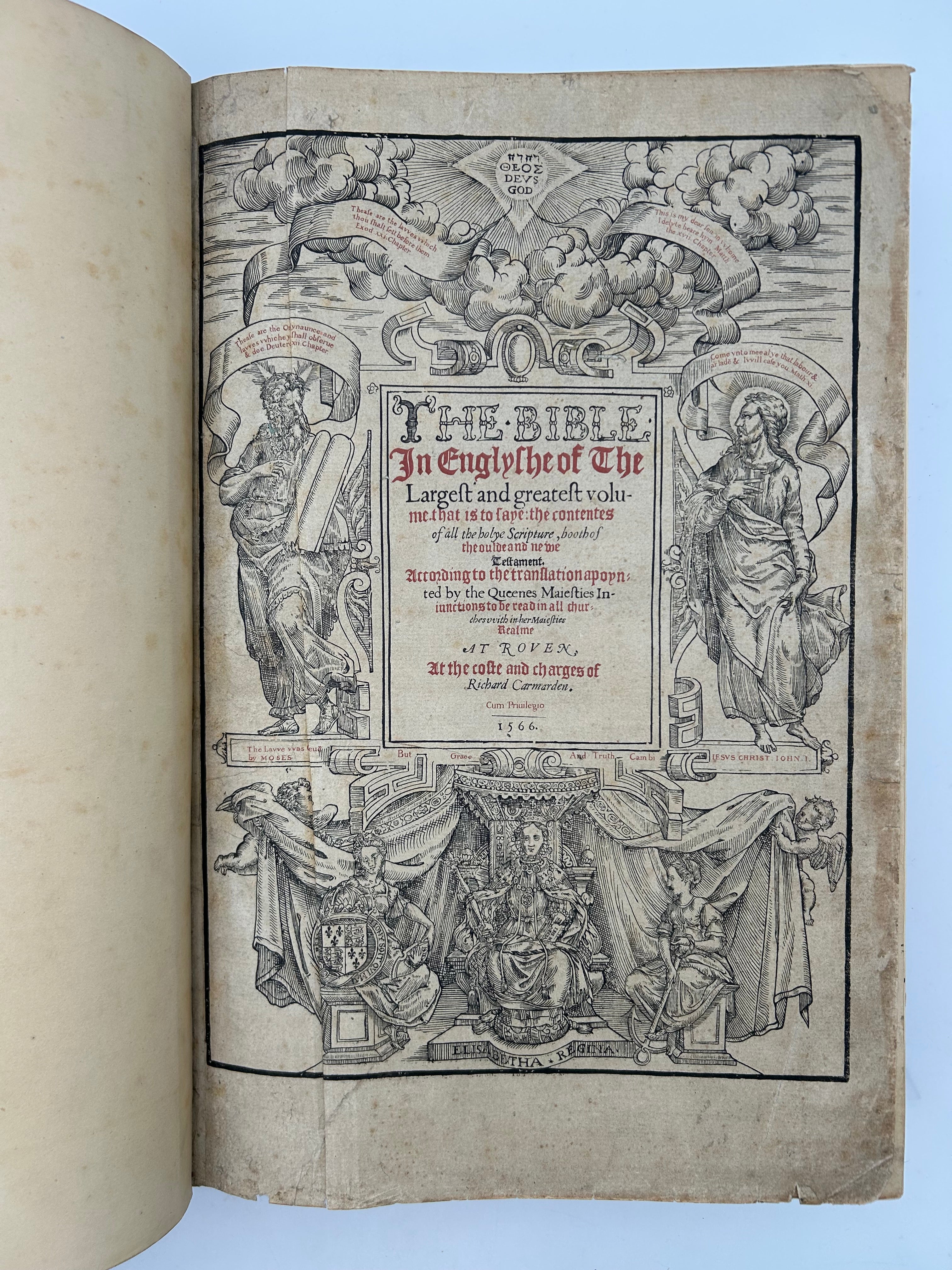
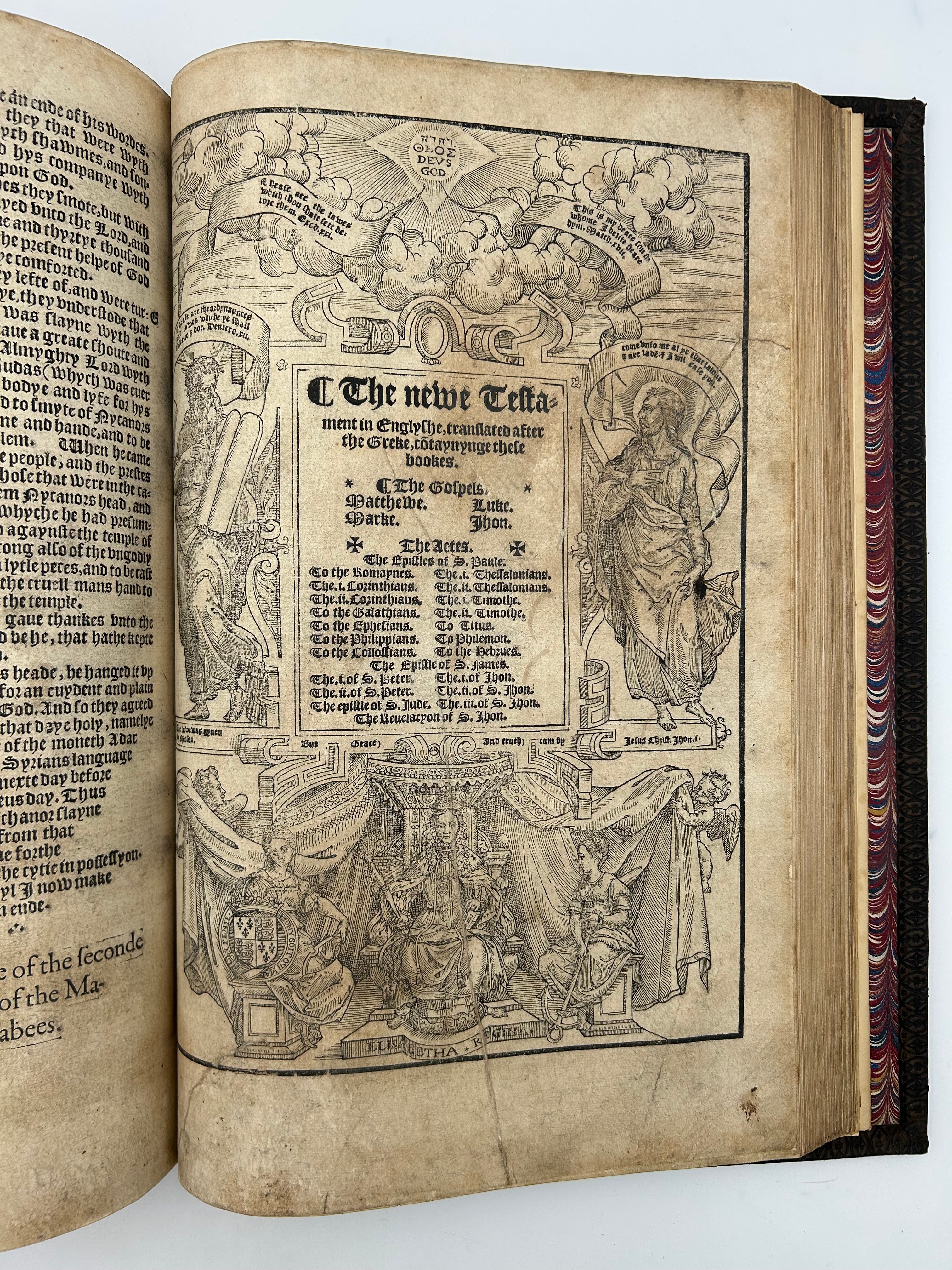
This 1566 printing of the English Bible represents an important moment in the consolidation of Protestant Scripture under Queen Elizabeth I. Issued during the early years of her reign, it belongs to the tradition that would soon be formalized as the Bishops’ Bible, created to provide an authorized alternative to both the older Great Bible and the more radical Geneva Bible. Its richly symbolic title page, with the monarch enthroned beneath biblical figures, visually asserts the union of royal authority, church governance, and Scripture itself. Intended primarily for public and ecclesiastical use, this Bible reflects the Elizabethan settlement’s effort to standardize worship and doctrine across England and Wales at a time of lingering religious tension. Historically, it stands at a transitional point: produced just before Parliament mandated Welsh translations, it illustrates how English Scripture functioned as the official biblical text even in predominantly Welsh-speaking regions.
The printer of this Bible, Richard Jugge, was one of the most influential figures in sixteenth-century English printing. Appointed Queen’s Printer, Jugge held royal privileges that allowed him to produce officially sanctioned texts, including Bibles, prayer books, and proclamations. He was known for both the scale and technical quality of his work, operating presses capable of handling large folio volumes like this Bible and employing elaborate woodcut designs to reinforce authority and legitimacy. Although the title page names Richard Carmarden as the bookseller at whose sign the book was sold, Jugge was responsible for the actual printing and textual production. His output played a decisive role in shaping the visual and textual form of English Protestantism, making him a central figure in the history of the English Bible and the wider Elizabethan print culture.
Description
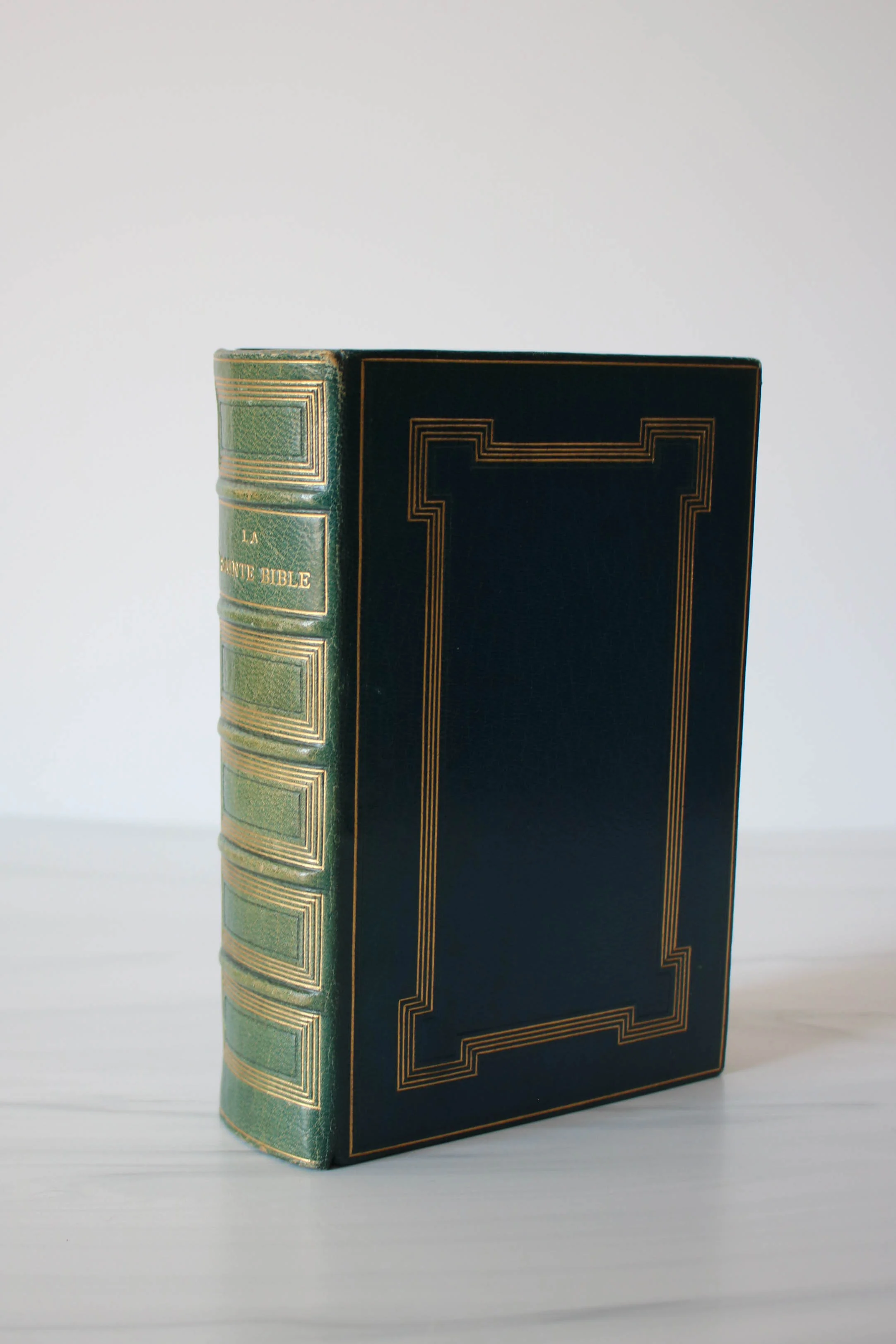
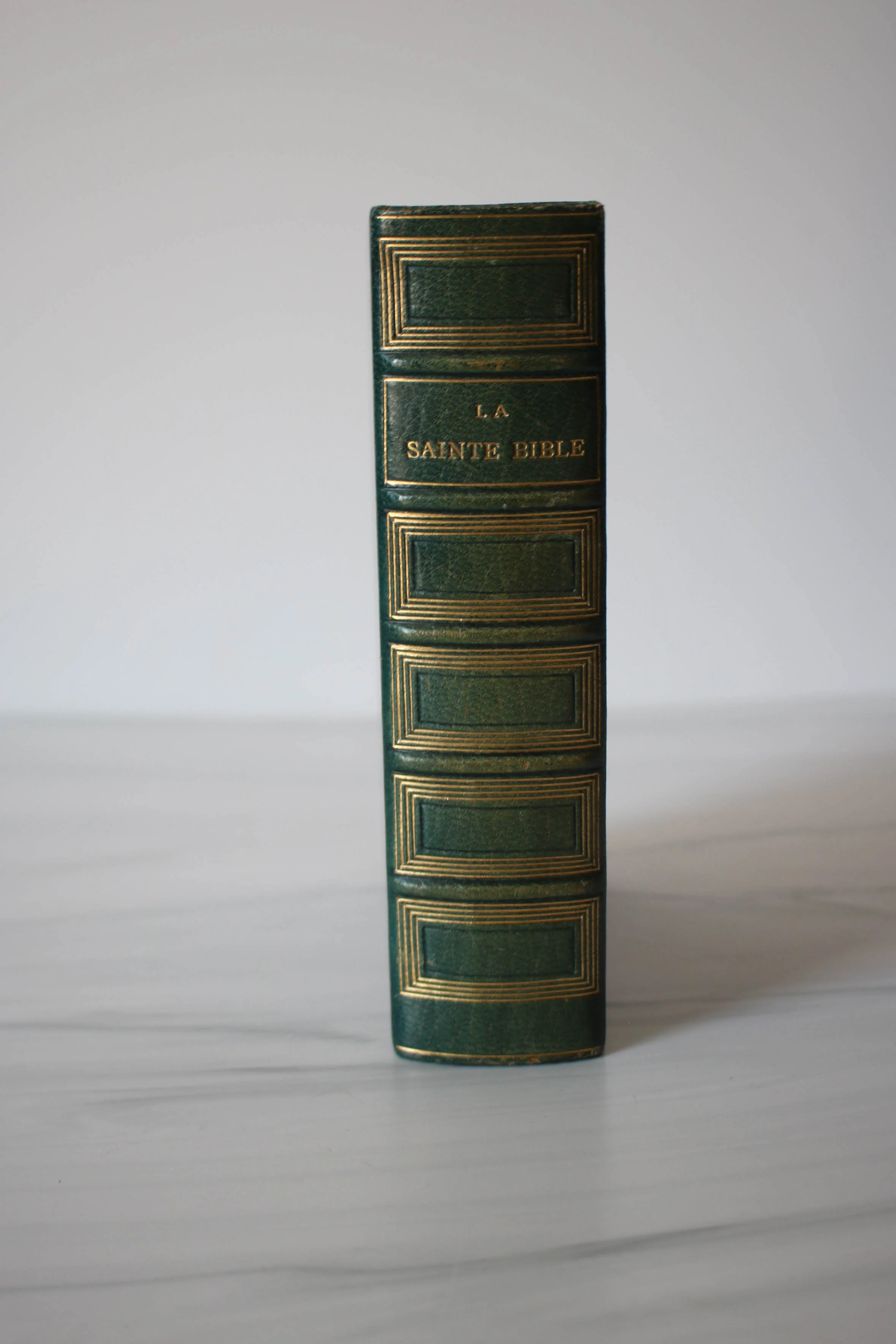
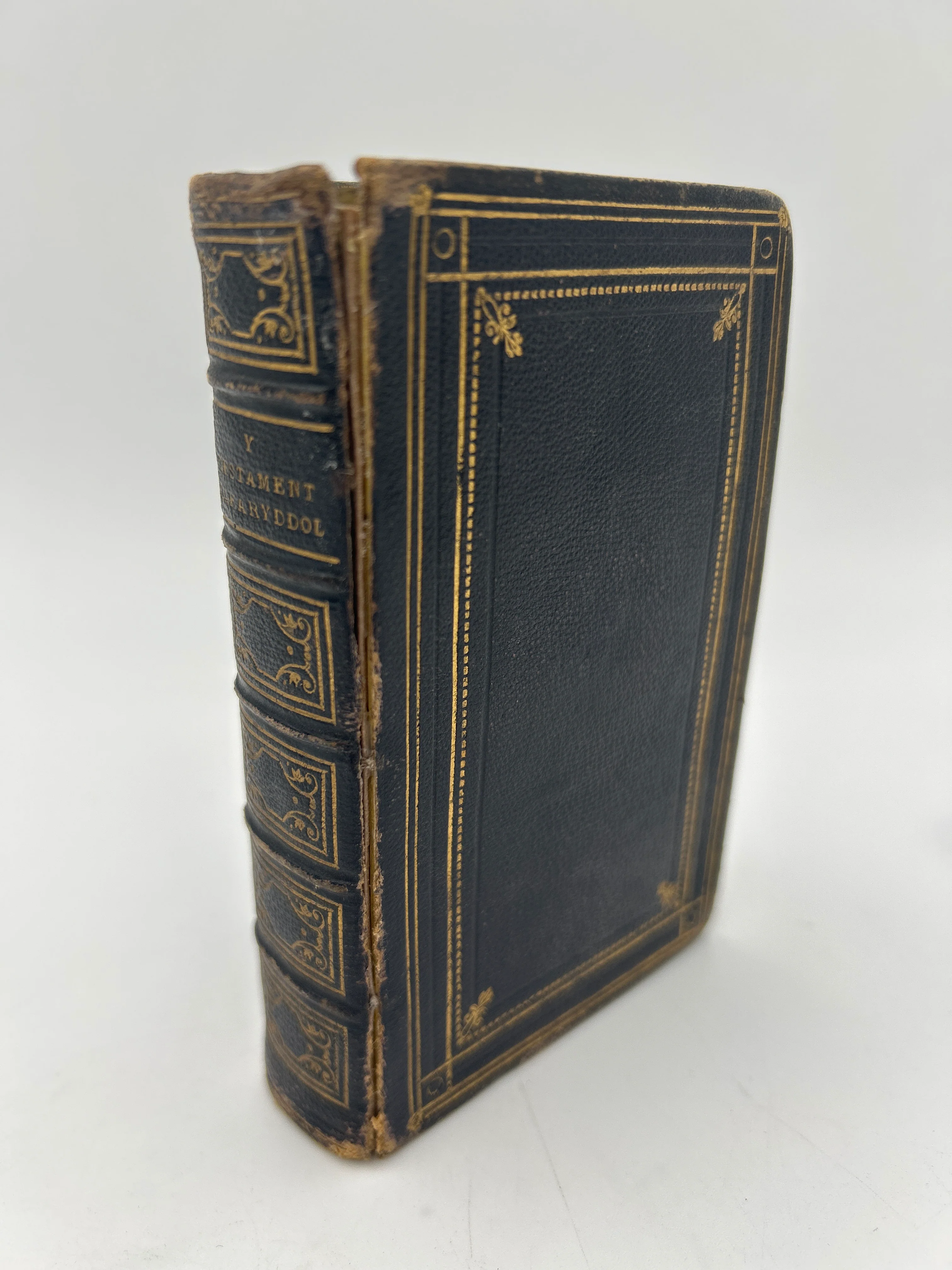
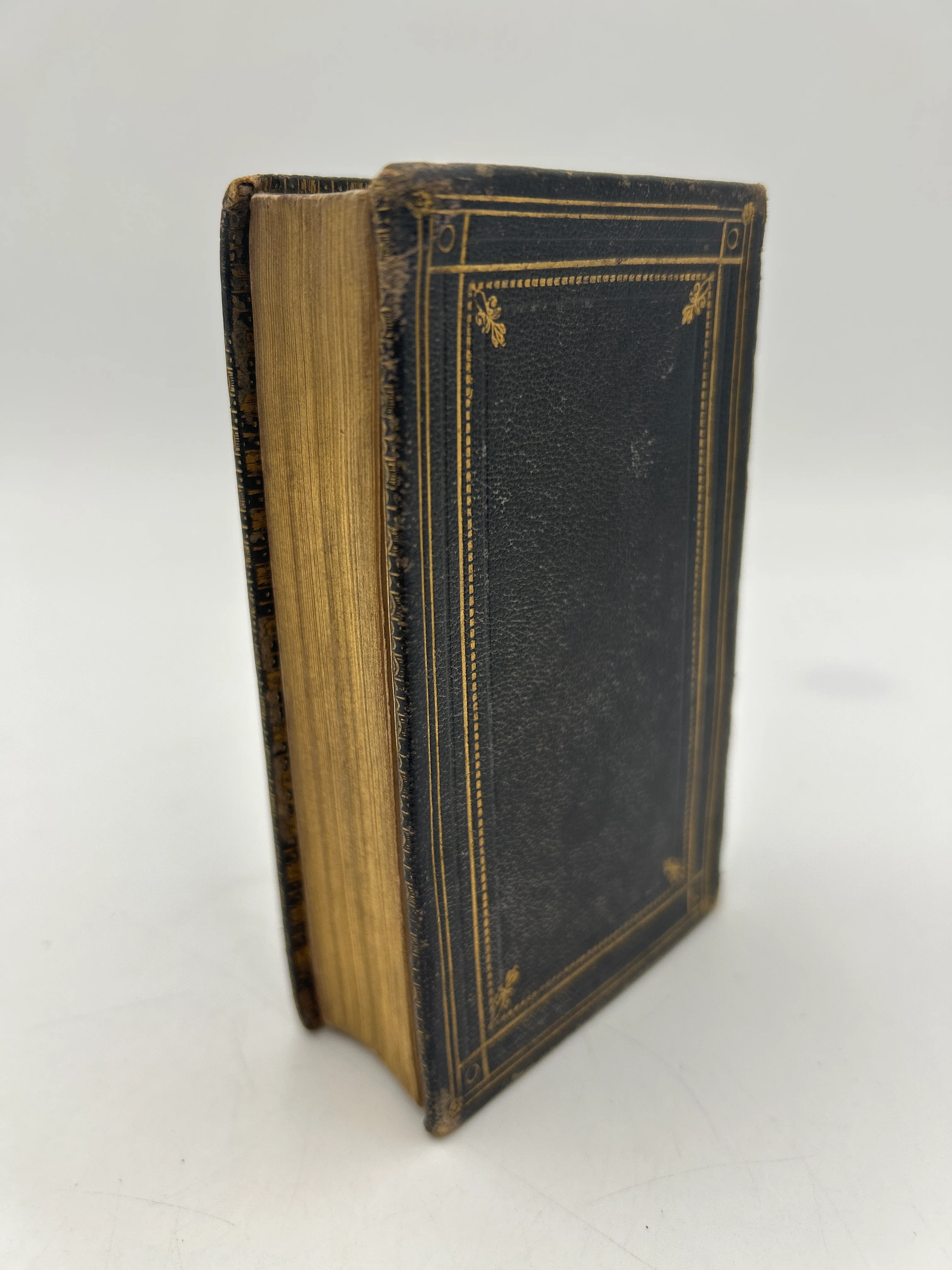
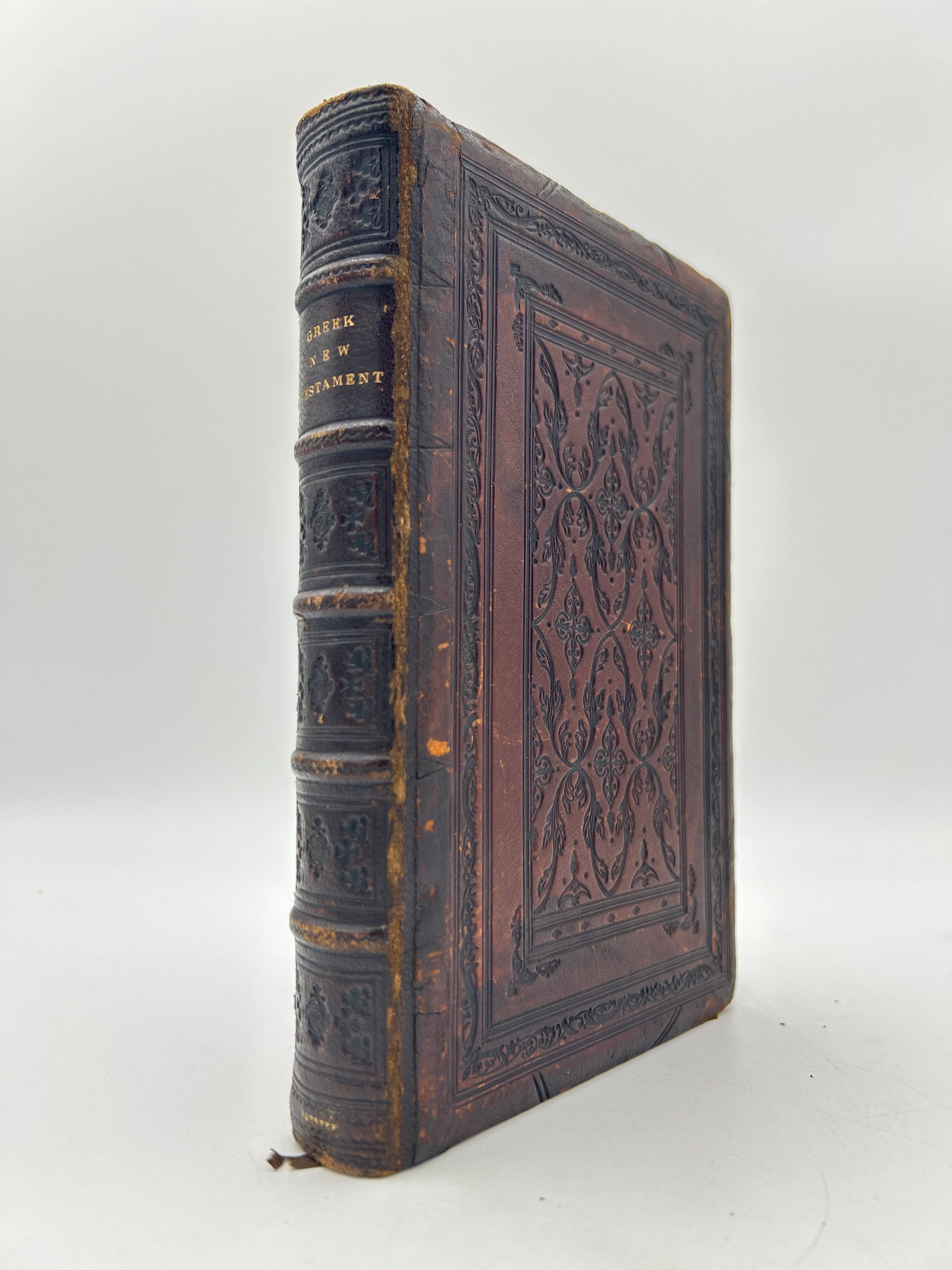
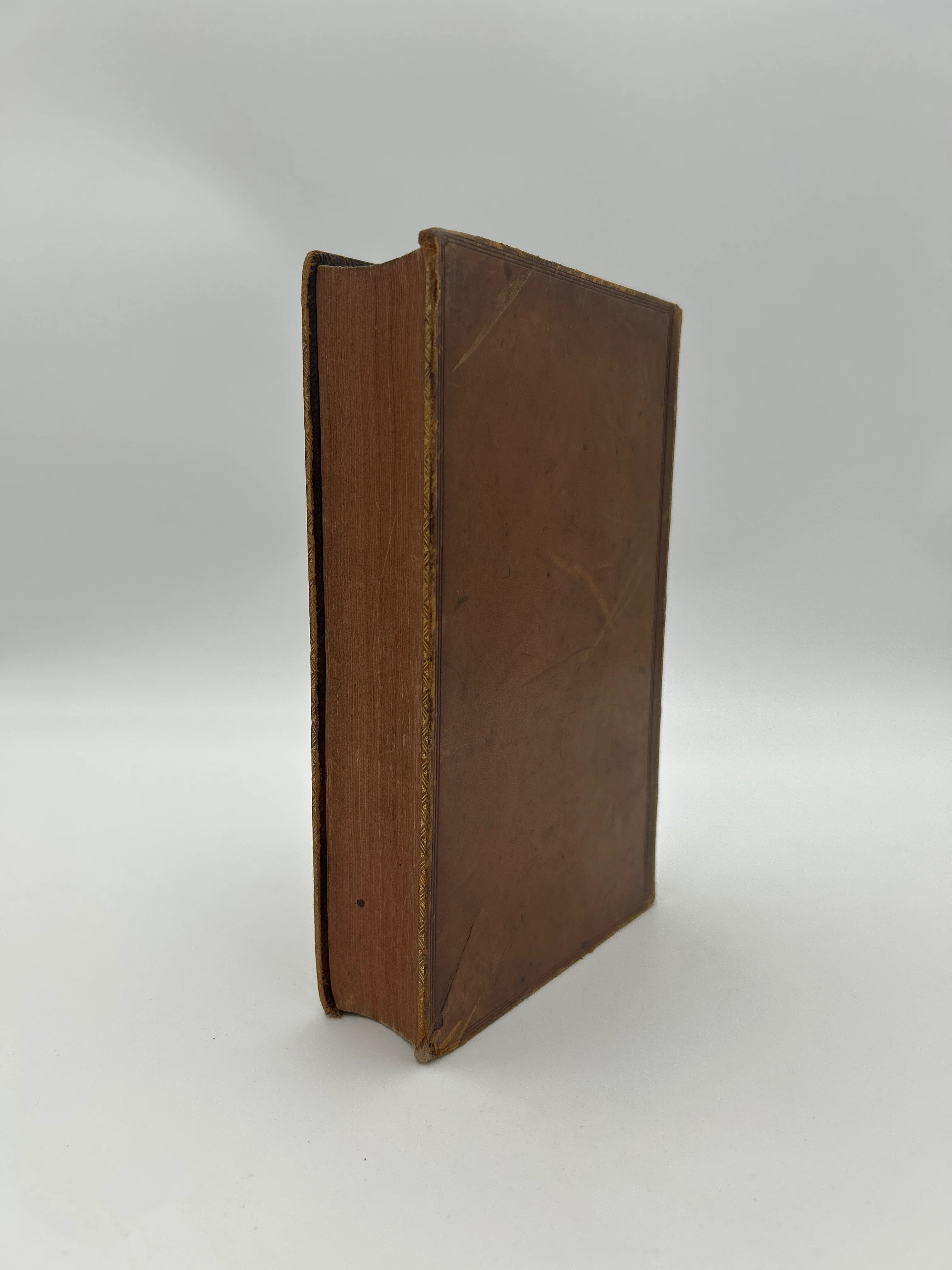
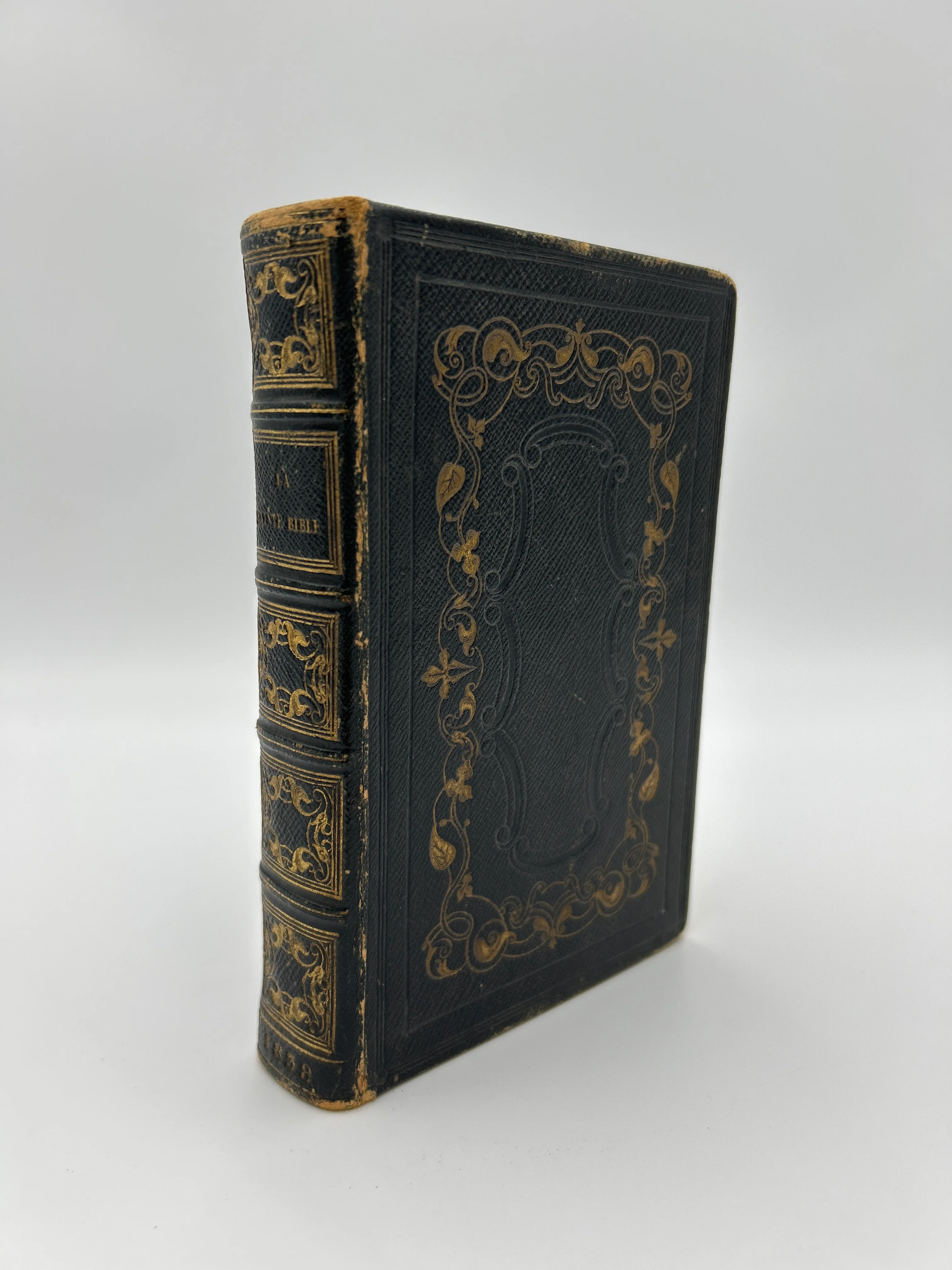
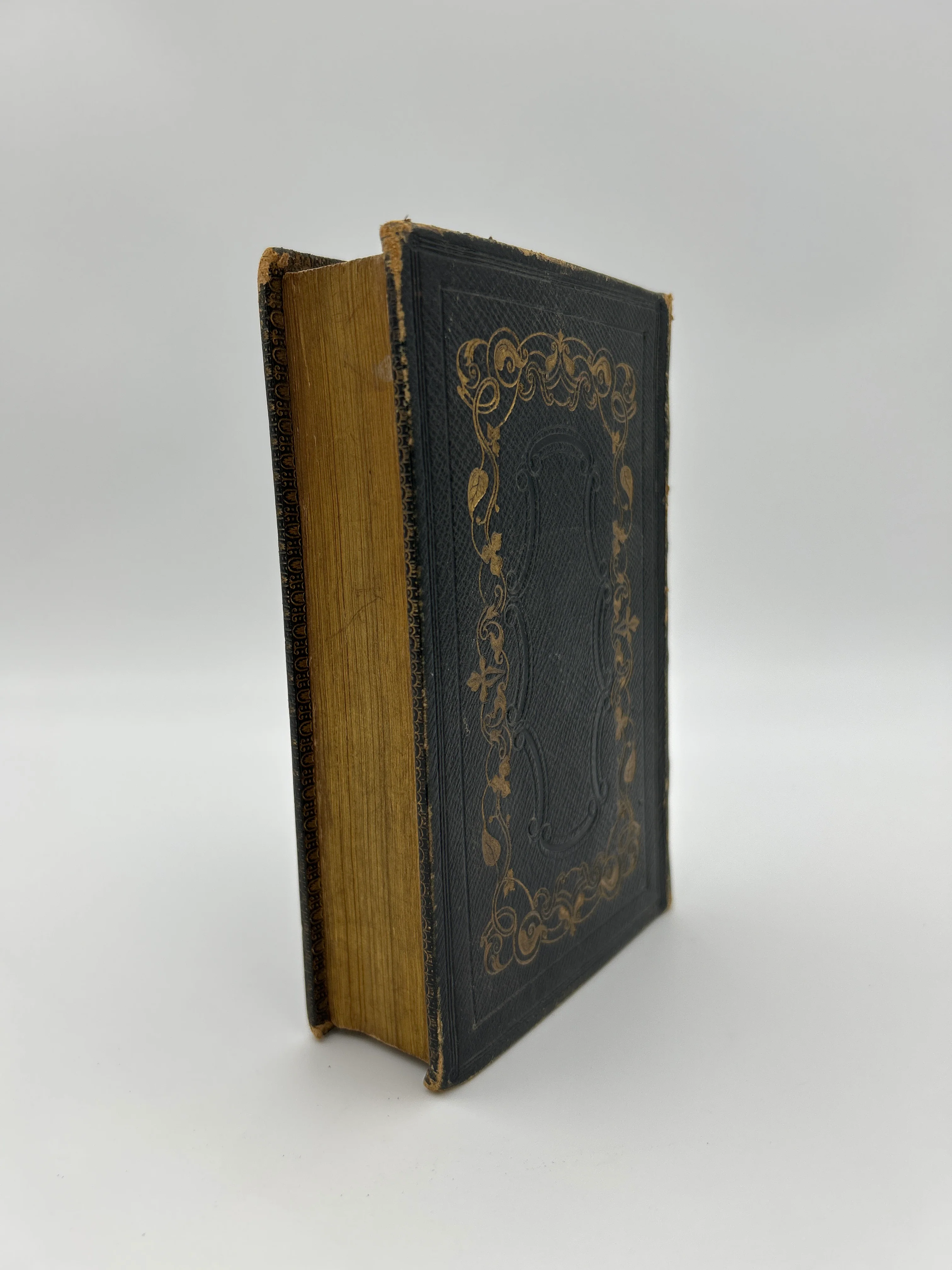
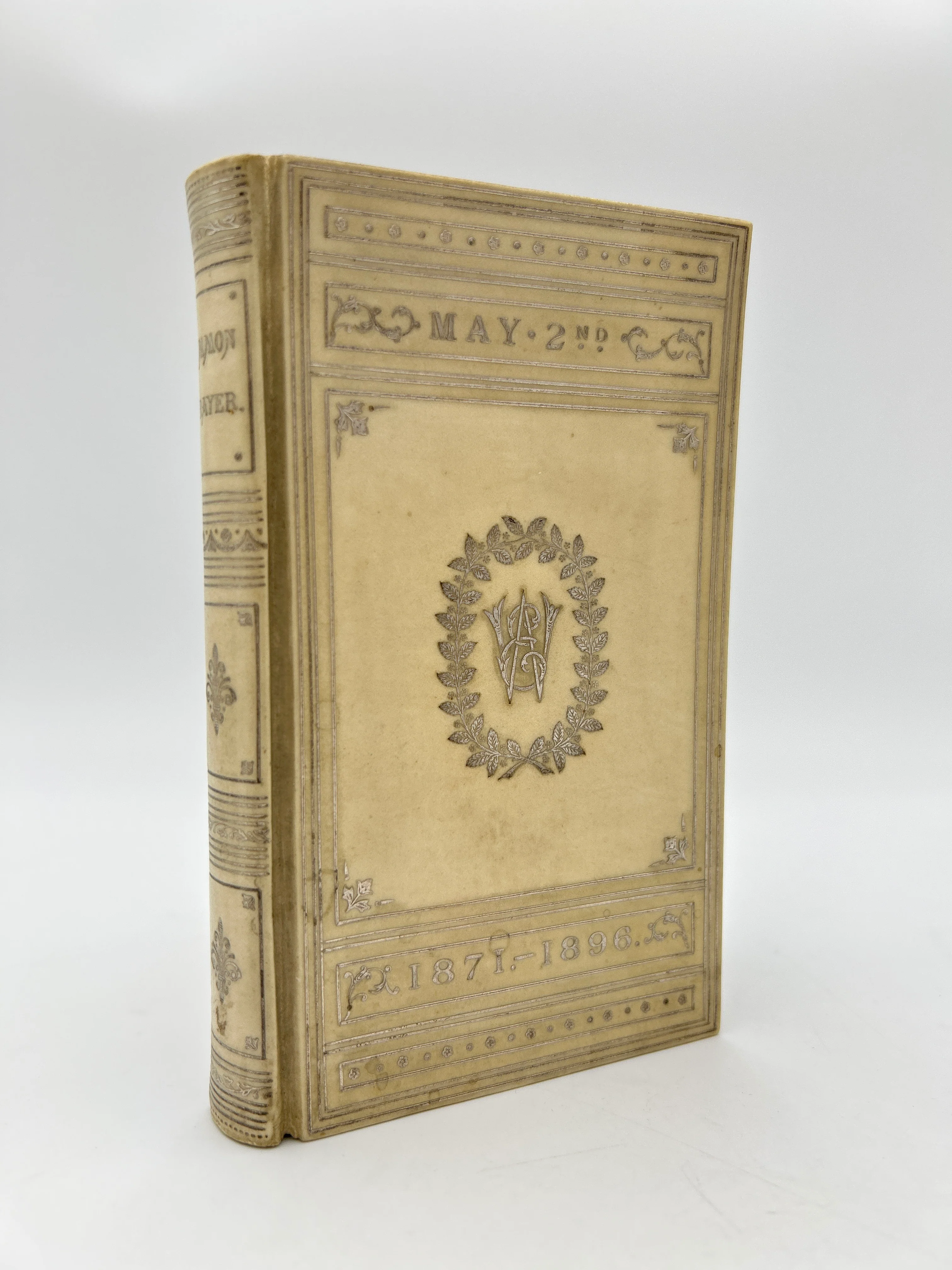
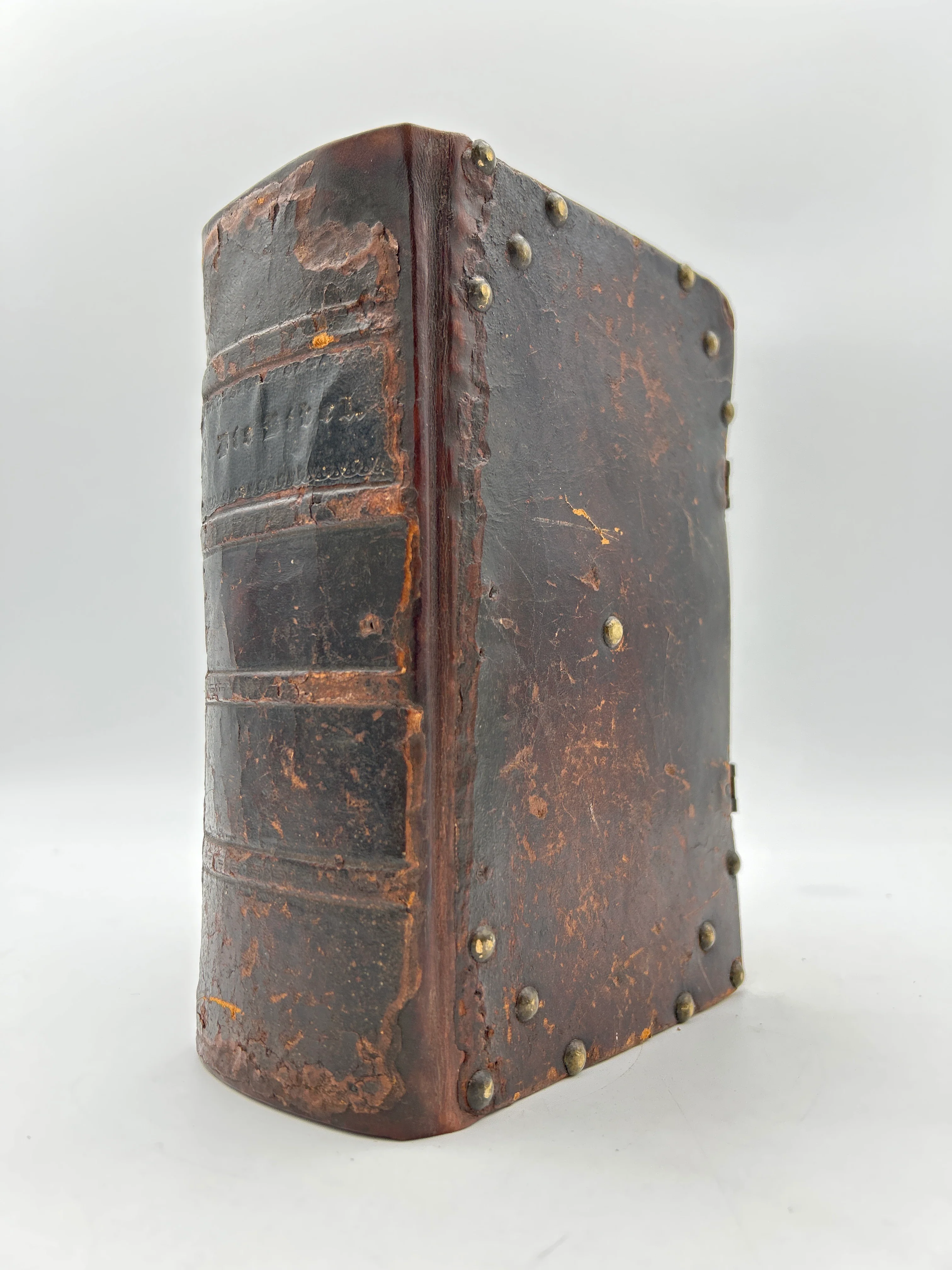
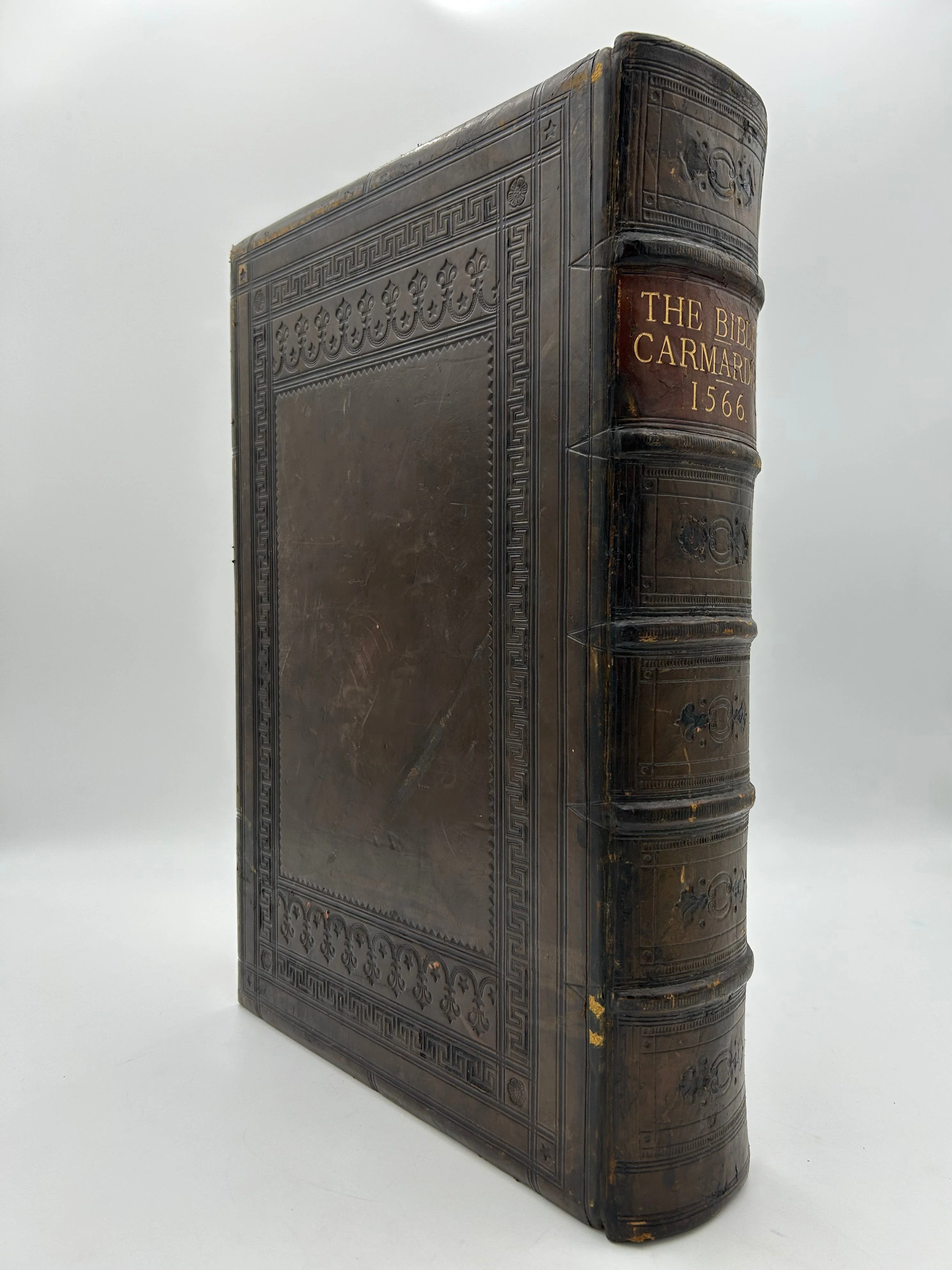
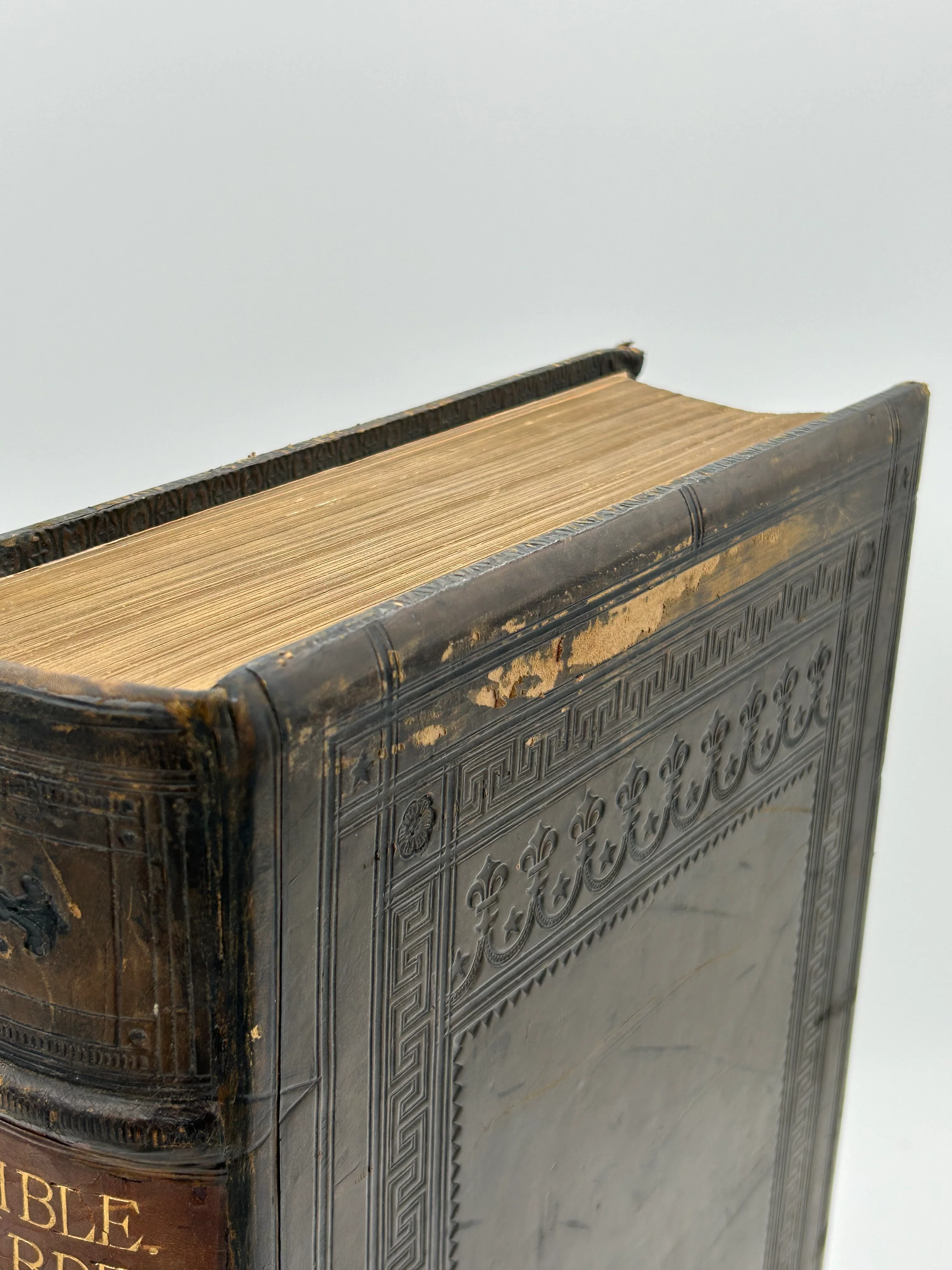
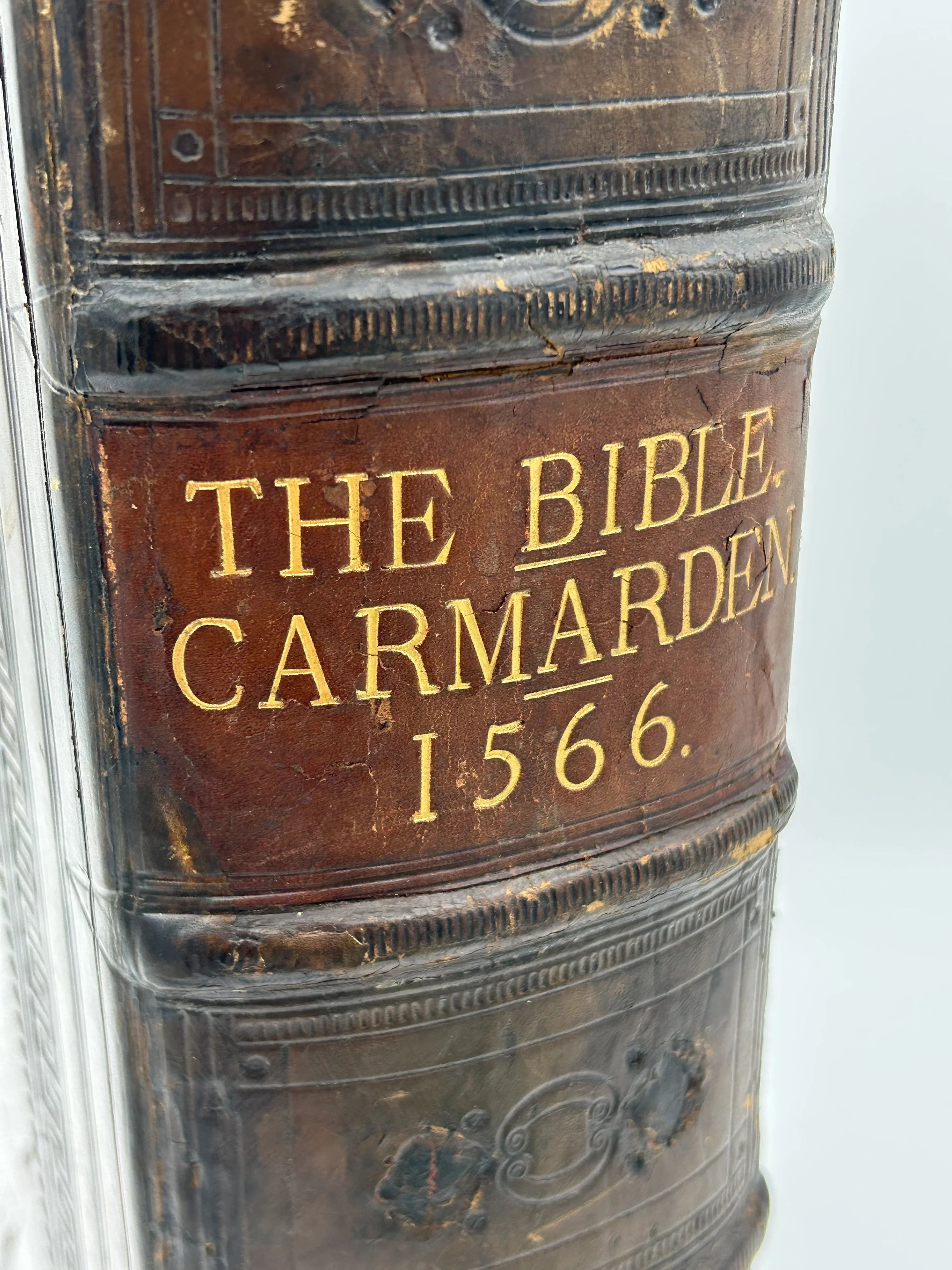
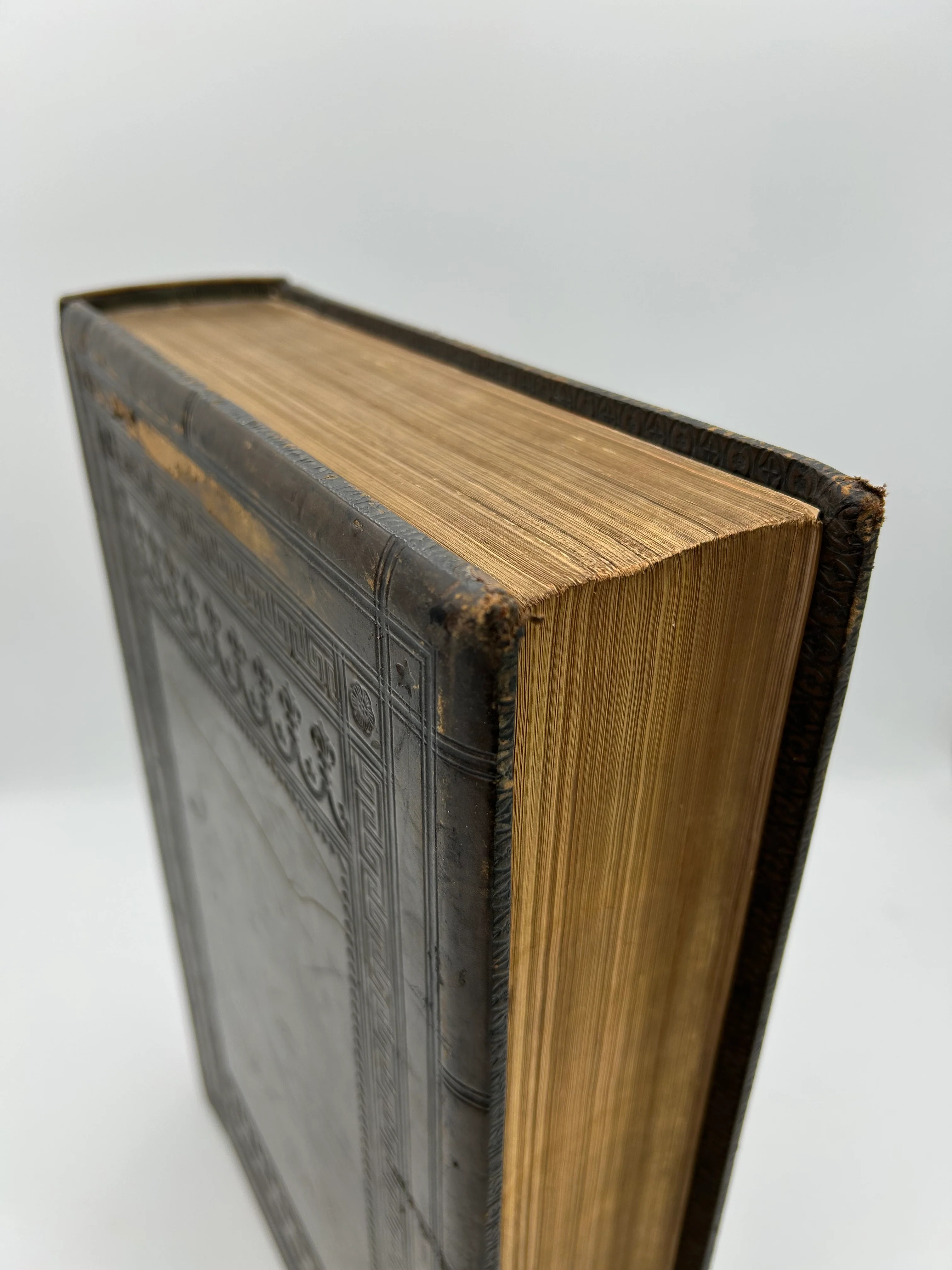
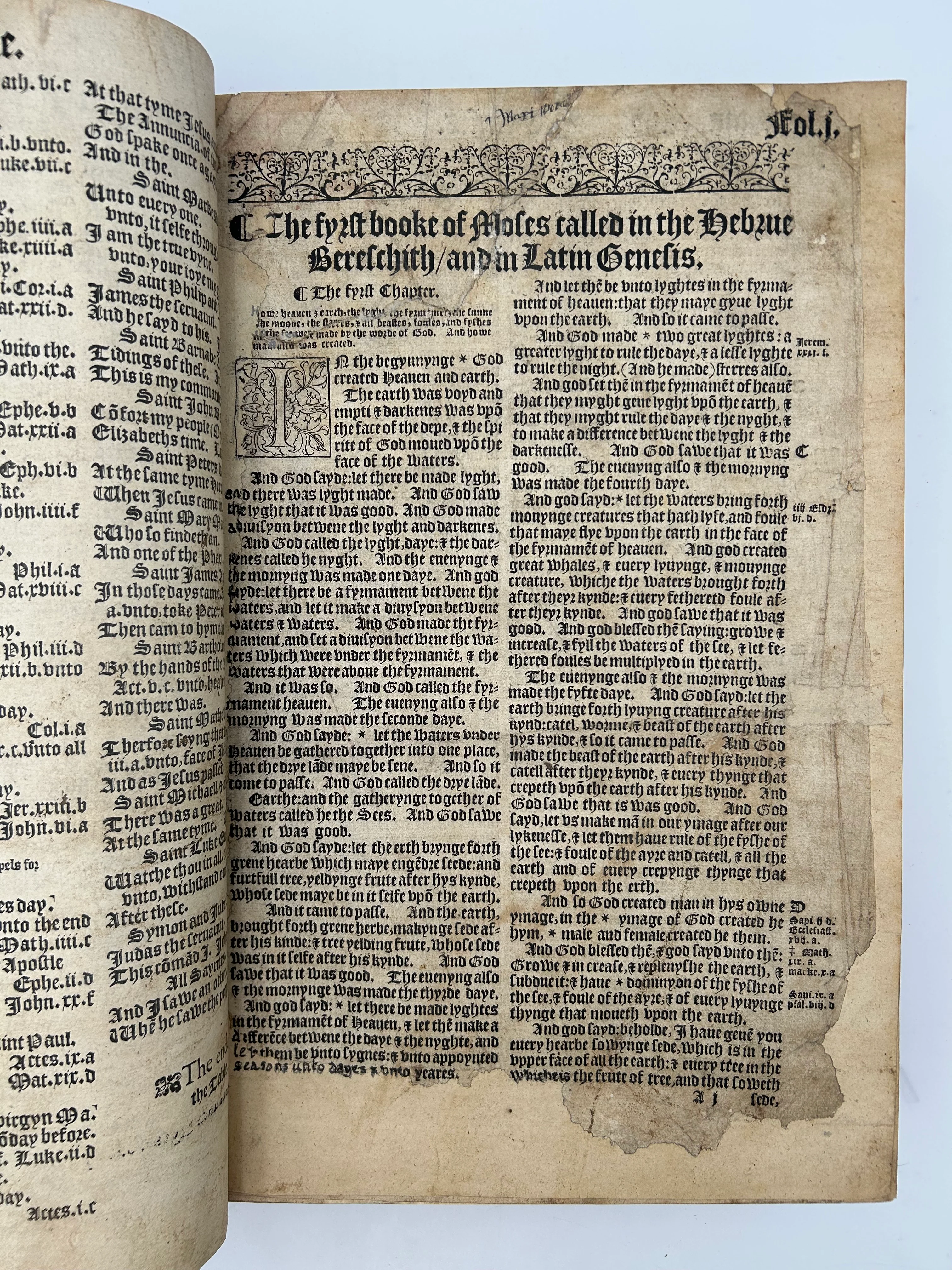
Brown leather boards with embossed detailing on the boards. Five raised bands with embossed details and gilt lettering on the spine. Gilt edges. Marbled endpapers and embossed turn-ins. General browning to the pages but interior in excellent condition. Fine condition overall.
Details & Craftsmanship
Every detail has been carefully considered to bring you the perfect product.
Details & Craftsmanship
Every detail has been carefully considered to bring you the perfect product.
Details & Craftsmanship
Every detail has been carefully considered to bring you the perfect product.
Details & Craftsmanship
Every detail has been carefully considered to bring you the perfect product.
Details & Craftsmanship
Every detail has been carefully considered to bring you the perfect product.
Details & Craftsmanship
Every detail has been carefully considered to bring you the perfect product.
Details & Craftsmanship
Every detail has been carefully considered to bring you the perfect product.
Description
6B Holy Bible in English. London: Richard Jugge, 1566.
Notes
This 1566 printing of the English Bible represents an important moment in the consolidation of Protestant Scripture under Queen Elizabeth I. Issued during the early years of her reign, it belongs to the tradition that would soon be formalized as the Bishops’ Bible, created to provide an authorized alternative to both the older Great Bible and the more radical Geneva Bible. Its richly symbolic title page, with the monarch enthroned beneath biblical figures, visually asserts the union of royal authority, church governance, and Scripture itself. Intended primarily for public and ecclesiastical use, this Bible reflects the Elizabethan settlement’s effort to standardize worship and doctrine across England and Wales at a time of lingering religious tension. Historically, it stands at a transitional point: produced just before Parliament mandated Welsh translations, it illustrates how English Scripture functioned as the official biblical text even in predominantly Welsh-speaking regions.
The printer of this Bible, Richard Jugge, was one of the most influential figures in sixteenth-century English printing. Appointed Queen’s Printer, Jugge held royal privileges that allowed him to produce officially sanctioned texts, including Bibles, prayer books, and proclamations. He was known for both the scale and technical quality of his work, operating presses capable of handling large folio volumes like this Bible and employing elaborate woodcut designs to reinforce authority and legitimacy. Although the title page names Richard Carmarden as the bookseller at whose sign the book was sold, Jugge was responsible for the actual printing and textual production. His output played a decisive role in shaping the visual and textual form of English Protestantism, making him a central figure in the history of the English Bible and the wider Elizabethan print culture.
Description
Brown leather boards with embossed detailing on the boards. Five raised bands with embossed details and gilt lettering on the spine. Gilt edges. Marbled endpapers and embossed turn-ins. General browning to the pages but interior in excellent condition. Fine condition overall.