The Story
6b Homer. London: Geo. B. Whittaker, 1825. With explanatory notes. In Two Volumes.
Notes
The Iliad, one of the earliest and most influential works of Western literature, is the ancient Greek epic traditionally attributed to Homer. The poem recounts a brief but decisive period in the Trojan War, focusing on the conflict between the warrior Achilles and King Agamemnon and the consequences of Achilles’ withdrawal from battle. Through vivid scenes of combat, heroism, and loss, the work explores themes of honor, fate, pride, and the human cost of war. Rich in dramatic episodes and memorable characters—including Hector, Patroclus, and the gods who intervene in mortal affairs—The Iliad has remained a cornerstone of classical literature for nearly three millennia.
Homer, the legendary poet traditionally credited with composing both The Iliad and The Odyssey, is believed to have lived sometime around the 8th century BCE. Although little is known with certainty about his life, his epics were central to the oral storytelling traditions of ancient Greece and later became foundational texts of Greek education and culture. Over centuries, the poems have been translated and reinterpreted by numerous scholars and poets. Among the most celebrated English renderings is the translation by Alexander Pope (1688–1744), whose early eighteenth-century version is admired for its poetic elegance and its influential role in introducing Homer’s epic to English-speaking audiences.
Description
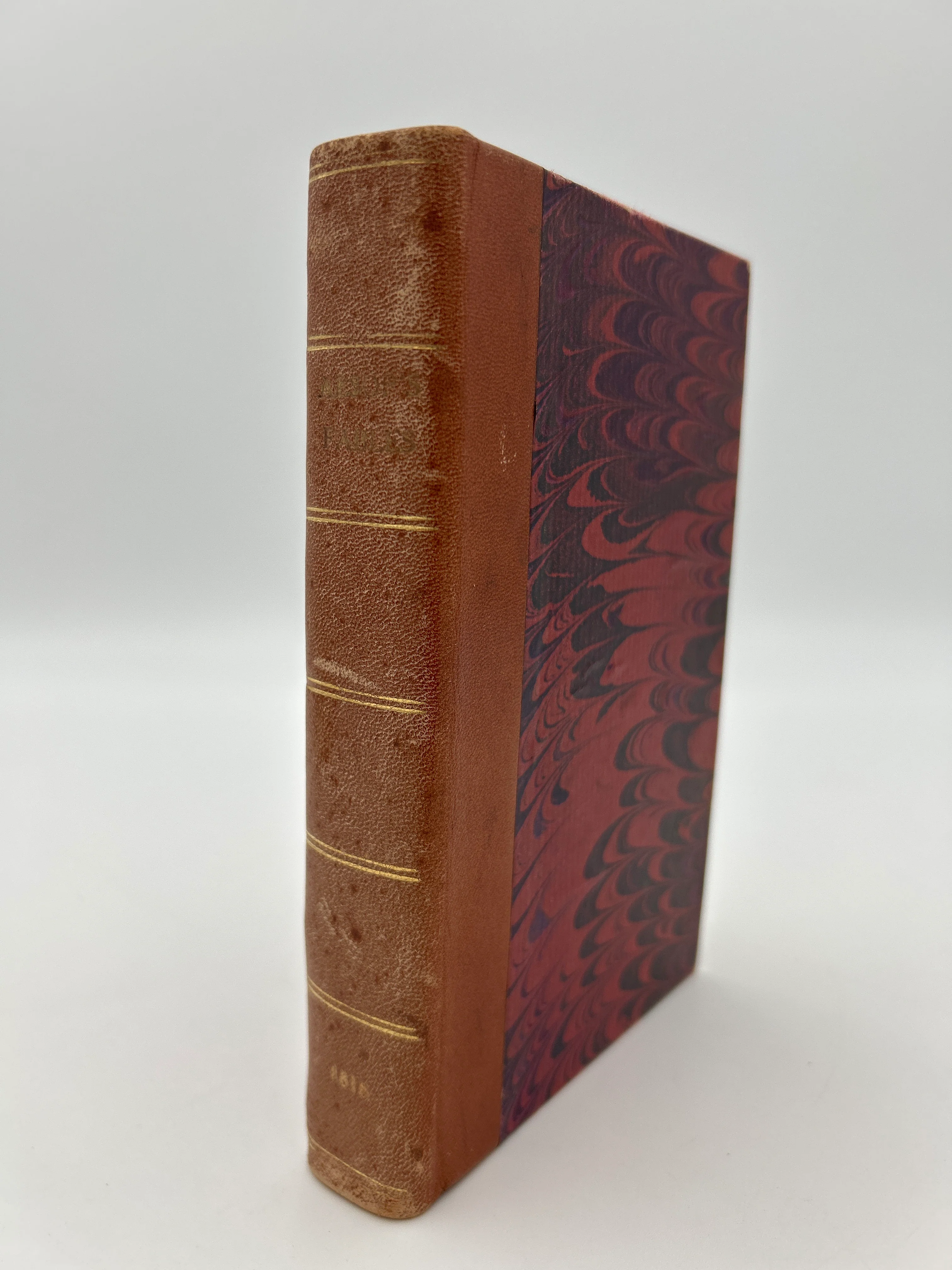
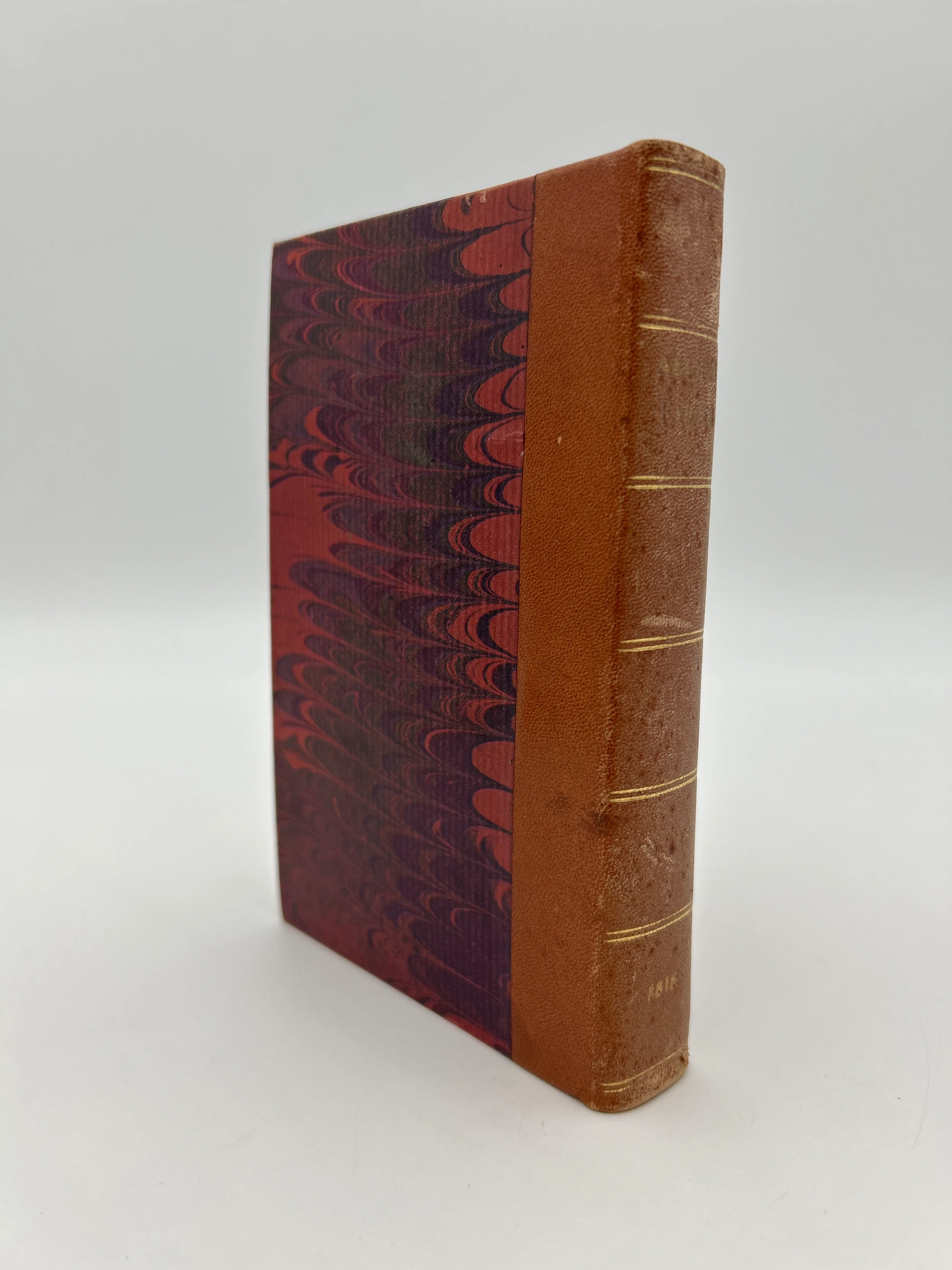
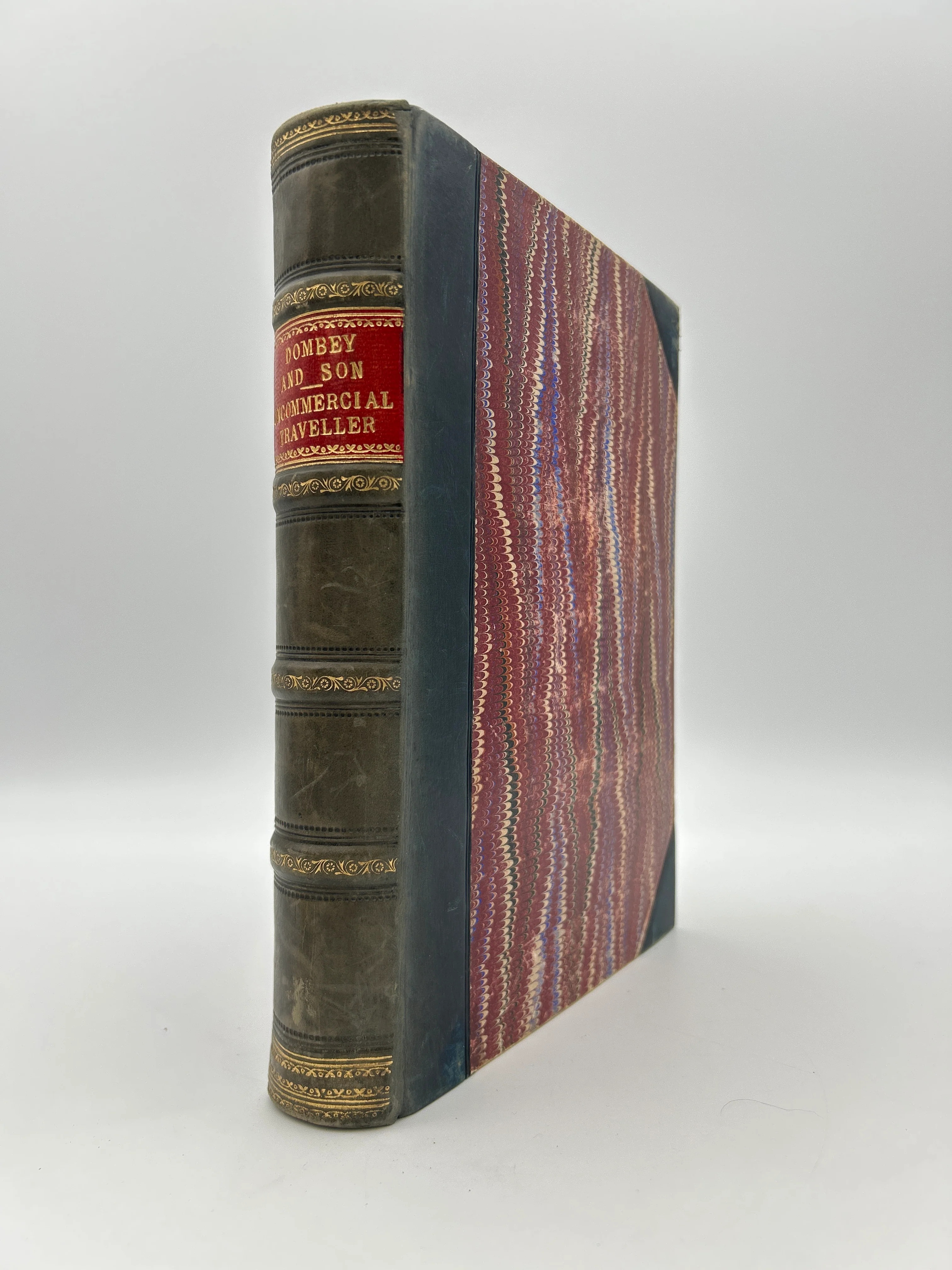
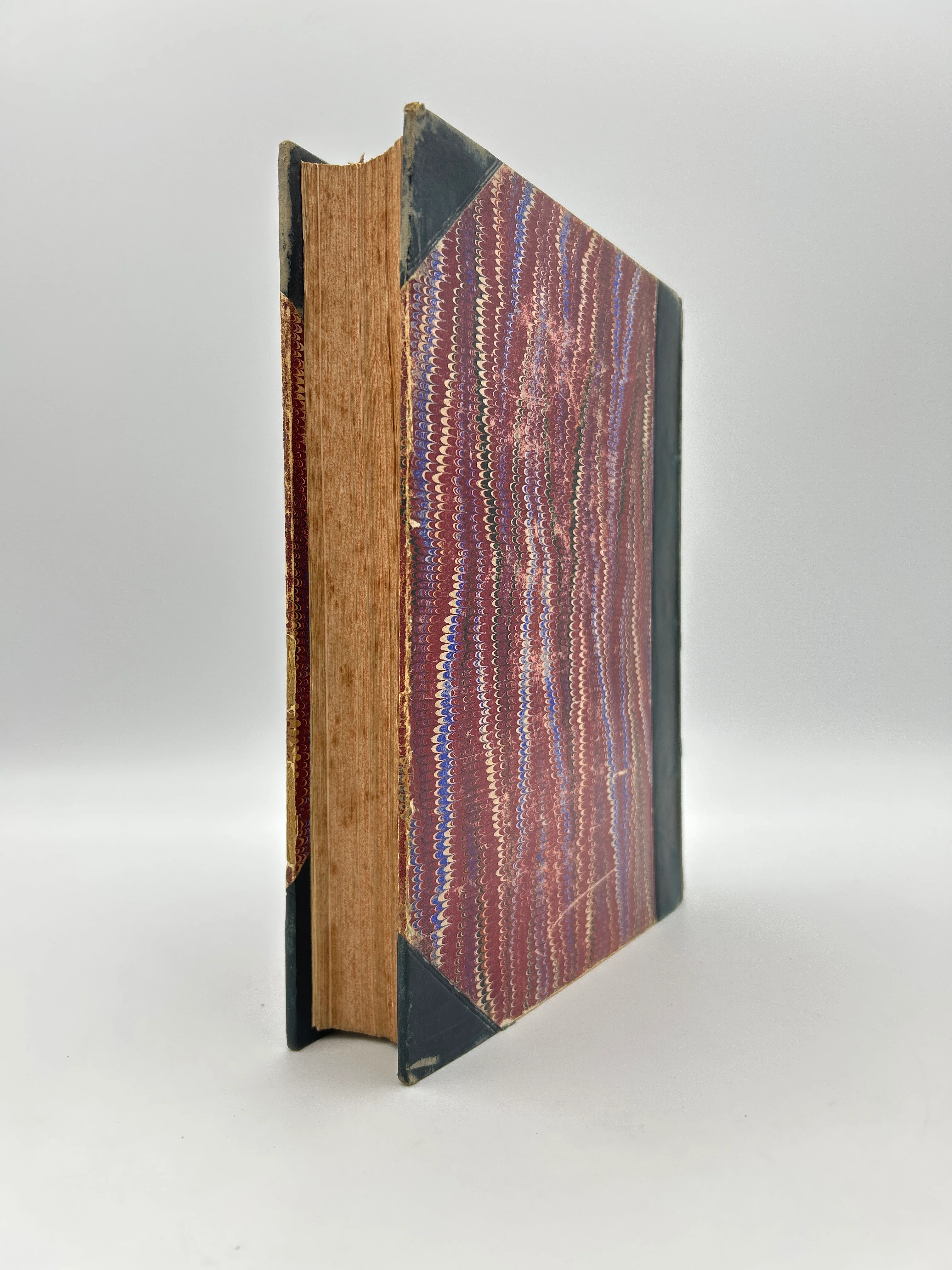
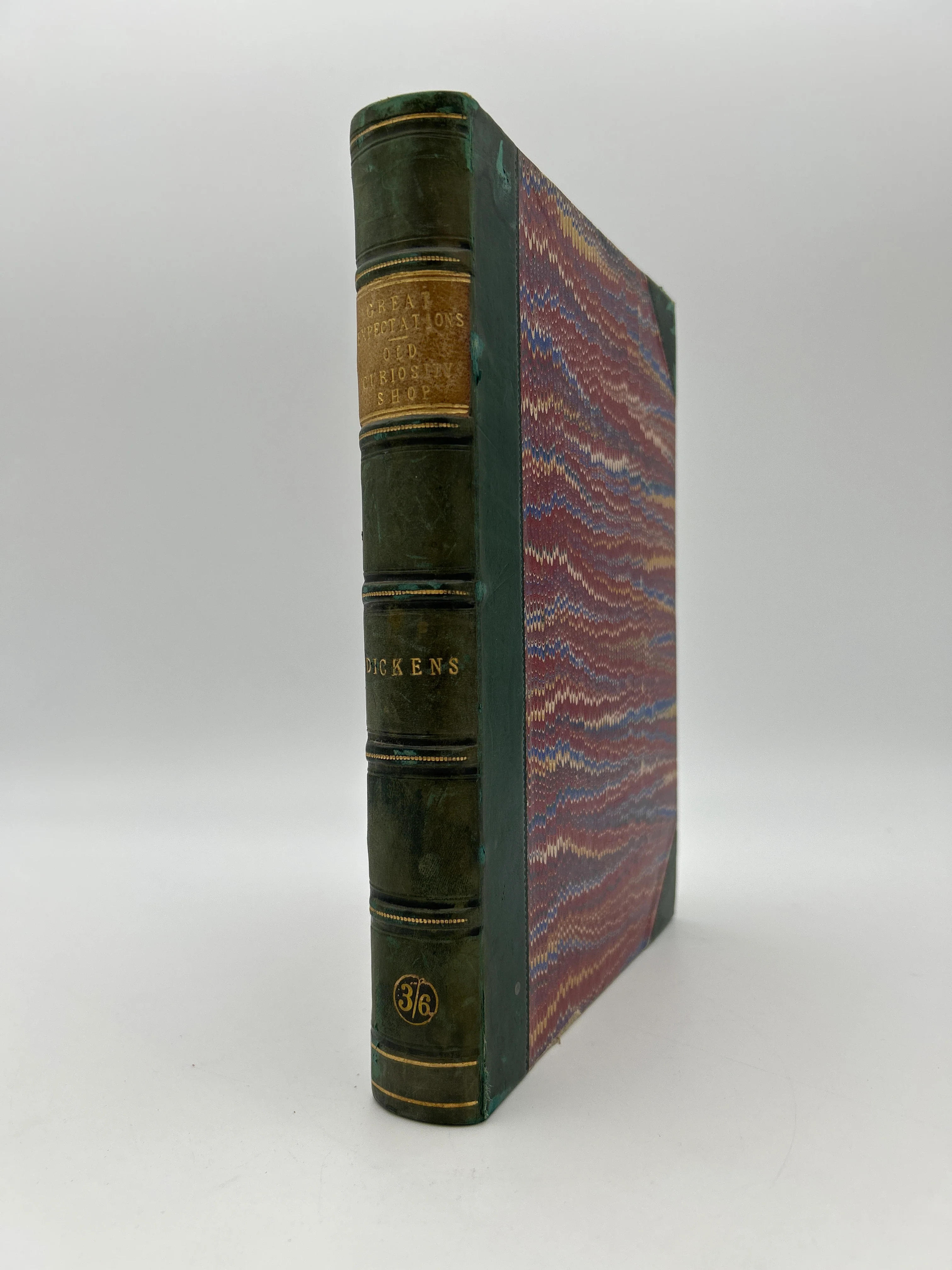
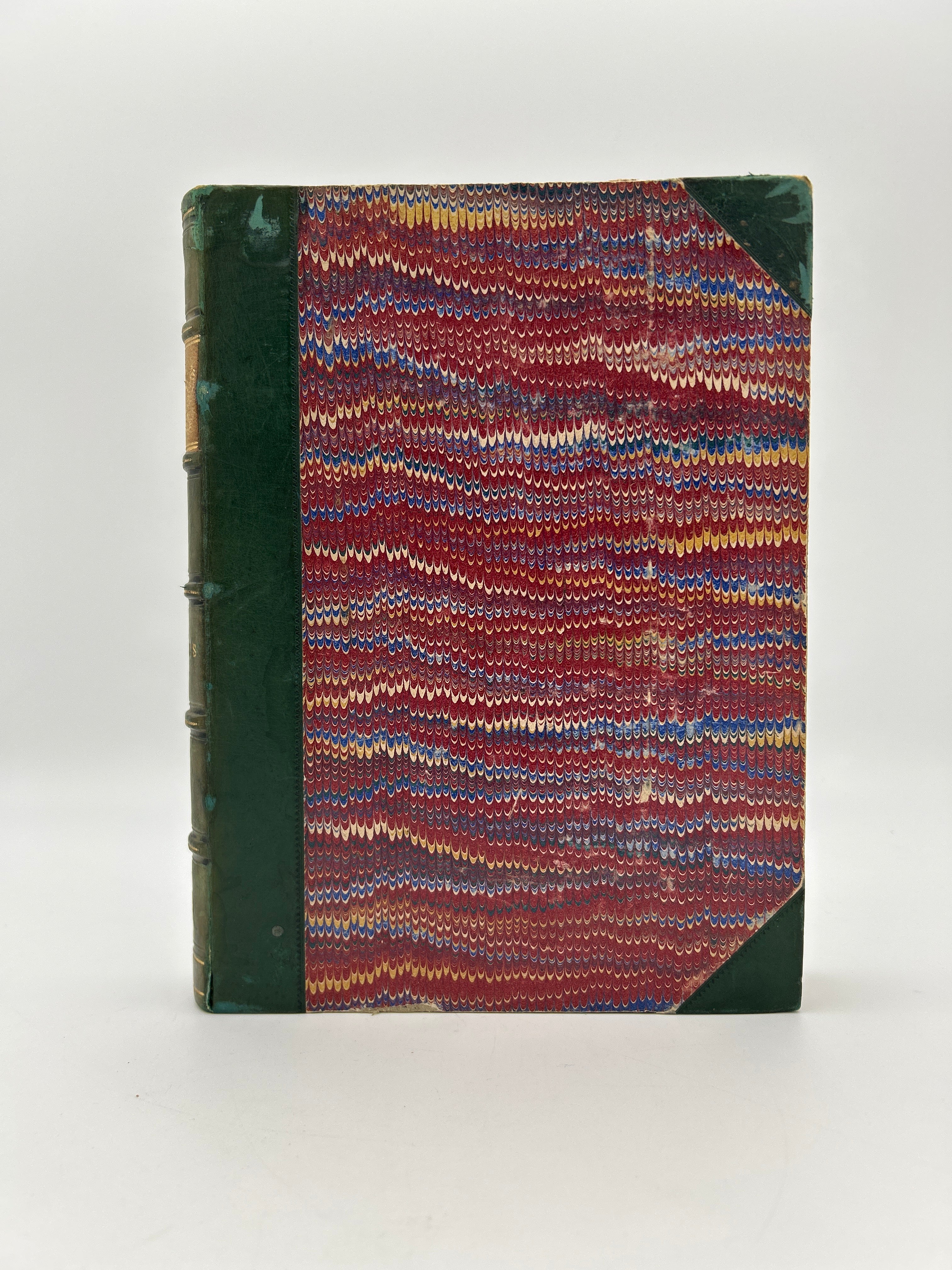
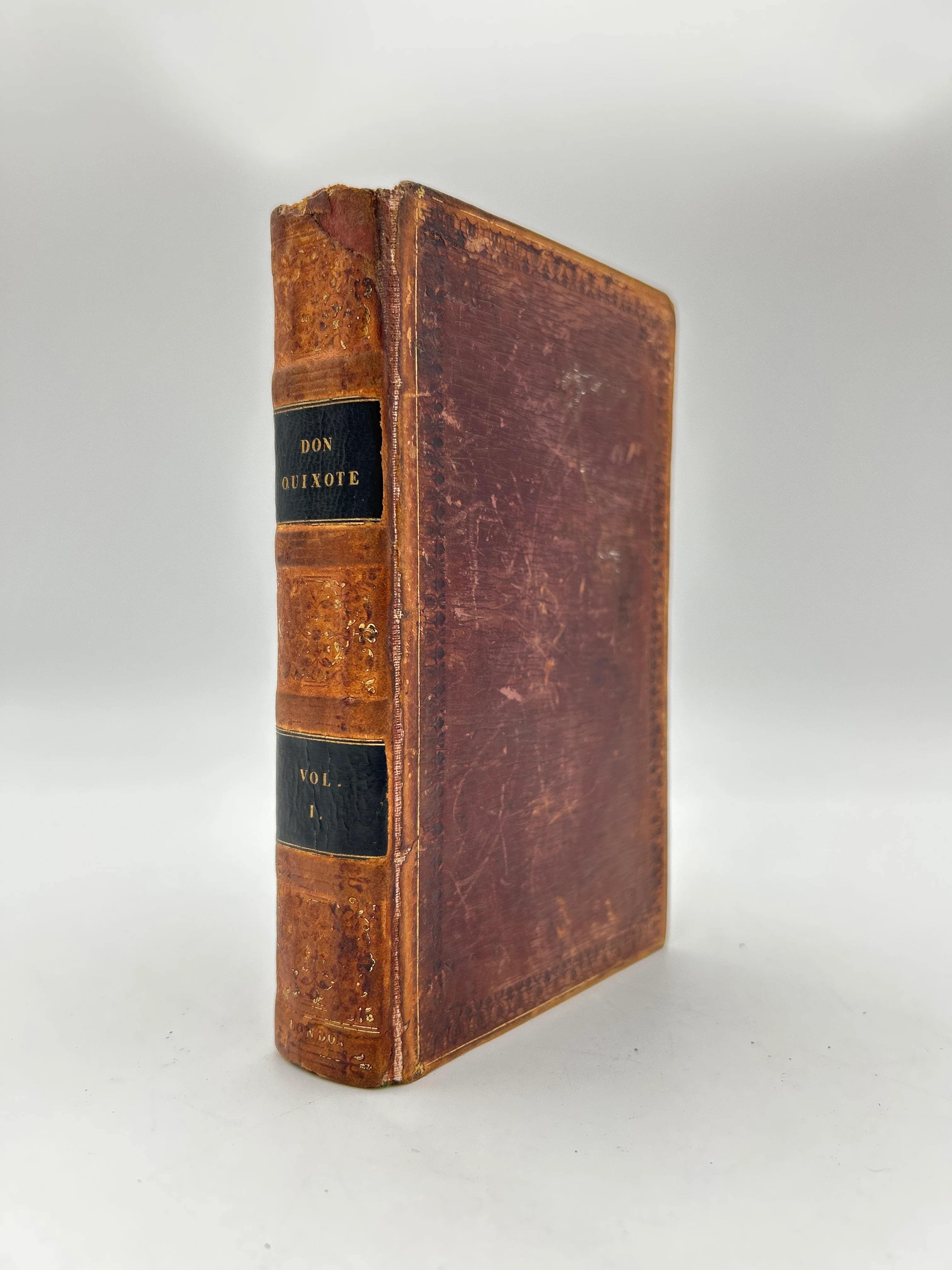
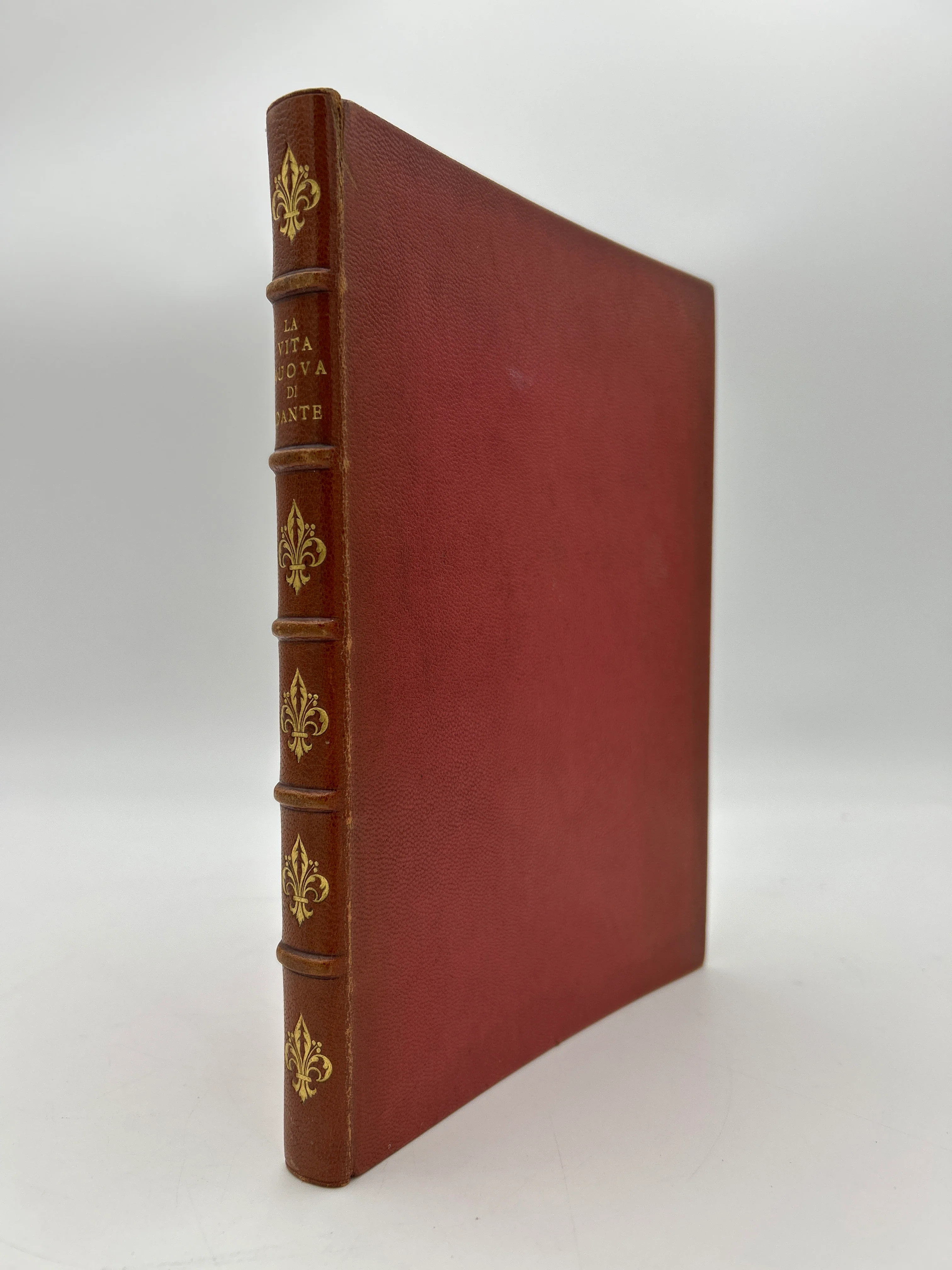
Marbled boards with three quarter brown leather binding. Red and black labels to spine with gilt lettering within. Gilt lines down spine. Marbled edges and endpapers. Damp-stain to center of leather spine on upper cover of volume one and reverse of volume two. Bookplates of a Mervyn Moore to interior boards and ownership inscription in pen to first flyleaf of Mervyn Moore dated 1936.

Details & Craftsmanship
Every detail has been carefully considered to bring you the perfect product.

Details & Craftsmanship
Every detail has been carefully considered to bring you the perfect product.

Details & Craftsmanship
Every detail has been carefully considered to bring you the perfect product.

Details & Craftsmanship
Every detail has been carefully considered to bring you the perfect product.

Details & Craftsmanship
Every detail has been carefully considered to bring you the perfect product.

Details & Craftsmanship
Every detail has been carefully considered to bring you the perfect product.

Details & Craftsmanship
Every detail has been carefully considered to bring you the perfect product.

Details & Craftsmanship
Every detail has been carefully considered to bring you the perfect product.

Details & Craftsmanship
Every detail has been carefully considered to bring you the perfect product.
Description
6b Homer. London: Geo. B. Whittaker, 1825. With explanatory notes. In Two Volumes.
Notes
The Iliad, one of the earliest and most influential works of Western literature, is the ancient Greek epic traditionally attributed to Homer. The poem recounts a brief but decisive period in the Trojan War, focusing on the conflict between the warrior Achilles and King Agamemnon and the consequences of Achilles’ withdrawal from battle. Through vivid scenes of combat, heroism, and loss, the work explores themes of honor, fate, pride, and the human cost of war. Rich in dramatic episodes and memorable characters—including Hector, Patroclus, and the gods who intervene in mortal affairs—The Iliad has remained a cornerstone of classical literature for nearly three millennia.
Homer, the legendary poet traditionally credited with composing both The Iliad and The Odyssey, is believed to have lived sometime around the 8th century BCE. Although little is known with certainty about his life, his epics were central to the oral storytelling traditions of ancient Greece and later became foundational texts of Greek education and culture. Over centuries, the poems have been translated and reinterpreted by numerous scholars and poets. Among the most celebrated English renderings is the translation by Alexander Pope (1688–1744), whose early eighteenth-century version is admired for its poetic elegance and its influential role in introducing Homer’s epic to English-speaking audiences.
Description
Marbled boards with three quarter brown leather binding. Red and black labels to spine with gilt lettering within. Gilt lines down spine. Marbled edges and endpapers. Damp-stain to center of leather spine on upper cover of volume one and reverse of volume two. Bookplates of a Mervyn Moore to interior boards and ownership inscription in pen to first flyleaf of Mervyn Moore dated 1936.