Original: $30.00
-65%$30.00
$10.50The Story
6j translated by C. Kegan Paul. London: The Astolat Press, ca. 1910.
Notes
Blaise Pascal was a seventeenth-century French mathematician, scientist, and philosopher whose work bridged rigorous logic and deep religious reflection. A prodigy in mathematics, he made lasting contributions to geometry, probability theory, and physics, while later in life he turned increasingly toward philosophy and theology. His most famous literary work, Pensées, is a series of fragmentary thoughts that explore faith, doubt, reason, and the human condition, arguing that while reason has limits, belief in God speaks to the heart as well as the mind.
Miniature books grew especially popular in the late nineteenth and early twentieth centuries, when improvements in printing, paper quality, and typesetting made it possible to produce readable texts at very small sizes. Their appeal blended novelty, craftsmanship, and collectability: readers enjoyed the surprise of fully functional books small enough to fit in a pocket, while collectors prized the fine bindings, gilt lettering, and clever design challenges they represented. Miniature volumes were often given as gifts or souvenirs and frequently featured well-known classics, poetry, or religious texts, since familiar works lent themselves well to abbreviated or compact formats.
Description
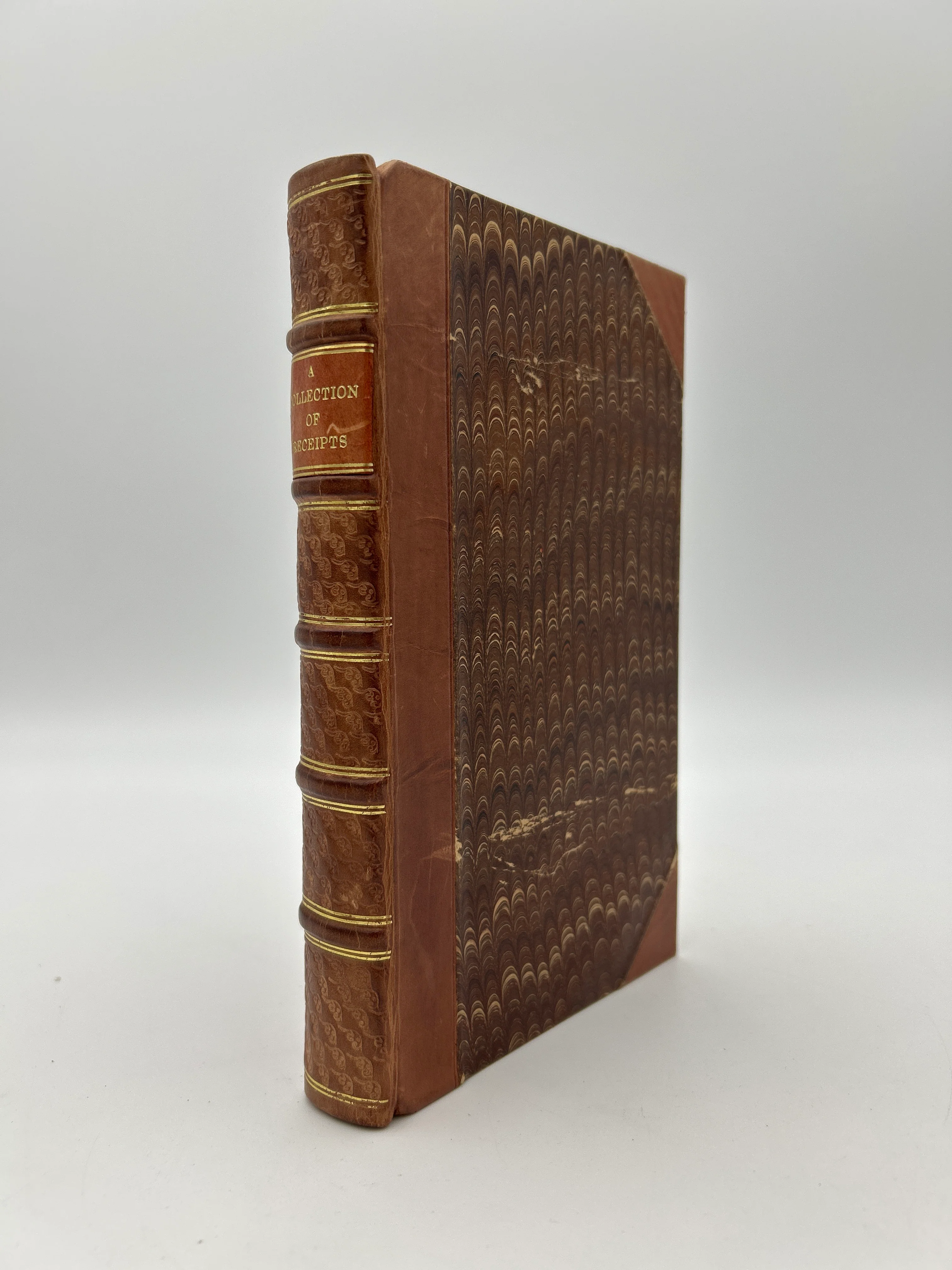
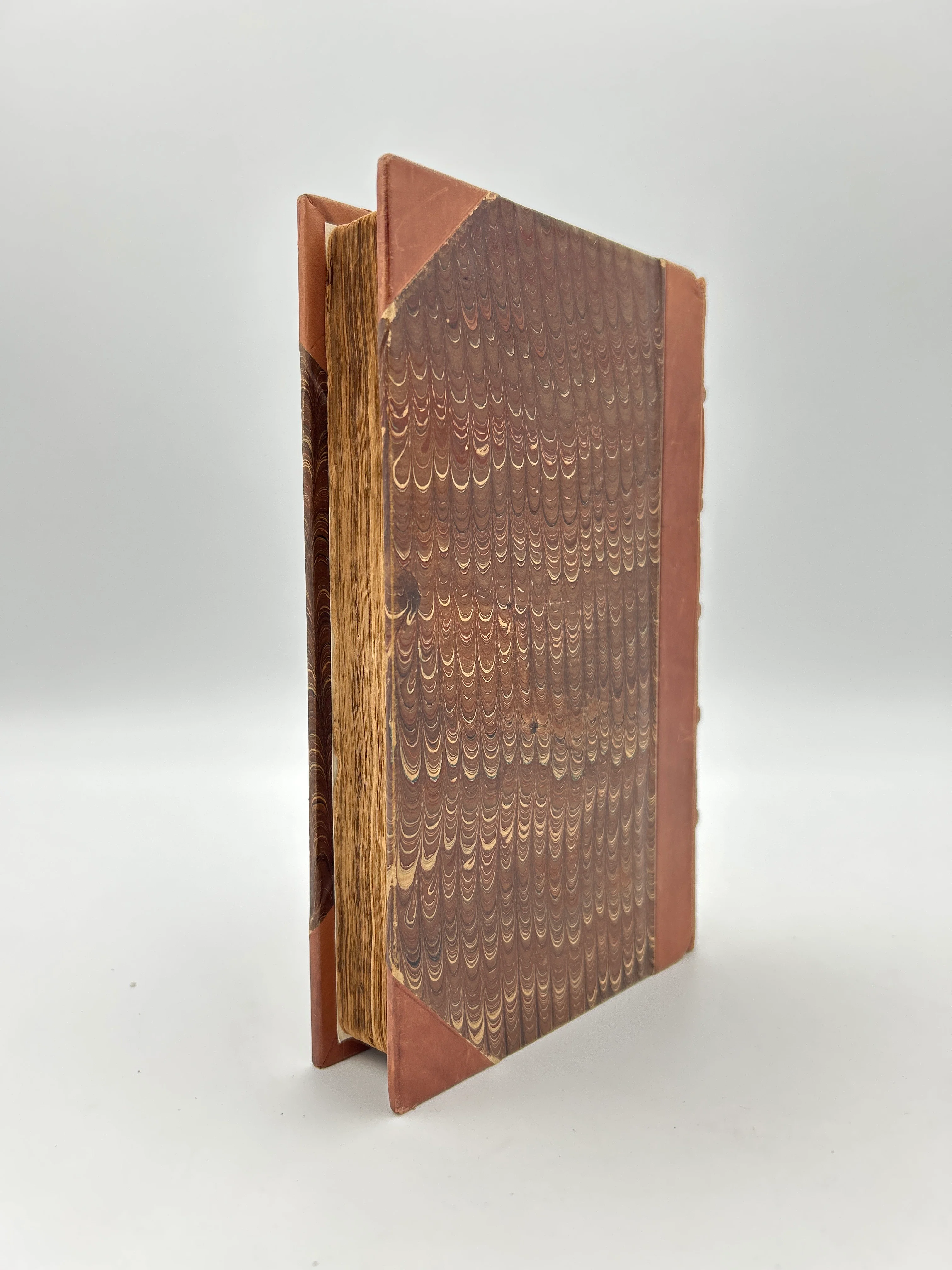
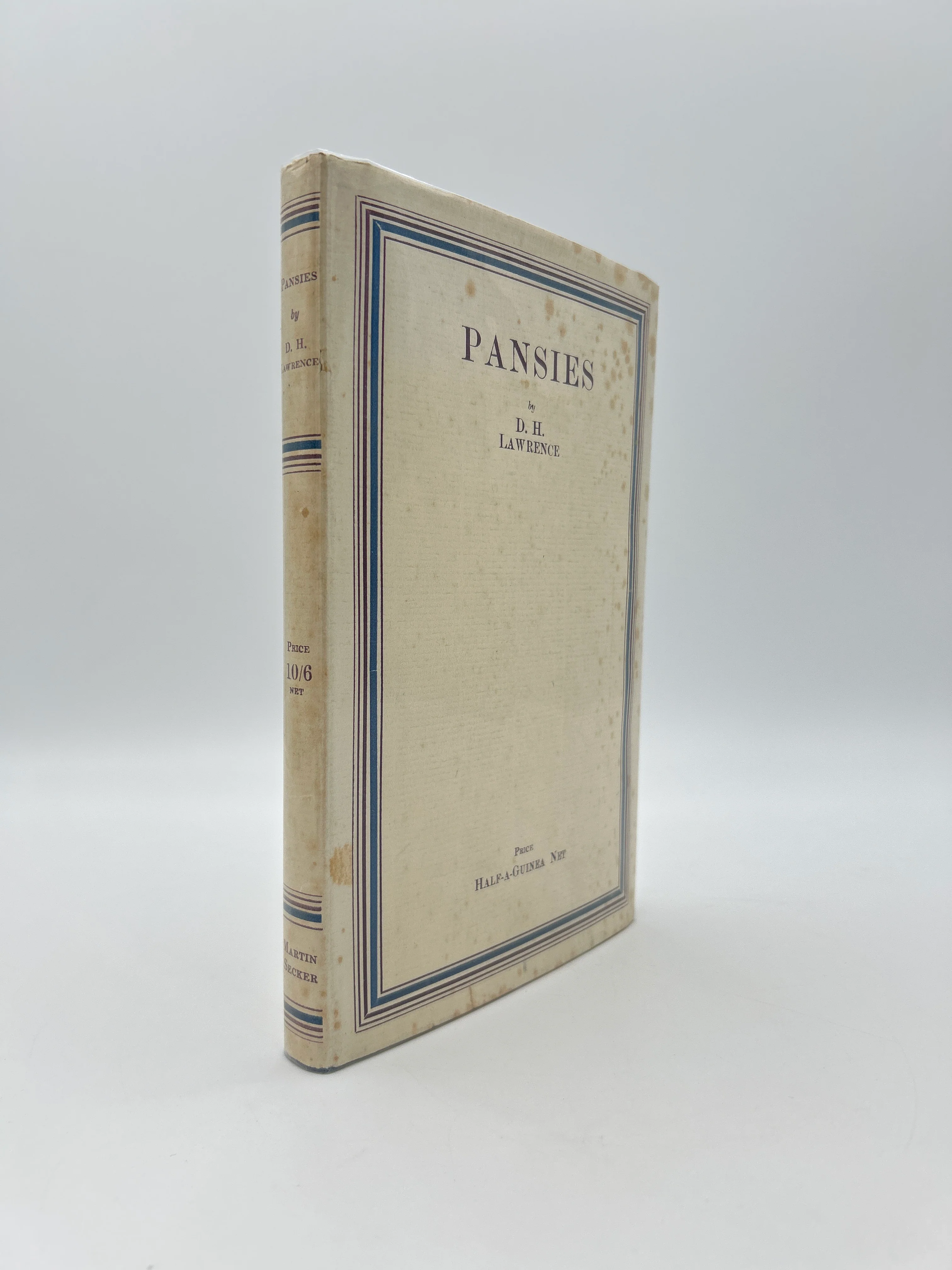
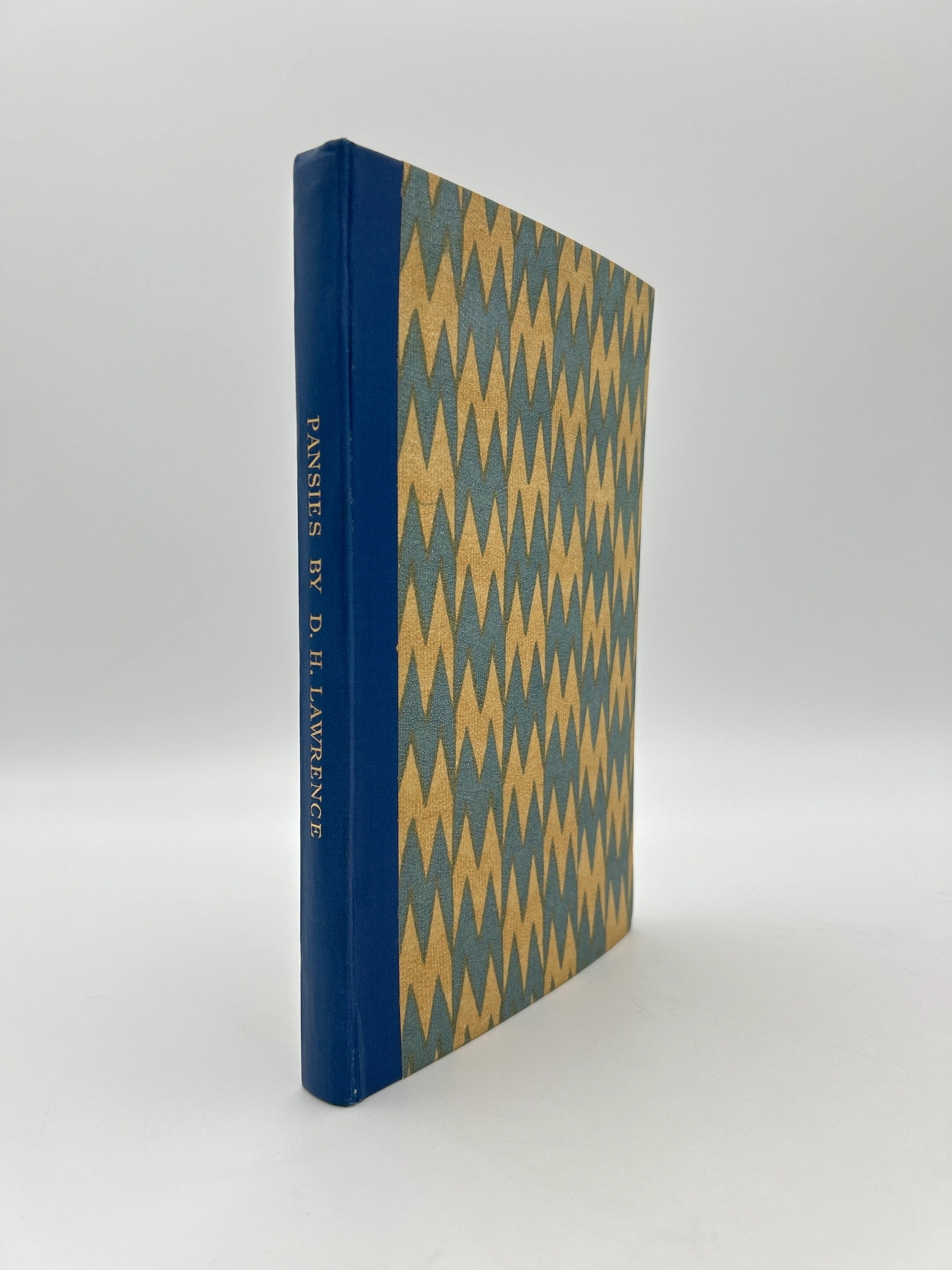
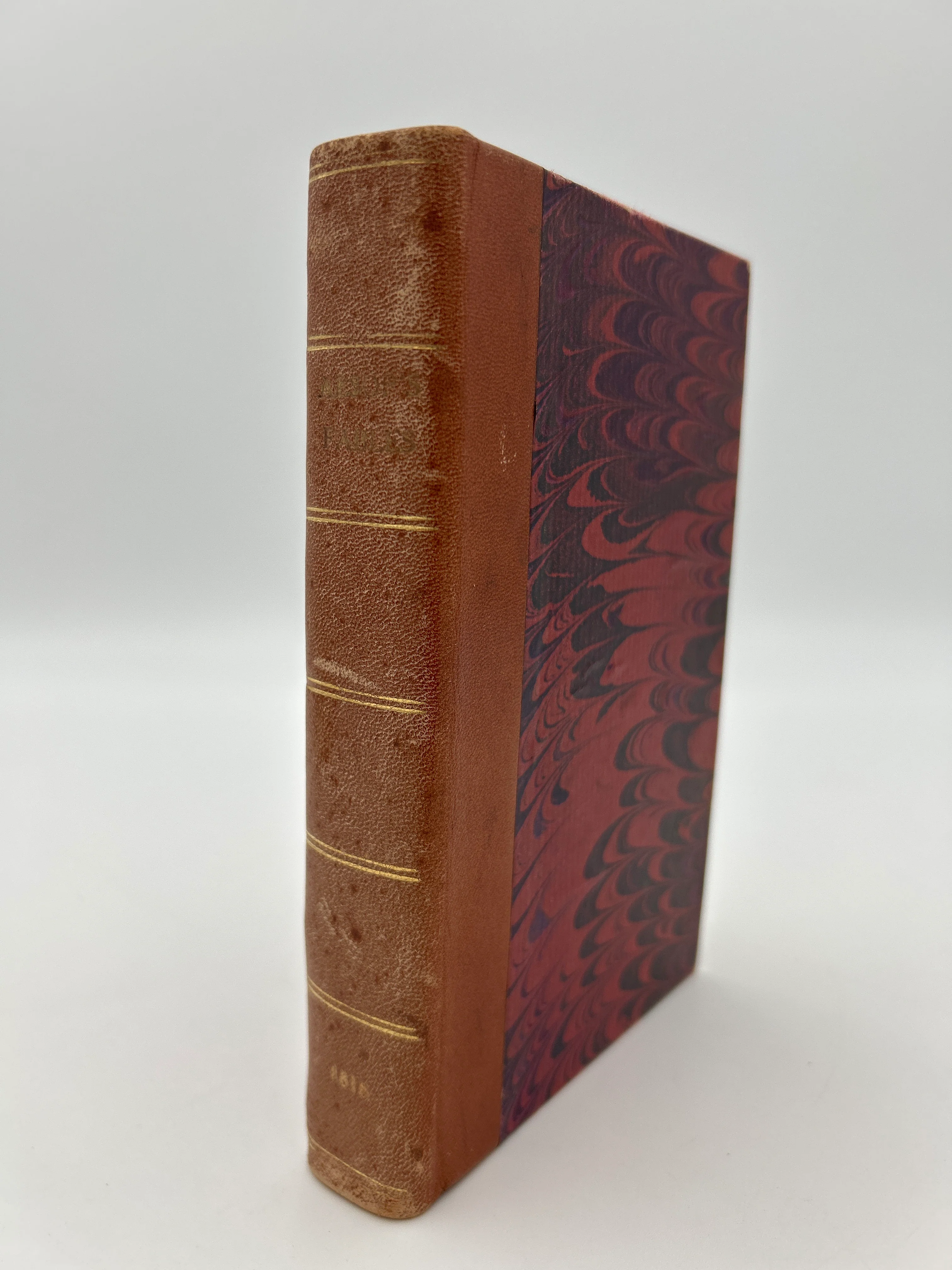
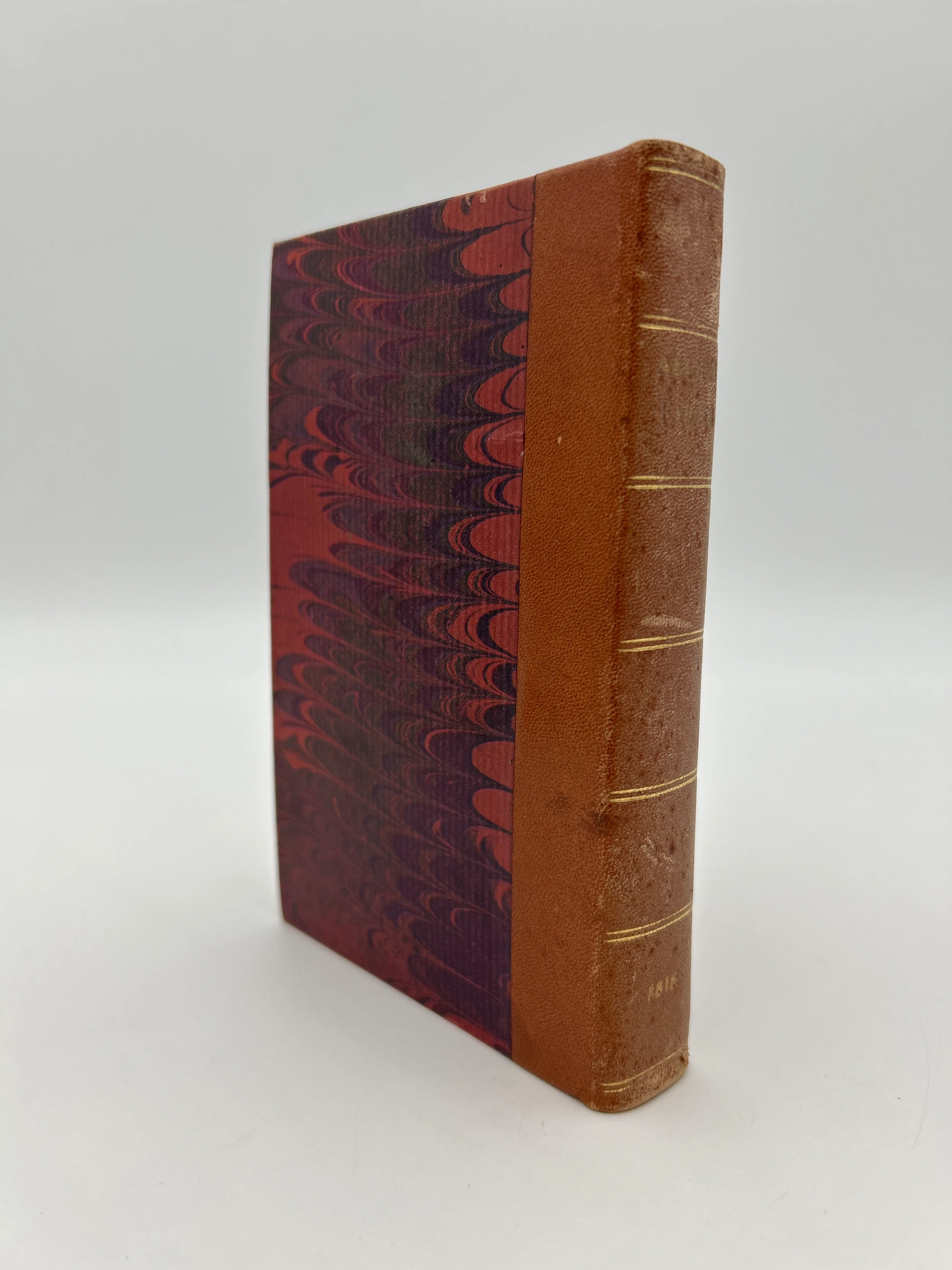
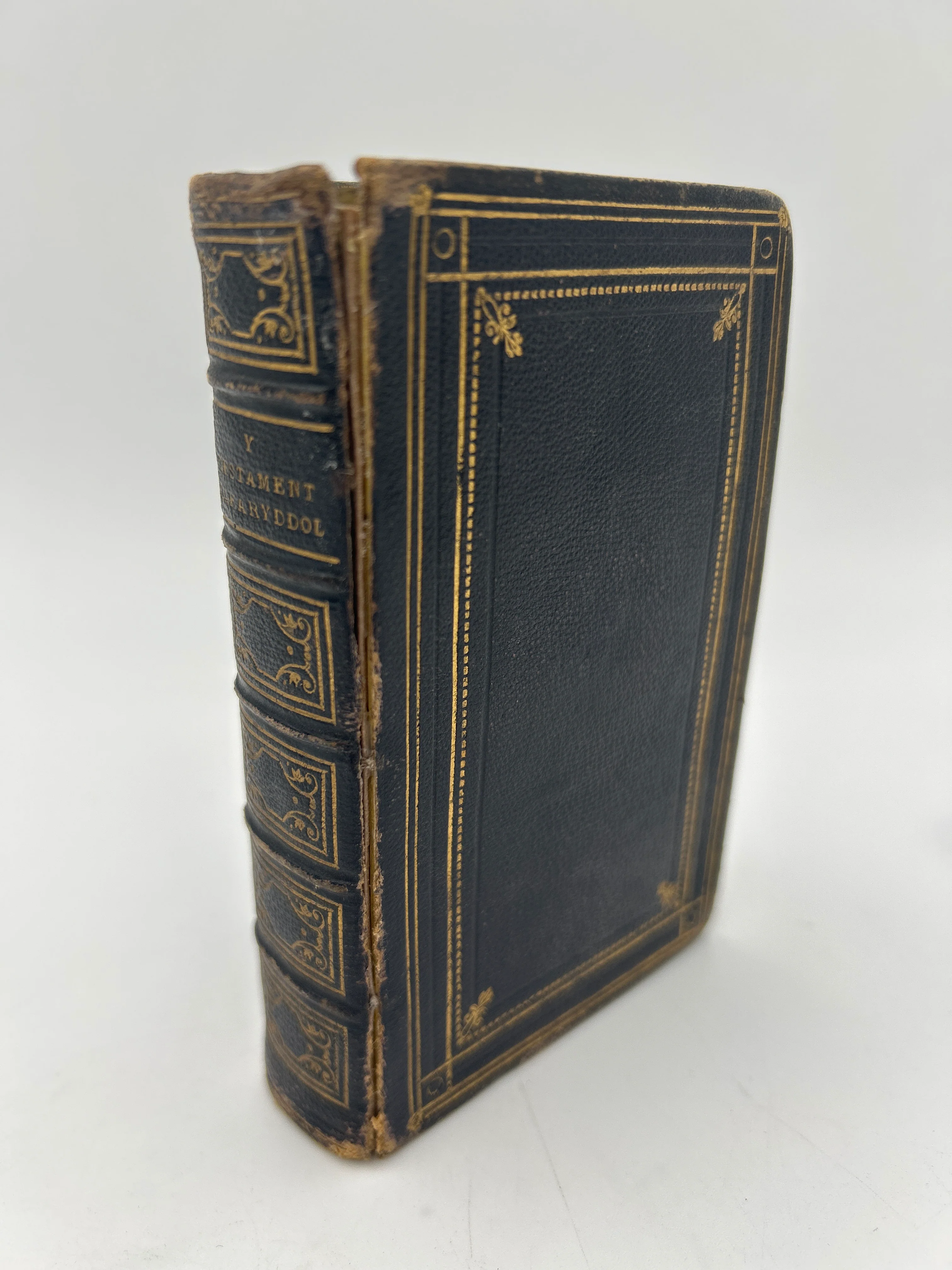
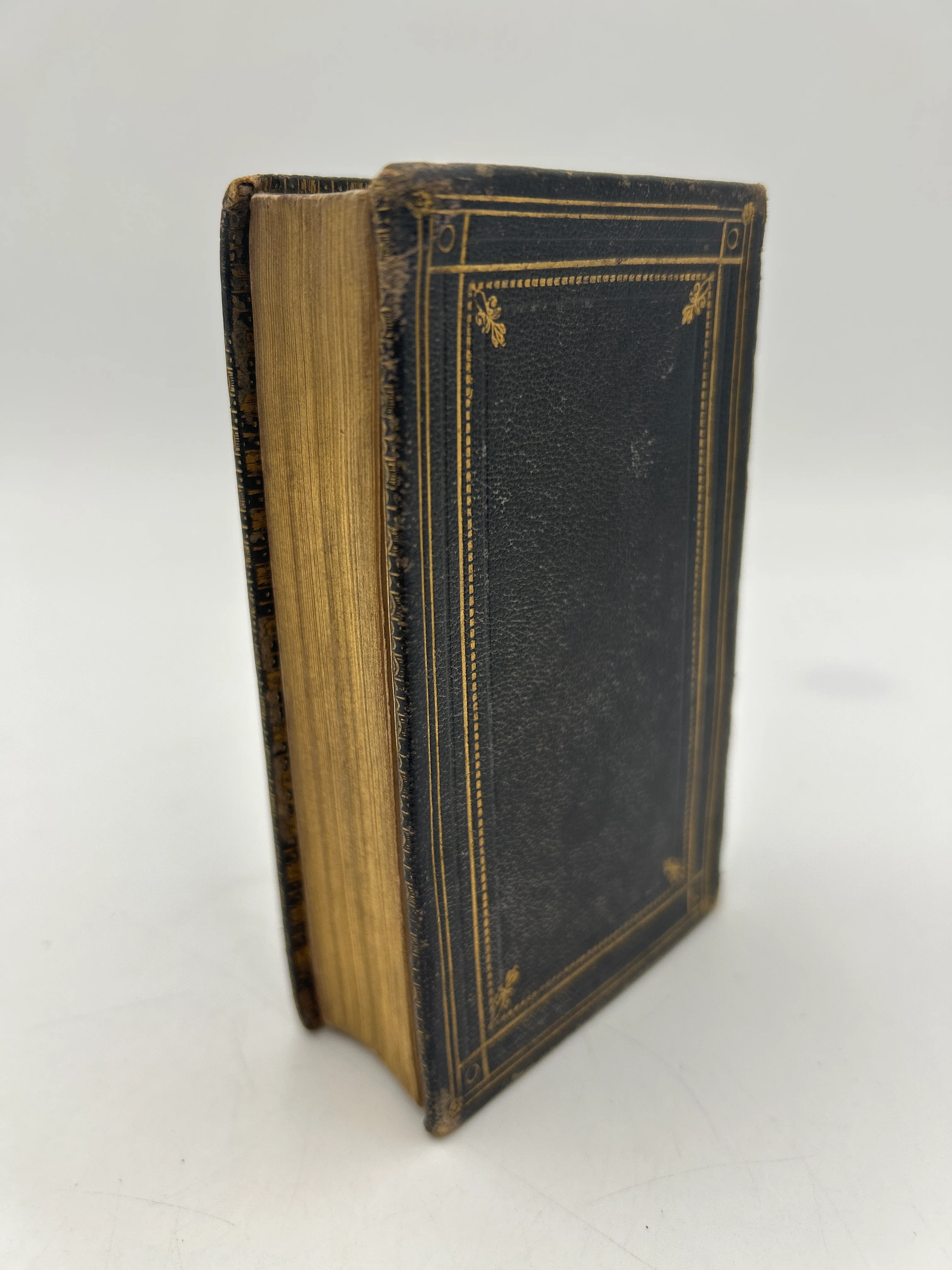
Miniature. Gray suede binding. Gilt edges and gilt lettering on spine. Fine condition.

Details & Craftsmanship
Every detail has been carefully considered to bring you the perfect product.
Description
6j translated by C. Kegan Paul. London: The Astolat Press, ca. 1910.
Notes
Blaise Pascal was a seventeenth-century French mathematician, scientist, and philosopher whose work bridged rigorous logic and deep religious reflection. A prodigy in mathematics, he made lasting contributions to geometry, probability theory, and physics, while later in life he turned increasingly toward philosophy and theology. His most famous literary work, Pensées, is a series of fragmentary thoughts that explore faith, doubt, reason, and the human condition, arguing that while reason has limits, belief in God speaks to the heart as well as the mind.
Miniature books grew especially popular in the late nineteenth and early twentieth centuries, when improvements in printing, paper quality, and typesetting made it possible to produce readable texts at very small sizes. Their appeal blended novelty, craftsmanship, and collectability: readers enjoyed the surprise of fully functional books small enough to fit in a pocket, while collectors prized the fine bindings, gilt lettering, and clever design challenges they represented. Miniature volumes were often given as gifts or souvenirs and frequently featured well-known classics, poetry, or religious texts, since familiar works lent themselves well to abbreviated or compact formats.
Description
Miniature. Gray suede binding. Gilt edges and gilt lettering on spine. Fine condition.