Original: $1,995.00
-65%$1,995.00
$698.25The Story
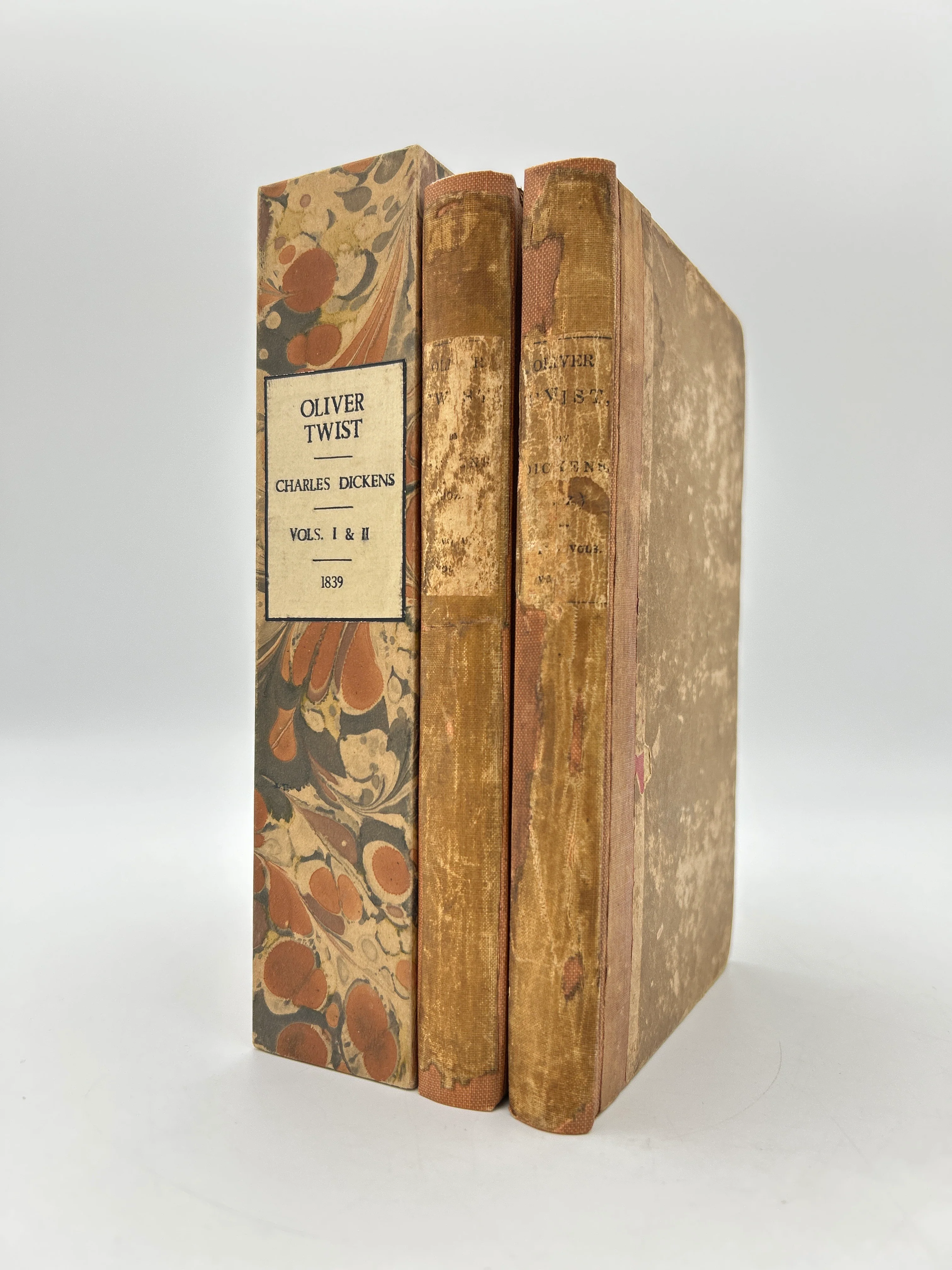
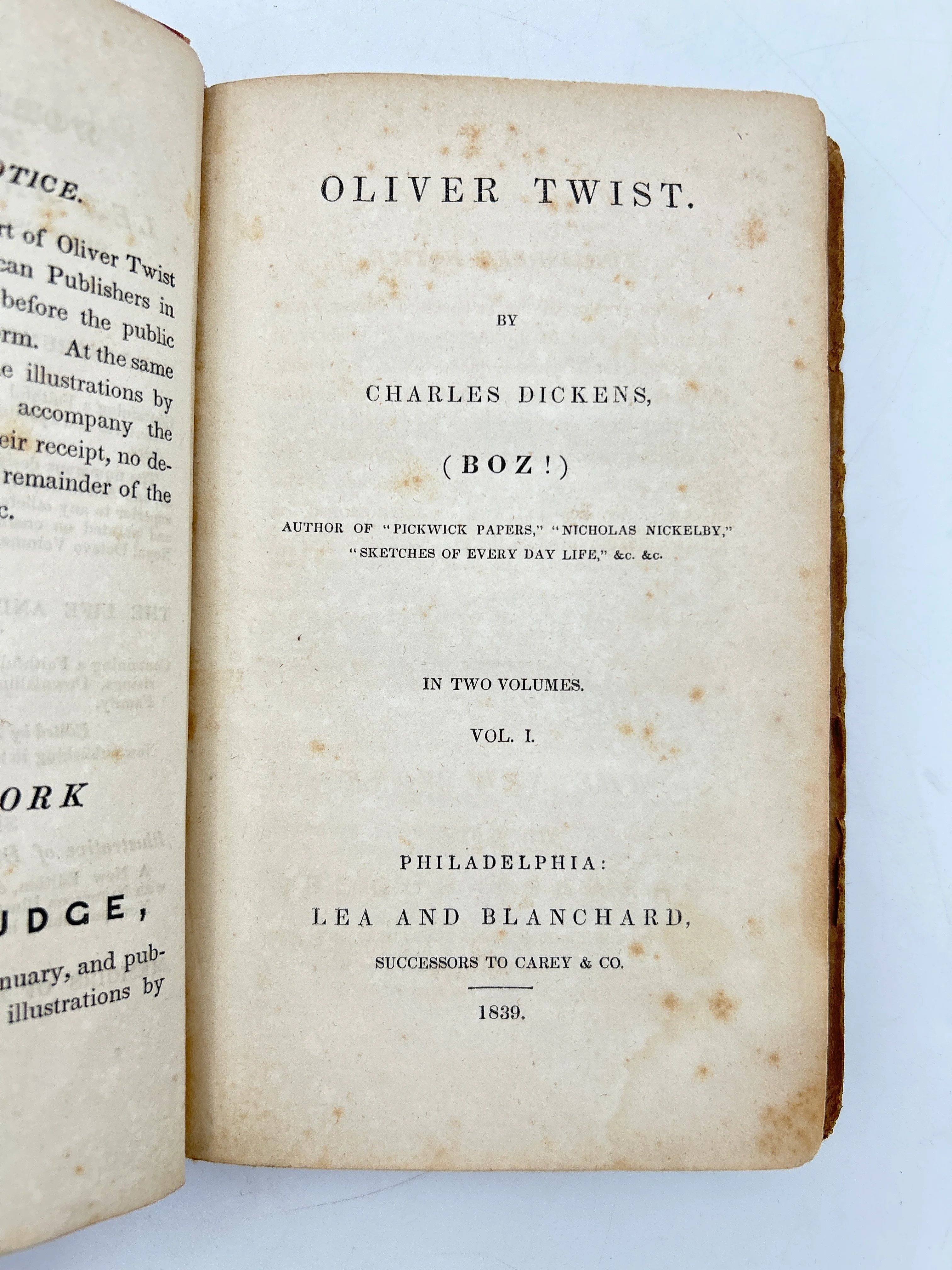
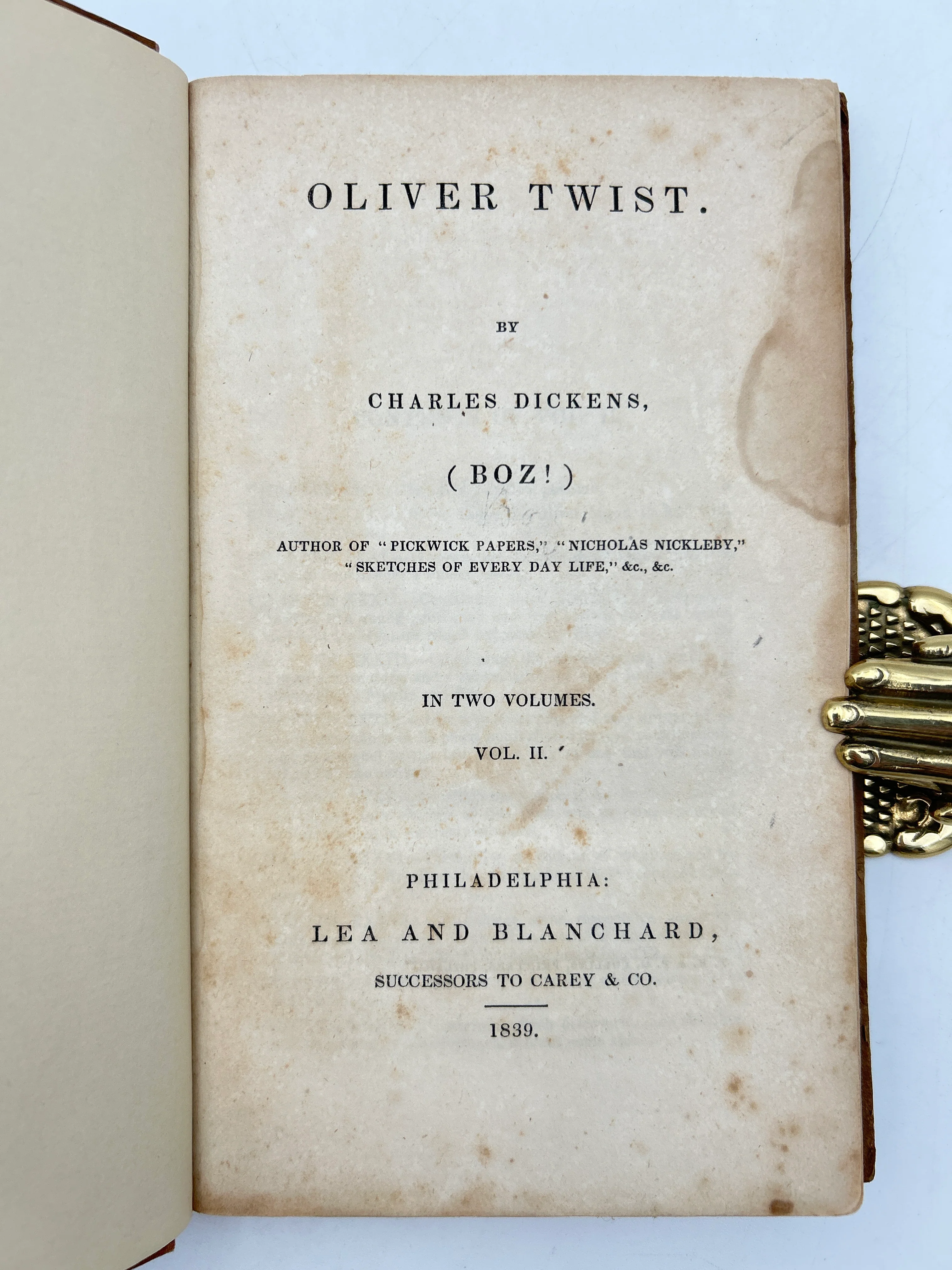
6C Charles Dickens (Boz!). Philadelphia: Lea and Blanchard, 1839. First U.S. Edition
Notes
Oliver Twist is a seminal novel by Charles Dickens, first published serially between 1837 and 1839. The story follows Oliver, an orphan born into poverty and raised in a harsh workhouse, as he navigates the grim streets of London, encountering criminals, conmen, and benevolent strangers along the way. Dickens used Oliver’s innocence and vulnerability to highlight the social injustices of Victorian England, particularly the brutal conditions faced by the poor and children. Notably, Oliver Twist is often recognized as the first major child protagonist in a Victorian novel, marking a shift in literature toward portraying children as central characters whose perspectives and struggles could carry the moral and emotional weight of a story. Through Oliver, Dickens humanized the plight of children in a rapidly industrializing society, creating a model for later novels that focused on youthful experience and social critique.
Charles Dickens was one of the most popular and influential writers of the Victorian era, celebrated for his vivid characters, intricate plots, and keen social commentary. From his early successes like The Pickwick Papers to later masterpieces such as David Copperfield and Great Expectations, Dickens captivated readers with stories that combined humor, pathos, and moral insight. He gained fame not only through his novels but also via public readings, which drew massive audiences and cemented his celebrity status. Dickens’s work resonated across class lines, addressing social injustices while remaining accessible and entertaining. His popularity has endured well beyond his lifetime; his novels continue to be widely read, adapted into films and stage productions, and studied for their literary, historical, and social significance, making him a defining figure in English literature.
Unlike the earlier UK serial publication, the first U.S. Edition of Oliver Twist appeared in two volumes rather than as a serialized story or a single book. This two-volume format was common for early U.S. editions of British novels, partly because of printing costs and the preference for portable volumes.
Description
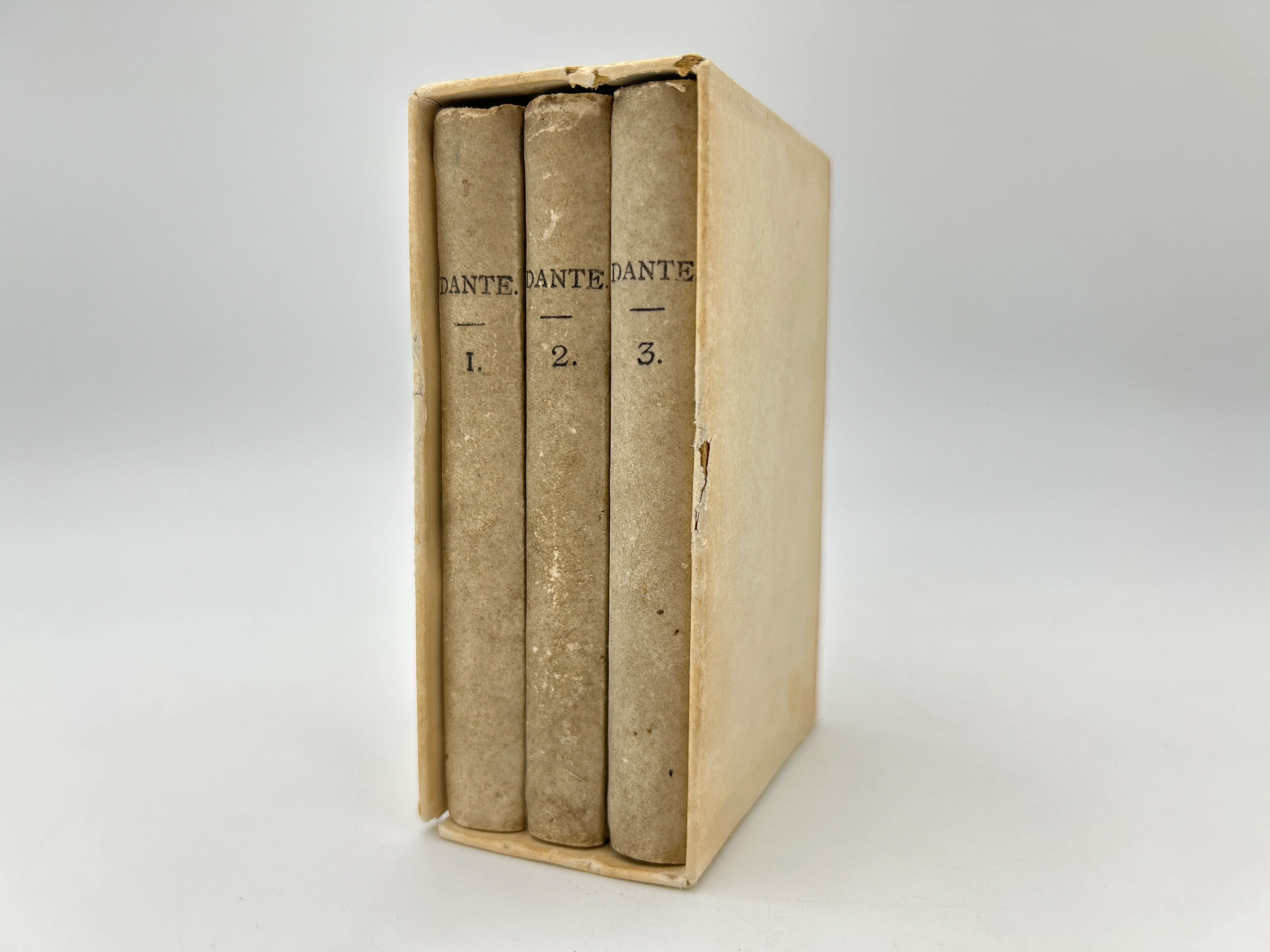
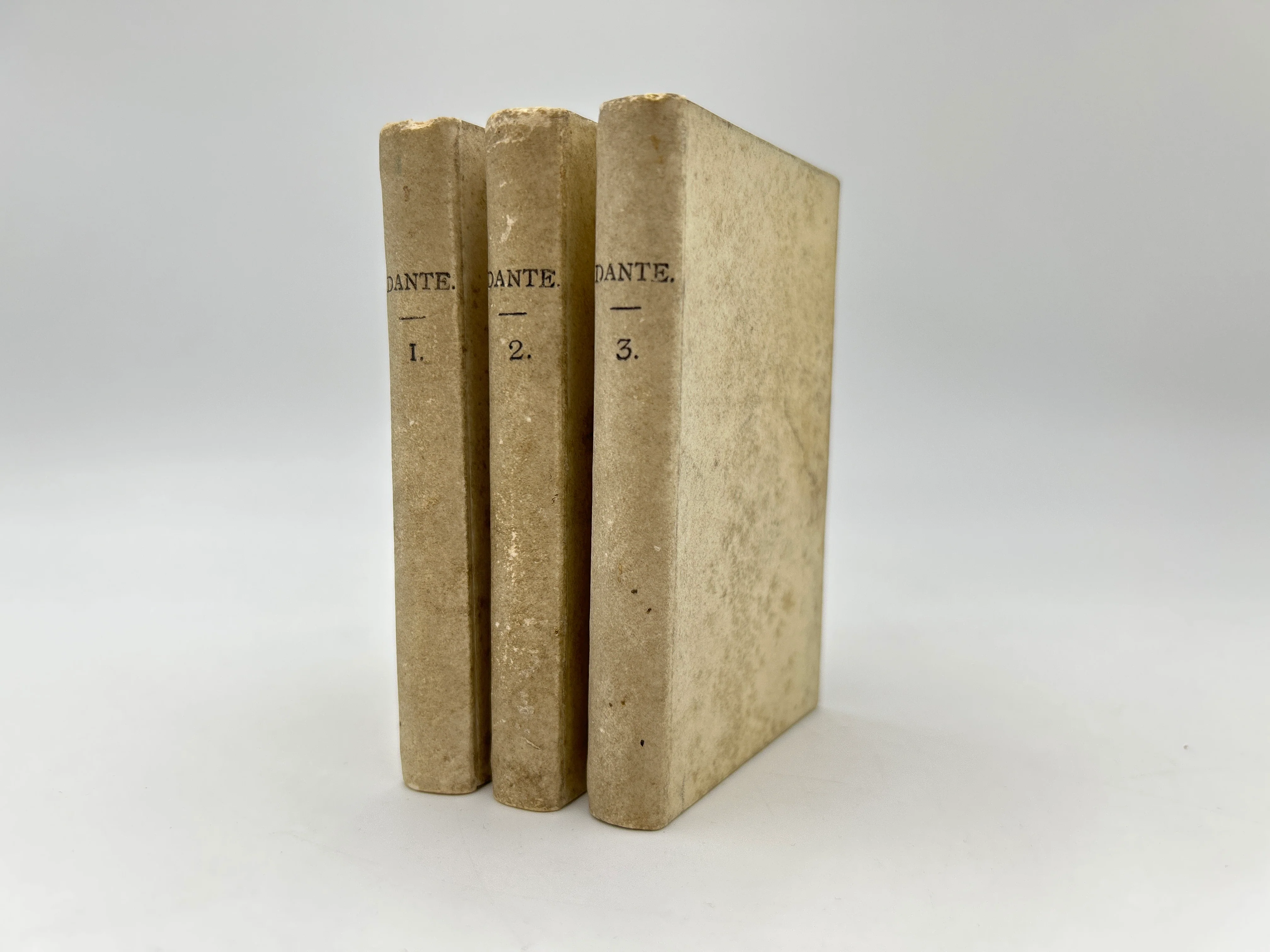
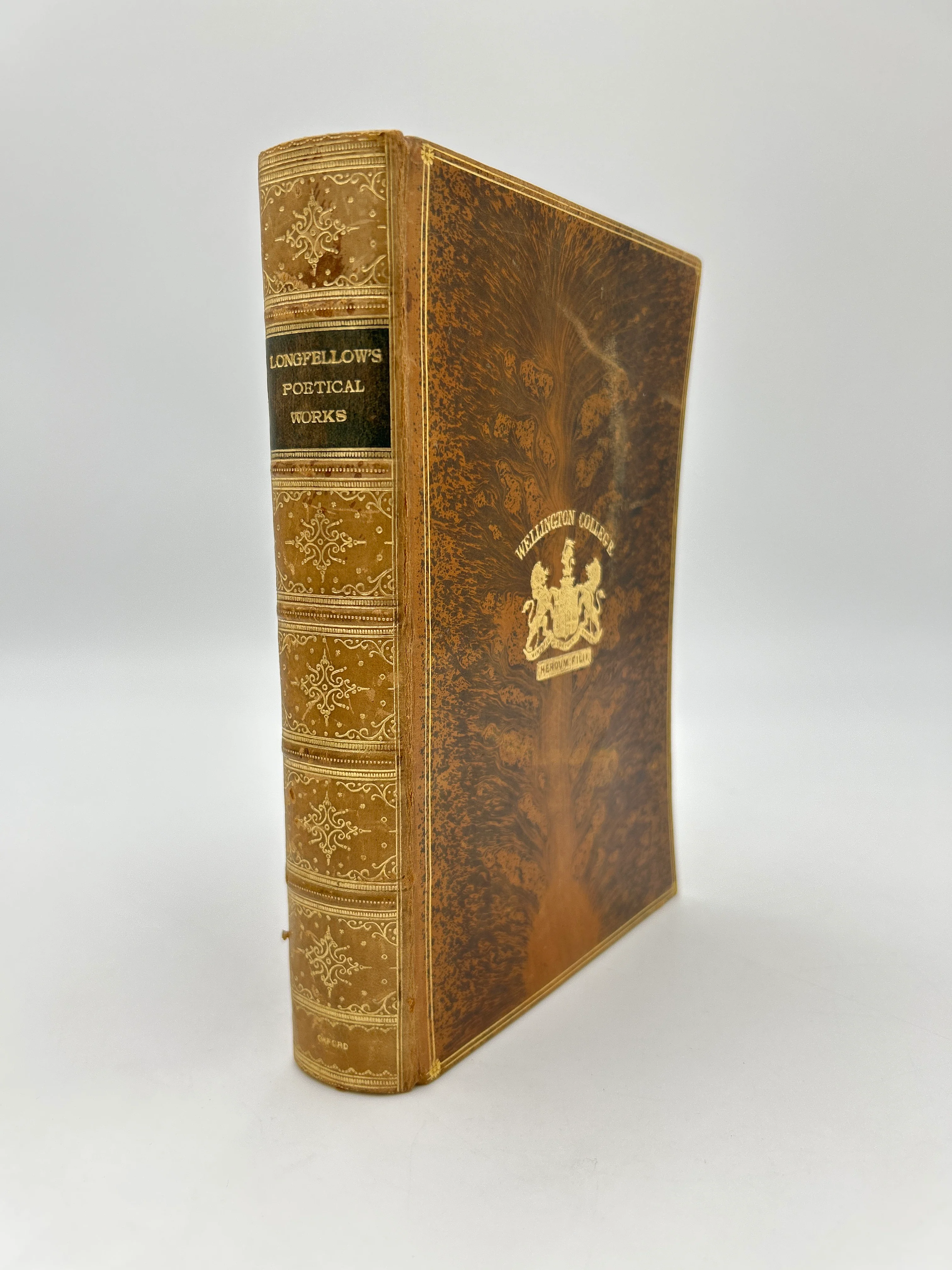
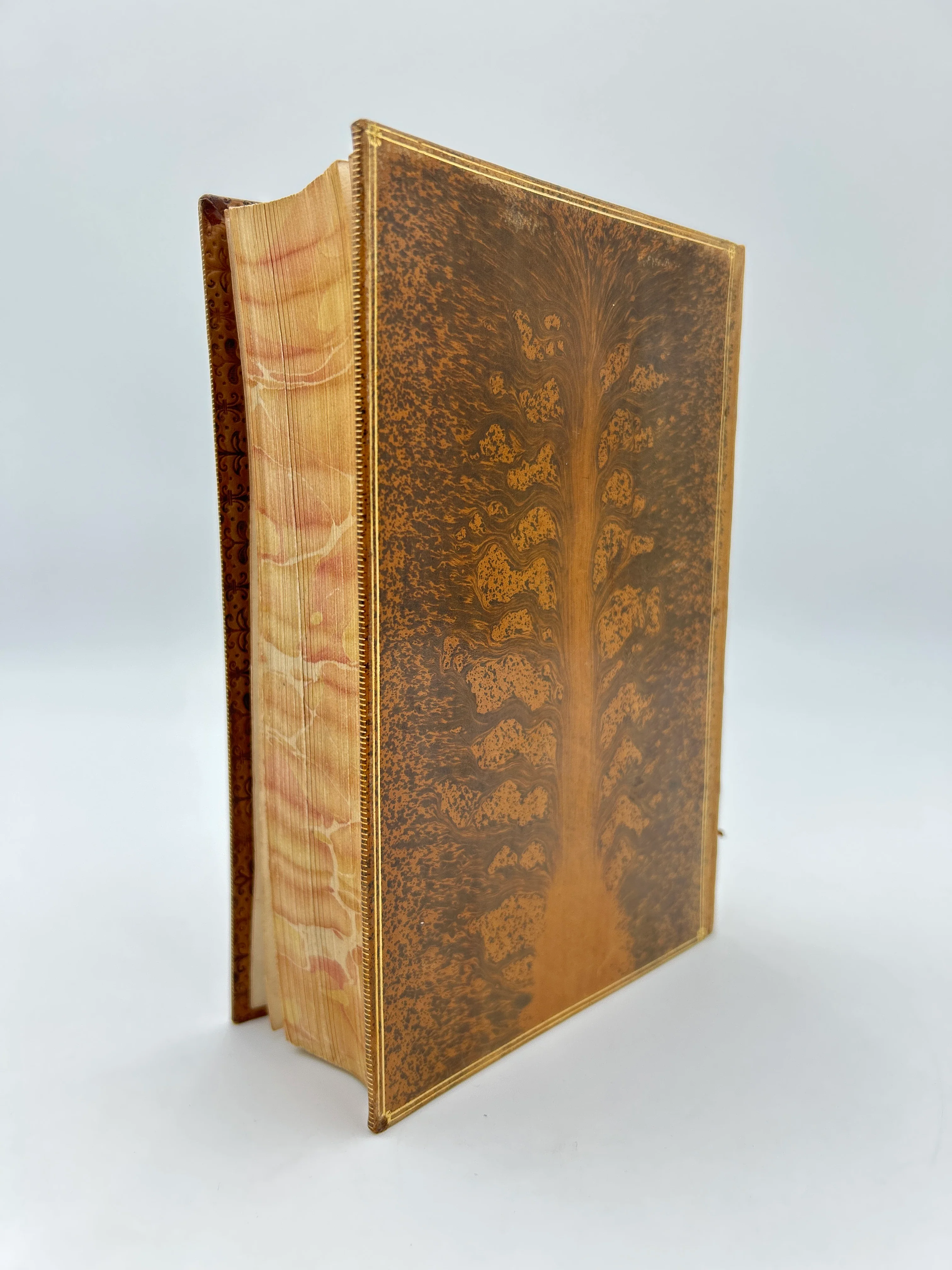
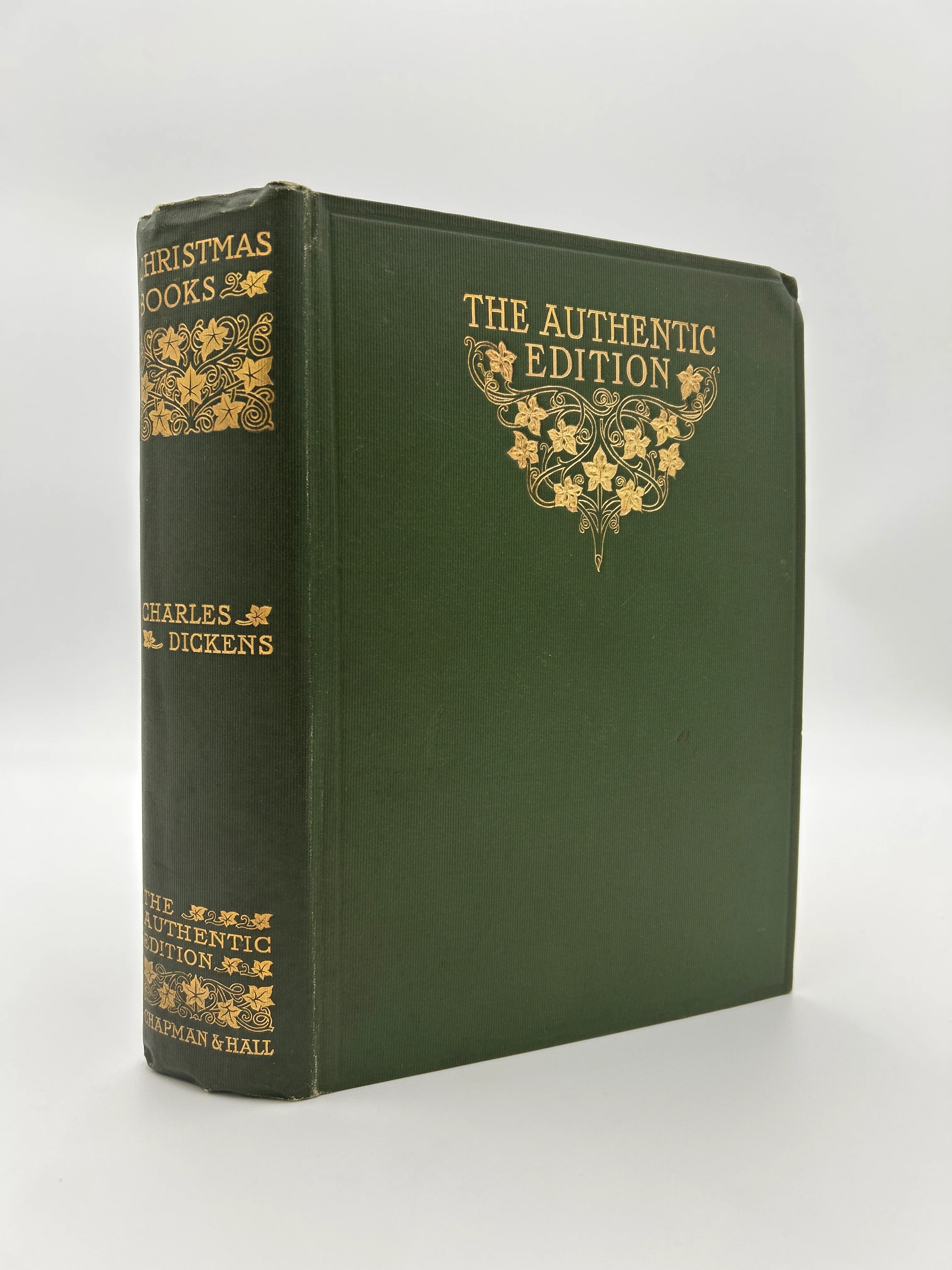
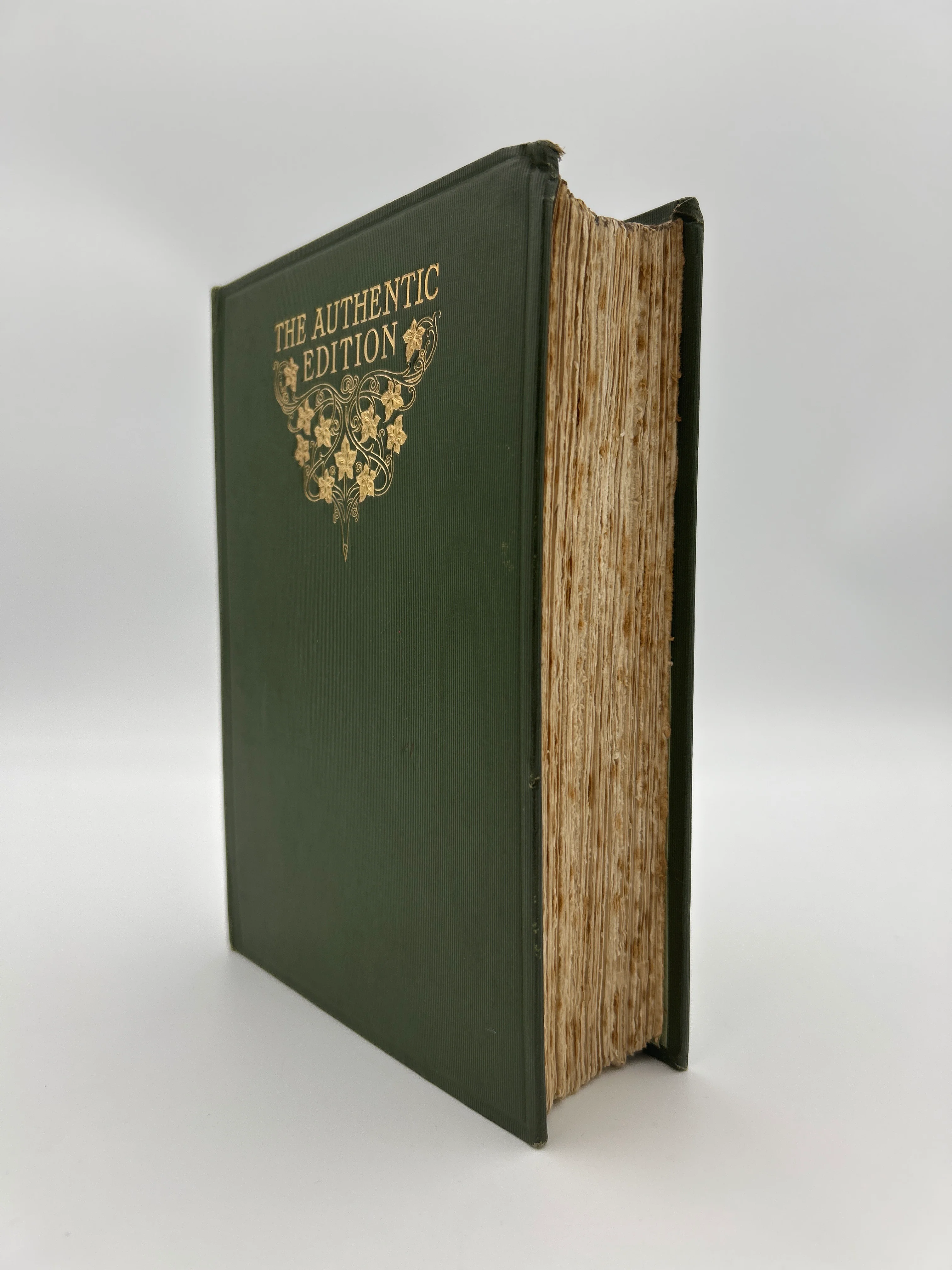
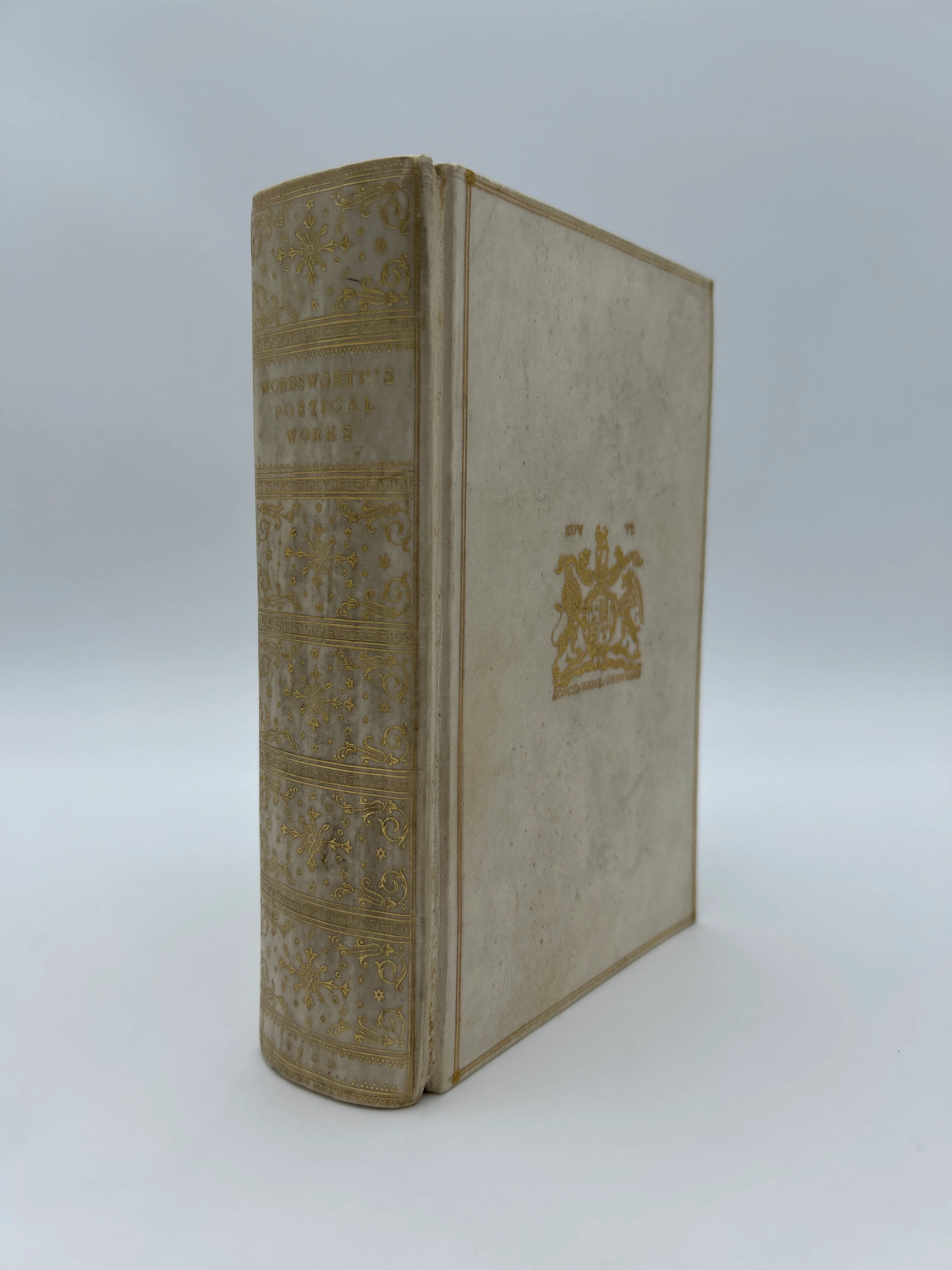
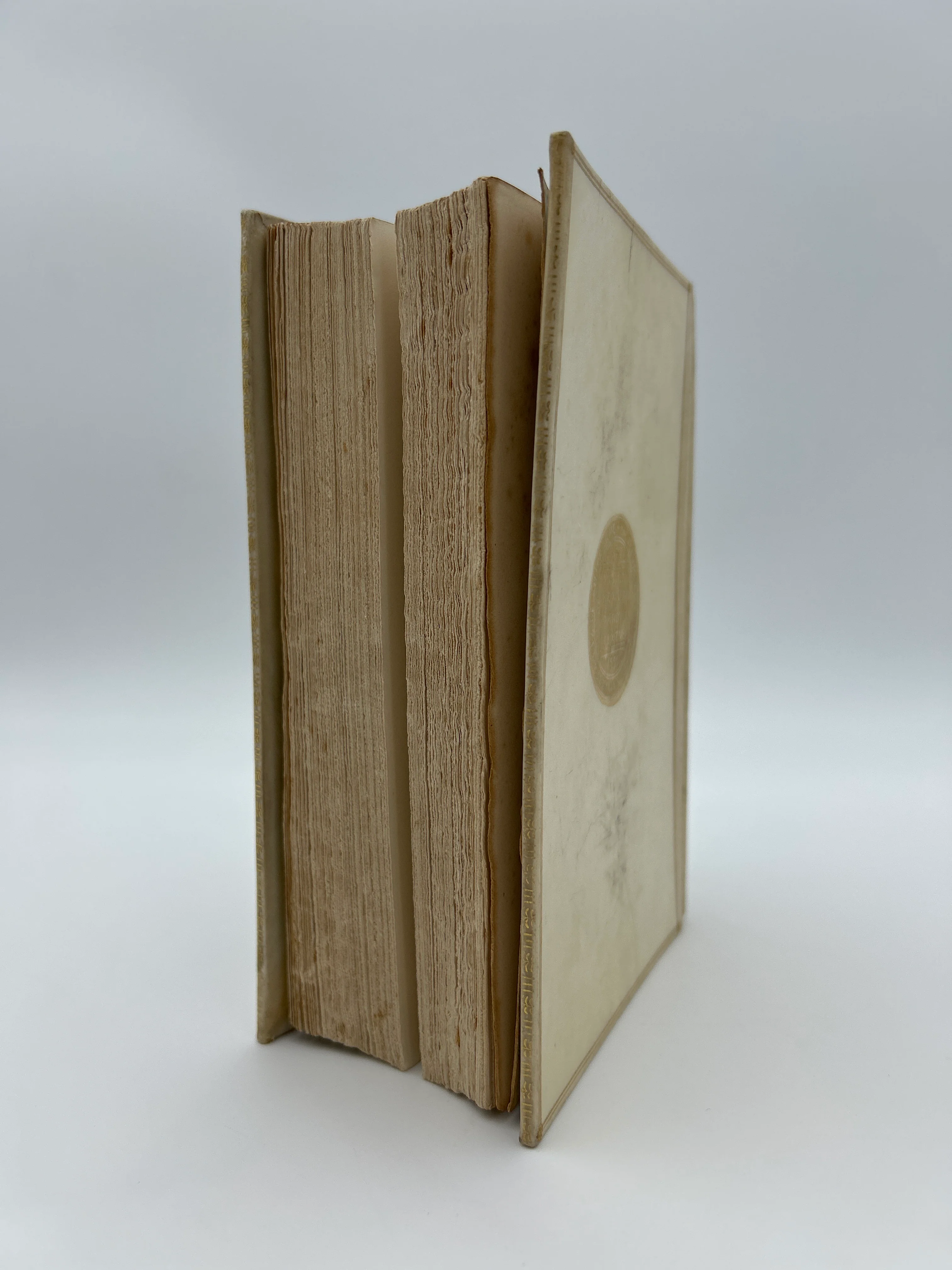
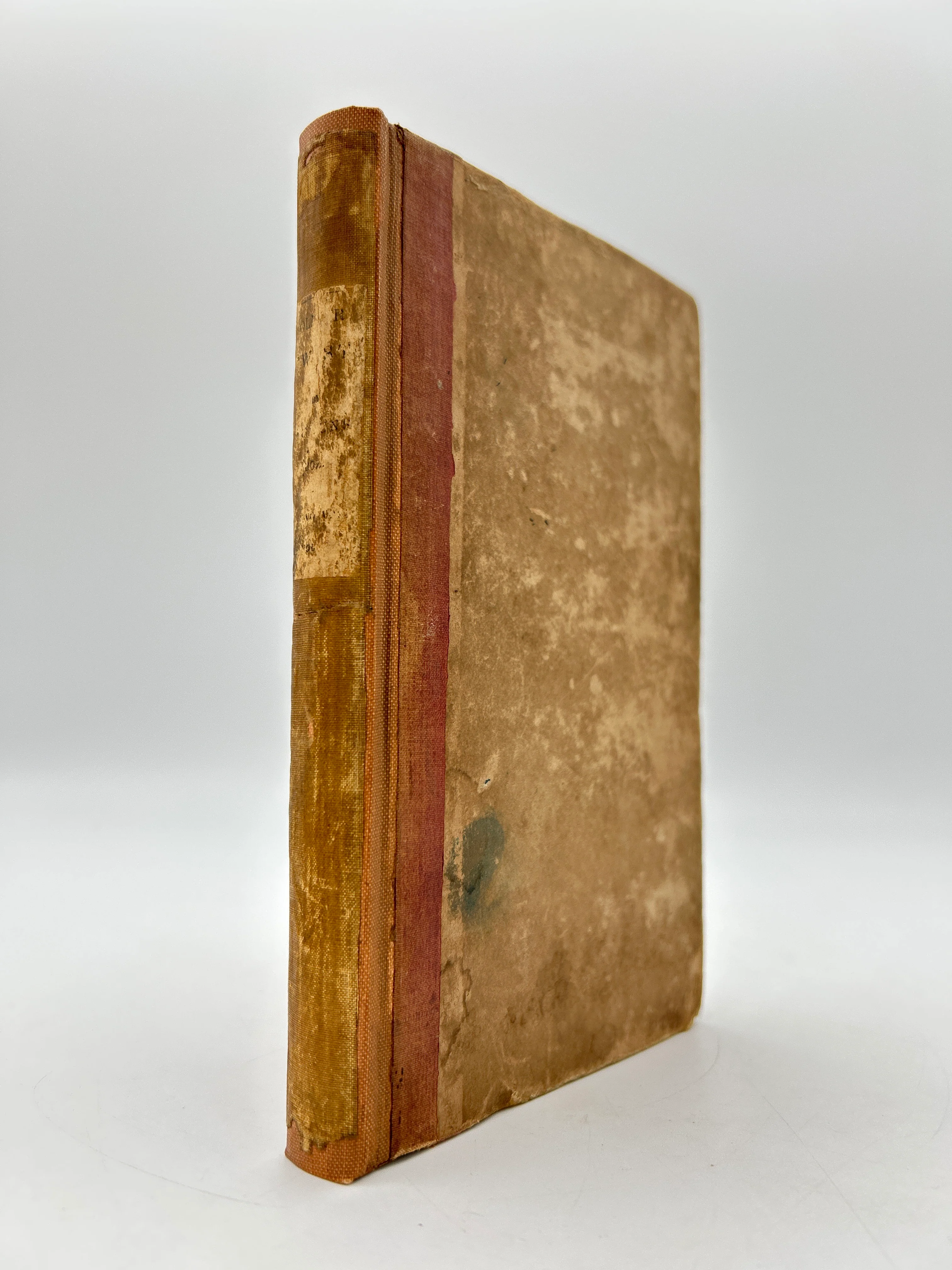
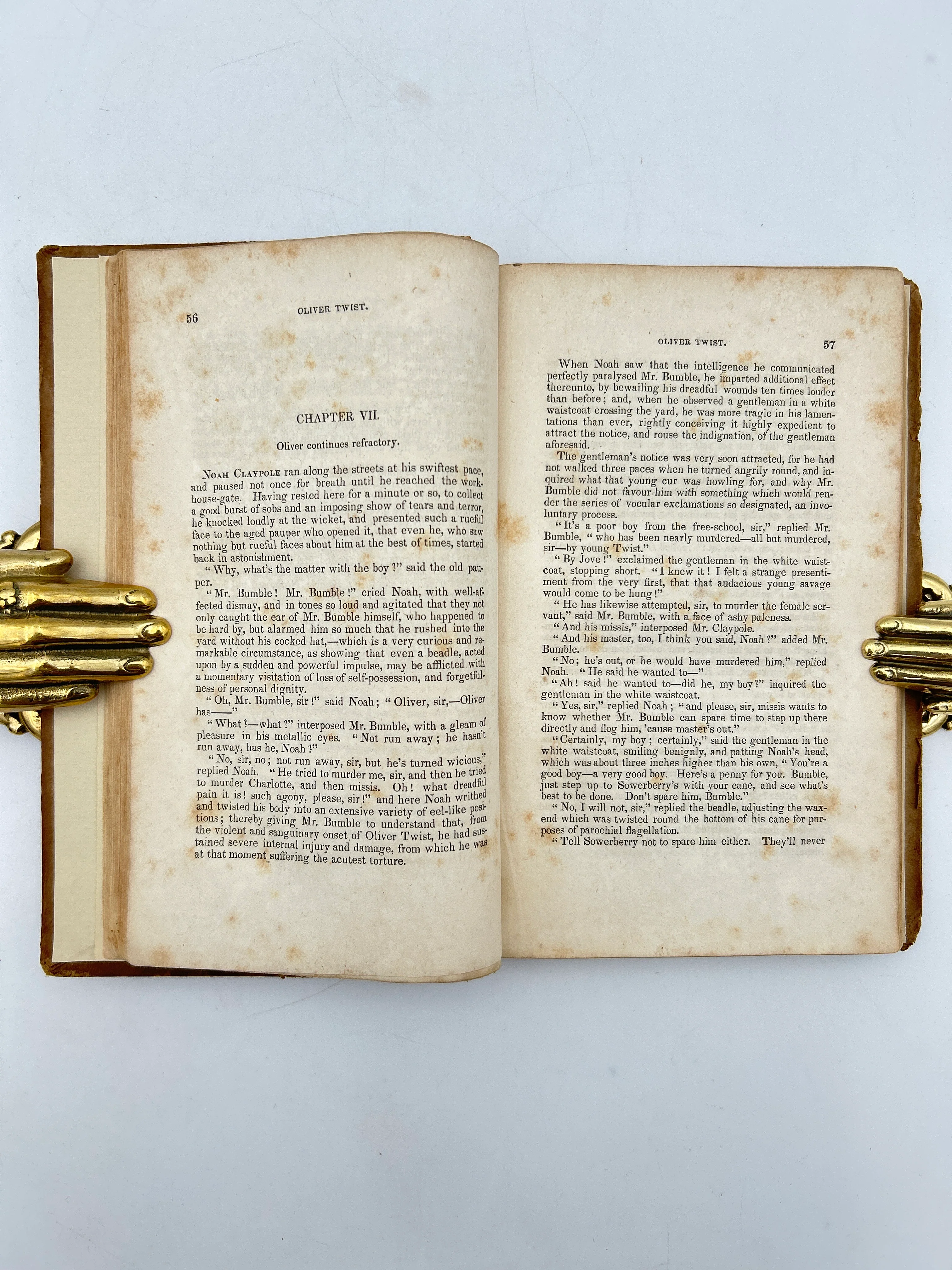
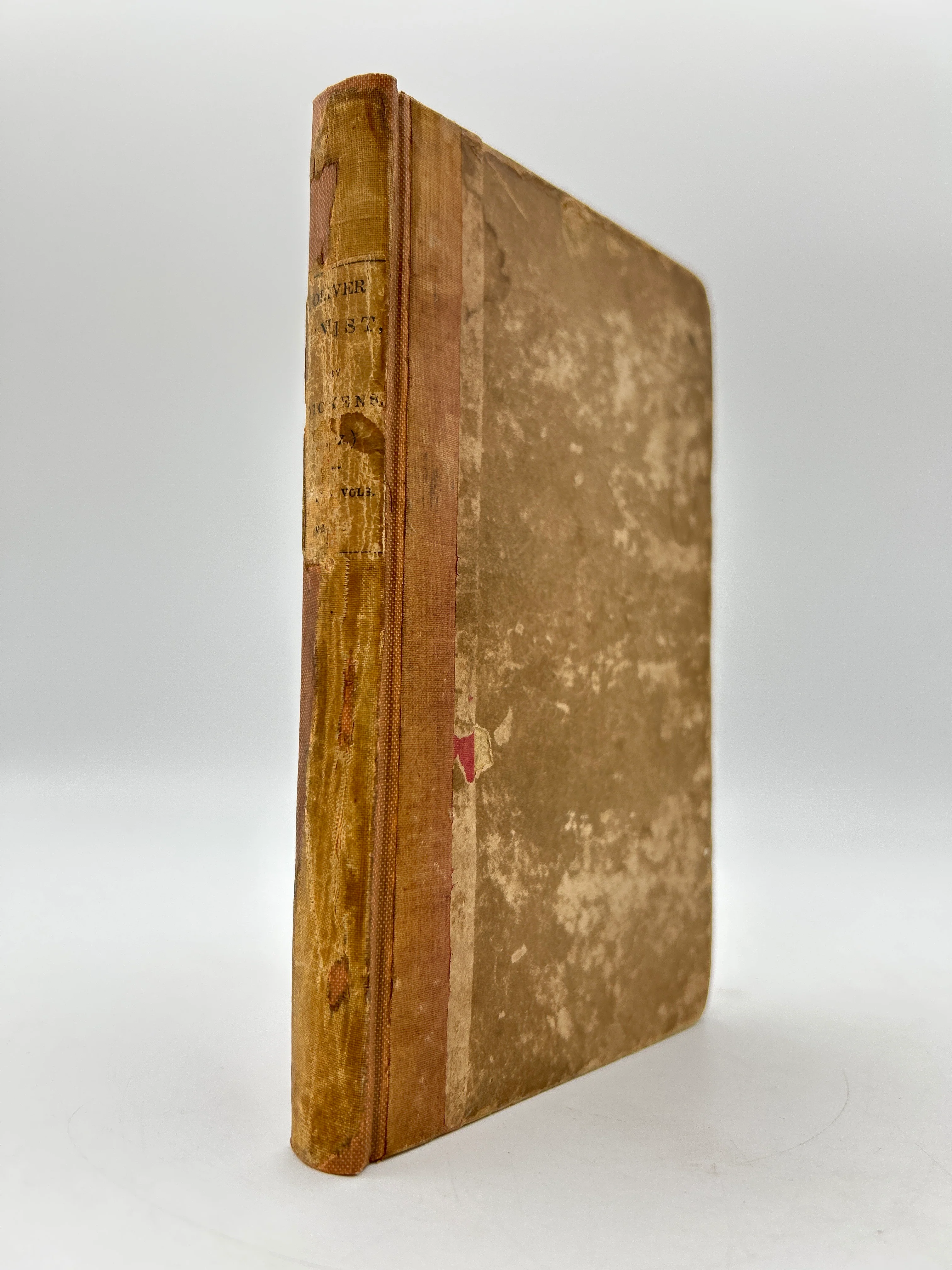
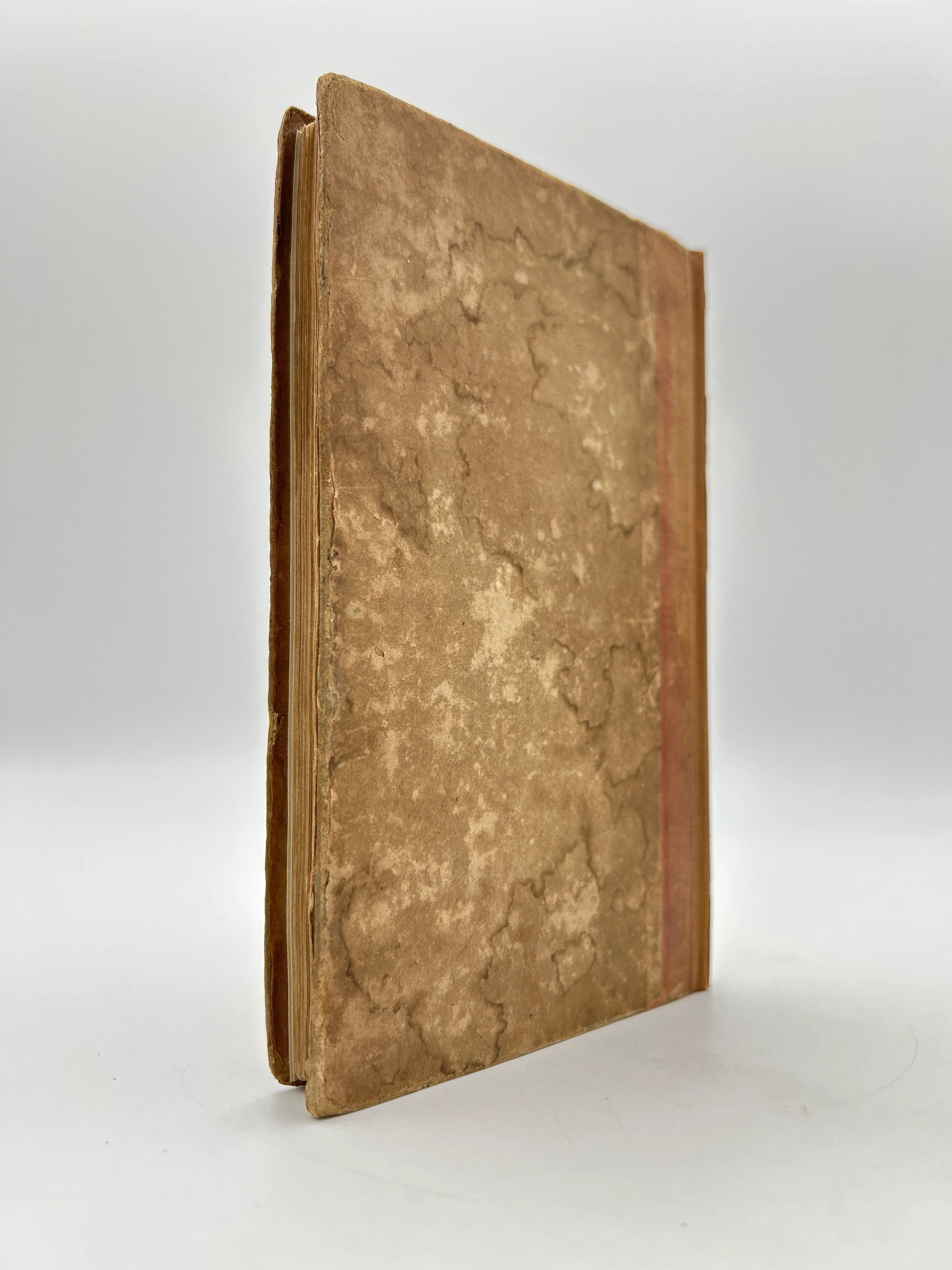
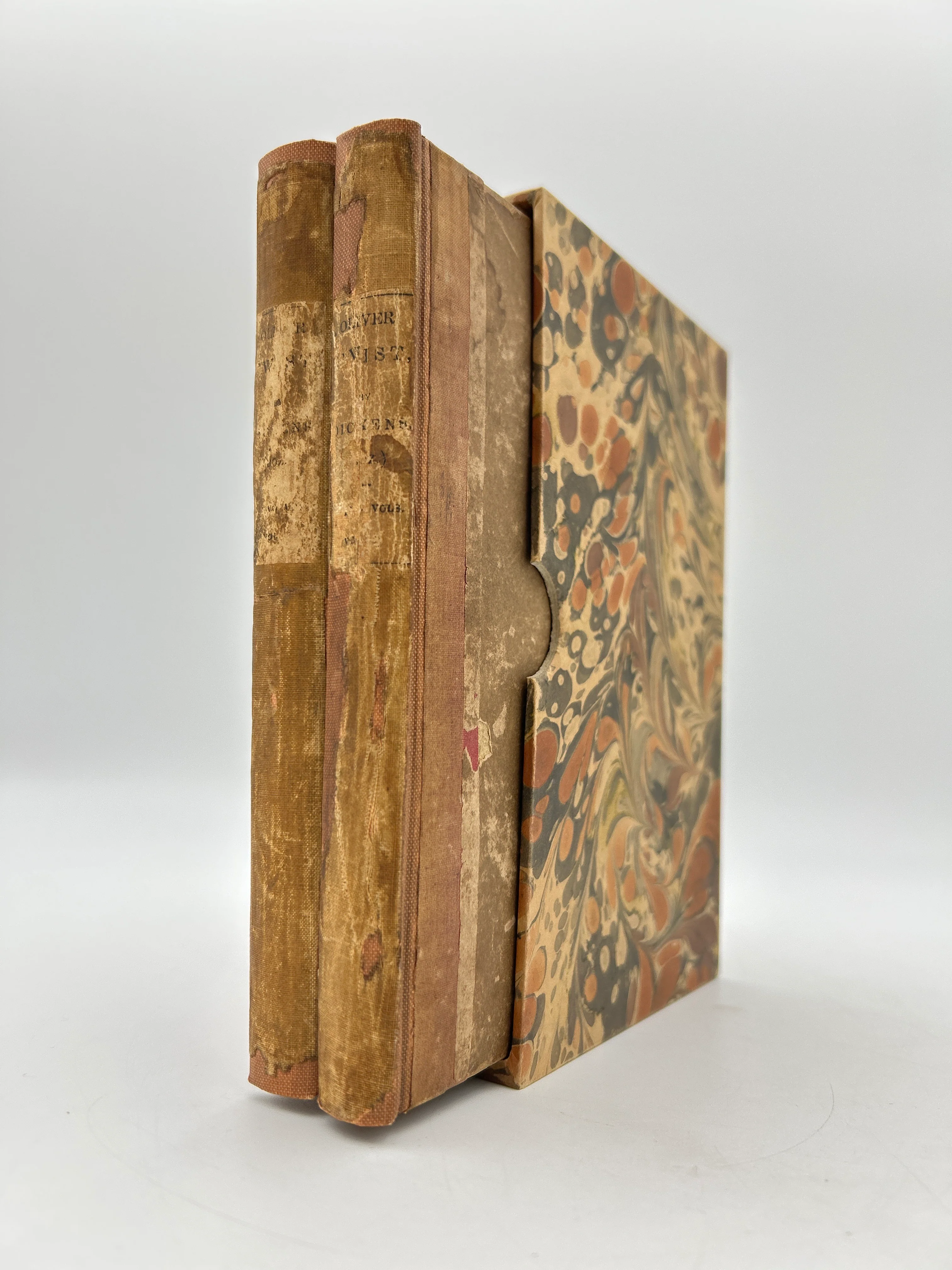
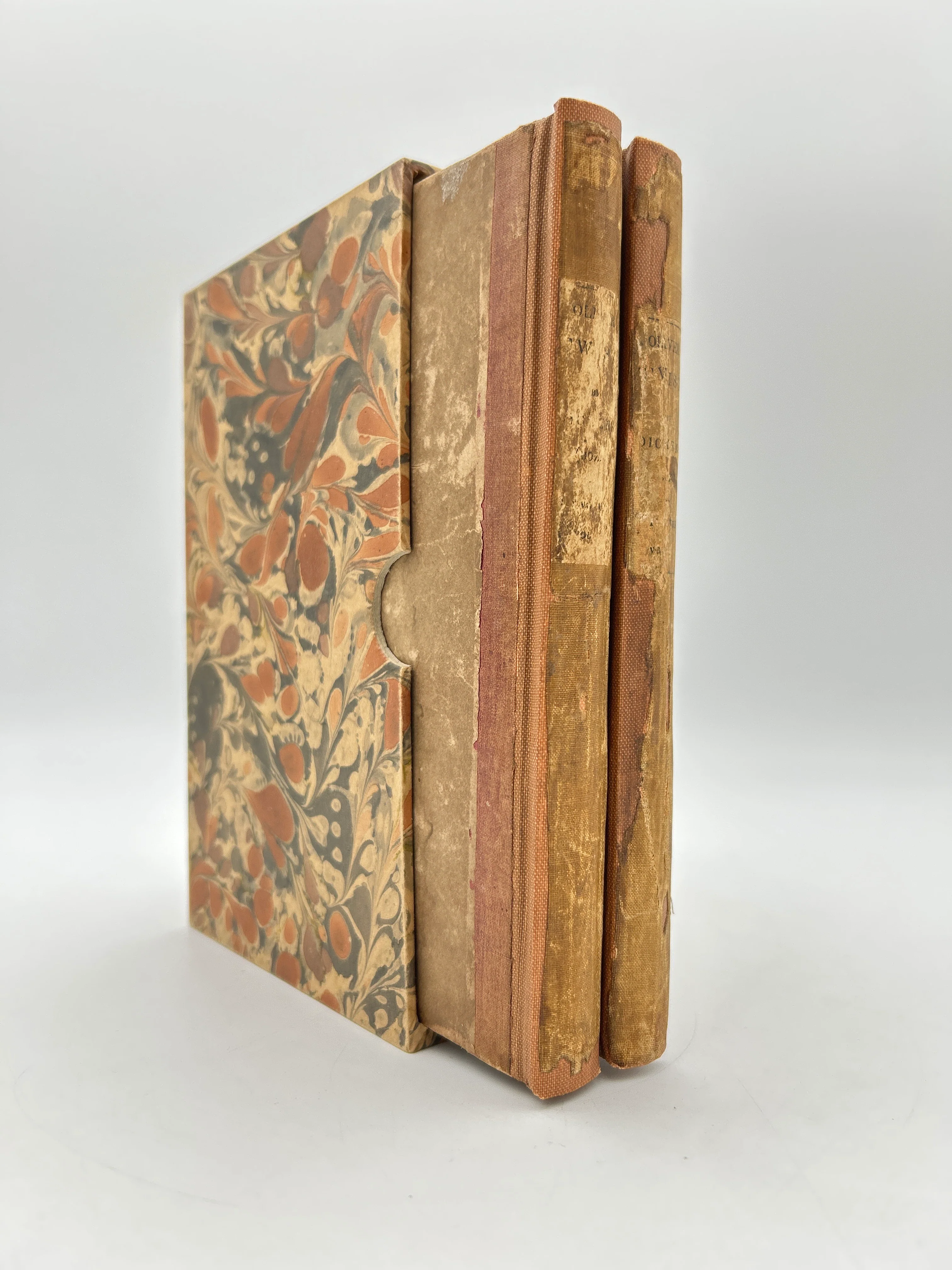
Original brown paper boards with restored rust spines and original cloth spine overlaid onto sturdy, restored spines. Both feature general wear to original boards and some sun fading to restored spines. Blue mark to lower left corner of upper board of volume I. Damp staining to lower board of volume II. General chipping to extremities and bumped points. Foxing to interior pages. Marbled custom slipcase with paste down to spine. Very good condition thanks to earlier careful repairs which preserve the original binding without compromising the integrity of the books.
Details & Craftsmanship
Every detail has been carefully considered to bring you the perfect product.
Details & Craftsmanship
Every detail has been carefully considered to bring you the perfect product.
Details & Craftsmanship
Every detail has been carefully considered to bring you the perfect product.
Details & Craftsmanship
Every detail has been carefully considered to bring you the perfect product.
Details & Craftsmanship
Every detail has been carefully considered to bring you the perfect product.
Details & Craftsmanship
Every detail has been carefully considered to bring you the perfect product.
Details & Craftsmanship
Every detail has been carefully considered to bring you the perfect product.
Details & Craftsmanship
Every detail has been carefully considered to bring you the perfect product.
Description
6C Charles Dickens (Boz!). Philadelphia: Lea and Blanchard, 1839. First U.S. Edition
Notes
Oliver Twist is a seminal novel by Charles Dickens, first published serially between 1837 and 1839. The story follows Oliver, an orphan born into poverty and raised in a harsh workhouse, as he navigates the grim streets of London, encountering criminals, conmen, and benevolent strangers along the way. Dickens used Oliver’s innocence and vulnerability to highlight the social injustices of Victorian England, particularly the brutal conditions faced by the poor and children. Notably, Oliver Twist is often recognized as the first major child protagonist in a Victorian novel, marking a shift in literature toward portraying children as central characters whose perspectives and struggles could carry the moral and emotional weight of a story. Through Oliver, Dickens humanized the plight of children in a rapidly industrializing society, creating a model for later novels that focused on youthful experience and social critique.
Charles Dickens was one of the most popular and influential writers of the Victorian era, celebrated for his vivid characters, intricate plots, and keen social commentary. From his early successes like The Pickwick Papers to later masterpieces such as David Copperfield and Great Expectations, Dickens captivated readers with stories that combined humor, pathos, and moral insight. He gained fame not only through his novels but also via public readings, which drew massive audiences and cemented his celebrity status. Dickens’s work resonated across class lines, addressing social injustices while remaining accessible and entertaining. His popularity has endured well beyond his lifetime; his novels continue to be widely read, adapted into films and stage productions, and studied for their literary, historical, and social significance, making him a defining figure in English literature.
Unlike the earlier UK serial publication, the first U.S. Edition of Oliver Twist appeared in two volumes rather than as a serialized story or a single book. This two-volume format was common for early U.S. editions of British novels, partly because of printing costs and the preference for portable volumes.
Description
Original brown paper boards with restored rust spines and original cloth spine overlaid onto sturdy, restored spines. Both feature general wear to original boards and some sun fading to restored spines. Blue mark to lower left corner of upper board of volume I. Damp staining to lower board of volume II. General chipping to extremities and bumped points. Foxing to interior pages. Marbled custom slipcase with paste down to spine. Very good condition thanks to earlier careful repairs which preserve the original binding without compromising the integrity of the books.