The Story
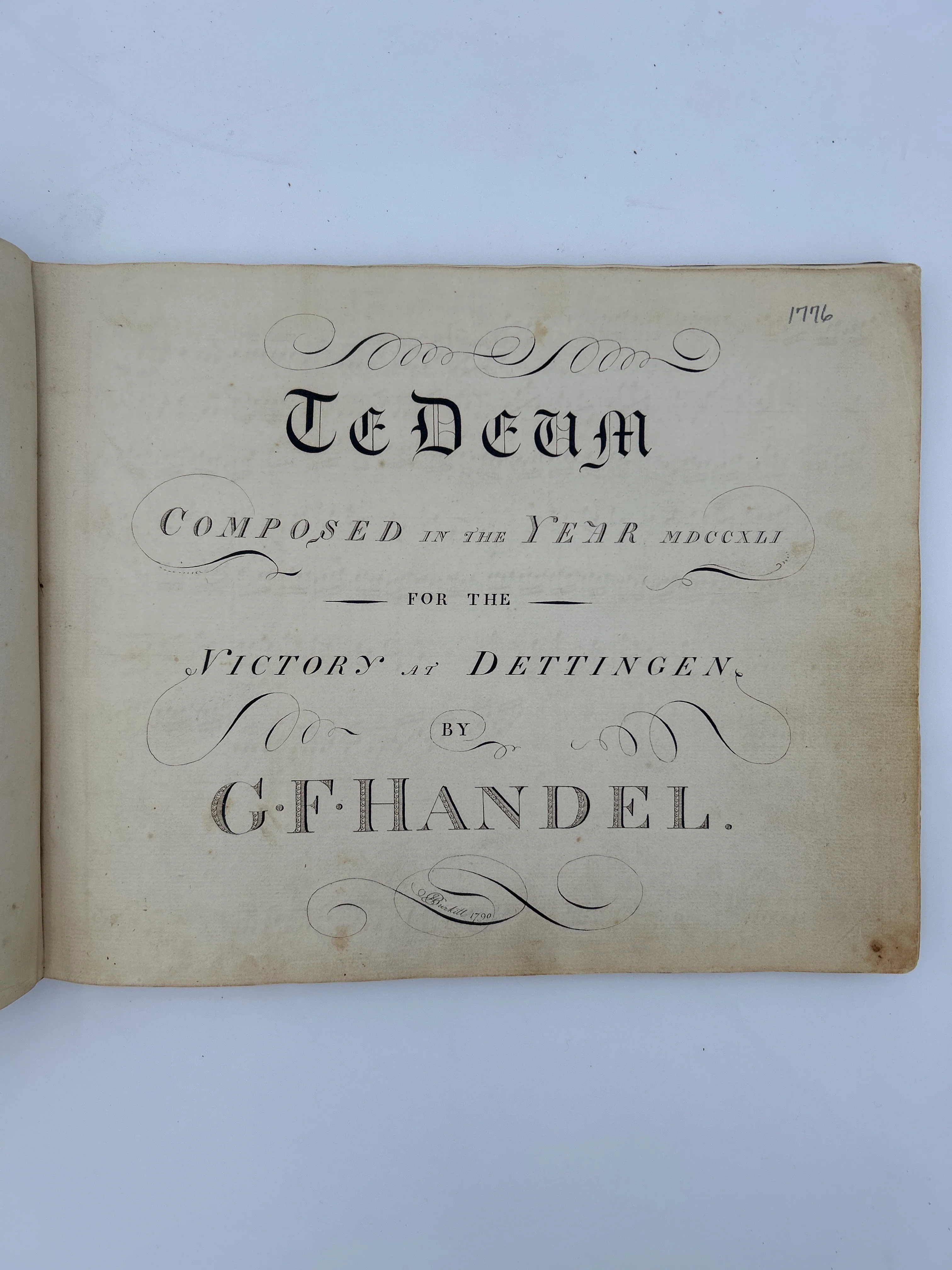
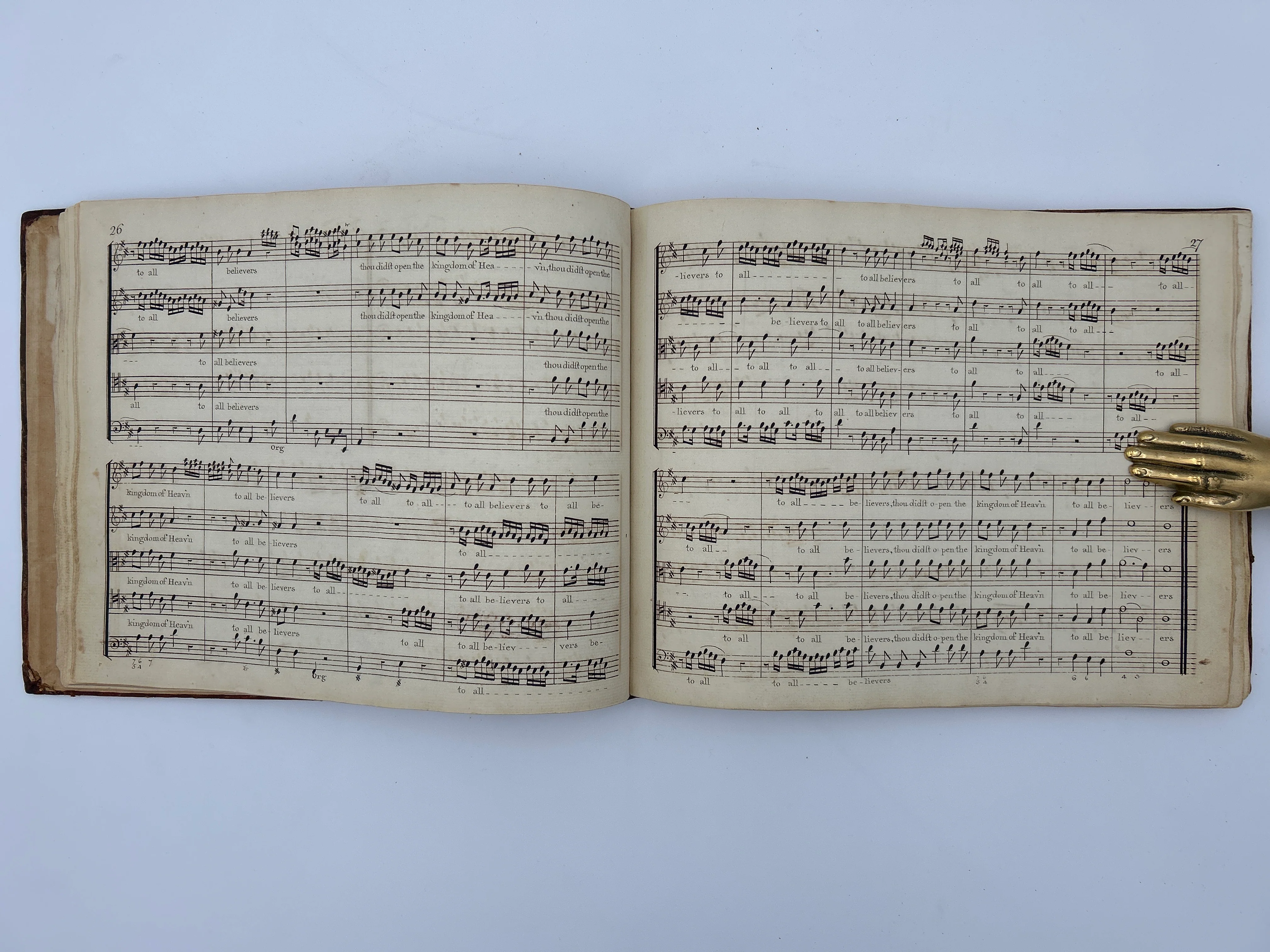
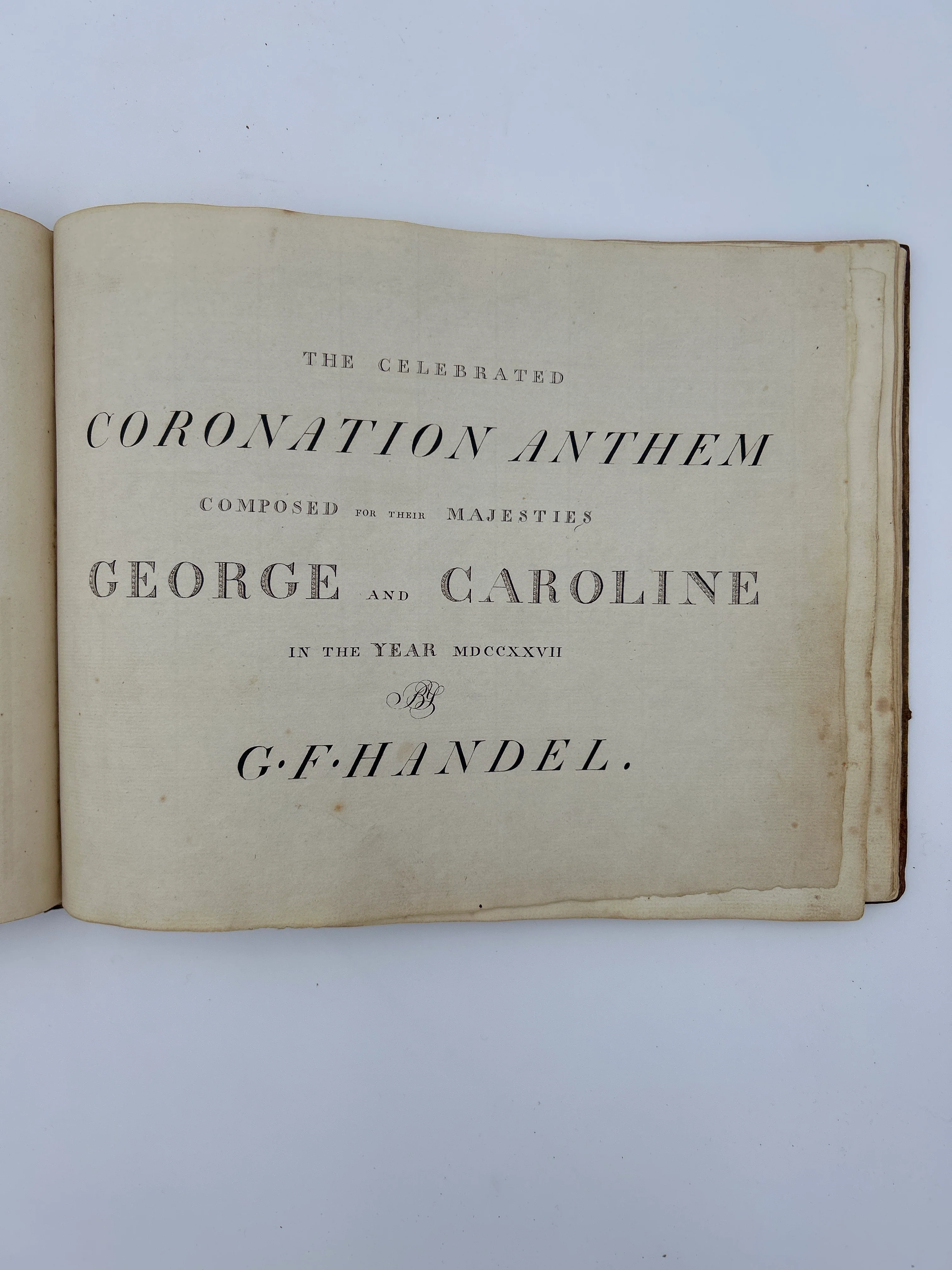
6R G. F. Handel. Burkett, 1790.
Notes
George Frideric Handel’s Te Deum, composed in 1743, was written to celebrate the British victory at the Battle of Dettingen during the War of the Austrian Succession, when King George II personally led his troops in battle. This work exemplifies Handel’s skill in ceremonial and celebratory composition, combining grand choral writing with jubilant orchestral passages that convey triumph and national pride. Structured in the traditional Te Deum format—a hymn of praise and thanksgiving—the piece alternates between full choir, soloists, and rich instrumental textures, reflecting both the solemnity of giving thanks to God and the exuberance of military success. It was first performed in London and quickly became part of Handel’s repertoire of occasional music celebrating royal and national events, reinforcing his reputation as a composer who could blend devotional solemnity with public spectacle.
Description
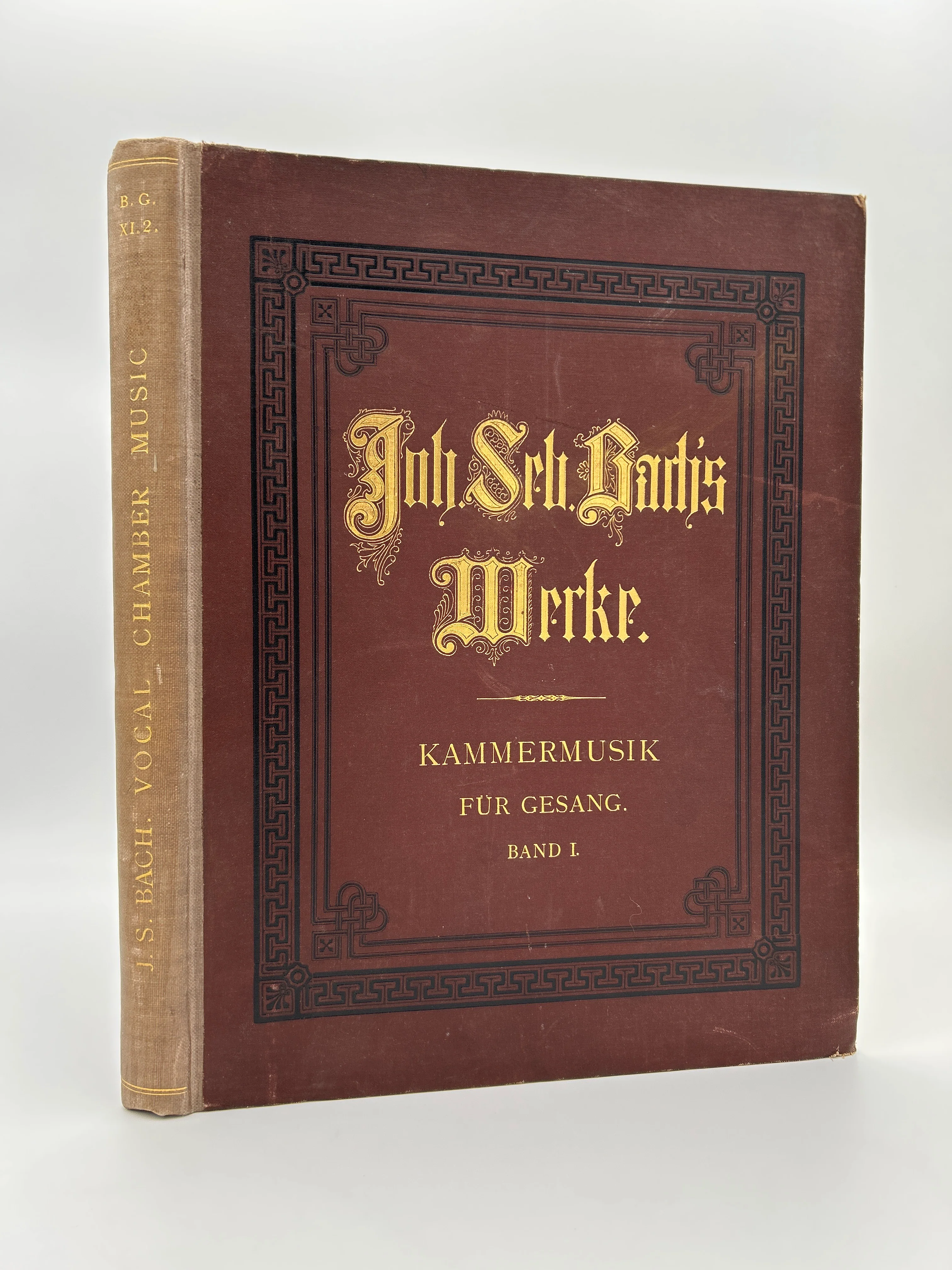
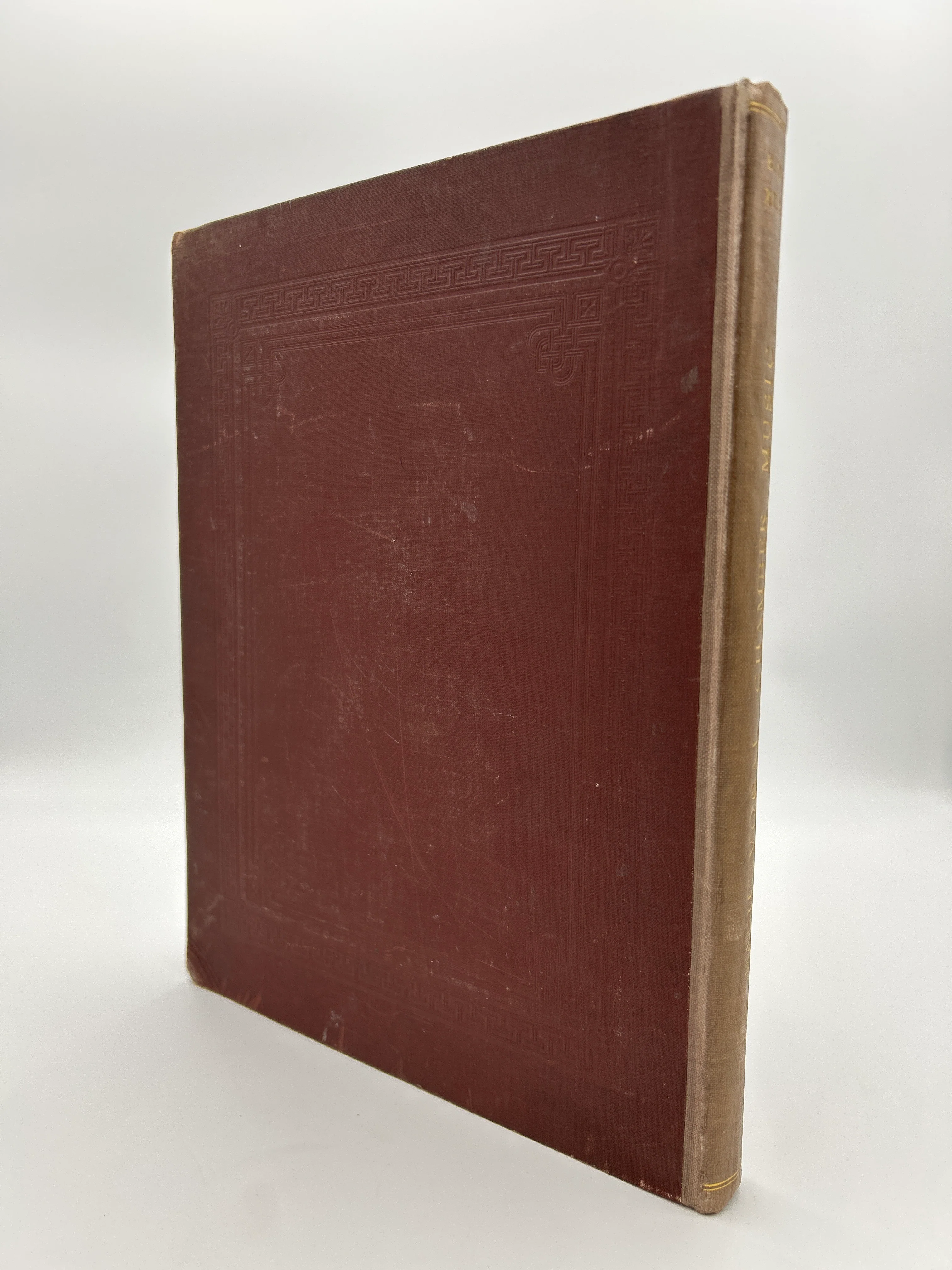
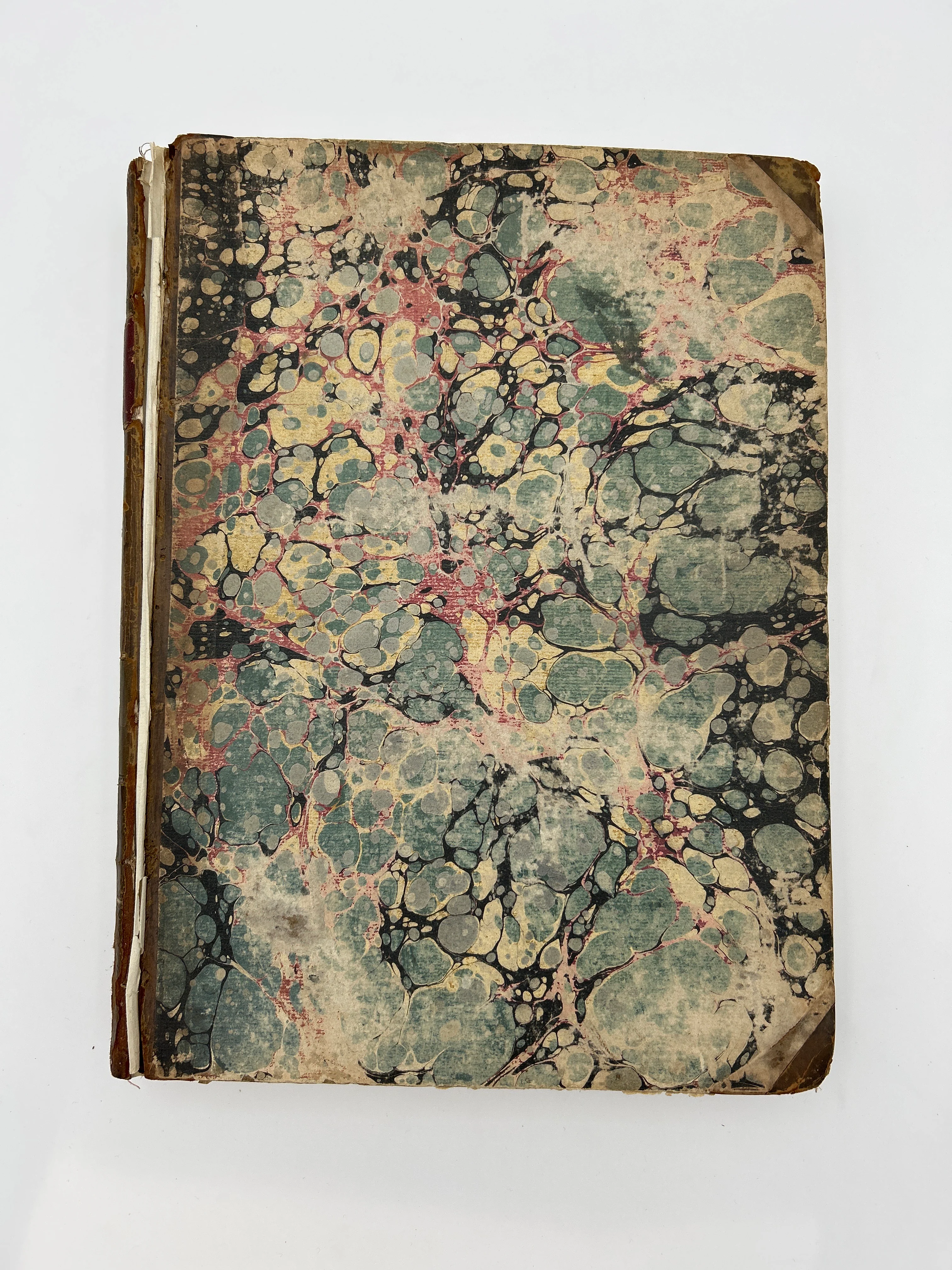
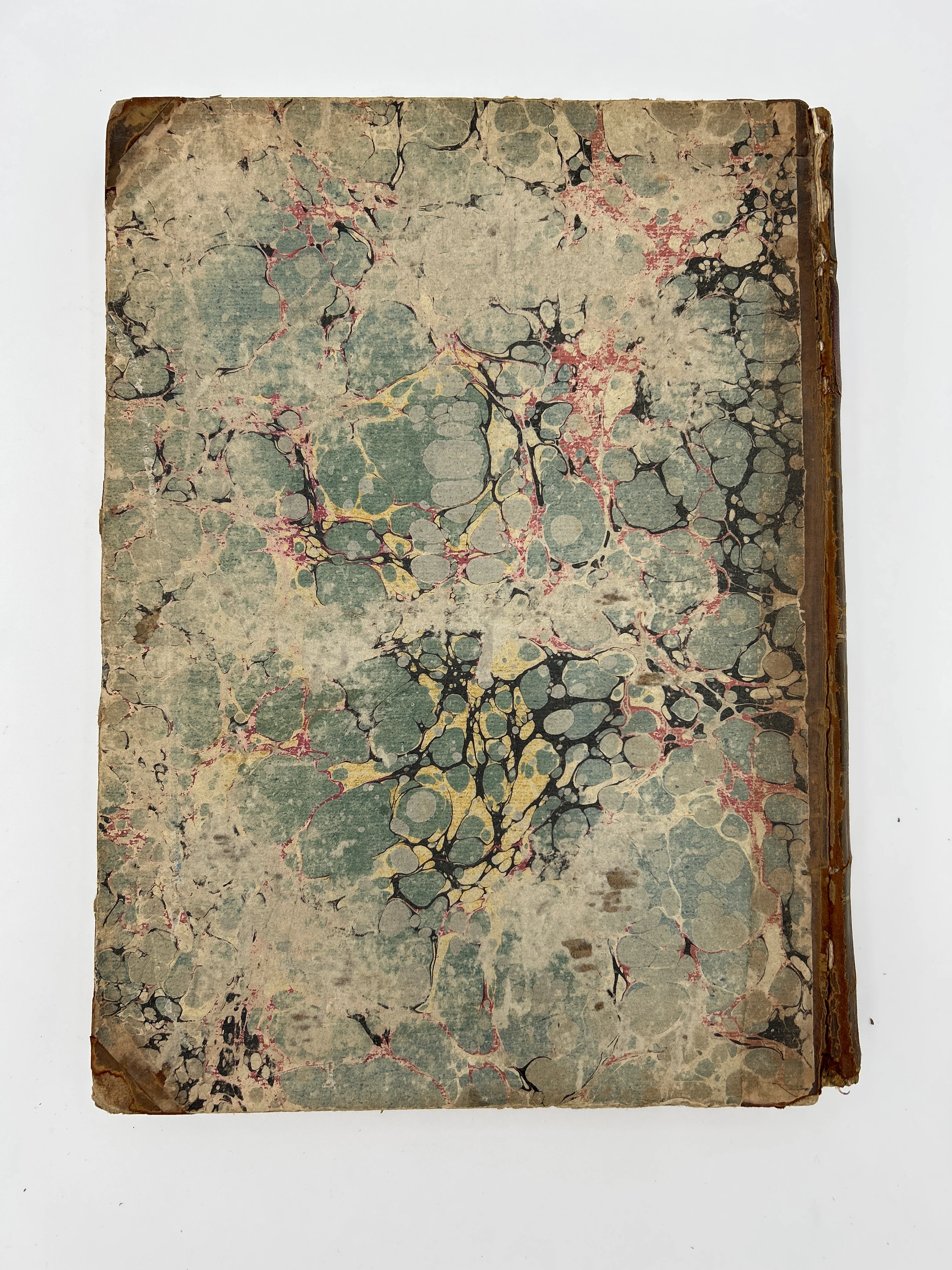
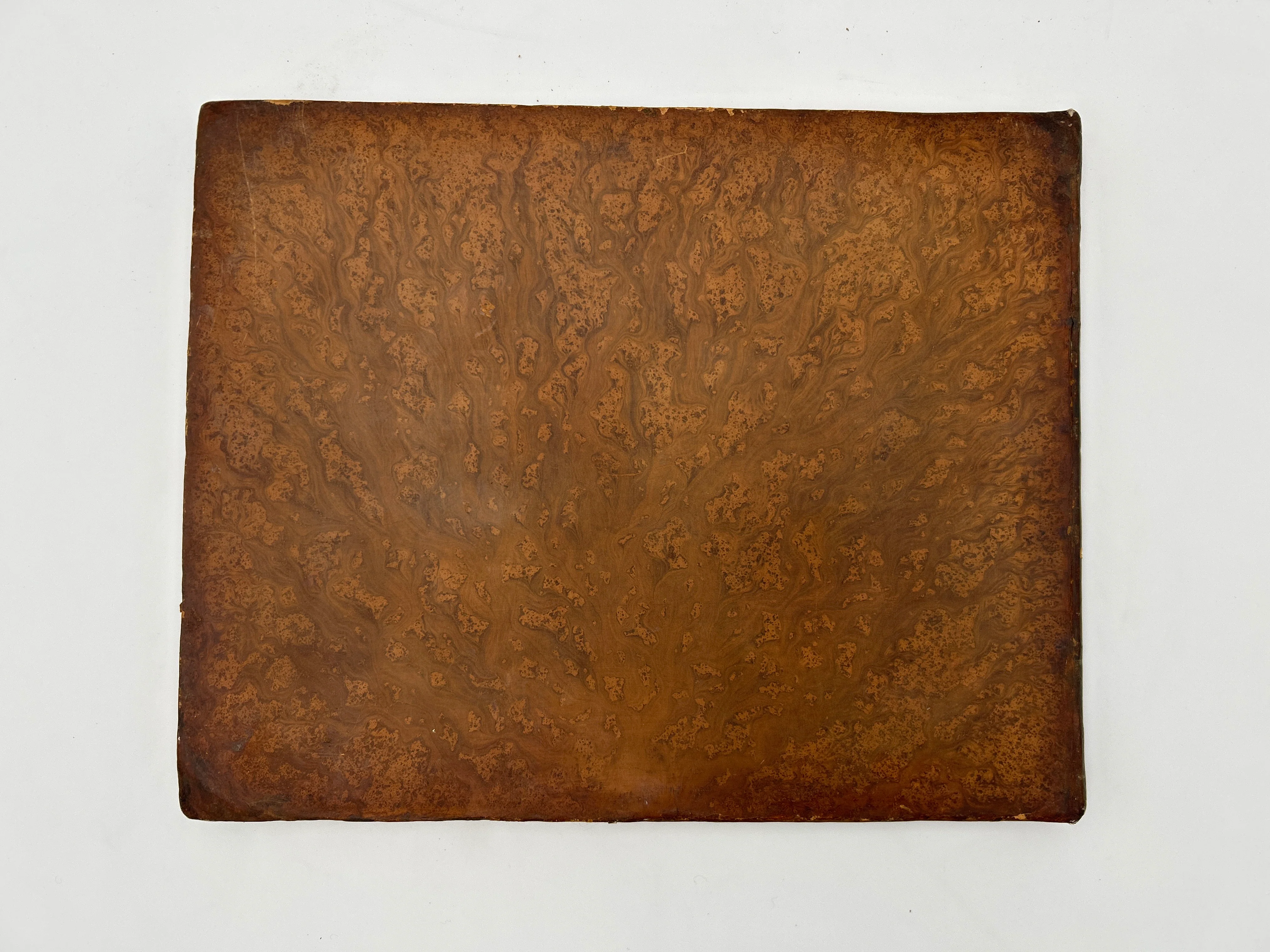
Brown leather binding with, seven gold bands on spine, intact, some foxing on pages, otherwise very good condition.

Details & Craftsmanship
Every detail has been carefully considered to bring you the perfect product.
Details & Craftsmanship
Every detail has been carefully considered to bring you the perfect product.
Details & Craftsmanship
Every detail has been carefully considered to bring you the perfect product.
Details & Craftsmanship
Every detail has been carefully considered to bring you the perfect product.

Details & Craftsmanship
Every detail has been carefully considered to bring you the perfect product.
Details & Craftsmanship
Every detail has been carefully considered to bring you the perfect product.
Description
6R G. F. Handel. Burkett, 1790.
Notes
George Frideric Handel’s Te Deum, composed in 1743, was written to celebrate the British victory at the Battle of Dettingen during the War of the Austrian Succession, when King George II personally led his troops in battle. This work exemplifies Handel’s skill in ceremonial and celebratory composition, combining grand choral writing with jubilant orchestral passages that convey triumph and national pride. Structured in the traditional Te Deum format—a hymn of praise and thanksgiving—the piece alternates between full choir, soloists, and rich instrumental textures, reflecting both the solemnity of giving thanks to God and the exuberance of military success. It was first performed in London and quickly became part of Handel’s repertoire of occasional music celebrating royal and national events, reinforcing his reputation as a composer who could blend devotional solemnity with public spectacle.
Description
Brown leather binding with, seven gold bands on spine, intact, some foxing on pages, otherwise very good condition.