Original: $2,500.00
-65%$2,500.00
$875.00The Story
6b Charles Dickens. London: Richard Bentley, 1839. Second edition. Three volumes in one.
Notes
Oliver Twist, first published in serial form between 1837 and 1839, is one of Charles Dickens’s most famous novels and a powerful critique of social injustice in Victorian England. The story follows the orphaned Oliver as he escapes the cruelty of the workhouse system and is drawn into the criminal underworld of London, encountering memorable figures such as Fagin, the Artful Dodger, and Bill Sikes. Through vivid characterization and dramatic contrasts between innocence and corruption, Dickens exposes the harsh realities of poverty, child exploitation, and institutional neglect, while also affirming the possibility of moral goodness and compassion even in the bleakest circumstances.
Charles Dickens himself was one of the defining literary figures of the nineteenth century, renowned for his ability to combine social criticism with popular storytelling. Born in 1812, Dickens experienced hardship at a young age, including working in a blacking factory, experiences that deeply shaped his sympathy for the poor and marginalized. His novels—often published in installments—reached a vast readership and helped bring public attention to issues such as debtors’ prisons, child labor, and urban poverty. With his energetic prose, unforgettable characters, and moral urgency, Dickens left a lasting impact not only on English literature but also on social reform and the way fiction could engage with real-world problems.
The second edition of Oliver Twist was issued in three volumes and is often dated 1839, reflecting common Victorian publishing practices rather than a contradiction in edition status. Although the novel first appeared in book form in 1838, publishers frequently continued to designate revised reprintings as a “second edition” even when they were issued the following year. This edition incorporated Dickens’s textual revisions and clarifications made in response to early criticism, helping to establish a more settled and authoritative version of the novel. The three-volume format aligned Oliver Twist with contemporary circulating-library standards, and the 1839 date seen on many copies represents a later printing or issue of the second edition, a perfectly normal feature of nineteenth-century book production.
Description
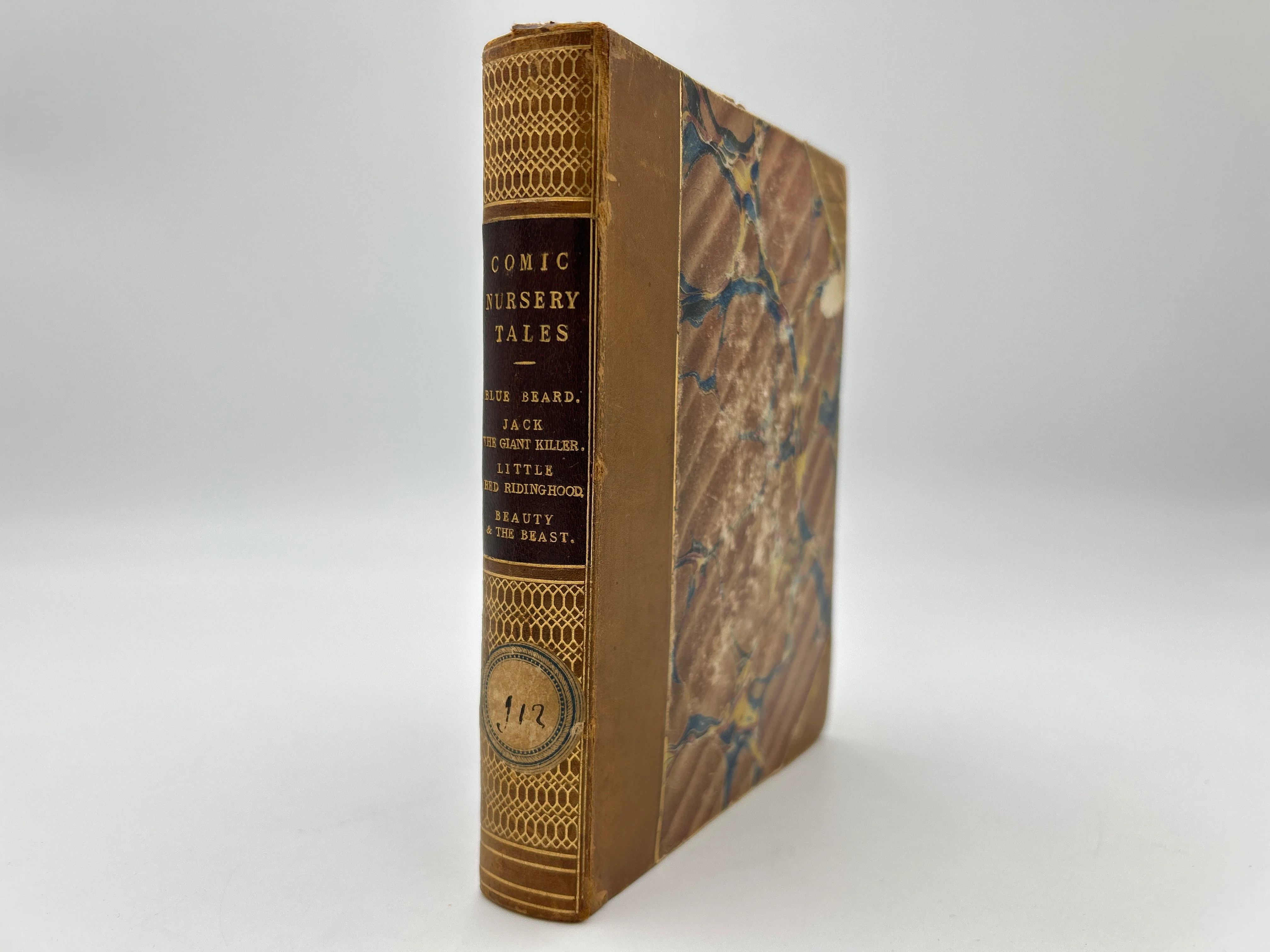
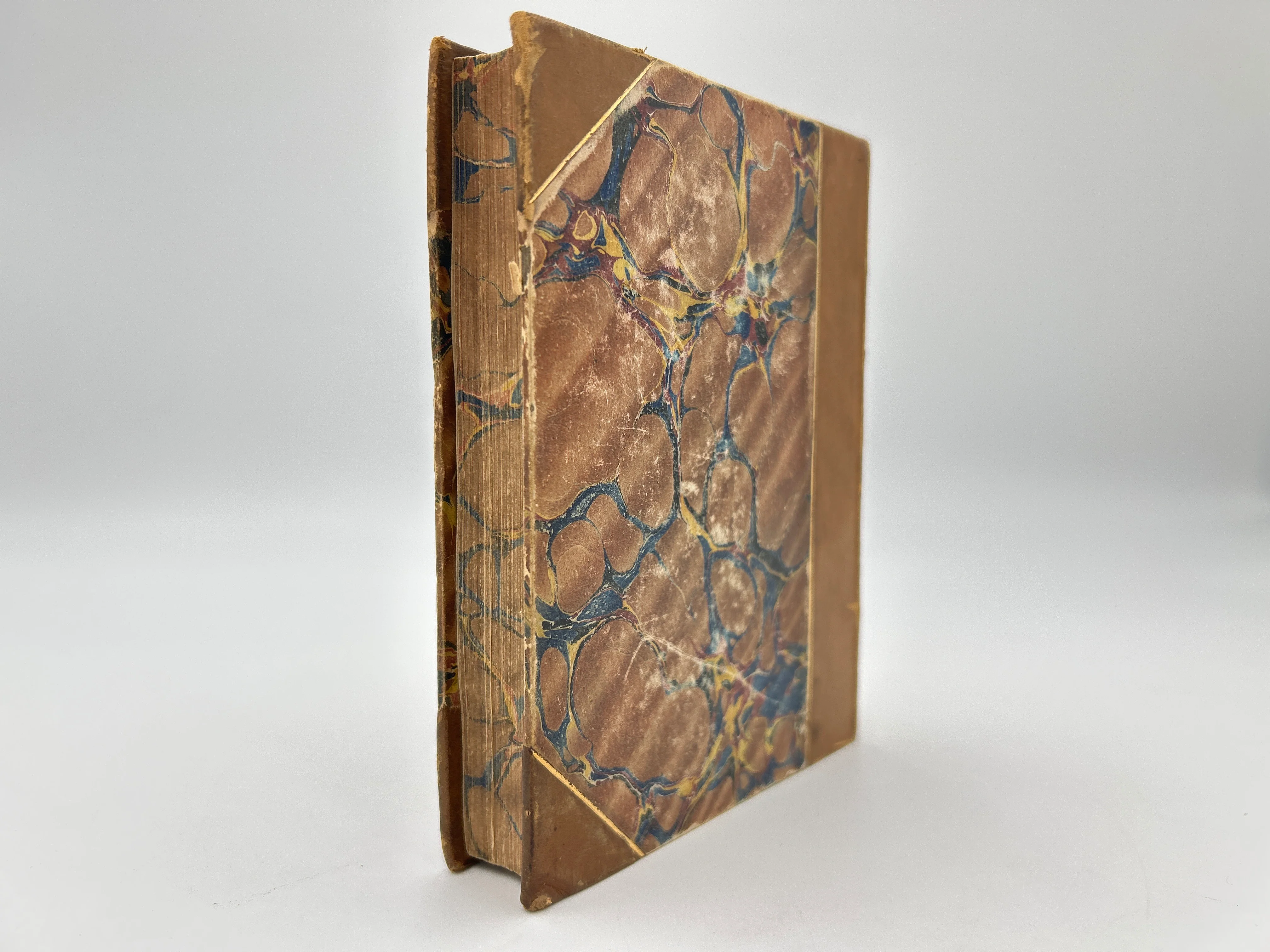
Red leather spine and four corners with marbling front and back binding, five raised bands on spine, some fading on spine, black and white illustrations, slight rubbing on four corners, good condition.

Details & Craftsmanship
Every detail has been carefully considered to bring you the perfect product.

Details & Craftsmanship
Every detail has been carefully considered to bring you the perfect product.

Details & Craftsmanship
Every detail has been carefully considered to bring you the perfect product.
Description
6b Charles Dickens. London: Richard Bentley, 1839. Second edition. Three volumes in one.
Notes
Oliver Twist, first published in serial form between 1837 and 1839, is one of Charles Dickens’s most famous novels and a powerful critique of social injustice in Victorian England. The story follows the orphaned Oliver as he escapes the cruelty of the workhouse system and is drawn into the criminal underworld of London, encountering memorable figures such as Fagin, the Artful Dodger, and Bill Sikes. Through vivid characterization and dramatic contrasts between innocence and corruption, Dickens exposes the harsh realities of poverty, child exploitation, and institutional neglect, while also affirming the possibility of moral goodness and compassion even in the bleakest circumstances.
Charles Dickens himself was one of the defining literary figures of the nineteenth century, renowned for his ability to combine social criticism with popular storytelling. Born in 1812, Dickens experienced hardship at a young age, including working in a blacking factory, experiences that deeply shaped his sympathy for the poor and marginalized. His novels—often published in installments—reached a vast readership and helped bring public attention to issues such as debtors’ prisons, child labor, and urban poverty. With his energetic prose, unforgettable characters, and moral urgency, Dickens left a lasting impact not only on English literature but also on social reform and the way fiction could engage with real-world problems.
The second edition of Oliver Twist was issued in three volumes and is often dated 1839, reflecting common Victorian publishing practices rather than a contradiction in edition status. Although the novel first appeared in book form in 1838, publishers frequently continued to designate revised reprintings as a “second edition” even when they were issued the following year. This edition incorporated Dickens’s textual revisions and clarifications made in response to early criticism, helping to establish a more settled and authoritative version of the novel. The three-volume format aligned Oliver Twist with contemporary circulating-library standards, and the 1839 date seen on many copies represents a later printing or issue of the second edition, a perfectly normal feature of nineteenth-century book production.
Description
Red leather spine and four corners with marbling front and back binding, five raised bands on spine, some fading on spine, black and white illustrations, slight rubbing on four corners, good condition.