Original: $2,250.00
-65%$2,250.00
$787.50The Story
6C Helen Bannerman. New York: Frederick A. Stokes Company Publishers, ca. 1899.
Notes
The Story of Little Black Sambo was written and illustrated by Helen Bannerman and first published in 1899. The tale follows a young boy who cleverly escapes danger by outwitting a group of tigers, ultimately returning home safely with pancakes made from the butter the tigers churn while chasing one another. Bannerman wrote the story for her daughters while living in India, and although later editions often misrepresented the setting, the original story drew on South Asian landscapes, clothing, and names. The book became extremely popular in the early 20th century and is notable for its simple narrative structure, repetition, and portrayal of a child protagonist who survives through intelligence rather than force.
The book is still collected and discussed today because of its historical importance in children’s literature and its influence on picture-book storytelling, but it is also deeply controversial. The name “Sambo” and many later illustrations relied on racist caricatures that harmed and offended Black communities, particularly in the United States. As a result, the book has been criticized for reinforcing racial stereotypes. Modern discussions often focus on separating the original context from its later misuses, and the story has been reimagined in culturally sensitive versions, such as The Story of Little Babaji, highlighting how children’s literature evolves and how historical works must be examined critically.
Description
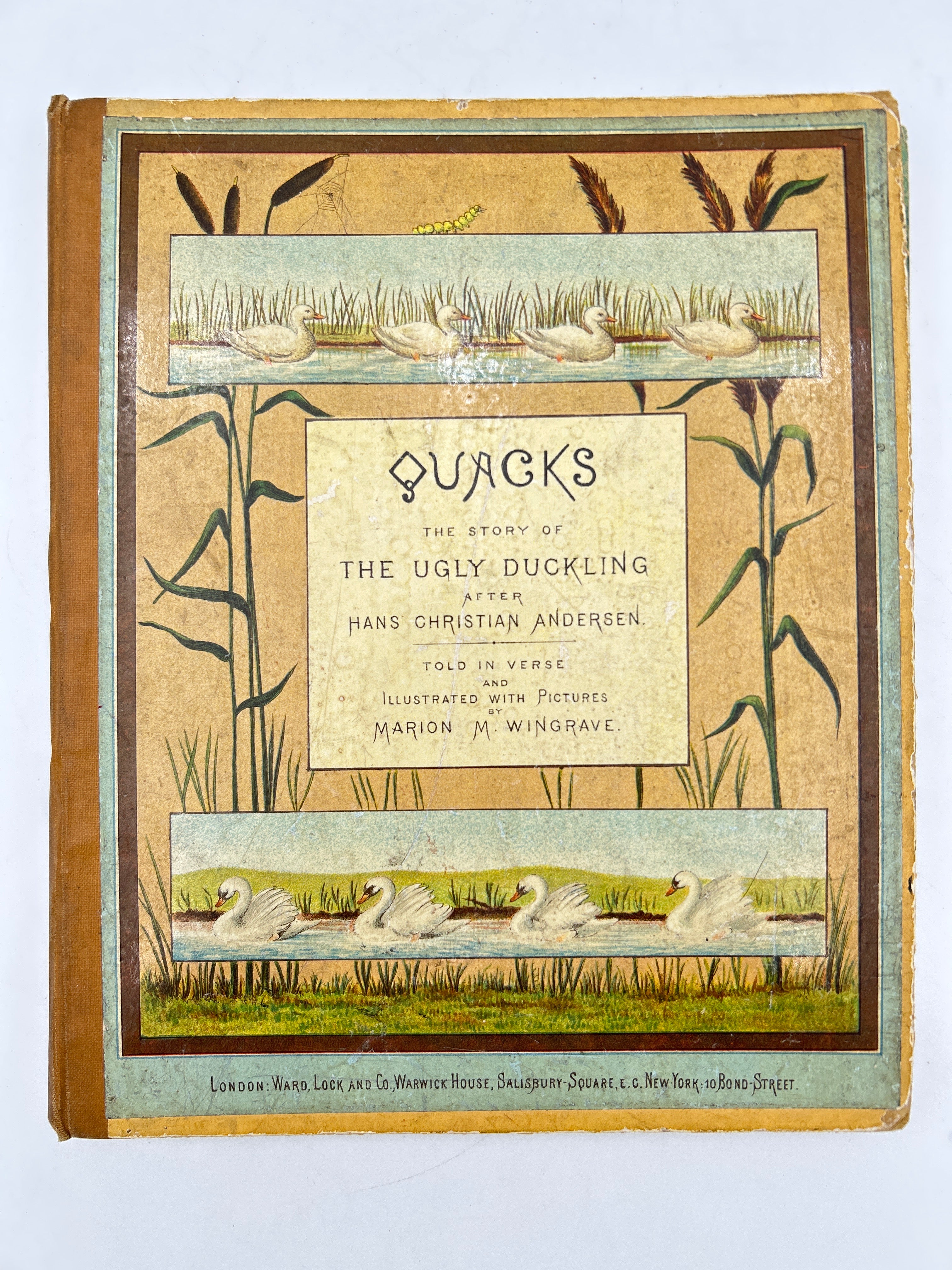
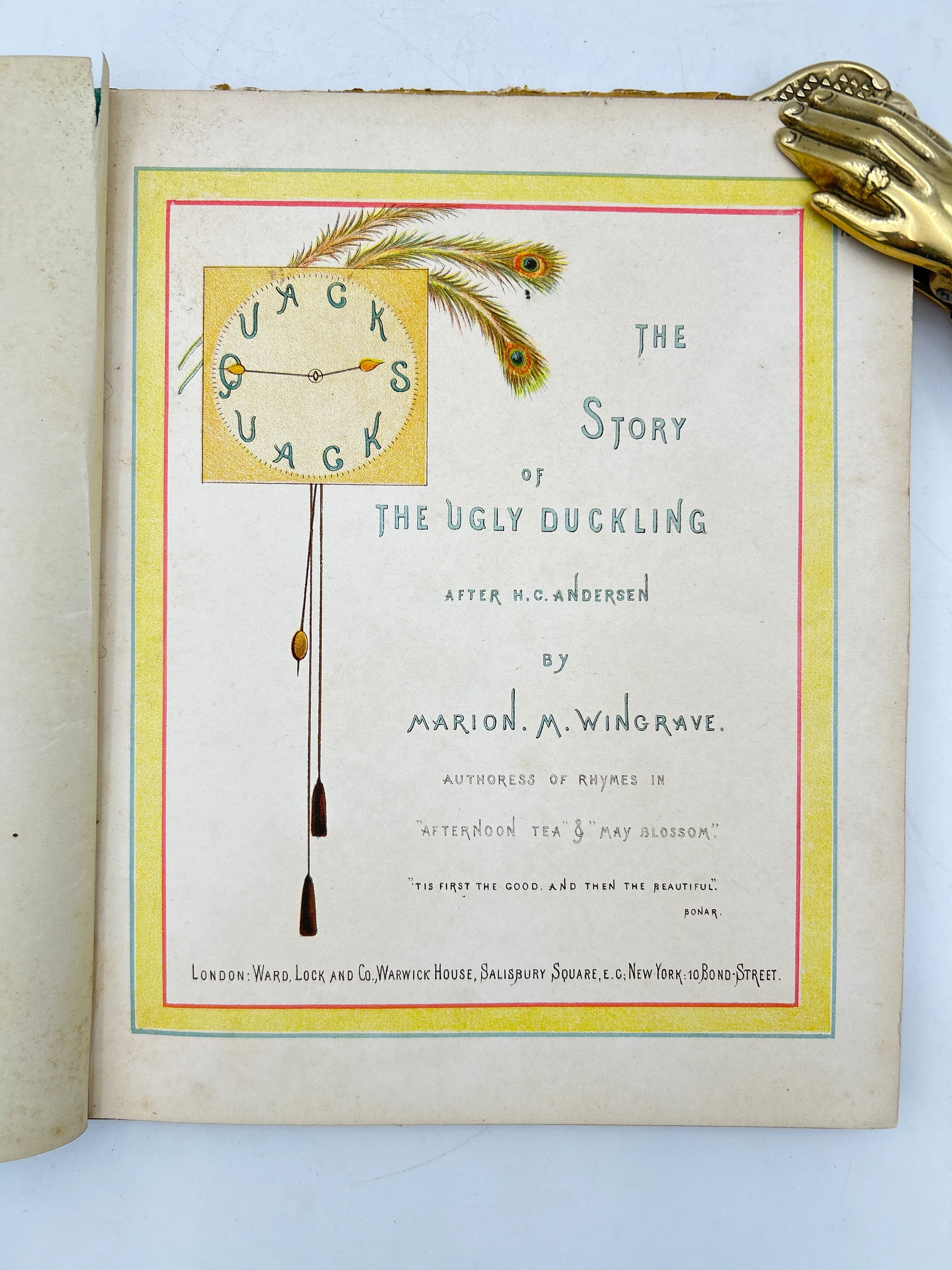
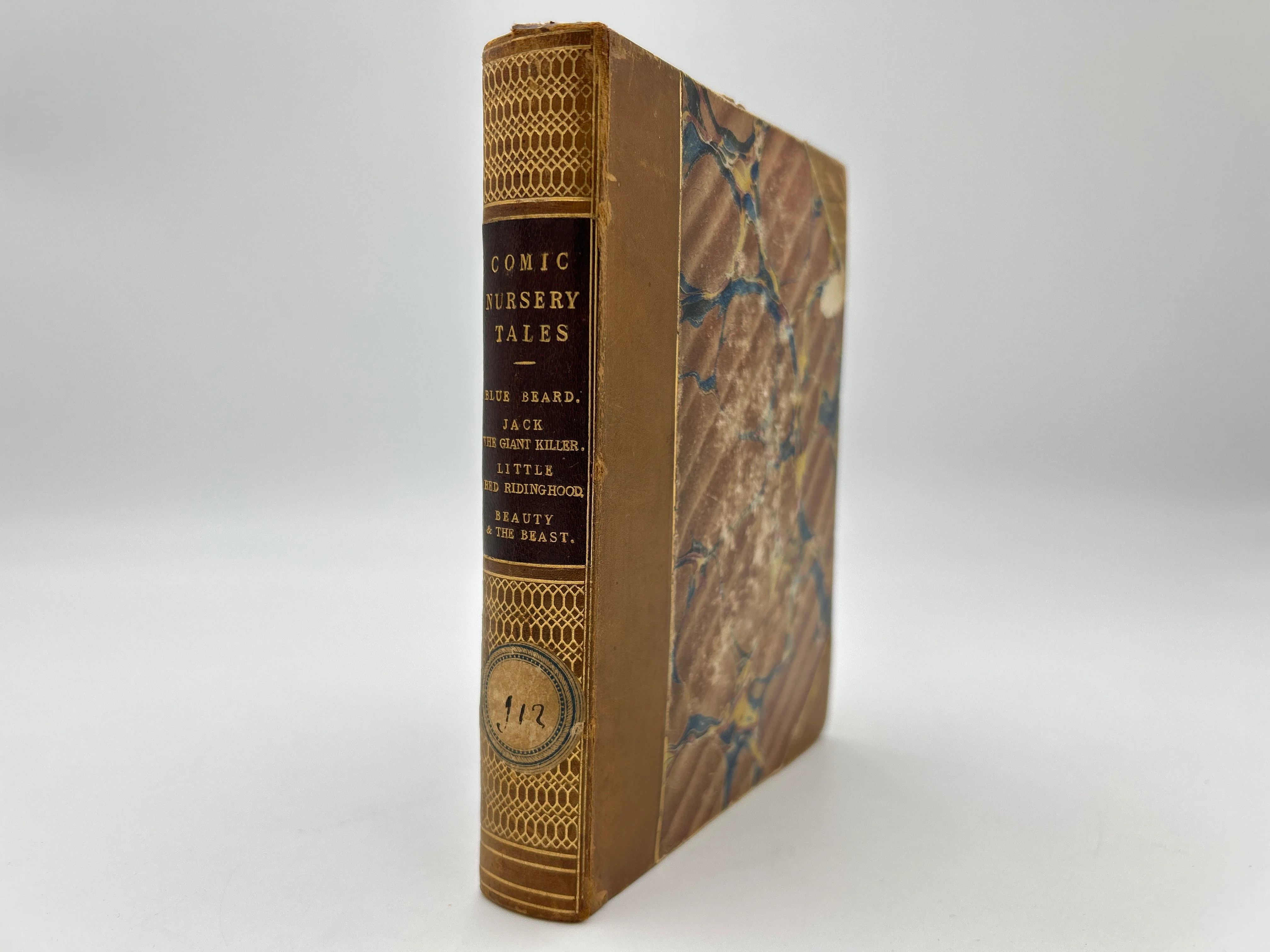
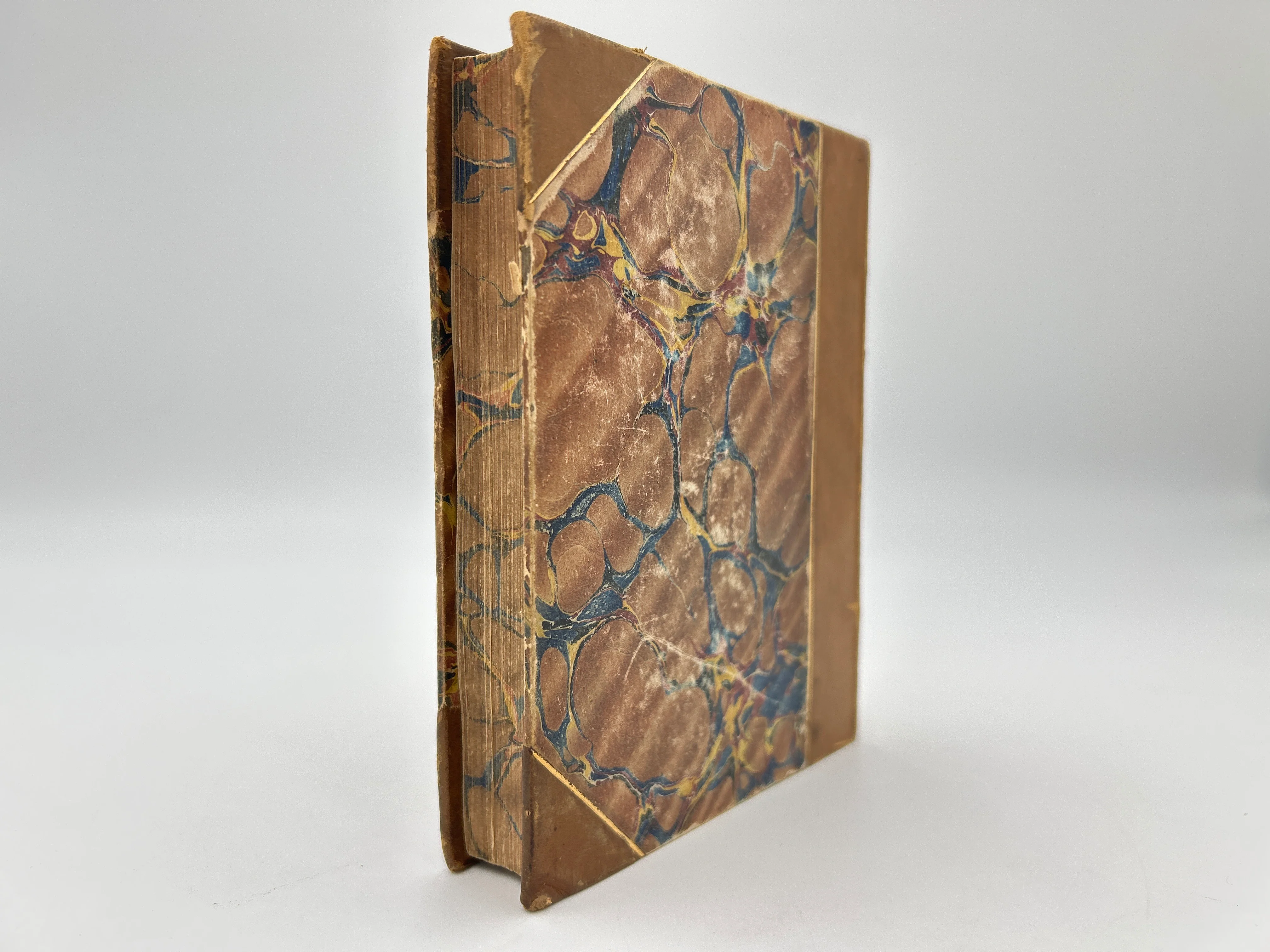
Pocket edition with cream hardcover boards and yellow canvas spine. Some chipping and discoloration to the image on front and back boards. Splitting to the front board and wearing down to the edges. General browning to interior pages, colored images throughout. Fine condition.

Details & Craftsmanship
Every detail has been carefully considered to bring you the perfect product.

Details & Craftsmanship
Every detail has been carefully considered to bring you the perfect product.

Details & Craftsmanship
Every detail has been carefully considered to bring you the perfect product.

Details & Craftsmanship
Every detail has been carefully considered to bring you the perfect product.
Description
6C Helen Bannerman. New York: Frederick A. Stokes Company Publishers, ca. 1899.
Notes
The Story of Little Black Sambo was written and illustrated by Helen Bannerman and first published in 1899. The tale follows a young boy who cleverly escapes danger by outwitting a group of tigers, ultimately returning home safely with pancakes made from the butter the tigers churn while chasing one another. Bannerman wrote the story for her daughters while living in India, and although later editions often misrepresented the setting, the original story drew on South Asian landscapes, clothing, and names. The book became extremely popular in the early 20th century and is notable for its simple narrative structure, repetition, and portrayal of a child protagonist who survives through intelligence rather than force.
The book is still collected and discussed today because of its historical importance in children’s literature and its influence on picture-book storytelling, but it is also deeply controversial. The name “Sambo” and many later illustrations relied on racist caricatures that harmed and offended Black communities, particularly in the United States. As a result, the book has been criticized for reinforcing racial stereotypes. Modern discussions often focus on separating the original context from its later misuses, and the story has been reimagined in culturally sensitive versions, such as The Story of Little Babaji, highlighting how children’s literature evolves and how historical works must be examined critically.
Description
Pocket edition with cream hardcover boards and yellow canvas spine. Some chipping and discoloration to the image on front and back boards. Splitting to the front board and wearing down to the edges. General browning to interior pages, colored images throughout. Fine condition.